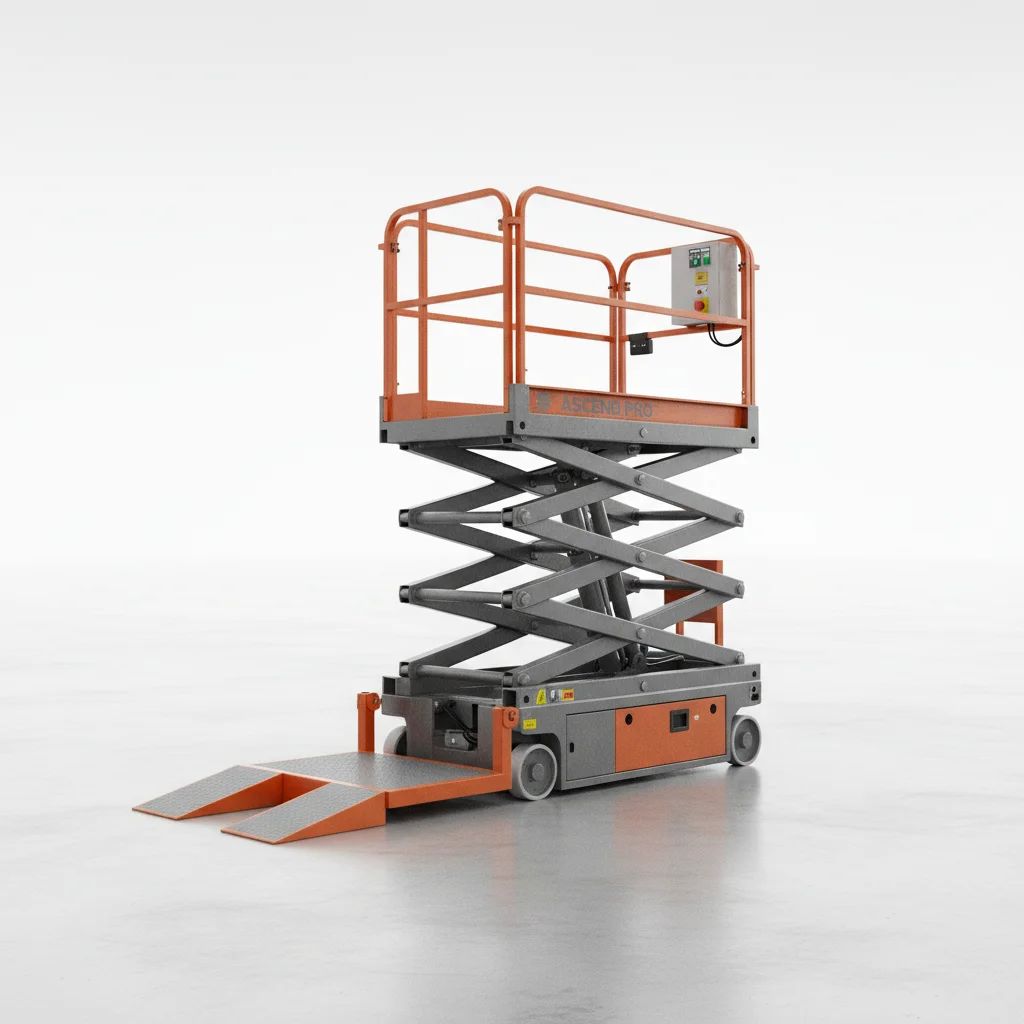
In the modern industrial landscape, the efficiency of vertical material movement is a cornerstone of operational productivity. The hydraulic scissor lift has emerged as a vital tool for businesses seeking to optimize their workflow, providing a stable and powerful means of elevating heavy loads or personnel to precise heights. By integrating robust mechanical engineering with fluid power, these systems reduce manual labor and significantly minimize the risk of workplace injuries.
Globally, the demand for high-performance lifting equipment is driven by the growth of automated warehousing and complex manufacturing assembly lines. As industries strive for leaner operations, the ability to adjust workstation heights or move pallets between different floor levels becomes critical. The hydraulic scissor lift addresses these challenges by offering a compact footprint and the capacity to handle thousands of kilograms with surgical precision.
Understanding the intricacies of a Hydraulic scissor lift allows facility managers to make informed decisions about equipment selection and safety protocols. From its manganese steel construction to its sophisticated overload protection valves, every component is designed for longevity and reliability in harsh industrial environments.

Core Composition of Hydraulic Scissor Lift Systems
The mechanical foundation of a hydraulic scissor lift is centered around its scissor arm assembly, which is fabricated from high-strength manganese steel rectangular tubing. These arms are connected by precision-machined pivot pins and self-lubricating bushings, ensuring smooth articulation even under maximum load. The base frame provides the necessary floor stability, while the platform deck, typically made of non-slip checkered plate, ensures safe material handling.
Complementing the steel structure is a sophisticated hydraulic system consisting of a motor-driven gear pump, control valves, and high-pressure hoses. This system directs fluid to the cylinders to actuate movement, while an electrical control system—usually operating at a safe 24V DC—manages the limit switches and operator stations. This synergy of mechanical strength and hydraulic precision allows for seamless vertical travel.
Key Performance Advantages and Stability
One of the most significant advantages of the hydraulic scissor lift is its exceptional lifting capacity, with models ranging from 500 kg to over 5,000 kg. This versatility allows it to serve a wide array of needs, from light-duty assembly tasks to the movement of heavy industrial machinery. Furthermore, the ability to reach heights up to 10 meters makes it an indispensable asset for overhead installation and high-tier warehousing.
Stability is engineered into the very geometry of the synchronized scissor arm design. By distributing the load evenly across multiple pivot points, the system minimizes deflection and lateral movement during the lifting process. This ensures that the platform remains level and secure, providing a reliable work surface for both operators and the materials being transported.
Additionally, the compact design allows these lifts to occupy minimal floor space when fully lowered. For facilities requiring completely unobstructed access, flush-mount models can be installed into shallow pits, allowing the platform to sit perfectly level with the surrounding floor. This integration enhances facility flow without compromising on lifting power.
Comprehensive Safety Mechanisms and Protection
Safety is the highest priority when operating a Hydraulic scissor lift, which is why these systems are equipped with multi-layered protection. The hydraulic relief valve serves as the primary overload protection, preventing the system from attempting to lift loads that exceed its rated capacity, thereby protecting the structural integrity of the manganese steel arms.
To prevent catastrophic failure, a velocity fuse or anti-burst valve is integrated into the cylinder circuitry. This critical safety feature ensures that if a hydraulic hose ruptures, the platform is automatically locked in place, preventing a sudden descent and protecting personnel and equipment from impact.
Furthermore, the electrical system incorporates upper and lower travel limit switches that automatically halt movement at the maximum and minimum heights. For personnel applications, the addition of foldable guardrails with self-closing gates ensures compliance with global workplace safety standards, making the Hydraulic scissor lift a secure choice for any industrial setting.
Versatile Configuration Options for Industry
Depending on the operational requirements, a hydraulic scissor lift can be configured in several ways. Mobile units are equipped with heavy-duty casters and outriggers, allowing them to be repositioned across a warehouse floor for flexible use. In contrast, stationary units are fixed into dedicated workstations, providing a permanent solution for assembly lines or loading docks where consistent positioning is required.
Customization extends beyond mobility to the platform itself. Users can integrate roller decks for easy pallet sliding, turntables for precise orientation, or custom fixturing for specialized industrial parts. This adaptability ensures that the lifting system fits the specific workflow of the business rather than forcing the business to adapt to the machine.
Performance Comparison of Scissor Lift Configurations
Global Industrial Application Scenarios
In industrial manufacturing, these lifts are frequently used for workstation height adjustment and assembly line feeding. By allowing workers to adjust the height of their task, businesses can implement ergonomic standards that reduce fatigue and increase throughput. They are also essential for moving materials between different production stages in complex factories.
Beyond the factory floor, warehousing and logistics sectors utilize these lifts for loading and unloading pallets and order picking. In the automotive industry, specialized versions act as vehicle service lifts, raising cars and trucks for maintenance. Even in commercial retail and construction, they are used for inventory management and positioning heavy ductwork during installation.
Maintenance Efficiency and Long-Term Value
The long-term value of a hydraulic scissor lift is rooted in its low maintenance requirements. The use of self-lubricating bushings at all pivot points significantly reduces friction and wear, extending the intervals between required service visits. This design philosophy ensures that the equipment remains operational for years with minimal downtime.
Modular hydraulic components further enhance efficiency. Because the pump units and control valves are designed as standardized modules, troubleshooting and repairs are simplified. Technicians can quickly identify and replace a specific valve or hose without needing to overhaul the entire system, which keeps operating costs low.
When considering the return on investment, the combination of increased safety, reduced labor costs, and high durability makes these lifts a strategic asset. By minimizing the risk of accidents and maximizing the speed of material movement, companies realize tangible gains in both their bottom line and their employee satisfaction.
Future Trends in Lifting Technology
The future of lifting technology is moving toward greater automation and integration with Smart Factory (Industry 4.0) ecosystems. We are seeing a transition toward digitally controlled hydraulic systems that can communicate with warehouse management software, allowing for automated height adjustments based on the specific pallet size or workstation requirement.
Sustainability is also playing a larger role, with an increasing focus on energy-efficient motors and biodegradable hydraulic fluids. The integration of regenerative braking systems in some advanced models allows energy to be recovered during the descent phase, reducing the overall carbon footprint of the facility.
Additionally, the use of advanced alloys and composite materials may further increase the strength-to-weight ratio of the scissor arms. This would allow for even higher lifting capacities without increasing the footprint of the machine, continuing the trend of maximizing vertical efficiency in limited industrial spaces.
Analysis of Hydraulic Scissor Lift Technical Specifications and Performance
| Lift Model Type |
Load Capacity |
Max Lift Height |
Primary Material |
| Light Industrial |
500kg - 1,000kg |
1m - 3m |
Manganese Steel |
| Standard Warehouse |
1,000kg - 2,000kg |
3m - 6m |
Manganese Steel |
| Heavy Duty |
2,000kg - 5,000kg |
6m - 10m |
Reinforced Steel |
| Mobile Unit |
500kg - 2,000kg |
1m - 4m |
Manganese Steel |
| Flush-Mount Pit |
1,000kg - 5,000kg |
Up to 5m |
Industrial Plate Steel |
| Personnel Lift |
200kg - 500kg |
2m - 10m |
Certified Grade Steel |
FAQS
Lifting capacities vary widely depending on the model and configuration. Standard industrial models typically range from 500 kg to 5,000 kg. However, custom-engineered systems can be built to handle even heavier loads depending on the specific requirements of the application and the reinforcement of the manganese steel structure.
The anti-drop valve (or velocity fuse) is a safety device installed directly on the cylinder. If a hydraulic hose ruptures, the sudden increase in fluid flow velocity triggers the valve to close instantly. This locks the hydraulic fluid inside the cylinder, preventing the platform from falling and ensuring the safety of the load and operators.
Yes, flush-mount models are specifically designed for this purpose. They are installed into a shallow pit so that when the platform is fully lowered, it sits level with the surrounding floor. This is ideal for environments where floor space must remain unobstructed for forklifts or foot traffic when the lift is not in use.
Maintenance is relatively low thanks to self-lubricating bushings. Primary tasks include checking hydraulic fluid levels, inspecting hoses for wear or leaks, and verifying the functionality of the limit switches and emergency descent valves. Regular inspections of the pivot pins ensure the structural integrity of the scissor arms over time.
The system is equipped with a manual descent valve. In the event of a power failure, an operator can use this manual release to safely lower the platform to the ground. This ensures that materials or personnel are not stranded at height and that the equipment can be cleared from the work area.
Yes, provided the model is specifically configured for personnel lifting. Such models include essential safety features like fixed or foldable guardrails with self-closing gates and strictly calibrated overload protection to comply with workplace safety standards, ensuring a secure environment for workers.
Conclusion
The hydraulic scissor lift represents a perfect marriage of mechanical durability and hydraulic precision, providing a scalable solution for vertical movement in almost any industrial context. By combining high-strength manganese steel with critical safety features like anti-burst valves and overload protection, these systems offer a reliable way to increase productivity while safeguarding human operators. Whether through mobile, stationary, or flush-mount configurations, the flexibility of these lifts ensures they remain a cornerstone of modern logistics and manufacturing.
As we look toward the future, the integration of smart controls and sustainable energy will only enhance the value proposition of these lifting systems. Businesses that invest in high-quality hydraulic lifting solutions today are setting themselves up for long-term operational success, reducing workplace injuries, and optimizing their floor space. To explore the best lifting solutions for your specific needs, visit our website: www.lifthpro.com.