In the modern global economy, the efficiency of a warehousing logistics enterprise serves as the backbone of supply chain resilience. As e-commerce continues to expand and consumer expectations for "next-day delivery" become the standard, the ability to move goods seamlessly from a storage facility to a transport vehicle is no longer just an operational detail—it is a competitive necessity. Understanding how to optimize these touchpoints is critical for reducing overhead and increasing throughput.
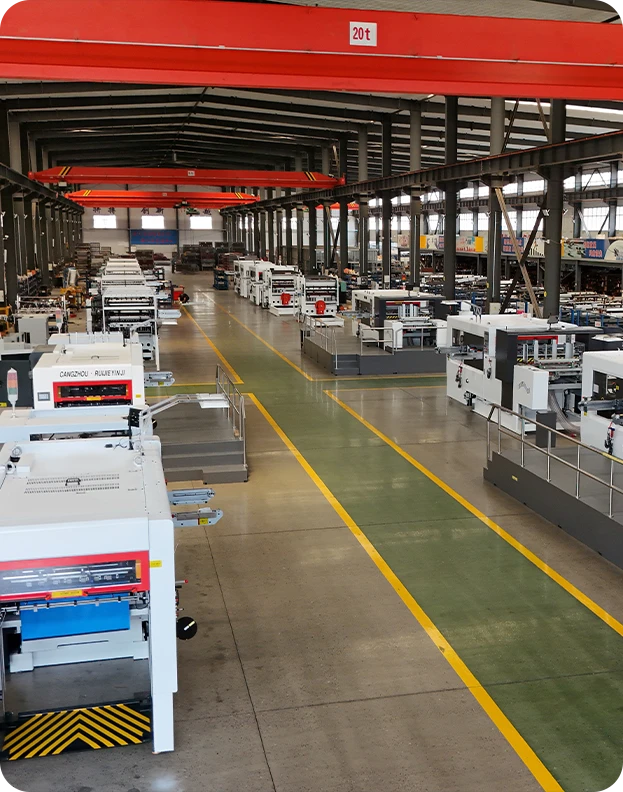
Across the globe, the logistical landscape is shifting toward high-density storage and rapid turnover. A sophisticated warehousing logistics enterprise must balance the physical constraints of its facility with the dynamic nature of global trade flows. This requires not only strategic software integration but also the deployment of heavy-duty hardware, such as dock levelers and hydraulic lift tables, to eliminate bottlenecks at the loading bay.
Ultimately, the goal of any forward-thinking warehousing logistics enterprise is to achieve a frictionless flow of materials. By investing in the right material handling equipment and adhering to international safety standards, businesses can ensure that their loading and unloading processes are safe, scalable, and cost-effective, thereby securing their position in an increasingly volatile market.

Global Context of Warehousing Logistics Enterprise
The global reach of a warehousing logistics enterprise is underscored by the increasing complexity of international trade routes. With the rise of mega-distribution centers in hubs like Singapore, Rotterdam, and Memphis, the demand for high-performance material handling equipment has spiked. Data from the World Bank suggests that logistics costs as a percentage of GDP can vary significantly, but those nations with optimized infrastructure see a direct correlation with higher economic growth.
However, many enterprises face a critical challenge: the "last-meter" gap. This is the physical distance and height difference between a warehouse floor and a delivery truck. Without the proper equipment, such as Mobile Dock Ramps or Fixed Dock Levelers, a warehousing logistics enterprise risks slower loading times and increased workplace injuries, which can derail the efficiency of the entire supply chain.
Defining the Modern Warehousing Logistics Enterprise
In simple terms, a warehousing logistics enterprise is an organization specializing in the strategic storage, handling, and distribution of goods. It is not merely about owning a building with shelves; it is about the orchestration of people, technology, and machinery to ensure that the right product reaches the right destination at the optimal time. This involves managing everything from inbound receiving to outbound shipping with surgical precision.
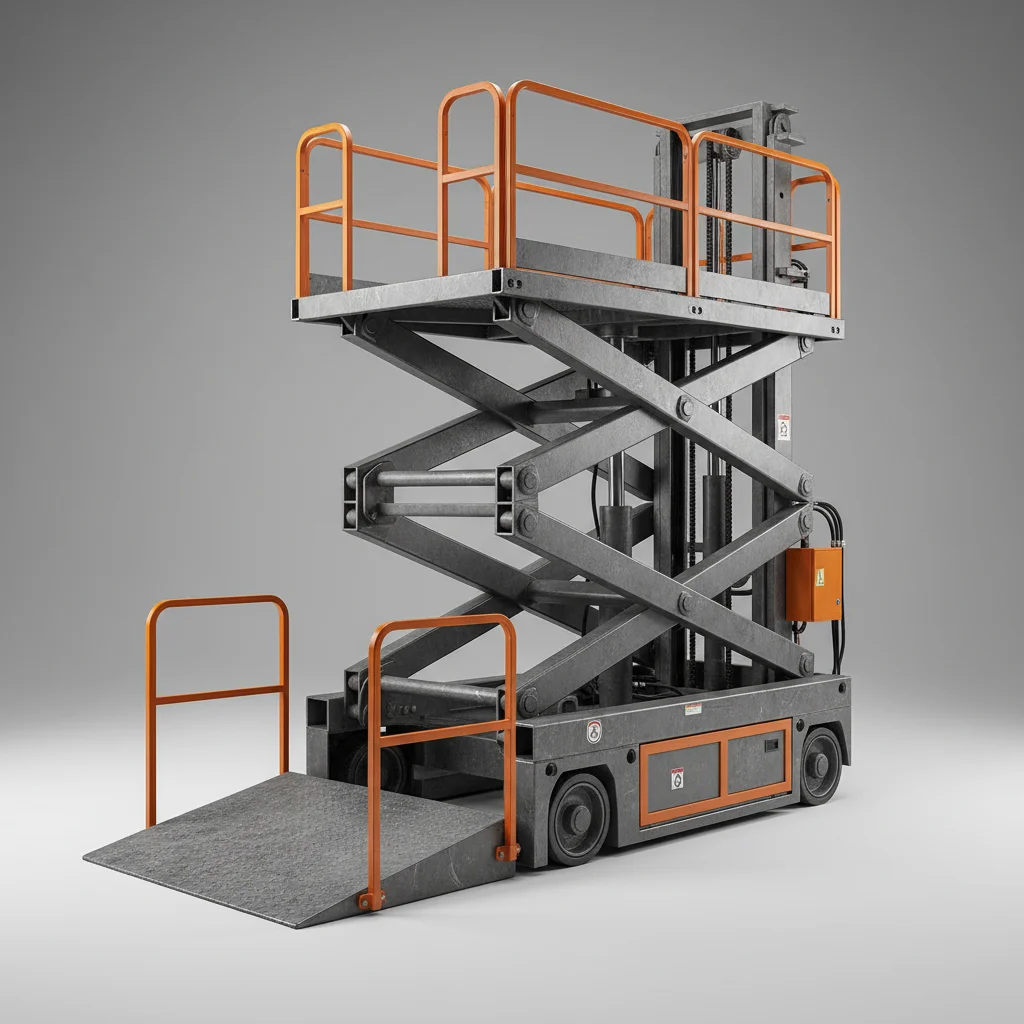
Modern industry has evolved this definition to include a heavy emphasis on "velocity." Today, a warehousing logistics enterprise is viewed as a dynamic node in a digital network. The integration of Hydraulic Lift Tables and Scissor Lifts allows these enterprises to maximize vertical space and ergonomic efficiency, turning a static storage area into a high-speed transit hub.
Beyond commercial profit, these enterprises play a vital role in humanitarian needs. During global crises, the ability of a logistics entity to rapidly deploy supplies using mobile loading solutions can mean the difference between life and death. Whether it is food aid or medical supplies, the infrastructure of a warehousing logistics enterprise provides the necessary reliability for emergency distribution.
Core Components of Logistics Infrastructure
The foundation of a successful warehousing logistics enterprise lies in its hardware durability. Equipment like the Hydraulic Mobile Dock Ramp must be constructed from high-strength steel with reinforced box-section designs to withstand the dynamic loading of heavy forklifts. Durability ensures that the facility can operate 24/7 without frequent downtime for repairs.
Scalability is the second pillar. A warehousing logistics enterprise must be able to adapt to seasonal spikes in volume. The use of mobile equipment—such as mobile dock ramps that can be towed by a forklift to different bays—allows a company to expand its loading capacity without the massive capital expenditure of building new permanent concrete docks.
Finally, safety and ergonomics are non-negotiable. By implementing Lift Tables and Scissor Lifts, a warehousing logistics enterprise reduces the physical strain on workers, minimizing the risk of musculoskeletal injuries. When safety is integrated into the infrastructure, it leads to higher employee retention and a more reliable operational flow.
Operational Efficiency and Scalability Factors
To quantify the success of a warehousing logistics enterprise, one must look at the throughput rate—the amount of cargo moved per hour. The integration of hydraulic systems for height adjustment significantly reduces the time spent aligning vehicles with the dock. For example, a hydraulic lip plate can compensate for vehicle height variations in seconds, a process that would take significantly longer with manual ramps.
Furthermore, the flexibility of the equipment determines the enterprise's ability to handle diverse cargo. Whether it is a small delivery van or a 40-foot standard container, the ability to adjust the dock height from 1,000mm to 1,800mm ensures that no vehicle is turned away due to infrastructure limitations.
Efficiency Ratings of Warehousing Logistics Enterprise Equipment
Global Applications and Real-World Use Cases
In real-world applications, the flexibility of a warehousing logistics enterprise is often tested in facilities without fixed docks. For instance, in rapidly growing industrial zones in Southeast Asia, many warehouses are built as simple shells. In these environments, the deployment of Hydraulic Mobile Dock Ramps allows these companies to create instant loading points, enabling forklifts to drive directly into containers without needing expensive concrete construction.
Another critical use case is found in seasonal high-volume shipping periods, such as the lead-up to the holiday season in North America. A warehousing logistics enterprise can lease temporary storage space that lacks permanent infrastructure. By using mobile ramps and portable lift tables, they can scale their operation instantly, ensuring that the surge in consumer demand is met without delays.
Long-Term Value and Sustainable Advantages
The long-term value of investing in high-quality equipment for a warehousing logistics enterprise extends beyond simple productivity. There is a significant emotional and logical angle: trust and safety. When employees feel secure using a non-slip checkered steel surface and stable outriggers, morale increases. A safe environment reduces insurance premiums and protects the company from the legal and financial fallout of workplace accidents.
From a sustainability perspective, optimizing the loading process reduces the idling time of heavy trucks. When a warehousing logistics enterprise reduces the time a truck spends at the bay from 60 minutes to 30 minutes, it directly lowers the carbon footprint of the transport fleet. This operational efficiency is a key component of "Green Logistics."
Moreover, the use of durable, hot-dip galvanized finishes ensures that equipment lasts for decades rather than years. This reduces the waste associated with replacing prematurely corroded hardware, aligning the warehousing logistics enterprise with global circular economy goals.
Future Trends in Warehousing Logistics Enterprise
The future of the warehousing logistics enterprise is being shaped by the convergence of automation and green energy. We are seeing a transition toward electric-powered hydraulic systems and IoT-enabled dock sensors that can alert managers to bay availability in real-time. This digital transformation allows for a "just-in-time" loading sequence that minimizes congestion in the yard.
Sustainability policies are also driving the adoption of lightweight yet ultra-strong composite materials for ramps and lift platforms, reducing the energy required to move these units. The integration of AI-driven load balancing will allow a warehousing logistics enterprise to predict peak traffic and pre-position mobile equipment for maximum efficiency.
As we move toward a more fragmented delivery model (last-mile delivery), the demand for smaller, more agile loading solutions will grow. The warehousing logistics enterprise of tomorrow will likely employ modular docking systems that can be reconfigured in minutes to accommodate a fleet of electric delivery vans rather than traditional semi-trucks.
Comparison of Infrastructure Solutions for Warehousing Logistics Enterprise
|
Equipment Type
|
Deployment Speed
|
Cost-Efficiency
|
Flexibility Score
|
| Mobile Dock Ramp |
Instant |
High (Low Capex) |
10/10 |
| Fixed Dock Leveler |
Slow (Construction) |
Medium (High Capex) |
4/10 |
| Hydraulic Lift Table |
Moderate |
High |
7/10 |
| Scissor Lift Table |
Moderate |
Medium |
6/10 |
| Manual Loading Ramp |
Fast |
Very High |
3/10 |
| Custom Container System |
Slow |
Low |
5/10 |
FAQS
A mobile dock ramp provides unmatched flexibility. Unlike fixed docks, which require permanent concrete construction and are tied to a specific location, a mobile ramp can be moved to any bay or yard area. This allows a warehousing logistics enterprise to optimize its loading points based on current volume and vehicle types without incurring massive construction costs.
Hydraulic systems, such as those in lift tables and dock ramps, allow for precise, smooth height adjustments. This eliminates the need for manual lifting or makeshift ramps, which are primary causes of workplace injuries. Features like non-slip checkered plates and stabilizing outriggers ensure that forklifts can transition safely from the ramp to the truck bed.
Yes. High-quality equipment for a warehousing logistics enterprise is typically treated with hot-dip galvanization or industrial-grade powder coating. These finishes provide a robust barrier against moisture and chemicals, making them suitable for outdoor container yards or cold-storage facilities where corrosion is a constant threat.
Depending on the model, capacities usually range from 6,000 kg to 20,000 kg. This allows a warehousing logistics enterprise to use standard counterbalanced forklifts to move heavy pallets directly into shipping containers, significantly speeding up the loading process compared to manual pallet jack operations.
The most cost-effective start is investing in mobile solutions. A single hydraulic mobile dock ramp can serve multiple doors, removing the need for multiple fixed installations. Combining this with a few hydraulic lift tables for ergonomic packing stations can immediately increase throughput and reduce worker fatigue.
Maintenance is generally minimal. It involves regular checks of hydraulic oil levels, lubricating moving joints, and inspecting the non-slip surface for wear. Because professional-grade equipment uses sealed hydraulic components, the interval between major services is long, ensuring high uptime for the warehousing logistics enterprise.
Conclusion
In summary, the success of a warehousing logistics enterprise depends on its ability to merge structural durability with operational flexibility. By integrating advanced material handling tools—such as hydraulic mobile dock ramps, dock levelers, and lift tables—enterprises can eliminate the physical bottlenecks that slow down the supply chain. These investments not only drive immediate productivity and safety but also provide the scalability needed to thrive in an unpredictable global market.
Looking forward, the integration of automation and sustainable materials will further redefine the industry. For any enterprise seeking to maintain a competitive edge, the focus must remain on reducing the "last-meter" friction and prioritizing the safety and dignity of the workforce. By evolving from a static storage mindset to a dynamic flow mindset, businesses can secure long-term resilience and growth. Visit our website: www.lifthpro.com