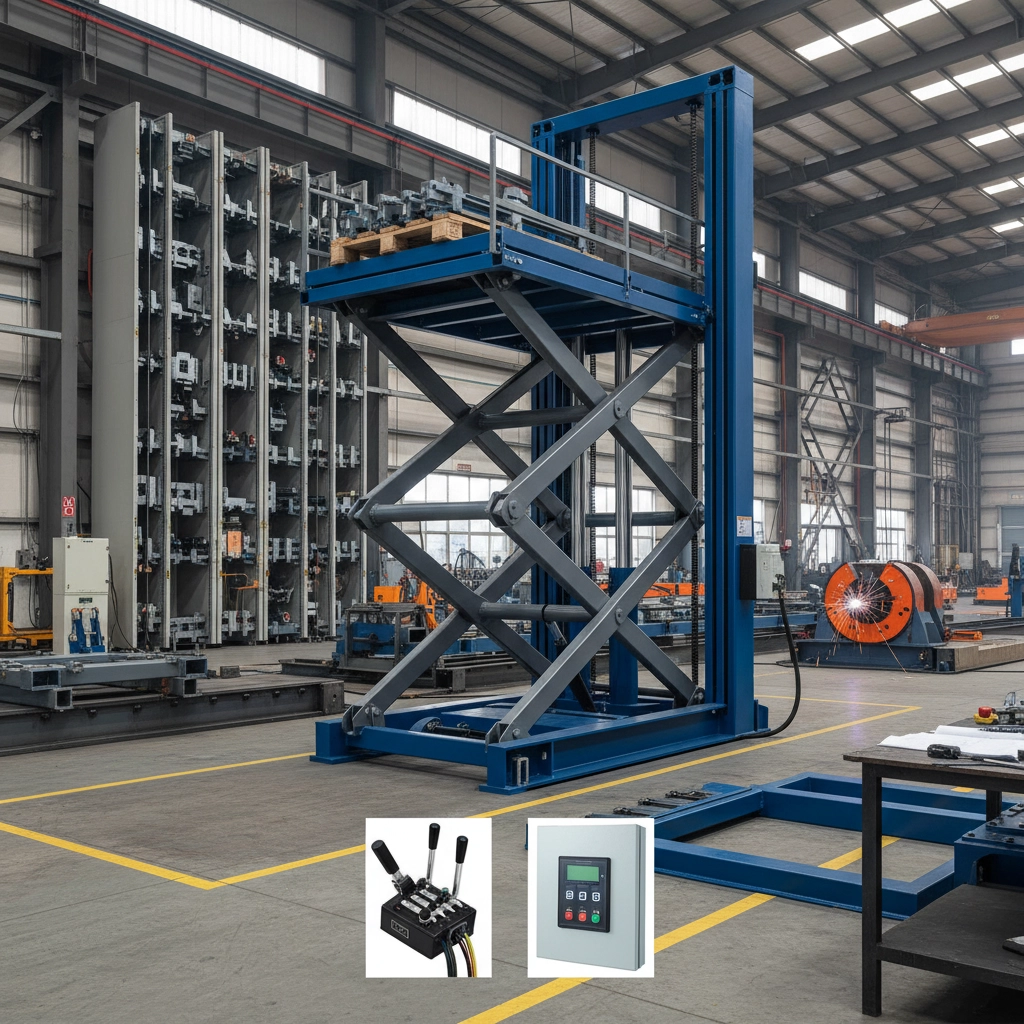
In the fast-paced world of modern logistics, the efficiency of vertical and horizontal material movement defines the success of a supply chain. A warehouse lift platform serves as the critical link in this chain, allowing facilities to maximize their cubic space while ensuring that heavy loads are moved with precision and safety. By bridging the gap between different floor levels or loading bays, these systems eliminate the bottlenecks associated with manual lifting and traditional forklifts.
Globally, the demand for advanced material handling solutions has surged as e-commerce drives the need for higher throughput and denser storage. Implementing a high-quality warehouse lift platform is no longer just an upgrade but a necessity for operations aiming to meet ISO safety standards and optimize operational uptime. Whether in a small distribution center or a massive industrial hub, the ability to lift heavy machinery or palletized goods swiftly is a competitive advantage.
Understanding the technical nuances of these platforms—from hydraulic pressure systems to scissor-lift mechanisms—allows business owners to make informed investment decisions. This guide explores how the right warehouse lift platform can transform warehouse ergonomics, reduce workplace injuries, and significantly lower the long-term cost of ownership through durable engineering and smart design.
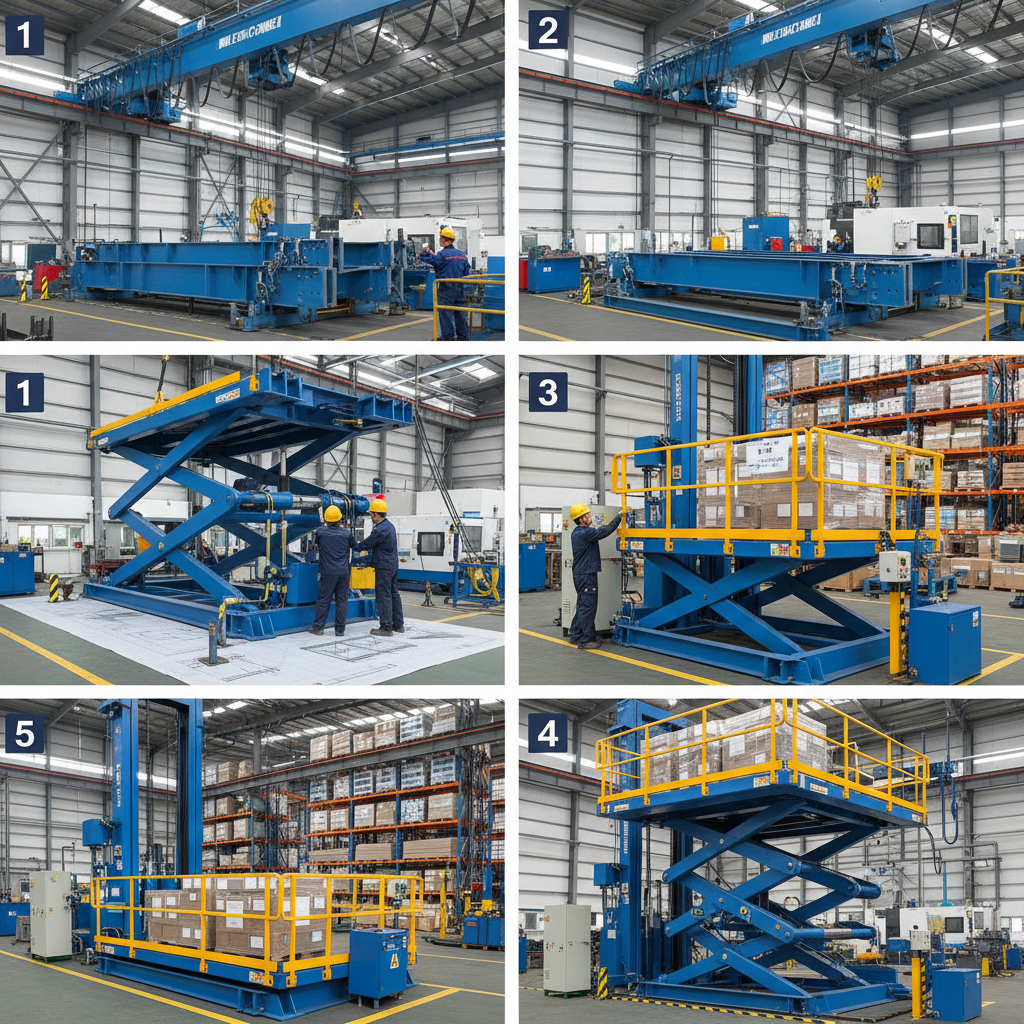
Global Relevance of Warehouse Lift Platforms
The global logistics landscape is currently undergoing a paradigm shift toward "verticalization." As urban land prices rise, warehouses are expanding upward rather than outward, making the warehouse lift platform an indispensable tool for multi-level facility management. Statistics from international logistics forums indicate that facilities employing automated lifting solutions see a reduction in loading times by up to 30%, directly impacting the bottom line of global trade.
Beyond simple movement, these platforms address the critical challenge of occupational health and safety. Manual handling of heavy loads is a leading cause of workplace injury worldwide. By integrating a robust warehouse lift platform, companies align themselves with global safety mandates, ensuring that workers are not subjected to repetitive strain or the risks associated with unstable manual hoisting, thereby fostering a more sustainable and humane working environment.
Core Components and Technical Definition
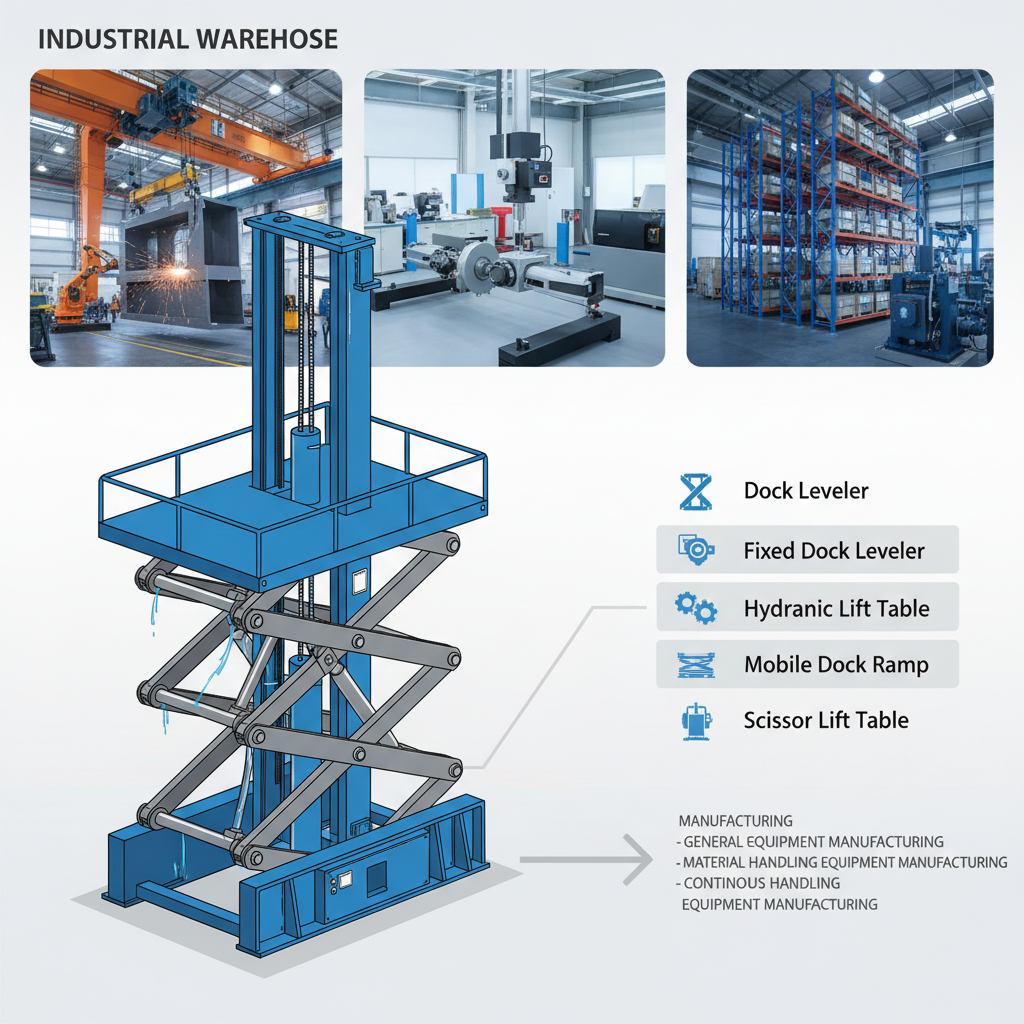
A warehouse lift platform is a mechanical device designed to move goods or personnel vertically between two or more levels. Unlike a full-scale freight elevator, these platforms are often more streamlined, focusing on high load-bearing capacity and rapid deployment. They typically consist of a reinforced steel platform, a lifting mechanism (hydraulic or pneumatic), and a control system that manages the ascent and descent with millimeter precision.
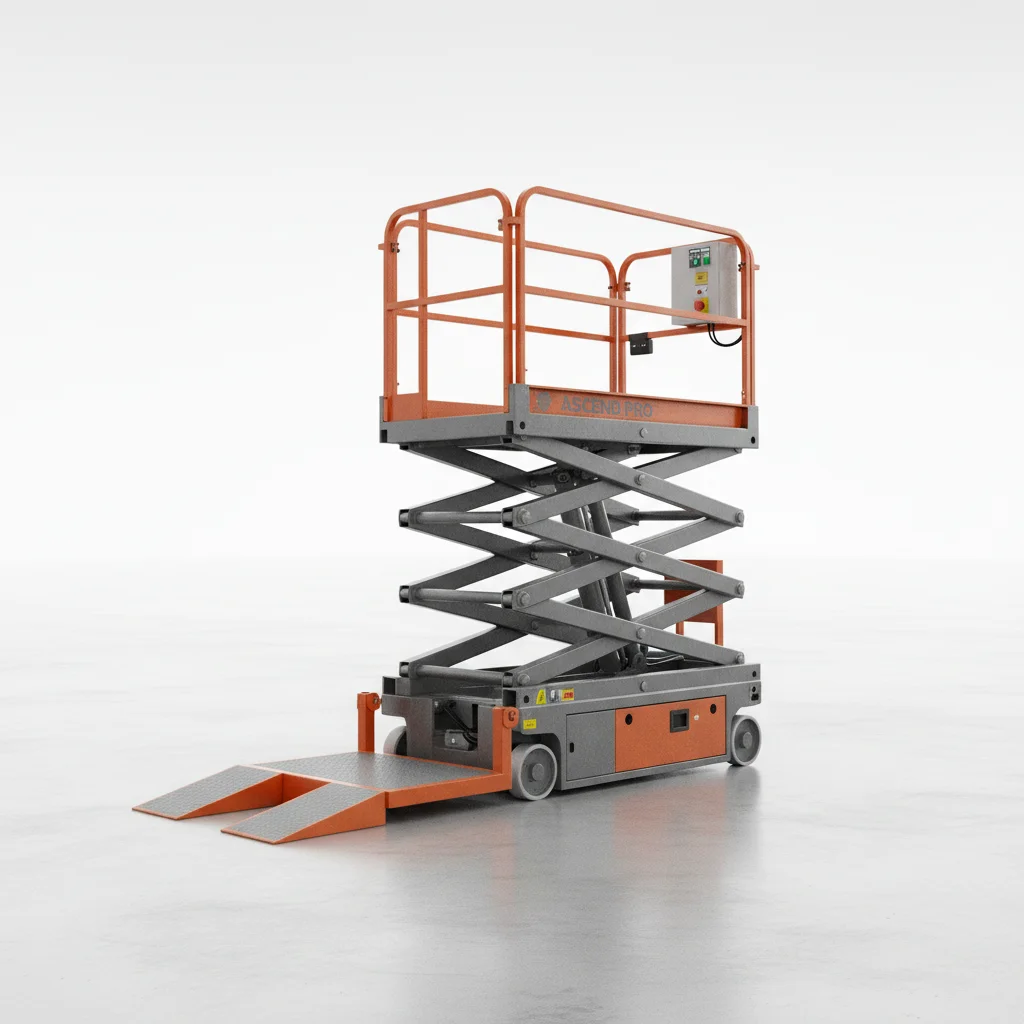
In the context of modern industry, these platforms are often categorized by their mechanism. Scissor lifts provide stability for heavy loads, while hydraulic lift tables are preferred for ergonomic workstations. The connection to humanitarian needs is evident in disaster relief zones, where portable warehouse lift platforms are used to unload supplies from trucks to makeshift warehouses in areas where permanent infrastructure has been destroyed.
The integration of high-grade alloy steels and advanced sealing technology in the hydraulic cylinders ensures that the warehouse lift platform can operate in harsh environments, from cold-storage freezers to dusty industrial plants, without losing efficiency or compromising safety.
Critical Factors for Platform Selection
When evaluating a warehouse lift platform, durability is the primary consideration. The chassis must be constructed from reinforced carbon steel to prevent deflection under maximum load, ensuring that the platform remains level and stable during the entire lifting cycle.
Scalability and load capacity are equally vital. A warehouse lift platform must be matched to the specific weight of the cargo; under-specifying leads to premature wear and safety risks, while over-specifying results in unnecessary capital expenditure and energy waste.
Cost efficiency should be viewed through the lens of Total Cost of Ownership (TCO). While a premium warehouse lift platform may have a higher initial price, its lower maintenance requirements and longer operational lifespan provide superior value over a ten-year horizon.
Performance Metrics and Efficiency Analysis
To truly understand the impact of a warehouse lift platform, one must look at the quantitative data regarding cycle times and energy consumption. High-efficiency platforms utilize variable frequency drives (VFDs) to smooth out the start and stop motions, which not only protects the cargo but also reduces the peak electrical load on the facility's grid.
The following data compares various lifting methods based on their operational effectiveness in a high-volume environment, highlighting why specific platform types are chosen for different load profiles.
Efficiency Rating of Warehouse Lift Platform Types
Global Applications and Industrial Use Cases
The application of the warehouse lift platform spans across diverse sectors. In the automotive industry, for instance, these platforms are used to move heavy engine blocks between assembly stages without the need for cumbersome cranes. In pharmaceutical warehouses, clean-room compatible platforms ensure that sterile materials are moved without introducing contaminants.
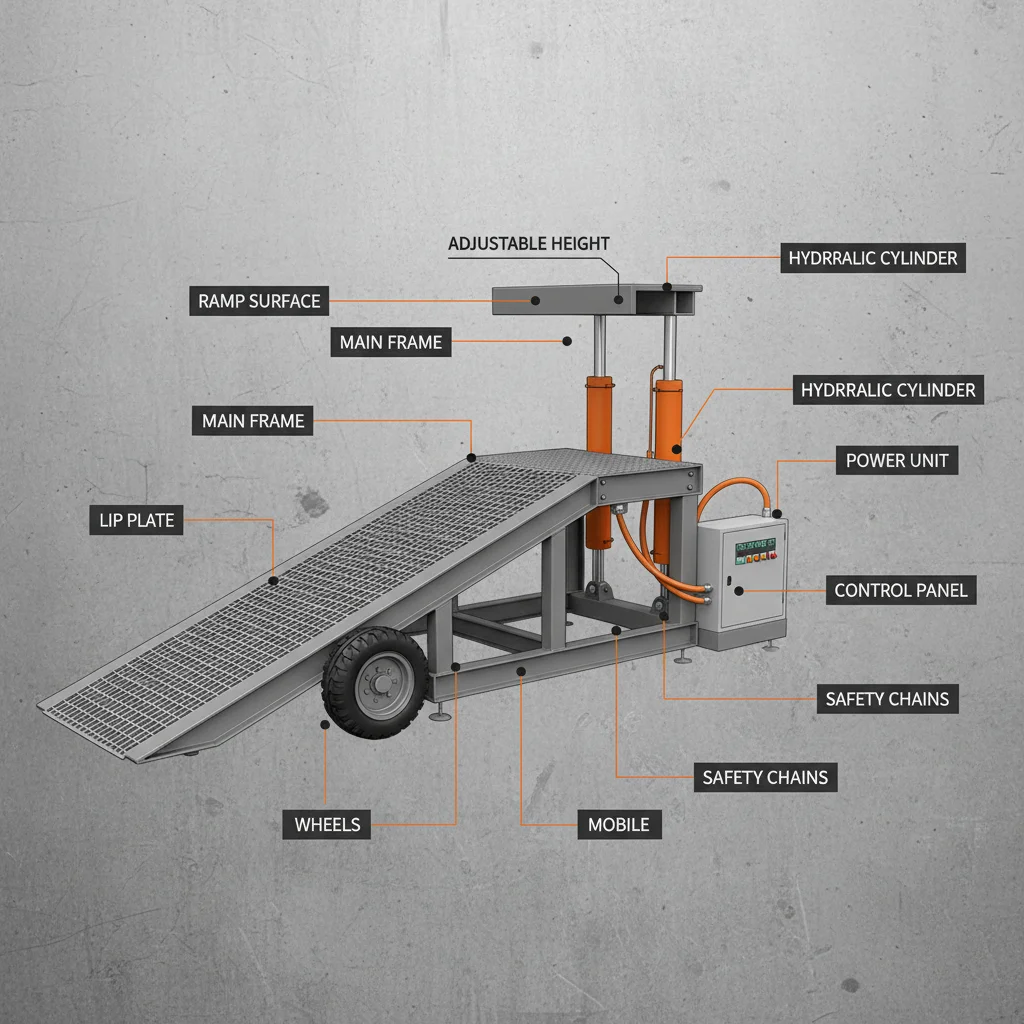
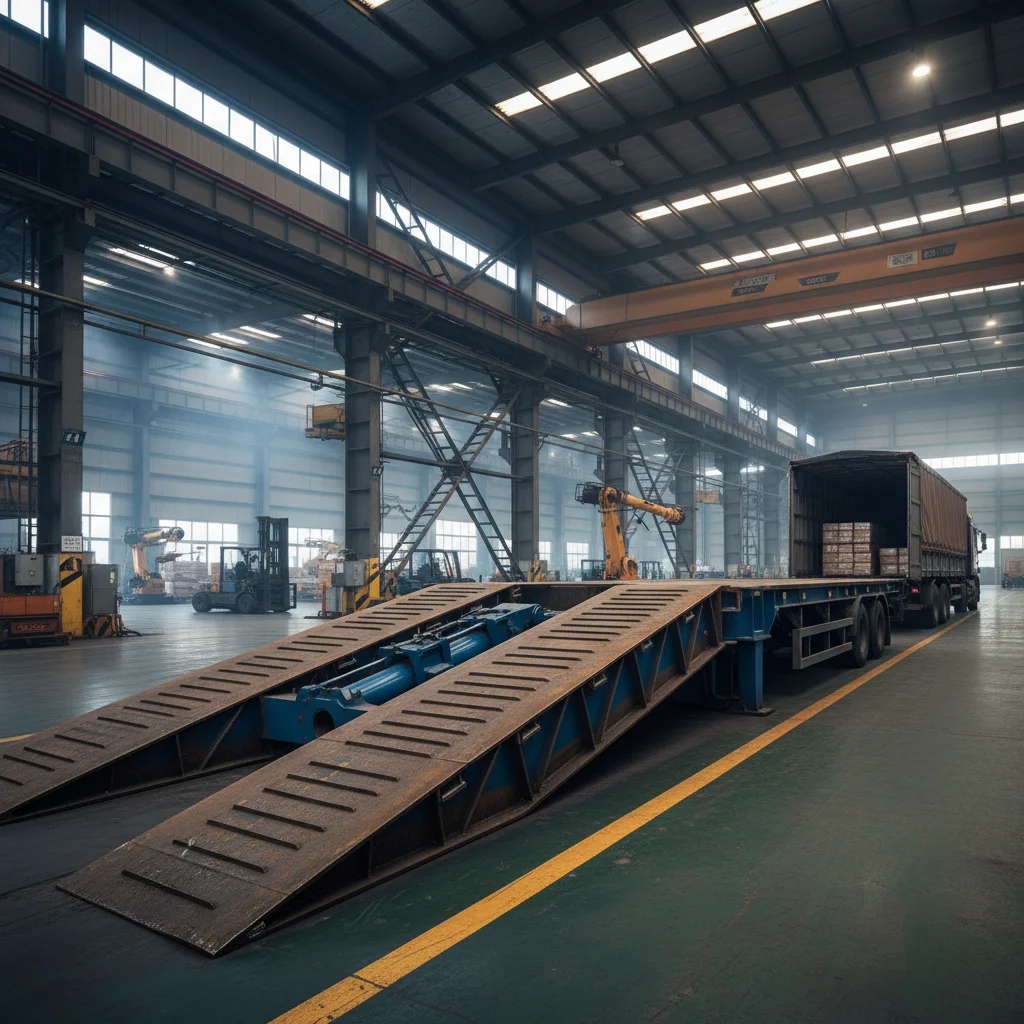
In remote industrial zones or post-disaster relief operations, mobile versions of these platforms are critical. They allow NGOs and government agencies to quickly set up distribution centers where the terrain is uneven, enabling the movement of food, medicine, and shelter materials from transport trucks to ground-level storage with minimal effort and maximum speed.
Long-term Value and Safety Advantages
Investing in a professional warehouse lift platform provides tangible long-term benefits that extend beyond simple productivity. From a financial perspective, the reduction in worker compensation claims due to lifting injuries provides a direct return on investment. Logically, the ability to optimize the layout of a warehouse leads to lower rent costs per unit of stored goods.
Emotionally, the implementation of safe lifting technology fosters a culture of trust and dignity in the workplace. When employees feel that their physical well-being is prioritized through the provision of high-quality tools like the warehouse lift platform, morale increases, leading to lower staff turnover and higher overall operational quality.
Furthermore, the reliability of these systems ensures that supply chain commitments are met. A failure in a lifting system can halt an entire shipping line; therefore, the inherent reliability of an engineered platform acts as a safeguard against catastrophic operational downtime.
Future Trends in Lifting Automation
The future of the warehouse lift platform is inextricably linked to the digital transformation of the industry. We are seeing a move toward "Smart Platforms" integrated with IoT sensors that can predict component failure before it happens. This shift from reactive to predictive maintenance will virtually eliminate unscheduled downtime.
Sustainability is another driving force. New models are incorporating biodegradable hydraulic fluids and energy-recovery systems that capture energy during the descent phase to power the next lift. These green innovations align with global carbon-neutral goals and reduce the environmental footprint of massive distribution hubs.
Finally, the integration of AI and autonomous guided vehicles (AGVs) means that the warehouse lift platform will soon operate without human intervention, automatically coordinating with a fleet of robots to move goods across vertical planes in a fully synchronized symphony of automation.
Comparison of Future Lifting Technologies and Current Standards
| Technology Stage |
Control Method |
Energy Efficiency |
Maintenance Cycle |
| Traditional Hydraulic |
Manual Push-Button |
Moderate (6/10) |
Fixed Interval |
| Electronic VFD Lift |
PLC Programmable |
High (8/10) |
Condition-Based |
| IoT-Enabled Platform |
Cloud-Connected |
Very High (9/10) |
Predictive AI |
| AGV-Integrated Lift |
Fully Autonomous |
Optimal (10/10) |
Real-time Monitoring |
| Pneumatic Air Lift |
Air Pressure Valve |
Low (5/10) |
Frequent Leak Check |
| Eco-Hybrid Platform |
Regenerative Drive |
Excellent (9/10) |
Long-Life Cycle |
FAQS
To determine the correct capacity, calculate the maximum weight of your heaviest single load, including the weight of the pallet or container. It is highly recommended to add a safety margin of 20% to this figure to account for dynamic loads and potential future increases in product weight. Consulting with a professional engineer ensures that the platform's structural integrity matches your operational peaks.
Primary maintenance involves regular hydraulic fluid level checks and quality inspections to prevent contamination. Additionally, lubrication of the scissor arms or guide rails is essential every 3-6 months. Checking the seals for leaks and testing the emergency stop buttons monthly ensures the platform remains safe and operational, preventing costly unplanned downtime.
Yes, but it requires specific modifications. For cold-storage, you must use low-temperature hydraulic oil that maintains its viscosity in freezing conditions. Additionally, the steel should be treated with anti-corrosion coatings to prevent rust caused by condensation, and electrical components should be rated for low-temperature operation to ensure reliability.
Standard models are cost-effective and fast to deploy for common needs. However, a custom warehouse lift platform is superior if you have unique space constraints, non-standard lifting heights, or extremely heavy, oddly shaped loads. Customization allows for the integration of specific safety guards or automated interfaces that match your existing workflow.
By bringing the load to the worker's optimal waist height, lift platforms eliminate the need for deep bending or over-reaching. This reduces the strain on the lower back and shoulders, significantly lowering the risk of musculoskeletal disorders. A platform that adjusts to the height of the operator creates a more comfortable and efficient workspace.
Look for certifications such as CE (European Conformity), ANSI (American National Standards Institute), or ISO standards for material handling. These certifications ensure that the platform has undergone rigorous testing for load stability, emergency braking, and electrical safety, providing peace of mind and ensuring compliance with local workplace laws.
Conclusion
In summary, the warehouse lift platform is much more than a simple piece of machinery; it is a strategic asset that optimizes space, enhances worker safety, and accelerates the movement of goods. From the fundamental importance of load capacity and durability to the cutting-edge integration of IoT and green energy, these platforms are the backbone of modern vertical logistics. By prioritizing quality engineering and a holistic approach to selection, businesses can achieve a seamless flow of materials that supports long-term growth.
As we move toward a future of fully autonomous warehouses, the role of intelligent lifting systems will only expand. We recommend that facility managers conduct a thorough audit of their current material flow to identify bottlenecks that could be solved with a tailored lifting solution. Investing in a high-performance platform today is an investment in the resilience and scalability of your entire operation. Visit our website for more professional solutions: www.lifthpro.com