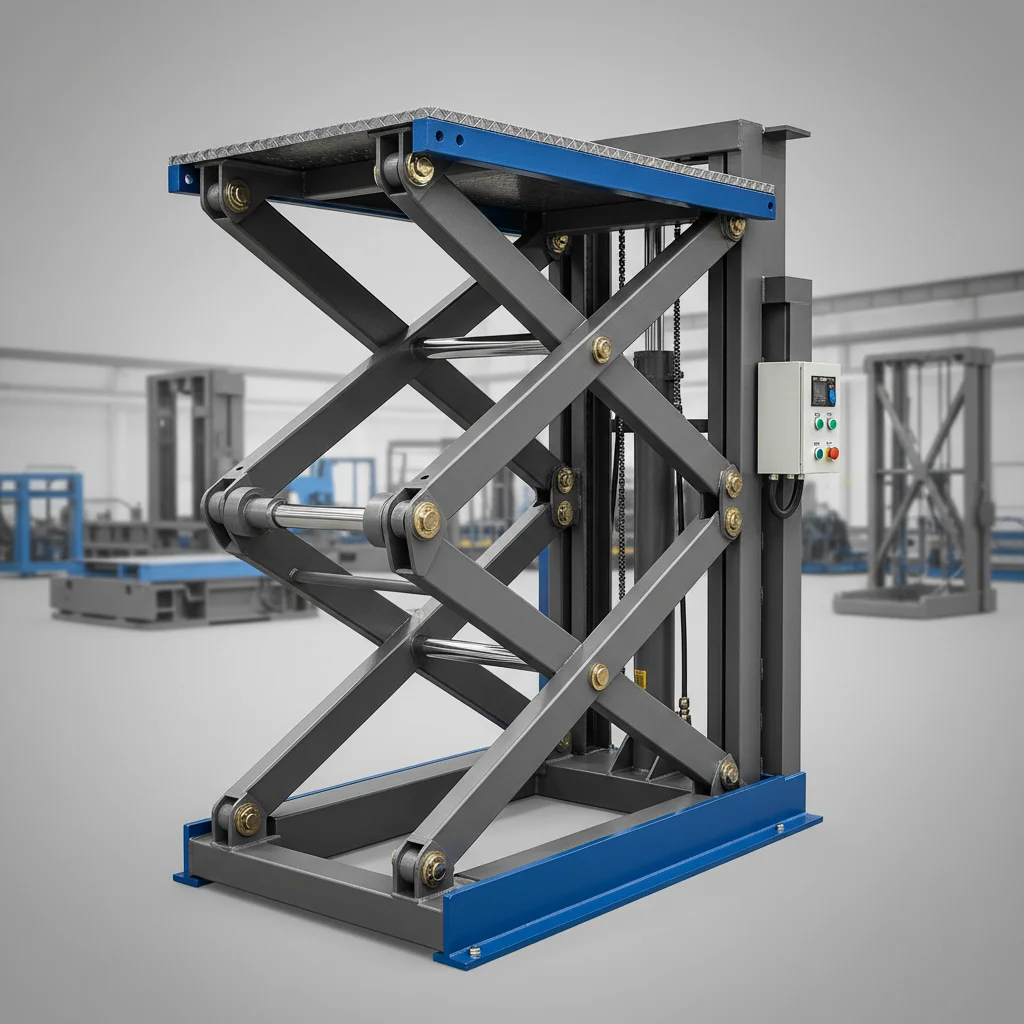
The modern industrial landscape relies heavily on the efficient movement of heavy loads, where the Hydraulic lifting platform serves as a cornerstone of operational productivity. By leveraging Pascal's law to multiply force, these systems allow businesses to move massive weights with minimal manual effort, reducing workplace injuries and accelerating throughput in warehouses and factories worldwide.
Globally, the demand for sophisticated material handling solutions is surging as e-commerce and automated logistics expand. The implementation of a high-quality Hydraulic lifting platform is no longer just a luxury for large-scale plants but a necessity for any facility aiming to optimize its vertical space and streamline its loading and unloading cycles.
Understanding the technical nuances, safety protocols, and diverse configurations of these platforms is essential for procurement managers and engineers. This guide explores how the right lifting technology can transform a bottlenecked loading dock into a high-velocity logistics hub, ensuring long-term reliability and adherence to international safety standards.
Global Significance of Hydraulic Lifting Technology
In the context of global trade, the efficiency of the "last mile" and the speed of warehouse turnover are critical. According to ISO standards for material handling, the reduction of manual lifting is the primary method for decreasing occupational health risks. The Hydraulic lifting platform addresses this by providing a stable, controlled method of elevating heavy goods, ensuring that logistics chains remain unbroken even under extreme load conditions.
From the bustling ports of Singapore to the industrial zones of Germany, these platforms solve the perennial challenge of height disparity between transport vehicles and warehouse floors. By implementing standardized lifting systems, companies can achieve a seamless transition of goods, which directly impacts the bottom line through reduced labor costs and faster shipment turnaround times.
Defining the Hydraulic Lifting Platform in Modern Industry
At its core, a Hydraulic lifting platform is a mechanical device that utilizes a liquid medium—typically specialized oil—to generate the force required to lift heavy loads vertically. Unlike purely mechanical lifts, hydraulic systems offer a smoother start and stop, which is crucial when transporting fragile industrial components or expensive machinery.
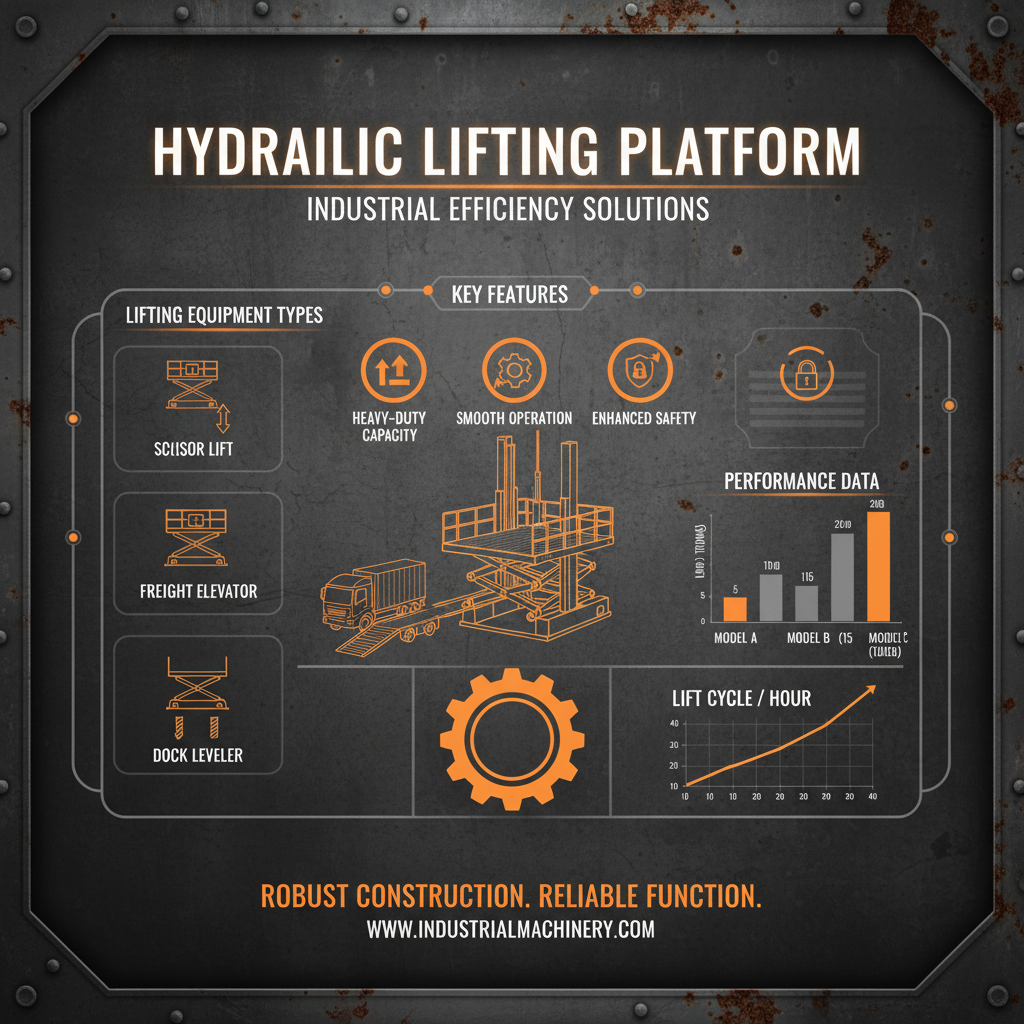
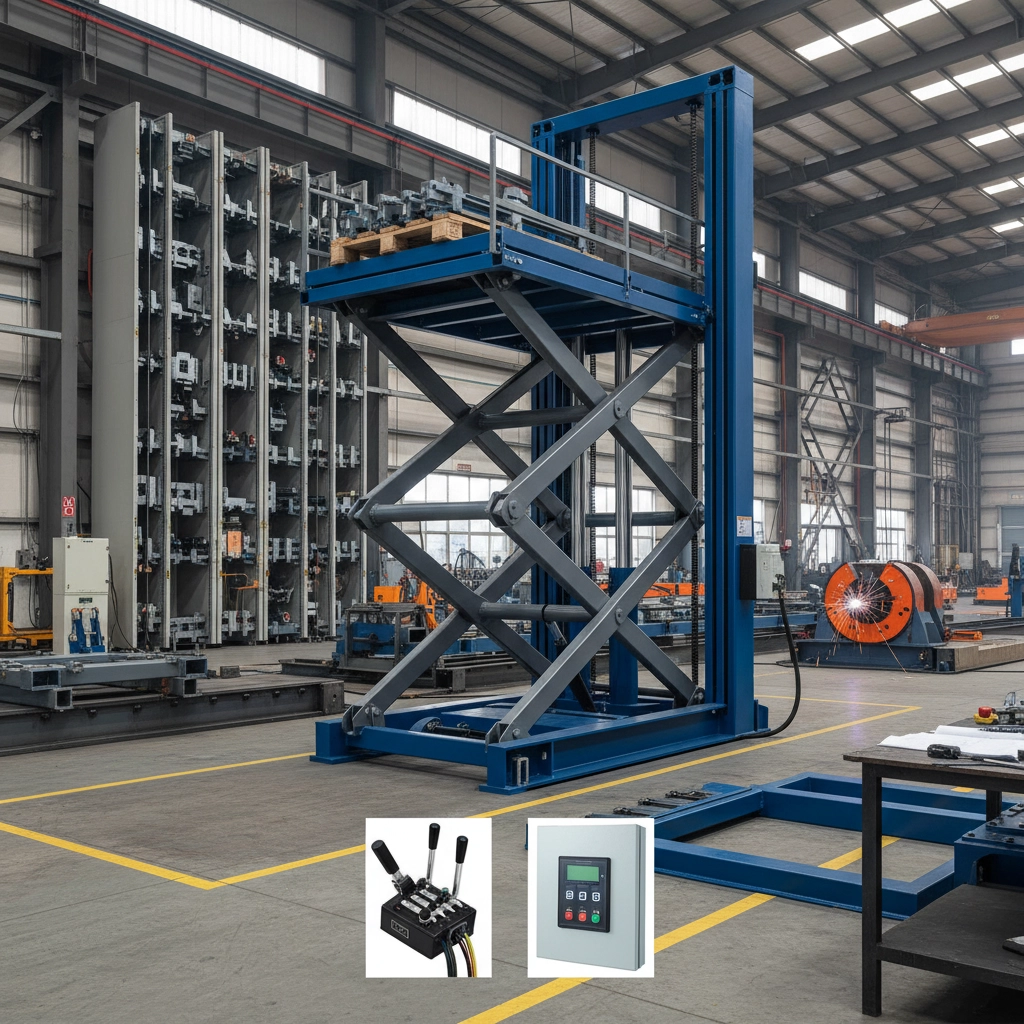
In modern industry, these platforms are categorized into various types, including scissor lifts, vertical reciprocating conveyors, and dock levelers. They act as the vital link in a "continuous handling" ecosystem, bridging the gap between different stages of production and distribution. Their ability to be customized for specific weight capacities and lift heights makes them indispensable.
Beyond mere utility, these platforms represent the intersection of fluid mechanics and structural engineering. By integrating precision valves and reinforced steel frames, they provide a safe environment for workers, fulfilling humanitarian needs for workplace safety while driving the economic goals of high-volume manufacturing.
Core Components for Maximum Durability
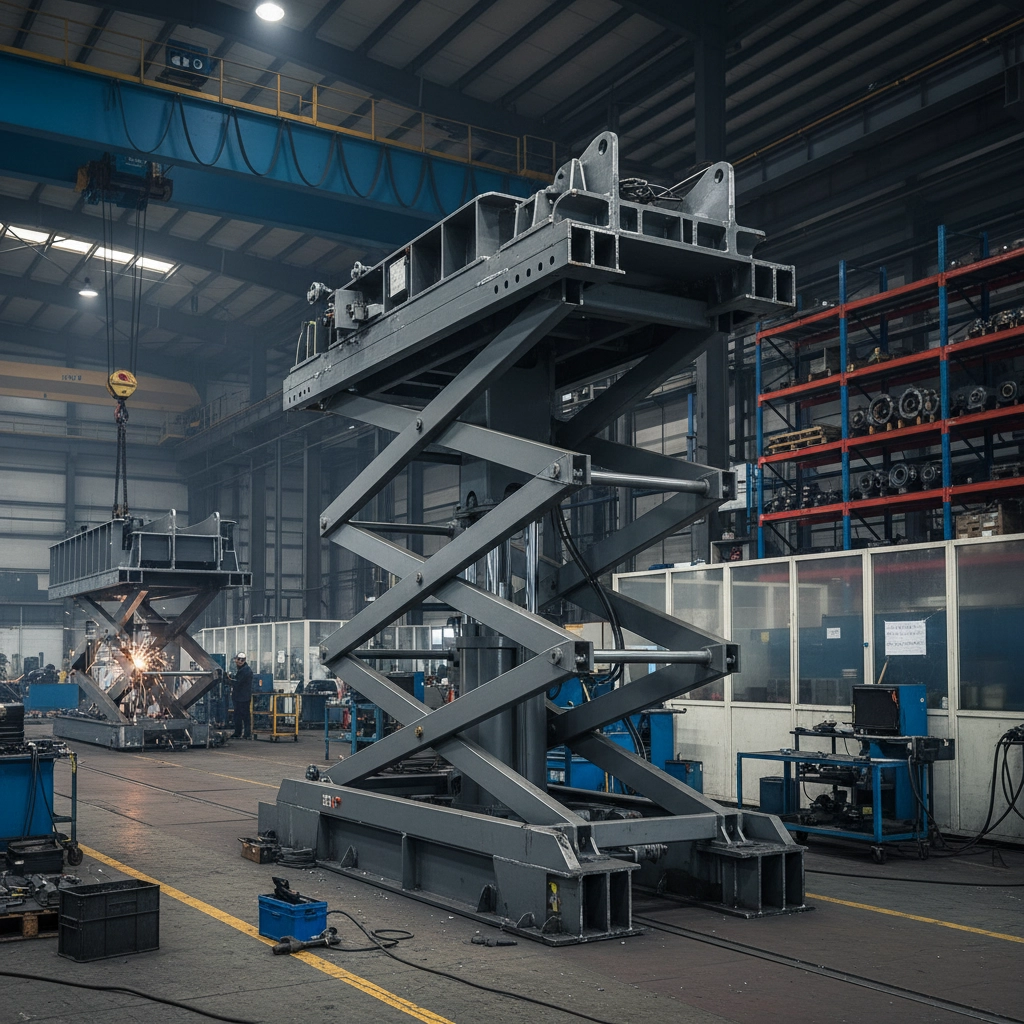
The structural integrity of a Hydraulic lifting platform depends primarily on the quality of its cylinder and pump system. High-grade seamless steel tubing is used to ensure that the hydraulic pressure remains constant without leakage, which is the most common cause of system failure in low-end equipment.
Another critical factor is the sealing technology. Advanced nitrile or Viton seals are employed in a professional Hydraulic lifting platform to prevent contamination from dust and moisture, which is particularly important in harsh environments like chemical plants or outdoor loading docks.
Finally, the control system—whether it is a simple manual lever or a complex PLC-controlled panel—dictates the precision of the lift. Integrated safety valves, such as velocity fuses, ensure that if a hose bursts, the platform descends slowly and safely rather than collapsing, protecting both the cargo and the operator.
Performance Metrics and Efficiency Analysis
When evaluating the efficiency of a Hydraulic lifting platform, engineers look at the ratio of energy consumption to load capacity. Modern systems have evolved to use variable frequency drives (VFDs), which allow the pump to adjust its speed based on the actual load, significantly reducing electricity waste during partial-load cycles.
Furthermore, the "cycle time"—the time taken to move from the lowest to the highest point—is a key KPI for logistics managers. By optimizing the flow rate of the hydraulic fluid and the diameter of the cylinders, manufacturers can shave precious seconds off every lift, which aggregates into hours of saved time over a month of operation.
Efficiency Ratings of Different Lifting Methods
Global Applications and Real-World Use Cases
The versatility of the Hydraulic lifting platform is evident across diverse sectors. In the automotive industry, these platforms are used as assembly line lifts, allowing technicians to work on vehicle undercarriages at an ergonomic height, thereby reducing fatigue and increasing precision.
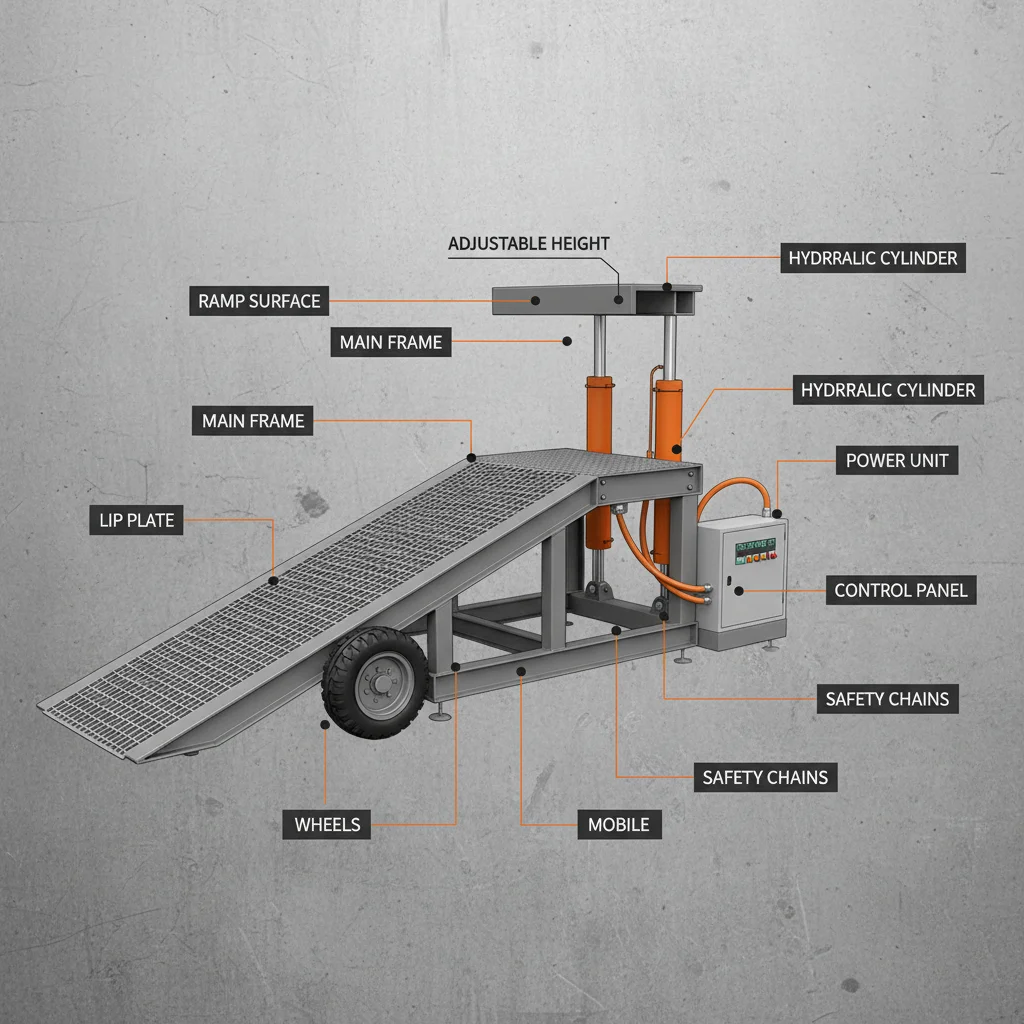
In remote industrial zones or post-disaster relief operations, mobile versions of these platforms are deployed to move heavy machinery or medical supplies into elevated temporary shelters. This adaptability ensures that critical infrastructure can be established quickly, regardless of the terrain or the lack of permanent loading bays.
Long-Term Value and Operational Advantages
Investing in a premium Hydraulic lifting platform provides tangible long-term financial benefits. While the initial capital expenditure may be higher than basic mechanical alternatives, the reduction in maintenance costs and the avoidance of costly downtime create a much lower Total Cost of Ownership (TCO).
From a human-centric perspective, the emotional value of safety cannot be overstated. When employees trust that their equipment will not fail, morale increases and turnover decreases. The dignity of working in a safe, modernized environment is a powerful driver of productivity.
Furthermore, the sustainability aspect is becoming more prominent. Modern hydraulic systems use biodegradable oils and energy-efficient pumps, aligning industrial growth with green energy mandates and reducing the overall carbon footprint of the logistics chain.
Future Trends and Smart Automation Integration
The future of the Hydraulic lifting platform lies in the integration of the Internet of Things (IoT). We are seeing a shift toward "predictive maintenance," where sensors monitor oil viscosity and pressure fluctuations in real-time, alerting technicians to a potential failure before it actually occurs.
Automation is also redefining how these platforms operate. Integration with Autonomous Mobile Robots (AMRs) allows a lift table to communicate directly with a robot, synchronizing height and position automatically. This removes the need for human intervention entirely in the transfer of goods between different floor levels.
Additionally, the adoption of lightweight, high-strength alloys is reducing the dead weight of the platforms, allowing for higher net load capacities without increasing the energy required for lifting.
Comparison of Hydraulic Lifting Platform Technologies
| Technology Type |
Load Capacity |
Energy Efficiency |
Maintenance Level |
| Standard Scissor Lift |
High (Up to 50t) |
Medium |
Regular Oil Checks |
| IoT-Enabled Smart Lift |
Very High |
Very High |
Predictive/Low |
| Mobile Dock Ramp |
Medium (Up to 15t) |
Medium |
Frequent Inspections |
| Fixed Dock Leveler |
High |
High |
Minimal |
| Custom Industrial Lift |
Ultra High |
Variable |
Specialized |
| Pneumatic-Hydraulic Hybrid |
Medium |
Very High |
Moderate |
FAQS
For high-intensity industrial use, we recommend a comprehensive inspection every 3 to 6 months. This includes checking hydraulic fluid levels, inspecting seals for leaks, and lubricating pivot points. Neglecting routine maintenance can lead to pressure drops and increased wear on the pump, significantly shortening the equipment's lifespan.
While most platforms are designed for centered loads, uneven weight distribution can create stress on the scissor arms or cylinders. Professional-grade platforms often include safety margins, but for consistently uneven loads, we recommend customized platforms with reinforced support beams or multi-cylinder configurations to ensure stability.
Hydraulic lifts generally offer smoother movement and are better for very heavy loads. However, safety depends on the installation of "velocity fuses" and "emergency stop" valves. Mechanical screw lifts may be better for extremely precise positioning, but for bulk material handling, the hydraulic platform's speed and power make it the superior and safer choice when properly maintained.
With proper maintenance, a high-quality hydraulic lifting platform can last 15 to 20 years. The primary wear-and-tear items are the seals and hydraulic oil, which are easily replaceable. The steel structure itself is designed to last decades, provided it is not consistently overloaded beyond its rated capacity.
Evaluate your heaviest single load and add a 20% safety margin. For example, if your heaviest pallet is 2,000kg, a platform rated for 2,500kg or 3,000kg is ideal. This prevents the system from running at its absolute limit, which reduces heat buildup in the oil and extends the life of the hydraulic pump.
Yes, modern versions are increasingly sustainable. By using energy-efficient motors and biodegradable hydraulic fluids, companies can meet strict environmental regulations. Additionally, by optimizing warehouse flow and reducing the need for multiple forklifts, a fixed lifting platform can actually reduce a facility's overall energy consumption.
Conclusion
In summary, the Hydraulic lifting platform is an indispensable tool in the modern industrial toolkit, blending the power of fluid dynamics with robust structural engineering to solve complex material handling challenges. From increasing worker safety and reducing operational costs to integrating with the latest in IoT and automation, these systems provide a scalable solution for businesses of all sizes looking to optimize their logistics.
As we move toward a future of smarter, greener warehouses, the focus will shift from simple lifting to integrated, intelligent movement. We encourage facility managers to invest in high-quality, certified platforms that not only meet current needs but are adaptable to future technological upgrades. For professional solutions tailored to your specific industrial requirements, visit our website: www.lifthpro.com