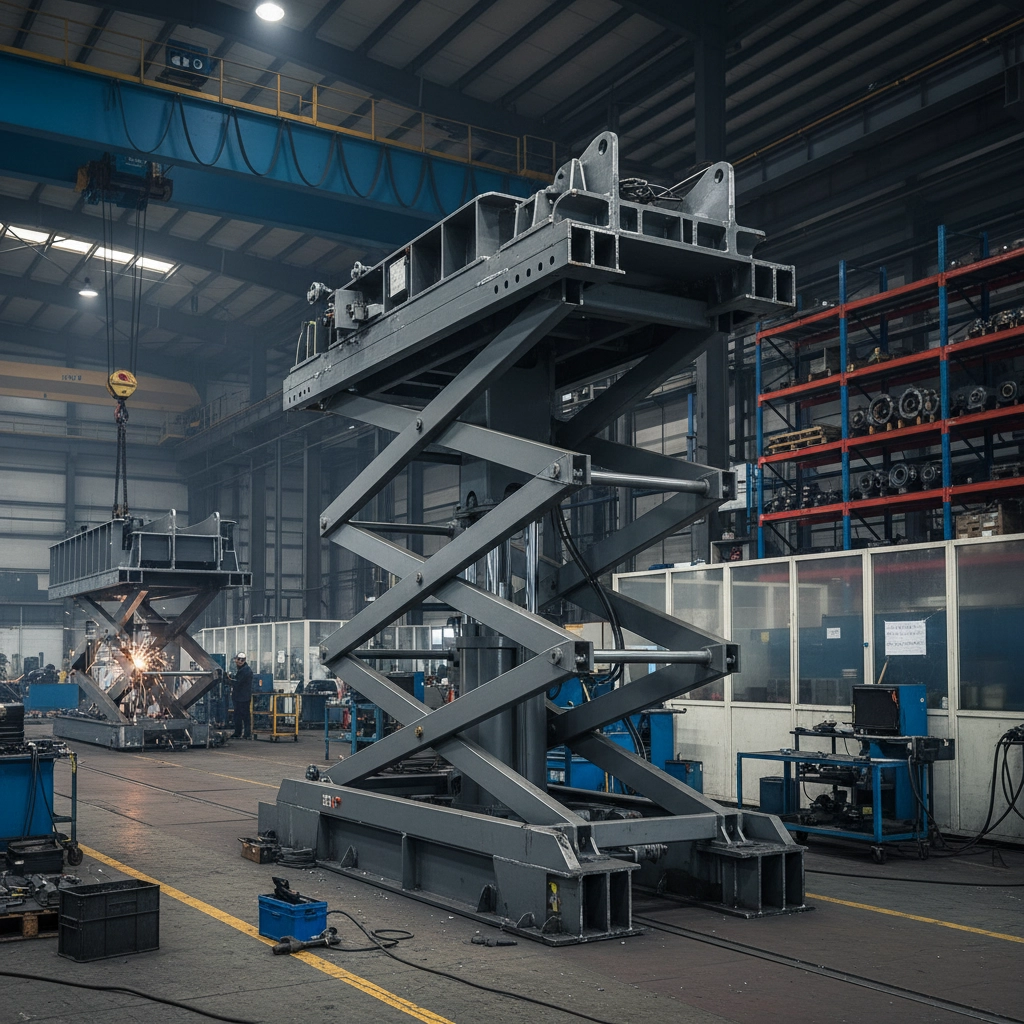
In the fast-paced world of logistics and warehousing, the efficiency of loading and unloading operations can make or break a supply chain's profitability. A Hydraulic mobile dock ramp serves as a critical bridge between the warehouse floor and the transport vehicle, eliminating the need for expensive permanent loading docks. By providing a flexible, heavy-duty transition point, these ramps allow businesses to scale their operations without investing in massive structural renovations.
Globally, the demand for versatile material handling equipment has surged as e-commerce grows and urban warehousing becomes more compact. The adoption of a Hydraulic mobile dock ramp addresses the fundamental challenge of height disparity between different truck bed levels and the warehouse floor. This adaptability is essential for companies handling diverse fleets, ranging from small delivery vans to large semi-trailers, ensuring a seamless flow of goods.
Understanding the technical nuances and operational advantages of these systems is key to improving workplace safety and throughput. From reducing manual lifting hazards to accelerating turnaround times for freight, the strategic implementation of these ramps transforms a static warehouse into a dynamic logistics hub. This guide explores the engineering, application, and future of mobile docking solutions to help you optimize your facility's performance.
Global Industry Context of Hydraulic Mobile Dock Ramps
The global logistics landscape is currently undergoing a massive transformation, driven by the ISO standards for containerization and the relentless push for "just-in-time" delivery. In this environment, the Hydraulic mobile dock ramp has become a staple for companies that cannot afford the downtime or the capital expenditure associated with constructing permanent concrete docks.
Industry data indicates that flexible loading solutions can reduce vehicle turnaround times by up to 30%, particularly in multi-tenant warehouses where different carriers utilize varied vehicle heights. By mitigating the logistical bottleneck of the "last mile" and "first mile," these mobile ramps enable businesses to remain competitive in an increasingly volatile global market.
Defining the Hydraulic Mobile Dock Ramp System
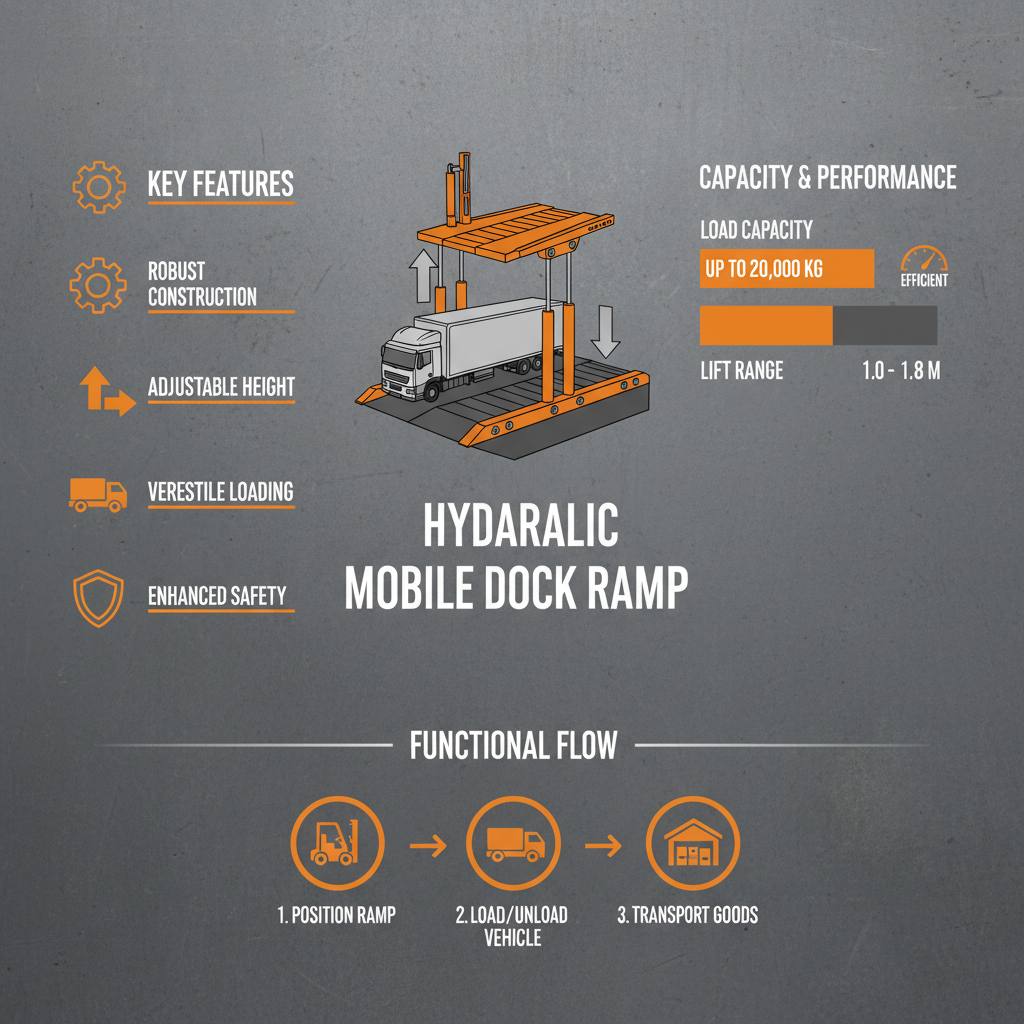
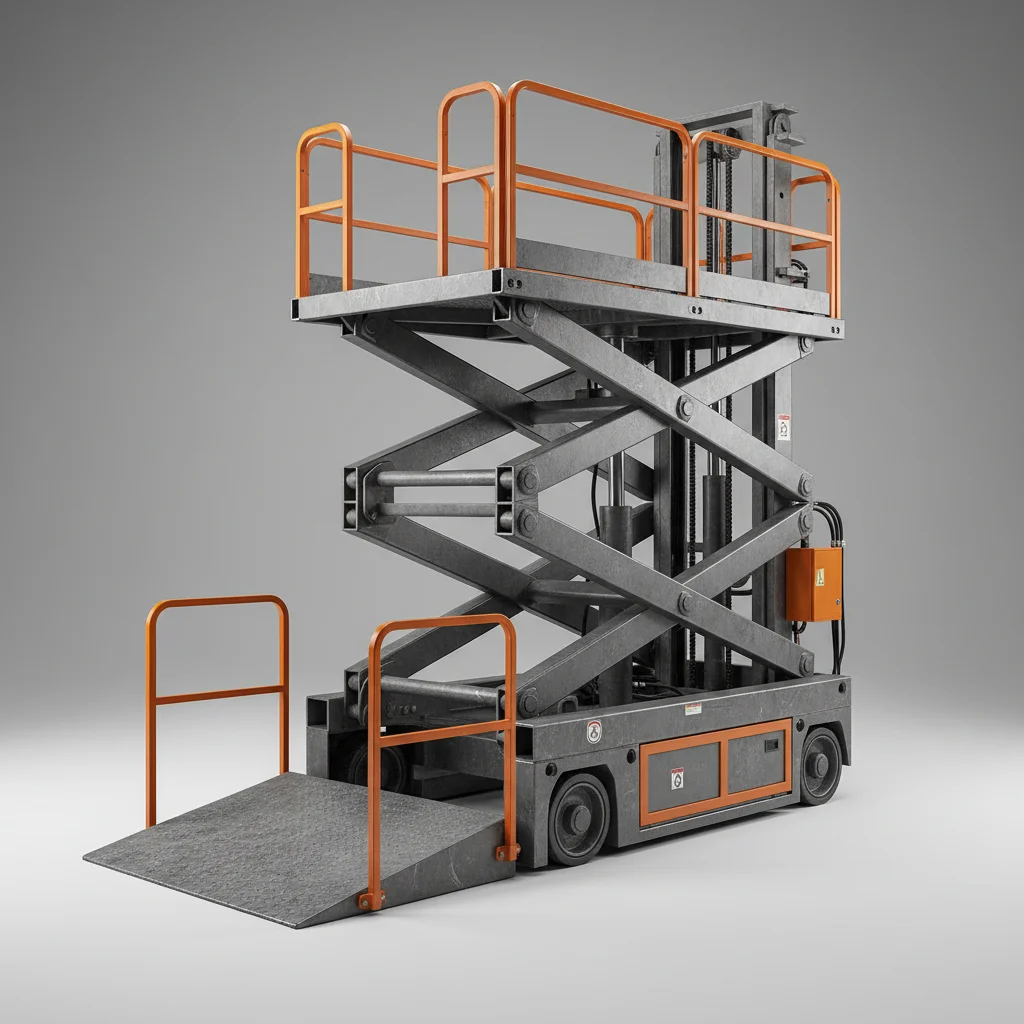
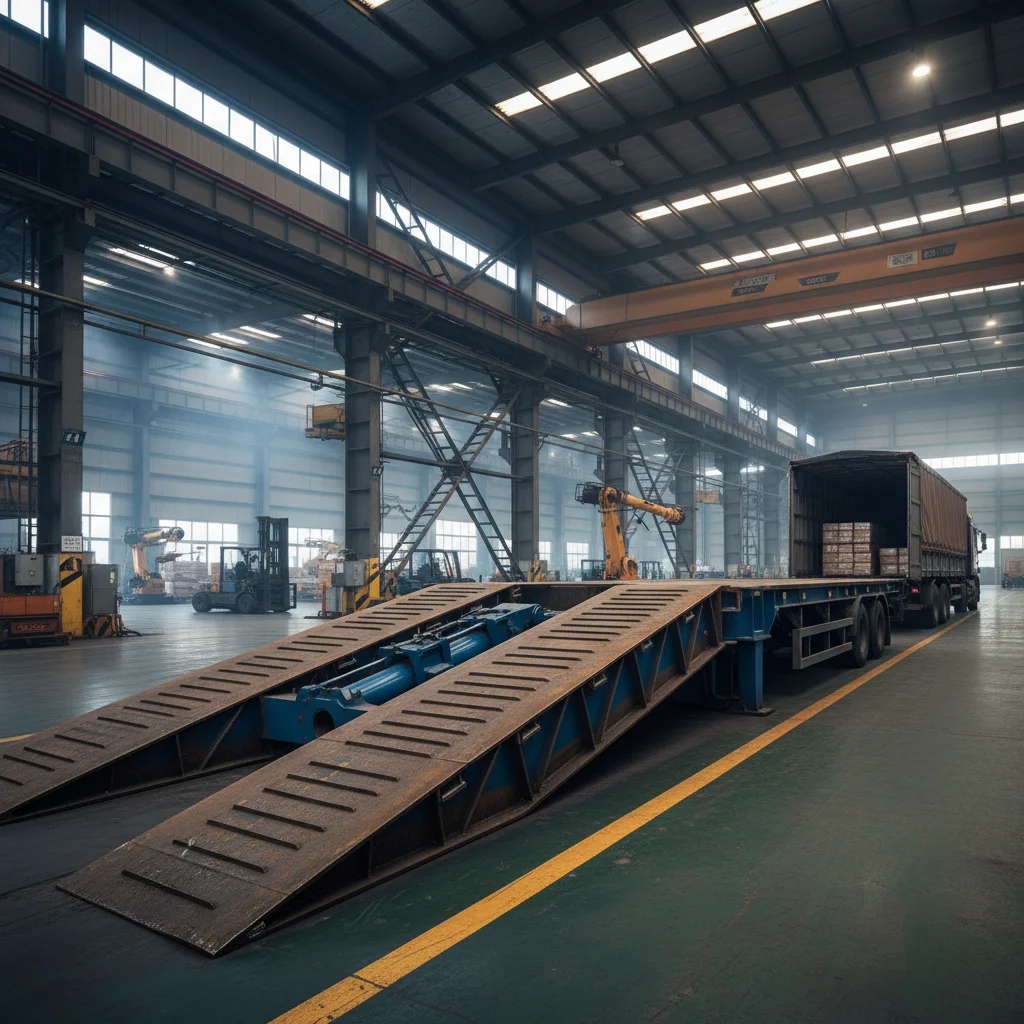
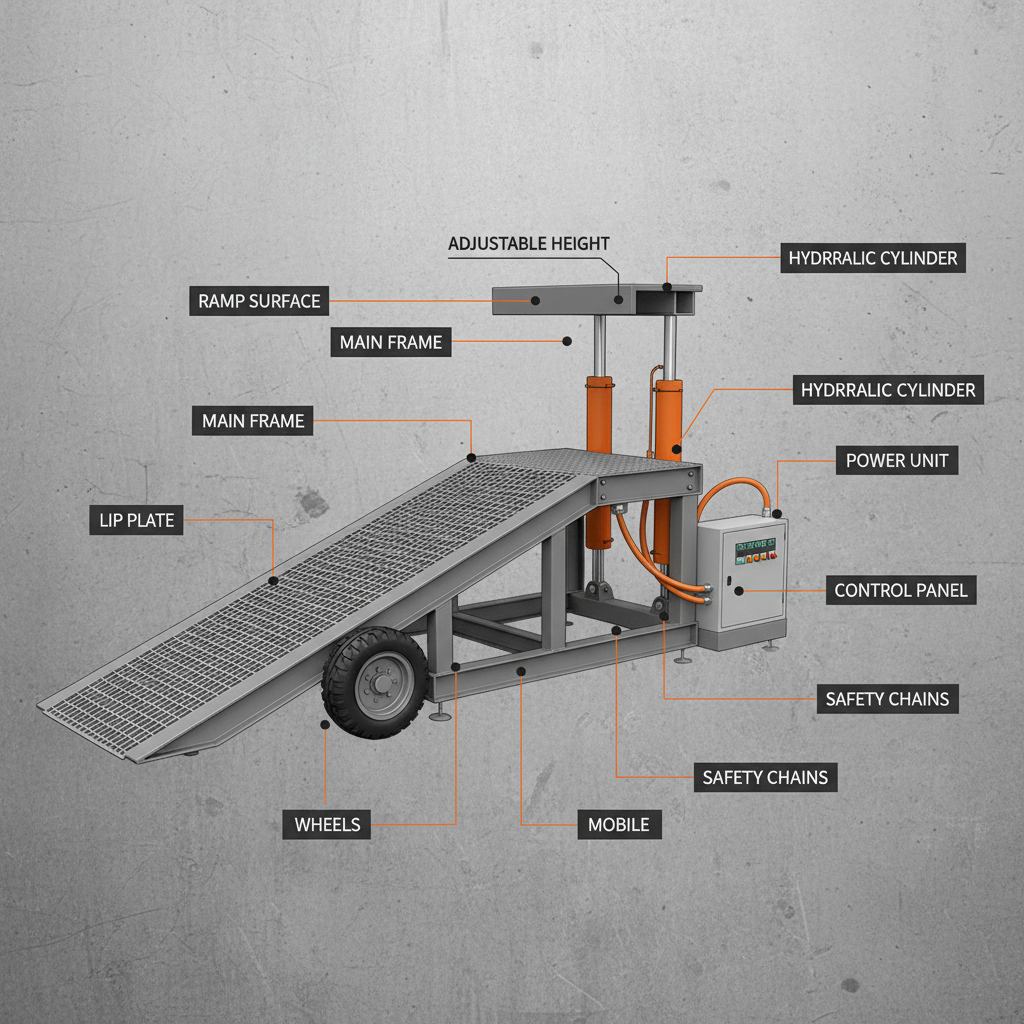
At its core, a Hydraulic mobile dock ramp is a portable, hydraulically powered inclined platform designed to bridge the gap between a warehouse floor and the cargo area of a truck. Unlike fixed dock levelers, these units are equipped with heavy-duty casters and a powerful hydraulic cylinder system, allowing them to be moved to different loading bays as needed.
This equipment is specifically engineered to handle the extreme stresses of forklift traffic. By utilizing a high-strength steel chassis and a non-slip surface, it creates a safe, stable path for material handling equipment to move pallets directly from the ground into a trailer, effectively turning any flat area of a warehouse into a functional loading dock.
In the context of modern industrial needs, these ramps provide an essential "on-demand" infrastructure. They are particularly vital for temporary storage facilities, pop-up distribution centers, or existing warehouses that are expanding their throughput without the possibility of expanding their physical footprint.
Core Components and Technical Factors
The durability of a Hydraulic mobile dock ramp depends heavily on its structural integrity. The primary frame is usually constructed from reinforced Q235 or Q345 steel, ensuring that the ramp can withstand the dynamic loads of heavy forklifts without buckling or excessive deflection over time.
Precision hydraulics are the heart of the system. A high-quality Hydraulic mobile dock ramp utilizes a closed-loop hydraulic circuit with a manual or electric pump, allowing the operator to adjust the height with millimeter precision to match the truck bed perfectly, thereby eliminating hazardous gaps.
Safety features are integrated into every facet of the design. From the heavy-duty safety chains that secure the ramp to the vehicle, to the side guardrails that prevent forklifts from drifting off the edge, these components ensure that the operation remains compliant with international safety standards like OSHA or CE.
Global Applications and Strategic Use Cases
The versatility of the Hydraulic mobile dock ramp makes it invaluable across diverse sectors. In large-scale manufacturing plants in Asia and Europe, these ramps are used to move heavy machinery parts between production lines and shipping containers without needing a dedicated dock for every single product line.
Beyond standard industry, these solutions are critical in humanitarian and disaster relief operations. In remote industrial zones or post-disaster areas where permanent infrastructure has been destroyed, mobile ramps allow NGOs and government agencies to quickly unload food, medical supplies, and shelter materials from large trucks into makeshift warehouses.
Efficiency Rating of Various Mobile Loading Solutions
Long-Term Value and Operational Advantages
Investing in a Hydraulic mobile dock ramp offers a compelling ROI by combining cost efficiency with operational agility. Unlike fixed installations, these ramps require no excavation or structural permits, drastically reducing the initial setup cost and time. This allows companies to pivot their warehouse layout as business needs evolve, providing a level of scalability that fixed infrastructure simply cannot match.
From a human-centric perspective, the long-term value lies in safety and dignity for the workforce. By eliminating the need for manual lifting or unstable makeshift ramps, companies reduce the risk of workplace injuries and chronic strain on employees. This fosters a culture of trust and professional innovation, where workers feel supported by high-quality tools, leading to higher retention rates and overall productivity.
Future Trends in Docking Innovation
The evolution of the Hydraulic mobile dock ramp is currently moving toward greater automation and smarter integration. We are seeing the rise of "intelligent" ramps equipped with sensors that automatically detect the height of the incoming vehicle and adjust the platform accordingly, further reducing the margin for human error and speeding up the docking process.
Sustainability is also playing a major role in new designs. The industry is shifting toward biodegradable hydraulic fluids and energy-efficient electric pumps powered by lithium-ion batteries. These "green" ramps reduce the environmental footprint of the warehouse while maintaining the high load capacities required for heavy-duty industrial use.
Furthermore, the integration of IoT (Internet of Things) allows fleet managers to track ramp utilization in real-time. By analyzing how often a Hydraulic mobile dock ramp is used and at what capacities, companies can implement predictive maintenance schedules, ensuring that equipment is serviced before a failure occurs, thus preventing costly operational shutdowns.
Challenges and Expert Solutions for Implementation
Despite their advantages, implementing a Hydraulic mobile dock ramp comes with challenges, most notably floor load capacity and surface stability. If the warehouse floor is not perfectly level or is made of low-grade concrete, the concentrated weight of a loaded ramp can cause cracking. The expert solution is to utilize load-spreading pads or to conduct a professional floor stress analysis before deployment.
Another common issue is the "gap" between the ramp lip and the truck bed, which can be a trip hazard or cause forklift jolts. To overcome this, we recommend selecting ramps with an adjustable "over-lip" and ensuring that operators are trained in precise height synchronization. Regular calibration of the hydraulic valves is also essential to maintain smooth movement.
Finally, maintenance neglect can lead to hydraulic leaks or rust in humid environments. The best approach is a proactive maintenance regimen involving the use of corrosion-resistant coatings and monthly checks of hydraulic seals. By treating the Hydraulic mobile dock ramp as a critical piece of machinery rather than a simple tool, companies can extend its lifespan by years.
Technical Comparison of Hydraulic Mobile Dock Ramp Specifications
|
Model Series
|
Max Load Capacity
|
Height Adjustment Range
|
Durability Score (1-10)
|
| Standard Economy |
6 Tons |
900mm - 1300mm |
7 |
| Industrial Heavy-Duty |
10 Tons |
1000mm - 1600mm |
9 |
| Ultra-Load Pro |
15 Tons |
1100mm - 1800mm |
10 |
| Compact Mobile |
3 Tons |
800mm - 1100mm |
6 |
| Customized Wide-Deck |
12 Tons |
1000mm - 1500mm |
8 |
| Electric-Auto Series |
8 Tons |
900mm - 1400mm |
9 |
FAQS
The primary advantage is flexibility. While a fixed dock is permanent and limited to one location, a hydraulic mobile dock ramp can be moved anywhere in the warehouse. This allows you to utilize multiple areas for loading, adapt to different truck heights instantly, and avoid the massive construction costs and permits required for permanent concrete docks, making it ideal for growing businesses.
With a professional maintenance schedule—including regular hydraulic oil changes, seal inspections, and rust-proofing—a high-quality steel ramp can easily last 10 to 15 years. The lifespan depends largely on the load frequency and the environment; ramps used in corrosive or saltwater areas may require more frequent painting and lubrication to prevent structural degradation.
Yes, provided the forklift's total weight (including the load) does not exceed the ramp's rated capacity. Most ramps are designed for standard counterbalance forklifts. However, it is critical to ensure the ramp is properly secured to the vehicle using the provided safety chains to prevent shifting during the loading process, which ensures maximum operator safety.
Yes, they can be used outdoors, but the surface must be flat and stable. Concrete is ideal. On asphalt, you must be cautious during extreme summer heat, as the wheels of the ramp can create depressions in softened asphalt under heavy loads. We recommend using wide load-spreading plates if the ramp will be stationary on asphalt for long periods.
The best approach is a monthly check of the hydraulic fluid levels and an inspection for any leaks around the cylinders and hoses. We recommend flushing the hydraulic oil annually to remove contaminants. Additionally, lubricating the pivot points and ensuring the pump is free of debris will prevent jerky movements and extend the life of the hydraulic motor.
Calculate the combined weight of your heaviest forklift and its maximum load, then add a 20% safety margin. For example, if your forklift weighs 4 tons and carries 2 tons, your total is 6 tons. Choosing a ramp with a 8-10 ton capacity ensures the equipment isn't constantly running at its limit, which reduces wear and tear and increases safety.
Conclusion
In summary, the Hydraulic mobile dock ramp is more than just a piece of equipment; it is a strategic asset that unlocks operational flexibility and enhances safety within any logistics framework. By bridging the gap between diverse vehicle heights and the warehouse floor, these ramps eliminate bottlenecks, reduce infrastructure costs, and protect the most valuable asset of any company—its people.
Looking forward, as warehouses continue to integrate automation and sustainable practices, the role of mobile docking solutions will only grow. We encourage facility managers to prioritize high-grade materials and proactive maintenance to maximize their ROI. To optimize your loading operations today, explore our professional range of solutions. Visit our website: www.lifthpro.com