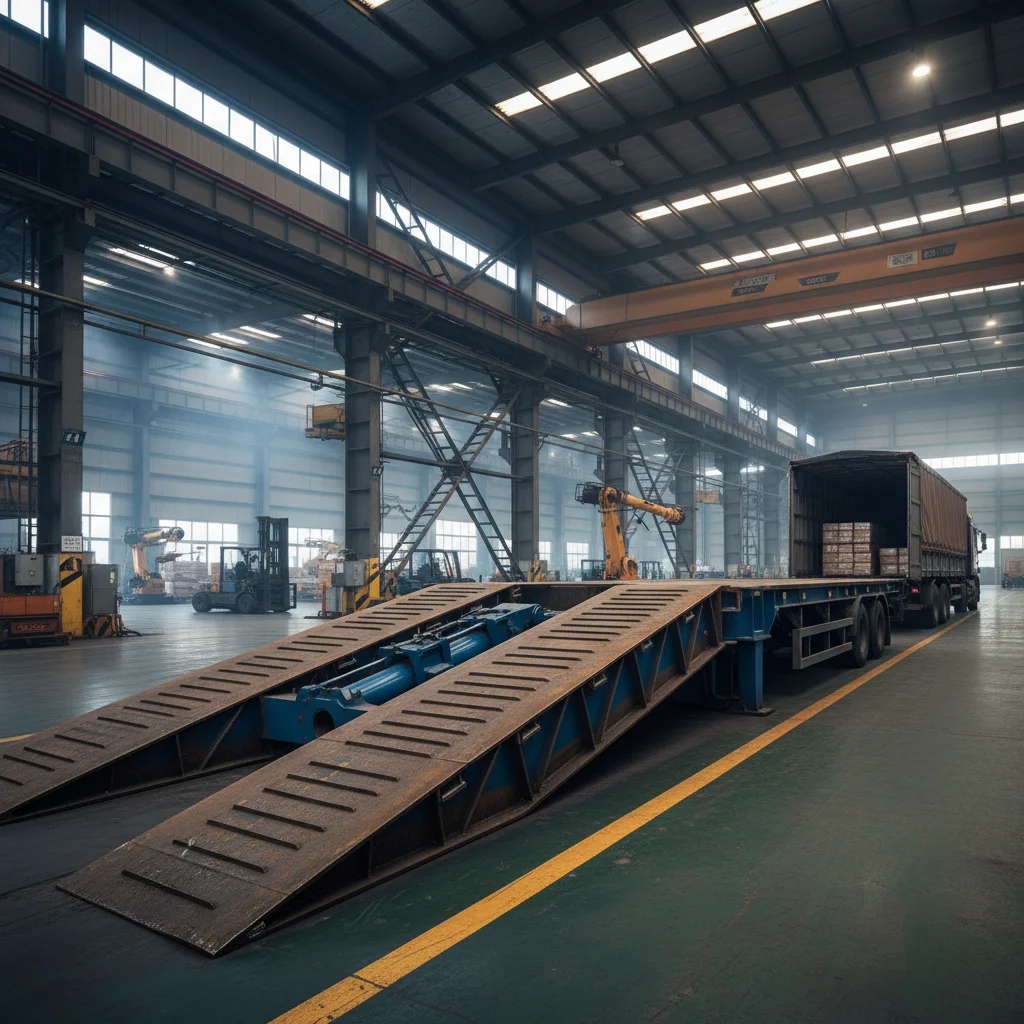
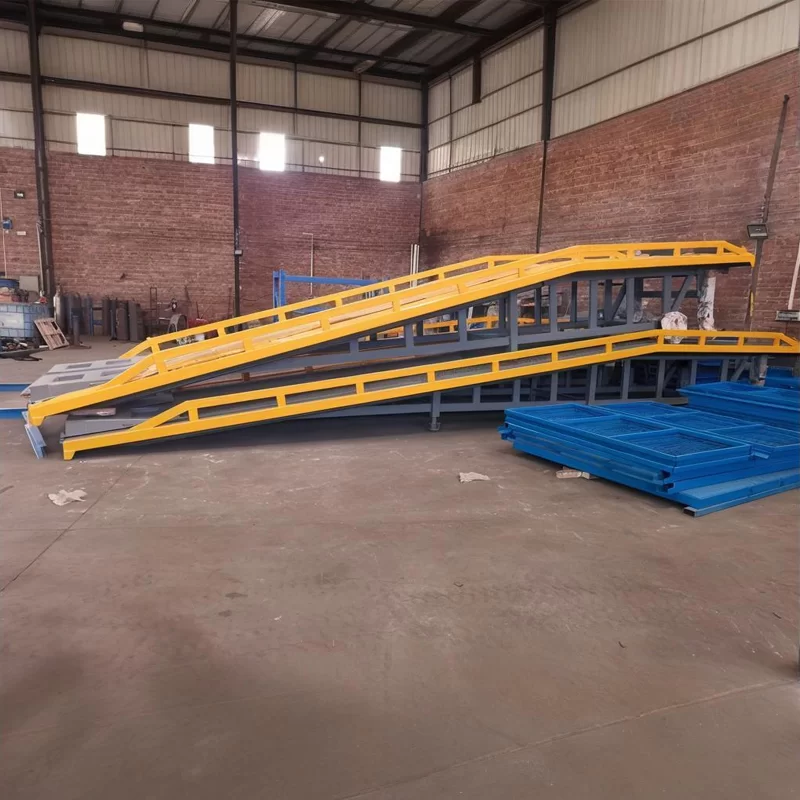
The hydraulic mobile dock ramp is a self-contained loading and unloading solution designed to bridge the gap between warehouse floors and container trucks or freight vehicles. Unlike fixed dock levelers, this mobile unit can be repositioned as needed, making it ideal for facilities without permanent loading docks, multiple loading points, or temporary worksites.
Powered by an electro-hydraulic system, the ramp enables seamless forklift access between the ground and the truck bed. With its robust construction, intuitive controls, and compact mobility, it significantly improves loading efficiency while reducing labor requirements and workplace injury risks associated with manual handling.
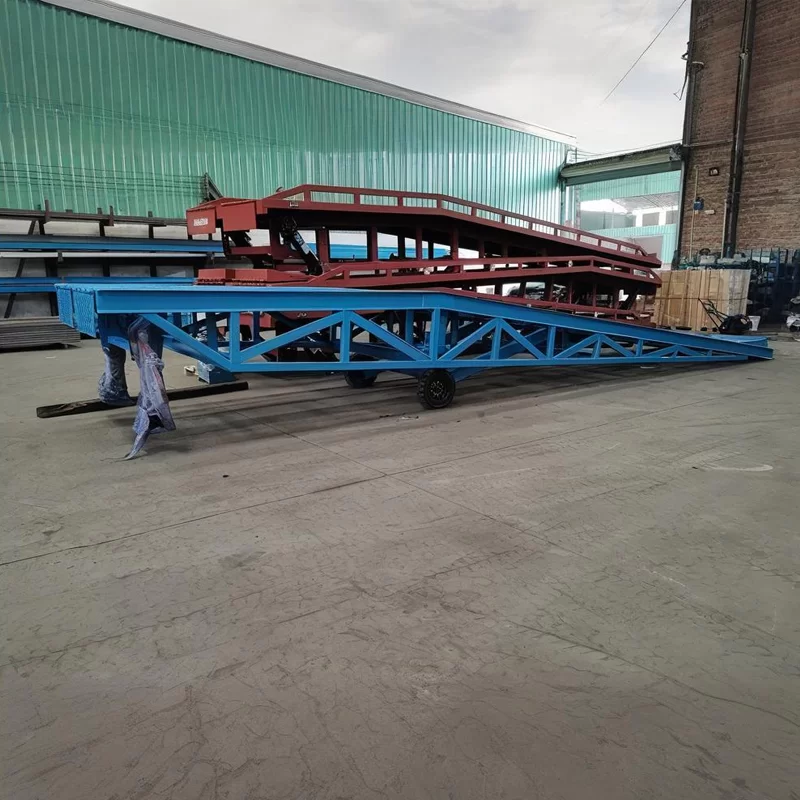
The manual hydraulic mobile dock ramp is a loading/unloading aid that combines manual hydraulic drive with a mobile structure. It is widely used in warehouses, logistics centers, factories, and retail facilities for cargo loading and unloading operations. Serving as a bridge between forklifts and trucks, the ramp effectively bridges the height difference and gap between the loading dock and the truck bed, enabling fast and safe cargo transfer.
Powered by a manual hydraulic pump, the ramp requires no external power source. It is easy to operate and has low maintenance costs, making it particularly suitable for scenarios with moderate loading/unloading frequency, limited access to electrical power, or the need to serve multiple workstations in rotation. Its mobile design allows the ramp to be easily moved to any loading point, significantly improving operational flexibility and space utilization.
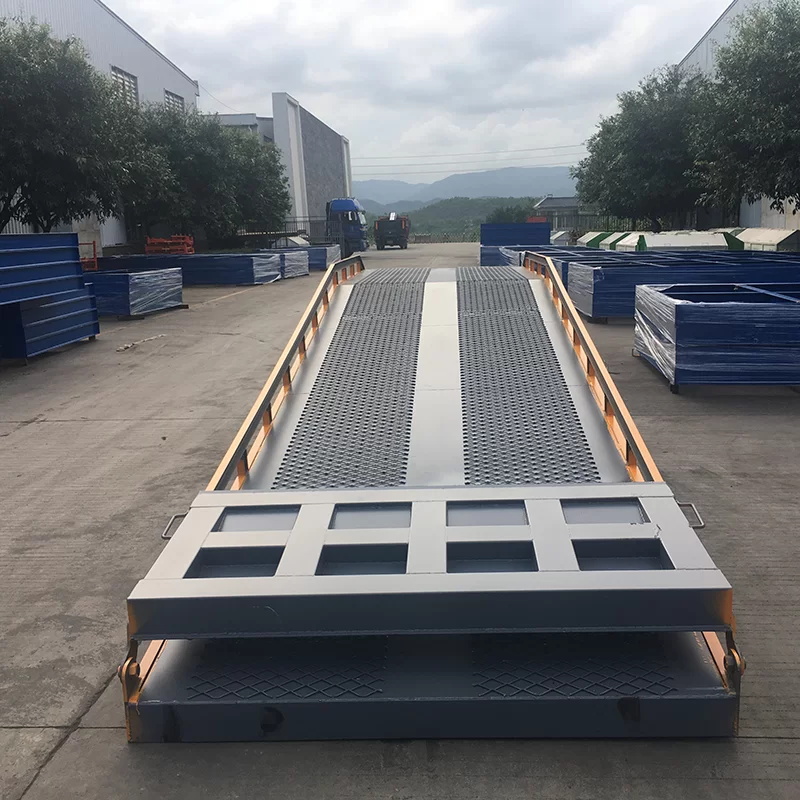
The 8–10 ton container loading ramp is a heavy-duty mobile or fixed ramp designed for forklifts, pallet trucks, and other wheeled handling equipment, enabling seamless transition between the ground and containers or truck trailers. This equipment is widely used in logistics centers, port yards, manufacturing plants, and warehousing distribution stations, significantly improving loading/unloading efficiency and reducing dependence on fixed dock platforms.
This series of ramps is constructed with heavy-duty steel structures and has a rated load capacity ranging from 8 to 10 tons, safely accommodating the passage of large-tonnage forklifts and fully loaded goods. Various configurations are available, including mobile, flip-over, and fixed types, allowing flexible selection based on site conditions.
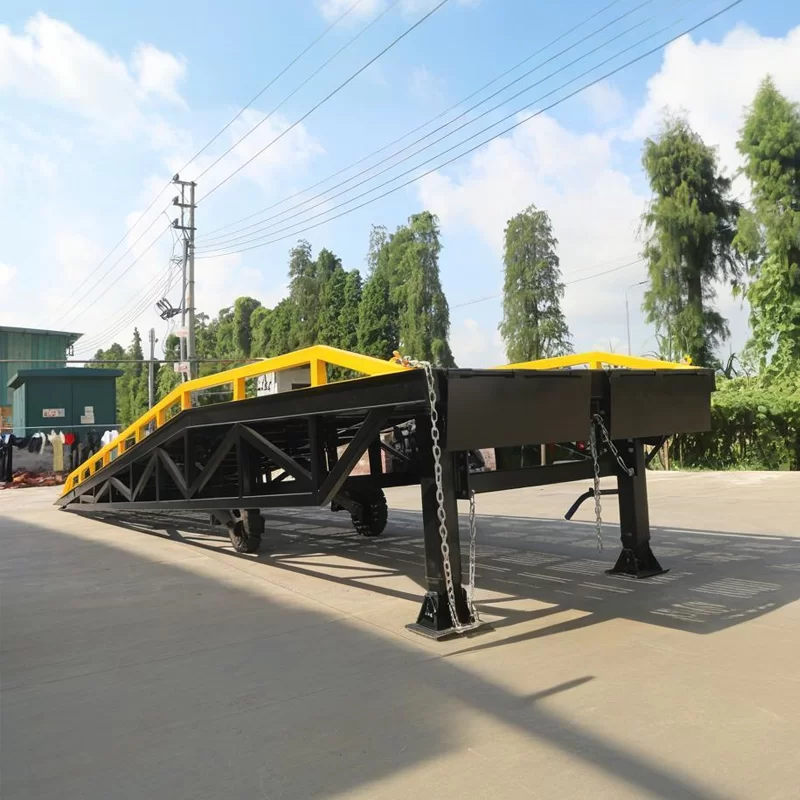
The Container Loading Platform (also known as a container dock leveler or hydraulic loading bridge) is a hydraulic lifting device specially designed to achieve efficient and safe docking between warehouses, factories, and container transport vehicles. It effectively resolves the operational difficulties caused by height differences during loading and unloading, allowing forklifts, pallet jacks, and other material handling equipment to directly and smoothly enter the container for batch loading or unloading. It is widely used in logistics parks, manufacturing plants, cross-border e-commerce warehouses, cold chain logistics, and similar applications.
The platform is powered by an electro-hydraulic system. With a rugged structure and simple operation, it can complete height adjustment and vehicle docking in a short time, significantly improving loading/unloading efficiency, reducing manual labor intensity, and ensuring operational safety.
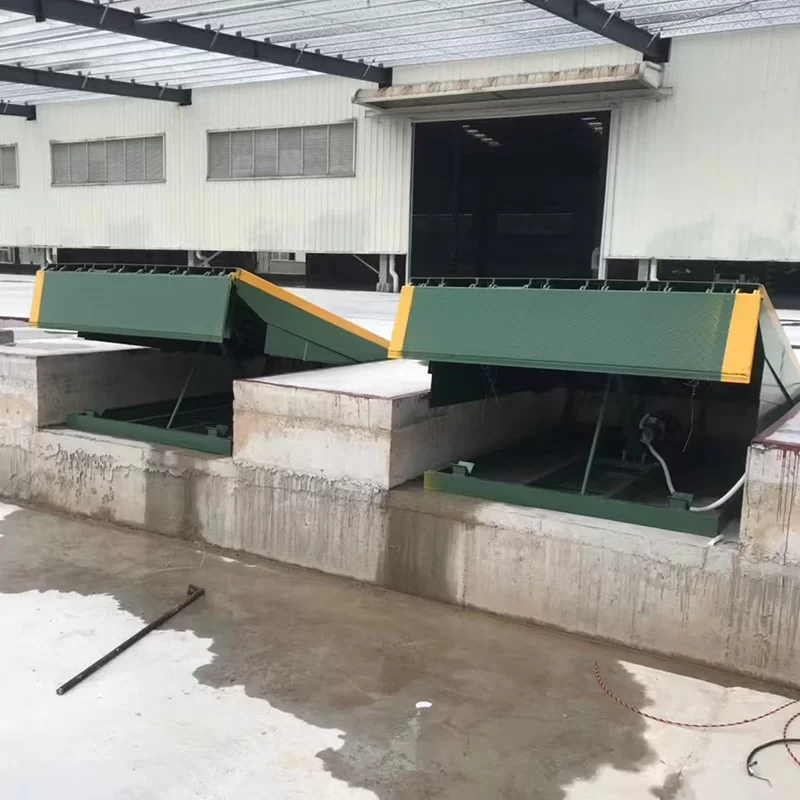
The hydraulic dock leveler is a heavy-duty loading dock solution designed to bridge the gap between a warehouse loading dock and a transport vehicle. It provides a safe, efficient, and reliable platform for forklift loading and unloading operations. Powered by a hydraulic system, it offers smooth and controlled lip deployment and platform adjustment to accommodate varying truck bed heights.
Ideal for logistics centers, manufacturing facilities, distribution warehouses, and retail distribution centers, the hydraulic dock leveler significantly improves loading dock efficiency while reducing the risk of accidents and equipment damage.
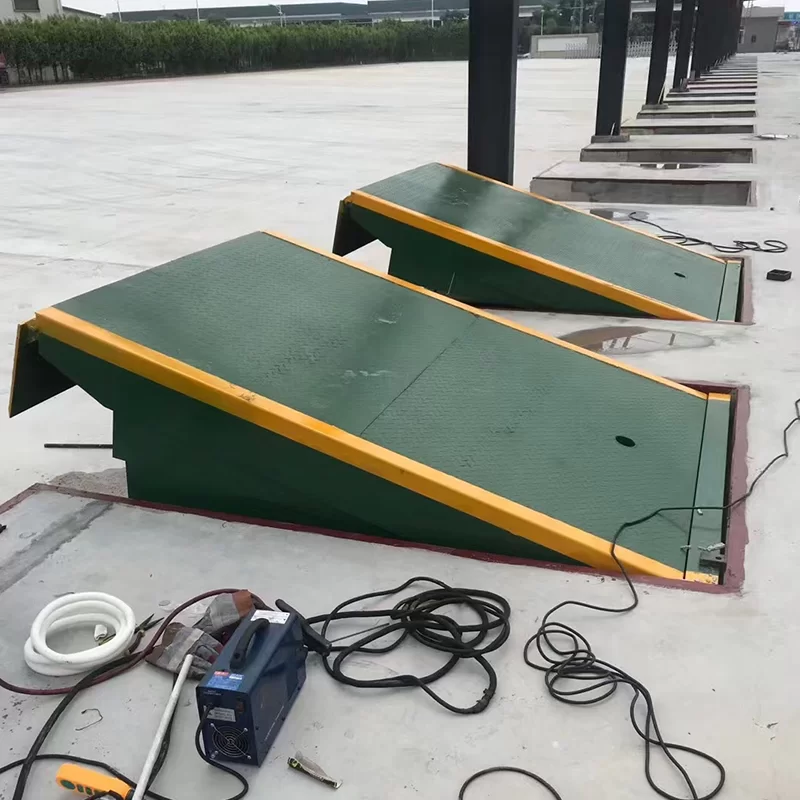
The warehouse dock leveler is a critical piece of equipment installed at loading docks in logistics warehouses, distribution centers, and industrial plants. It is used to bridge the height difference and gap between the dock and transport vehicles, ensuring that forklifts and other handling equipment can safely and efficiently enter and exit truck trailers for loading and unloading operations.
This equipment is widely used in food cold chain, e-commerce warehousing, manufacturing plants, third-party logistics, and similar environments. It is a core component of modern logistics operations, enhancing loading efficiency and ensuring operational safety. Based on the drive method, dock levelers are mainly classified into hydraulic, mechanical spring, and pneumatic types. Among these, hydraulic dock levelers have become the mainstream choice for large and medium-sized logistics facilities due to their ease of operation, high load capacity, and precise control.
Choosing the Right Dock Leveler for Your Facility
Selecting the right dock leveler is crucial for maximizing operational efficiency and safety. Factors such as load capacity, platform size, and type of operation (mechanical, hydraulic, or air-powered) must be considered to suit specific business needs. A high-quality dock leveler ensures smooth and consistent performance, minimizing downtime during peak loading hours. Safety features such as side guards, non-slip surfaces, and automatic locking mechanisms are essential for protecting workers and goods. Additionally, durable materials and corrosion-resistant finishes extend the lifespan of the equipment, making it a cost-effective investment for any warehouse or distribution center. Regular inspection and maintenance further enhance performance and reliability. By choosing the right dock leveler, companies can streamline loading operations, reduce labor costs, and create a safer and more productive working environment.