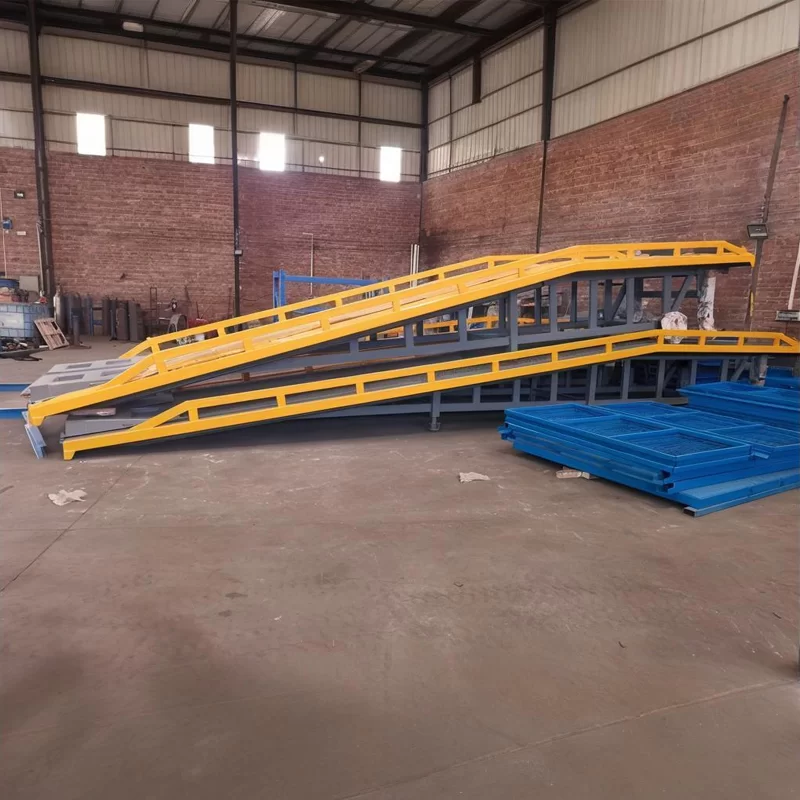
The hydraulic mobile dock ramp is a self-contained loading and unloading solution designed to bridge the gap between warehouse floors and container trucks or freight vehicles. Unlike fixed dock levelers, this mobile unit can be repositioned as needed, making it ideal for facilities without permanent loading docks, multiple loading points, or temporary worksites.
Powered by an electro-hydraulic system, the ramp enables seamless forklift access between the ground and the truck bed. With its robust construction, intuitive controls, and compact mobility, it significantly improves loading efficiency while reducing labor requirements and workplace injury risks associated with manual handling.
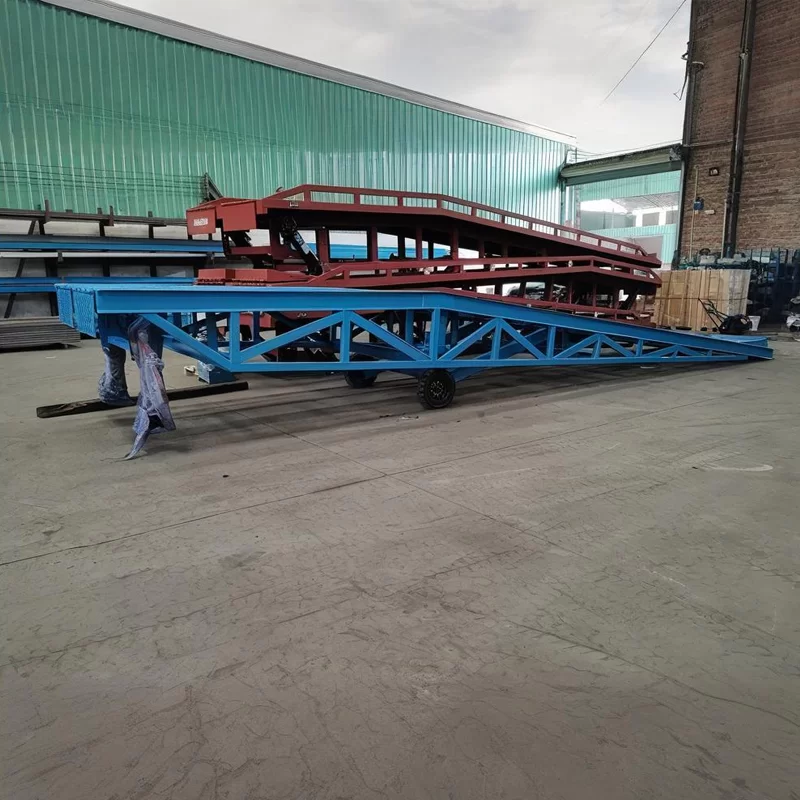
The manual hydraulic mobile dock ramp is a loading/unloading aid that combines manual hydraulic drive with a mobile structure. It is widely used in warehouses, logistics centers, factories, and retail facilities for cargo loading and unloading operations. Serving as a bridge between forklifts and trucks, the ramp effectively bridges the height difference and gap between the loading dock and the truck bed, enabling fast and safe cargo transfer.
Powered by a manual hydraulic pump, the ramp requires no external power source. It is easy to operate and has low maintenance costs, making it particularly suitable for scenarios with moderate loading/unloading frequency, limited access to electrical power, or the need to serve multiple workstations in rotation. Its mobile design allows the ramp to be easily moved to any loading point, significantly improving operational flexibility and space utilization.
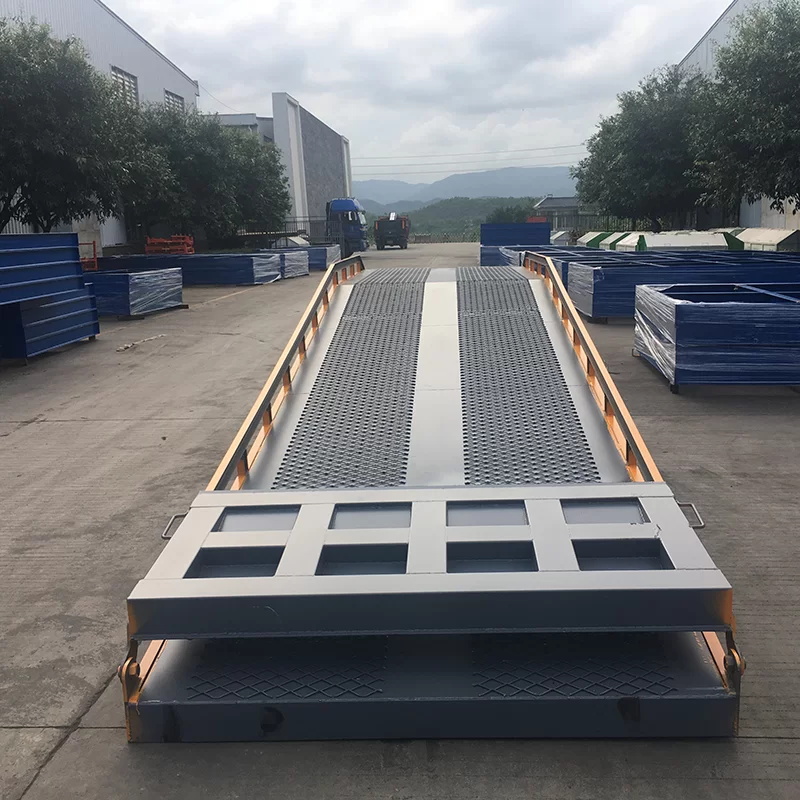
The 8–10 ton container loading ramp is a heavy-duty mobile or fixed ramp designed for forklifts, pallet trucks, and other wheeled handling equipment, enabling seamless transition between the ground and containers or truck trailers. This equipment is widely used in logistics centers, port yards, manufacturing plants, and warehousing distribution stations, significantly improving loading/unloading efficiency and reducing dependence on fixed dock platforms.
This series of ramps is constructed with heavy-duty steel structures and has a rated load capacity ranging from 8 to 10 tons, safely accommodating the passage of large-tonnage forklifts and fully loaded goods. Various configurations are available, including mobile, flip-over, and fixed types, allowing flexible selection based on site conditions.
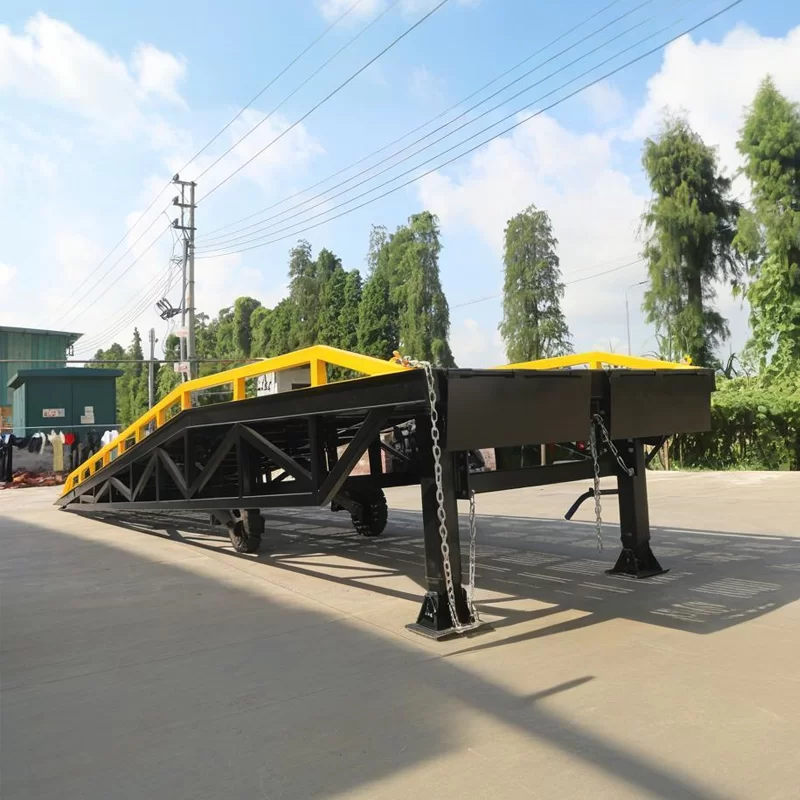
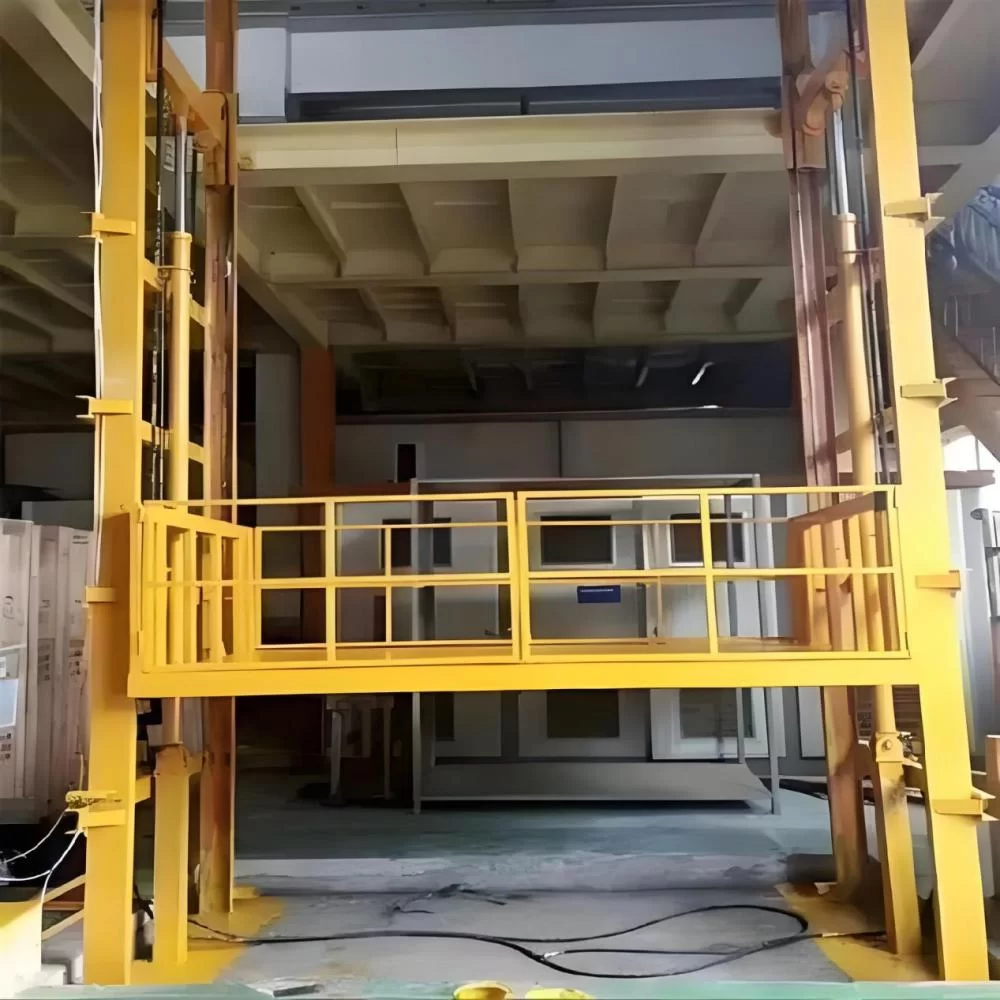
The Container Loading Platform (also known as a container dock leveler or hydraulic loading bridge) is a hydraulic lifting device specially designed to achieve efficient and safe docking between warehouses, factories, and container transport vehicles. It effectively resolves the operational difficulties caused by height differences during loading and unloading, allowing forklifts, pallet jacks, and other material handling equipment to directly and smoothly enter the container for batch loading or unloading. It is widely used in logistics parks, manufacturing plants, cross-border e-commerce warehouses, cold chain logistics, and similar applications.
The platform is powered by an electro-hydraulic system. With a rugged structure and simple operation, it can complete height adjustment and vehicle docking in a short time, significantly improving loading/unloading efficiency, reducing manual labor intensity, and ensuring operational safety.
Enhancing Safety and Productivity with Mobile Dock Ramps
Safety and productivity are critical considerations for mobile dock ramps. High-quality ramps come equipped with safety features such as side rails, anti-slip surfaces, and stable wheel locks to prevent accidents during loading. They allow forklifts and pallet trucks to transition smoothly between vehicles and docks, minimizing the risk of damage to goods or injuries to workers. In addition, mobile ramps can be adjusted quickly to different angles, accommodating various truck heights with ease. This adaptability reduces loading times, prevents workflow interruptions, and improves overall efficiency. For businesses that frequently handle shipments in multiple locations or temporary setups, mobile dock ramps provide a cost-effective and practical solution that enhances both safety and productivity in material handling operations.