News

Efficient Loading Dock Lift Systems for Modern Logistics

May 18, 2026
0%

Table of Contents

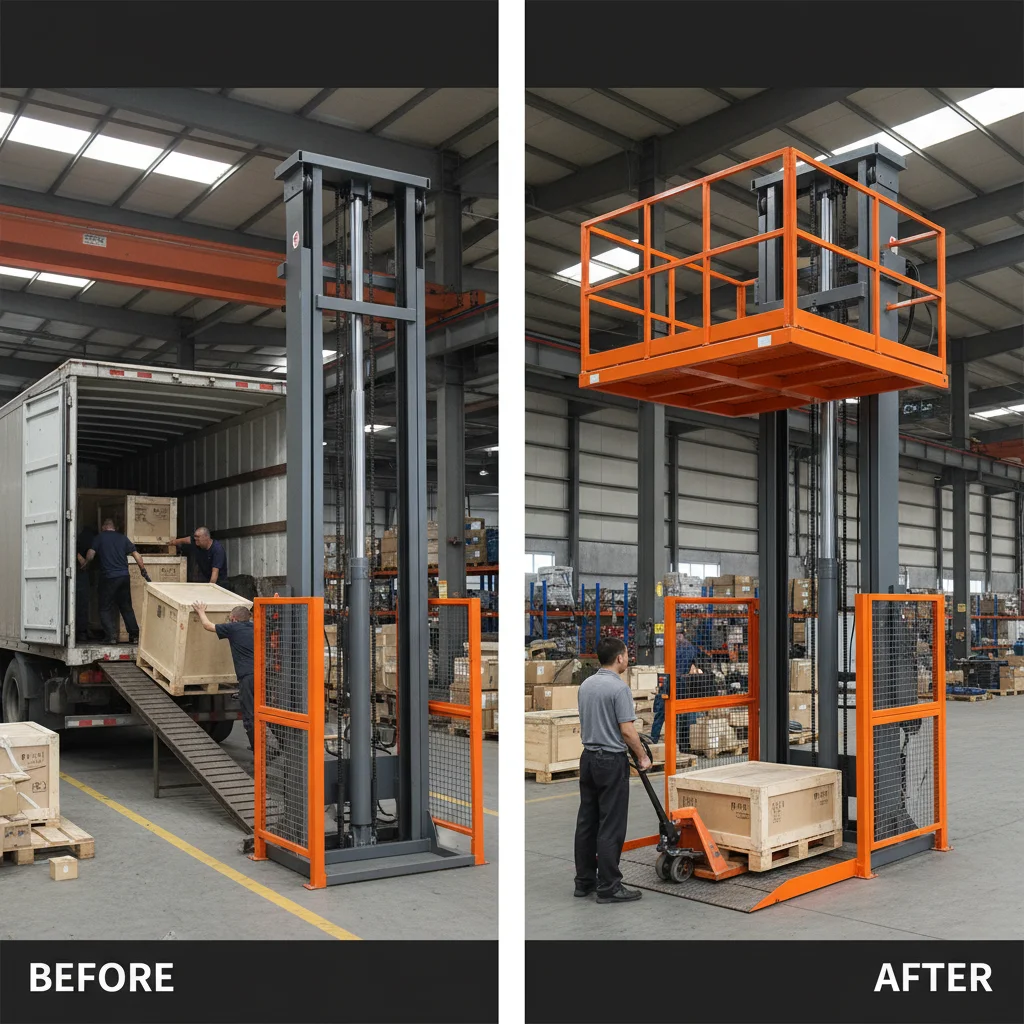
In the fast-paced world of global logistics, the efficiency of the loading bay often determines the overall throughput of a warehouse. A loading dock lift serves as the critical bridge between different transport heights, ensuring that goods move seamlessly from trailers to the warehouse floor without bottlenecking. By eliminating height discrepancies, these systems reduce manual handling and drastically accelerate the loading and unloading process.

Across the globe, the demand for optimized material handling is surging as e-commerce continues to scale. The integration of a high-quality loading dock lift is no longer a luxury but a necessity for facilities aiming to meet strict delivery windows and safety standards. These systems allow businesses to adapt to various vehicle sizes, from small delivery vans to heavy-duty freight trucks, providing unparalleled flexibility in dock management.

Understanding the nuances of dock lifting technology is essential for facility managers who want to minimize operational downtime and worker fatigue. By investing in the right lifting solutions, companies can achieve a higher ROI through increased labor productivity and a significant reduction in workplace injuries. This guide explores the technical depths and strategic advantages of implementing modern lifting systems in contemporary supply chains.
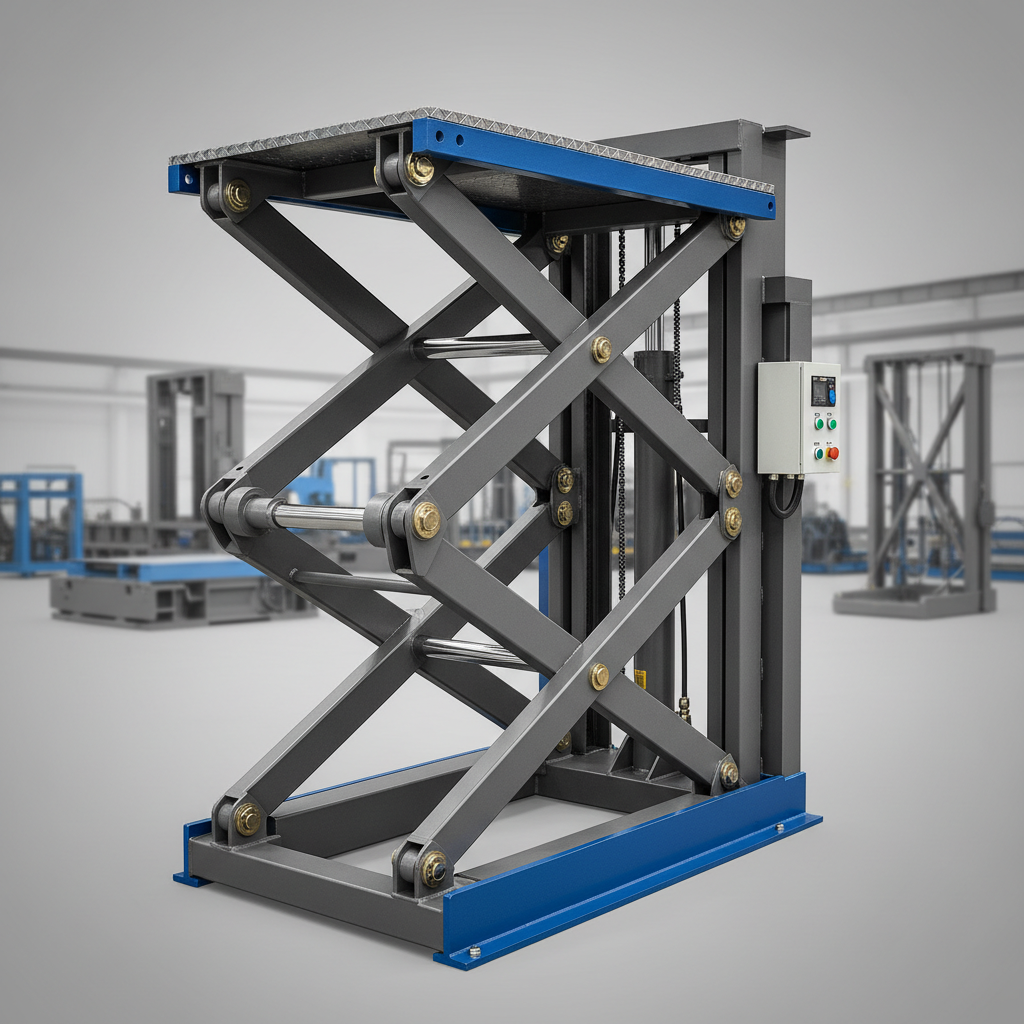
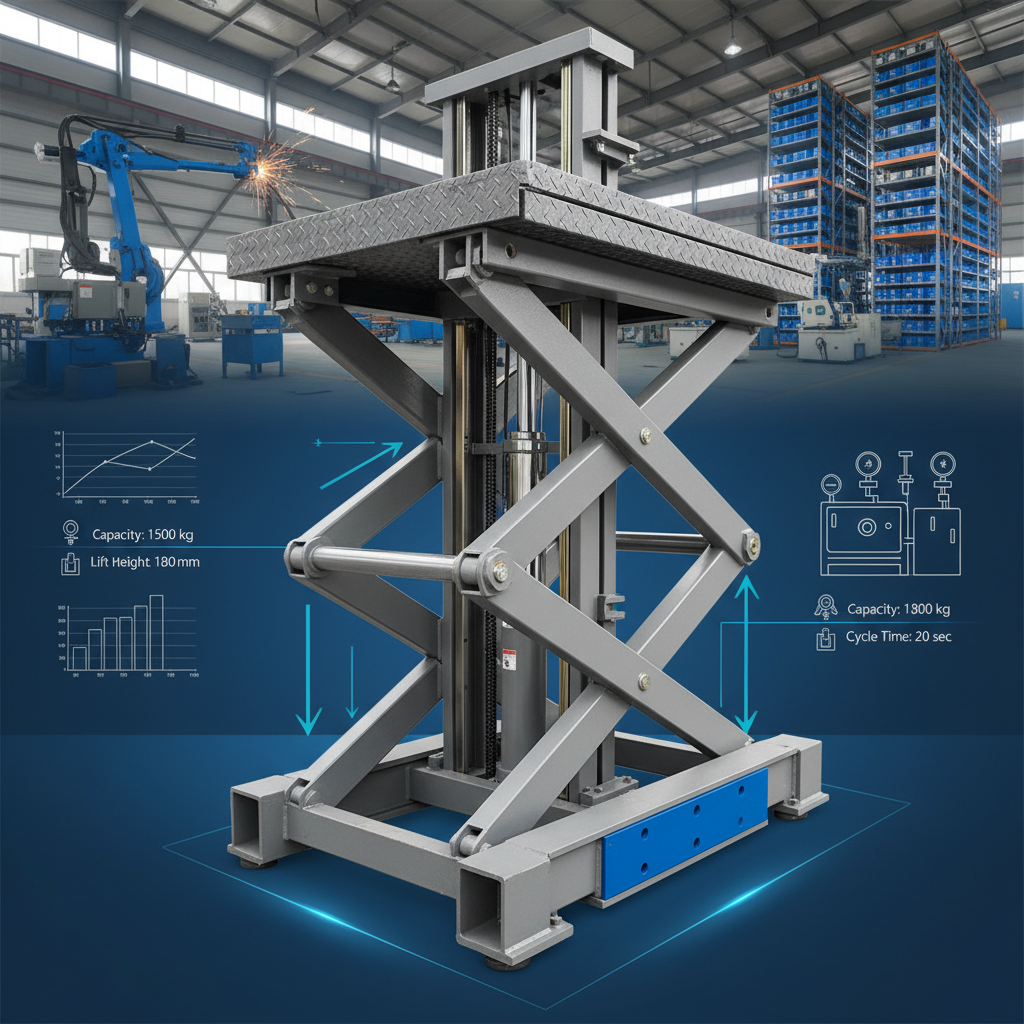
loading dock lift

Global Relevance of Loading Dock Lift Systems

loading dock lift

The global logistics landscape is currently undergoing a massive transformation, with ISO standards increasingly focusing on the ergonomics of material handling. In regions like North America and Europe, where labor costs are high, the implementation of a loading dock lift has become a strategic priority to reduce the reliance on manual labor and minimize the risk of musculoskeletal disorders among warehouse staff.

Statistically, facilities that upgrade their dock equipment see a marked increase in vehicle turnaround speed. The challenge often lies in the diversity of vehicle heights; without a versatile lifting solution, warehouses face "dock bottlenecks" where only certain trucks can be serviced efficiently. This creates a ripple effect of delays that can disrupt entire regional supply chains.

Defining the Loading Dock Lift in Modern Logistics

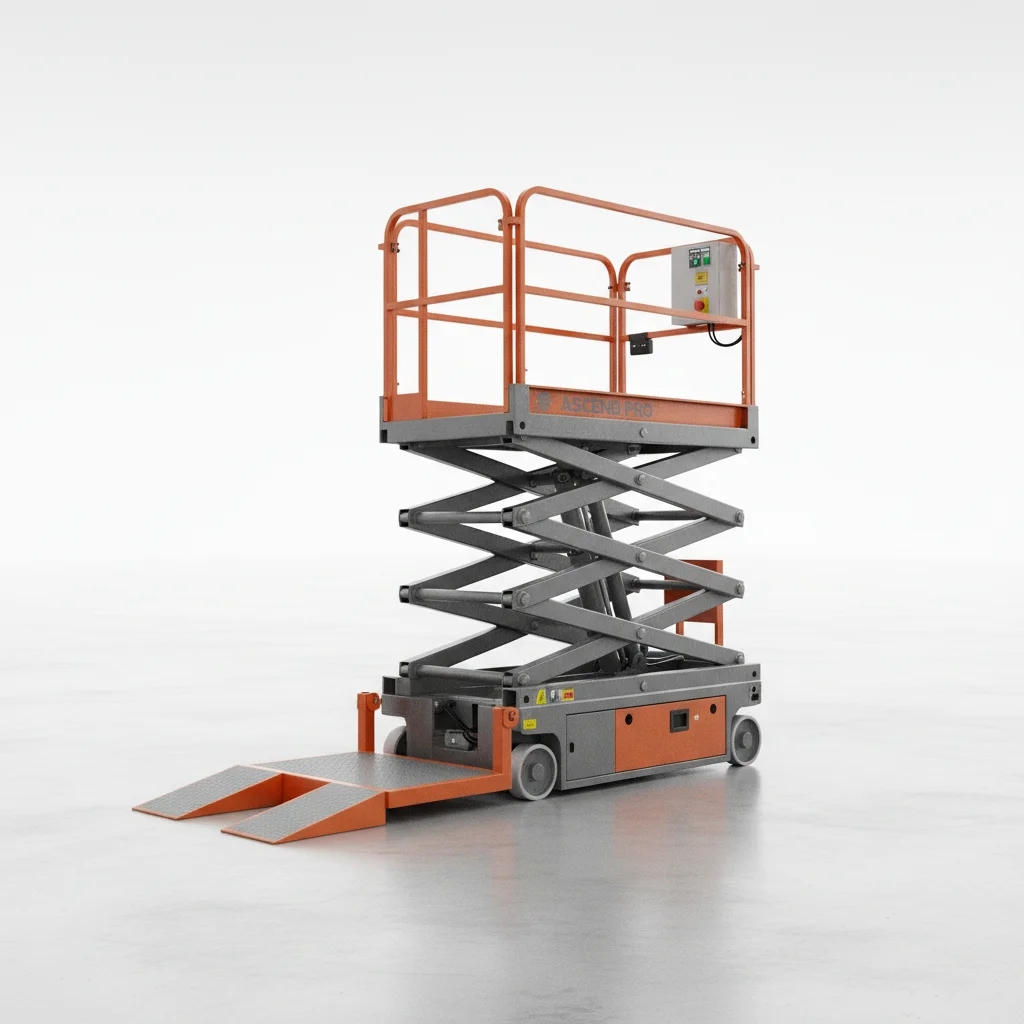
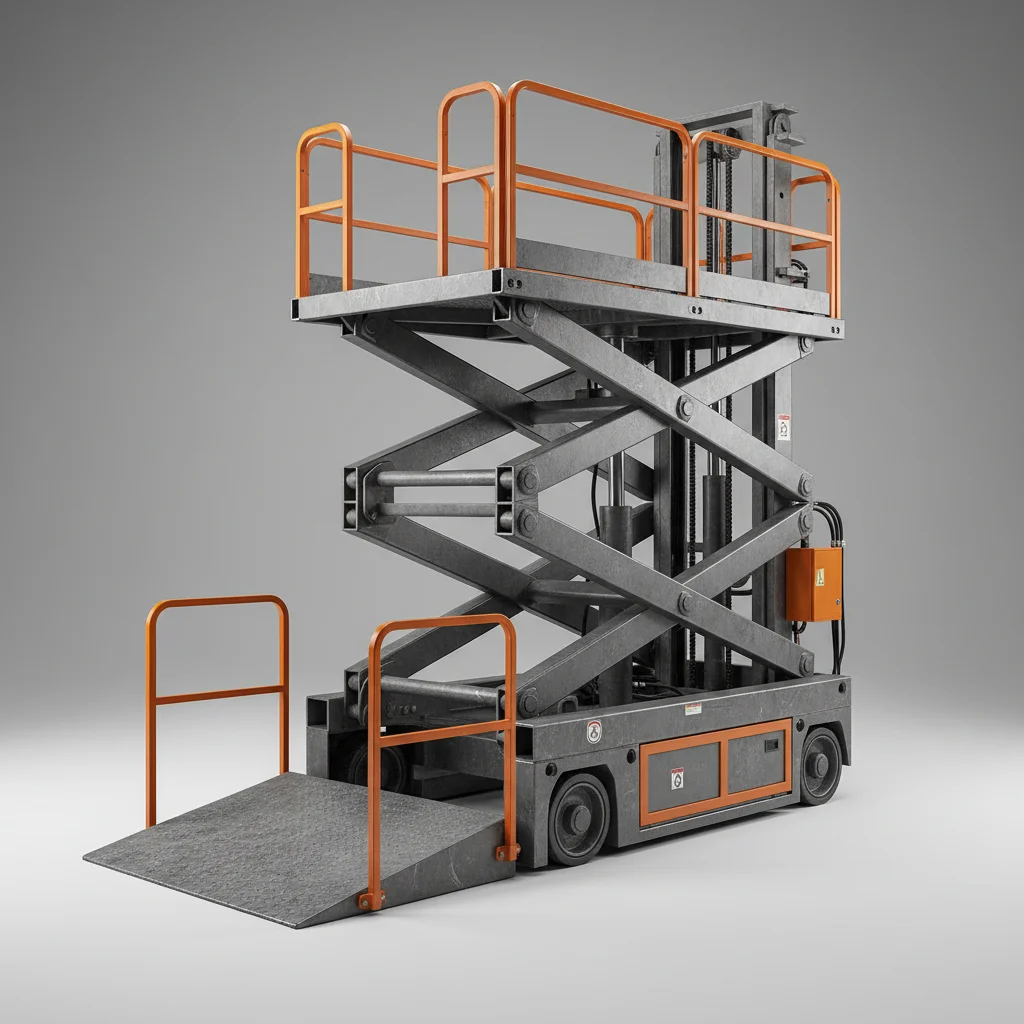
In simple terms, a loading dock lift is a motorized platform designed to bridge the vertical gap between a loading dock and the bed of a transport vehicle. Unlike fixed ramps, these lifts can be adjusted to the precise height of any arriving truck, creating a level surface for forklifts and pallet jacks to move goods safely and rapidly.

Beyond the mechanical function, these lifts are essential components of "smart warehousing." They connect the static infrastructure of a building with the dynamic nature of transportation. By providing a stable, height-adjustable interface, they enable the seamless transfer of heavy machinery, oversized pallets, and fragile cargo without the need for precarious ramping.

In a broader humanitarian or industrial context, such as in remote disaster relief zones or temporary medical depots, these lifting solutions allow for the rapid deployment of supplies from large cargo planes or ships into makeshift warehouses. They transform a challenging terrain into a functional logistics hub, ensuring that critical resources reach their destination without delay.

Core Components for Maximum Durability

The structural integrity of a loading dock lift depends heavily on its chassis and platform material. High-grade reinforced steel is typically used to ensure the system can withstand the constant impact of heavy forklifts and the corrosive effects of outdoor weather conditions, ensuring a lifespan that spans decades.

Hydraulic precision is the heartbeat of the system. Advanced hydraulic cylinders, paired with velocity fuses and overflow valves, ensure that the loading dock lift moves smoothly and stops instantly in case of a pressure loss, preventing catastrophic drops and protecting both the operator and the cargo.

Control systems and safety sensors represent the final layer of core components. Modern lifts utilize PLC (Programmable Logic Controllers) and infrared sensors to detect obstructions, ensuring that the platform does not descend if an object is in the way, thereby aligning the equipment with the highest global safety certifications.

Performance Metrics and Efficiency Factors

When evaluating the efficiency of a loading dock lift, facility managers look at cycle times and load capacity. The ability to transition from full extension to the floor position in seconds can save hours of cumulative labor time per week, especially in high-volume distribution centers.

Another critical factor is the "smoothness" of the transition. A lift that jitters or tilts slightly can cause unstable loads to shift, leading to product damage. Therefore, the synchronization of the lifting mechanism is a primary KPI (Key Performance Indicator) for quality assurance in the manufacturing process.

Comparison of Loading Dock Lift Efficiency Ratings

Global Applications and Industrial Use Cases

In heavy industrial zones, such as automotive manufacturing plants in Germany or electronics hubs in Shenzhen, the loading dock lift is used to move oversized components and heavy machinery. These environments require lifts with extreme load capacities, often exceeding 10,000 kg, to handle the weight of engine blocks or industrial presses.

Conversely, in the pharmaceutical and food industry, the focus shifts to hygiene and precision. Stainless steel loading dock lift systems are utilized to prevent contamination and ensure that temperature-controlled goods move from refrigerated trucks into cold storage facilities with minimal exposure to outside air.

Long-term Value and Safety Advantages

The long-term value of implementing a professional loading dock lift extends far beyond mere speed. By creating a level interface, businesses drastically reduce the risk of "tip-over" accidents that occur when forklifts traverse steep or uneven ramps. This focus on safety fosters a culture of trust and dignity for the workers, who no longer have to struggle with dangerous makeshift solutions.

From a financial perspective, the reduction in workers' compensation claims and equipment damage leads to significant cost savings. A well-maintained lift also preserves the integrity of the warehouse floor and the vehicles themselves, reducing the wear and tear caused by abrupt impacts or poorly aligned loading.

Furthermore, the scalability of these systems allows businesses to grow. As a company expands its fleet or changes its shipping partners, the adjustable nature of the loading dock lift ensures that the facility remains compatible with any transport method, future-proofing the investment.

Future Innovations in Dock Lifting Technology

The next frontier for the loading dock lift is the integration of IoT (Internet of Things) and AI-driven automation. We are seeing the emergence of "autonomous docks" where the lift communicates directly with the incoming truck's onboard computer to automatically adjust its height before the driver even comes to a complete stop.

Sustainability is also driving innovation. New hydraulic fluids that are biodegradable and energy-efficient motors that recapture energy during the descent phase are becoming standard. This transition toward "Green Logistics" helps companies meet stringent carbon emission targets while maintaining operational power.

Additionally, the move toward modularity means that lifts can now be customized with plug-and-play attachments, such as integrated conveyor belts or automated weighing scales, turning a simple lift into a comprehensive data-gathering and sorting station.

Comparative Analysis of Loading Dock Lift Technological Evolutions

Technology Generation Power Source Control Precision Safety Level
Traditional Manual Manual/Gravity Low Basic
Standard Hydraulic Electric Motor Medium Moderate
Smart Hydraulic Variable Frequency High Advanced
IoT Integrated Hybrid/Electric Precision Highest
Autonomous AI Green Energy Fully Auto Predictive
Custom Modular Multi-source Adaptive Customized

FAQS

How do I choose the right capacity for my loading dock lift?

To determine the correct capacity, calculate the combined weight of your heaviest pallet and the forklift used to move it. It is recommended to add a 20% safety margin to this total to account for dynamic loads (the force generated when a forklift enters the lift quickly). Consult with a technician to ensure the lift's structural steel matches your specific load frequency.

What maintenance is required to keep a loading dock lift operational?

Regular maintenance should include checking hydraulic fluid levels, inspecting seals for leaks, and lubricating moving joints every quarter. Additionally, ensure that the safety sensors are cleaned and tested weekly to prevent malfunctions. Following a strict preventative maintenance schedule can extend the equipment's life by several years.

Can a loading dock lift be installed in an existing warehouse?

Yes, most systems are designed for retrofit installations. Depending on the model, this may involve cutting a pit into the existing concrete floor or installing a surface-mounted version. A site survey is necessary to determine the available space and the structural load-bearing capacity of the floor before installation begins.

Is it safer to use a loading dock lift than a traditional ramp?

Generally, yes. A lift provides a perfectly level transition, whereas ramps introduce an incline that can cause loads to shift or forklifts to lose traction, especially in wet conditions. By eliminating the slope, the lift removes the most common cause of dock-related accidents, significantly enhancing worker safety.

How does the weather affect the performance of outdoor lifts?

Extreme temperatures can affect hydraulic oil viscosity. To combat this, we recommend using weather-resistant hydraulic fluids and galvanized or powder-coated steel to prevent rust. High-end models often include heated oil reservoirs for operation in arctic climates to ensure consistent lifting speeds.

What is the average lead time for a custom loading dock lift?

Depending on the complexity of the customization—such as specific platform sizes or integrated automation—lead times typically range from 4 to 8 weeks. This includes the engineering design phase, fabrication, and rigorous load testing before the unit is shipped to your facility.

Conclusion

Implementing a high-performance loading dock lift is a transformative investment for any logistics operation. By bridging the physical gap between transport and warehouse, these systems optimize throughput, prioritize worker safety, and provide the versatility needed to handle a diverse array of vehicle types. From the robust hydraulic components to the emerging AI-driven controls, the focus remains on creating a seamless, efficient flow of goods.

As we look toward a future of automated warehouses and sustainable logistics, the role of the lifting interface will only grow in importance. We encourage facility managers to move beyond basic equipment and embrace smart, durable lifting solutions that not only solve today's bottlenecks but also prepare the business for tomorrow's scale. To explore our range of professional lifting solutions, visit our website: www.lifthpro.com

David Thorne

David Thorne

David is the Director of Strategic Partnerships, overseeing the expansion of Hongli Machinery's presence in the North American market. He leverages his deep knowledge of industrial machinery to provide customized lifting solutions for corporate clients, emphasizing the company's commitment to practicality and long-term operational economy.
Previous Precision Loading Dock Lift Solutions
Next Industrial Cargo Lifting Device for Warehouse Efficiency

If you are interested in our products, you can choose to leave your information here, and we will be in touch with you shortly.