The modern industrial landscape relies heavily on the ability to move heavy loads vertically with precision and safety. A Hydraulic scissor lift stands as a cornerstone of this efficiency, utilizing a folding mechanism to provide stable lifting capabilities that manual labor simply cannot match. By integrating fluid power with structural engineering, these systems enable warehouses and factories to optimize their spatial footprint while enhancing worker ergonomics.
Globally, the demand for sophisticated material handling solutions has surged as supply chains become more complex. Implementing a high-quality Hydraulic scissor lift allows businesses to bridge the gap between different floor levels, facilitate easier loading/unloading, and reduce the risk of workplace injuries associated with heavy lifting. This technology is not just about moving objects; it is about creating a streamlined flow of goods that drives productivity.
Understanding the nuances of hydraulic lifting—from pressure regulation to structural integrity—is essential for any operation looking to scale. Whether integrated as a fixed lift table or a mobile platform, the right lifting equipment ensures that operations remain compliant with international safety standards such as ISO and OSHA. Investing in the correct lifting technology is a strategic move toward long-term operational sustainability and workplace safety.
Global Industry Context of Hydraulic Scissor Lifts
In the global push toward Industry 4.0, the movement of materials has evolved from simple manual handling to automated, high-precision systems. The Hydraulic scissor lift has become an indispensable tool in this transition, especially within the logistics and automotive sectors. According to industrial trends, the adoption of hydraulic lifting systems has grown steadily as companies seek to minimize "dead time" during the loading process and maximize the utilization of vertical warehouse space.
The primary challenge addressed by these lifts is the "last-meter" problem in logistics—the difficulty of moving heavy payloads from a transport vehicle to a processing line. By providing a stable, height-adjustable platform, the scissor lift eliminates the need for awkward manual hoisting, thereby aligning with international labor safety guidelines. This global shift toward ergonomic automation is driving the innovation of more compact and powerful hydraulic systems.
Defining the Mechanism and Industrial Purpose
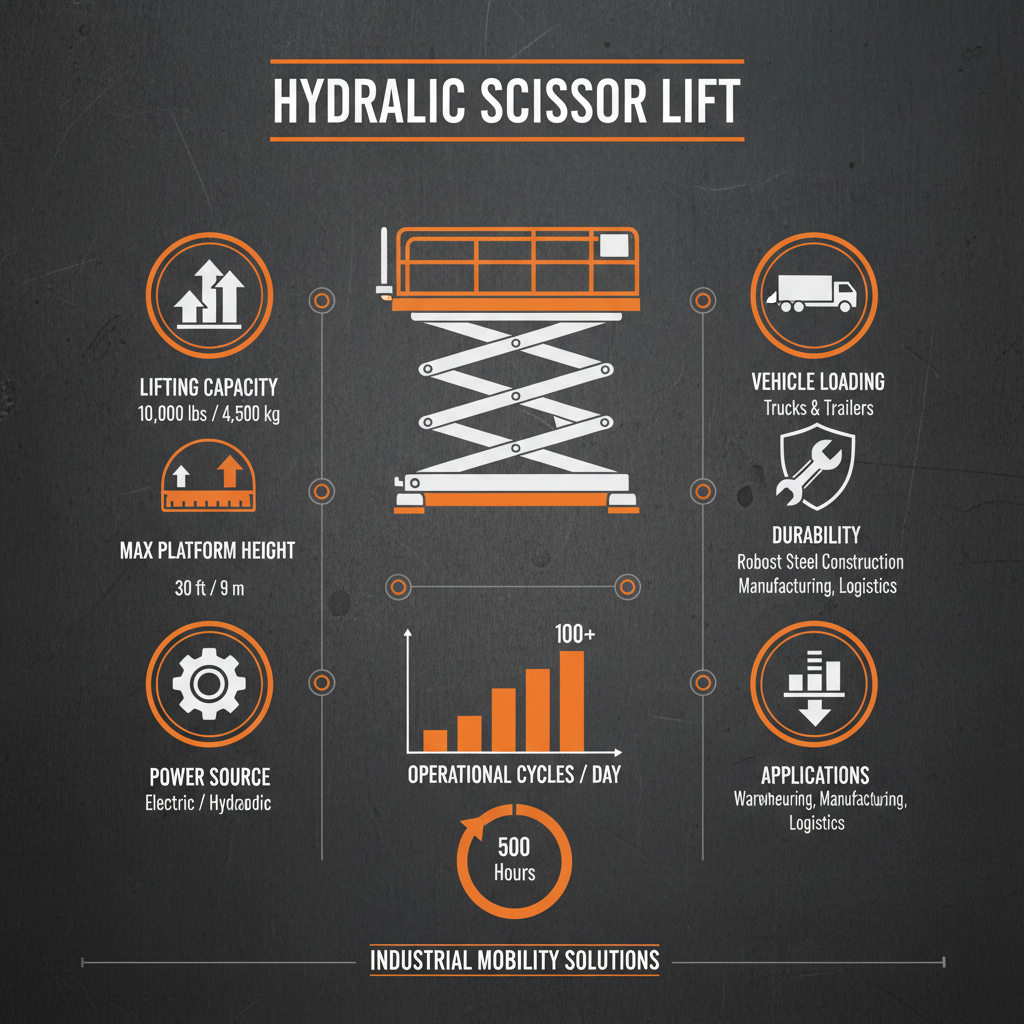
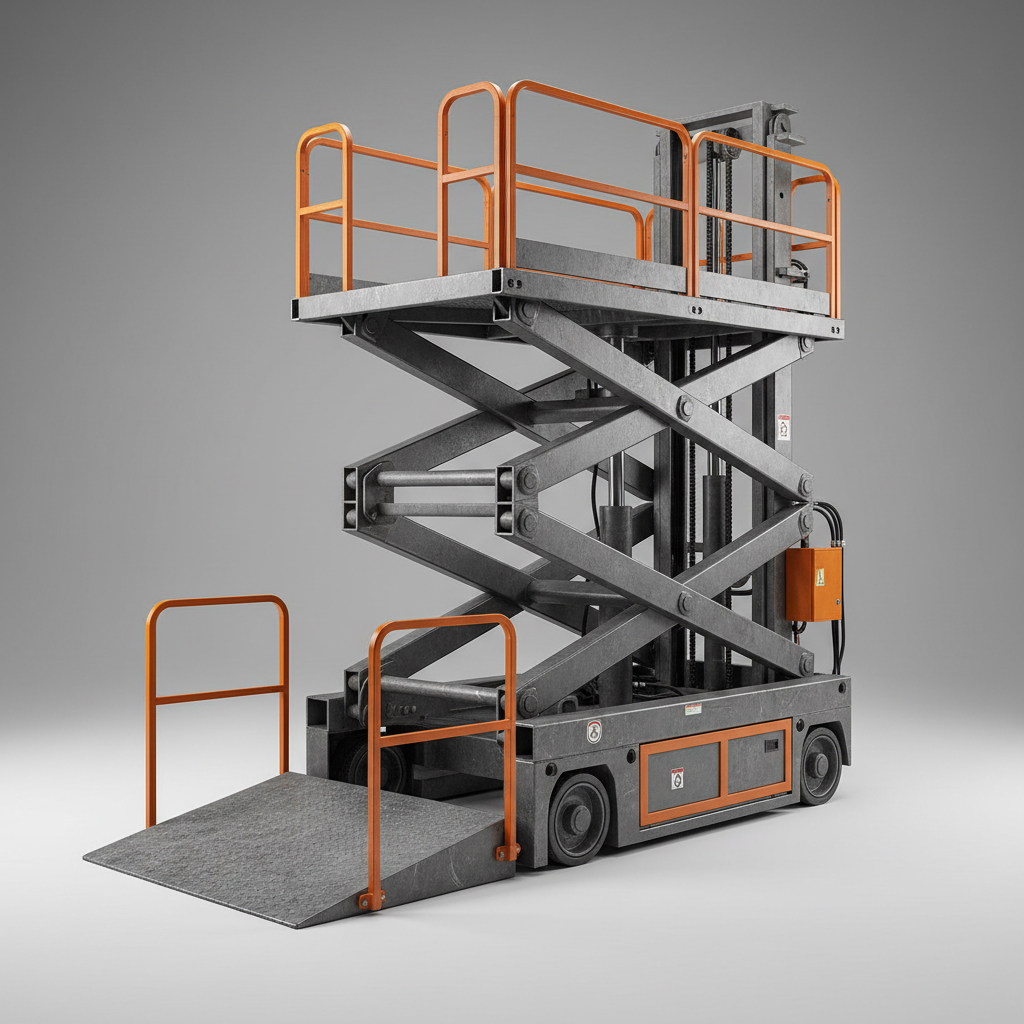
At its core, a Hydraulic scissor lift is a mechanical device that uses a criss-cross "scissor" folding mechanism, powered by a hydraulic cylinder, to raise a platform vertically. The beauty of this design lies in its stability; as the cylinder extends, the legs of the scissor mechanism expand upward, distributing the weight evenly across the base. This allows for the lifting of several tons of material while maintaining a very low profile when collapsed.
In modern industrial contexts, these lifts serve as the critical link between different stages of production. For instance, in a manufacturing plant, a lift table might be used to keep a workpiece at the optimal height for a technician, reducing fatigue and increasing precision. This connection to humanitarian and worker-centric needs is paramount, as it shifts the burden of heavy labor from the human spine to a reliable machine.
Beyond simple elevation, the industrial purpose of these systems includes integration with other equipment like Dock Levelers and Mobile Dock Ramps. When a Hydraulic scissor lift is customized for specific load capacities and heights, it transforms from a simple tool into a specialized piece of infrastructure that can dictate the throughput speed of an entire distribution center.
Core Components and Engineering Factors
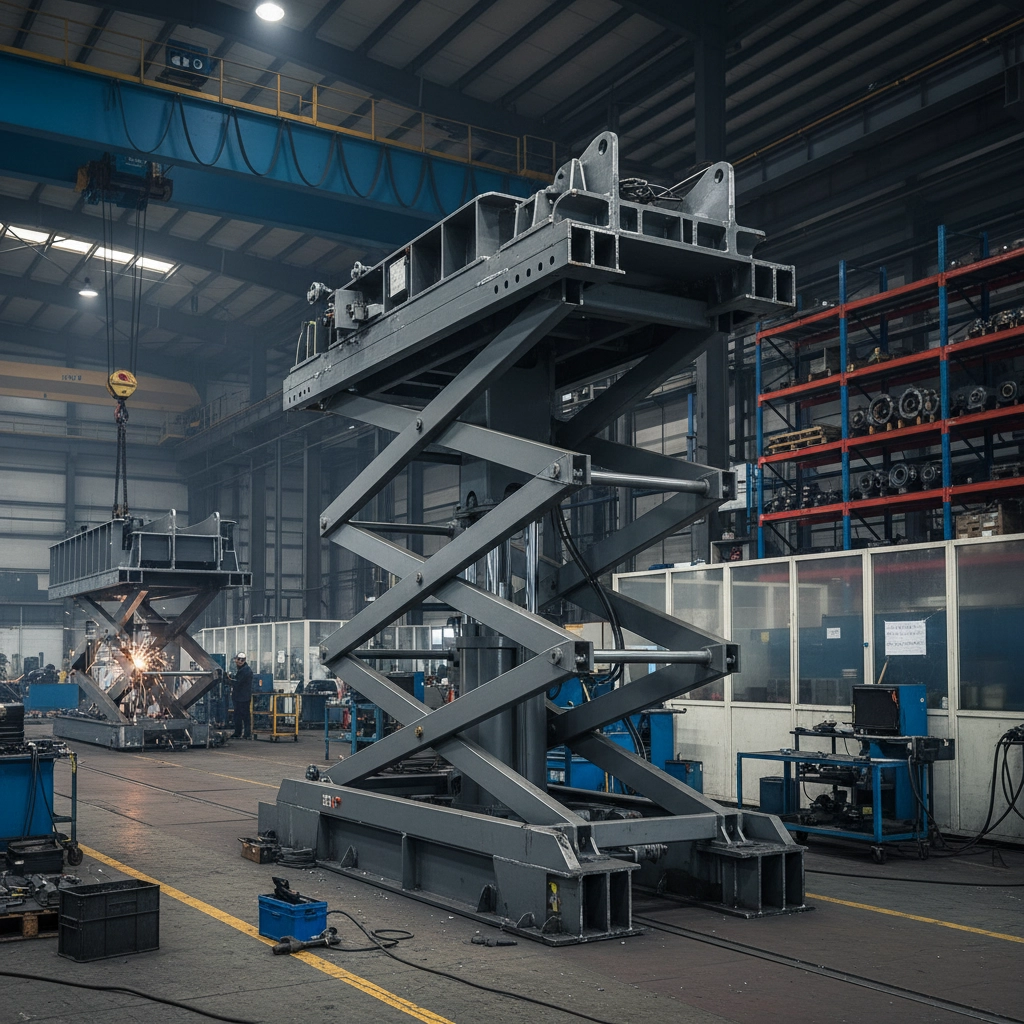
The durability of a Hydraulic scissor lift depends heavily on the quality of its structural steel and the precision of its pivot points. High-grade reinforced steel ensures that the platform does not deflect under maximum load, while hardened pins prevent wear and tear over thousands of cycles. This structural integrity is the first line of defense against mechanical failure in high-pressure environments.
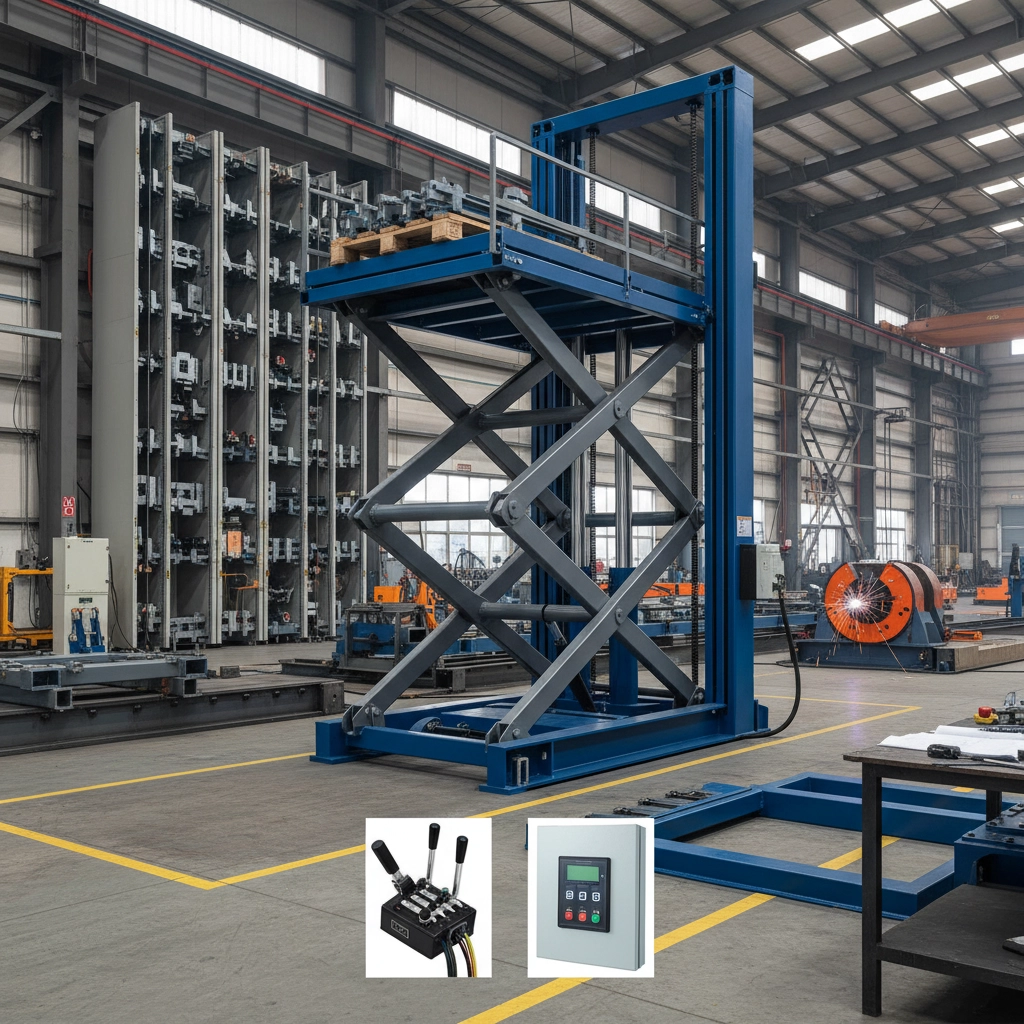
Central to the operation is the hydraulic power unit (HPU), which includes the pump, reservoir, and valve system. The efficiency of a Hydraulic scissor lift is determined by the HPU's ability to maintain consistent pressure and provide smooth acceleration and deceleration. Advanced systems now incorporate proportional valves to prevent "jerking" movements, which is critical when transporting fragile or unstable loads.
Scalability and cost-efficiency are also key engineering considerations. By offering various platform sizes and lifting heights, manufacturers allow businesses to start with a basic Hydraulic scissor lift and expand their capacity as their operational needs grow. The integration of safety bellows and emergency stop valves ensures that these machines remain cost-effective by reducing insurance liabilities and downtime.
Performance Metrics and Efficiency Analysis
When evaluating the performance of a Hydraulic scissor lift, engineers look at several key metrics: load capacity, lift speed, and cycle stability. A high-performance lift isn't just about how much it can carry, but how consistently it can do so without drifting or vibrating. The synergy between the hydraulic fluid viscosity and the cylinder seal quality determines the long-term efficiency and leak-resistance of the unit.
Comparing different configurations—such as fixed lift tables versus mobile platforms—reveals that the choice of equipment directly impacts the overall operational flow. A fixed installation offers maximum stability for heavy-duty industrial use, while a mobile unit provides the flexibility needed in dynamic warehouse environments where the point of lifting changes frequently.
Operational Efficiency of Different Hydraulic Scissor Lift Types
Global Applications and Sector Use Cases
The versatility of the Hydraulic scissor lift allows it to penetrate almost every industrial sector. In the automotive industry, these lifts are used to raise vehicles for undercarriage maintenance, providing mechanics with an ergonomic workspace. In large-scale distribution centers across North America and Europe, they are integrated into the docking areas to facilitate the seamless movement of pallets from trucks to conveyor belts.
Beyond traditional factories, these systems are critical in specialized zones. For example, in aircraft maintenance hangars, customized scissor lifts provide technicians with stable access to high fuselage sections. Even in remote industrial zones or post-disaster relief operations, mobile Hydraulic scissor lift units are used to move heavy machinery or supplies where permanent infrastructure has been destroyed, proving their value in critical logistics.
Long-Term Value and Safety Advantages
Investing in a premium Hydraulic scissor lift provides tangible long-term value by significantly reducing operational downtime. When a system is engineered for durability, the frequency of seal replacements and oil leaks drops, leading to lower maintenance costs over the machine's lifecycle. From a financial perspective, the increase in worker productivity—due to reduced physical strain—often offsets the initial capital expenditure within the first year of operation.
Safety is where the logical and emotional value of these lifts converge. There is an inherent peace of mind that comes with using a system equipped with velocity fuses and safety bars, which prevent the platform from collapsing in the event of a hydraulic failure. This commitment to safety preserves the dignity of the worker, ensuring they return home healthy every day, which in turn fosters a culture of trust and loyalty within the organization.
Furthermore, the reliability of a Hydraulic scissor lift contributes to a more sustainable business model. By optimizing the movement of goods and reducing the reliance on multiple smaller, less efficient lifting tools, companies can reduce their overall energy consumption and operational footprint, aligning their logistics strategy with modern green-industry standards.
Future Trends in Hydraulic Lifting Technology
The future of the Hydraulic scissor lift is being shaped by the digital transformation of the factory floor. We are seeing a move toward "Smart Lifts" equipped with IoT sensors that can predict mechanical failure before it happens. Predictive maintenance algorithms analyze hydraulic pressure fluctuations and cycle counts, alerting managers to service the equipment before a breakdown occurs, thus eliminating unplanned downtime.
Sustainability is another driving force, with a shift toward biodegradable hydraulic fluids and energy-efficient pump motors. The integration of hybrid power systems—combining traditional hydraulics with electric precision controls—allows for smoother movements and lower electricity consumption. As green energy policies tighten globally, these eco-friendly adaptations will become the industry standard rather than an optional upgrade.
Automation and robotics are also merging with lifting technology. Future Hydraulic scissor lift systems will likely feature autonomous positioning, where the lift communicates with an incoming AGV (Automated Guided Vehicle) to automatically adjust its height to the exact millimeter required for load transfer.
Comparative Analysis of Hydraulic Scissor Lift Technical Specifications
| Lift Model Type |
Max Load Capacity |
Stability Rating |
Maintenance Cycle |
| Standard Industrial |
2,000 - 5,000 kg |
9/10 |
6 Months |
| Heavy Duty Series |
10,000 - 30,000 kg |
10/10 |
4 Months |
| Mobile Platform |
500 - 2,000 kg |
7/10 |
3 Months |
| Aluminum Lightweight |
200 - 500 kg |
8/10 |
12 Months |
| Custom Precision |
Variable |
9/10 |
6 Months |
| Compact Table Lift |
1,000 - 3,000 kg |
9/10 |
8 Months |
FAQS
A hydraulic scissor lift uses pressurized fluid to actuate the lifting mechanism, allowing it to handle significantly heavier loads with smoother motion and more precise control. Mechanical lifts often rely on screws or gears, which are better for very light loads or extreme precision but lack the power and speed of hydraulic systems for industrial material handling.
Depending on the usage intensity, a professional inspection should occur every 3 to 6 months. Key focus areas include checking hydraulic fluid levels, inspecting seals for leaks, lubricating pivot pins, and testing the emergency stop valves. Regular maintenance prevents catastrophic failure and extends the lifespan of the equipment.
Yes, they are highly customizable. Options include stainless steel construction for food-grade or pharmaceutical environments, explosion-proof electronics for chemical plants, and specialized platform attachments to hold specific machinery or conveyors, ensuring the lift fits the exact workflow of the facility.
The most critical features are velocity fuses (which prevent rapid descent if a hose bursts), safety skirts or bellows (to protect workers from the scissor mechanism), overload protection valves, and emergency stop buttons. Ensuring the lift is compliant with CE or ANSI standards is also vital for legal and safety reasons.
Calculate the maximum weight of the heaviest single load you will lift, then add a safety margin of 20-30%. It is also important to consider the "center of gravity"; if the load is not perfectly centered, it can create eccentric loading, which effectively reduces the safe lifting capacity of the scissor arms.
Modern lifts are increasingly efficient, especially those utilizing Variable Frequency Drives (VFDs) in their pump motors. By only drawing the power needed for the specific load and height, these systems reduce energy waste. Additionally, the use of high-efficiency hydraulic valves minimizes pressure loss, further improving the energy profile.
Conclusion
The Hydraulic scissor lift is far more than a simple piece of machinery; it is a vital tool for enhancing industrial productivity, ensuring worker safety, and optimizing logistics. From its robust engineering and reliable hydraulic power to its diverse applications across global sectors, the scissor lift solves the fundamental challenge of vertical material movement. By integrating these systems, businesses can achieve a higher standard of operational efficiency while protecting their most valuable asset—their employees.
Looking ahead, the integration of IoT and sustainable energy will continue to refine the capabilities of hydraulic lifting. For companies aiming to stay competitive in an automated world, investing in high-quality, scalable lifting solutions is no longer optional but a necessity for growth. We encourage you to evaluate your current material handling bottlenecks and explore how a tailored lifting solution can transform your workflow. Visit our website: www.lifthpro.com