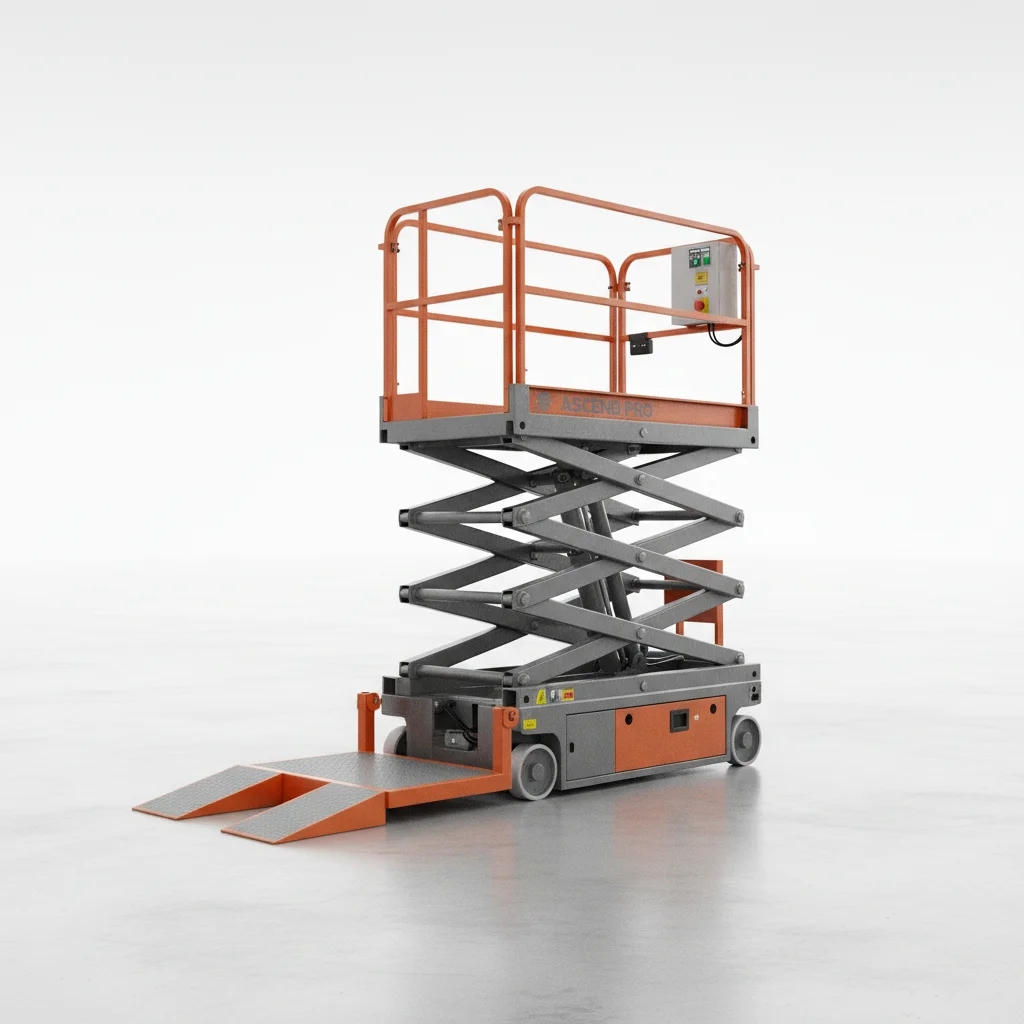
In the fast-paced world of logistics and supply chain management, the efficiency of the loading dock is a critical determinant of overall operational success. A Hydraulic dock leveler serves as the vital bridge between a warehouse floor and a transport vehicle, eliminating the height gap that often hinders the smooth movement of goods. By providing a stable, adjustable platform, these systems ensure that forklifts and pallet jacks can transition seamlessly, drastically reducing loading times and operational bottlenecks.
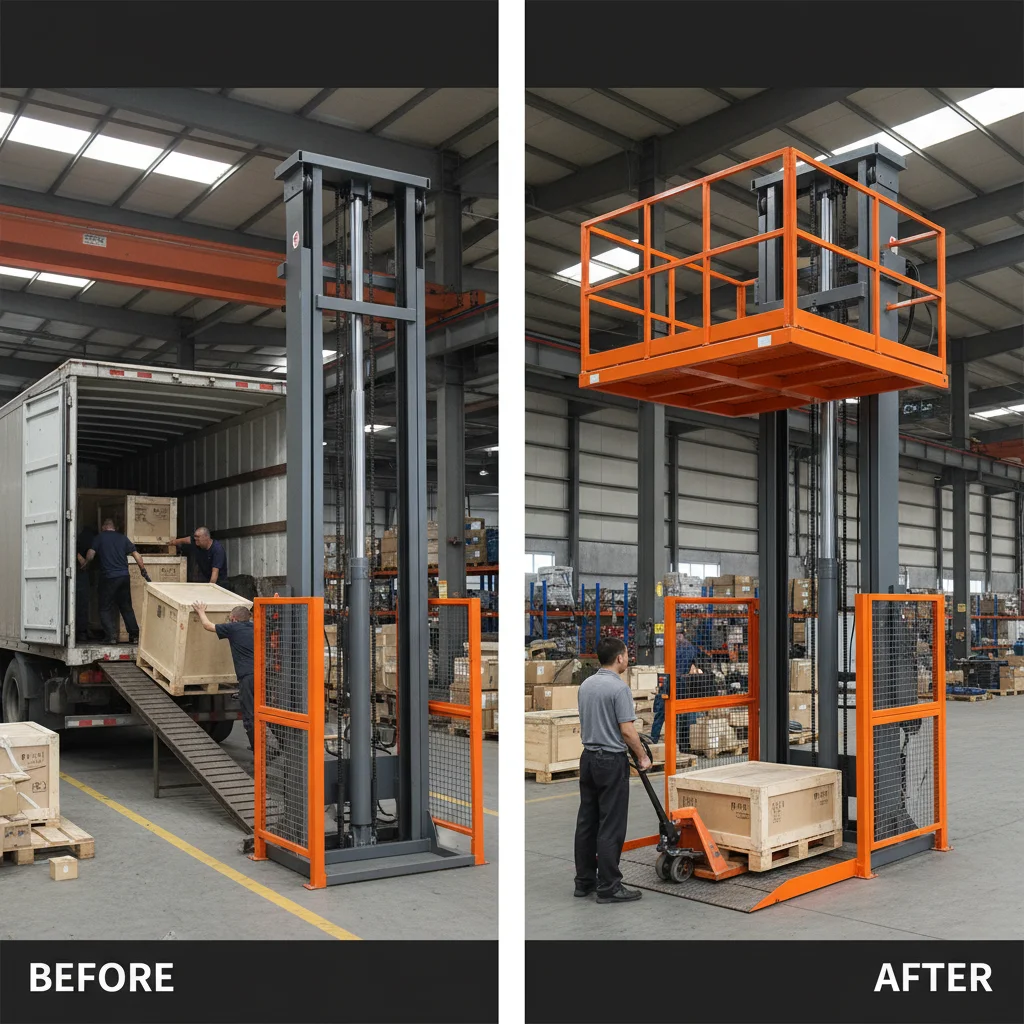
Beyond mere convenience, the integration of a Hydraulic dock leveler is a strategic investment in workplace safety. Manual leveling methods or outdated ramps often expose workers to risks of tipping or equipment failure, whereas hydraulic systems offer controlled, precise movements and reinforced structural integrity. As global trade volumes continue to rise, the demand for high-capacity, reliable loading solutions has transformed these devices from optional upgrades to industry standards.
Understanding the nuances of hydraulic leveling technology allows business owners to optimize their throughput and lower long-term maintenance costs. From the selection of high-grade steel to the precision of the hydraulic cylinders, every component of a Hydraulic dock leveler is engineered to withstand the rigors of heavy-duty industrial use. This guide explores the technical depth, global applications, and future innovations of these essential material handling tools.
Global Relevance of Hydraulic Dock Levelers
The global logistics landscape has seen an unprecedented surge in volume, driven by the explosion of e-commerce and the globalization of manufacturing. According to ISO standards for material handling, the synchronization of loading docks is paramount to reducing "dwell time"—the period a truck remains idle at the bay. A Hydraulic dock leveler directly addresses this by allowing warehouses to accommodate trucks of varying heights, ensuring that the flow of goods remains uninterrupted regardless of the carrier's equipment.
In regions like North America and Europe, where labor costs are high and safety regulations (such as OSHA) are stringent, the adoption of hydraulic systems has become nearly universal. The challenge of "dock shock" and worker fatigue is mitigated through the smooth transition provided by hydraulic lifting, which reduces the physical strain on operators and the wear and tear on forklifts. Consequently, the global market for these systems is not just about moving boxes, but about optimizing the entire kinetic chain of the supply chain.
Defining the Hydraulic Dock Leveler Mechanism
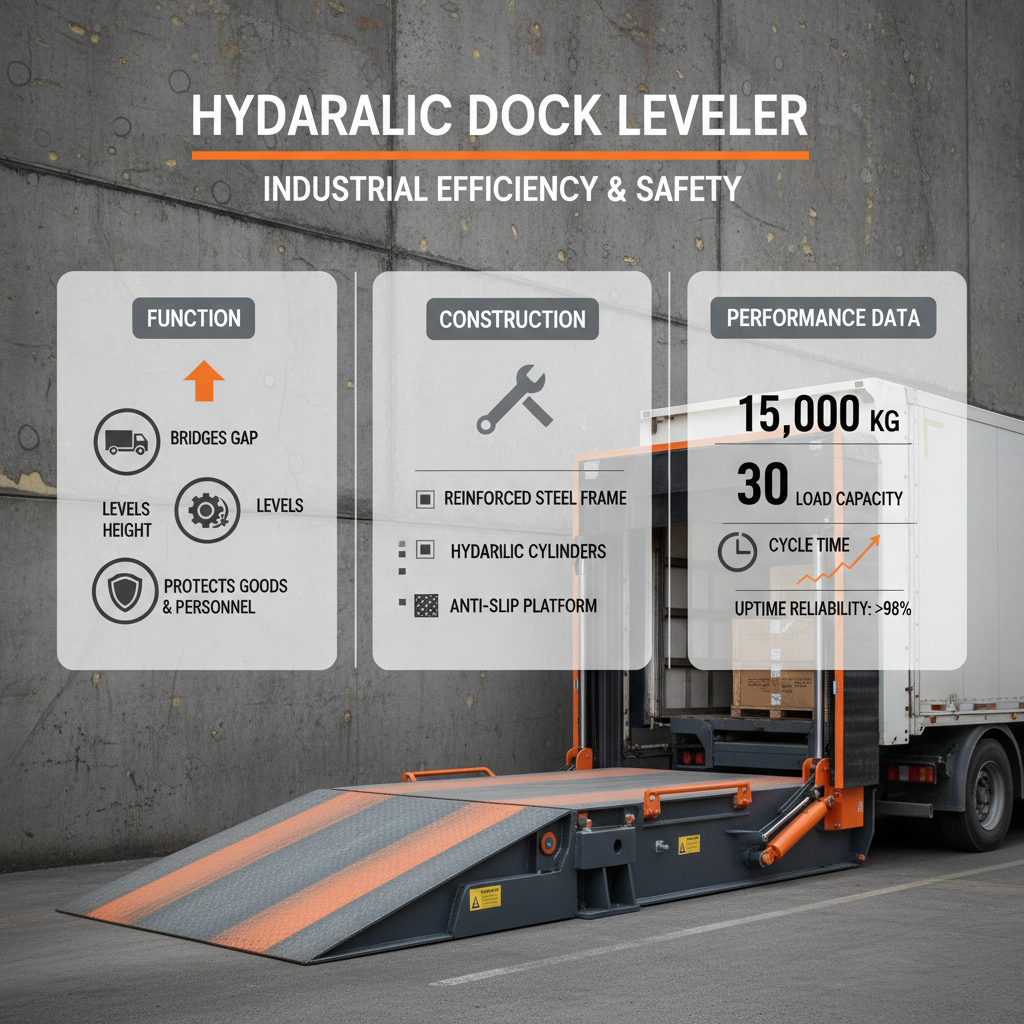
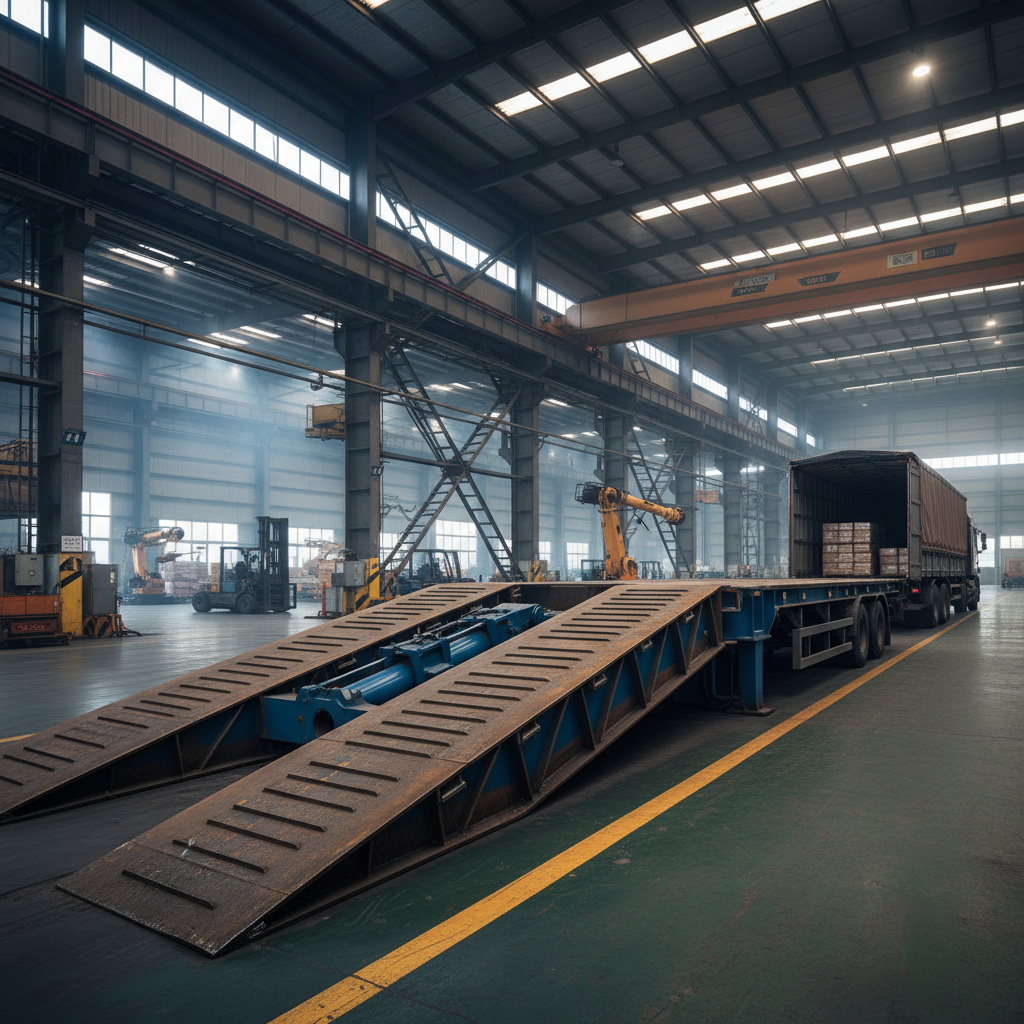
At its core, a Hydraulic dock leveler is a heavy-duty platform that uses hydraulic cylinders to raise and lower a deck to bridge the gap between a warehouse loading dock and a trailer. Unlike mechanical levelers, which rely on springs and manual pulling, the hydraulic version utilizes a pump and fluid pressure to achieve precise height adjustments. This allows the operator to align the lip of the leveler perfectly with the truck bed, creating a seamless transition for heavy cargo.
This mechanism is deeply connected to the needs of modern "Just-in-Time" (JIT) manufacturing. In an environment where every minute of delay costs money, the ability to deploy a leveler with the push of a button is invaluable. The system typically consists of a deck, a lip, hydraulic cylinders, and a control panel, all working in tandem to support capacities that can range from 10,000 to over 100,000 pounds depending on the model.
From a humanitarian or emergency logistics perspective, these systems are equally critical. In disaster relief zones, where temporary warehouses must process massive amounts of aid quickly, the versatility of a Hydraulic dock leveler allows various types of unplanned transport vehicles to be unloaded efficiently, ensuring that food, medicine, and shelter reach their destinations without delay.
Core Components and Engineering Factors
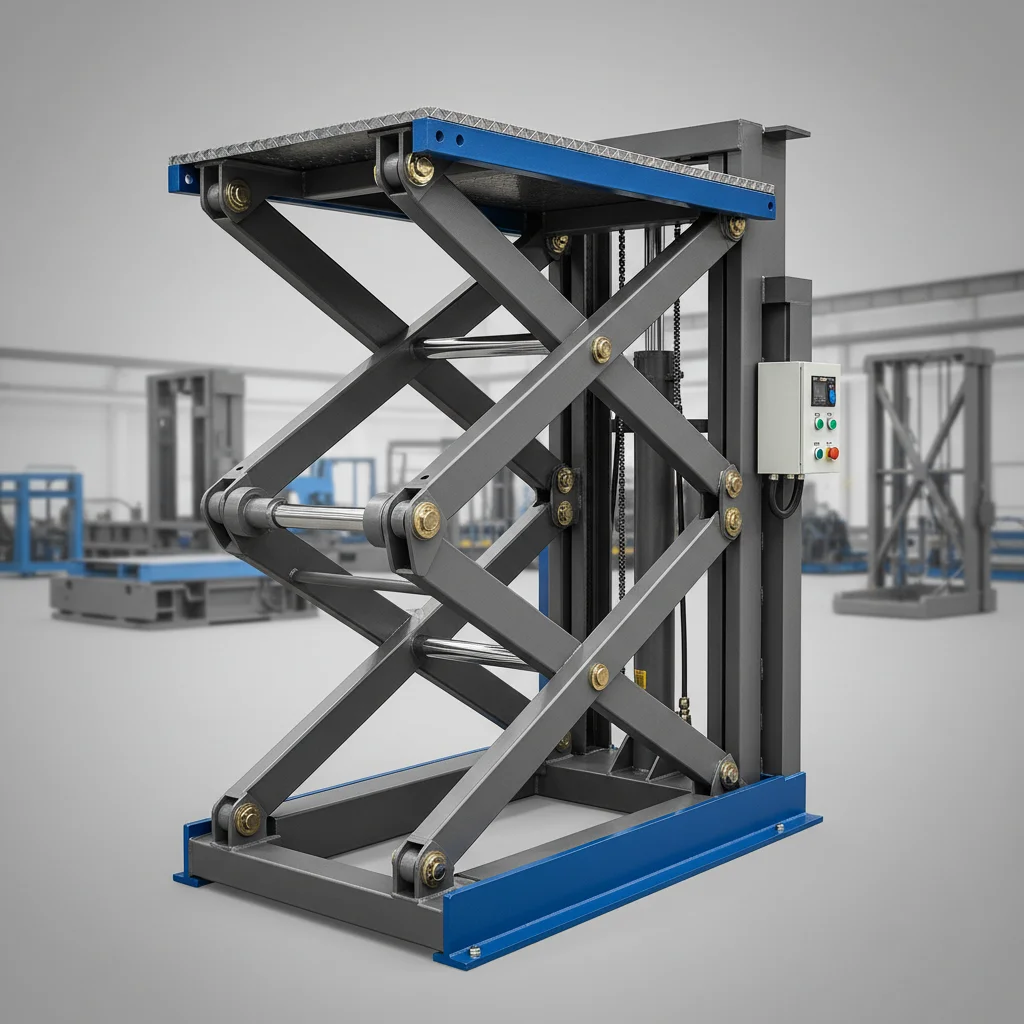
The durability of a Hydraulic dock leveler depends primarily on the grade of steel used in the deck and lip. High-tensile structural steel is employed to prevent warping under the extreme pressure of loaded forklifts. Engineering for "load distribution" is key; the deck must be designed to spread the weight evenly across the support frame to avoid structural fatigue over years of continuous operation.
Another critical factor is the hydraulic system's reliability. A high-quality Hydraulic dock leveler utilizes precision-ground cylinders and leak-proof seals to ensure that the platform does not "drift" or drop unexpectedly. The integration of velocity fuses is a standard safety feature, which immediately stops the platform from falling if a hydraulic line is accidentally ruptured, protecting the operator and the cargo.
Finally, scalability and cost-efficiency are addressed through modular design. Modern Hydraulic dock leveler units are often designed for easy installation into standard dock pits, allowing companies to upgrade their facilities without extensive demolition. By choosing a system with a programmable control interface, warehouses can also track usage cycles, enabling a shift from reactive to predictive maintenance.
Industrial Applications and Global Use Cases
The versatility of the Hydraulic dock leveler makes it indispensable across various sectors. In the pharmaceutical industry, where temperature-controlled environments are mandatory, these levelers are integrated with dock seals to prevent cold air loss during the loading process. Similarly, in the automotive sector, they facilitate the movement of heavy engine components and chassis between assembly lines and transport trailers.
In remote industrial zones or emerging markets in Southeast Asia and Africa, the deployment of these systems has revolutionized local distribution centers. By upgrading from manual ramps to hydraulic systems, these hubs have seen a significant increase in daily tonnage processed, enabling local manufacturers to compete more effectively in the global market by reducing shipping lead times.
Performance Comparison of Dock Leveling Methods
Long-Term Economic and Safety Value
Investing in a Hydraulic dock leveler provides tangible economic returns through the reduction of labor hours and equipment damage. When a dock is not properly leveled, the jarring impact of a forklift entering a trailer can cause axle damage to the vehicle and structural stress to the forklift. Over a five-year period, the savings in repair costs and the increase in loading speed often far outweigh the initial capital expenditure of the hydraulic system.
Beyond the balance sheet, the emotional value of worker safety cannot be overstated. A secure, stable bridge between the dock and the truck fosters a culture of trust and professional dignity. Operators feel more confident in their environment, knowing that the equipment is designed to protect them from accidents. This reduction in workplace anxiety and injury rates leads to higher employee retention and a more sustainable operational model.
Future Innovations in Dock Automation
The next frontier for the Hydraulic dock leveler is the integration of IoT (Internet of Things) and AI-driven automation. We are seeing the emergence of "smart docks" where sensors automatically detect the height and weight of the arriving trailer, adjusting the leveler's position without human intervention. This not only accelerates the process but eliminates the risk of operator error during the alignment phase.
Sustainability is also driving innovation. New hydraulic fluids that are biodegradable and more energy-efficient pump motors are reducing the environmental footprint of warehouse operations. Some manufacturers are exploring hybrid systems that combine hydraulic power for lifting with electric actuators for precision lip control, maximizing both strength and energy efficiency.
Furthermore, the shift toward autonomous mobile robots (AMRs) in warehouses is forcing a redesign of dock interfaces. Future Hydraulic dock leveler systems will likely feature integrated guidance markers and communication protocols that allow AMRs to transition from the warehouse floor to the truck bed with zero human oversight, fully automating the outbound logistics chain.
Overcoming Common Implementation Challenges
One of the most common challenges when installing a Hydraulic dock leveler is the existing pit dimensions. Many older warehouses have pits that do not match modern standard sizes, leading to installation gaps. The solution lies in customized fabrication, where the leveler frame is tailored to the existing masonry, or the use of "pit-less" mobile alternatives for areas where excavation is impossible.
Maintenance neglect is another significant hurdle. Hydraulic systems require regular fluid checks and seal inspections to prevent failure. To overcome this, industry experts recommend implementing a digital maintenance log. By utilizing the sensors already present in high-end Hydraulic dock leveler units, managers can receive automated alerts when a system is due for service, preventing costly unplanned downtime.
Lastly, the initial cost can be a barrier for smaller enterprises. However, by analyzing the "Total Cost of Ownership" (TCO) rather than just the purchase price, the value becomes clear. Financing options and the ability to phase implementation—starting with the busiest docks first—allow smaller businesses to modernize their infrastructure without compromising their cash flow.
Comparative Analysis of Hydraulic Dock Leveler Specifications
| Model Type |
Load Capacity (Tons) |
Durability Score (1-10) |
Energy Efficiency |
| Standard Hydraulic |
10-15 |
8 |
Medium |
| Heavy Duty Hydraulic |
20-30 |
10 |
Medium |
| Eco-Friendly Hybrid |
10-20 |
7 |
High |
| Compact Industrial |
5-10 |
6 |
Medium |
| Smart Automated |
15-25 |
9 |
Very High |
| Custom Reinforced |
30+ |
10 |
Low |
FAQS
A hydraulic dock leveler offers significantly smoother operation, requiring only the push of a button rather than physical exertion to deploy. This reduces worker fatigue and increases speed. Furthermore, hydraulic systems typically have higher weight capacities and better safety mechanisms, such as velocity fuses, which prevent the platform from crashing in the event of a pressure loss, making them far safer for high-volume industrial environments.
To ensure optimal performance and safety, it is recommended to perform a basic inspection every month and a comprehensive professional service every six months. Key focus areas include checking the hydraulic fluid levels, inspecting seals for leaks, and lubricating the hinge points. Regular maintenance prevents the "drift" of the platform and extends the overall lifespan of the equipment by avoiding major component failures.
Yes, they can be installed in most existing warehouses, provided there is a dock pit. If the existing pit is not the correct size, a professional installer can either modify the pit or provide a custom-sized frame to fit the space. For facilities where digging is not an option, mobile hydraulic ramps can serve as a viable alternative, offering similar leveling capabilities without the need for permanent structural changes.
Capacity selection depends on your heaviest load and the equipment used. You must calculate the combined weight of the forklift and its maximum load, then add a safety margin (usually 20-30%). For standard pallet movement, 15-20 tons is often sufficient, but for heavy machinery or automotive parts, you may need heavy-duty models capable of 30 tons or more to prevent deck deformation.
Modern hydraulic dock levelers are designed with energy efficiency in mind. Many now use high-efficiency pumps that only draw power during the lifting or lowering phase, remaining in a low-power standby mode otherwise. Additionally, the shift toward biodegradable hydraulic fluids and precision-engineered valves reduces waste and energy loss, making them a sustainable choice for green-certified warehouses.
The most critical safety features include velocity fuses to prevent sudden drops, toe guards to prevent foot injuries during operation, and a clear emergency stop button on the control panel. Additionally, look for models with a reinforced lip and an automatic return function, which ensures the leveler returns to the stored position safely once the truck departs, preventing trip hazards for warehouse staff.
Conclusion
In summary, the Hydraulic dock leveler is far more than a piece of industrial hardware; it is a cornerstone of modern logistics efficiency. By seamlessly bridging the gap between transportation and storage, it optimizes throughput, enhances workplace safety, and reduces the long-term operational costs associated with equipment wear and labor inefficiency. From its robust structural engineering to the integration of smart automation, the hydraulic leveler ensures that the flow of global trade remains fluid and secure.
Looking ahead, the industry is moving toward a future of fully autonomous, eco-friendly loading docks. For businesses aiming to remain competitive, the transition to high-quality hydraulic systems is an essential step toward digital transformation and operational excellence. We recommend evaluating your current dock throughput and investing in scalable, smart leveling solutions to future-proof your supply chain. Visit our website to explore professional solutions: www.lifthpro.com