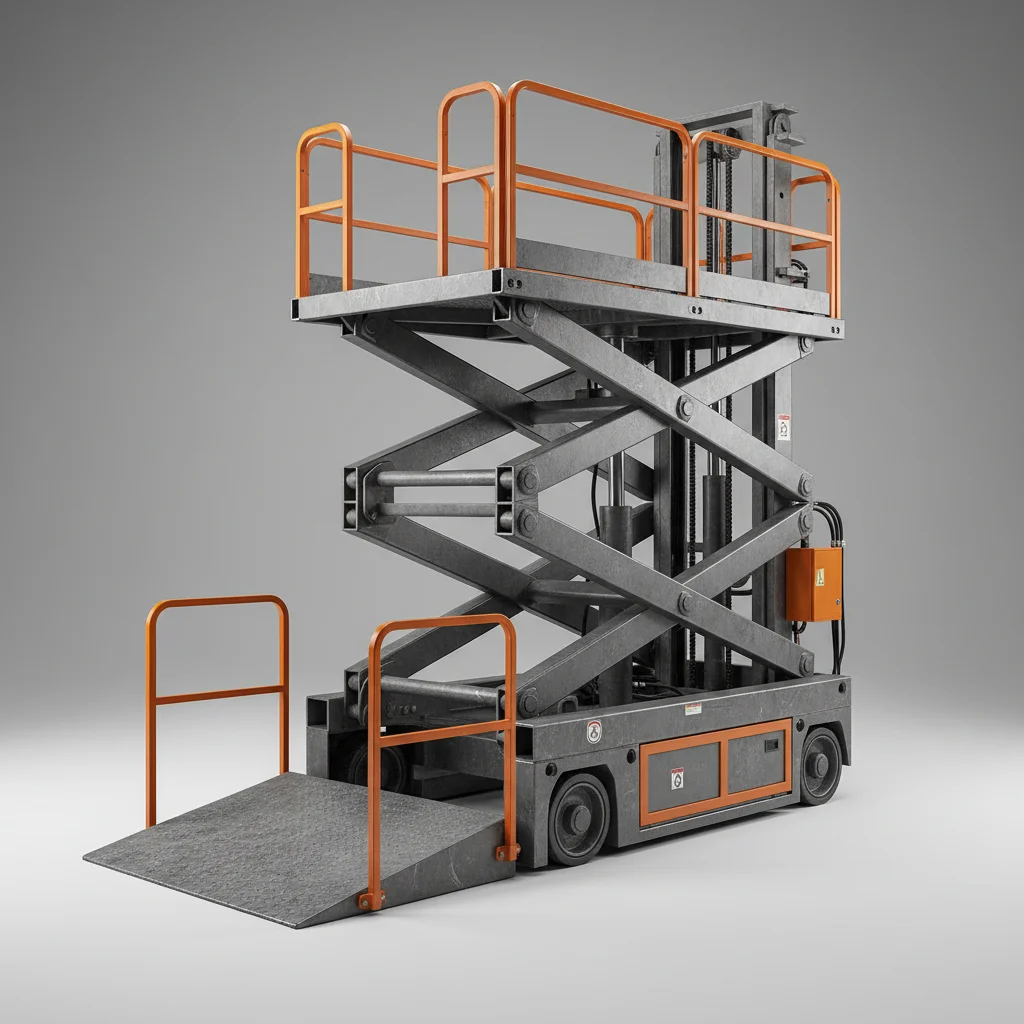
In the demanding environment of modern industrial logistics, the stationary lift table stands as a fundamental pillar of ergonomic efficiency and operational safety. By providing a stable, height-adjustable platform, these systems eliminate the physical strain associated with repetitive lifting and bending, directly contributing to a decrease in workplace injuries and an increase in overall throughput.
Across global manufacturing hubs, the adoption of high-quality lifting solutions is no longer a luxury but a necessity to meet stringent ISO safety standards and lean manufacturing goals. A well-implemented stationary lift table allows operators to maintain an optimal working height, which significantly reduces fatigue and ensures that precision tasks are performed with consistent accuracy.
Understanding the technical nuances of these systems—from hydraulic capacity to structural durability—is key to optimizing any production line. Whether integrated into a larger assembly system or used as a standalone workstation, the strategic placement of a stationary lift table transforms the flow of materials, bridging the gap between raw intake and finished product dispatch.
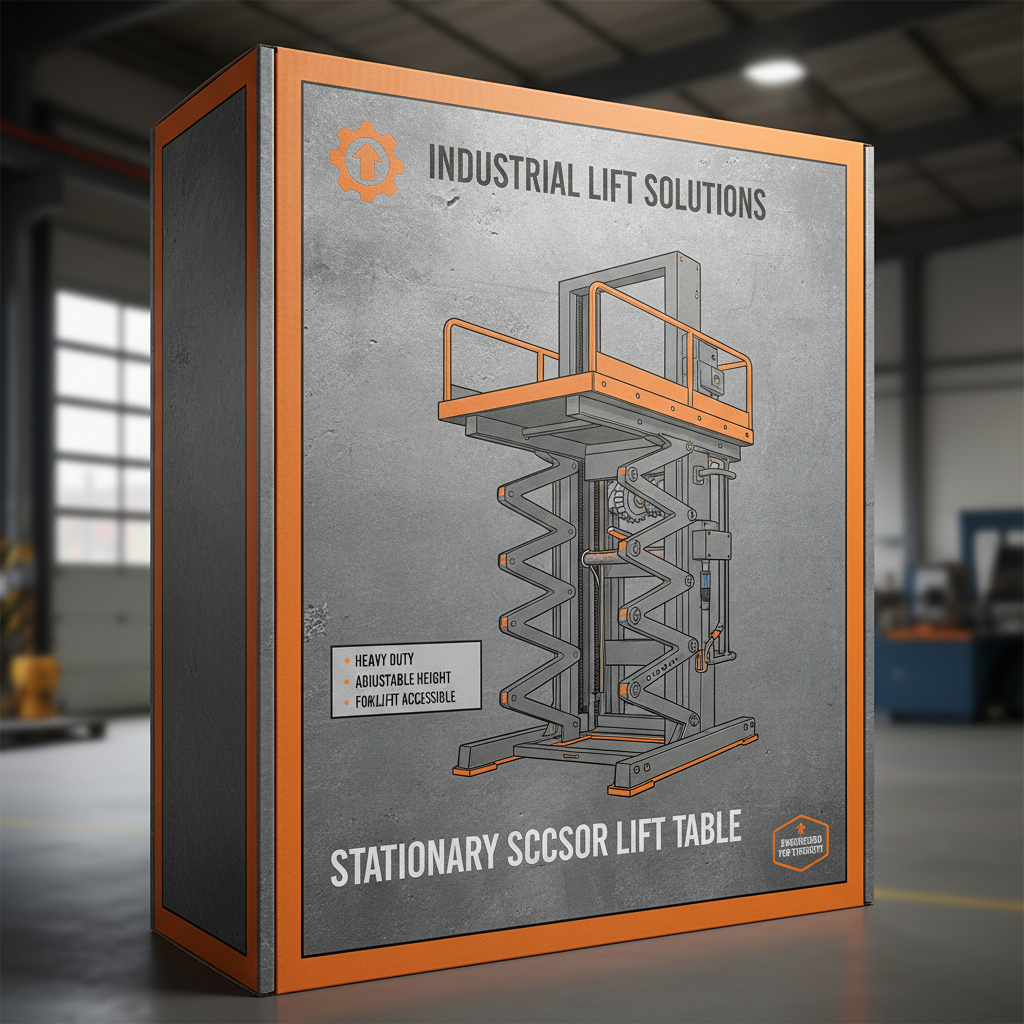
Global Relevance and Industrial Context of Stationary Lift Tables
On a global scale, the demand for efficient material handling is skyrocketing as supply chains become more complex. According to industrial trends aligned with ISO efficiency standards, the integration of a stationary lift table is critical for warehouses and factories striving to reduce "non-value-added" time—specifically the time workers spend adjusting their posture or manually lifting heavy loads.
The challenge many industries face is the "ergonomic gap," where the height of the machinery does not match the height of the human operator. By deploying a stationary lift table, companies can bridge this gap, reducing musculoskeletal disorders (MSDs) which account for a significant percentage of workplace disability claims worldwide.
Defining the Stationary Lift Table in Modern Logistics
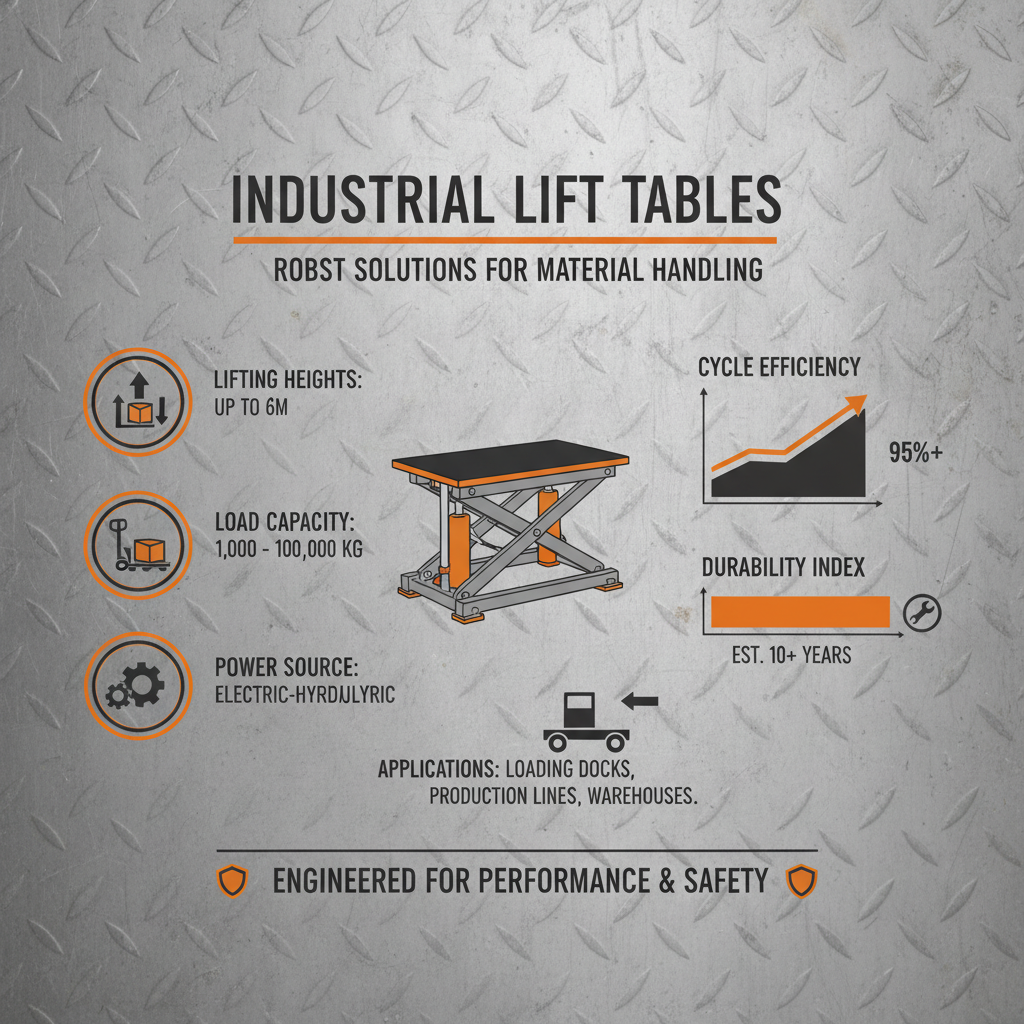
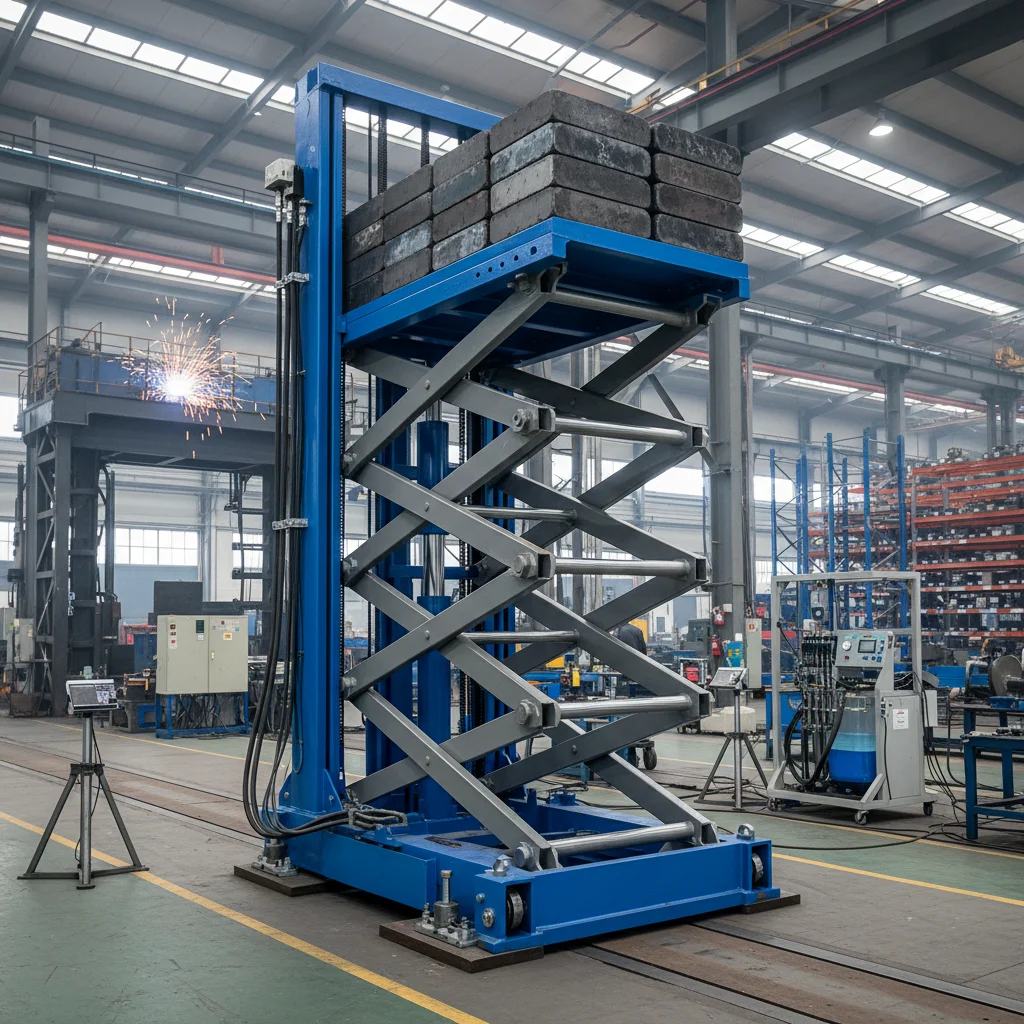
At its core, a stationary lift table is a hydraulic or mechanical platform designed to be bolted to the floor or recessed into a pit, providing vertical movement for heavy loads. Unlike mobile lifts, the stationary version is engineered for high-frequency use and extreme load capacities, making it the "workhorse" of the assembly line.
In the context of modern industry, these tables are more than just lifting devices; they are ergonomic interfaces. They allow for the seamless transition of goods from a conveyor belt to a technician's hands, ensuring that the "golden zone" of lifting (between the knuckles and shoulders) is always maintained.
Whether it is a simple scissor-lift mechanism or a sophisticated telescopic system, the stationary lift table serves the humanitarian need for a safer work environment, ensuring that labor is performed with dignity and minimal physical risk.
Core Components and Engineering Factors
Durability is the primary engineering requirement for any stationary lift table. High-grade reinforced steel and industrial-strength powder coating are essential to withstand the abrasive environments of a typical manufacturing plant, preventing corrosion and structural fatigue over decades of use.
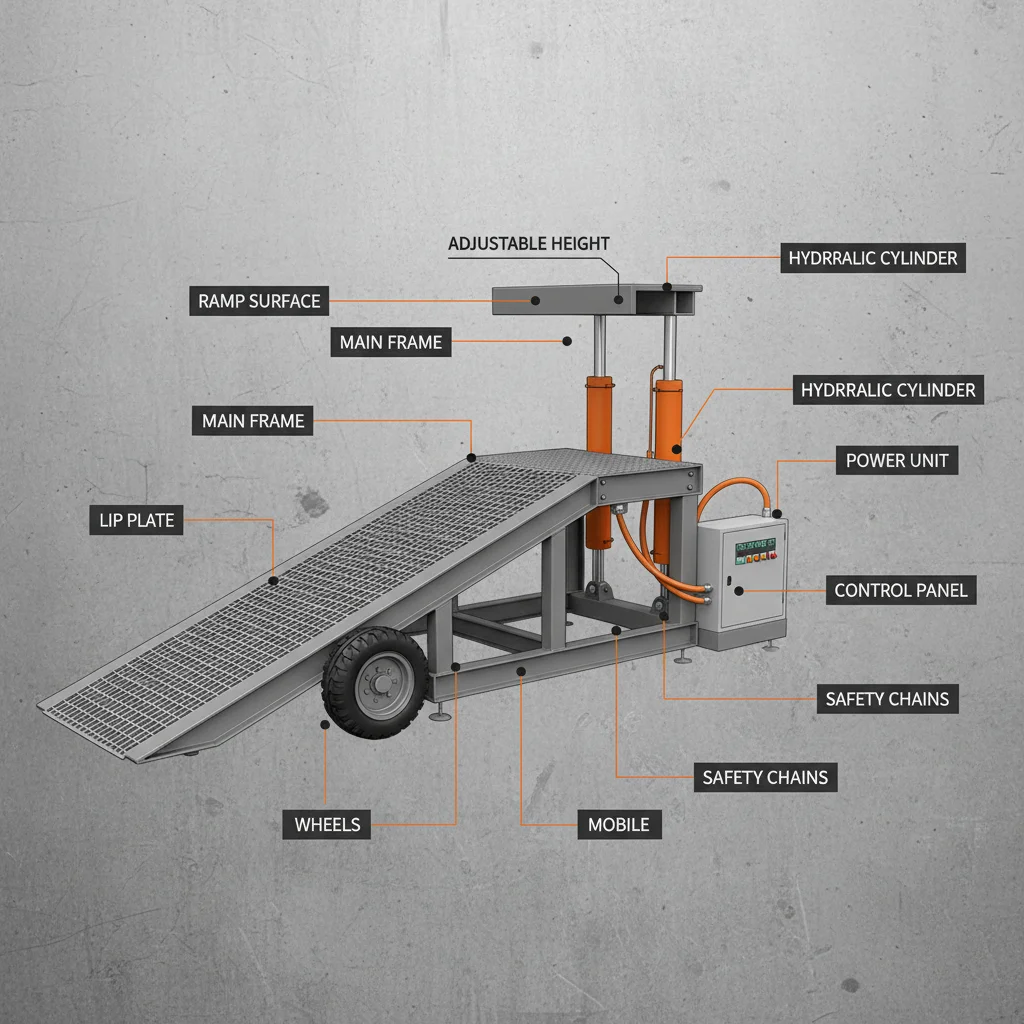
The hydraulic system serves as the heart of the stationary lift table. Precision-engineered cylinders and high-pressure seals ensure smooth ascent and descent, while safety valves prevent abrupt drops in the event of a pressure loss, adhering to strict global safety protocols.
Scalability and customization are what allow a stationary lift table to fit various roles. From adding rotating tops for easy part access to integrating foot pedals for hands-free operation, these modifications ensure the equipment evolves alongside the company's production needs.
Global Applications and Real-World Use Cases
In heavy machinery plants across Germany and Japan, the stationary lift table is used to position engine blocks at the perfect height for assembly. This precision reduces the likelihood of tool slippage and human error, which is critical when dealing with high-value components.
Beyond the factory floor, these systems are vital in logistics hubs in North America for "cross-docking" operations. When goods arrive at varying heights on different trucks, a stationary lift table allows for a level transition, speeding up the unloading process by up to 30%.
Performance Metrics of Different Stationary Lift Table Configurations
Long-Term Value: Safety and Sustainability
The long-term value of investing in a stationary lift table extends far beyond immediate productivity. From a financial perspective, the reduction in workers' compensation claims and the increase in employee retention—due to a more comfortable work environment—create a significant positive ROI over a five-year period.
Sustainability is also a key factor. Modern stationary lift table units utilize energy-efficient hydraulic pumps and biodegradable oils, ensuring that industrial growth does not come at the expense of environmental health. This alignment with "Green Industry" standards makes them a preferred choice for LEED-certified facilities.
Future Trends in Automated Lifting Technology
The next generation of the stationary lift table is moving toward full integration with the Internet of Things (IoT). Smart sensors will soon allow tables to automatically adjust their height based on the height of the operator detected by a camera, creating a truly personalized ergonomic experience.
Furthermore, we are seeing a shift toward electric-actuated lifting mechanisms. These systems replace traditional hydraulics with precision electric screws, offering millimetric accuracy and eliminating the risk of oil leaks, which is essential for clean-room environments and pharmaceutical manufacturing.
Automation is also bridging the gap between the stationary lift table and robotic arms. By syncing the lift's movement with a robot's trajectory, companies can create fully autonomous loading and unloading stations that operate 24/7 without human intervention.
Overcoming Common Implementation Challenges
One of the most common challenges when installing a stationary lift table is incorrect site preparation. Many facilities fail to account for the "pit depth" required for flush-to-floor installations, leading to awkward ramps that negate the ergonomic benefits. The solution lies in detailed pre-installation surveys and professional engineering blueprints.
Another hurdle is the "maintenance gap," where equipment is installed but not regularly serviced. Over time, air bubbles in the hydraulic lines can cause "shuddering" during lift operations. implementing a preventative maintenance schedule—specifically checking fluid levels and seal integrity every six months—is the professional approach to ensuring longevity.
Finally, resistance from staff who are "used to the old way" can hinder adoption. The key is to involve operators in the selection process of the stationary lift table features, ensuring the tool actually solves their specific pain points rather than being a top-down imposition.
Comparison of Stationary Lift Table Implementation Strategies
| Strategy Type |
Installation Complexity |
Ergonomic Impact |
Maintenance Need |
| Surface Mounted |
Low |
Medium |
Standard |
| Pit-Integrated |
High |
Maximum |
Moderate |
| Custom-Topped |
Medium |
High |
Higher |
| Automated Sync |
Very High |
Maximum |
Specialized |
| Air-Powered |
Medium |
Medium |
Low |
| Manual Hydraulic |
Very Low |
Low |
Minimal |
FAQS
To choose the correct capacity, calculate the maximum weight of the load plus the weight of any jigs or fixtures used on the table. It is industry best practice to select a stationary lift table with a capacity 20% higher than your maximum load to ensure a safety buffer and prolong the life of the hydraulic seals.
A pit-mounted stationary lift table is installed in a recessed hole so that its lowest position is flush with the floor, which is ideal for pallet jacks. A surface-mounted table sits on top of the floor, which is easier to install but requires the load to be lifted onto the table initially.
Yes, provided you specify the correct materials. For hazardous zones, we recommend stationary lift table models with stainless steel construction and explosion-proof electrical components to prevent sparks and resist corrosive chemicals.
For high-frequency industrial use, a professional inspection every 6 months is recommended. This involves checking the hydraulic fluid for contamination, lubricating the scissor joints, and testing the safety velocity fuses to ensure the stationary lift table operates smoothly and safely.
Absolutely. Depending on your application, you can add rotating tops, ball transfer decks for easy sliding, or custom-machined fixtures. Customizing your stationary lift table ensures that it integrates perfectly with your specific assembly workflow.
In many cases, yes. While a forklift is versatile, using it for repetitive height adjustments in a small area is inefficient and dangerous. A stationary lift table provides a dedicated, safe workstation that reduces labor time and removes the need for a certified driver for simple vertical moves.
Conclusion
The integration of a stationary lift table into an industrial workspace is more than a simple equipment upgrade; it is a strategic commitment to operational excellence and worker wellbeing. By combining structural durability, hydraulic precision, and ergonomic design, these systems effectively eliminate the bottlenecks of manual lifting and the risks of workplace injuries.
As we look toward a future of smart factories and automated logistics, the evolution of lifting technology will continue to prioritize efficiency and sustainability. We encourage facility managers and engineers to evaluate their current workflows and consider how a tailored stationary lift table can drive long-term productivity. Visit our website to find your perfect solution: www.lifthpro.com