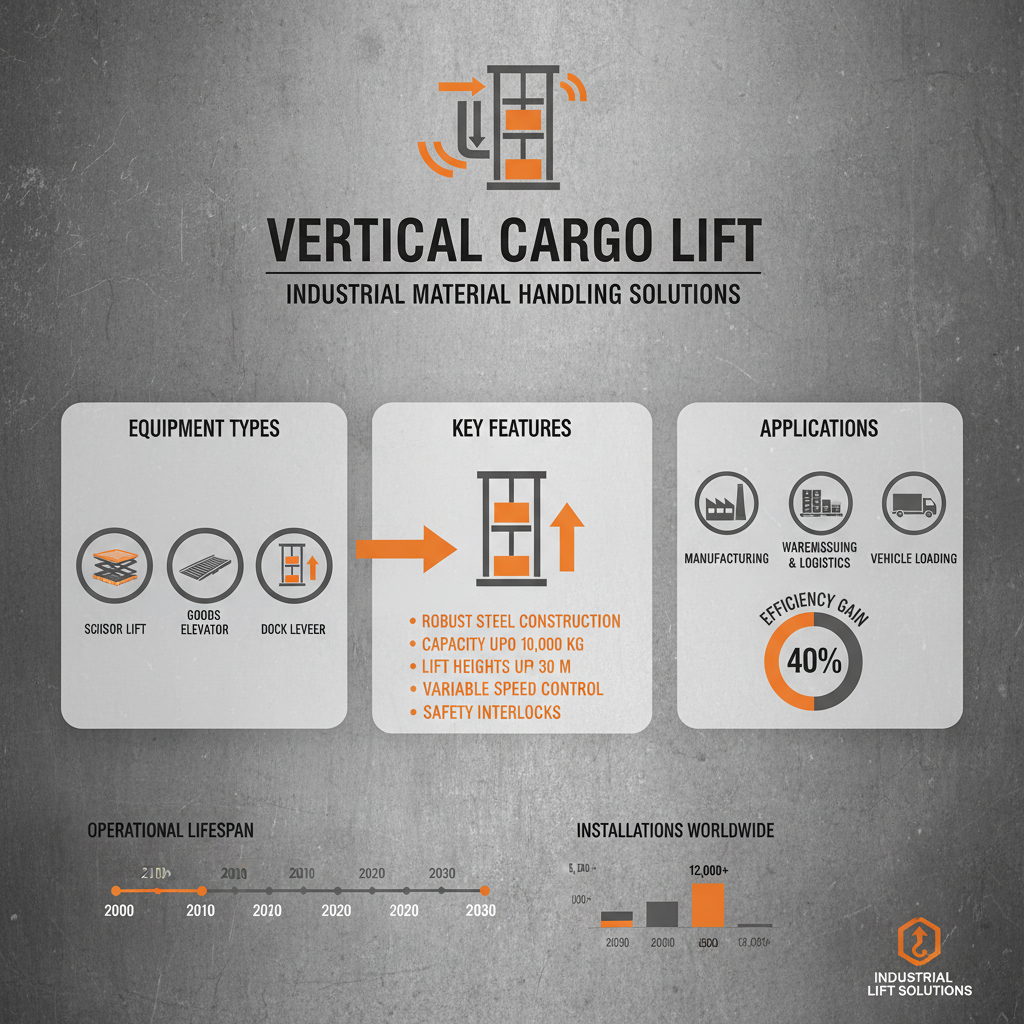
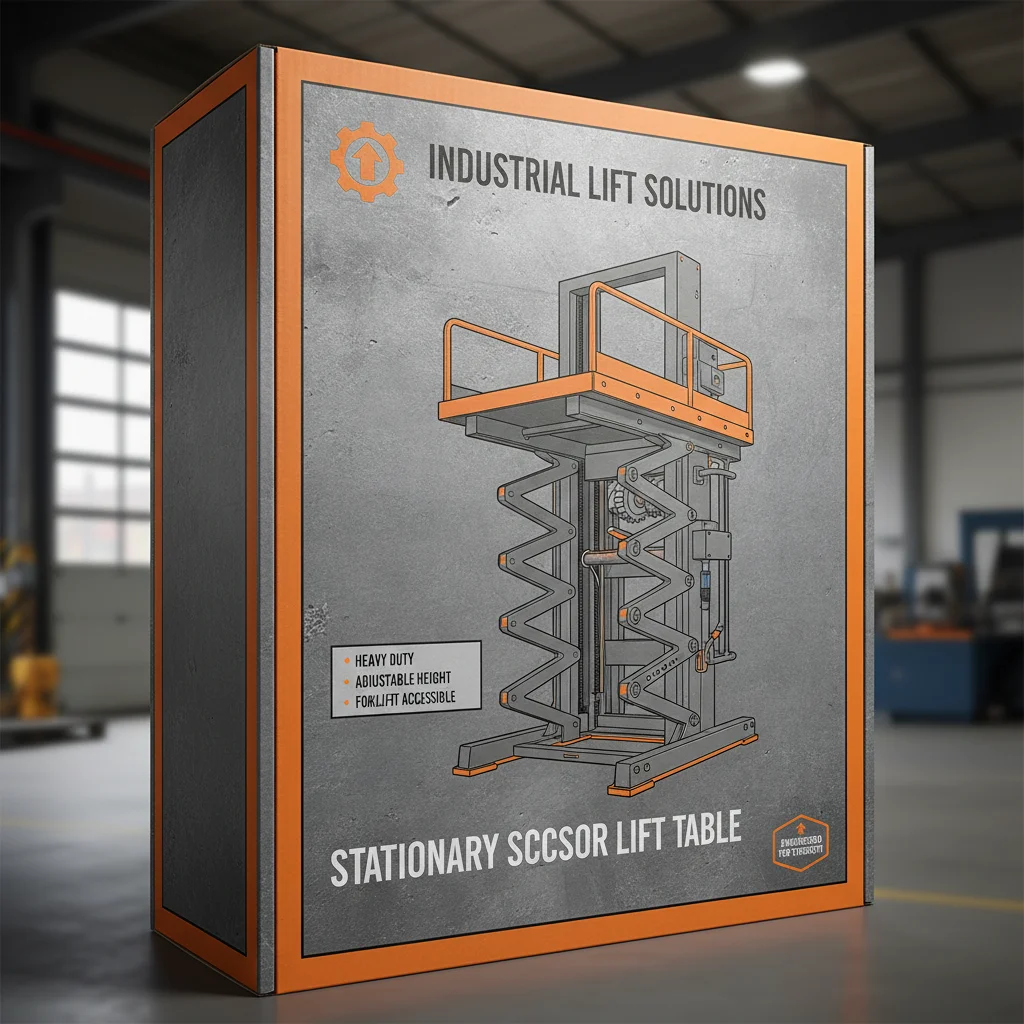
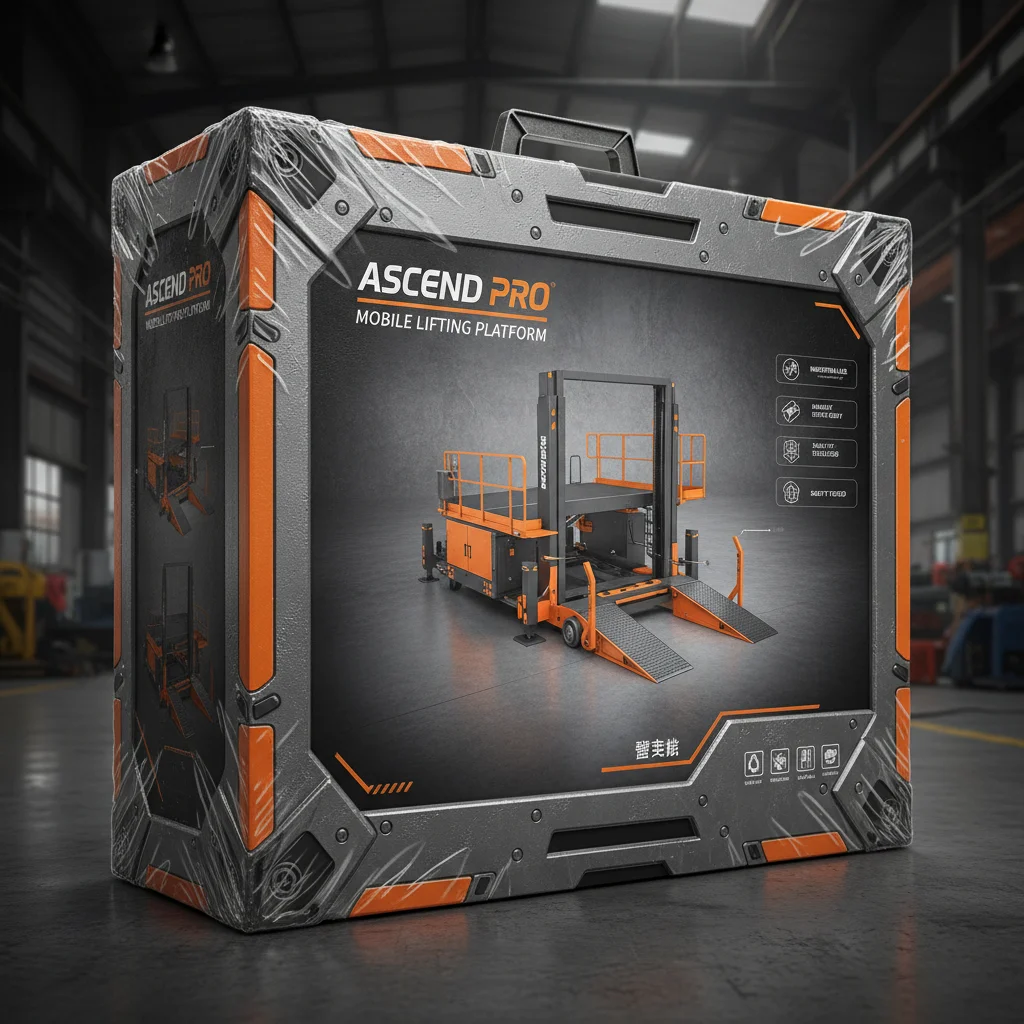
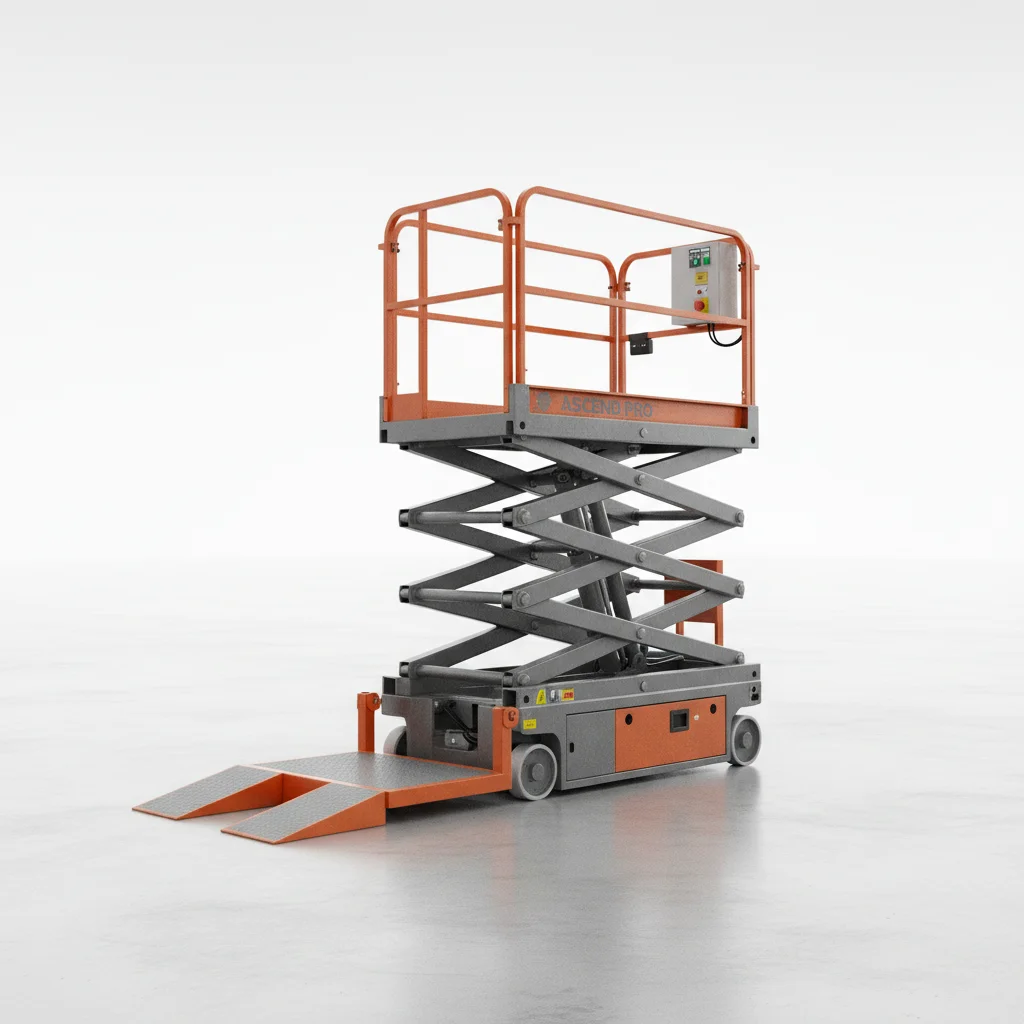
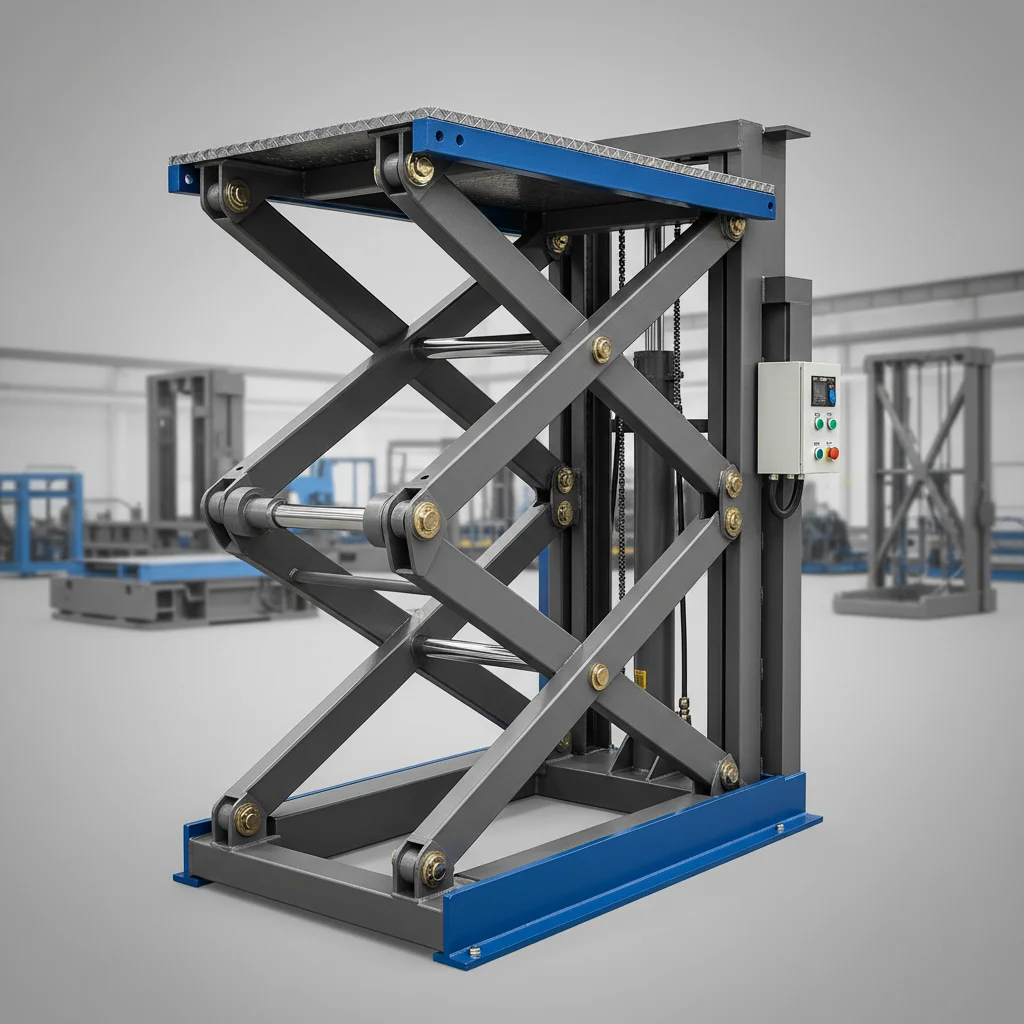
In the fast-paced world of modern logistics and manufacturing, the efficient movement of goods between different floor levels is a critical bottleneck. A vertical cargo lift provides a streamlined solution to this challenge, bridging the gap between storage and production zones without the excessive cost or space requirements of a full passenger elevator. By automating the vertical transport of heavy materials, businesses can significantly reduce manual handling risks and accelerate their internal supply chain.
Globally, the demand for vertical lifting solutions has surged as urban industrial spaces become more compact and multi-story warehouses become the norm. Implementing a professional vertical cargo lift not only optimizes the available square footage but also ensures that the flow of goods remains uninterrupted, which is essential for maintaining Just-In-Time (JIT) manufacturing standards.
Understanding the technical nuances, safety standards, and application scenarios of these systems is vital for any facility manager. From selecting the right load capacity to integrating the lift with existing Dock Leveler systems, the right choice in vertical transport technology can lead to a measurable increase in operational throughput and worker safety.
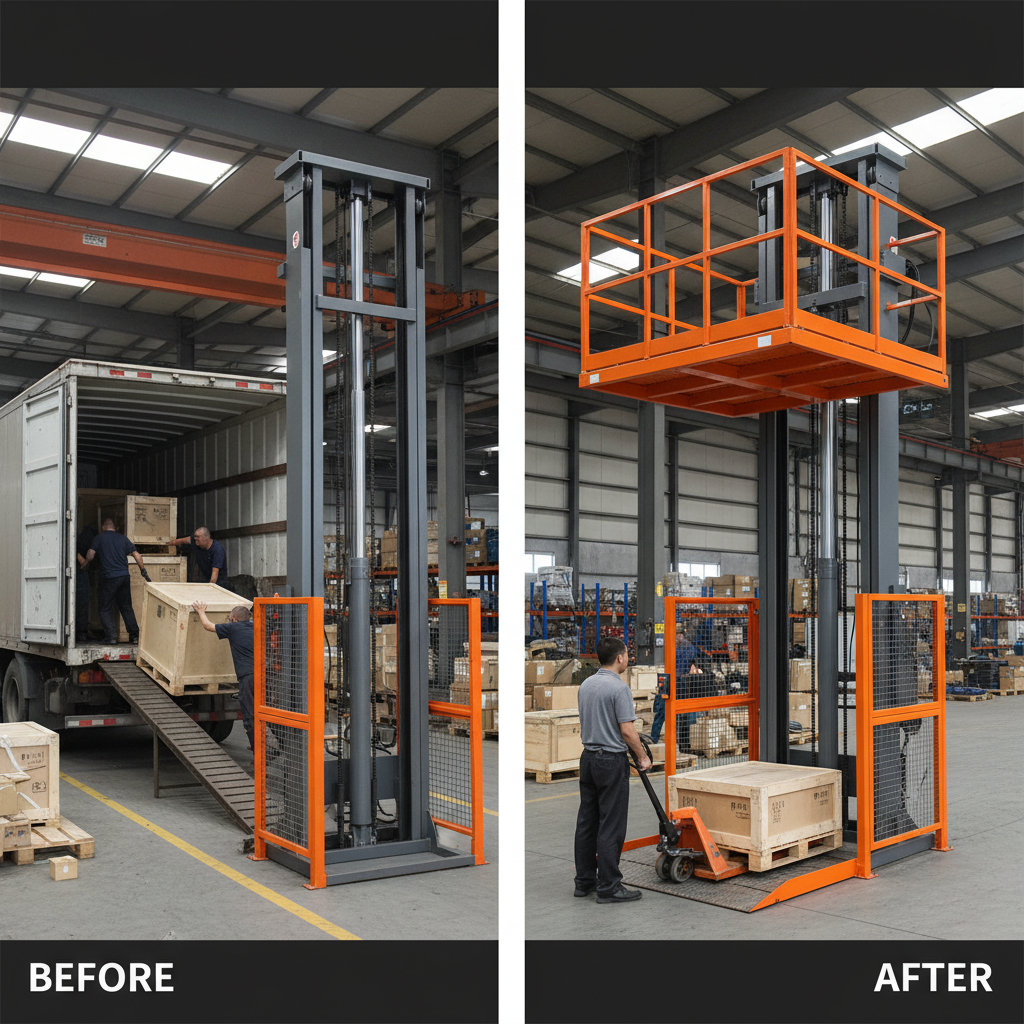
Global Industrial Context of Vertical Cargo Lifts
On a global scale, the logistics sector is undergoing a massive transformation toward "verticalization." According to trends observed in ISO industrial standards and global warehousing data, the cost of land in industrial hubs has risen sharply, forcing companies to expand upward rather than outward. This shift has made the vertical cargo lift an indispensable tool for maintaining efficiency in high-density urban warehouses.
The primary challenge addressed by these systems is the "vertical bottleneck"—the slow, dangerous, or inefficient movement of heavy palettes between floors. Without a dedicated cargo lift, companies often rely on forklifts in oversized ramps or outdated freight elevators, both of which waste valuable floor space and increase the risk of workplace accidents.
Defining the Vertical Cargo Lift System
A vertical cargo lift is a specialized mechanical system designed specifically for the transport of goods, materials, and equipment between different levels of a building. Unlike standard passenger elevators, these lifts are engineered for heavy-duty loads, featuring reinforced platforms and rugged drive systems. They are typically designed as "goods-only" systems, meaning they are not intended for human transport, which allows for a more focused design on load capacity and durability.
In the context of modern industry, these systems serve as the connective tissue between different stages of production. For example, a raw material might arrive via a Mobile Dock Ramp on the ground floor, be transported via a vertical cargo lift to a second-story processing area, and then be moved back down for packaging. This seamless integration is what allows modern factories to operate with lean methodologies.
Furthermore, the connection to humanitarian and emergency needs is often overlooked. In disaster relief zones or remote medical clinics, modular versions of these lifts are used to move critical supplies quickly across multi-level temporary structures, proving that the utility of vertical transport extends far beyond the factory floor.
Core Components for Maximum Durability
The reliability of a vertical cargo lift depends heavily on its structural integrity. High-grade alloy steel is typically used for the guide rails and the main chassis to prevent deflection under maximum load. This ensures that the platform remains perfectly level during ascent and descent, preventing load shifts that could lead to operational failure.
The drive mechanism—whether hydraulic or traction-based—is the heart of the vertical cargo lift. Hydraulic systems are often preferred for their ability to handle immense weight with smooth starting and stopping motions, while traction systems are chosen for higher-speed requirements across more floors. Integrating precision sensors ensures that the lift stops exactly flush with the floor level, a critical feature for seamless palette transfer.
Safety components are the final, non-negotiable pillar. Every professional lift includes emergency stop buttons, overload sensors, and mechanical safety catches that lock the platform in place if a cable or seal fails. When combined with a robust control panel, these components transform a simple lifting machine into a secure, industrial-grade asset.
Performance Metrics and Efficiency Analysis
When evaluating the efficiency of a vertical cargo lift, facility managers look at "cycle time"—the duration it takes to load, lift, unload, and return. Minimizing this cycle time directly impacts the overall throughput of the warehouse. Factors such as motor speed and the integration of automatic gates play a significant role in optimizing these metrics.
Comparing different lifting methods allows businesses to select the system that best fits their specific load profile. While some prefer the raw power of a hydraulic scissor-based approach, others opt for the speed of a chain-driven system. The following data illustrates how different configurations perform across key industrial KPIs.
Vertical Cargo Lift System Performance Comparison
Global Applications and Use Cases
The versatility of the vertical cargo lift allows it to be deployed across a vast array of industries. In the automotive sector, these lifts move heavy engine blocks and chassis between assembly stages. In the pharmaceutical industry, clean-room compatible lifts ensure that sensitive materials are moved without contamination, adhering to strict GMP (Good Manufacturing Practice) standards.
Beyond the factory, we see these systems in high-end retail warehouses and multi-story logistics hubs across Asia and Europe. For instance, in the dense industrial zones of Tokyo or Singapore, vertical lifts are integrated with Hydraulic Lift Table systems to create a fully automated vertical conveyor, maximizing every cubic inch of expensive real estate.
Long-Term Value and Operational Advantages
Investing in a high-quality vertical cargo lift yields tangible dividends in the form of reduced labor costs and enhanced safety. By removing the need for manual lifting or the precarious use of forklifts on ramps, companies see a dramatic decrease in workplace injuries and associated insurance claims. This creates a culture of safety and dignity for the workforce, where technology handles the grueling labor.
From a logical and financial perspective, the ROI is realized through space optimization. A lift occupies a fraction of the footprint required by a ramp. This allows businesses to add more racking or production machinery on the ground floor, effectively increasing the revenue-generating potential of the facility without expanding the physical building.
Moreover, the reliability of these systems fosters trust within the supply chain. When partners know that goods move predictably and safely through a facility, lead times become more accurate. This operational stability is a competitive advantage in an era of volatile global logistics.
Future Innovations in Vertical Lifting
The future of the vertical cargo lift is being shaped by the "Industry 4.0" movement. We are seeing the integration of IoT (Internet of Things) sensors that can predict component failure before it happens, transitioning from reactive maintenance to predictive maintenance. This ensures that a lift never goes offline unexpectedly, avoiding costly production halts.
Sustainability is another driving force. New "green" lifts are utilizing regenerative braking systems that capture energy during the descent of a heavy load and feed it back into the building's power grid. Combined with biodegradable hydraulic fluids and energy-efficient LED lighting, the modern lift is becoming as eco-friendly as it is powerful.
Automation is the final frontier. The next generation of lifts will likely be fully integrated with Autonomous Mobile Robots (AMRs). Imagine a robot delivering a palette to the lift, the lift automatically communicating with the floor-level robot on the second story, and the entire transfer happening without a single human operator.
Analysis of Vertical Cargo Lift Technological Evolution
| Technology Era |
Core Drive System |
Efficiency Rating |
Key Innovation |
| Traditional |
Simple Chain/Pulley |
4/10 |
Basic Mechanical Lift |
| Industrial Era |
Standard Hydraulic |
6/10 |
Load Stability Control |
| Modern Era |
PLC-Controlled Hydraulic |
8/10 |
Precision Leveling |
| Smart Era |
Regenerative Drive |
9/10 |
IoT Predictive Maintenance |
| Autonomous Era |
AI-Integrated Hybrid |
10/10 |
AMR Full Synchronization |
| Future Outlook |
Magnetic Levitation |
10+/10 |
Zero Friction Transport |
FAQS
The primary difference lies in the intended user and the regulatory standards. A freight elevator is typically designed to carry both passengers and goods, requiring strict adherence to passenger safety codes (like ASME A17.1). A vertical cargo lift is designed exclusively for goods, allowing for a more robust, industrial design focused on load capacity and efficiency, often at a lower cost and with a smaller footprint than a full freight elevator.
To determine the capacity, analyze your heaviest single pallet or piece of equipment and add a safety margin of at least 20%. Consider the peak volume of your operation; if you frequently move multiple heavy items, a higher capacity vertical cargo lift will prevent bottlenecks. We recommend consulting with an engineer to ensure the floor structure can also support the concentrated load of the lift.
Not if a preventative maintenance schedule is followed. Most issues arise from lack of lubrication or seal wear in hydraulic systems. Modern vertical cargo lift systems often include diagnostic tools that alert operators to issues before they lead to failure. Monthly checks of the safety catches and quarterly hydraulic fluid analysis are standard professional practices.
Yes. For facilities handling chemicals or flammable materials, vertical cargo lift systems can be built with explosion-proof motors and non-sparking materials. We can also implement specialized coatings on the platform to resist corrosion from acidic or alkaline substances, ensuring a long lifespan even in harsh environments.
Installation time varies by the complexity of the site. A standard vertical cargo lift can be installed in 1-3 weeks once the site is prepared. Pre-fabricated modular lifts can significantly reduce this time, as much of the assembly happens in the factory, leaving only the final anchoring and electrical integration for the on-site team.
In almost all modern industrial settings, yes. While a ramp has lower initial mechanical costs, the "opportunity cost" of the lost floor space is immense. A vertical cargo lift frees up significant square footage for production. Additionally, the reduction in forklift travel distance and the decrease in operator fatigue lead to higher long-term productivity.
Conclusion
The integration of a vertical cargo lift is more than just a hardware upgrade; it is a strategic decision to optimize the flow of goods and ensure the highest standards of workplace safety. By addressing the vertical bottleneck, businesses can reclaim valuable floor space, reduce the physical strain on their employees, and create a scalable infrastructure capable of meeting the demands of modern, high-density logistics. From the core durability of the steel frame to the intelligence of IoT-driven maintenance, every aspect of these systems contributes to a more lean and resilient operation.
Looking forward, the synergy between vertical lifting technology and autonomous robotics will redefine how we perceive warehouse architecture. We encourage facility managers to look beyond the immediate cost and consider the long-term value of efficiency and safety. Whether you are upgrading an existing facility or designing a new one, investing in professional lifting solutions is the key to staying competitive in a global market. Visit our website for more expert guidance and custom solutions: www.lifthpro.com