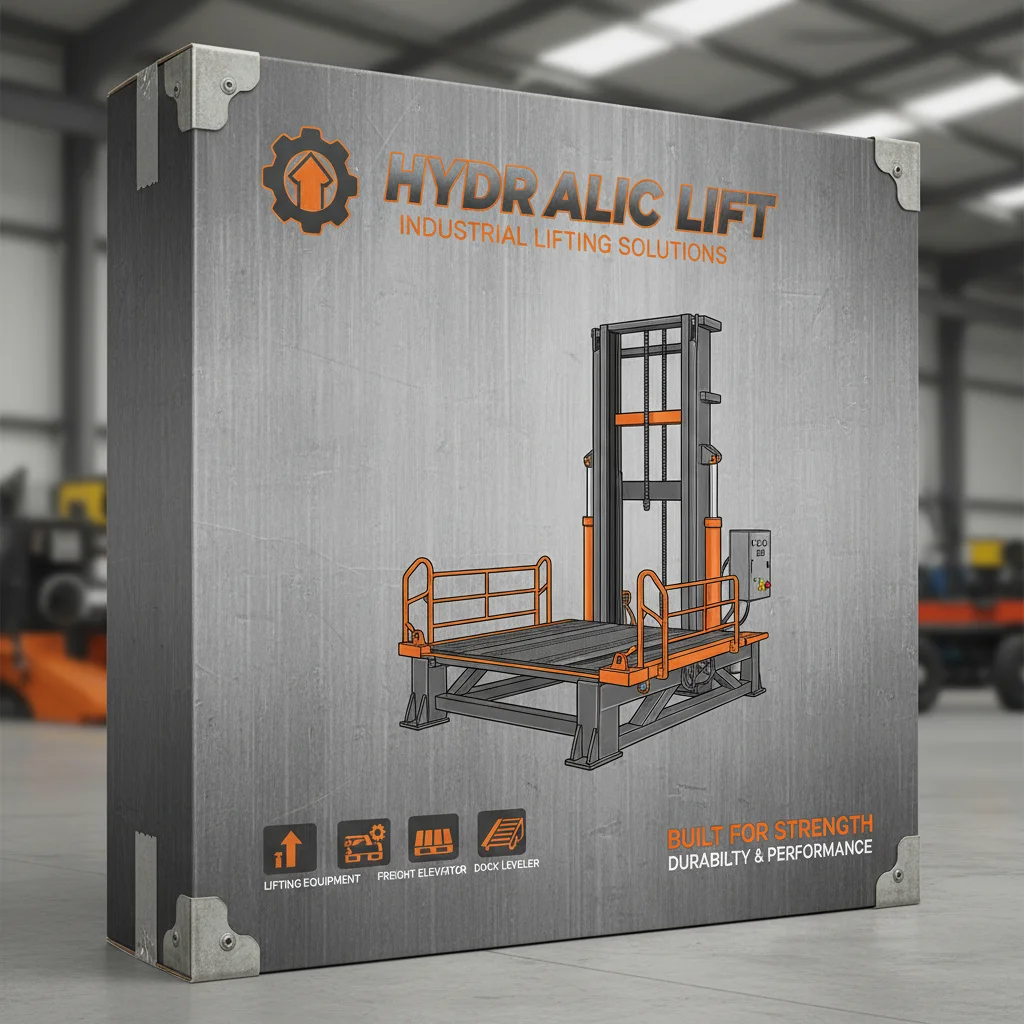
In the fast-paced environment of modern industrial logistics, the efficiency of vertical and horizontal material movement is a primary driver of operational success. A high-quality factory lifting platform serves as the backbone of this process, bridging the gap between different floor levels and streamlining the flow of heavy goods. By reducing manual handling and optimizing workspace utilization, these systems ensure that production lines remain uninterrupted and throughput is maximized.
Globally, the demand for advanced lifting solutions has surged as warehouses transition toward high-density storage and automated retrieval systems. The integration of a robust factory lifting platform is no longer just an option for large-scale plants but a necessity for any facility aiming to meet ISO safety standards and operational efficiency benchmarks. From automotive assembly lines to pharmaceutical cleanrooms, the ability to move loads safely and precisely is critical to maintaining a competitive edge.
Understanding the technical nuances of these platforms—ranging from hydraulic stability to load-bearing capacity—allows facility managers to make informed investments that yield long-term dividends. By focusing on ergonomics and mechanical reliability, companies can significantly lower the risk of workplace injuries while increasing the overall velocity of their supply chain, making the lifting platform a cornerstone of industrial engineering.
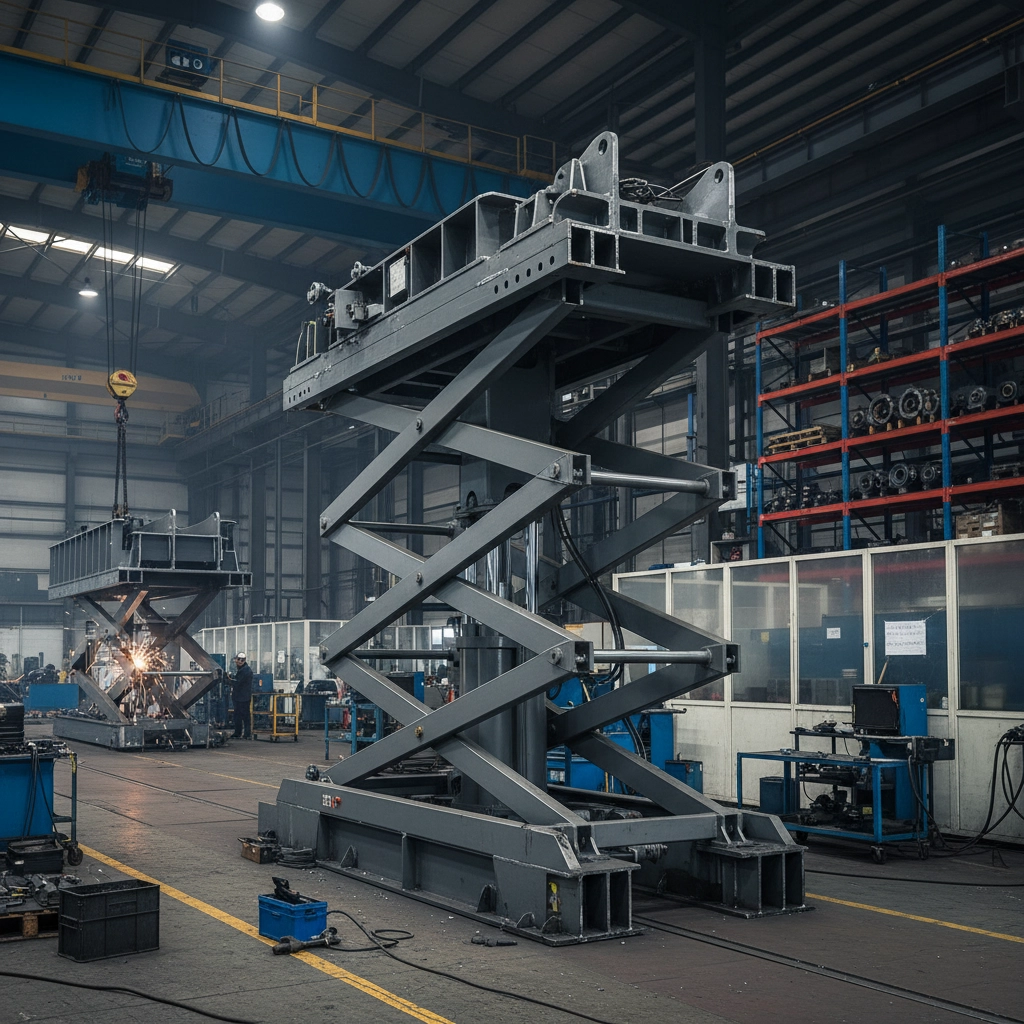
Global Significance of Factory Lifting Platforms
The global industrial landscape is currently undergoing a massive shift toward "Smart Manufacturing," where the seamless movement of materials is paramount. A factory lifting platform is central to this evolution, enabling factories to implement vertical zoning, which optimizes the footprint of the facility. According to global logistics trends, facilities that utilize integrated lifting systems report a significant decrease in cycle times and a marked improvement in material handling safety.
Furthermore, the push for adherence to international safety standards, such as those set by the ISO and OSHA, has forced companies to move away from improvised lifting methods. Implementing a certified factory lifting platform ensures that heavy loads are transported with minimal vibration and maximum stability, reducing the likelihood of product damage and worker fatigue. This global shift toward standardized, high-capacity lifting equipment is driving innovation in hydraulic and electric propulsion systems.
Technical Definition and Industrial Role
At its core, a factory lifting platform is a mechanized device designed to raise or lower heavy loads, equipment, or personnel between different elevations within an industrial setting. Unlike standard elevators, these platforms are often specialized for rugged environments, featuring reinforced steel decks and high-torque actuators that can handle several tons of weight. They act as a critical interface between production stages, such as moving a finished product from a fabrication floor to a packaging mezzanine.
The industrial role of these platforms extends beyond simple vertical transport; they are essential for creating ergonomic workstations. By allowing operators to adjust the height of a load to their natural working level, a factory lifting platform eliminates the need for repetitive bending and stretching, which are leading causes of musculoskeletal disorders in manufacturing. This fusion of mechanical power and ergonomic design is what makes them indispensable in modern lean manufacturing.
Moreover, these systems are often integrated into broader automated workflows. When synchronized with conveyor belts or robotic arms, the lifting platform becomes a dynamic node in a fully automated supply chain. This integration minimizes the "idle time" of materials, ensuring that the transition from raw material input to finished product output is a fluid, continuous motion.
Core Components for Maximum Stability
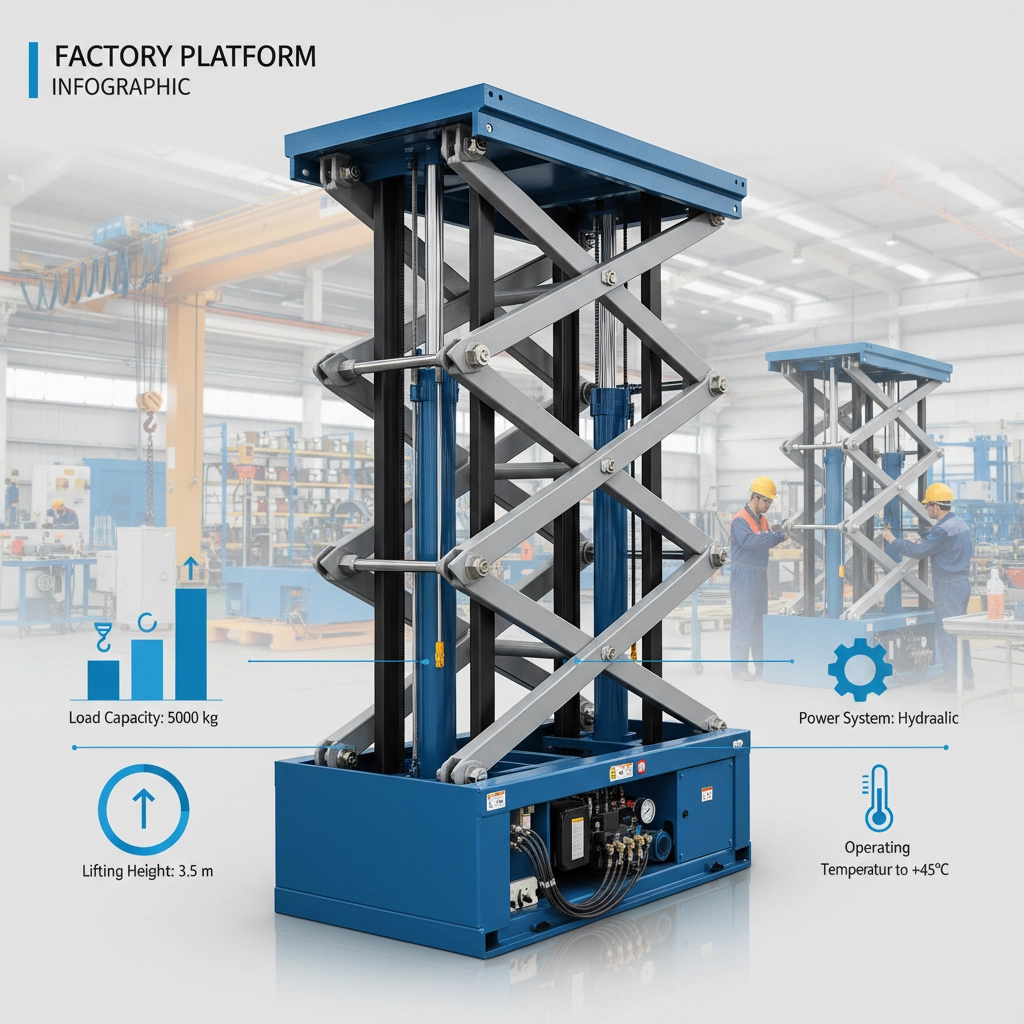
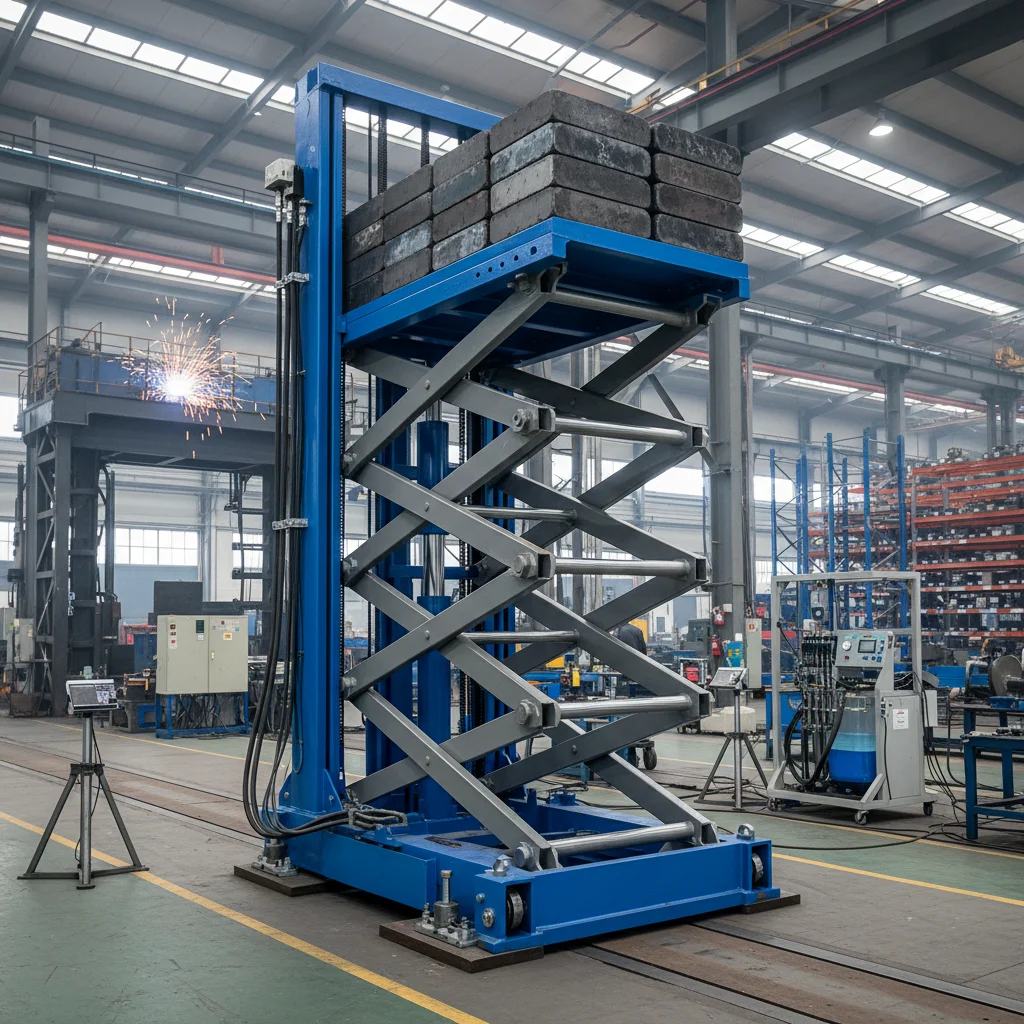
To ensure the operational integrity of a factory lifting platform, the structural framework must be engineered from high-tensile steel. This ensures that the platform does not deflect under maximum load, maintaining a perfectly level surface that is critical for the stability of the cargo being transported.
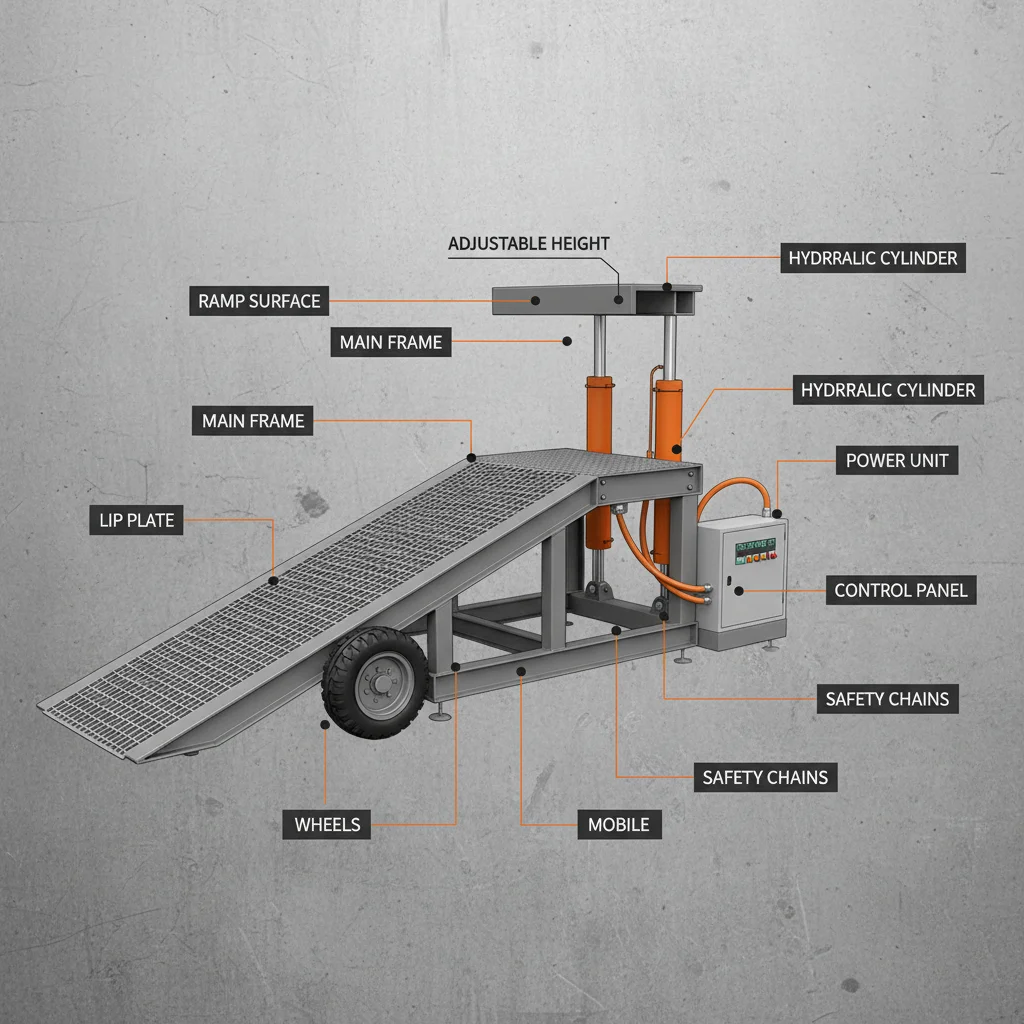
The hydraulic power unit (HPU) serves as the heart of the factory lifting platform, regulating the flow of pressurized fluid to the cylinders. Precision-engineered valves and high-grade seals prevent pressure drops, ensuring that the platform descends smoothly and holds its position securely, even during power outages, thanks to integrated safety check valves.
Control systems, ranging from simple push-button pendants to complex PLC (Programmable Logic Controller) interfaces, allow for pinpoint accuracy in positioning. A modern factory lifting platform often includes sensors that detect the presence of obstacles, automatically halting movement to prevent accidents and ensuring a fail-safe operating environment.
Performance Metrics and Efficiency Analysis
Evaluating the efficiency of a factory lifting platform requires a deep dive into key performance indicators (KPIs) such as lift speed, duty cycle, and energy consumption. A high-performance system is characterized by its ability to maintain a constant velocity regardless of the load weight, ensuring that production schedules remain predictable.
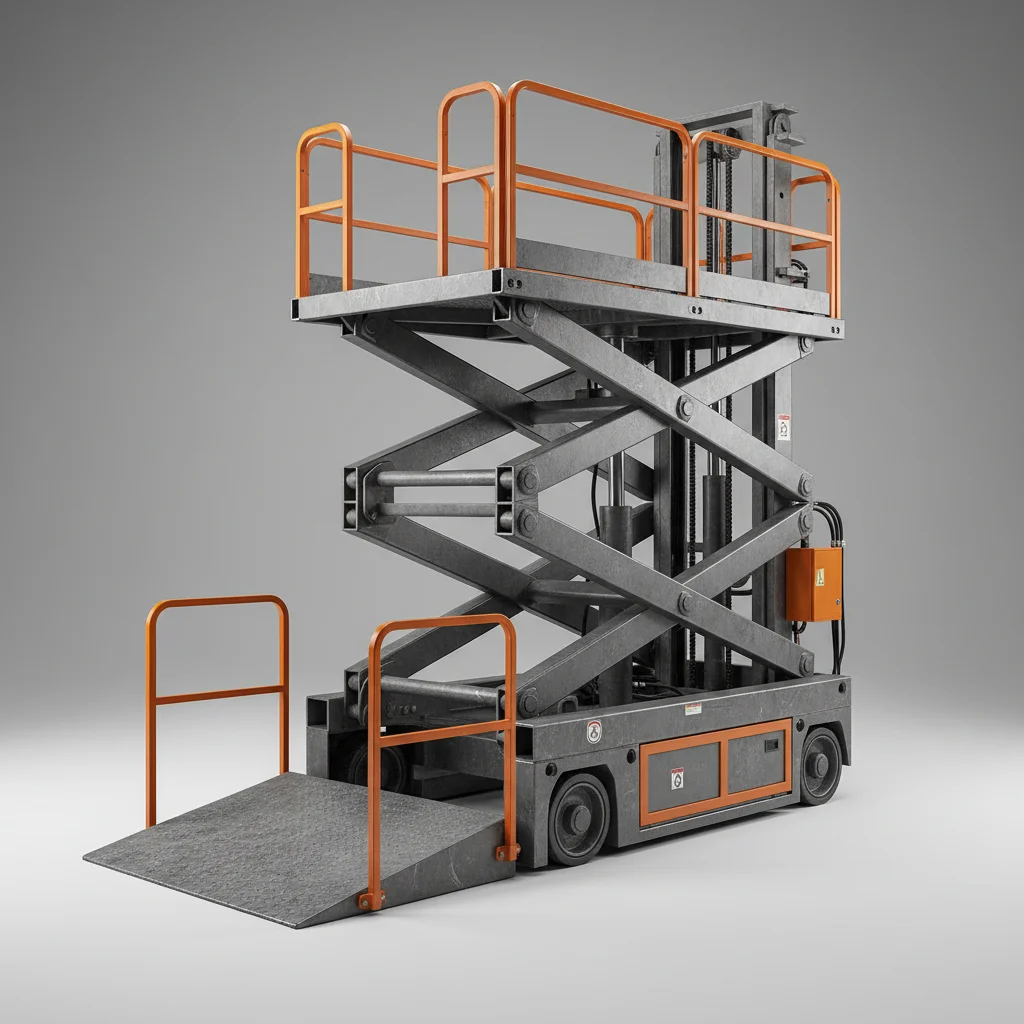
By comparing different lifting mechanisms—such as scissor lifts, hydraulic rams, and chain-driven systems—facilities can determine which configuration offers the best return on investment based on their specific height requirements and load frequency.
Comparative Efficiency of Factory Lifting Platform Types
Global Applications and Use Cases
The versatility of the factory lifting platform makes it applicable across a vast array of sectors. In the automotive industry, these platforms are used to move heavy chassis between assembly stages, allowing robots and humans to work on the vehicle at the most efficient height. Similarly, in the aerospace sector, specialized platforms provide stable access to large-scale components, ensuring that precision installations are performed safely.
Beyond heavy industry, these solutions are vital in logistics hubs throughout Asia and Europe, where high-density warehousing requires the rapid movement of pallets between loading docks and mezzanine storage. In specialized environments, such as food processing plants, stainless steel factory lifting platforms are employed to meet strict hygiene standards while moving bulk ingredients between processing vats.
Long-Term Value and Strategic Advantages
Investing in a premium factory lifting platform provides tangible financial benefits through the reduction of operational downtime. A reliable system minimizes the risk of mechanical failure, which in a high-volume factory can cost thousands of dollars per hour in lost production. The long-term value is found in the durability of the components, where high-grade materials reduce the frequency of expensive replacements.
From a social and human perspective, the strategic advantage lies in worker safety and dignity. By removing the need for hazardous manual lifting, companies foster a culture of care and innovation. This leads to higher employee retention rates and a lower incidence of insurance claims, directly impacting the bottom line while enhancing the company's reputation as an ethical employer.
Furthermore, these platforms enable "future-proofing" of the facility. As production needs change, a modular factory lifting platform can often be relocated or upgraded, providing the flexibility to adapt to new product lines without requiring a complete overhaul of the building's infrastructure.
Future Trends and Smart Innovations
The next generation of the factory lifting platform is being shaped by the Internet of Things (IoT) and predictive maintenance. Smart platforms are now being equipped with sensors that monitor hydraulic pressure and wear-and-tear in real-time, alerting maintenance teams before a failure occurs. This shift from reactive to proactive maintenance ensures that the platform is always available when needed.
Sustainability is also driving innovation, with a move toward energy-efficient motors and biodegradable hydraulic fluids. By integrating regenerative braking systems, some advanced lifting platforms can actually feed energy back into the factory grid during the descent phase, significantly lowering the overall carbon footprint of the material handling process.
Automation and AI are further refining how these platforms operate, with systems that can automatically adjust their speed and positioning based on the weight of the load or the pace of the production line. The future of the factory lifting platform is one of total integration, where the machine is a sentient part of the industrial ecosystem.
Comparative Analysis of Modern Lifting Technologies
| Technology Type |
Load Capacity |
Energy Efficiency |
Maintenance Needs |
| Standard Hydraulic |
Very High |
Moderate |
Periodic Oil Change |
| Electric Scissor |
High |
High |
Low - Mechanical |
| Pneumatic Lift |
Moderate |
Low |
Seal Inspections |
| IoT-Enabled Smart Lift |
Customizable |
Very High |
Predictive/Remote |
| Heavy-Duty Chain |
Extreme |
Moderate |
Lubrication Heavy |
| Servo-Electric |
Moderate |
Excellent |
Minimal |
FAQS
While both move loads vertically, a factory lifting platform is typically designed for heavy-duty, open-platform transport of materials rather than enclosed passenger transport. Platforms are often specialized for specific load types, offer higher weight capacities, and are integrated directly into production lines or mezzanines for faster, more direct material flow.
You should calculate the maximum weight of the heaviest single load you intend to move, then add a safety margin of 20-30%. It is also crucial to consider the distribution of the weight; center-loaded systems differ from those that must support offset loads. Consulting with an engineer to ensure the platform meets the dynamic load requirements of your facility is highly recommended.
Yes, high-quality platforms are equipped with velocity fuses and safety check valves that prevent the platform from falling unexpectedly if a hydraulic line ruptures or power is lost. Most industrial systems also include a manual lowering valve that allows operators to safely bring the platform down to the ground level in an emergency.
Absolutely. For chemical plants or food-grade facilities, platforms can be manufactured from 304 or 316 stainless steel. For explosive environments, we provide ATEX-certified components, including spark-proof motors and specialized electrical housings, to ensure the system does not become an ignition source.
Generally, a monthly visual inspection of seals and lubrication points is recommended. A comprehensive professional service should be performed every six months, focusing on hydraulic fluid quality, pressure valve calibration, and structural weld inspections to ensure long-term reliability and safety compliance.
Installation time varies by complexity. A standard pit-mounted platform can often be installed and commissioned within 3 to 7 business days. However, custom-integrated systems involving PLC synchronization with other factory machinery may take several weeks of calibration and testing to ensure seamless operation.
Conclusion
In conclusion, the implementation of a professional factory lifting platform is a strategic investment that transcends simple material handling. By integrating high-tensile structural engineering, precise hydraulic control, and ergonomic design, these systems eliminate operational bottlenecks, enhance worker safety, and significantly increase the overall throughput of a manufacturing facility. Whether through the use of scissor lifts or smart IoT-enabled platforms, the goal remains the same: achieving a seamless, safe, and efficient flow of materials.
Looking ahead, the convergence of automation and sustainable energy will continue to redefine the capabilities of industrial lifting. Companies that embrace these innovations today will not only reduce their environmental impact but also gain a decisive advantage in operational agility. We encourage facility managers to evaluate their current vertical transport needs and upgrade to systems that offer predictive maintenance and energy efficiency. For more information on the best solutions for your facility, visit our website: www.lifthpro.com.