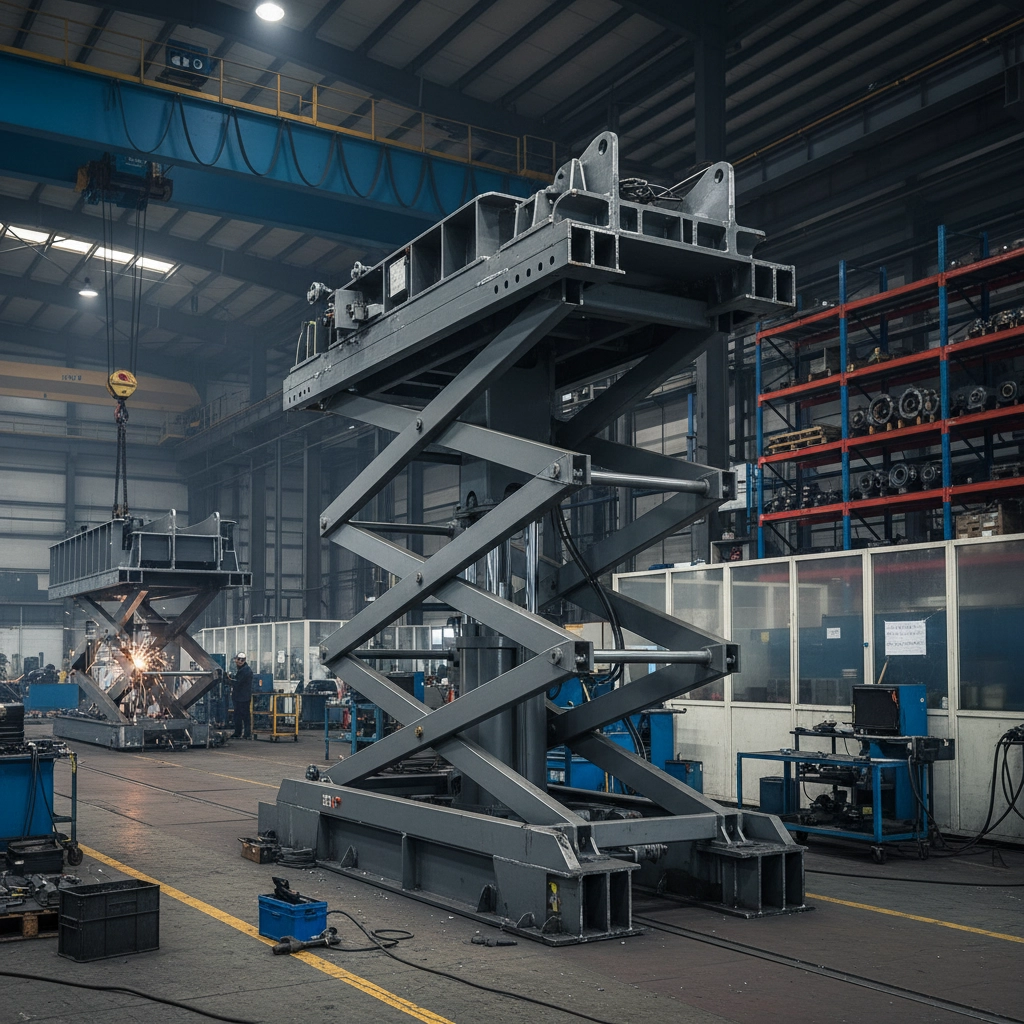
In the demanding world of modern logistics and industrial manufacturing, the efficiency of material handling can make or break a company's operational throughput. A heavy-duty lift machine serves as the backbone of this process, providing the necessary power and stability to move oversized cargo, heavy machinery, and bulk materials across varying elevations. By bridging the gap between different loading levels, these systems eliminate manual strain and drastically reduce the risk of workplace accidents.
Globally, the shift toward automated warehousing and high-density storage has amplified the need for robust lifting solutions. Whether it is a hydraulic lift table for precision assembly or a massive mobile dock ramp for rapid container unloading, the right lifting equipment ensures that the supply chain remains fluid. The integration of high-grade steel and advanced hydraulic systems allows these machines to handle weights that would be impossible for standard equipment, ensuring a seamless transition from transport to storage.
Understanding the nuances of selecting a heavy-duty lift machine is not just about capacity—it is about optimizing ergonomics, safety compliance, and long-term durability. As industries move toward ISO-certified safety standards and leaner operational models, investing in a high-performance lift system becomes a strategic advantage. This guide explores the technical depth, global applications, and future innovations of these essential industrial powerhouses.
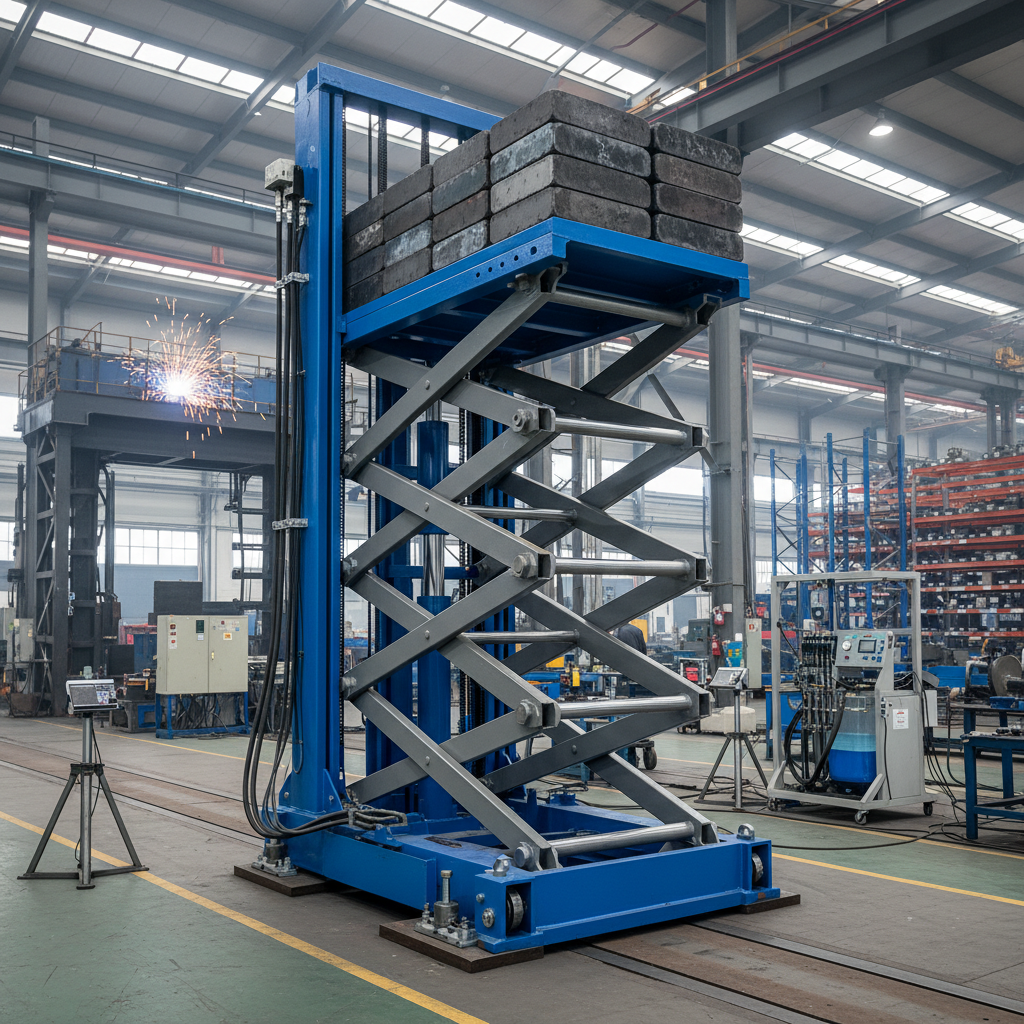
Global Industry Context of Heavy-Duty Lift Machines
The global demand for heavy-duty lift machine solutions has seen a steady climb, mirroring the growth of international trade and the expansion of mega-warehousing. According to industrial logistics trends, the pressure to reduce "dock-to-stock" time has led companies to move away from rudimentary forklifts toward integrated lifting systems. In regions like North America and Asia-Pacific, the rapid adoption of e-commerce has necessitated the use of Dock Levelers and Scissor Lift Tables to handle the sheer volume of palletized goods moving through hubs.
However, the industry faces a significant challenge: the balance between load capacity and operational speed. Many legacy systems suffer from mechanical fatigue and energy inefficiency, leading to costly downtimes. This has created a critical need for a more resilient heavy-duty lift machine that can withstand 24/7 operation cycles while adhering to strict OSHA and ISO safety guidelines to protect workers from hydraulic failure or load instability.
Defining the Heavy-Duty Lift Machine Ecosystem
At its core, a heavy-duty lift machine is a mechanical system engineered to elevate, lower, or position exceptionally heavy loads with precision and safety. Unlike standard consumer lifts, these industrial-grade machines are built using high-tensile reinforced steel and high-pressure hydraulic circuits. They encompass a wide variety of equipment, including Fixed Dock Levelers for permanent loading bays and Mobile Dock Ramps for flexible, non-fixed shipping environments.
The connection between these machines and modern industry is symbiotic. As manufacturing components grow in size—such as electric vehicle batteries or aerospace turbine parts—the equipment used to move them must evolve. A heavy-duty lift machine is no longer just a tool; it is a critical piece of infrastructure that enables the "just-in-time" delivery model by ensuring that the transfer of goods from a truck to a warehouse floor is nearly instantaneous.
Beyond mere utility, these systems address humanitarian and urban development needs as well. In large-scale disaster relief operations, mobile lifting solutions are deployed to move tons of food and medical supplies from cargo planes to ground vehicles in remote zones. This versatility highlights the machine's role not just in profit-making enterprises, but in the essential movement of life-saving resources across the globe.
Core Components for Maximum Durability
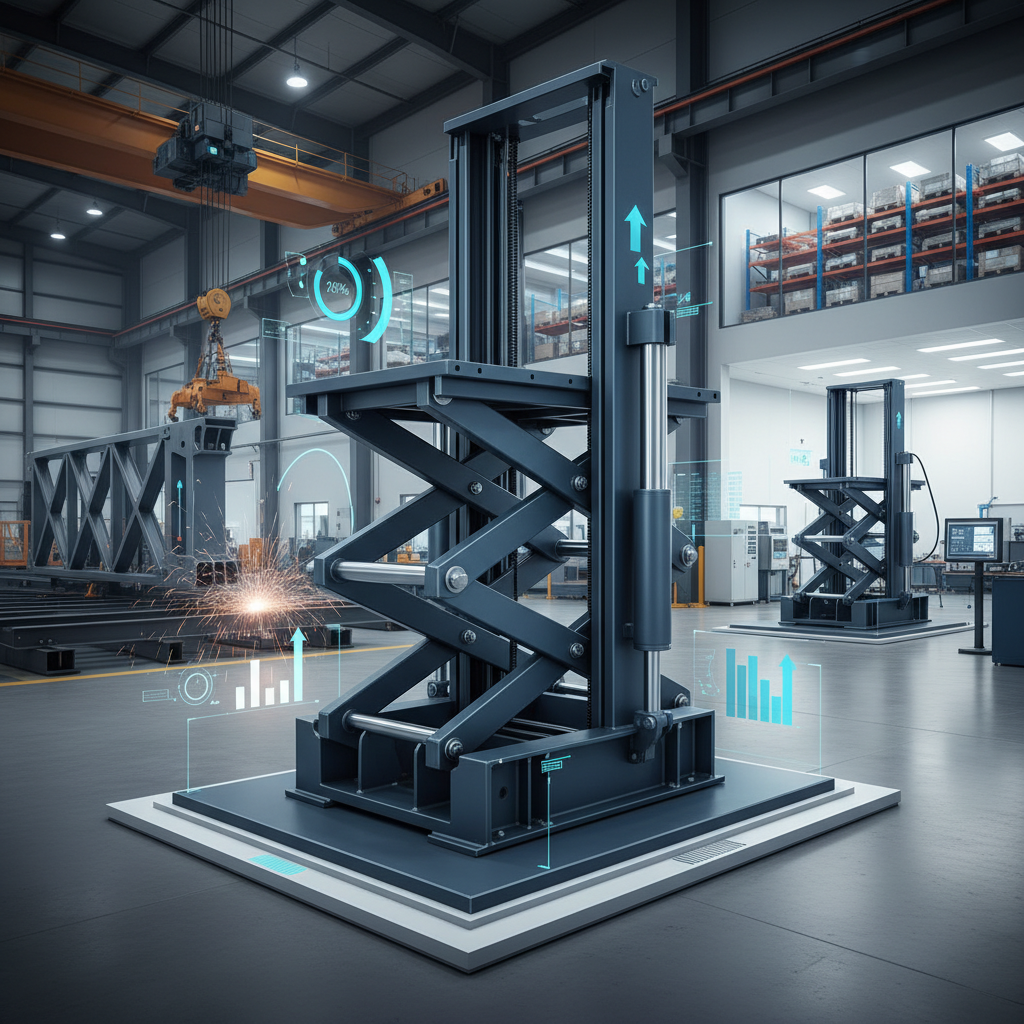
To ensure the longevity of a heavy-duty lift machine, the structural integrity of the chassis is paramount. High-grade alloy steel is typically used to prevent deformation under maximum load, while precision-machined cylinders ensure that the lift remains level, preventing the "tilting" effect that can lead to catastrophic load slips during elevation.
The hydraulic power unit (HPU) is the heart of the heavy-duty lift machine. By utilizing advanced filtration systems and heat exchangers, these units maintain oil viscosity and pressure consistency even in extreme temperatures. This prevents seal leakage and ensures that the machine provides a smooth, jerk-free motion, which is essential when handling fragile but heavy industrial components.
Safety mechanisms, such as velocity fuses and emergency stop valves, are integrated into the core architecture. These fail-safes are designed to lock the heavy-duty lift machine in place instantly if a pressure drop is detected, ensuring that the platform does not crash down. This level of redundancy is what separates industrial-grade equipment from commercial alternatives.
Strategic Applications Across Global Sectors
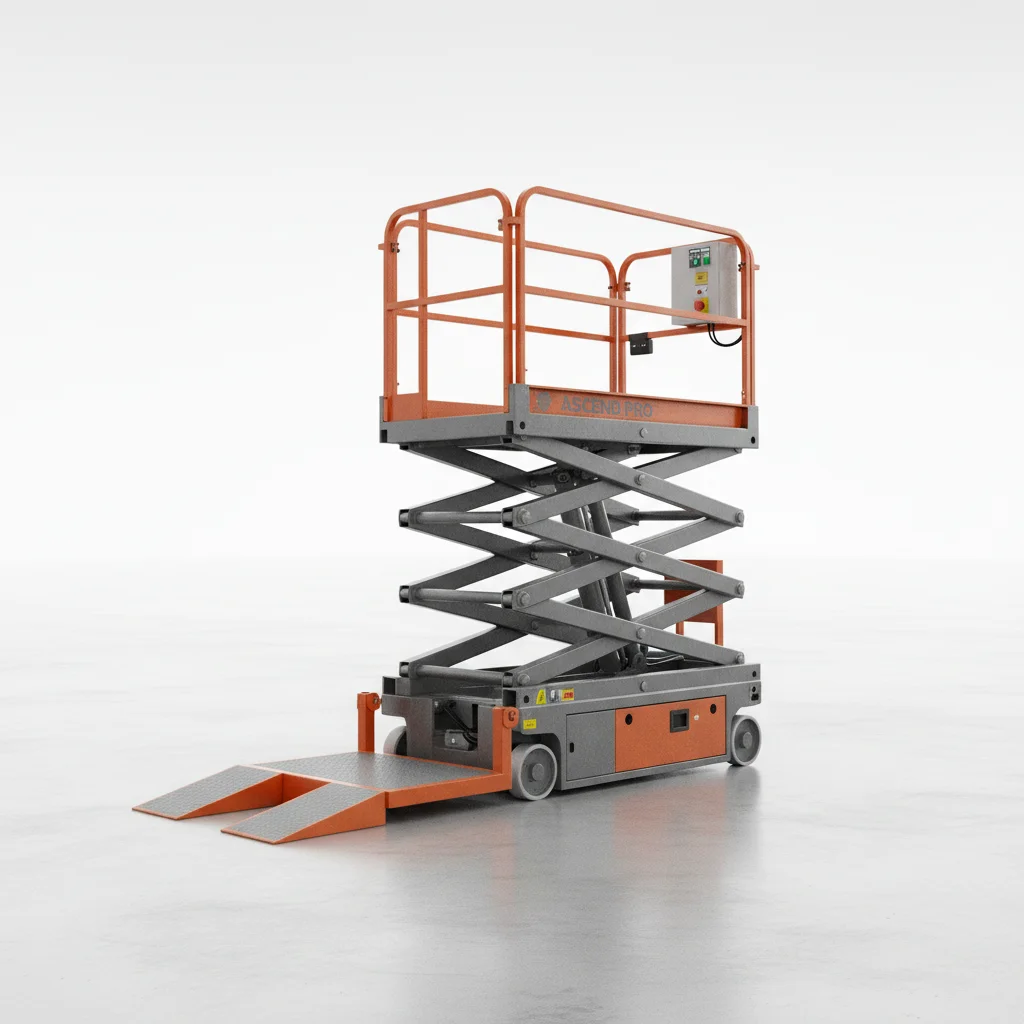
The application of the heavy-duty lift machine spans across diverse environments. In the automotive industry, Hydraulic Lift Tables are utilized in assembly lines to bring heavy engines up to an ergonomic height for technicians, reducing repetitive strain injuries and increasing assembly speed. Similarly, in the aerospace sector, specialized scissor lifts are used to maintain the undersides of aircraft wings.
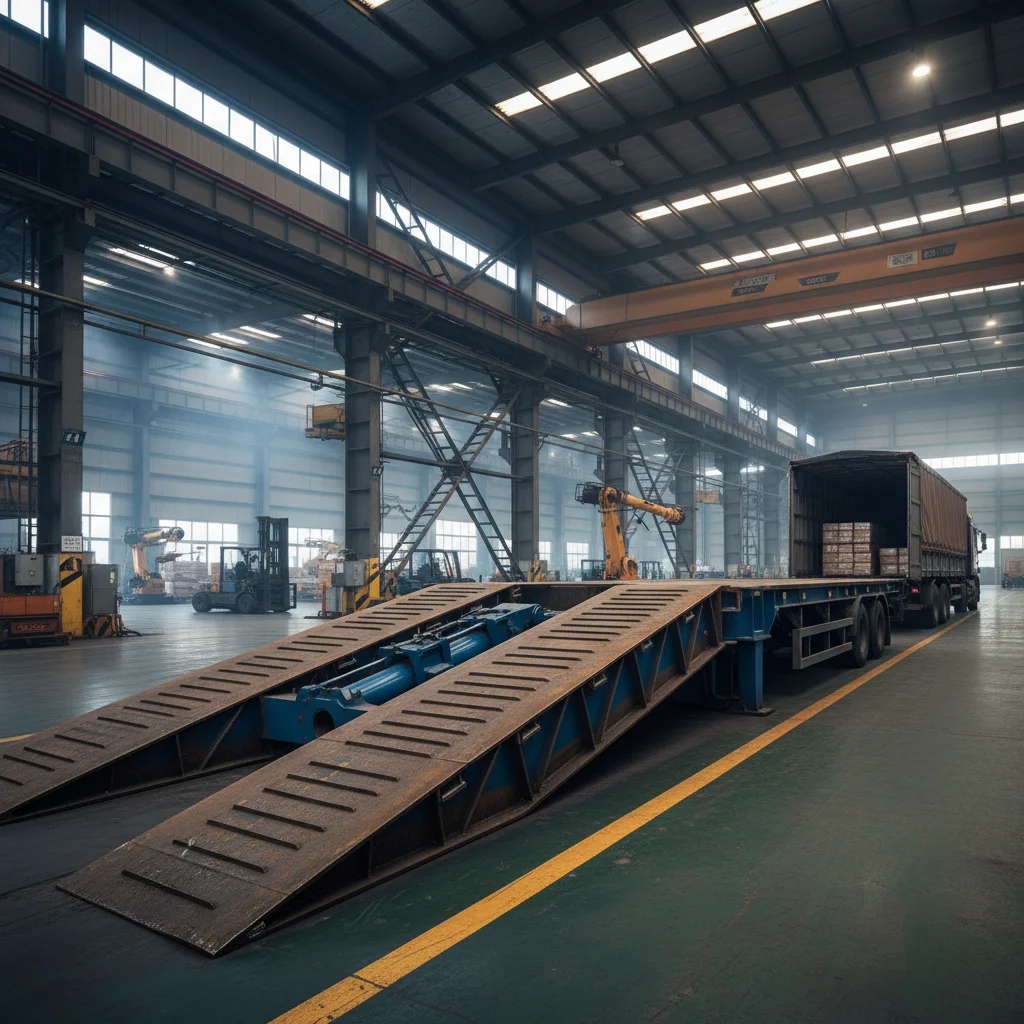
In the realm of logistics, the Mobile Dock Ramp is a game-changer for temporary warehouses or construction sites where permanent docks aren't feasible. By allowing trucks to be unloaded without a loading dock, these machines provide unprecedented flexibility for regional distribution centers in developing industrial zones across Southeast Asia and Latin America.
Performance Comparison of Heavy-Duty Lift Machine Types
Tangible Advantages and Long-Term Value
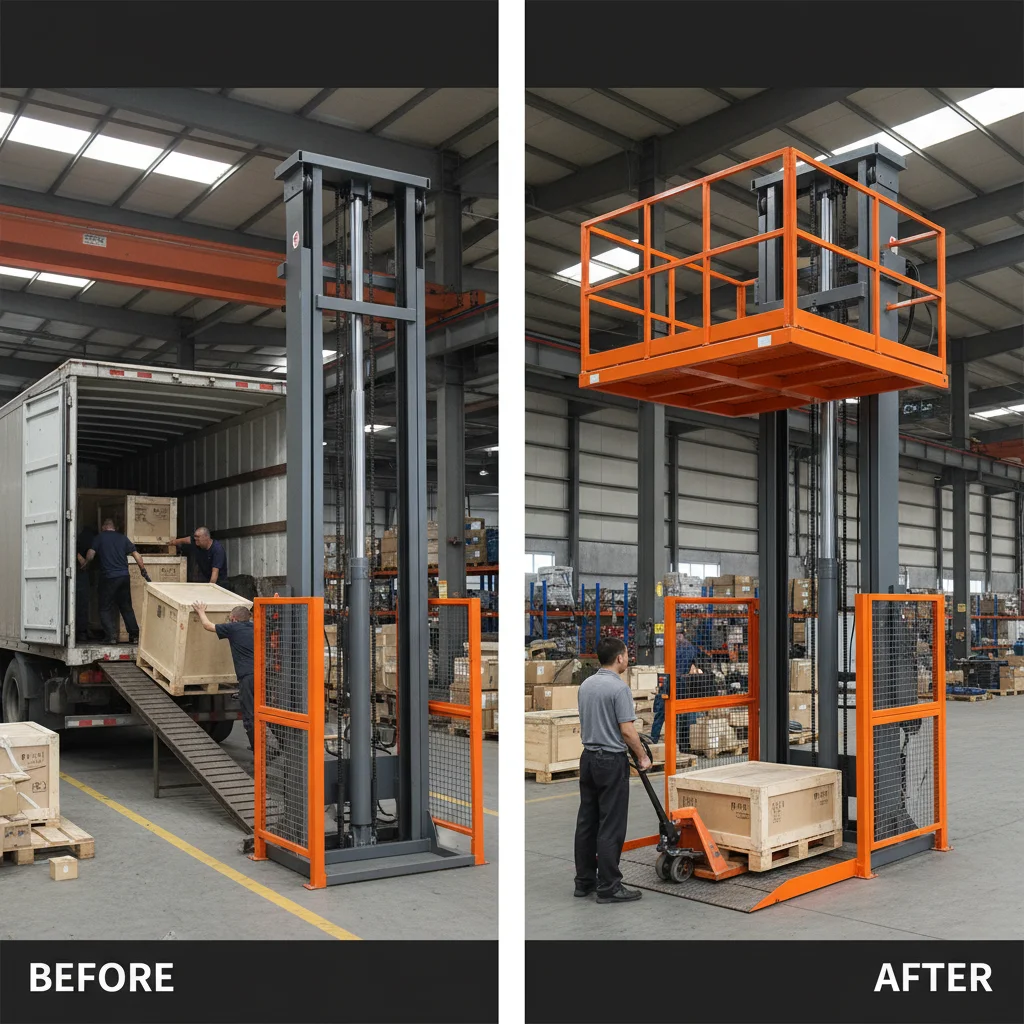
Investing in a premium heavy-duty lift machine yields immediate dividends in operational safety and labor productivity. By eliminating the need for manual lifting or inefficient improvised ramps, companies can reduce worker compensation claims related to back injuries and muscle strain. This logical shift toward mechanical assistance fosters a culture of safety and dignity in the workplace, where employees feel protected by the equipment they use.
From a financial perspective, the long-term value lies in the reduction of "bottleneck" delays. A high-capacity lift system allows for a faster turnaround of delivery vehicles, meaning more shipments can be processed per hour. When combined with the durability of a well-engineered machine, the cost-per-lift decreases over time, turning a capital expenditure into a long-term operational saving.
Future Trends in Lifting Technology
The next generation of the heavy-duty lift machine is moving toward "Smart Lifting." This involves the integration of IoT sensors that can monitor the health of hydraulic seals and the weight distribution of the load in real-time. Predictive maintenance will soon replace scheduled maintenance, as the machine itself will alert operators when a component is nearing its failure point, virtually eliminating unplanned downtime.
Sustainability is also driving innovation. We are seeing a transition from traditional petroleum-based hydraulics to biodegradable fluids and the adoption of electric-drive systems that recover energy during the lowering phase (regenerative braking). These green initiatives not only reduce the environmental footprint of the warehouse but also lower energy costs for the operator.
Furthermore, the rise of Autonomous Mobile Robots (AMRs) is leading to a hybrid approach. Imagine a heavy-duty lift machine that can automatically communicate with an incoming AMR to align the platform height perfectly before the robot arrives. This level of digital transformation is turning the lift from a static tool into an intelligent node within a connected smart factory.
Overcoming Common Operational Challenges
One of the most common limitations in current practice is the "capacity gap," where a machine is either overkill for the average load or barely sufficient for the peak load. The solution lies in modular design. Modern heavy-duty lift machine systems are now being built with scalable components, allowing businesses to upgrade the hydraulic pump or reinforce the platform as their product lines grow without replacing the entire unit.
Environmental corrosion is another significant hurdle, especially in chemical plants or coastal shipping hubs. Expert insights suggest the use of hot-dip galvanization and specialized epoxy coatings to prevent rust. By choosing materials specifically suited to the ambient environment, the lifecycle of the lifting equipment can be extended by several years.
Finally, operator error remains a primary cause of accidents. The industry is overcoming this through intuitive control interfaces and mandatory "interlock" systems that prevent the lift from moving unless the load is centered and the safety gates are closed. Education and streamlined training programs are the final piece of the puzzle in ensuring these machines operate at peak efficiency.
Technical Specifications and Performance Analysis of Heavy-Duty Lift Machines
|
Lift Model Type
|
Max Load Capacity
|
Durability Score (1-10)
|
Primary Use Case
|
| Fixed Dock Leveler |
10,000 - 30,000 kg |
9.5 |
Permanent Warehouse Docks |
| Mobile Dock Ramp |
6,000 - 15,000 kg |
8.2 |
Temporary Loading Zones |
| Hydraulic Lift Table |
1,000 - 5,000 kg |
8.8 |
Precision Assembly Lines |
| Scissor Lift Table |
2,000 - 10,000 kg |
9.0 |
Vertical Space Optimization |
| Heavy-Duty Platform |
20,000 - 50,000 kg |
9.7 |
Industrial Machinery Move |
| Pneumatic Lift Assist |
500 - 2,000 kg |
7.5 |
Light-Medium Material Handling |
FAQS
A fixed dock leveler is permanently installed in a warehouse loading bay, providing a seamless transition between the dock and the truck. In contrast, a mobile dock ramp is portable, allowing you to create a loading point anywhere on a flat surface. Fixed levelers are generally more durable for high-volume hubs, while mobile ramps offer the flexibility needed for temporary sites or facilities without existing docks.
For high-frequency industrial use, we recommend a comprehensive safety and hydraulic inspection every 3 to 6 months. Key focus areas include checking for hydraulic fluid leaks, inspecting the structural welds for stress cracks, and lubricating moving joints. Regular preventive maintenance can extend the machine's lifespan by 40% and prevent costly emergency repairs.
Yes, most professional manufacturers offer custom platform dimensions and specialized attachments. Whether you need a rotating top for the lift table or a reinforced surface for irregular machinery, customization ensures that the heavy-duty lift machine fits your specific workflow perfectly, enhancing both safety and speed.
Absolutely. Hydraulic systems remove the physical burden from the worker, virtually eliminating the risk of musculoskeletal injuries. When equipped with safety locks and overflow valves, they provide a controlled movement that manual lifting can never match, ensuring that heavy components are positioned with millimeter precision.
For environments exposed to chemicals or saltwater, stainless steel (304 or 316 grade) or hot-dip galvanized steel is highly recommended. Additionally, using specialized weather-resistant seals and synthetic hydraulic oils can prevent the system from degrading, ensuring the heavy-duty lift machine remains operational in harsh conditions.
Always calculate your maximum possible load and add a safety margin of at least 20%. For example, if your heaviest item is 5,000kg, a machine rated for 6,000kg is ideal. This prevents the system from constantly running at its absolute limit, which reduces wear and tear on the hydraulic cylinders and increases overall operational safety.
Conclusion
In summary, the integration of a high-performance heavy-duty lift machine into industrial operations is a fundamental step toward maximizing efficiency and safety. From the structural durability of scissor lifts to the strategic flexibility of mobile dock ramps, these machines solve the critical challenge of vertical and horizontal material movement. By focusing on core components, adhering to global safety standards, and embracing technological trends like IoT and green hydraulics, businesses can ensure a resilient and future-proof supply chain.
Looking ahead, the evolution of lifting technology will continue to blur the line between mechanical hardware and digital intelligence. We suggest that companies prioritize scalability and energy efficiency when selecting their next lifting solution to remain competitive in an increasingly automated world. Investing in the right equipment today not only protects your workforce but also builds the foundation for sustainable growth. Visit our website for more professional solutions: www.lifthpro.com