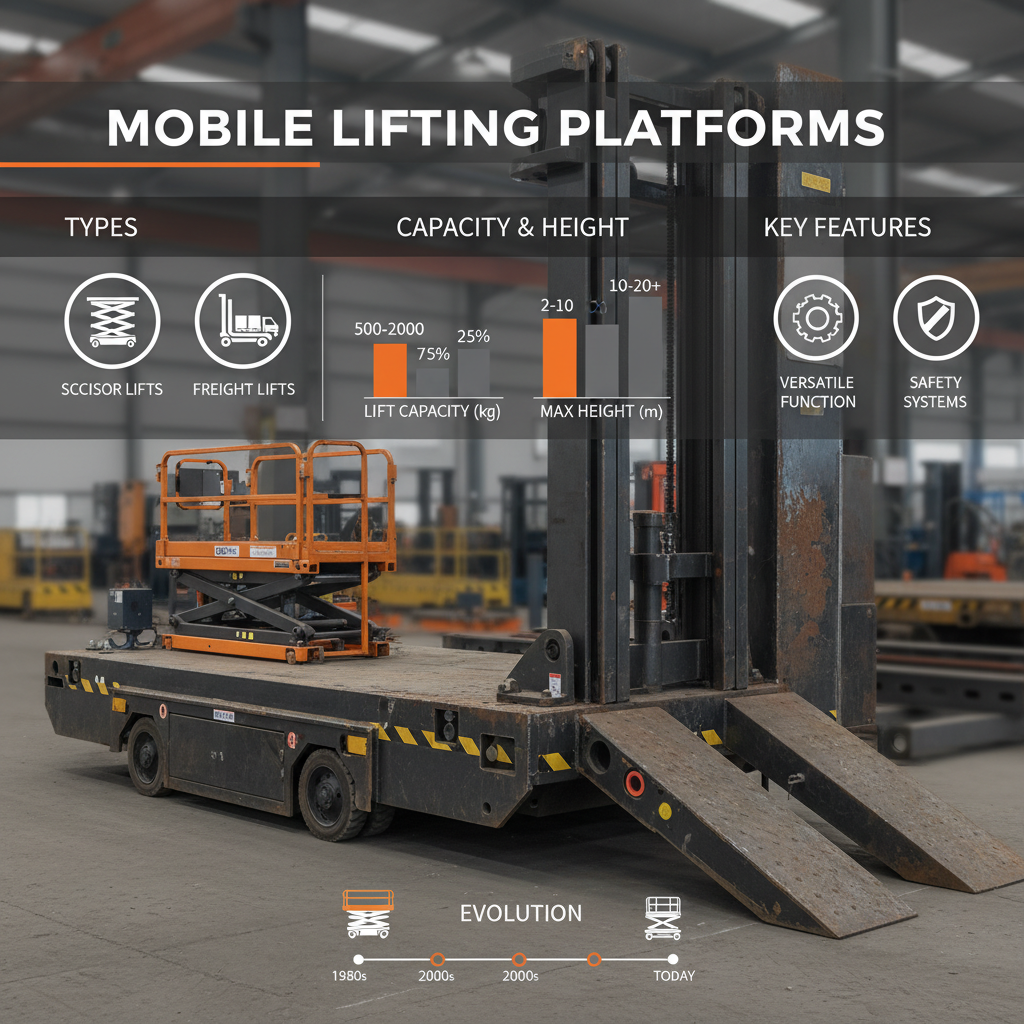
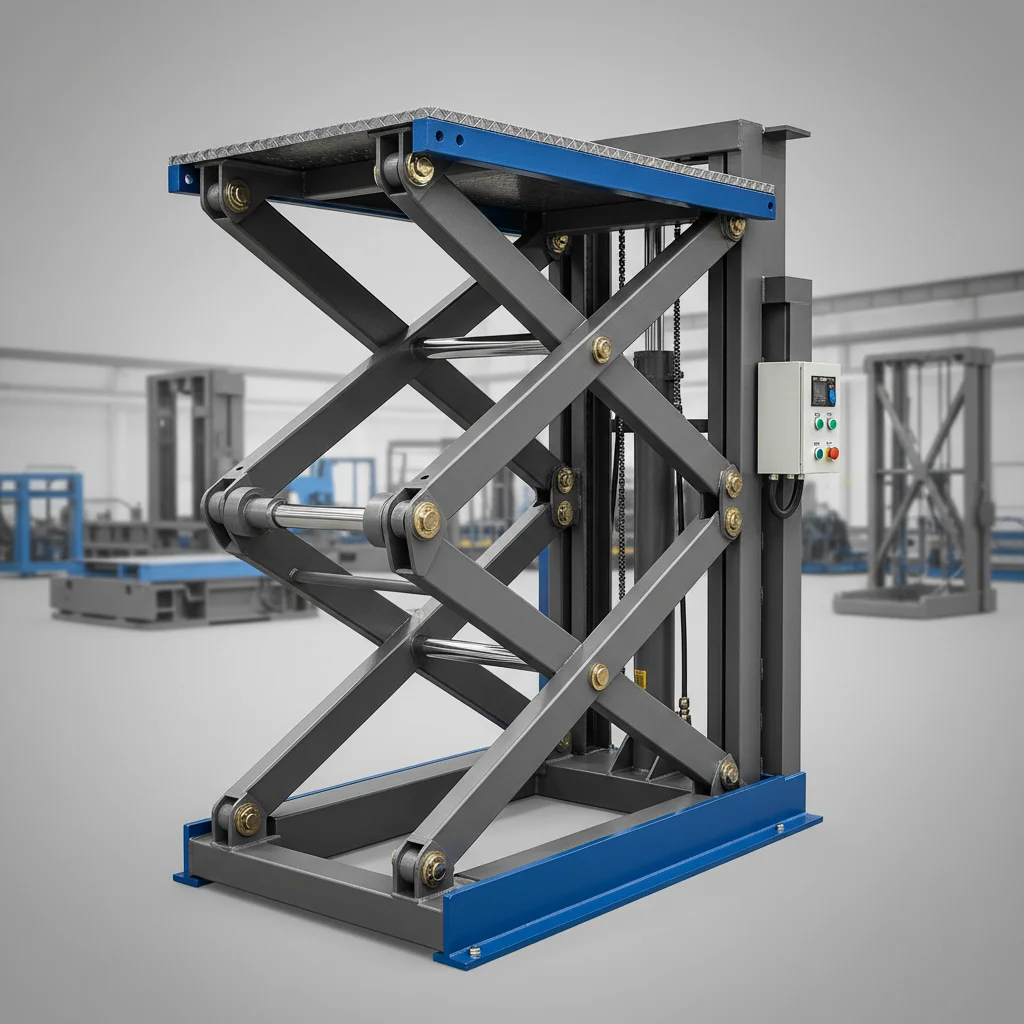
The modern industrial landscape demands unprecedented flexibility and efficiency in material handling, leading to the rise of the mobile lifting platform as a cornerstone of warehouse optimization. By merging the stability of a stationary lift with the mobility of a wheeled chassis, these systems eliminate the bottlenecks associated with fixed infrastructure, allowing operators to move heavy loads precisely where they are needed most.
Across global supply chains, the integration of a high-quality mobile lifting platform has proven essential for reducing manual labor risks and accelerating throughput. Whether in a tight automotive assembly line or a sprawling logistics hub, the ability to adjust height and position on the fly ensures that ergonomic standards are met while maintaining a high pace of production.
Understanding the technical nuances and application strategies of the mobile lifting platform allows businesses to scale their operations without the prohibitive costs of permanent facility redesigns. This guide explores how these versatile tools are redefining the standards of continuous handling equipment and driving operational excellence in the manufacturing sector.
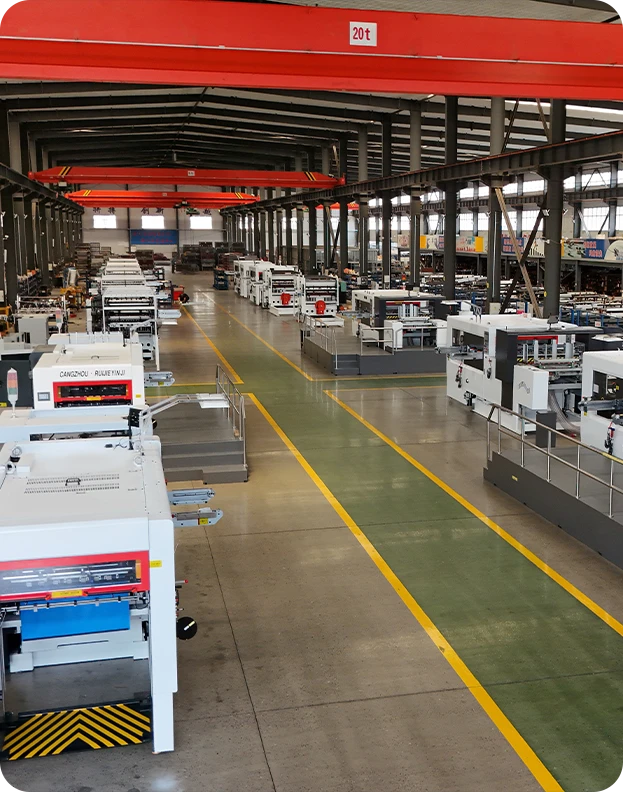
Global Relevance of Mobile Lifting Platforms
In the era of "Industry 4.0," the global demand for agile material handling is soaring. According to international logistics standards and ISO guidelines for workplace safety, the implementation of a mobile lifting platform significantly reduces the incidence of musculoskeletal disorders among workers. As global trade volumes increase, the pressure on warehouses to optimize vertical space while maintaining rapid floor movement has made these platforms indispensable.
The challenge lies in the "last mile" of internal transport—moving a heavy pallet from a delivery truck to a specific assembly station without relying on a massive, fixed conveyor system. This is where the mobile lifting platform steps in, providing a scalable solution that adapts to fluctuating order volumes and changing facility layouts without requiring costly construction.
Defining the Modern Mobile Lifting Platform
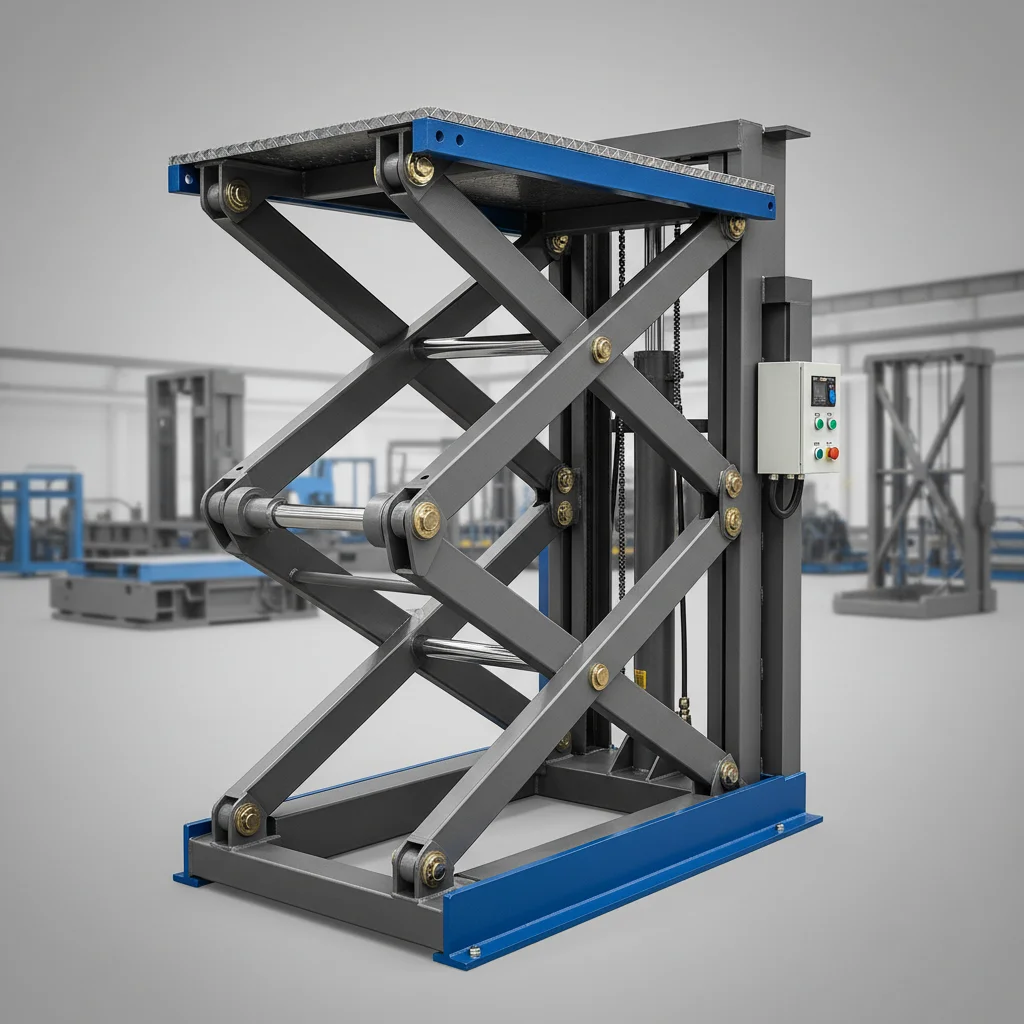
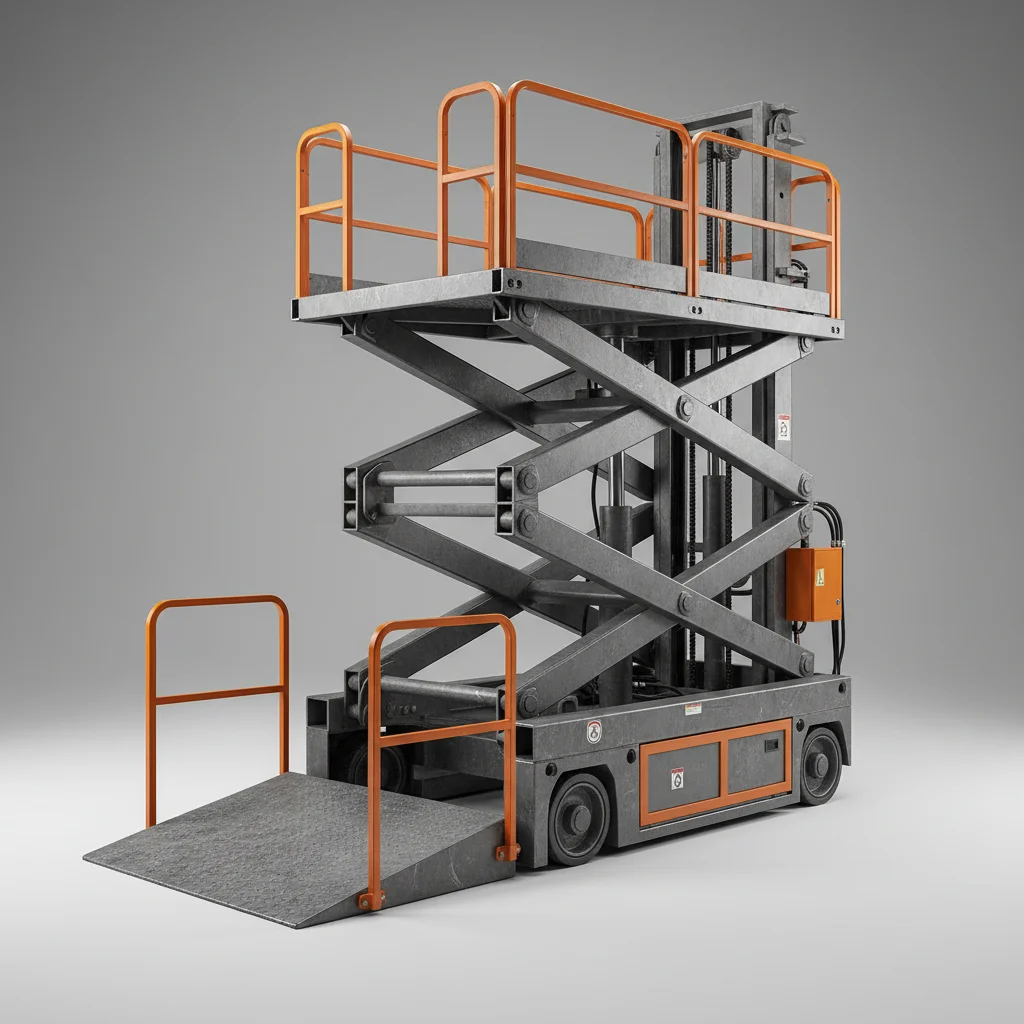
A mobile lifting platform is essentially a heavy-duty hydraulic or mechanical lifting device mounted on a mobile chassis, typically equipped with high-capacity casters and locking mechanisms. Unlike a standard scissor lift table that remains in one spot, this equipment is designed to be repositioned frequently, allowing it to serve as a bridge between different heights, such as from a floor level to a loading dock or a conveyor belt.
In the context of modern manufacturing, these platforms are more than just "jacks"; they are integrated ergonomic tools. They allow for the precise vertical alignment of loads, ensuring that the transition of materials is seamless. This connectivity is vital for industries utilizing Just-In-Time (JIT) manufacturing, where any delay in material movement can halt an entire production line.
From a humanitarian and accessibility perspective, the principles of the mobile lifting platform are also applied in creating temporary access solutions in disaster zones or remote industrial sites. Their ability to be deployed quickly without permanent foundations makes them a primary choice for rapid-response infrastructure.
Core Components for Peak Performance
The durability of a mobile lifting platform begins with its structural steel frame. High-grade reinforced steel ensures that the platform can handle maximum rated capacities without deflection, which is critical for maintaining stability during high-altitude lifts.
At the heart of the system is the hydraulic actuator. Whether using a manual foot pump or an electric-hydraulic motor, the precision of the valve system determines the smoothness of the ascent and descent. A high-quality mobile lifting platform utilizes leak-proof seals and precision-bore cylinders to prevent "drifting" when holding heavy loads.
Mobility and safety are managed through the caster and braking system. Heavy-duty polyurethane wheels provide the necessary glide across warehouse floors, while industrial-grade locking brakes ensure the mobile lifting platform remains rock-solid once positioned, preventing any accidental shifts during loading.
Efficiency and ROI Metrics
When evaluating the ROI of a mobile lifting platform, companies typically look at the reduction in "man-hours per move" and the decrease in workplace injury claims. By automating the lift and allowing for easy relocation, the time spent repositioning loads is cut by nearly 40% compared to traditional manual pallet jacks and fixed lifts.
Moreover, the versatility of these platforms means one unit can often replace several specialized tools, such as fixed dock levelers or stationary lift tables, effectively lowering the total capital expenditure for the facility.
Performance Comparison of Mobile Lifting Platform Variants
Global Industrial Use Cases
In the automotive sector, the mobile lifting platform is frequently used to deliver heavy engine components to technicians at an ergonomically optimized height, reducing fatigue and increasing assembly precision. Similarly, in the aerospace industry, these platforms allow for the movement of large fuselage parts across the hangar floor to specific maintenance stations.
Beyond heavy industry, the retail and logistics sectors in Europe and North America use these systems to bridge the gap between delivery trucks and warehouse floors where fixed dock levelers are unavailable. This "pop-up" infrastructure allows companies to rent temporary warehouse space and start operations immediately without waiting for permanent installations.
Long-Term Value and Safety Advantages
The primary long-term value of investing in a premium mobile lifting platform is the drastic reduction in operational risk. By eliminating the need for employees to lift heavy loads manually or use unstable improvised ramps, companies create a culture of safety that is rewarded by lower insurance premiums and higher employee retention rates.
From a logical perspective, the reliability of high-end hydraulic systems ensures that the platform doesn't become a liability. Regular maintenance of a mobile lifting platform is minimal compared to complex conveyor systems, making it a sustainable choice for businesses looking for a low-maintenance, high-impact tool.
Ultimately, the emotional value lies in the dignity of the worker. Providing tools that do the "heavy lifting" shows a commitment to the workforce, transforming a grueling physical task into a streamlined, professional process.
Future Innovations in Lifting Technology
The next generation of the mobile lifting platform is moving toward full electrification and autonomy. We are seeing the emergence of AGV-integrated (Automated Guided Vehicle) lifting platforms that can navigate a warehouse independently, pick up a load, lift it to the required height, and deliver it to a station without any human intervention.
Sustainability is also driving a shift in materials. The use of lightweight, high-strength alloys is reducing the overall weight of the platforms, which in turn reduces the energy required for movement and lifting. Furthermore, the integration of IoT sensors allows for "predictive maintenance," where the platform can alert operators when a hydraulic seal is nearing the end of its life.
As green energy policies tighten globally, we expect a surge in lithium-battery powered platforms that offer faster charging cycles and longer lifespans, completely removing the reliance on noisy, polluting internal combustion engines in indoor environments.
Comparative Analysis of Mobile Lifting Platform Technology Evolution
| Technology Era | Power Source | Control Precision | Safety Level |
|---|
| Traditional Manual | Foot Pump / Mechanical | Low (Step-based) | Basic Mechanical Locks |
| Early Electric | Lead-Acid Battery | Medium (Button Control) | Emergency Stop Buttons |
| Modern Hydraulic | High-Efficiency Electric | High (Variable Speed) | Overload Protection |
| Smart Integrated | Lithium-Ion / Hybrid | Very High (Digital) | Sensor-Based Auto-Stop |
| Autonomous (AGV) | Smart Battery Mesh | Absolute (Software) | 360° LiDAR Safety |
| Eco-Future | Hydrogen / Solar Hybrid | Predictive AI | Fully Redundant Systems |
FAQS
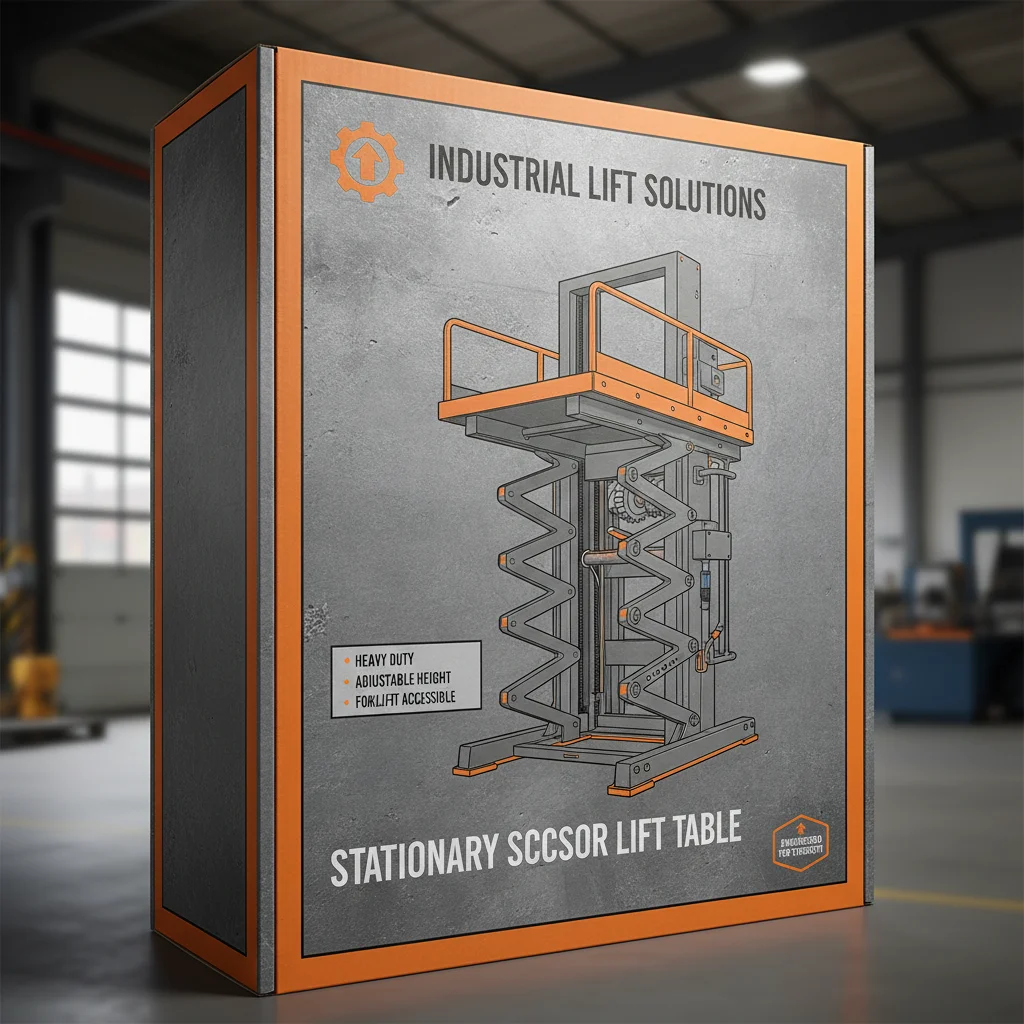
The primary difference is flexibility. While a stationary lift table is bolted to the floor and serves one specific point in a production line, a mobile lifting platform is mounted on heavy-duty casters. This allows it to be moved across the warehouse to various workstations, making it ideal for facilities with diverse tasks or changing layouts.
You should calculate the maximum weight of your heaviest load plus the weight of the pallet or container. It is always recommended to choose a platform with a capacity 20% higher than your maximum load to ensure stability and longevity of the hydraulic system, preventing premature wear on the seals.
Generally, yes. Electric platforms remove the physical strain of pumping, which reduces operator fatigue—a leading cause of workplace accidents. Furthermore, electric models often come with integrated safety features like automatic leveling and electronic overload protection that manual systems lack.
While designed for flat industrial floors, many high-end models feature larger, puncture-proof wheels and adjustable stabilizing legs. However, for safety, you must always ensure the braking system is fully engaged and the load is centered before initiating a lift on any surface that isn't perfectly level.
Key maintenance includes checking hydraulic fluid levels monthly, lubricating the scissor joints or sliding tracks, and inspecting the caster wheels for debris. Ensuring the seals are leak-free and the brakes are responsive is critical for passing safety audits and ensuring operator protection.
Yes, most professional manufacturers offer custom platform dimensions, specialized tabletop materials (like stainless steel for food grade), and custom lift heights to align perfectly with your specific conveyor or dock heights, maximizing the efficiency of your material flow.
Conclusion
The integration of a mobile lifting platform into a manufacturing or logistics environment is more than just a hardware upgrade; it is a strategic move toward operational agility. By combining structural durability, hydraulic precision, and effortless mobility, these platforms solve the critical challenge of vertical material transition while upholding the highest standards of workplace safety and ergonomic health.
Looking forward, as automation and green energy continue to reshape the industry, the mobile lifting platform will evolve from a simple tool into an intelligent, autonomous partner in the supply chain. For businesses aiming to scale efficiently, investing in high-quality, adaptable lifting solutions today is the key to remaining competitive in a fast-paced global market. Visit our website for more professional solutions: www.lifthpro.com