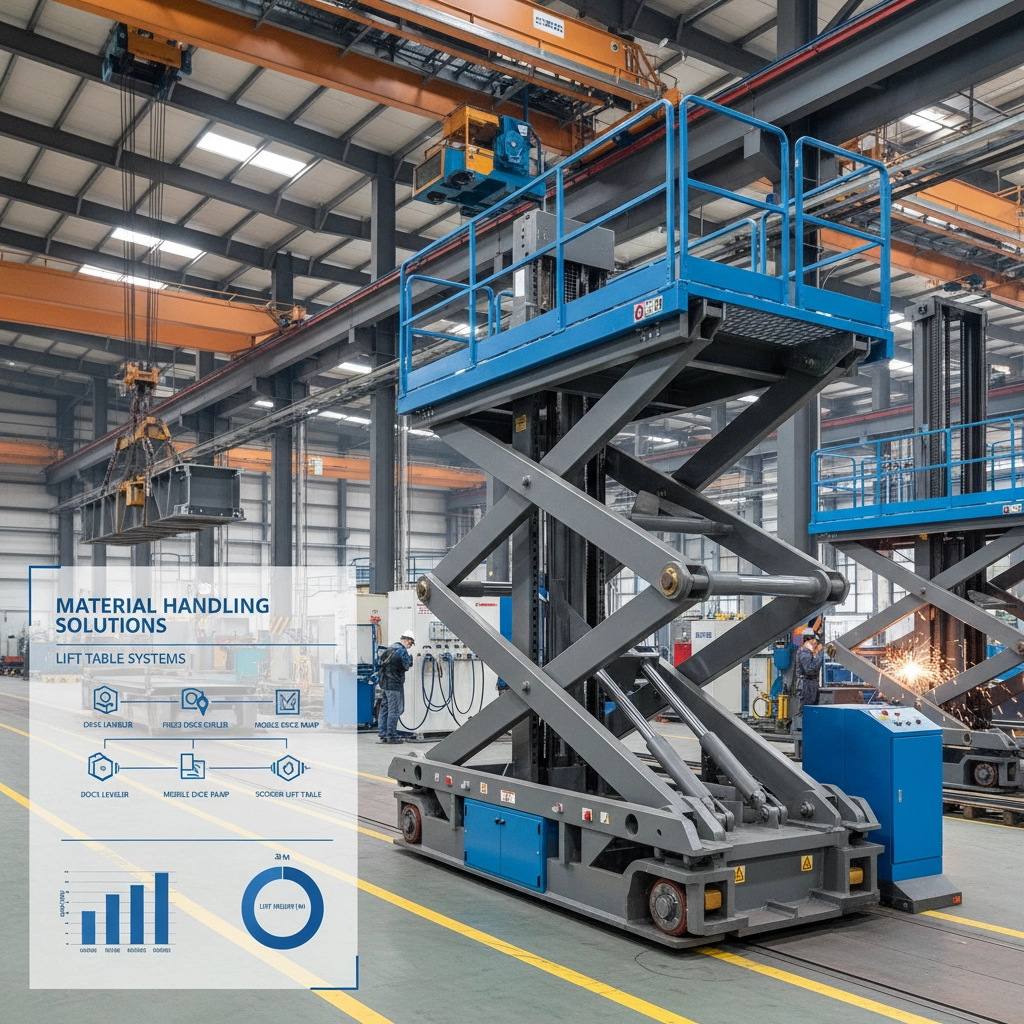
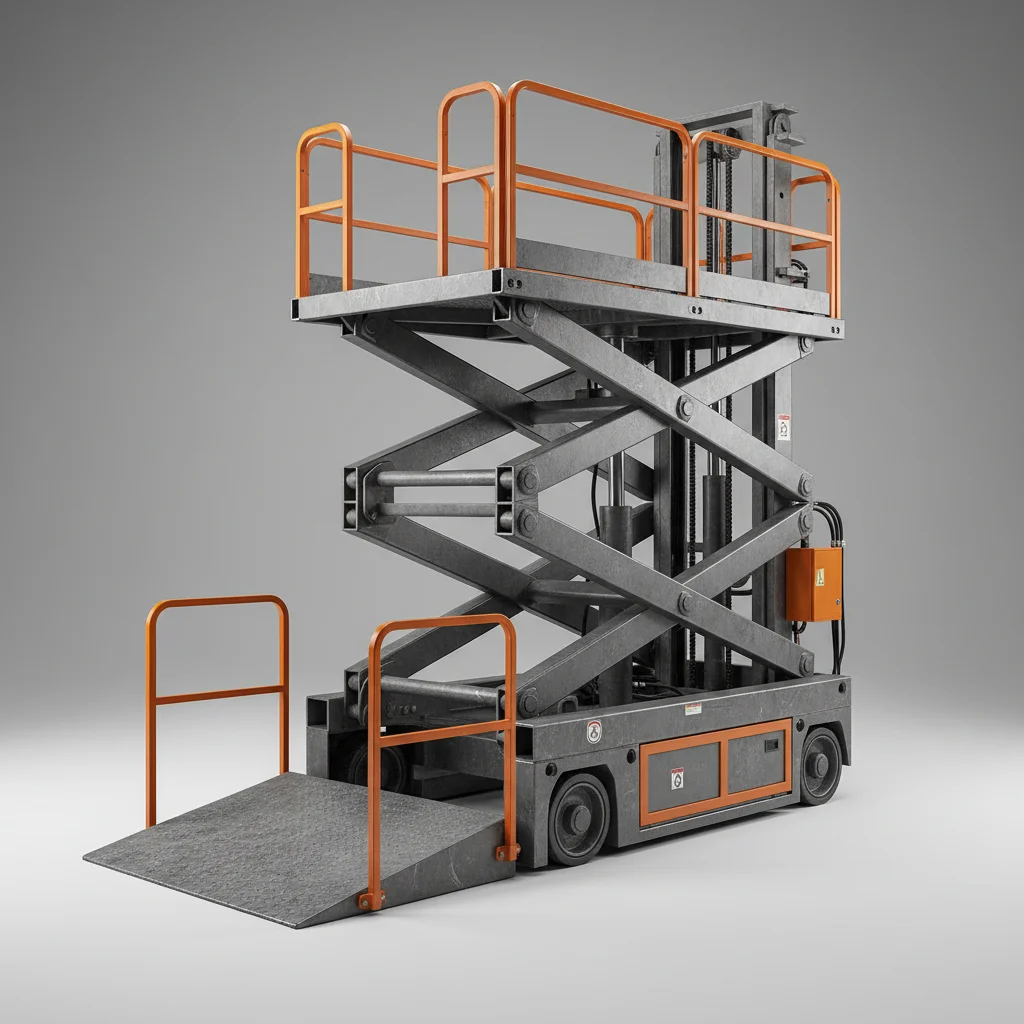
In the fast-paced world of modern logistics and industrial manufacturing, the efficiency of vertical and horizontal movement can determine the success of an entire supply chain. A high-quality cargo lifting device serves as the backbone of warehouse operations, bridging the gap between storage and transport while minimizing physical strain on workers.
Globally, the demand for advanced material handling solutions has surged as e-commerce and just-in-time manufacturing necessitate faster turnaround times. Understanding the nuances of various lifting mechanisms—from hydraulic systems to mechanical lifts—allows businesses to optimize their floor space and enhance throughput.
By integrating a robust cargo lifting device into their operational workflow, companies can significantly reduce the risk of workplace injuries and product damage. This guide explores the technical specifications, global applications, and future trends that define the current landscape of industrial lifting technology.
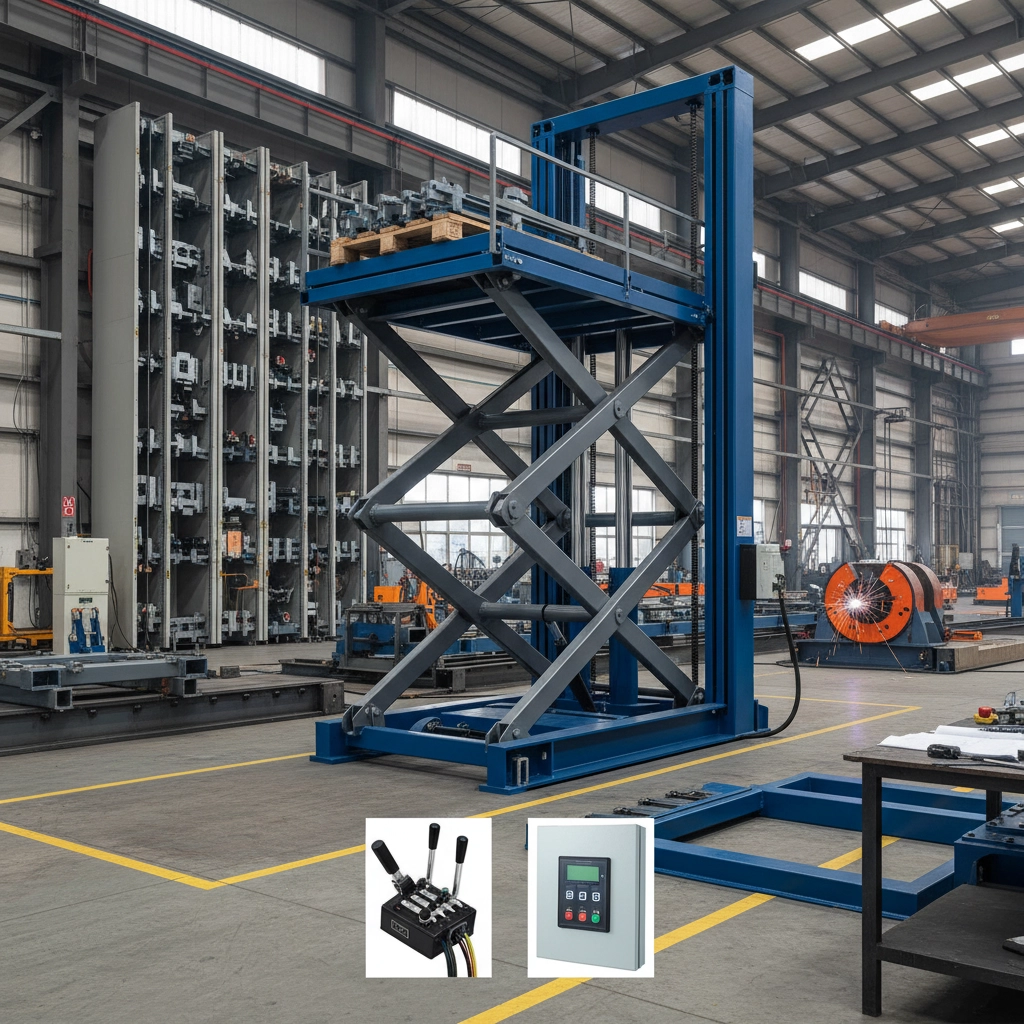
Global Industry Context of Cargo Lifting Devices
The global logistics sector has witnessed an unprecedented expansion, with the World Bank highlighting the critical role of infrastructure in trade facilitation. Within this framework, the cargo lifting device has evolved from a simple mechanical tool into a sophisticated system of hydraulic and electronic components. As warehouses grow vertically to maximize urban land use, the reliance on these devices to move heavy tonnage safely has become a non-negotiable requirement for ISO-certified facilities.
However, many enterprises still struggle with "bottlenecking" at loading docks and internal transfer points. The challenge lies in balancing load capacity with operational speed; an inefficient lifting system can lead to costly delays and increased labor fatigue. By implementing standardized, high-performance lifting equipment, industries can mitigate these risks and align their operations with global lean manufacturing standards.
Defining the Modern Cargo Lifting Device
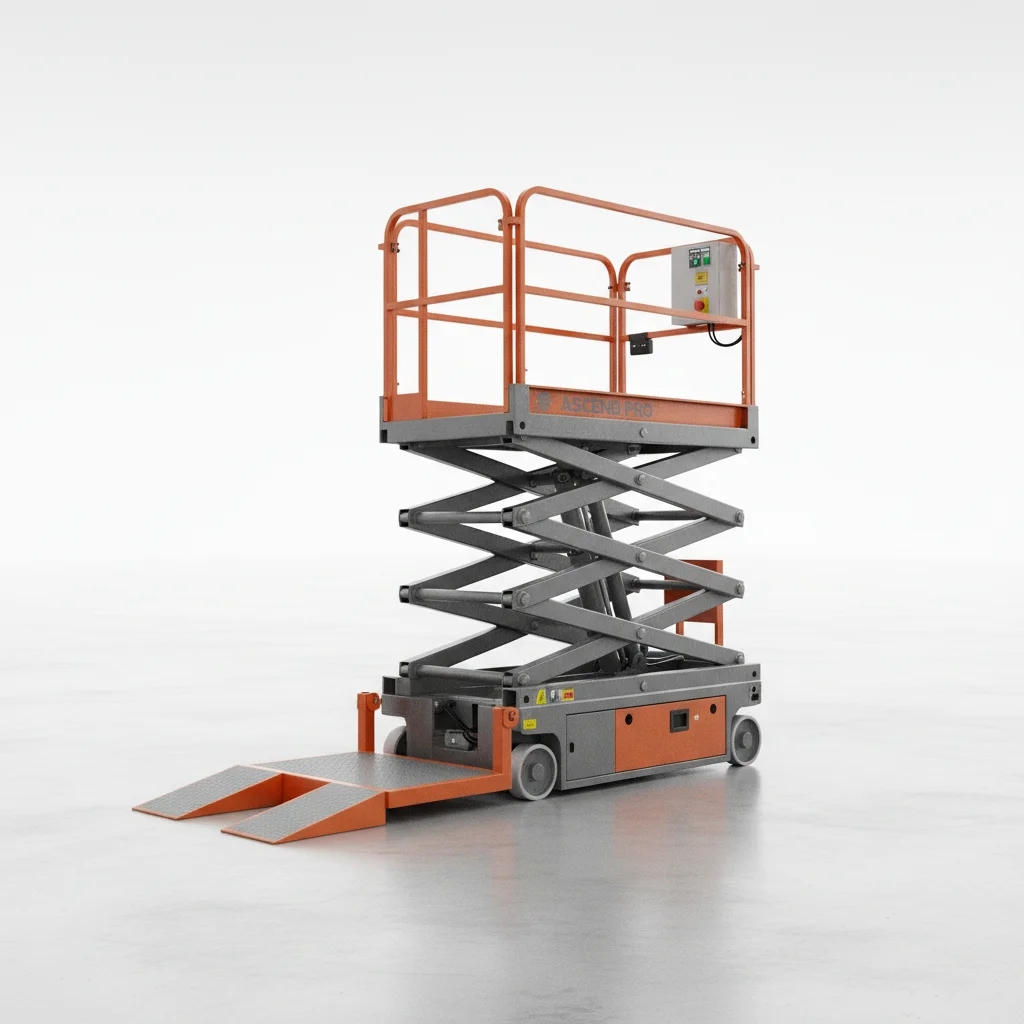
At its core, a cargo lifting device is any mechanical apparatus designed to raise, lower, and position heavy goods with precision and safety. While the term encompasses a wide range of machinery—from simple scissor lifts to complex automated storage and retrieval systems (AS/RS)—the primary objective remains the same: the controlled movement of mass against gravity.
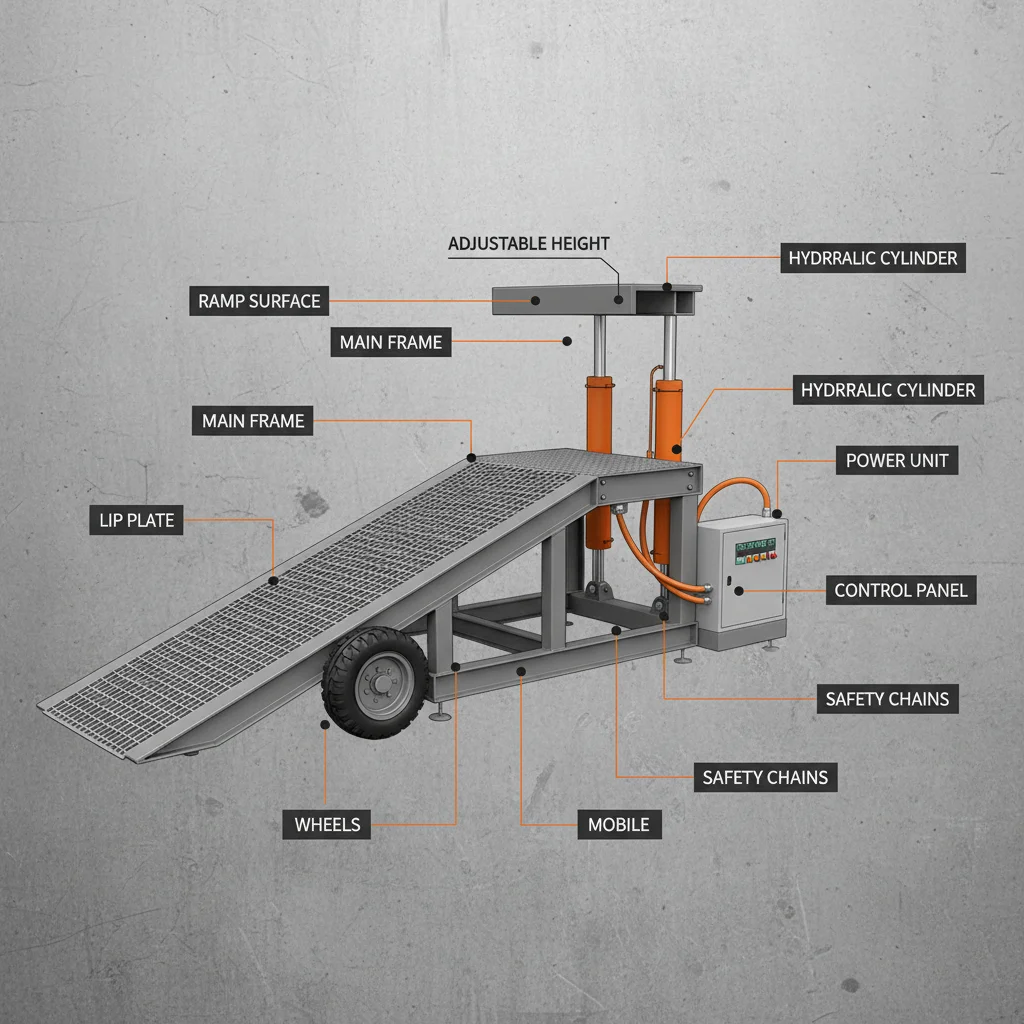
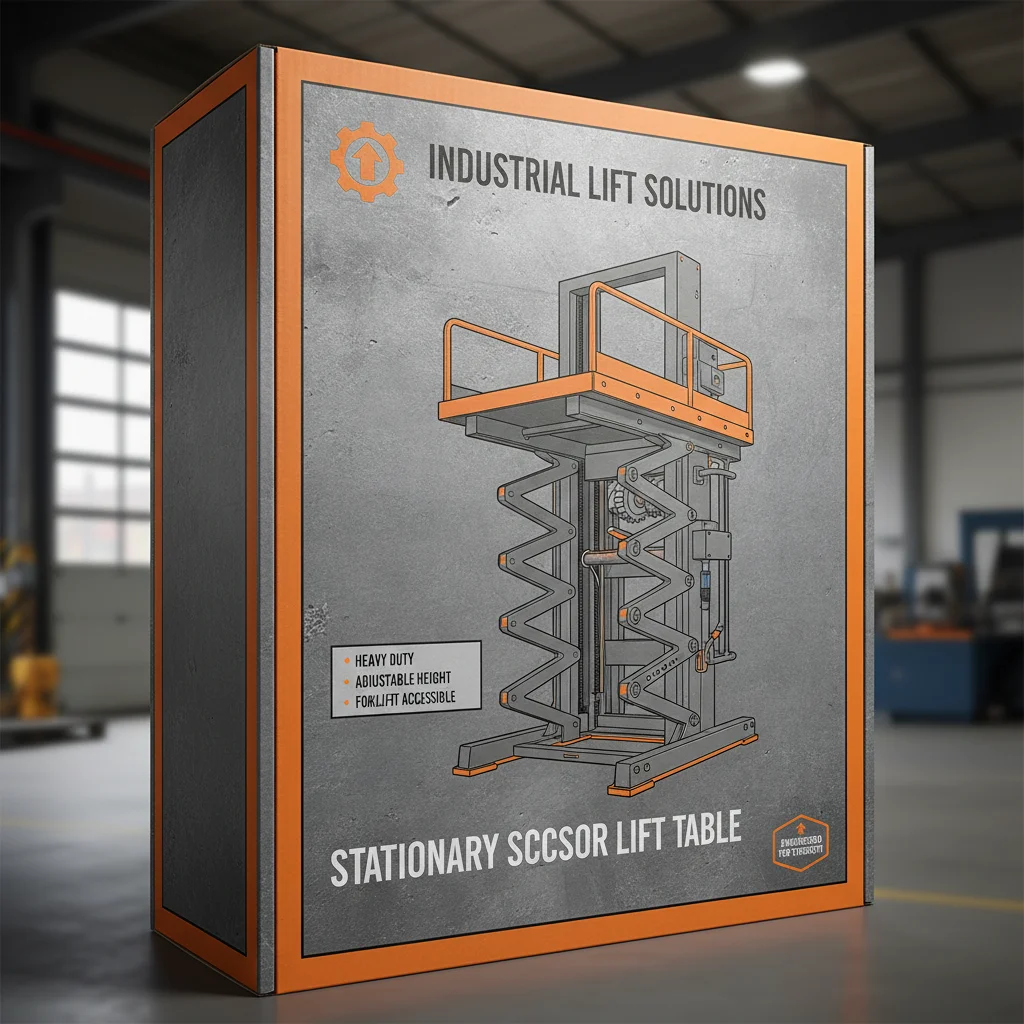
In the context of modern industry, these devices are no longer just "tools" but integrated components of a facility's ergonomics. Whether it is a Dock Leveler facilitating the transition between a truck and a warehouse or a Hydraulic Lift Table optimizing an assembly line, these devices ensure that the "human element" is protected from the physical toll of heavy lifting.
Beyond commercial profit, these technologies play a vital role in humanitarian efforts. In disaster-prone areas or remote industrial zones, portable and rugged cargo lifting devices are essential for unloading emergency supplies and construction materials where permanent infrastructure is absent, proving their versatility across diverse environments.
Core Components and Engineering Factors
When evaluating a cargo lifting device, durability is the foremost engineering consideration. The use of high-tensile steel and reinforced welding ensures that the structure can withstand repetitive stress cycles without fatigue, which is critical for high-frequency industrial environments.
Scalability and adaptability are equally important. A versatile cargo lifting device should be capable of handling varying load weights—from lightweight parcels to multi-ton machinery—while maintaining stability and precision. This often involves adjustable platforms and modular hydraulic configurations that can be tailored to specific facility layouts.
Finally, cost efficiency is measured not just by the initial purchase price, but by the Total Cost of Ownership (TCO). This includes energy consumption, the availability of spare parts, and the ease of maintenance. A well-engineered device minimizes downtime through intuitive design and robust safety valves, ensuring a higher return on investment over its lifecycle.
Performance Metrics of Lifting Technologies
Comparing different lifting mechanisms requires a data-driven approach. Factors such as lift speed, maximum load capacity, and energy efficiency vary significantly between hydraulic, pneumatic, and electric systems. For instance, hydraulic systems offer unmatched power for heavy-duty cargo, while electric lifts provide the precision required for delicate electronic components.
To better understand these trade-offs, we analyze the performance ratings of common lifting methods used in today's warehouses. This allows facility managers to choose a device that aligns with their specific throughput requirements and safety protocols.
Cargo Lifting Device Efficiency Comparison
Real-World Global Applications
In the bustling ports of Southeast Asia and the massive distribution centers of North America, the cargo lifting device is indispensable. For example, in the automotive industry, heavy-duty scissor lifts are used to move chassis between assembly stages, ensuring that workers can access all parts of the vehicle without bending or stretching, thus improving ergonomic safety.
Beyond the factory floor, these devices are critical in the food and beverage sector, where stainless steel lift tables are used to move perishable goods in cold-storage environments. In these settings, the equipment must not only lift heavy loads but also resist corrosion and maintain hygienic standards, demonstrating the specialized nature of modern material handling.
Long-Term Value and Operational Advantages
Investing in a high-grade cargo lifting device yields tangible financial benefits. By reducing the reliance on manual labor for heavy lifting, companies see a marked decrease in workplace accidents and associated insurance claims. Furthermore, the increase in loading speed directly correlates to higher shipment volumes, allowing businesses to scale their operations without proportionally increasing their headcount.
From a psychological perspective, providing employees with reliable, easy-to-use equipment fosters a culture of safety and dignity. When workers are not exhausted by repetitive physical strain, their focus and productivity increase, leading to fewer errors in order fulfillment and a more positive workplace atmosphere.
Sustainability is another key driver of long-term value. Modern lifting devices are designed with energy-efficient motors and recyclable materials. By optimizing the path of movement within a warehouse, these devices reduce the energy footprint of the facility, aligning corporate goals with global environmental standards.
Future Trends in Lifting Innovation
The future of the cargo lifting device is inextricably linked to the digital transformation of industry. We are seeing a shift toward "Smart Lifting," where IoT sensors are embedded into hydraulic systems to monitor wear and tear in real-time. This allows for predictive maintenance, where a device signals for a service check before a failure occurs, eliminating unplanned downtime.
Automation is also redefining the landscape. The integration of AI-driven robotics with lift tables means that goods can be moved and positioned with millimeter precision without any human intervention. This synergy between mechanical lifting and digital intelligence is creating "lights-out" warehouses that operate with maximum efficiency 24/7.
Additionally, the move toward green energy is prompting the development of battery-powered, carbon-neutral lifting systems. By replacing traditional fossil-fuel-powered hydraulics with high-efficiency electric actuators, the industry is reducing its reliance on oils and lubricants that can leak and contaminate the environment.
Technical Analysis of Cargo Lifting Device Innovations
| Technology Tier |
Primary Power Source |
Innovation Feature |
Efficiency Gain |
| Standard Hydraulic |
Electric Pump |
Reinforced Steel Frame |
Baseline |
| Smart Lift System |
Hybrid Electric |
IoT Predictive Sensors |
+25% Uptime |
| Automated Scissor |
Lithium-Ion Battery |
AI Height Adjustment |
+40% Speed |
| Eco-Lift Series |
Solar-Electric |
Biodegradable Fluid |
-30% Carbon |
| Heavy Duty Ramp |
High-Pressure Hydro |
Automatic Leveling |
+50% Capacity |
| Precision Table |
Servo-Electric |
Micron-level Control |
+99% Accuracy |
FAQS
Hydraulic devices use pressurized fluid to generate immense force, making them ideal for extremely heavy loads like machinery or bulk containers. Electric devices use motors and lead screws or chains, offering smoother movement, higher precision, and generally lower maintenance, which is better suited for lighter cargo and repetitive assembly line tasks.
You should calculate the maximum possible load (including pallets and packaging) and add a safety margin of at least 20%. It is crucial to check the "Safe Working Load" (SWL) rating of the device. Overloading not only damages the equipment but poses a severe safety risk to operators. Consult with an engineer to assess the dynamic loads if the cargo is moved frequently.
Neither is inherently "safer"; they serve different purposes. Fixed dock levelers are integrated into the building and are highly efficient for high-volume hubs. Mobile dock ramps offer flexibility, allowing you to create a loading dock where none exists. Safety depends on the quality of the locking mechanisms and the training of the operator using the specific device.
For industrial-grade equipment, a comprehensive inspection every 3 to 6 months is recommended. Key checks include hydraulic fluid levels, seal integrity, chain tension, and electrical wiring. Daily pre-shift checks for leaks or unusual noises can prevent catastrophic failures and extend the lifespan of the machinery significantly.
Yes. For chemical plants or food processing, devices can be manufactured using 304 or 316 stainless steel to prevent corrosion. For explosive environments (ATEX zones), electric components can be spark-proofed and sealed to prevent ignition, ensuring the device meets strict industrial safety regulations.
For businesses with high volume and labor shortages, the answer is usually yes. While the initial investment is higher, the reduction in labor costs, elimination of human error, and increase in 24/7 operational capacity typically result in a return on investment (ROI) within 18 to 36 months.
Conclusion
In summary, the strategic implementation of a cargo lifting device is a critical factor in enhancing industrial productivity, ensuring worker safety, and reducing operational overhead. From the raw power of hydraulic lift tables to the precision of automated systems, the right choice of equipment allows a business to move more cargo in less time with fewer risks.
As we move toward a future defined by Industry 4.0, the integration of IoT and green energy into lifting technology will further separate market leaders from their competitors. We encourage facility managers to audit their current material handling workflows and invest in scalable, sustainable lifting solutions to future-proof their operations. Visit our website for more professional solutions: www.lifthpro.com