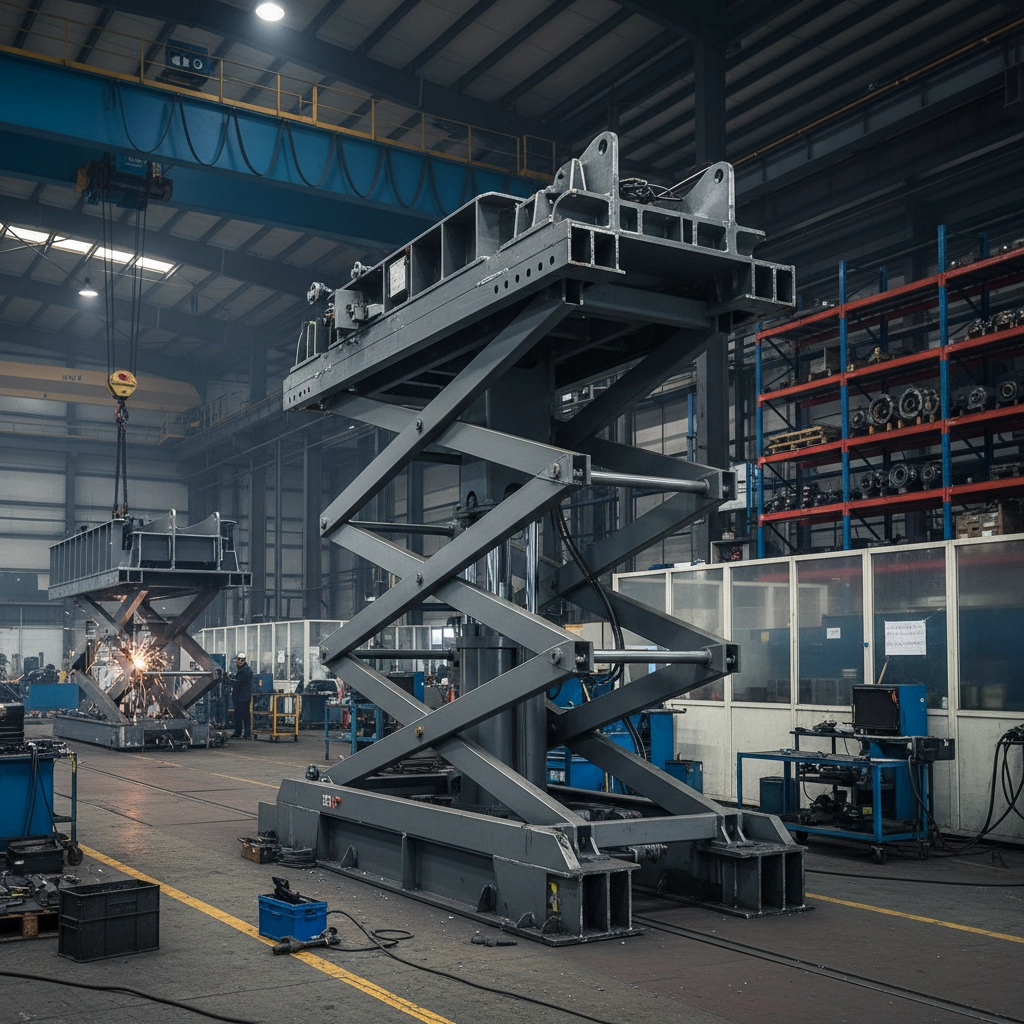
Choosing the Right Equipment Manufacturing Factory for Your Business
In the competitive landscape of industrial growth, partnering with a professional Equipment Manufacturing Factory is the cornerstone of operational efficiency. Whether you are scaling your production line or seeking specialized machinery, the quality of your equipment directly impacts your bottom line, safety standards, and long-term scalability. A top-tier manufacturer does more than just assemble parts; they provide engineered solutions that optimize workflow and reduce downtime. In this guide, we will explore the critical factors to consider when selecting a manufacturing partner to ensure your business receives durable, high-performance machinery tailored to its specific needs.

The Role of an Equipment Manufacturing Factory in Modern Industry
A modern Equipment Manufacturing Factory serves as the engine of industrial innovation. By leveraging advanced CNC machining, robotic welding, and precision engineering, these factories transform raw materials into sophisticated tools that power global trade. The integration of Industry 4.0—which includes the Internet of Things (IoT) and AI-driven diagnostics—allows manufacturers to create "smart" equipment that can predict its own maintenance needs. This shift from reactive to proactive maintenance significantly reduces overhead costs for the end-user and ensures a seamless production cycle.
Industry Insight: Companies that partner with factories utilizing automated precision tools report an average increase of 25% in equipment lifespan compared to those using traditional manual fabrication methods.
Core Capabilities of a High-End Equipment Manufacturing Factory
When evaluating an Equipment Manufacturing Factory, it is essential to look beyond the catalog. The true value lies in their technical capabilities and quality control protocols. A professional factory should offer a comprehensive suite of services, from initial CAD design and prototyping to final assembly and stress testing. Material selection is another critical factor; using aerospace-grade alloys or high-tensile steel ensures that the equipment can withstand rigorous industrial environments without premature wear and tear.
Essential Factory Capabilities:
• Precision CNC Milling and Turning
• Custom Engineering and Prototyping
• ISO-Certified Quality Management Systems
• Rigorous Load-Bearing and Stress Testing
Comparing Custom vs. Standardized Equipment Manufacturing
One of the biggest dilemmas for businesses is choosing between off-the-shelf machinery and custom-built solutions from an Equipment Manufacturing Factory. While standardized equipment offers quicker delivery and lower initial costs, custom machinery is designed to fit the exact dimensions and workflow of your facility. This often leads to higher efficiency and a better return on investment (ROI) over time, as the equipment is optimized for your specific production volume and product requirements.
Quality Assurance in the Equipment Manufacturing Factory Process
Quality assurance is what separates a mediocre shop from a world-class Equipment Manufacturing Factory. Rigorous testing ensures that every unit leaving the floor meets international safety and performance standards. This includes Non-Destructive Testing (NDT), such as ultrasonic or X-ray inspections, to detect internal flaws in welds or castings. Furthermore, a commitment to continuous improvement—often through Six Sigma or Lean Manufacturing—minimizes waste and maximizes the reliability of the final product delivered to the client.

Technical Specifications for Industrial Grade Equipment
Understanding the technical specifications is crucial for any procurement manager. A reliable Equipment Manufacturing Factory will provide transparent data sheets that detail load capacities, power consumption, and tolerance levels. This transparency allows engineers to integrate the new machinery into existing systems without compatibility issues. Below is a typical specifications table for high-performance industrial lifting and manufacturing equipment.
Sustainability and Green Manufacturing Trends
The future of the Equipment Manufacturing Factory is green. As global regulations on carbon emissions tighten, leading factories are adopting sustainable practices. This includes using recycled metals, implementing energy-efficient production lines, and designing equipment that consumes less power during operation. By choosing a manufacturer that prioritizes sustainability, your business not only reduces its environmental footprint but also avoids potential regulatory fines and appeals to eco-conscious stakeholders.
Conclusion: Scaling Your Business with the Right Factory
Selecting a partner Equipment Manufacturing Factory is a strategic decision that defines your operational capacity for years to come. From technical expertise and quality control to custom engineering and sustainable practices, the right manufacturer acts as a catalyst for your growth. By prioritizing precision, durability, and transparency, you ensure that your investments translate into long-term efficiency and a competitive edge in the global market. Invest in quality, and your equipment will power your success.
Frequently Asked Questions (FAQs)
How do I verify the quality of an Equipment Manufacturing Factory?
Verifying a factory involves a multi-step process. First, request their quality certifications, such as ISO 9001, which indicates a standardized management system. Second, ask for case studies or references from previous clients in your specific industry. Third, if possible, conduct a site audit or request a virtual tour to see their machinery, workforce, and quality control stations in action. A transparent factory will be happy to demonstrate their testing procedures and material sourcing logs to prove their commitment to excellence.
What is the average lead time for custom equipment manufacturing?
Lead times vary significantly based on the complexity of the project. Generally, a custom project is divided into three phases: Design & Engineering (2-4 weeks), Fabrication & Assembly (4-12 weeks), and Testing & Shipping (1-2 weeks). Total lead times typically range from 2 to 4 months. To expedite this process, providing a detailed technical specification document (RFQ) at the start can reduce design revisions and accelerate the production timeline. Always discuss a detailed milestone schedule with your manufacturer.
Do manufacturing factories provide after-sales support and maintenance?
Reputable factories provide comprehensive after-sales packages. This usually includes a warranty period covering manufacturing defects, installation guidance, and operator training. Many also offer Service Level Agreements (SLAs) that provide scheduled preventative maintenance and priority access to spare parts. Ensuring your Equipment Manufacturing Factory has a robust support system is vital for minimizing unplanned downtime and extending the machinery's operational life.
How does automation impact the cost of equipment manufacturing?
While the initial investment in automation technology (like robotic arms and AI software) is high for the factory, it ultimately reduces the per-unit cost for the customer. Automation increases precision, reduces human error, and speeds up the fabrication process. This means the factory can produce higher-quality parts faster and with less waste. Consequently, customers receive more consistent products with tighter tolerances, which reduces the cost of maintenance and replacement parts over the equipment's lifecycle.