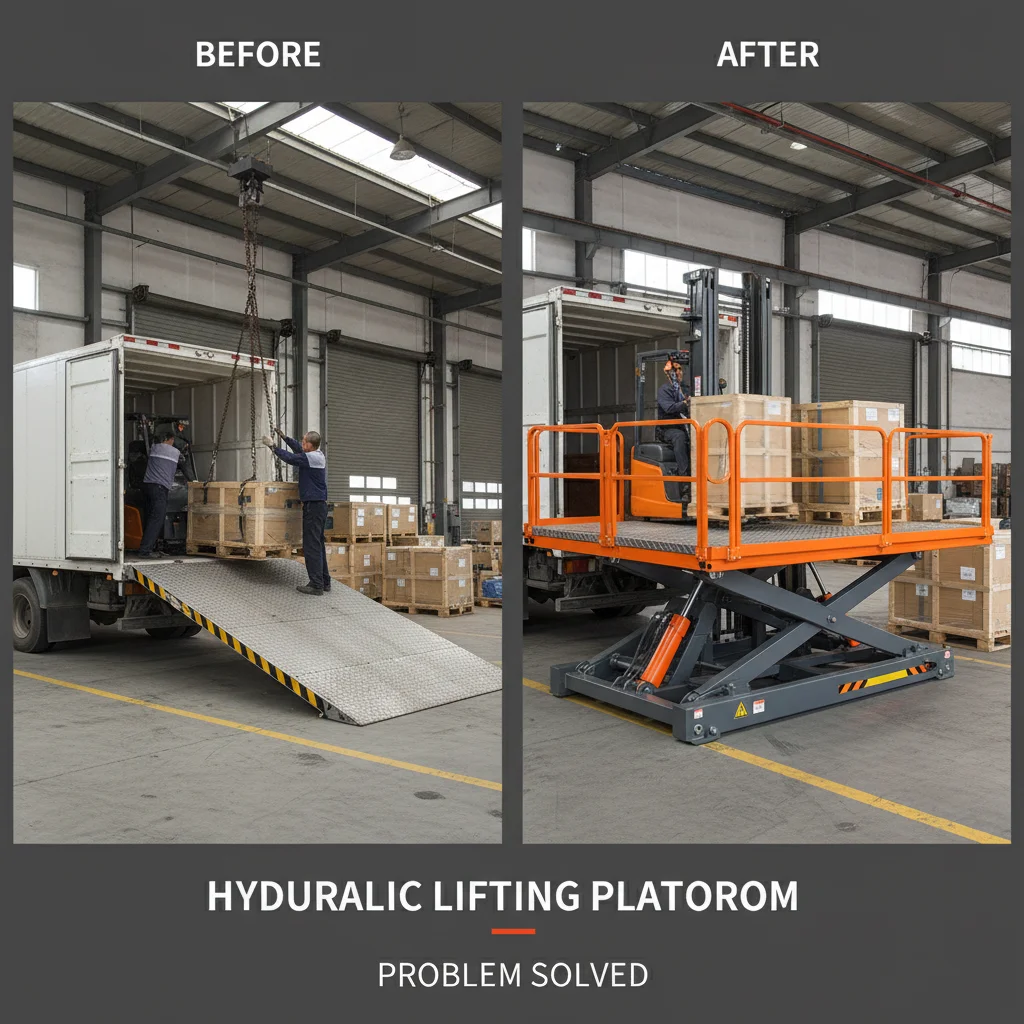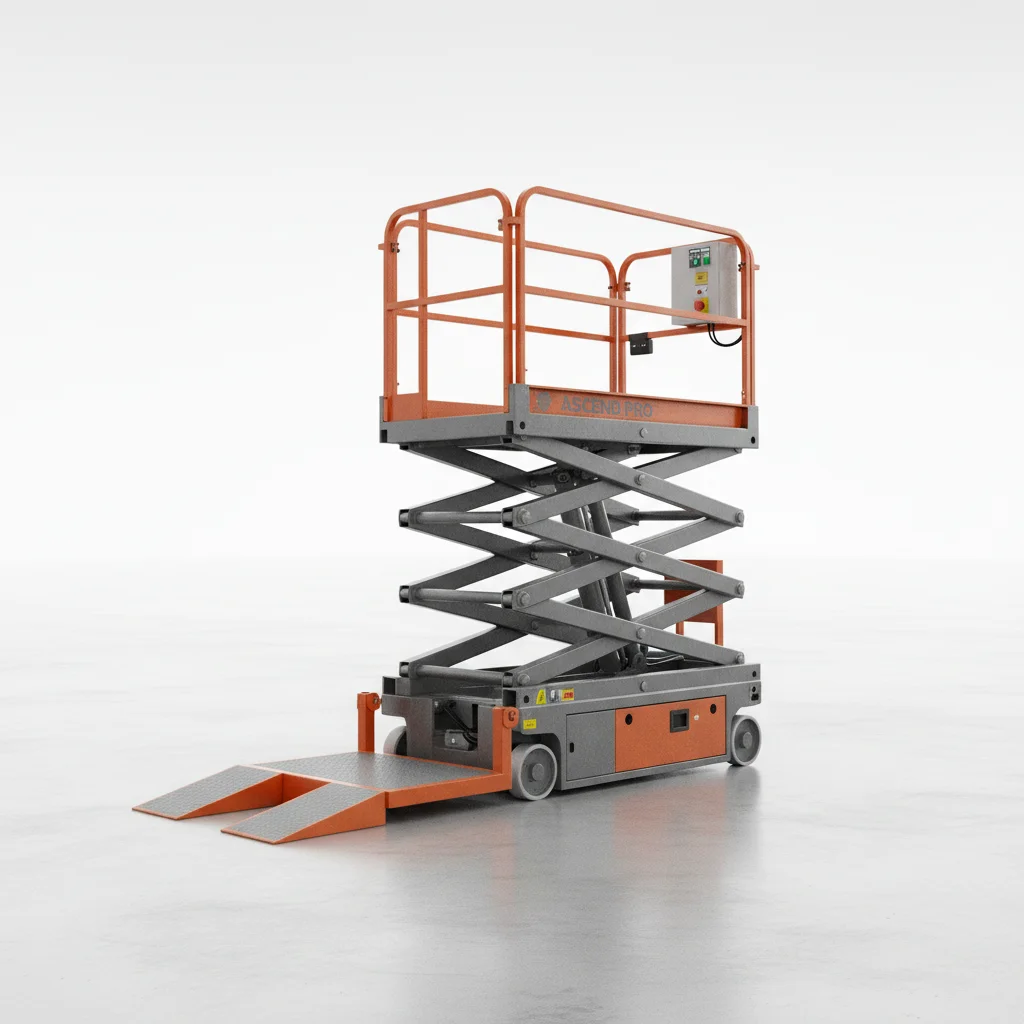
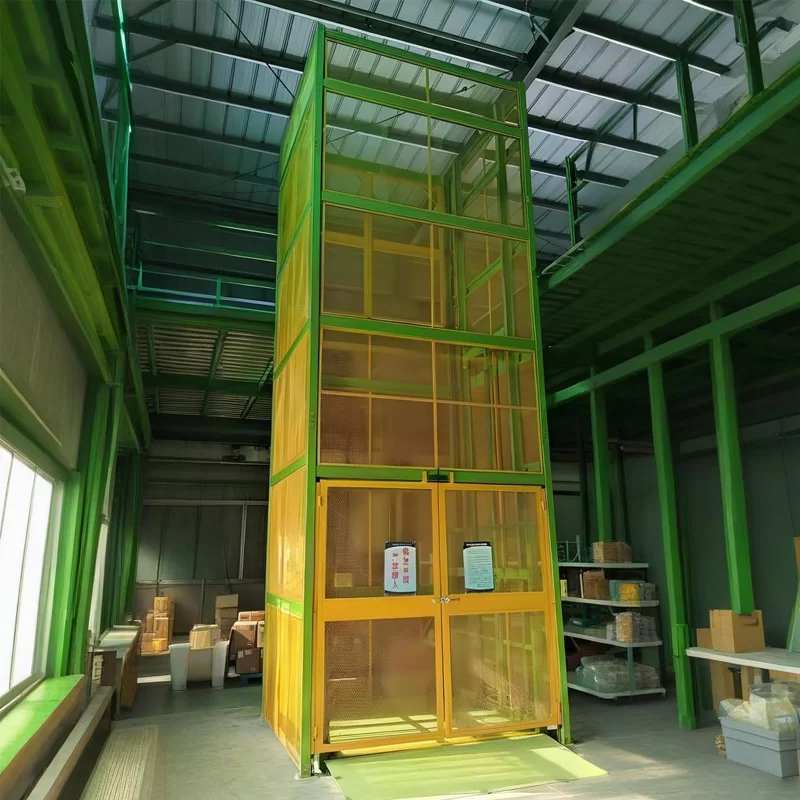
The electric hydraulic platform is a lifting device powered by an electric motor driving a hydraulic system. It is widely used in industrial manufacturing, logistics and warehousing, construction, and commercial maintenance. Depending on the structural configuration, it can be divided into scissor lift, mobile, stationary, guide rail, and other types, meeting various requirements such as cargo lifting, workstation docking, and aerial work.
This series of platforms adopts an electro-hydraulic drive method, offering smooth lifting, high load capacity, easy operation, and low maintenance costs. Compared with purely mechanical or pneumatic lifting equipment, the electric hydraulic platform excels in start/stop smoothness, load-holding capability, and safety, making it an ideal choice for modern material handling and aerial work applications.
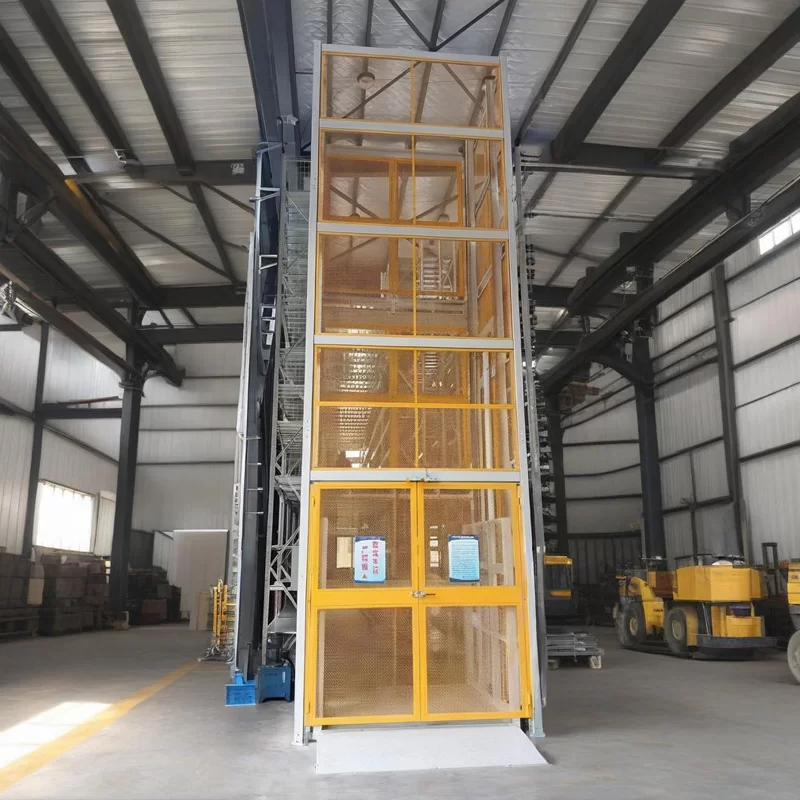
The heavy-duty hydraulic lift table is a rugged, high-capacity lifting solution designed for demanding industrial environments where reliable vertical movement of heavy loads is required. Engineered for durability and performance, this lift table is widely used in manufacturing facilities, warehousing operations, automotive workshops, and logistics centers to handle loads that standard lifting equipment cannot safely accommodate.
With load capacities typically ranging from 1,000 kg to 10,000 kg or more, the heavy-duty hydraulic lift table provides a stable, low-profile platform for lifting, positioning, and transporting heavy materials, machinery, or palletized goods. Its robust construction, combined with the smooth actuation of a hydraulic system, ensures safe and efficient operation even under continuous, high-cycle use.
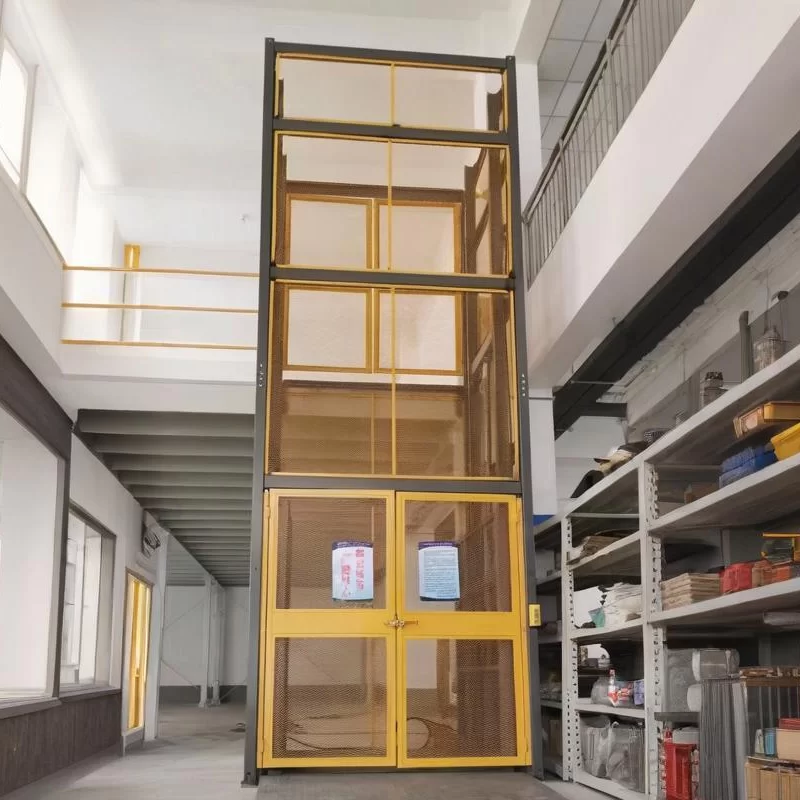
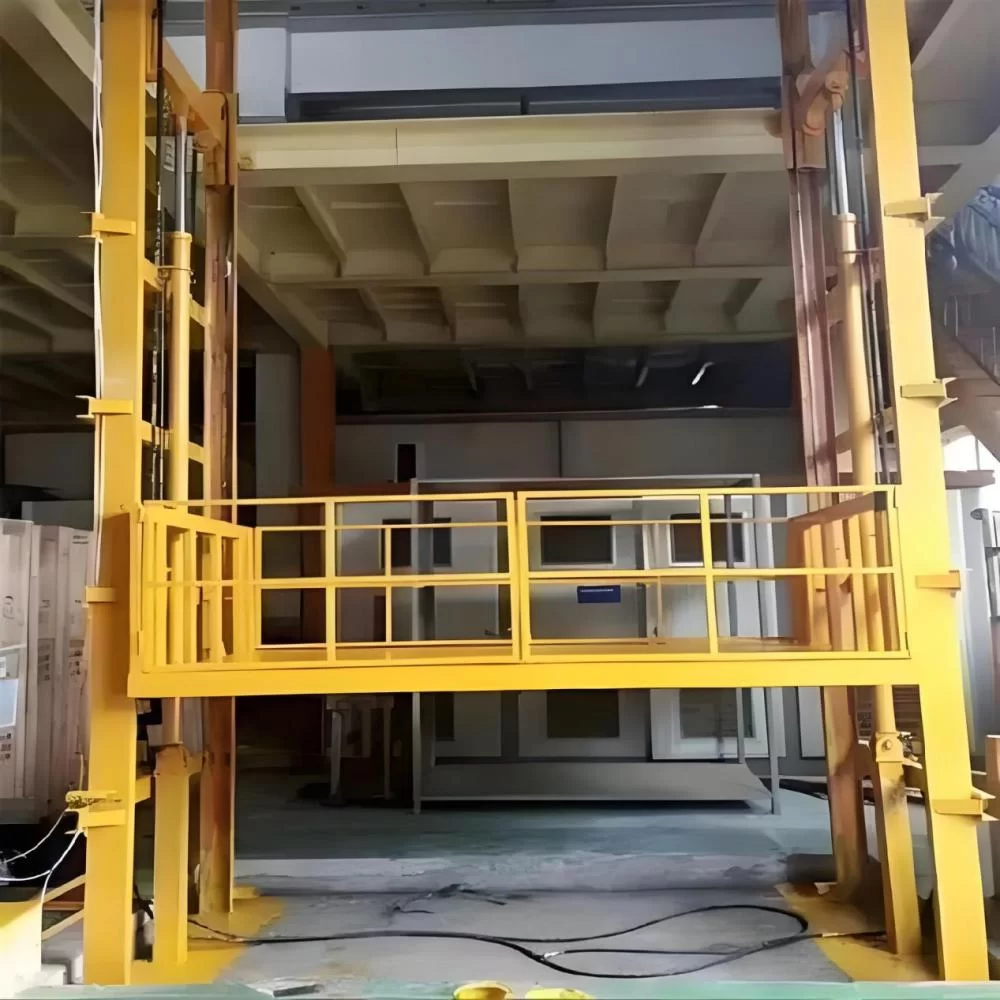
The guide rail hydraulic cargo lift is a track-guided vertical lifting system designed specifically for freight transportation between floors in industrial and commercial buildings. It is an ideal solution where space is limited, pit excavation is impractical, or no overhead machine room is available. With a minimum starting height as low as 50–100 mm, it can be installed directly on the ground, making it suitable for facilities with small floor openings and no requirement for upper lifting points.
This lift is widely used in multi-story factories, warehouses, restaurants, hotels, shopping malls, and auto repair shops for the efficient movement of goods. Available in single-column, double-column, triple-column, and quadruple-column configurations, it provides smooth and stable operation, intuitive controls, and reliable performance.
As a cost-effective alternative to traditional freight elevators, the guide rail hydraulic cargo lift is often selected to replace outdated electric hoist systems. It delivers approximately 80% of the working efficiency of a standard elevator while costing only about one-fifth as much. For these reasons, it is recognized as a preferred energy-efficient material handling solution.
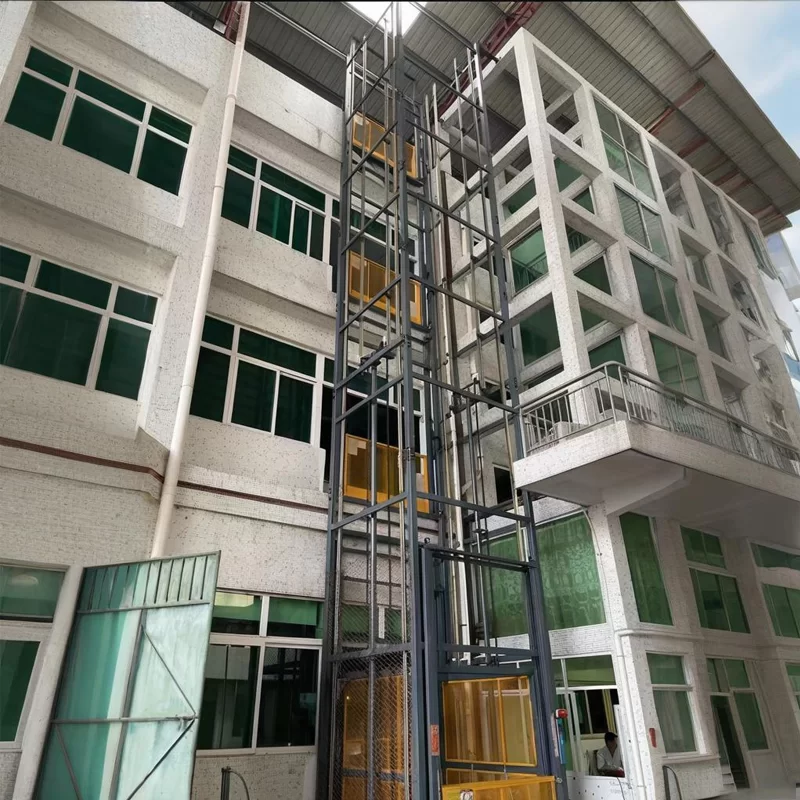
The fixed hydraulic goods lift is a hydraulic lifting device specifically designed for vertical cargo transportation between multiple floors. It is widely used in industrial plants, warehouses, logistics centers, shopping malls, restaurants, automotive 4S stores, and similar facilities. This equipment does not require the hoistway or deep pit excavation typically needed for traditional elevators, offering flexible installation and making it particularly suitable for both new construction and retrofitting existing buildings for goods transport.
Driven by an electric hydraulic system, the fixed hydraulic goods lift uses a motor-driven hydraulic pump station to generate power, and the lifting and lowering of the platform are achieved through hydraulic cylinder extension and retraction. Compared with conventional traction type freight elevators, this equipment offers significant advantages, including simple construction, high load capacity, low maintenance costs, and minimal civil engineering requirements. It is an ideal choice for replacing outdated electric hoists or simple lifting tables.
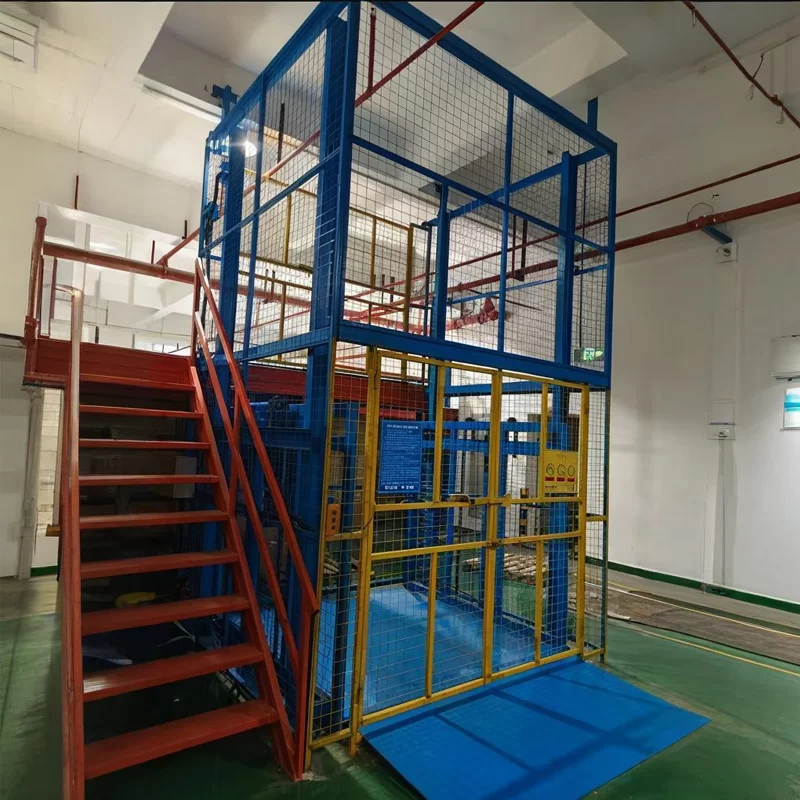
The Indoor Hydraulic Freight Lift is a track-guided vertical lifting system designed specifically for the efficient transportation of goods between floors in indoor environments. It is an ideal solution for industrial factories, warehouses, logistics centers, retail stores, and commercial buildings where space is limited, where pit excavation is impractical, or where no overhead machine room is available.
Unlike traditional freight elevators that require deep pits and substantial overhead structures, the hydraulic freight lift features a compact design with a minimum pit depth of just 100–300 mm and no requirement for an upper machine room. This makes it particularly suitable for retrofitting into existing buildings or integrating into new constructions with stringent space constraints.
As a cost-effective alternative to rope traction freight elevators, this system delivers reliable, smooth, and energy-efficient vertical material handling at a fraction of the installation and maintenance cost.
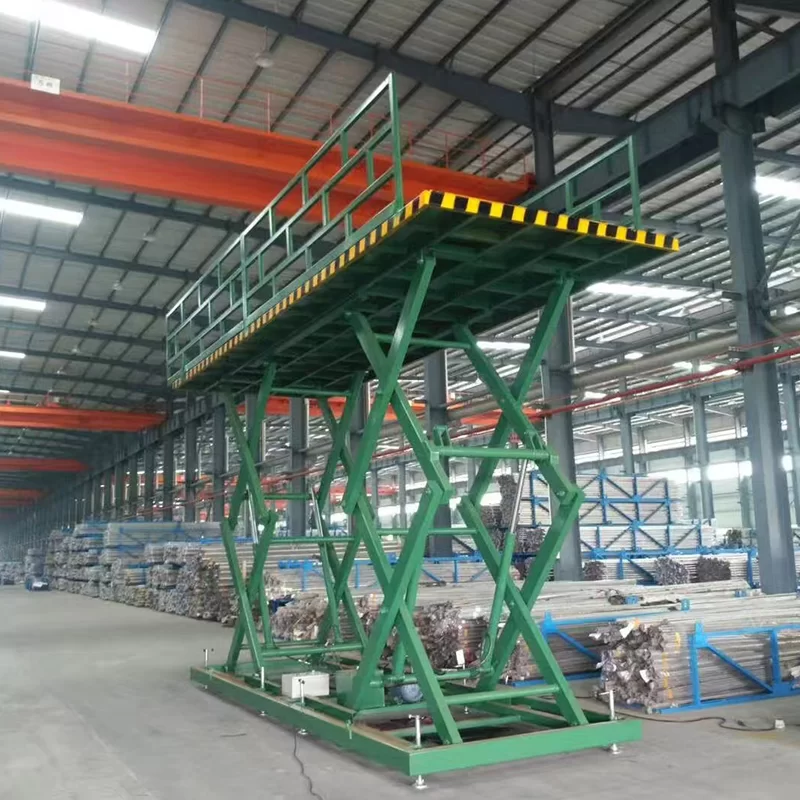
The triple scissor lift table is a heavy-duty electro-hydraulic lifting solution designed for applications requiring exceptionally high vertical travel from a compact collapsed height. Featuring three sets of stacked scissor arms, this configuration delivers a lifting height significantly greater than that of single or double scissor designs while maintaining a low retracted profile.
This lift table is widely used in industrial environments such as manufacturing plants, assembly lines, warehousing facilities, and maintenance workshops where large elevation changes are required—whether for ergonomic positioning, work platform access, or vehicle servicing. Its robust construction and smooth hydraulic operation make it a reliable choice for demanding material handling tasks.
Choosing the Right Lift Table for Your Application
Selecting the right lift table is essential to ensure optimal performance and long-term reliability in your operations. There are several factors to consider when choosing a lift table, including load capacity, lifting height, platform size, and power source. Hydraulic lift tables are popular for their strong lifting capability and durability, while electric models offer convenient and precise control for frequent use. Understanding your specific application needs—such as whether the equipment will be used in a warehouse, assembly line, or loading dock—is key to making the right decision.
Safety features are another important consideration. High-quality lift tables are equipped with overload protection, emergency stop functions, and anti-slip platforms to ensure safe operation. Customization options, such as adjustable platforms or special coatings, can further enhance usability in different environments. By carefully evaluating these factors, businesses can choose a lift table that not only meets their operational requirements but also improves efficiency, safety, and overall productivity.