As a staple in modern industry, construction, and logistics, the scissor lift has earned its reputation for reliability and performance. Thanks to its unique structural design, this lifting equipment excels in a variety of demanding environments. In this article, we’ll take a closer look at how scissor lifts work, their key structural features, application benefits, and essential maintenance tips to help you make the most of this versatile equipment.
What Is a Scissor Lift?
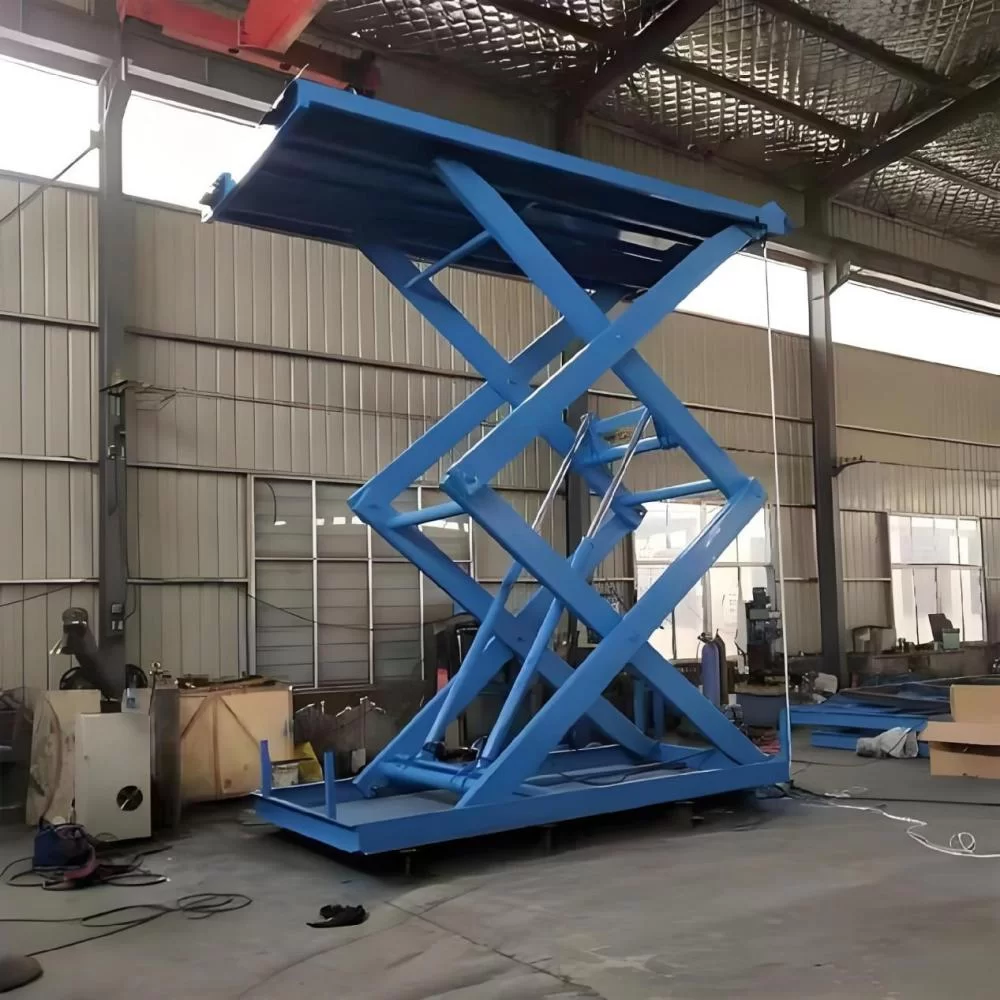
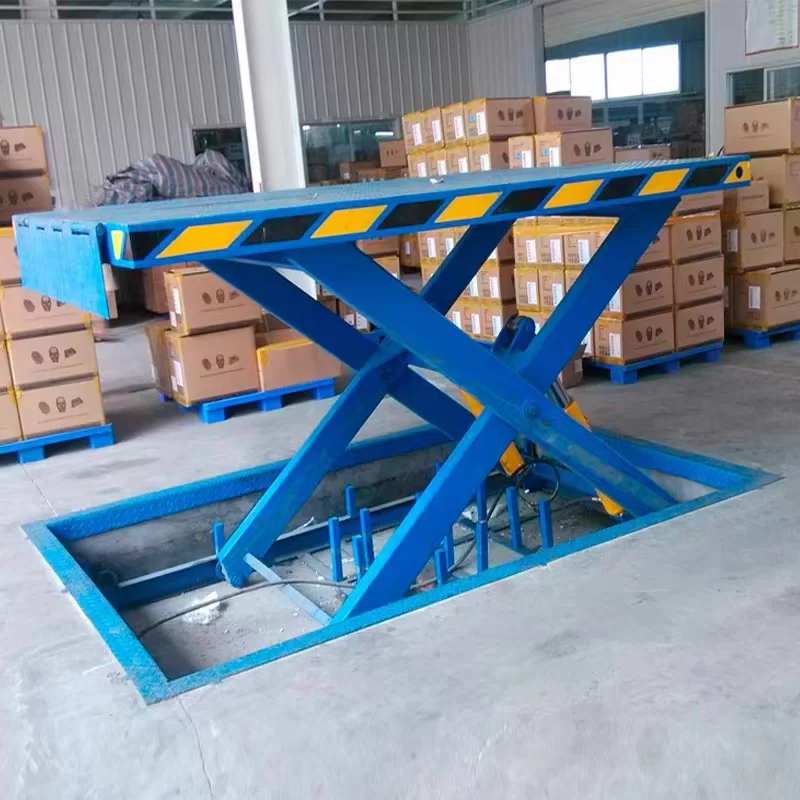
A scissor lift is a vertical lifting platform known for its stability and efficiency. Its defining feature is a set of cross-linked support arms that fold and extend in a scissor-like motion. This design allows the lift to raise heavy loads smoothly and steadily, making it an ideal solution for tasks that require safe and precise elevation.
How Does a Scissor Lift Work?
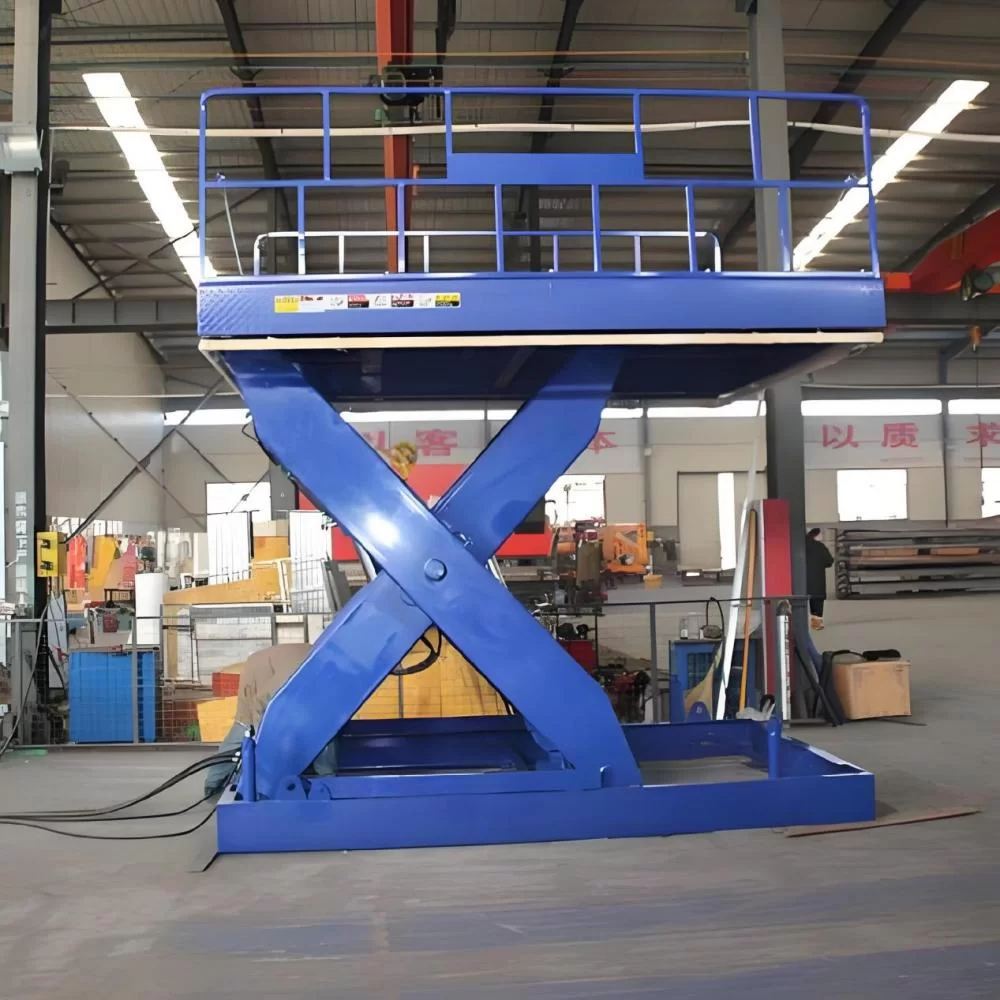
The operation of a scissor lift is driven primarily by a hydraulic system working in tandem with its mechanical structure. Here’s a step-by-step look at how it functions:
Hydraulic System Activation
The process begins when the hydraulic pump is activated, pushing hydraulic fluid into the cylinders. The flow and pressure of the fluid determine the lift’s movement.
Lifting Motion
As hydraulic fluid enters the cylinder, the piston inside extends. This linear motion forces the scissor arms to expand outward and upward, lifting the platform. The crisscross design ensures the platform rises evenly and remains level throughout the ascent.
Controlled Descent
To lower the lift, the hydraulic system releases pressure, allowing fluid to return to the reservoir. Gravity pulls the platform down gradually, while the scissor arms retract in a controlled manner to prevent sudden drops, ensuring operator safety.
Key Structural Components
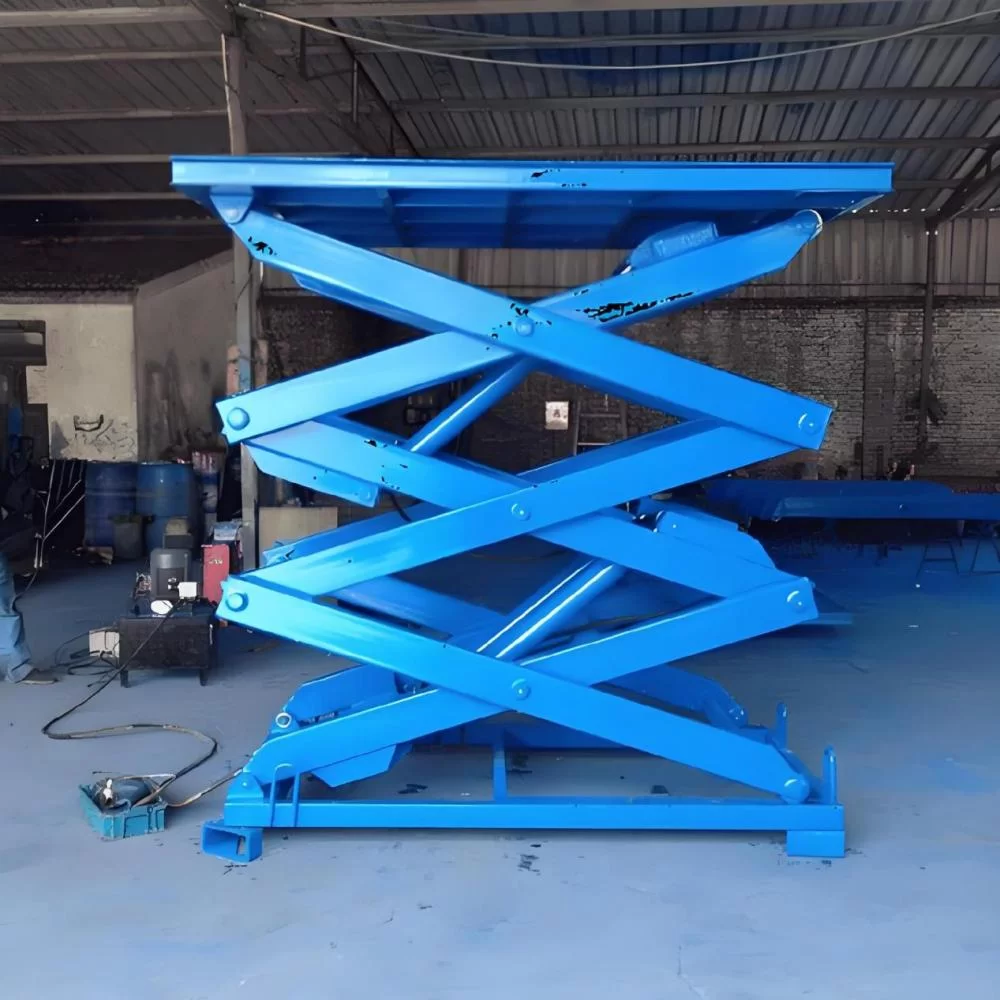
A scissor lift is built with durability and function in mind. The main components include:
Scissor Arms
Made from high-strength steel, these arms form the core structure of the lift. Their crossed configuration distributes weight evenly, enhancing stability and reducing mechanical stress.
Hydraulic System
The heart of the lift’s operation, the hydraulic system includes a pump, cylinders, and safety valves. These components work together to ensure smooth lifting and lowering, with overload protection built in for added safety.
Platform
The working platform can be customized to meet specific needs—available in manual or powered versions, often equipped with guardrails and non-slip surfaces for enhanced safety.
Control System
Modern scissor lifts feature intuitive control panels, including both platform-mounted and ground-level controls. Many also offer remote operation, allowing users to manage the lift from a safe distance.
Why Choose a Scissor Lift?
Scissor lifts offer a host of advantages that make them a preferred choice across industries:
✅ Exceptional Stability
The scissor mechanism provides a solid, wobble-free platform, making it ideal for tasks at height—from construction and installation to facility maintenance.
✅ High Load Capacity
Depending on the model, scissor lifts can handle loads ranging from several hundred kilograms to several tons, offering flexibility for both light-duty and heavy-duty applications.
✅ Versatility in Application
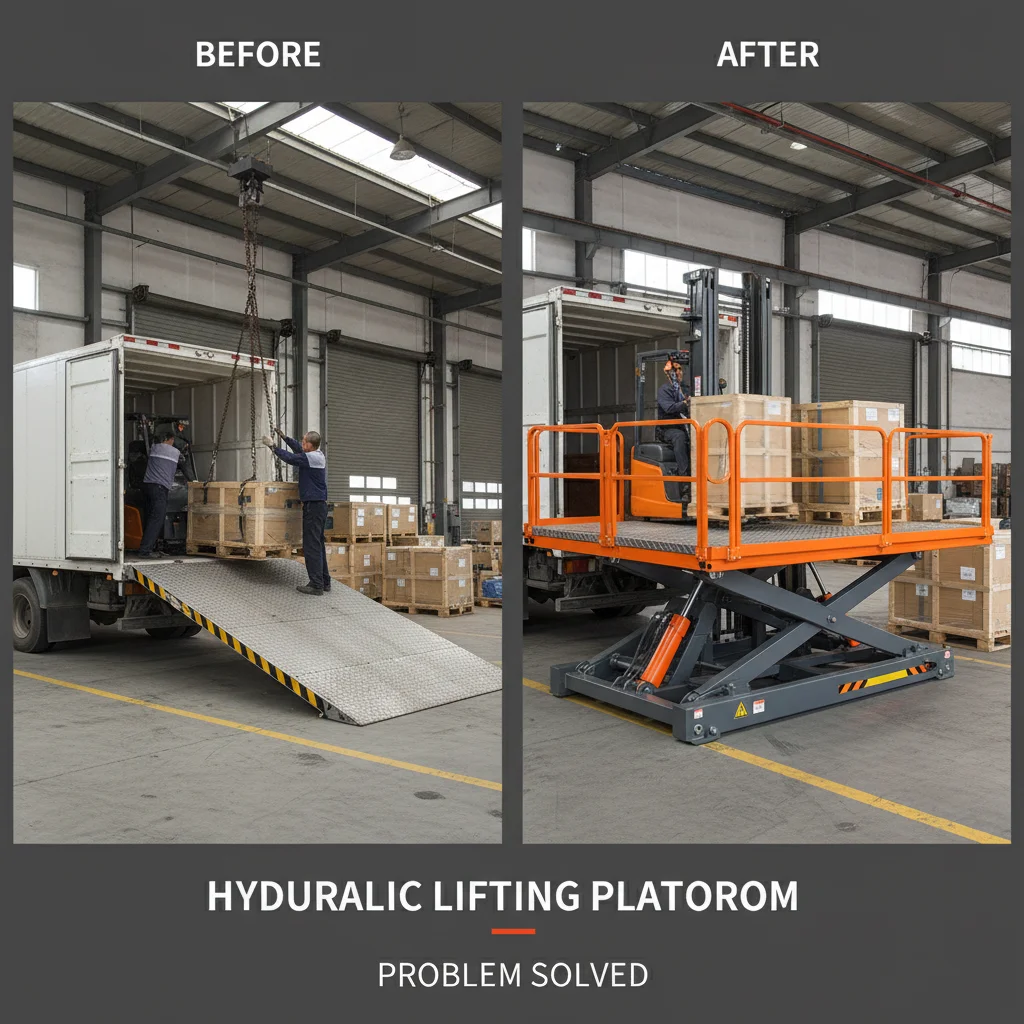
These lifts are not limited to vertical movement. They can be adapted for material handling in warehouses, elevated installation work in malls, or even temporary access solutions on job sites.
✅ Robust Safety Features
Built-in safety systems—such as hydraulic safety locks, emergency stop buttons, and overload sensors—help prevent accidents and ensure worry-free operation.
✅ User-Friendly Operation
With ergonomic controls and smart automation, scissor lifts are easy to operate even for first-time users, boosting productivity while minimizing training time.
Maintenance Tips for Long-Lasting Performance
Regular upkeep is essential to keep your scissor lift running safely and efficiently. Here are five key maintenance practices:
🔧 1. Hydraulic System Checks
Monitor hydraulic fluid levels and quality regularly. Top up or replace fluid as needed to avoid performance issues caused by contamination or low levels.
🔧 2. Structural Inspections
Examine scissor arms and pivot points for signs of wear, rust, or damage. Promptly replace any compromised components to maintain structural integrity.
🔧 3. Electrical System Maintenance
Inspect wiring, switches, and control panels periodically. Loose connections or damaged cables should be addressed immediately to prevent electrical failures.
🔧 4. Routine Cleaning
Keep the lift clean and free of debris, especially around moving parts. This helps prevent operational hiccups and prolongs the equipment's lifespan.
🔧 5. Professional Servicing
Schedule regular inspections with qualified technicians to ensure all systems are functioning properly and to catch potential issues early.
Conclusion
The scissor lift continues to prove itself as an indispensable tool across a wide range of industries. Its intelligent design, operational stability, and strong safety features make it a reliable partner for any task requiring safe vertical access. Whether you're lifting materials on a construction site or positioning equipment in a warehouse, the scissor lift offers the performance and peace of mind you need.
We hope this guide gives you a clearer understanding of the scissor lift and helps you make informed decisions when selecting or operating one for your next project.