News

Advanced Electric Scissor Lift Solutions for Brazil’s Industrial Sector

April 25, 2026

Advanced Electric Scissor Lift Solutions for Brazil's Industrial Sector

Optimizing material handling and vertical logistics across Brazilian manufacturing hubs with high-efficiency lifting technology.

Advanced Electric Scissor Lift Solutions for Brazil's Industrial Sector

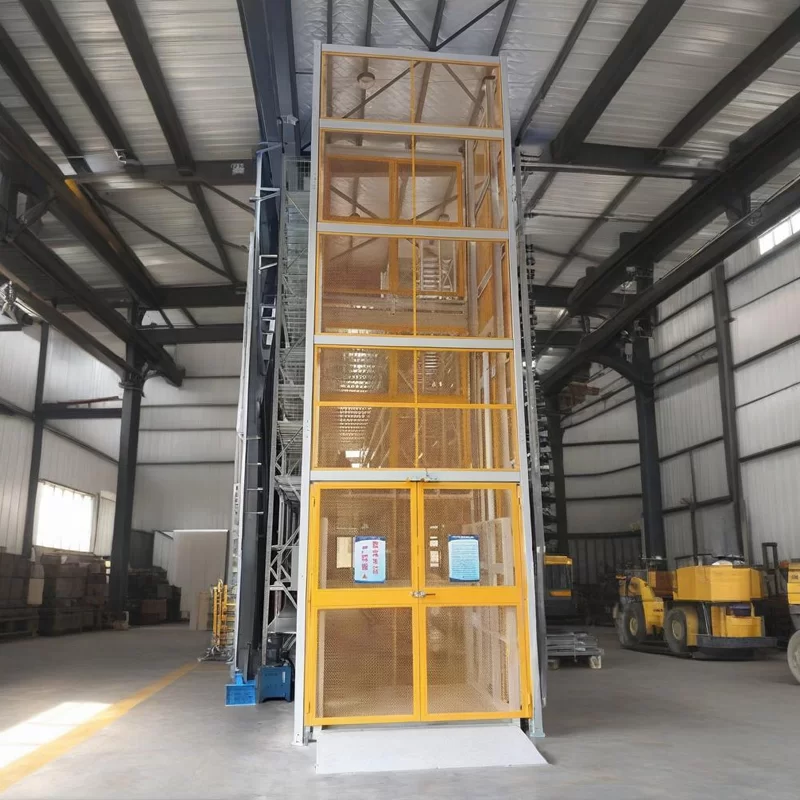
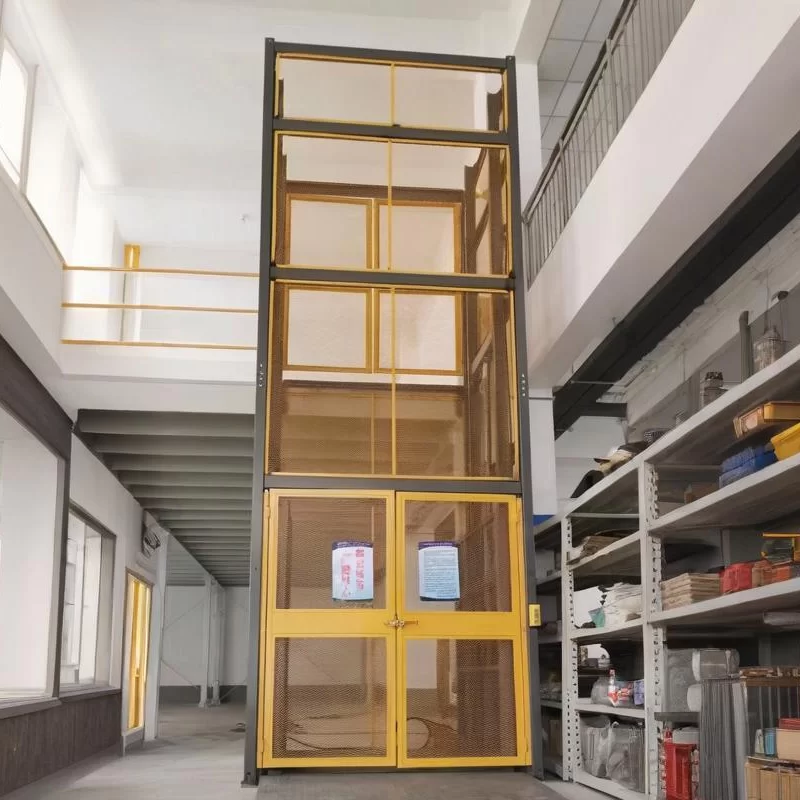
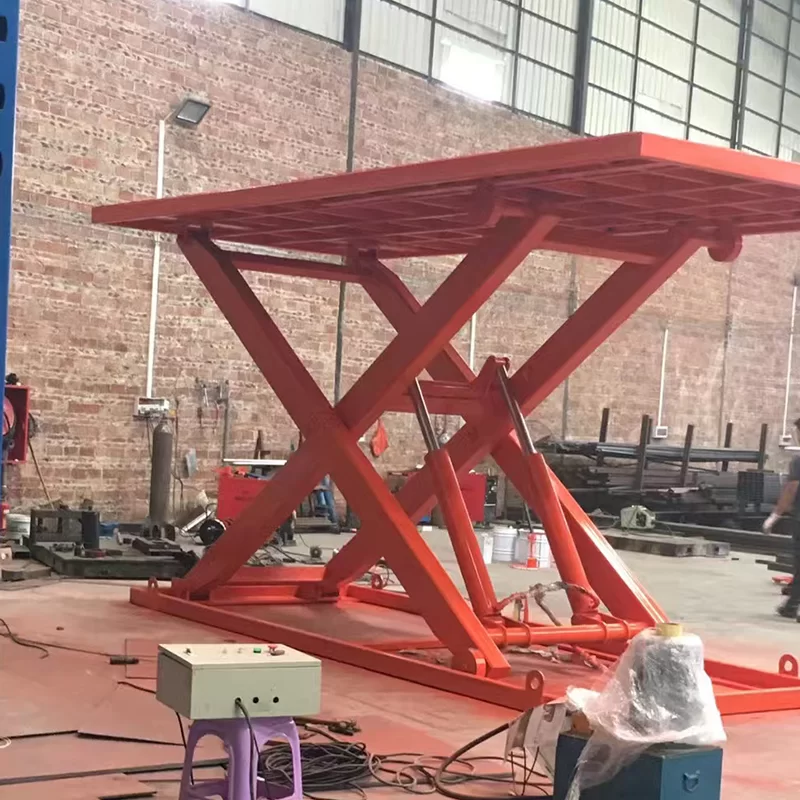
Providing robust, energy-efficient vertical transport systems designed to withstand the heavy-duty demands of Brazil's diverse manufacturing and construction landscapes.

{Product List Placeholder 1}

Industrial Logistics Landscape in Brazil

Analyzing the current state of continuous material handling in the Brazilian market.

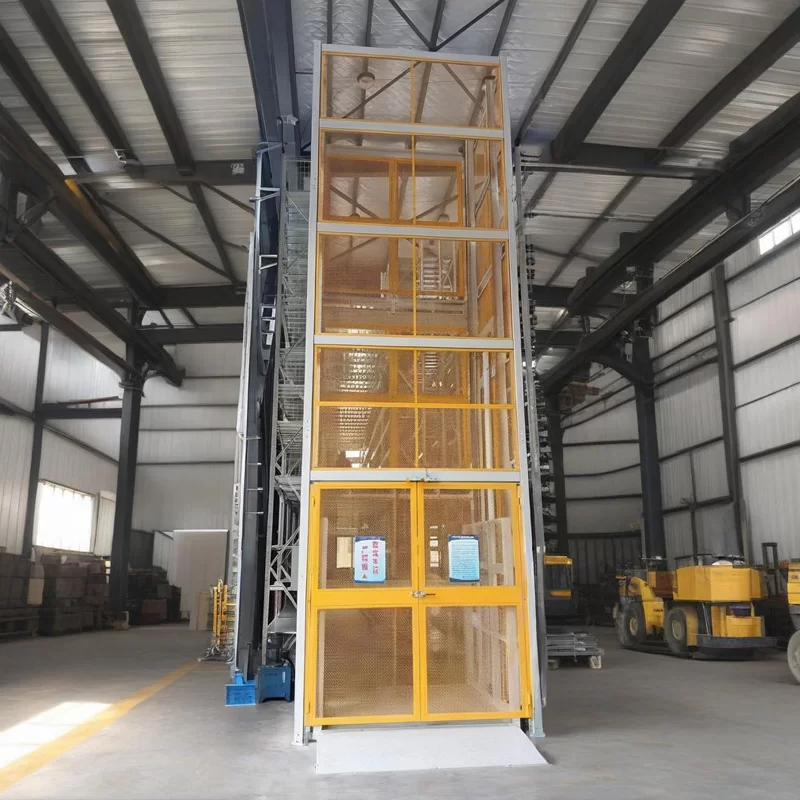
Brazil's manufacturing sector, particularly in the automotive and agribusiness hubs of São Paulo and Minas Gerais, faces unique logistical challenges. The reliance on heavy-duty cargo lifting device systems is critical due to the high volume of bulk materials moving through large-scale factory floors.

Climate factors, including high humidity and temperature fluctuations, demand equipment with superior corrosion resistance and thermal stability. Many facilities are currently upgrading their legacy systems to incorporate a modern factory lifting platform to reduce manual labor and improve workplace safety standards (NR-12 compliance).

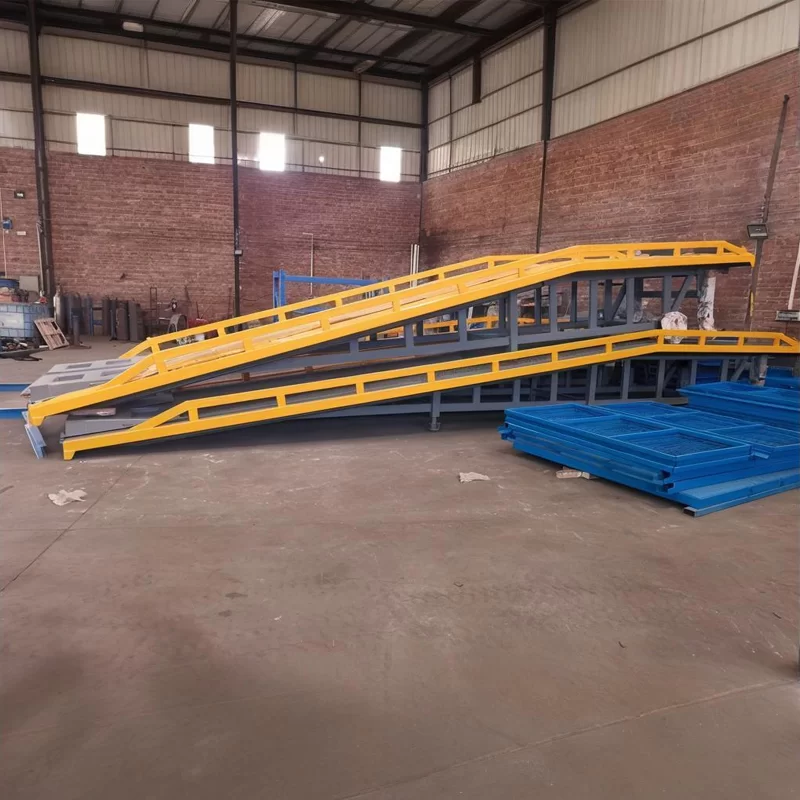
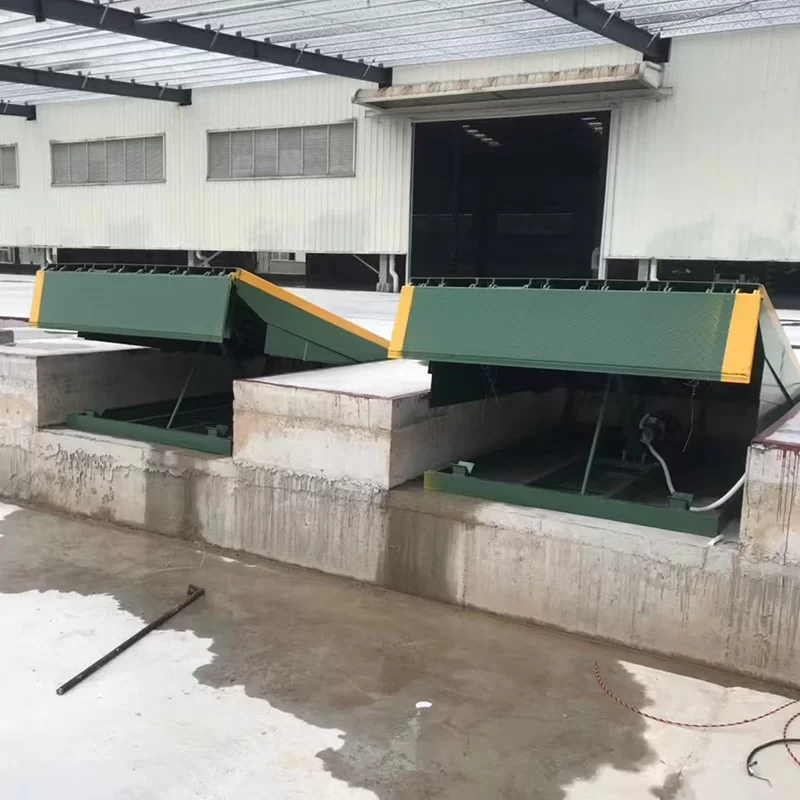
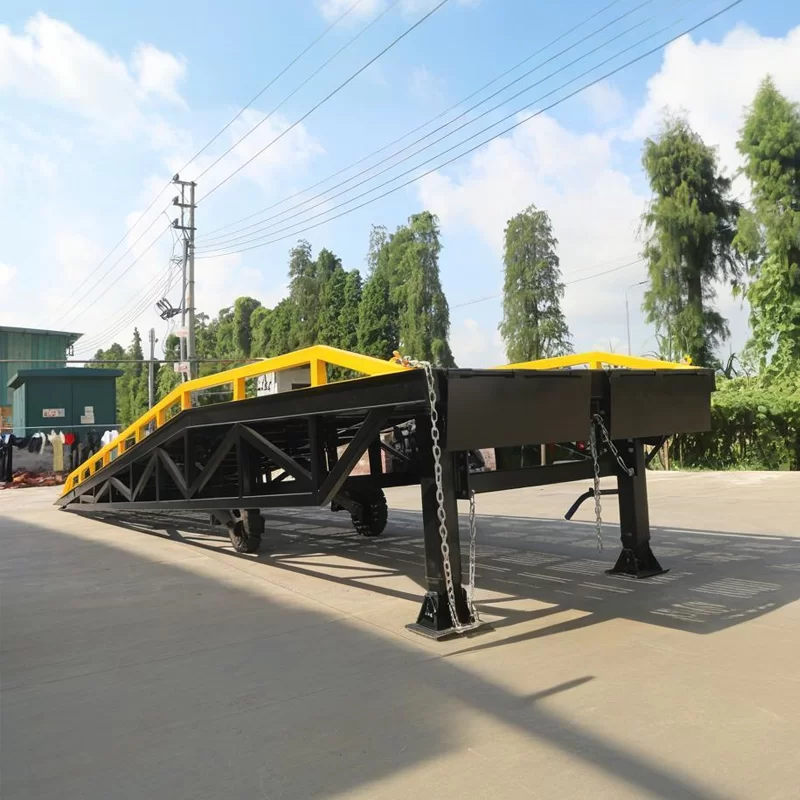
Furthermore, the rapid expansion of urban warehouses has increased the demand for precision loading equipment. The integration of a high-performance loading dock lift has become essential for streamlining the transition between production lines and transport vehicles.
Evolution and Trajectory of Lifting Technology

From manual hydraulic systems to intelligent electric automation.

Market Development History

From 1990 to 2010, the Brazilian market relied heavily on basic hydraulic lifts and manual hoisting. These systems were characterized by high maintenance needs and slower cycle times, often managed by a general building contractor without specialized material handling expertise.

Between 2011 and 2020, there was a significant shift toward electro-hydraulic integration. This period saw the introduction of PLC controls, allowing for precise height adjustment and synchronized movement, which drastically improved throughput in continuous conveyor systems.

Since 2021, the focus has pivoted toward "Green Logistics." The adoption of lithium-battery powered systems and energy-regenerative braking has become the standard for modern Brazilian factories aiming for carbon neutrality.

Future Development Trends

IoT-Driven Predictive Maintenance

Integration of sensors to monitor hydraulic pressure and motor wear in real-time, reducing unplanned downtime in critical production lines.

Autonomous Vertical Integration

The transition toward AGV-compatible platforms that can automatically interface with loading docks without operator intervention.

Advanced Ergonomic Safety

Enhanced safety protocols incorporating laser-curtains and AI-based obstacle detection to ensure zero-accident environments.

Industry Trends and Future Outlook

Strategic forecasting for the continuous handling equipment sector in Brazil.

Sustainable Power Systems
Shift toward high-capacity LiFePO4 batteries to reduce emissions in indoor factory environments.
Modular Engineering
Standardized components allowing for rapid scaling and easy replacement in remote Brazilian regions.
Smart Interface Integration
Integrating lifting platforms with WMS (Warehouse Management Systems) for automated flow control.
High-Capacity Customization
Development of ultra-heavy platforms for Brazil's mining and heavy machinery industries.

Industry Outlook

Google search trends indicate a rising interest in "automation" and "industrial safety" within the Brazilian manufacturing sector. This suggests that the market is moving away from simple lifting tools toward integrated vertical transport systems.

Over the next 3-5 years, we expect a convergence of robotics and continuous handling, where electric lifting platforms act as the critical link in a fully automated supply chain, reducing operational costs by an estimated 20%.

Localized Application Scenarios in Brazil

Real-world implementation of lifting solutions across Brazilian industries.

01. Automotive Assembly Plants (São Paulo)

Utilizing heavy-duty platforms to move chassis and engine components between assembly stages, ensuring ergonomic height for workers.

02. Agribusiness Logistics Centers (Mato Grosso)

Installing ruggedized loading docks to manage the rapid movement of seed and fertilizer bags from warehouses to transport trucks.

03. Pharmaceutical Cold-Chain Warehouses

Implementing stainless-steel lifting devices that operate efficiently in temperature-controlled environments to maintain product integrity.

04. Industrial Construction Projects

Providing temporary vertical transport for building materials, where a skilled building contractor manages site installation.

05. E-commerce Fulfillment Centers

Integrating fast-cycle electric lifts to optimize the sorting and dispatching of parcels in high-density urban distribution hubs.

Brand Story

Global Development Journey of Jiangmen Hongli Machinery Co., Ltd.

Founding Vision

Established with a mission to eliminate bottlenecks in vertical transport through precision engineering and durable materials.

Technical Breakthroughs

Developed proprietary hydraulic valve systems that increased lifting stability and energy efficiency by 30%.

Global Market Entry

Expanded operations into South American markets, tailoring equipment to meet strict Brazilian safety and environmental standards.

Innovation Hub

Invested in R&D for electric-drive systems, reducing the reliance on hydraulic oils and minimizing environmental impact.

Industry Leadership

Recognized as a leading provider of continuous handling solutions for the global manufacturing sector.

Comprehensive Lifting Portfolio for the Brazilian Market

A full suite of continuous material handling equipment tailored for Brazil's industrial requirements.

{Product List Placeholder 2}

Frequently Asked Questions - Brazil Region

Technical guidance and support for our lifting solutions in South America.

How do I choose the right loading dock lift for a high-volume warehouse in Brazil?

Consider the average truck height, the maximum load weight, and the frequency of use. We recommend models with reinforced steel platforms for high-traffic Brazilian hubs.

Are your electric scissor lift models compliant with NR-12 safety standards?

Yes, all our equipment is designed with safety redundancy, including emergency stop buttons and overload protection, to meet NR-12 requirements.

What is the maintenance cycle for a cargo lifting device in humid climates?

In humid regions of Brazil, we recommend a quarterly lubrication and seal inspection to prevent corrosion and ensure hydraulic efficiency.

Can a factory lifting platform be customized for non-standard floor layouts?

Absolutely. We provide customized engineering drawings to fit your specific spatial constraints and production flow requirements.

What is the lead time for shipping equipment to São Paulo or Rio de Janeiro?

Lead times vary by customization level, but standard models typically arrive within 4-8 weeks via sea freight, including customs clearance.

Do you provide installation support for building contractor partners in Brazil?

We provide detailed installation manuals and remote technical support to ensure your local contractors install the systems correctly and safely.

Ready to Optimize Your Logistics?

Contact our expert team today for a tailored material handling consultation in Brazil.

Contact Us Now
Need Our Services And Quotes
lf you need our help,Our staff will be happy to help and answer your questions!
  • name*
  • email*
  • phone*
  • message*
Hydraulic Dock Leveler

Hydraulic Dock Leveler

Container Loading Platform

Container Loading Platform

Efficiency and Safety Guide for Hydraulic dock leveler Systems

Efficiency and Safety Guide for Hydraulic dock leveler Systems

In the fast-paced world of logistics and supply chain management, the efficiency of the loading dock is a critical determinant of overall operational success. A Hydraulic dock leveler serves as the vital bridge between a warehouse floor and a transport vehicle, eliminating the height gap that often hinders the smooth movement of goods. By providing a stable, adjustable platform, these systems ensure that forklifts and pallet jacks can transition seamlessly, drastically reducing loading times and operational bottlenecks.
April 23, 2026
Home Elevator Shaft Size Guide for 4–5 People

Home Elevator Shaft Size Guide for 4–5 People

In modern homes, residential elevators are becoming increasingly popular, particularly in multi-story houses and villas.

March 23, 2026
Industrial Cargo Lifting Device for Warehouse Efficiency

Industrial Cargo Lifting Device for Warehouse Efficiency

In the fast-paced world of modern logistics and industrial manufacturing, the efficiency of vertical and horizontal movement can determine the success of an entire supply chain. A high-quality cargo lifting device serves as the backbone of warehouse operations, bridging the gap between storage and transport while minimizing physical strain on workers. Globally, the demand for advanced material handling solutions has surged as e-commerce and just-in-time manufacturing necessitate faster turnaround times. Understanding the nuances of various lifting mechanismsfrom hydraulic systems to mechanical liftsallows businesses to optimize their floor space and enhance throughput.
May 20, 2026

Advanced Electric Scissor Lift Solutions for Brazil's Industrial Sector

Optimizing material handling and vertical logistics across Brazilian manufacturing hubs with high-efficiency lifting technology.

Advanced Electric Scissor Lift Solutions for Brazil's Industrial Sector

Providing robust, energy-efficient vertical transport systems designed to withstand the heavy-duty demands of Brazil's diverse manufacturing and construction landscapes.

Industrial Logistics Landscape in Brazil

Analyzing the current state of continuous material handling in the Brazilian market.

Brazil's manufacturing sector, particularly in the automotive and agribusiness hubs of São Paulo and Minas Gerais, faces unique logistical challenges. The reliance on heavy-duty cargo lifting device systems is critical due to the high volume of bulk materials moving through large-scale factory floors.

Climate factors, including high humidity and temperature fluctuations, demand equipment with superior corrosion resistance and thermal stability. Many facilities are currently upgrading their legacy systems to incorporate a modern factory lifting platform to reduce manual labor and improve workplace safety standards (NR-12 compliance).

Furthermore, the rapid expansion of urban warehouses has increased the demand for precision loading equipment. The integration of a high-performance loading dock lift has become essential for streamlining the transition between production lines and transport vehicles.
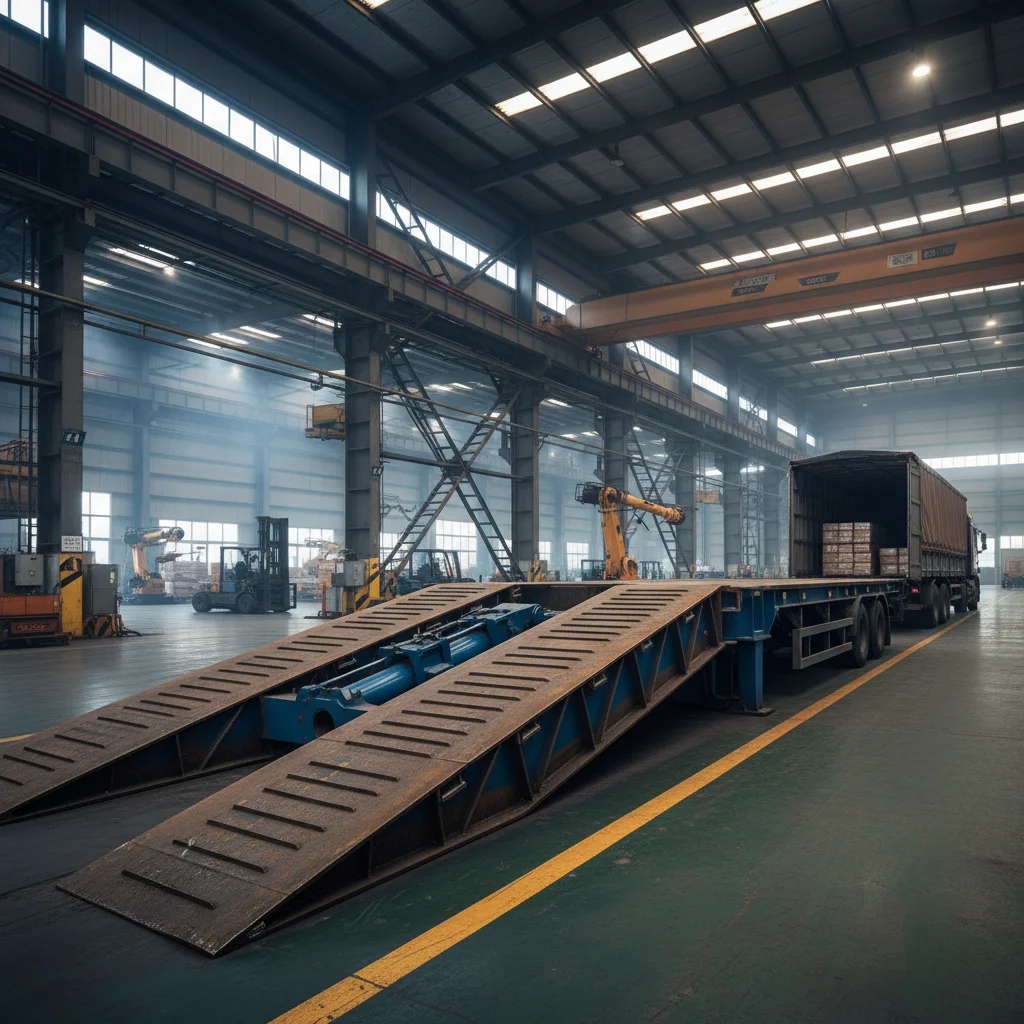
Evolution and Trajectory of Lifting Technology

From manual hydraulic systems to intelligent electric automation.

Market Development History

From 1990 to 2010, the Brazilian market relied heavily on basic hydraulic lifts and manual hoisting. These systems were characterized by high maintenance needs and slower cycle times, often managed by a general building contractor without specialized material handling expertise.

Between 2011 and 2020, there was a significant shift toward electro-hydraulic integration. This period saw the introduction of PLC controls, allowing for precise height adjustment and synchronized movement, which drastically improved throughput in continuous conveyor systems.

Since 2021, the focus has pivoted toward "Green Logistics." The adoption of lithium-battery powered systems and energy-regenerative braking has become the standard for modern Brazilian factories aiming for carbon neutrality.

Future Development Trends

IoT-Driven Predictive Maintenance

Integration of sensors to monitor hydraulic pressure and motor wear in real-time, reducing unplanned downtime in critical production lines.

Autonomous Vertical Integration

The transition toward AGV-compatible platforms that can automatically interface with loading docks without operator intervention.

Advanced Ergonomic Safety

Enhanced safety protocols incorporating laser-curtains and AI-based obstacle detection to ensure zero-accident environments.

Industry Trends and Future Outlook

Strategic forecasting for the continuous handling equipment sector in Brazil.

Sustainable Power Systems
Shift toward high-capacity LiFePO4 batteries to reduce emissions in indoor factory environments.
Modular Engineering
Standardized components allowing for rapid scaling and easy replacement in remote Brazilian regions.
Smart Interface Integration
Integrating lifting platforms with WMS (Warehouse Management Systems) for automated flow control.
High-Capacity Customization
Development of ultra-heavy platforms for Brazil's mining and heavy machinery industries.

Industry Outlook

Google search trends indicate a rising interest in "automation" and "industrial safety" within the Brazilian manufacturing sector. This suggests that the market is moving away from simple lifting tools toward integrated vertical transport systems.

Over the next 3-5 years, we expect a convergence of robotics and continuous handling, where electric lifting platforms act as the critical link in a fully automated supply chain, reducing operational costs by an estimated 20%.

Localized Application Scenarios in Brazil

Real-world implementation of lifting solutions across Brazilian industries.

01. Automotive Assembly Plants (São Paulo)

Utilizing heavy-duty platforms to move chassis and engine components between assembly stages, ensuring ergonomic height for workers.

02. Agribusiness Logistics Centers (Mato Grosso)

Installing ruggedized loading docks to manage the rapid movement of seed and fertilizer bags from warehouses to transport trucks.

03. Pharmaceutical Cold-Chain Warehouses

Implementing stainless-steel lifting devices that operate efficiently in temperature-controlled environments to maintain product integrity.

04. Industrial Construction Projects

Providing temporary vertical transport for building materials, where a skilled building contractor manages site installation.

05. E-commerce Fulfillment Centers

Integrating fast-cycle electric lifts to optimize the sorting and dispatching of parcels in high-density urban distribution hubs.

Brand Story

Global Development Journey of Jiangmen Hongli Machinery Co., Ltd.

Founding Vision

Established with a mission to eliminate bottlenecks in vertical transport through precision engineering and durable materials.

Technical Breakthroughs

Developed proprietary hydraulic valve systems that increased lifting stability and energy efficiency by 30%.

Global Market Entry

Expanded operations into South American markets, tailoring equipment to meet strict Brazilian safety and environmental standards.

Innovation Hub

Invested in R&D for electric-drive systems, reducing the reliance on hydraulic oils and minimizing environmental impact.

Industry Leadership

Recognized as a leading provider of continuous handling solutions for the global manufacturing sector.

Comprehensive Lifting Portfolio for the Brazilian Market

A full suite of continuous material handling equipment tailored for Brazil's industrial requirements.

Frequently Asked Questions - Brazil Region

Technical guidance and support for our lifting solutions in South America.

How do I choose the right loading dock lift for a high-volume warehouse in Brazil?

Consider the average truck height, the maximum load weight, and the frequency of use. We recommend models with reinforced steel platforms for high-traffic Brazilian hubs.

Are your electric scissor lift models compliant with NR-12 safety standards?

Yes, all our equipment is designed with safety redundancy, including emergency stop buttons and overload protection, to meet NR-12 requirements.

What is the maintenance cycle for a cargo lifting device in humid climates?

In humid regions of Brazil, we recommend a quarterly lubrication and seal inspection to prevent corrosion and ensure hydraulic efficiency.

Can a factory lifting platform be customized for non-standard floor layouts?

Absolutely. We provide customized engineering drawings to fit your specific spatial constraints and production flow requirements.

What is the lead time for shipping equipment to São Paulo or Rio de Janeiro?

Lead times vary by customization level, but standard models typically arrive within 4-8 weeks via sea freight, including customs clearance.

Do you provide installation support for building contractor partners in Brazil?

We provide detailed installation manuals and remote technical support to ensure your local contractors install the systems correctly and safely.

Ready to Optimize Your Logistics?

Contact our expert team today for a tailored material handling consultation in Brazil.

Contact Us Now

If you are interested in our products, you can choose to leave your information here, and we will be in touch with you shortly.