News

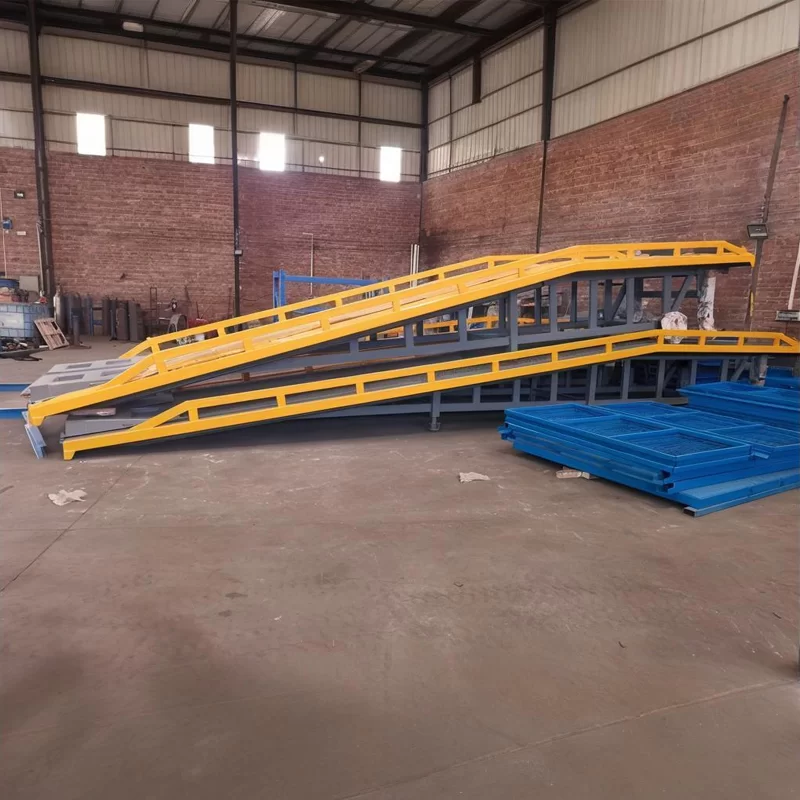
Industrial factory lifting platform Solutions for Australia

April 25, 2026

Industrial factory lifting platform Solutions for Australia

Optimizing material flow and vertical logistics for Australian manufacturing hubs with precision engineering and AS-standard safety compliance.

Industrial factory lifting platform Solutions for Australia

We provide high-performance lifting systems designed to withstand the rigorous demands of Australia's heavy industry, ensuring seamless cargo movement and operational efficiency.

{Product List Placeholder 1}

Current State of Material Handling in Australia

Analyzing the synergy between logistics infrastructure and industrial lifting technology in the Oceania region.

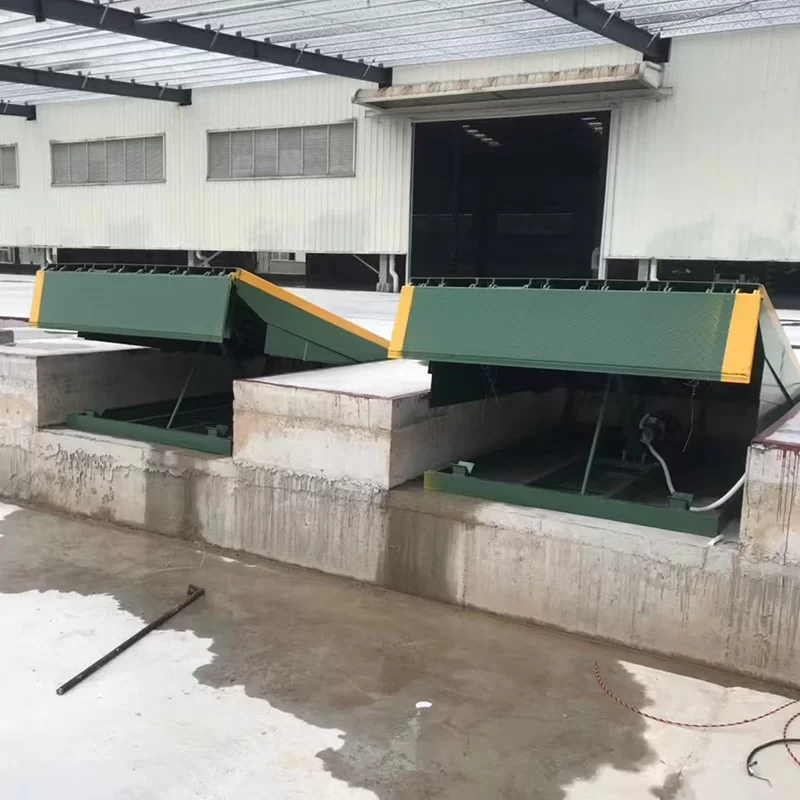
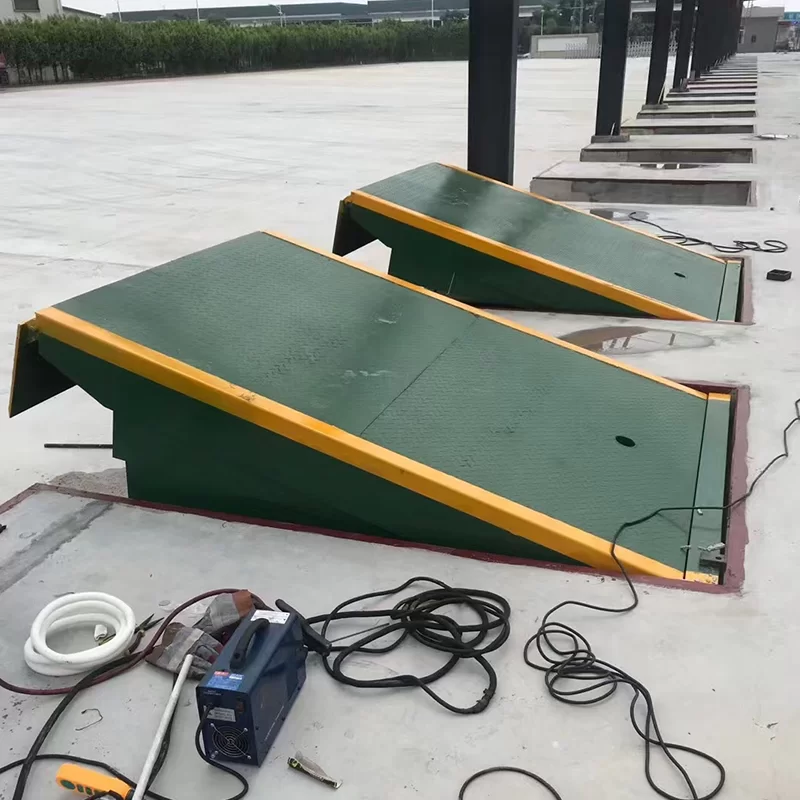
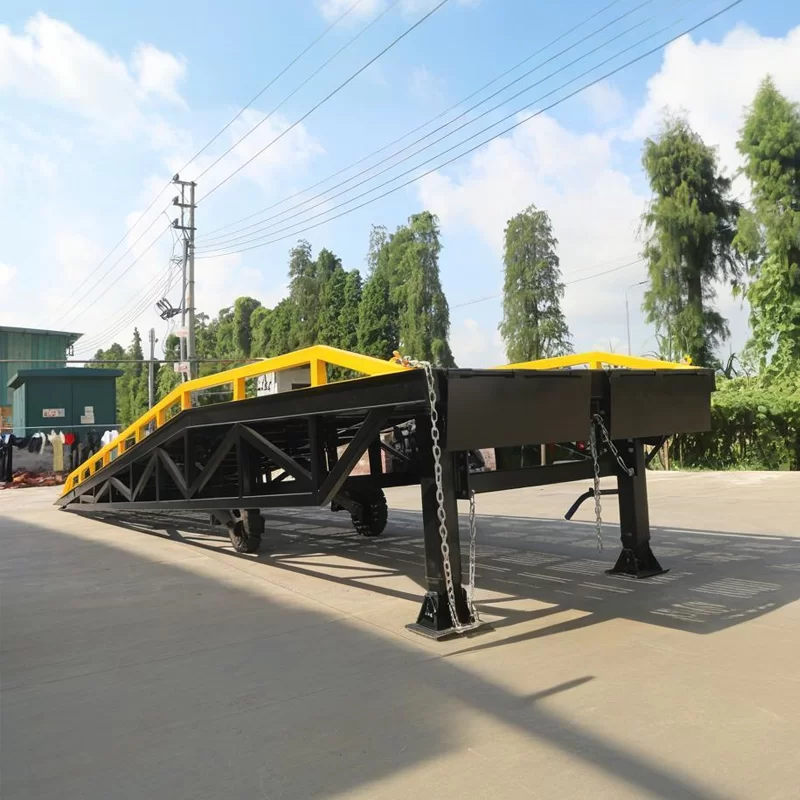
The Australian industrial landscape is currently experiencing a significant shift toward warehouse automation, driven by the e-commerce boom in cities like Sydney and Melbourne. The reliance on a robust loading dock lift has become critical as logistics centers struggle to manage the high volume of heavy-duty freight while maintaining strict Work Health and Safety (WHS) standards.

Geographically, the vast distances across the Australian interior necessitate highly durable equipment. Industrial sites often face extreme temperature fluctuations, requiring a cargo lifting device that can operate reliably in harsh environments without frequent mechanical failure, emphasizing the need for corrosion-resistant materials and heavy-duty hydraulics.

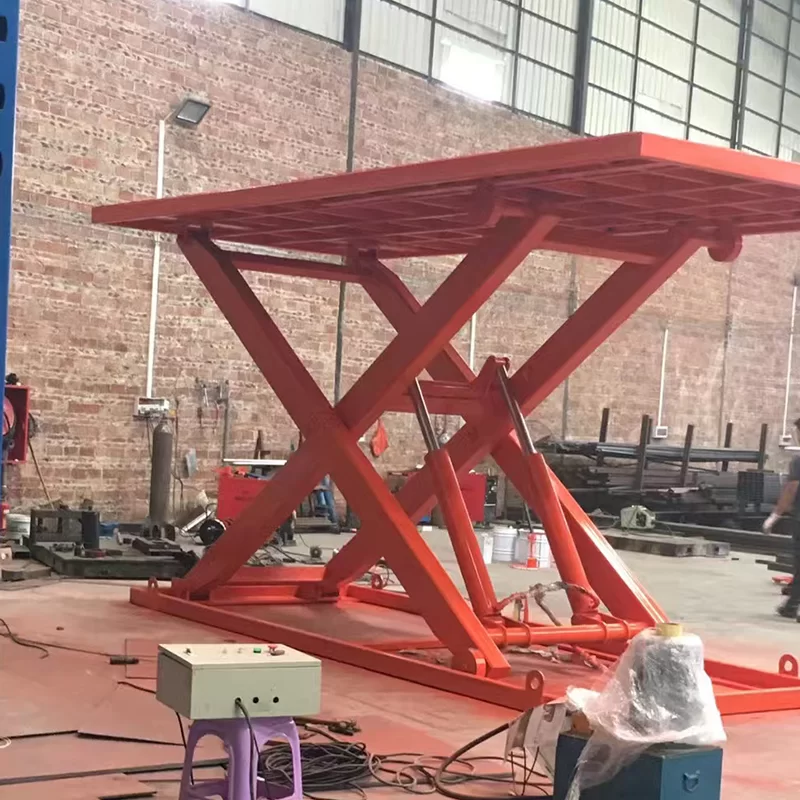
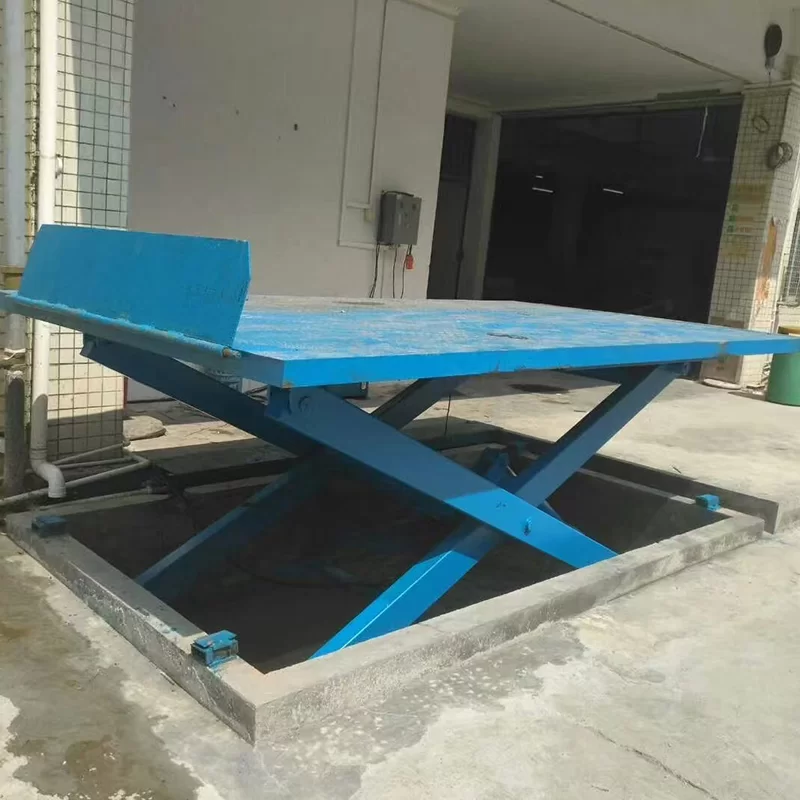
Furthermore, the integration of green energy initiatives within Australian manufacturing means there is a growing demand for emissions-free equipment. We are seeing a rapid transition from hydraulic systems to an electric scissor lift to reduce carbon footprints and noise pollution in urban industrial zones.
Evolution of Continuous Handling Systems

From manual pulleys to intelligent vertical synchronization.

Market Development History

In the early 2000s, Australian factories primarily relied on basic mechanical hoists and manual ramps. The focus was purely on capacity, with little regard for ergonomic efficiency or integrated safety sensors, leading to slower throughput and higher injury rates.

Between 2010 and 2020, the industry shifted toward semi-automated hydraulic systems. The introduction of standardized building contractor specifications for industrial floors allowed for more precise installations of pit-mounted lifts, enhancing the flow between different warehouse levels.

From 2021 to the present, the "Industry 4.0" wave has hit Oceania. Modern systems now feature PLC controls, IoT monitoring, and precision leveling, transforming the lifting platform from a simple tool into a synchronized component of a smart factory ecosystem.

Future Development Trends

Autonomous Integration

The next 3-5 years will see lifting devices integrating directly with AGVs (Automated Guided Vehicles), allowing for hands-free cargo transfer without human intervention.

Predictive Maintenance AI

Following Google search trends for "Smart Factory Maintenance," we expect a shift toward AI-driven sensors that predict hydraulic seal failure before it occurs, minimizing downtime.

Ultra-High Efficiency Power

The adoption of graphene-based batteries will significantly increase the duty cycle of electric lifting equipment, allowing for faster recharge and longer operation periods.

Industry Trends and Future Outlook

Strategizing the future of vertical material movement in Oceania.

Eco-Friendly Power Systems
Transitioning to lithium-ion and solar-hybrid power to meet Australia's stringent Net Zero emissions targets.
IoT-Enabled Monitoring
Real-time load sensing and remote diagnostics to eliminate unplanned downtime in remote mining sites.
Modular Scalability
Rapidly deployable lifting modules that can be expanded as facility capacity grows without major reconstruction.
Ergonomic Optimization
Advanced height-adjustable systems that reduce repetitive strain injuries in alignment with Australian OH&S guidelines.

Industry Outlook

The trajectory of the Australian material handling market is leaning heavily toward "Precision Logistics." We anticipate a significant increase in search demand for integrated vertical solutions that combine lifting and sorting, particularly in the food and beverage and pharmaceutical sectors.

Ultimately, the convergence of high-capacity hardware and intelligent software will redefine how Australian businesses manage their footprint, allowing for higher density storage and faster turnaround times at the loading bay.

Localized Application Scenarios in Australia

Tailored lifting solutions for the unique demands of the Australian market.

01. Perth Mining Equipment Hubs

Utilizing heavy-duty cargo lifting device systems to move massive engine components and drill parts between workshop levels in Western Australia's mining support centers.

02. Melbourne Cold Chain Logistics

Implementing insulated loading dock lift platforms that maintain thermal seals, preventing energy loss during the transfer of perishable goods in refrigerated warehouses.

03. Brisbane Urban Manufacturing

Installing space-saving electric scissor lift units in compact city factories where traditional forklifts are impractical due to narrow aisles and ceiling height limits.

04. Sydney Multi-Storey Distribution

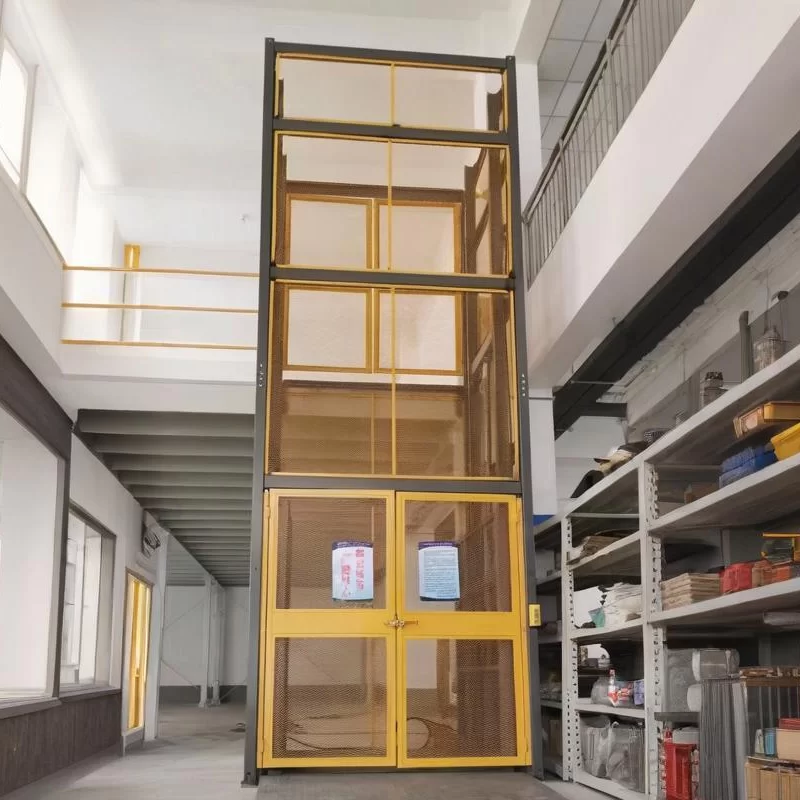
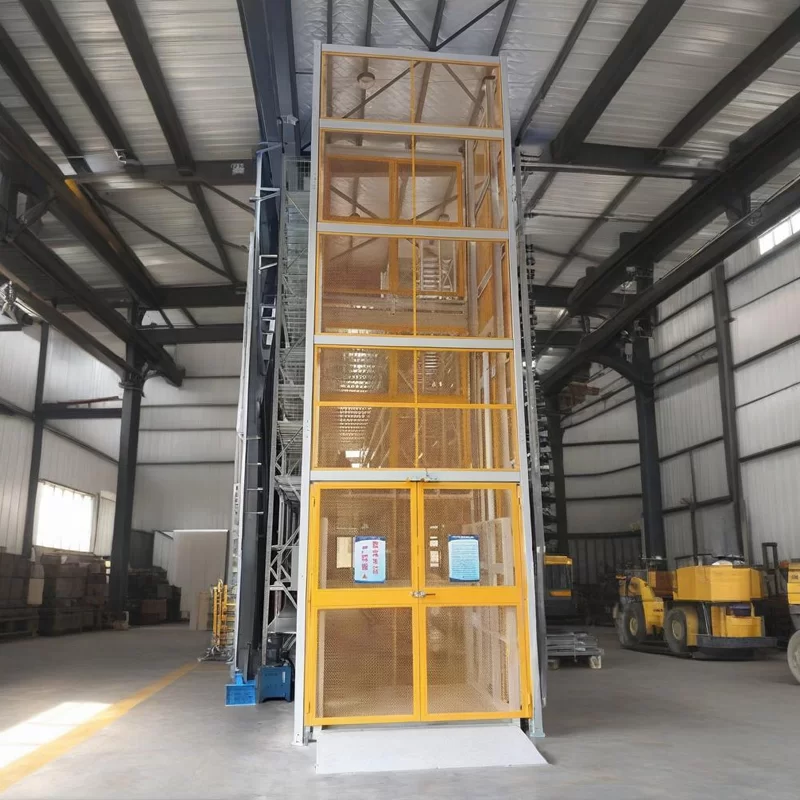
Deploying high-speed factory lifting platform arrays to synchronize stock movement across three vertical levels, maximizing the utility of expensive urban land.

05. Adelaide Industrial Construction

Providing specialized equipment for the building contractor to facilitate the installation of heavy HVAC systems in new industrial complexes.

Brand Story

Global Development Journey of Jiangmen Hongli Machinery Co., Ltd.

Foundational Excellence

Started with a commitment to precision engineering, solving the basic pain point of unstable lifting in small-scale workshops through rigorous hydraulic testing.

Technological Diversification

Expanded the product line to include specialized scissor lifts, integrating electronic safety controls to meet international certification standards.

Global Market Penetration

Established strategic partnerships across Asia and Europe, adapting machinery to withstand diverse climatic conditions and regional voltage requirements.

Australian Market Focus

Dedicated an R&D cycle to align all equipment with Australian safety standards (AS), focusing on high-load durability and corrosion resistance for the Oceania region.

Vision for the Future

Moving toward fully autonomous material handling, ensuring that every factory in Australia can achieve peak efficiency through intelligent vertical logistics.

Comprehensive Lifting Portfolio for Australia

High-performance equipment designed for the Australian industrial environment.

{Product List Placeholder 2}

Australia Industrial Lifting FAQ

Expert answers to common technical and regulatory questions.

How do I ensure my loading dock lift meets Australian safety standards?

Ensure the equipment is compliant with AS 1418 (Cranes, Hoists and Winches) and features emergency stop buttons, safety bellows, and overload protection systems certified for the Australian market.

What is the best cargo lifting device for high-salinity coastal environments?

For coastal areas like Sydney or Gold Coast, we recommend hot-dip galvanized steel finishes or stainless steel 316 components to prevent corrosion from salt air.

Can a factory lifting platform be integrated into an existing warehouse floor?

Yes, our systems are designed for both pit-mounted (flush with floor) and surface-mounted installations, depending on the structural capacity of your building.

What maintenance schedule is recommended for an electric scissor lift in industrial use?

We recommend a comprehensive safety inspection every 6 months, focusing on battery health, hydraulic fluid levels, and the integrity of the scissor arm pivot points.

Do you provide customized installation guides for the building contractor?

Absolutely. We provide detailed CAD drawings and pit dimension specifications to ensure your contractor prepares the site perfectly for a seamless installation.

What is the weight capacity range for your industrial lifting solutions?

Our range covers everything from light-duty 500kg platforms to heavy-industrial systems capable of lifting 10,000kg or more, tailored to your specific cargo needs.

Ready to Optimize Your Facility?

Contact our engineering team today for a custom lifting solution tailored to your operations in Australia.

Contact Us Now
Need Our Services And Quotes
lf you need our help,Our staff will be happy to help and answer your questions!
  • name*
  • email*
  • phone*
  • message*
Fixed Hydraulic Lift Table

Fixed Hydraulic Lift Table

HeavyDuty Hydraulic Lift Table China Factory Suppliers

HeavyDuty Hydraulic Lift Table China Factory Suppliers

Hydraulic Elevators: Principles & Advantages

Hydraulic Elevators: Principles & Advantages

A hydraulic lifting platform primarily consists of three key systems: the hydraulic system, the mechanical system, and the control system.

March 23, 2026
Industrial Stationary Lift Table for Ergonomic Efficiency

Industrial Stationary Lift Table for Ergonomic Efficiency

In the demanding environment of modern industrial logistics, the stationary lift table stands as a fundamental pillar of ergonomic efficiency and operational safety. By providing a stable, height-adjustable platform, these systems eliminate the physical strain associated with repetitive lifting and bending, directly contributing to a decrease in workplace injuries and an increase in overall throughput. Across global manufacturing hubs, the adoption of high-quality lifting solutions is no longer a luxury but a necessity to meet stringent ISO safety standards and lean manufacturing goals. A well-implemented stationary lift table allows operators to maintain an optimal working height, which significantly reduces fatigue
May 1, 2026
Efficient Material Handling with a Mobile Lifting Platform

Efficient Material Handling with a Mobile Lifting Platform

The modern industrial landscape demands unprecedented flexibility and efficiency in material handling, leading to the rise of the mobile lifting platform as a cornerstone of warehouse optimization. By merging the stability of a stationary lift with the mobility of a wheeled chassis, these systems eliminate the bottlenecks associated with fixed infrastructure, allowing operators to move heavy loads precisely where they are needed most. Across global supply chains, the integration of a high-quality mobile lifting platform has proven essential for reducing manual labor risks and accelerating throughput. Whether in a tight automotive assembly line or a sprawling logistics hub, the ability to adjust height
May 6, 2026

Industrial factory lifting platform Solutions for Australia

Optimizing material flow and vertical logistics for Australian manufacturing hubs with precision engineering and AS-standard safety compliance.

Industrial factory lifting platform Solutions for Australia

We provide high-performance lifting systems designed to withstand the rigorous demands of Australia's heavy industry, ensuring seamless cargo movement and operational efficiency.

Current State of Material Handling in Australia

Analyzing the synergy between logistics infrastructure and industrial lifting technology in the Oceania region.

The Australian industrial landscape is currently experiencing a significant shift toward warehouse automation, driven by the e-commerce boom in cities like Sydney and Melbourne. The reliance on a robust loading dock lift has become critical as logistics centers struggle to manage the high volume of heavy-duty freight while maintaining strict Work Health and Safety (WHS) standards.

Geographically, the vast distances across the Australian interior necessitate highly durable equipment. Industrial sites often face extreme temperature fluctuations, requiring a cargo lifting device that can operate reliably in harsh environments without frequent mechanical failure, emphasizing the need for corrosion-resistant materials and heavy-duty hydraulics.

Furthermore, the integration of green energy initiatives within Australian manufacturing means there is a growing demand for emissions-free equipment. We are seeing a rapid transition from hydraulic systems to an electric scissor lift to reduce carbon footprints and noise pollution in urban industrial zones.
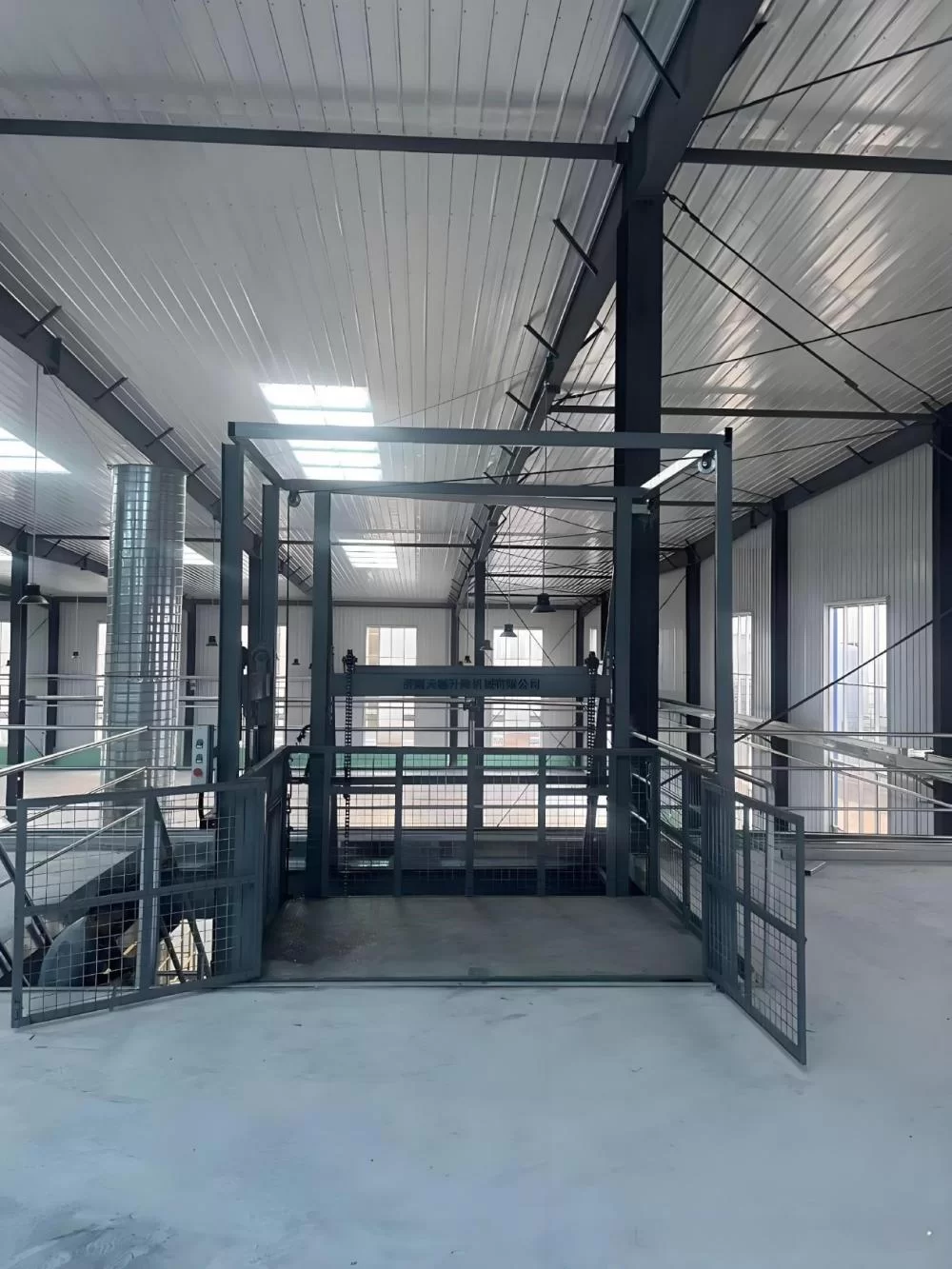
Evolution of Continuous Handling Systems

From manual pulleys to intelligent vertical synchronization.

Market Development History

In the early 2000s, Australian factories primarily relied on basic mechanical hoists and manual ramps. The focus was purely on capacity, with little regard for ergonomic efficiency or integrated safety sensors, leading to slower throughput and higher injury rates.

Between 2010 and 2020, the industry shifted toward semi-automated hydraulic systems. The introduction of standardized building contractor specifications for industrial floors allowed for more precise installations of pit-mounted lifts, enhancing the flow between different warehouse levels.

From 2021 to the present, the "Industry 4.0" wave has hit Oceania. Modern systems now feature PLC controls, IoT monitoring, and precision leveling, transforming the lifting platform from a simple tool into a synchronized component of a smart factory ecosystem.

Future Development Trends

Autonomous Integration

The next 3-5 years will see lifting devices integrating directly with AGVs (Automated Guided Vehicles), allowing for hands-free cargo transfer without human intervention.

Predictive Maintenance AI

Following Google search trends for "Smart Factory Maintenance," we expect a shift toward AI-driven sensors that predict hydraulic seal failure before it occurs, minimizing downtime.

Ultra-High Efficiency Power

The adoption of graphene-based batteries will significantly increase the duty cycle of electric lifting equipment, allowing for faster recharge and longer operation periods.

Industry Trends and Future Outlook

Strategizing the future of vertical material movement in Oceania.

Eco-Friendly Power Systems
Transitioning to lithium-ion and solar-hybrid power to meet Australia's stringent Net Zero emissions targets.
IoT-Enabled Monitoring
Real-time load sensing and remote diagnostics to eliminate unplanned downtime in remote mining sites.
Modular Scalability
Rapidly deployable lifting modules that can be expanded as facility capacity grows without major reconstruction.
Ergonomic Optimization
Advanced height-adjustable systems that reduce repetitive strain injuries in alignment with Australian OH&S guidelines.

Industry Outlook

The trajectory of the Australian material handling market is leaning heavily toward "Precision Logistics." We anticipate a significant increase in search demand for integrated vertical solutions that combine lifting and sorting, particularly in the food and beverage and pharmaceutical sectors.

Ultimately, the convergence of high-capacity hardware and intelligent software will redefine how Australian businesses manage their footprint, allowing for higher density storage and faster turnaround times at the loading bay.

Localized Application Scenarios in Australia

Tailored lifting solutions for the unique demands of the Australian market.

01. Perth Mining Equipment Hubs

Utilizing heavy-duty cargo lifting device systems to move massive engine components and drill parts between workshop levels in Western Australia's mining support centers.

02. Melbourne Cold Chain Logistics

Implementing insulated loading dock lift platforms that maintain thermal seals, preventing energy loss during the transfer of perishable goods in refrigerated warehouses.

03. Brisbane Urban Manufacturing

Installing space-saving electric scissor lift units in compact city factories where traditional forklifts are impractical due to narrow aisles and ceiling height limits.

04. Sydney Multi-Storey Distribution

Deploying high-speed factory lifting platform arrays to synchronize stock movement across three vertical levels, maximizing the utility of expensive urban land.

05. Adelaide Industrial Construction

Providing specialized equipment for the building contractor to facilitate the installation of heavy HVAC systems in new industrial complexes.

Brand Story

Global Development Journey of Jiangmen Hongli Machinery Co., Ltd.

Foundational Excellence

Started with a commitment to precision engineering, solving the basic pain point of unstable lifting in small-scale workshops through rigorous hydraulic testing.

Technological Diversification

Expanded the product line to include specialized scissor lifts, integrating electronic safety controls to meet international certification standards.

Global Market Penetration

Established strategic partnerships across Asia and Europe, adapting machinery to withstand diverse climatic conditions and regional voltage requirements.

Australian Market Focus

Dedicated an R&D cycle to align all equipment with Australian safety standards (AS), focusing on high-load durability and corrosion resistance for the Oceania region.

Vision for the Future

Moving toward fully autonomous material handling, ensuring that every factory in Australia can achieve peak efficiency through intelligent vertical logistics.

Comprehensive Lifting Portfolio for Australia

High-performance equipment designed for the Australian industrial environment.

Australia Industrial Lifting FAQ

Expert answers to common technical and regulatory questions.

How do I ensure my loading dock lift meets Australian safety standards?

Ensure the equipment is compliant with AS 1418 (Cranes, Hoists and Winches) and features emergency stop buttons, safety bellows, and overload protection systems certified for the Australian market.

What is the best cargo lifting device for high-salinity coastal environments?

For coastal areas like Sydney or Gold Coast, we recommend hot-dip galvanized steel finishes or stainless steel 316 components to prevent corrosion from salt air.

Can a factory lifting platform be integrated into an existing warehouse floor?

Yes, our systems are designed for both pit-mounted (flush with floor) and surface-mounted installations, depending on the structural capacity of your building.

What maintenance schedule is recommended for an electric scissor lift in industrial use?

We recommend a comprehensive safety inspection every 6 months, focusing on battery health, hydraulic fluid levels, and the integrity of the scissor arm pivot points.

Do you provide customized installation guides for the building contractor?

Absolutely. We provide detailed CAD drawings and pit dimension specifications to ensure your contractor prepares the site perfectly for a seamless installation.

What is the weight capacity range for your industrial lifting solutions?

Our range covers everything from light-duty 500kg platforms to heavy-industrial systems capable of lifting 10,000kg or more, tailored to your specific cargo needs.

Ready to Optimize Your Facility?

Contact our engineering team today for a custom lifting solution tailored to your operations in Australia.

Contact Us Now

If you are interested in our products, you can choose to leave your information here, and we will be in touch with you shortly.