News

HighEfficiency cargo lifting device Solutions for Norway’s Industrial Sector

April 25, 2026

High-Efficiency cargo lifting device Solutions for Norway's Industrial Sector

Optimizing material flow and vertical transportation for Norwegian enterprises with precision-engineered lifting technology tailored for Arctic conditions.

High-Efficiency cargo lifting device Solutions for Norway's Industrial Sector

Our advanced continuous handling systems integrate seamlessly into Norway's rigorous manufacturing standards, ensuring maximum uptime and operational safety.

{Product List Placeholder 1}

The State of Material Handling in Norway

Navigating the logistical challenges of the Norwegian landscape and industrial requirements.

Norway's manufacturing landscape is characterized by a strong emphasis on sustainability and extreme climatic resilience. In regions like Oslo and Bergen, the demand for a robust loading dock lift has surged as companies upgrade their logistics hubs to handle increased e-commerce and export volumes while combating freezing temperatures.

The operational environment in Norway requires equipment that can withstand high humidity and salt-mist corrosion, especially in coastal industrial zones. This has led local firms to move away from basic mechanisms toward specialized factory lifting platform systems that offer superior galvanized protection and energy-efficient hydraulics.

Furthermore, strict labor laws and HSE (Health, Safety, and Environment) regulations in Norway drive the adoption of ergonomic lifting solutions. The integration of an electric scissor lift is now a standard requirement for reducing manual handling risks in warehouses and production lines across the Nordics.
Evolution and Trajectory of Lifting Technology

From mechanical hoists to intelligent automated vertical transport.

Market Development History

Prior to 2010, the Norwegian material handling sector relied heavily on heavy-duty manual chain hoists and basic hydraulic jacks. These systems, while durable, lacked the precision and speed required for modern "Just-in-Time" manufacturing processes.

Between 2010 and 2020, there was a significant shift toward electrification. The introduction of programmable logic controllers (PLCs) allowed the cargo lifting device to be synchronized with conveyor belts, creating a continuous flow of materials that reduced bottlenecks in fish processing and maritime equipment plants.

From 2020 to the present, the focus has shifted toward "Smart Lifting." We have seen a transition where the building contractor now specifies integrated IoT sensors during the construction phase to ensure lifting platforms can be monitored remotely for predictive maintenance.

Future Development Trends

Carbon-Neutral Hydraulics

Driven by Norway's goal to be a leader in green energy, the next 3 years will see a transition to bio-degradable hydraulic fluids and solar-integrated power packs for outdoor lifts.

AI-Driven Load Balancing

Integration of AI sensors to automatically detect load weight and center of gravity, adjusting the lift speed in real-time to prevent mechanical wear and increase safety.

Modular Rapid Deployment

A trend toward prefabricated lifting modules that allow a building contractor to install full vertical transport systems in days rather than weeks.

Industry Trends and Future Outlook

Predicting the next leap in continuous handling equipment for the Norwegian market.

Autonomous Integration
Seamless communication between AGVs (Automated Guided Vehicles) and lifting platforms for a fully unmanned warehouse.
Arctic Grade Materials
Use of specialized low-temperature alloys that prevent steel brittleness in Northern Norway's extreme winters.
Predictive Maintenance
IoT-based vibration analysis and thermal monitoring to predict component failure before it occurs.
Energy Recovery Systems
Implementing regenerative braking in lifts to feed energy back into the factory grid during descent.

Industry Outlook

Google search trends indicate a growing interest in "sustainable warehousing" and "automated vertical transport" within the Scandinavian region. This suggests that the market is moving toward a hybrid model where human operators oversee a fleet of intelligent lifting devices.

The convergence of Norway's high labor costs and technological prowess makes it the ideal testbed for the next generation of continuous handling equipment, focusing on zero-emission operations and maximum spatial efficiency.

Localized Application Scenarios in Norway

Real-world implementations of lifting technology across diverse Norwegian industries.

01. Salmon Processing Facilities in Tromsø

Implementing corrosion-resistant factory lifting platform systems to transport raw materials between processing levels in high-salinity, wet environments.

02. Oslo Logistics Hubs & Distribution Centers

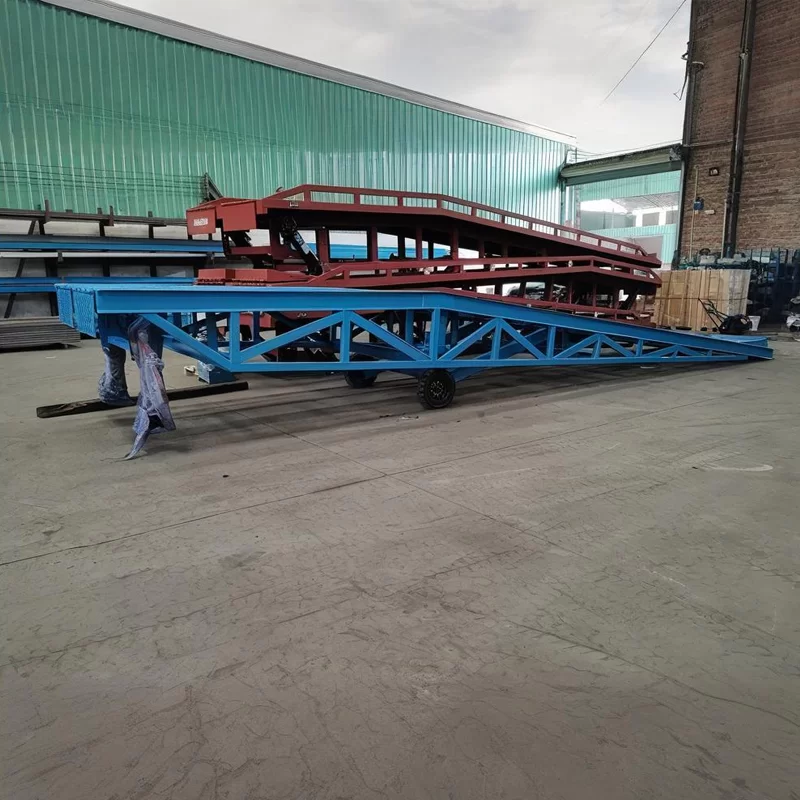
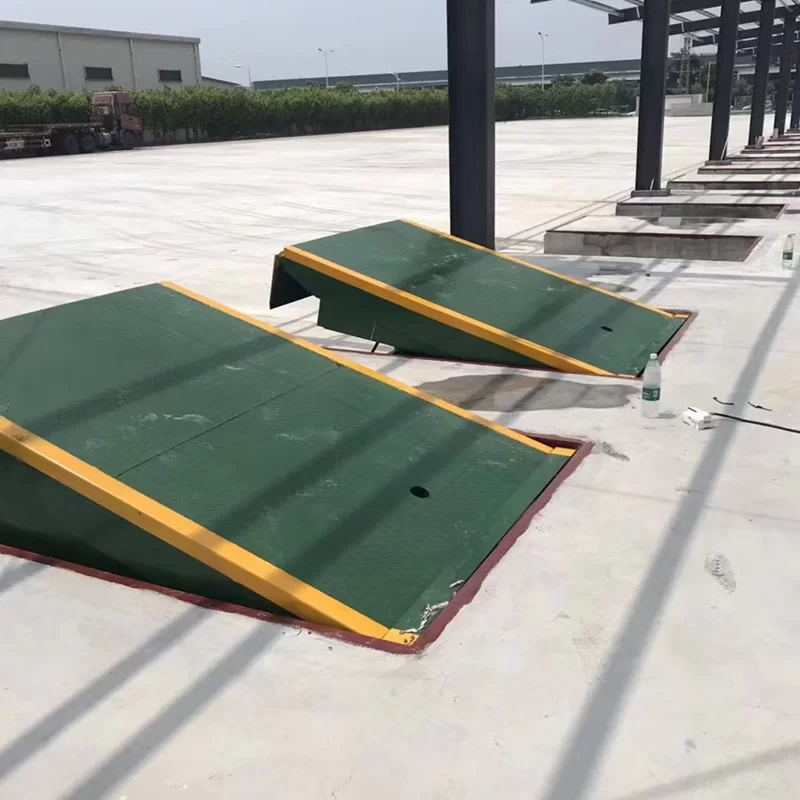
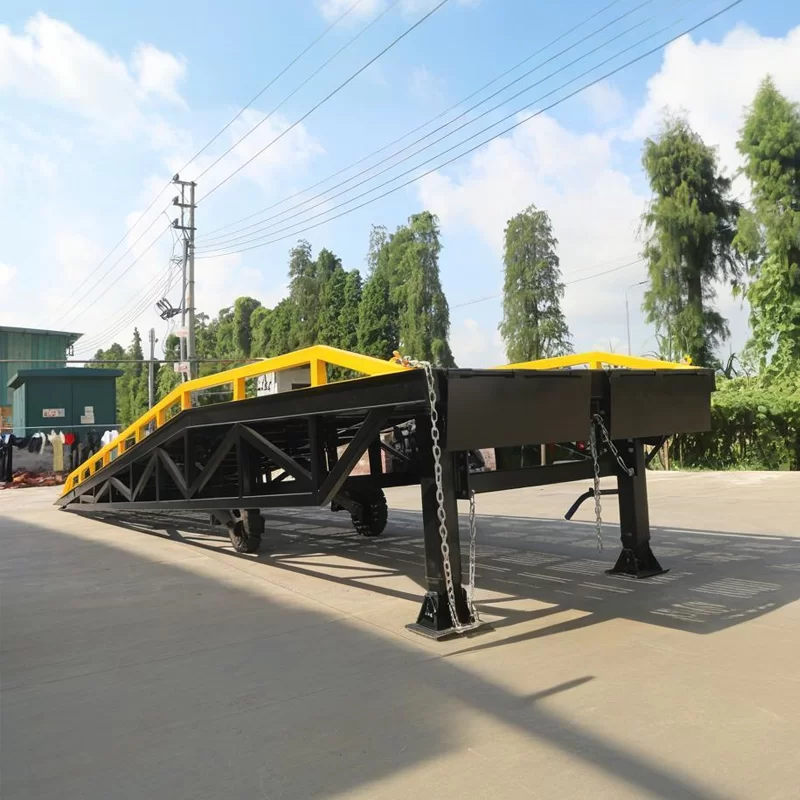
Installing high-capacity loading dock lift systems to synchronize truck heights with warehouse floors, ensuring rapid throughput for Nordic e-commerce.

03. Maritime Equipment Workshops in Stavanger

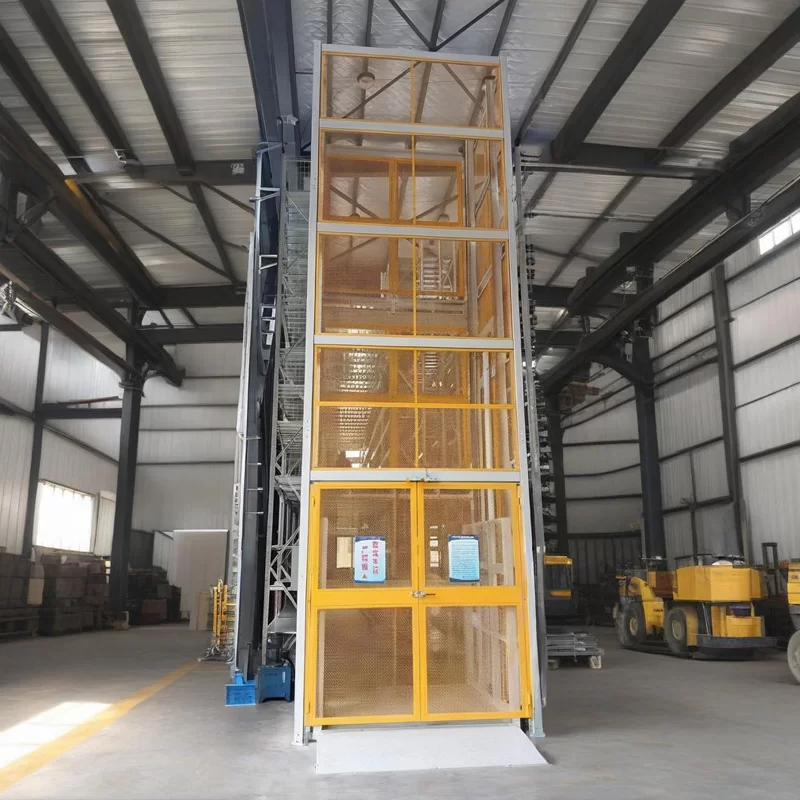
Using heavy-duty cargo lifting device solutions to move massive subsea components between assembly stages in shipyards.

04. Modern Residential-Commercial Mixed-Use Projects

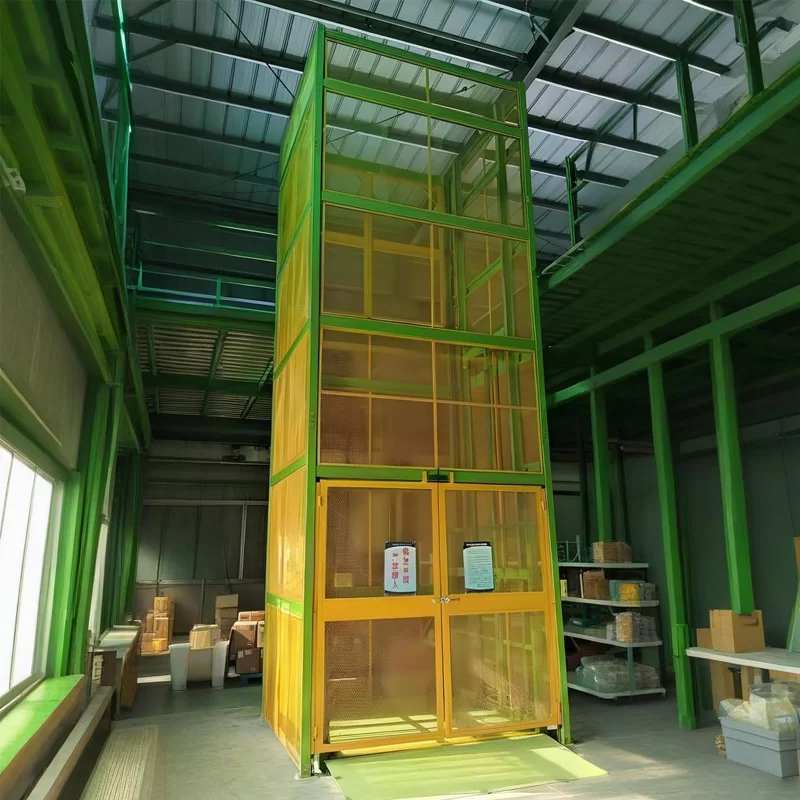
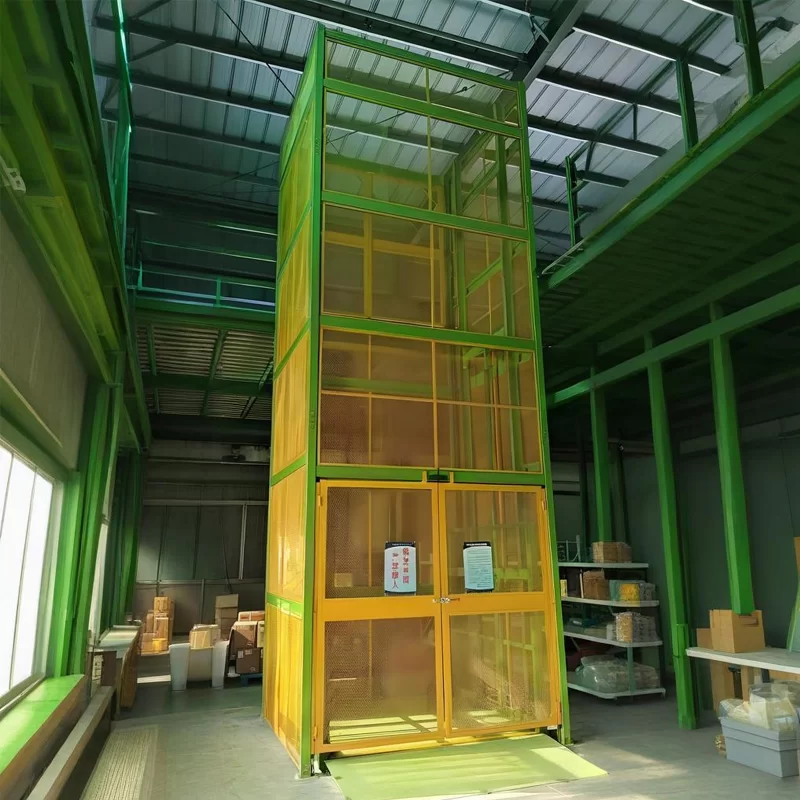
Collaboration with a building contractor to integrate concealed freight lifts in urban centers to maintain architectural aesthetics while ensuring functionality.

05. Automotive Maintenance Centers in Bergen

Deployment of precision electric scissor lift units for vehicle underbody work, focusing on safety and adjustable height ergonomics.

Brand Story

Global Development History of Jiangmen Hongli Machinery Co., Ltd.

Foundational Precision

Established with a mission to solve the inherent instability of early lifting platforms, focusing on structural rigidity and load safety.

Technological Breakthrough

Developed advanced hydraulic sealing technology that eliminated leaks, significantly increasing the lifespan of continuous handling equipment.

European Market Expansion

Adapted product lines to meet CE standards and Nordic climate requirements, establishing a footprint in the challenging Norwegian industrial market.

Smart System Integration

Launched the first series of IoT-enabled lifts, allowing global clients to monitor equipment health via cloud-based dashboards.

Global Leadership Vision

Today, we strive to redefine vertical logistics by combining sustainable energy with uncompromising industrial power.

Comprehensive Lifting Portfolio for Norway

A curated selection of equipment designed to excel in the Nordic industrial environment.

{Product List Placeholder 2}

Frequently Asked Questions in Norway

Expert answers to the most common technical queries from our Norwegian partners.

How does the freezing Norwegian winter affect a loading dock lift's hydraulics?

We use low-viscosity Arctic-grade hydraulic oil and heated sealants to ensure that the lift operates smoothly even at -20°C, preventing fluid thickening and seal failure.

Can a factory lifting platform be customized for fish processing plants?

Yes, we provide 316L stainless steel construction and IP67-rated electrical components to withstand the rigorous wash-down procedures and high-salinity air typical of Norwegian fisheries.

What safety certifications are required for an electric scissor lift in Norway?

All our equipment complies with CE marking and EN 1495 standards, ensuring they meet the strict safety and environmental health guidelines set by the Norwegian Labor Inspection Authority.

How does a building contractor integrate our cargo lifting device into new builds?

We provide detailed CAD drawings and structural load specifications during the design phase, allowing for precise pit excavation and reinforcement before the final installation.

What is the typical maintenance cycle for a heavy-duty lifting platform?

For the Norwegian climate, we recommend a bi-annual inspection focusing on seal integrity and lubrication of the guiding rails to prevent corrosion and wear.

Are there energy-efficient options for continuous material handling?

Absolutely. We offer regenerative drive systems that capture potential energy during descent and feed it back into the building's power grid, reducing total energy costs.

Ready to Optimize Your Lifting Operations?

Our engineering team is ready to deploy world-class material handling solutions across Norway. Contact us today for a customized technical consultation.

Contact Us Now
Need Our Services And Quotes
lf you need our help,Our staff will be happy to help and answer your questions!
  • name*
  • email*
  • phone*
  • message*
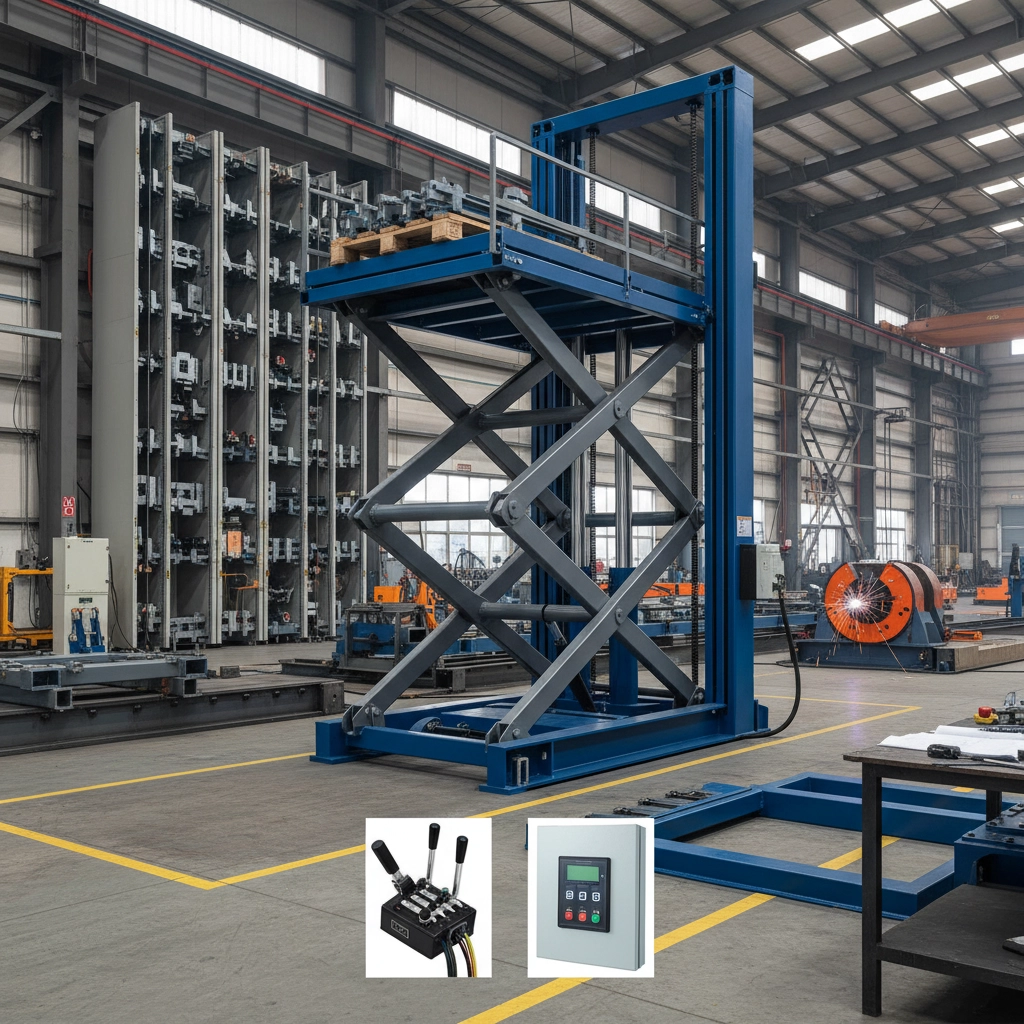
Electric Hydraulic Platform China Suppliers Industrial Lifting Equipment Factory

Electric Hydraulic Platform China Suppliers Industrial Lifting Equipment Factory

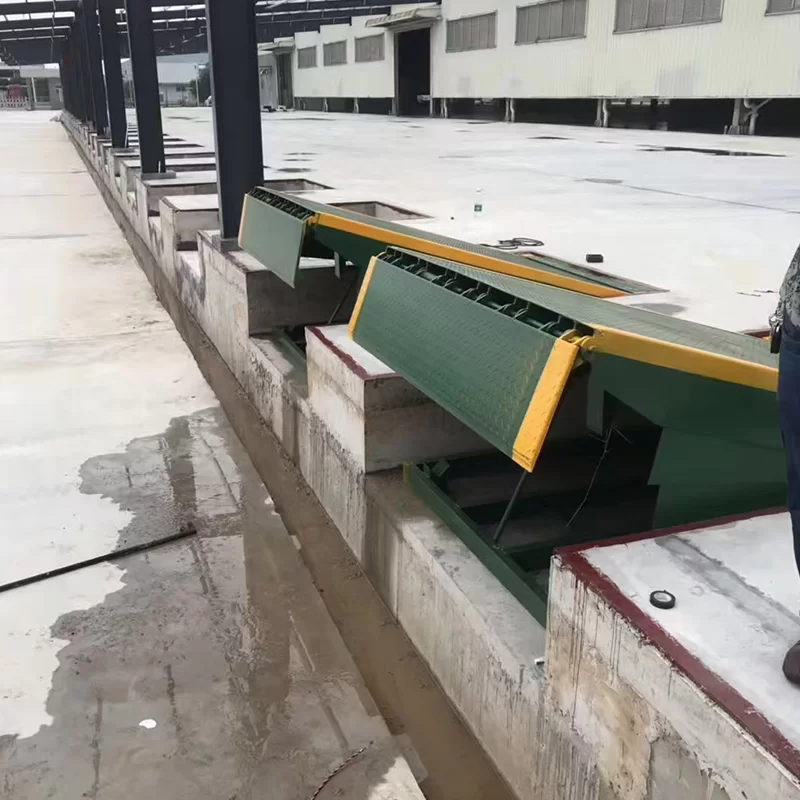
Container Loading Platform

Container Loading Platform

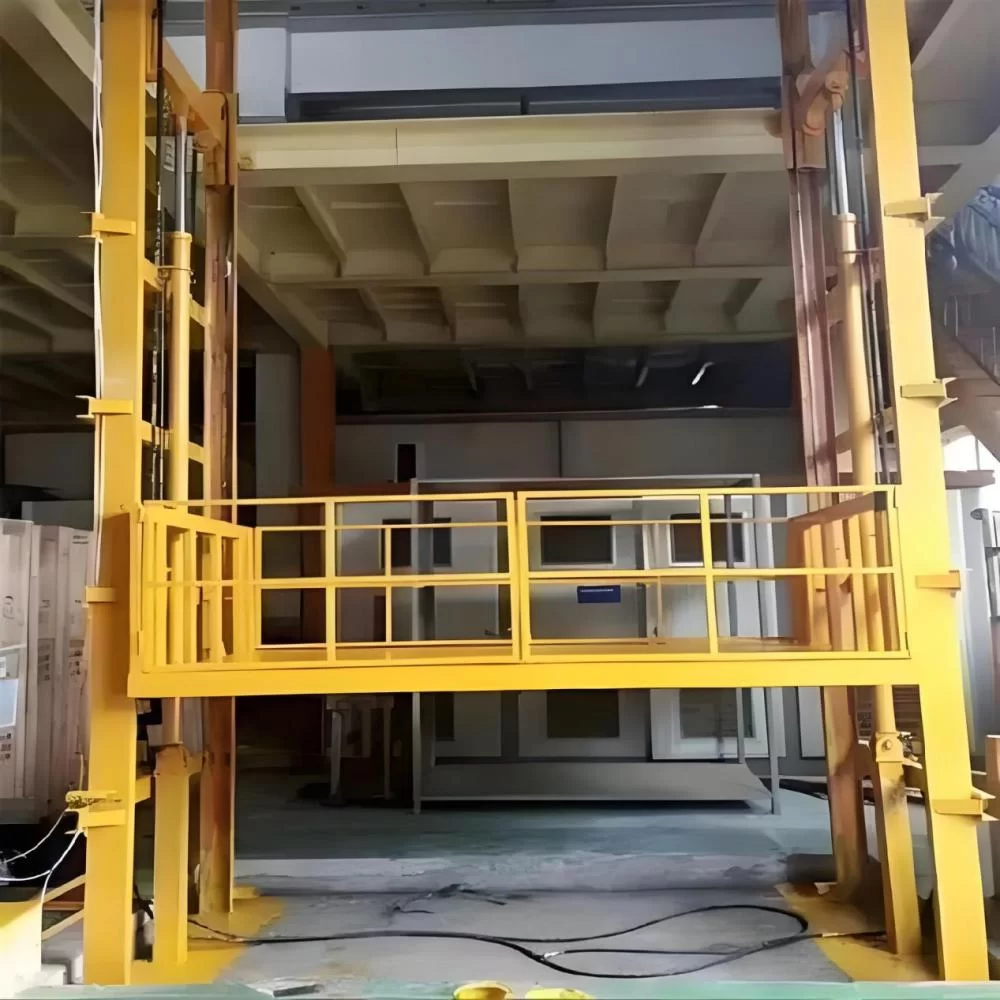
Industrial Hydraulic lifting platform for Efficient Material Handling

Industrial Hydraulic lifting platform for Efficient Material Handling

The modern industrial landscape relies heavily on the efficient movement of heavy loads, where the Hydraulic lifting platform serves as a cornerstone of operational productivity. By leveraging Pascal's law to multiply force, these systems allow businesses to move massive weights with minimal manual effort, reducing workplace injuries and accelerating throughput in warehouses and factories worldwide. Globally, the demand for sophisticated material handling solutions is surging as e-commerce and automated logistics expand. The implementation of a high-quality Hydraulic lifting platform is no longer just a luxury for large-scale plants but a necessity for any facility aiming to optimize its vertical space
April 17, 2026
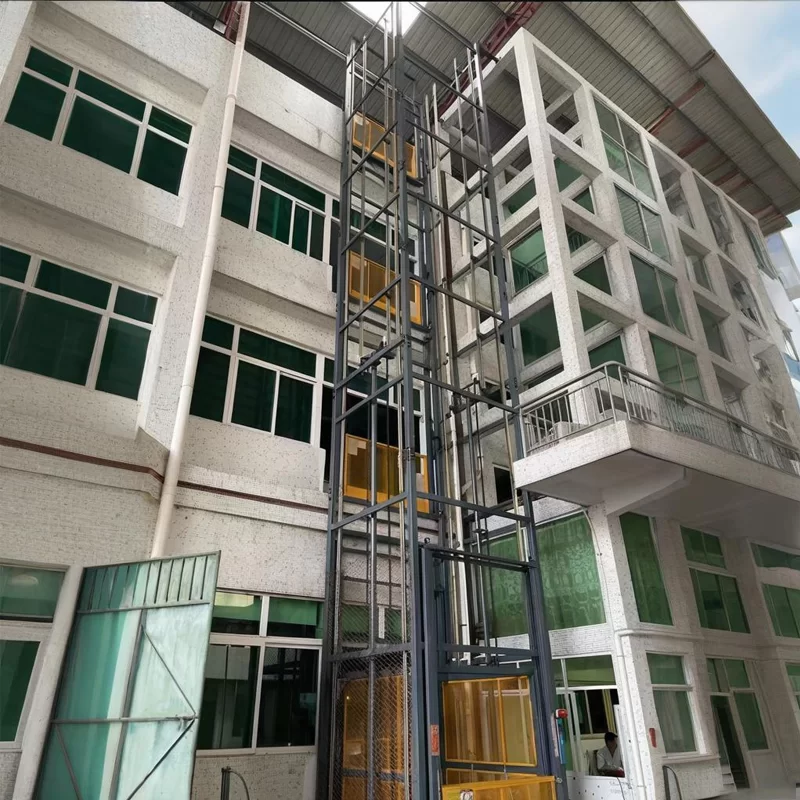
Industrial Cargo Lifting Device for Warehouse Efficiency

Industrial Cargo Lifting Device for Warehouse Efficiency

In the fast-paced world of modern logistics and industrial manufacturing, the efficiency of vertical and horizontal movement can determine the success of an entire supply chain. A high-quality cargo lifting device serves as the backbone of warehouse operations, bridging the gap between storage and transport while minimizing physical strain on workers. Globally, the demand for advanced material handling solutions has surged as e-commerce and just-in-time manufacturing necessitate faster turnaround times. Understanding the nuances of various lifting mechanismsfrom hydraulic systems to mechanical liftsallows businesses to optimize their floor space and enhance throughput.
May 20, 2026
Lift Size Selection Guide

Lift Size Selection Guide

As urbanization accelerates and modern living standards rise, elevators and lifts have become essential equipment in both commercial and residential buildings. 

March 23, 2026

High-Efficiency cargo lifting device Solutions for Norway's Industrial Sector

Optimizing material flow and vertical transportation for Norwegian enterprises with precision-engineered lifting technology tailored for Arctic conditions.

High-Efficiency cargo lifting device Solutions for Norway's Industrial Sector

Our advanced continuous handling systems integrate seamlessly into Norway's rigorous manufacturing standards, ensuring maximum uptime and operational safety.

The State of Material Handling in Norway

Navigating the logistical challenges of the Norwegian landscape and industrial requirements.

Norway's manufacturing landscape is characterized by a strong emphasis on sustainability and extreme climatic resilience. In regions like Oslo and Bergen, the demand for a robust loading dock lift has surged as companies upgrade their logistics hubs to handle increased e-commerce and export volumes while combating freezing temperatures.

The operational environment in Norway requires equipment that can withstand high humidity and salt-mist corrosion, especially in coastal industrial zones. This has led local firms to move away from basic mechanisms toward specialized factory lifting platform systems that offer superior galvanized protection and energy-efficient hydraulics.

Furthermore, strict labor laws and HSE (Health, Safety, and Environment) regulations in Norway drive the adoption of ergonomic lifting solutions. The integration of an electric scissor lift is now a standard requirement for reducing manual handling risks in warehouses and production lines across the Nordics.
Evolution and Trajectory of Lifting Technology

From mechanical hoists to intelligent automated vertical transport.

Market Development History

Prior to 2010, the Norwegian material handling sector relied heavily on heavy-duty manual chain hoists and basic hydraulic jacks. These systems, while durable, lacked the precision and speed required for modern "Just-in-Time" manufacturing processes.

Between 2010 and 2020, there was a significant shift toward electrification. The introduction of programmable logic controllers (PLCs) allowed the cargo lifting device to be synchronized with conveyor belts, creating a continuous flow of materials that reduced bottlenecks in fish processing and maritime equipment plants.

From 2020 to the present, the focus has shifted toward "Smart Lifting." We have seen a transition where the building contractor now specifies integrated IoT sensors during the construction phase to ensure lifting platforms can be monitored remotely for predictive maintenance.

Future Development Trends

Carbon-Neutral Hydraulics

Driven by Norway's goal to be a leader in green energy, the next 3 years will see a transition to bio-degradable hydraulic fluids and solar-integrated power packs for outdoor lifts.

AI-Driven Load Balancing

Integration of AI sensors to automatically detect load weight and center of gravity, adjusting the lift speed in real-time to prevent mechanical wear and increase safety.

Modular Rapid Deployment

A trend toward prefabricated lifting modules that allow a building contractor to install full vertical transport systems in days rather than weeks.

Industry Trends and Future Outlook

Predicting the next leap in continuous handling equipment for the Norwegian market.

Autonomous Integration
Seamless communication between AGVs (Automated Guided Vehicles) and lifting platforms for a fully unmanned warehouse.
Arctic Grade Materials
Use of specialized low-temperature alloys that prevent steel brittleness in Northern Norway's extreme winters.
Predictive Maintenance
IoT-based vibration analysis and thermal monitoring to predict component failure before it occurs.
Energy Recovery Systems
Implementing regenerative braking in lifts to feed energy back into the factory grid during descent.

Industry Outlook

Google search trends indicate a growing interest in "sustainable warehousing" and "automated vertical transport" within the Scandinavian region. This suggests that the market is moving toward a hybrid model where human operators oversee a fleet of intelligent lifting devices.

The convergence of Norway's high labor costs and technological prowess makes it the ideal testbed for the next generation of continuous handling equipment, focusing on zero-emission operations and maximum spatial efficiency.

Localized Application Scenarios in Norway

Real-world implementations of lifting technology across diverse Norwegian industries.

01. Salmon Processing Facilities in Tromsø

Implementing corrosion-resistant factory lifting platform systems to transport raw materials between processing levels in high-salinity, wet environments.

02. Oslo Logistics Hubs & Distribution Centers

Installing high-capacity loading dock lift systems to synchronize truck heights with warehouse floors, ensuring rapid throughput for Nordic e-commerce.

03. Maritime Equipment Workshops in Stavanger

Using heavy-duty cargo lifting device solutions to move massive subsea components between assembly stages in shipyards.

04. Modern Residential-Commercial Mixed-Use Projects

Collaboration with a building contractor to integrate concealed freight lifts in urban centers to maintain architectural aesthetics while ensuring functionality.

05. Automotive Maintenance Centers in Bergen

Deployment of precision electric scissor lift units for vehicle underbody work, focusing on safety and adjustable height ergonomics.

Brand Story

Global Development History of Jiangmen Hongli Machinery Co., Ltd.

Foundational Precision

Established with a mission to solve the inherent instability of early lifting platforms, focusing on structural rigidity and load safety.

Technological Breakthrough

Developed advanced hydraulic sealing technology that eliminated leaks, significantly increasing the lifespan of continuous handling equipment.

European Market Expansion

Adapted product lines to meet CE standards and Nordic climate requirements, establishing a footprint in the challenging Norwegian industrial market.

Smart System Integration

Launched the first series of IoT-enabled lifts, allowing global clients to monitor equipment health via cloud-based dashboards.

Global Leadership Vision

Today, we strive to redefine vertical logistics by combining sustainable energy with uncompromising industrial power.

Comprehensive Lifting Portfolio for Norway

A curated selection of equipment designed to excel in the Nordic industrial environment.

Frequently Asked Questions in Norway

Expert answers to the most common technical queries from our Norwegian partners.

How does the freezing Norwegian winter affect a loading dock lift's hydraulics?

We use low-viscosity Arctic-grade hydraulic oil and heated sealants to ensure that the lift operates smoothly even at -20°C, preventing fluid thickening and seal failure.

Can a factory lifting platform be customized for fish processing plants?

Yes, we provide 316L stainless steel construction and IP67-rated electrical components to withstand the rigorous wash-down procedures and high-salinity air typical of Norwegian fisheries.

What safety certifications are required for an electric scissor lift in Norway?

All our equipment complies with CE marking and EN 1495 standards, ensuring they meet the strict safety and environmental health guidelines set by the Norwegian Labor Inspection Authority.

How does a building contractor integrate our cargo lifting device into new builds?

We provide detailed CAD drawings and structural load specifications during the design phase, allowing for precise pit excavation and reinforcement before the final installation.

What is the typical maintenance cycle for a heavy-duty lifting platform?

For the Norwegian climate, we recommend a bi-annual inspection focusing on seal integrity and lubrication of the guiding rails to prevent corrosion and wear.

Are there energy-efficient options for continuous material handling?

Absolutely. We offer regenerative drive systems that capture potential energy during descent and feed it back into the building's power grid, reducing total energy costs.

Ready to Optimize Your Lifting Operations?

Our engineering team is ready to deploy world-class material handling solutions across Norway. Contact us today for a customized technical consultation.

Contact Us Now

If you are interested in our products, you can choose to leave your information here, and we will be in touch with you shortly.