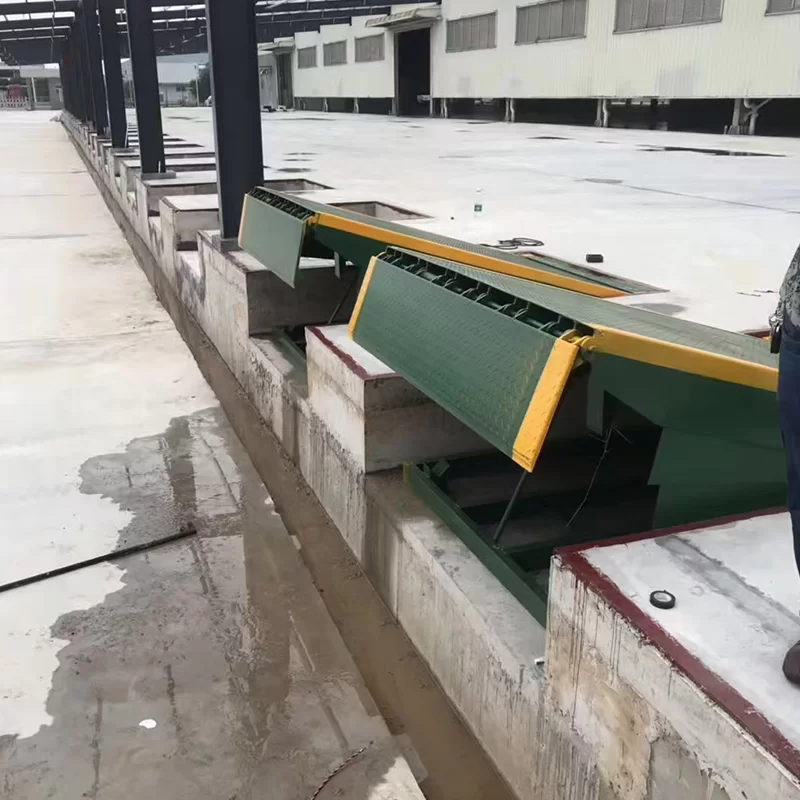
The hydraulic mobile dock ramp is an auxiliary equipment used to bridge height differences during cargo loading and unloading. It is widely used in logistics parks, warehousing centers, factory warehouses, freight terminals, and similar locations. With its mobile design, the ramp requires no fixed installation and can be flexibly relocated using a forklift or manual towing, making it suitable for sites without fixed loading docks or where dock heights do not match the vehicle.
The mobile dock ramp is driven by a hydraulic system that raises and lowers the main platform and front lip, creating a smooth transition between the truck bed and the ground. This allows forklifts and other material handling equipment to drive directly into the truck for loading and unloading. Its compact structure, ease of operation, and high load capacity make it an essential tool for improving logistics efficiency.
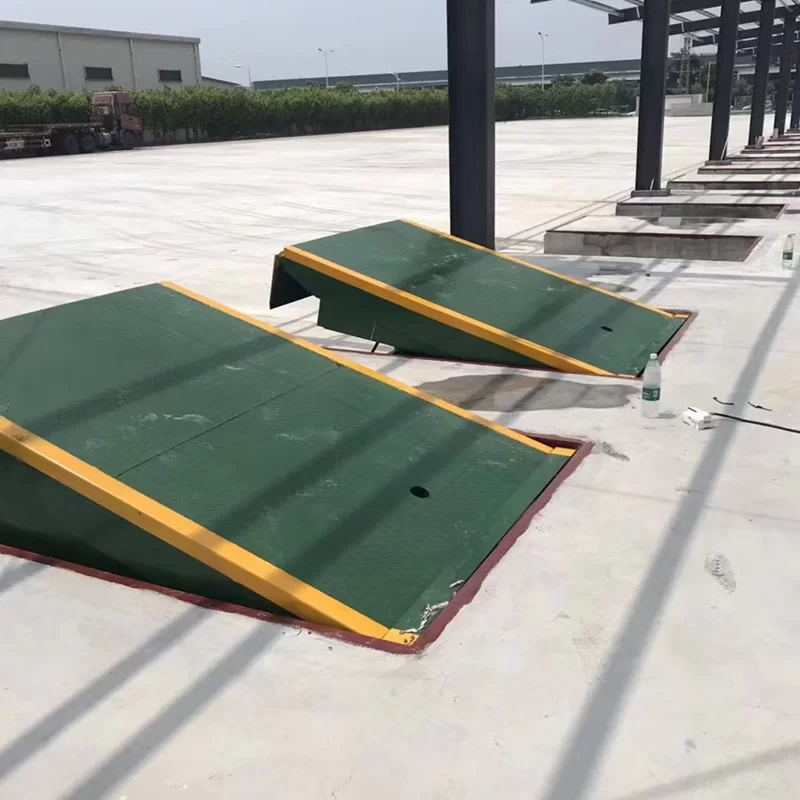
The container loading dock leveler (also known as a dock leveler or loading dock platform) is a critical piece of equipment installed at warehouse loading docks to bridge the height difference and gap between the dock and transport vehicles (containers, vans, flatbed trucks). By raising, lowering, and extending the platform via hydraulic or mechanical means, it enables forklifts and material handling equipment to enter and exit vehicles smoothly and safely for loading and unloading operations.
As a standard feature at modern logistics centers, manufacturing plants, and distribution warehouses, the dock leveler significantly improves loading efficiency, reduces safety risks for personnel, and minimizes impact damage to forklifts and cargo. It is widely used in cold chain logistics, e-commerce warehousing, manufacturing raw material storage, and finished goods warehouses.
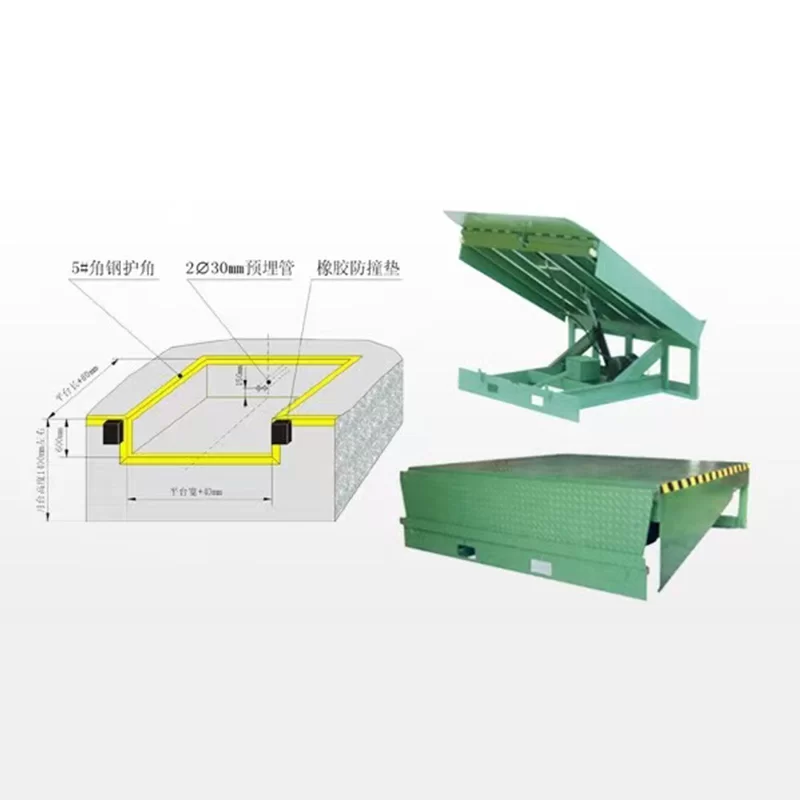
The warehouse dock ramp (also known as a loading dock ramp or dock leveler) is a critical piece of equipment designed to bridge the gap between a loading dock and a truck or trailer. It facilitates safe, efficient, and seamless loading and unloading of goods in warehouses, distribution centers, manufacturing facilities, and logistics hubs.
Available in various configurations—including hydraulic, mechanical, and mobile models—dock ramps are engineered to accommodate different dock heights, vehicle types, and operational requirements. They eliminate the need for manual handling equipment such as portable ramps or forklift repositioning, significantly improving workflow efficiency and reducing the risk of workplace injuries.
Choosing the Right Dock Leveler for Your Facility
Selecting the right dock leveler is crucial for maximizing operational efficiency and safety. Factors such as load capacity, platform size, and type of operation (mechanical, hydraulic, or air-powered) must be considered to suit specific business needs. A high-quality dock leveler ensures smooth and consistent performance, minimizing downtime during peak loading hours. Safety features such as side guards, non-slip surfaces, and automatic locking mechanisms are essential for protecting workers and goods. Additionally, durable materials and corrosion-resistant finishes extend the lifespan of the equipment, making it a cost-effective investment for any warehouse or distribution center. Regular inspection and maintenance further enhance performance and reliability. By choosing the right dock leveler, companies can streamline loading operations, reduce labor costs, and create a safer and more productive working environment.