As urbanization accelerates and modern living standards rise, elevators and lifts have become essential equipment in both commercial and residential buildings. However, when planning to purchase or install a lift, many people find themselves uncertain about what size and load capacity are truly needed. This guide aims to clarify the key considerations and help you choose the lift that best suits your requirements.
Types of Lifts
Passenger Elevator
Designed primarily for transporting people in residential and commercial buildings. The size is typically determined by passenger capacity, with common options including 6-person, 10-person, and 15-person models.
Freight Elevator
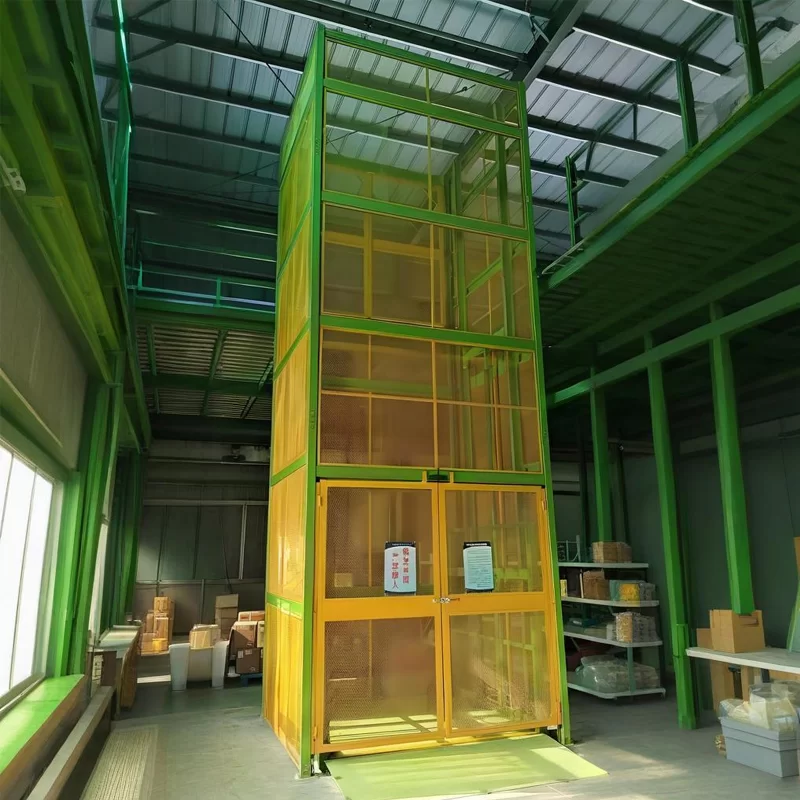
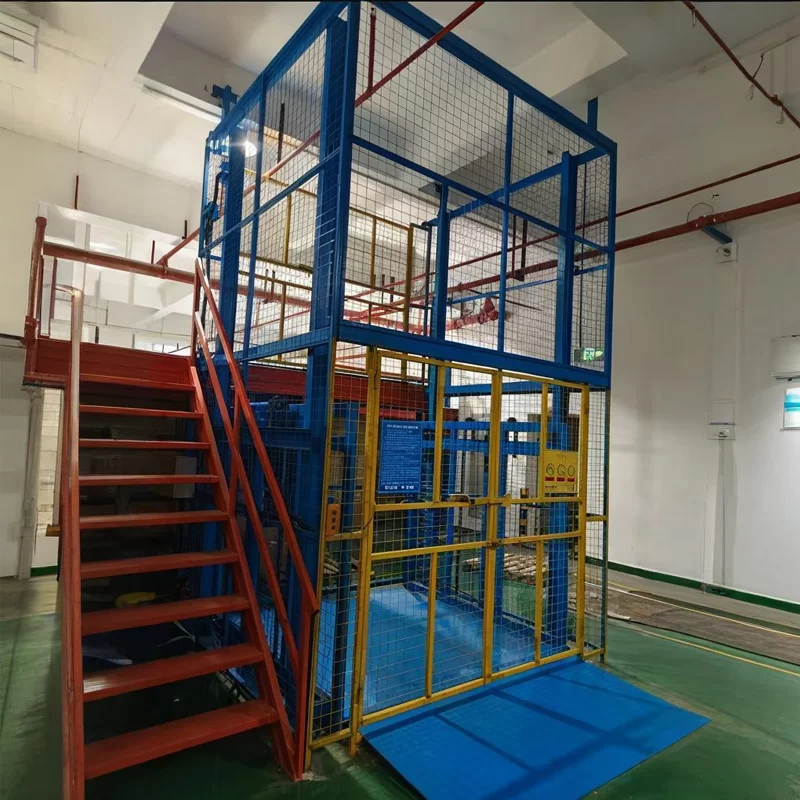
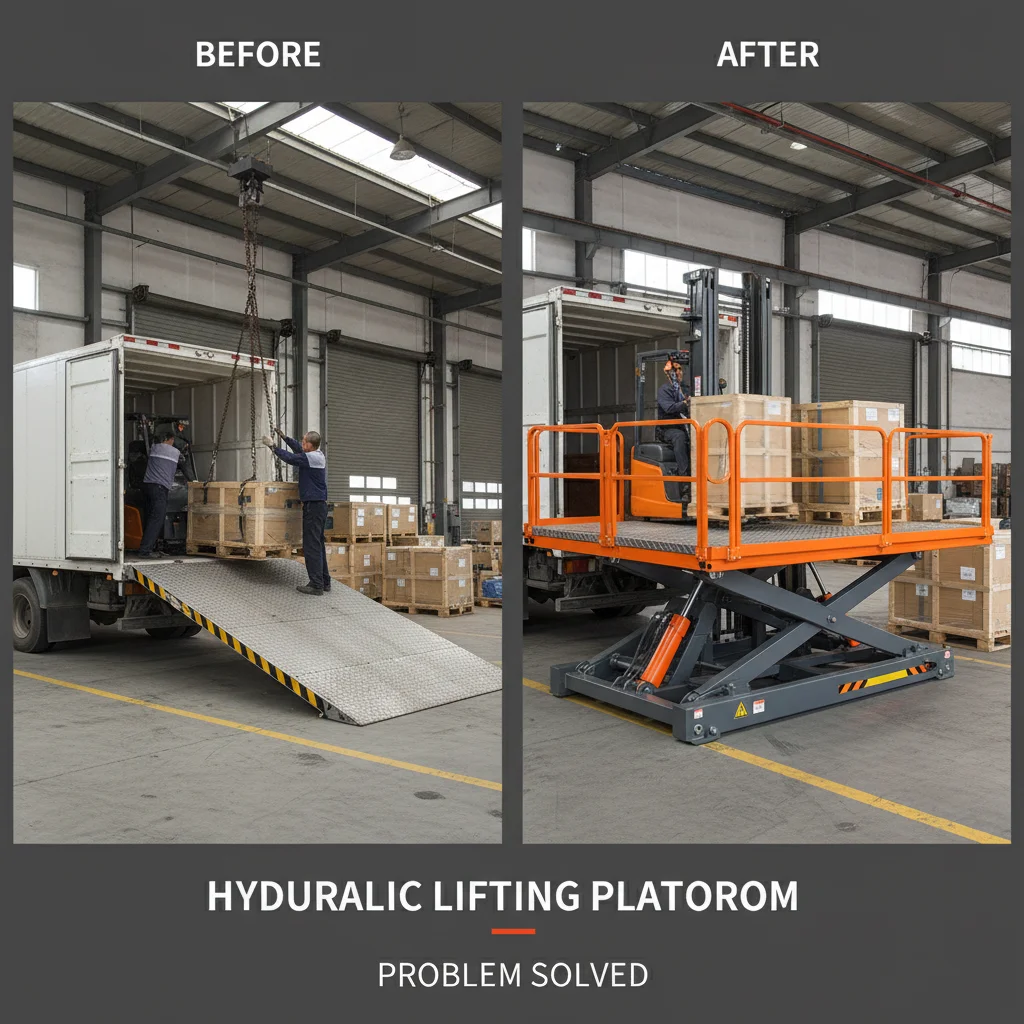
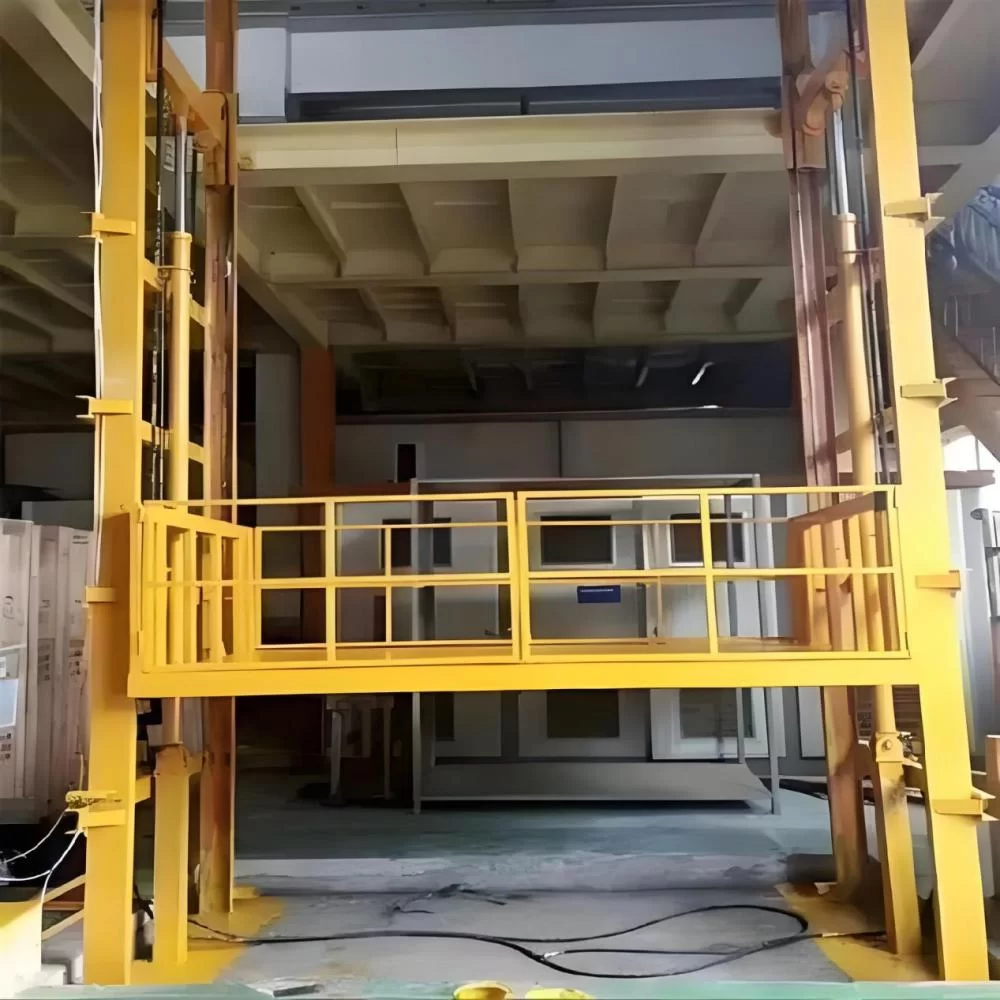
Used for the vertical transport of goods, these lifts offer greater load capacity and larger interiors compared to passenger elevators. They often feature wider doors and flexible opening methods to facilitate loading and unloading. Sizes are usually classified by load capacity, such as 500 kg, 1000 kg, or more.
Scenic / Observation Elevator
Combining functionality with aesthetics, these lifts often feature glass panels to provide an panoramic view during transit. They are commonly found in hotels, shopping malls, and other commercial spaces.
Machine-Room-Less (MRL) Elevator
Utilizing advanced drive technology, MRL elevators eliminate the need for a separate machine room, saving valuable building space. They are ideal for smaller buildings and residential applications.
Key Factors in Determining Lift Size
Building Height & Traffic Flow
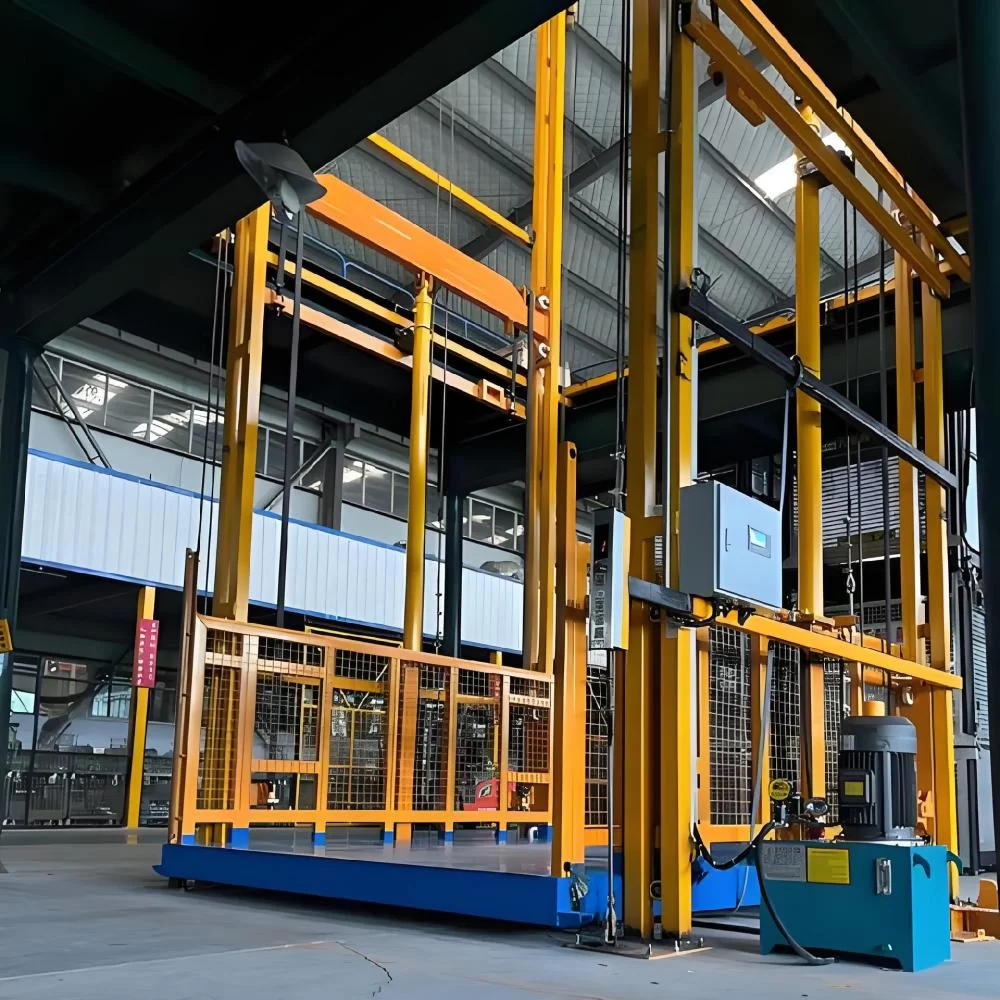
The travel distance of the lift is determined by the building's height. Additionally, consider the frequency of use—higher traffic buildings may require larger cabins or increased speed to handle passenger flow efficiently.
Load Capacity Requirements
Load capacity directly influences cabin size and structural design. Higher capacity lifts feature larger interiors and more robust counterweight systems. Choose a capacity that matches your specific application—for example, commercial passenger lifts must accommodate peak-hour crowds, while freight lifts must support heavy equipment or bulk goods.
Number of Users
For passenger lifts, it is essential to ensure the cabin size can accommodate expected traffic. As a rule of thumb, cabins designed for 6–8 people typically provide sufficient capacity during peak times for most residential and small commercial buildings.
Space Constraints
The physical layout of the building plays a significant role in lift selection. Shaft dimensions, door types (e.g., center-opening or side-sliding doors), and surrounding structures must all be considered to ensure a proper fit.
Typical Lift Size Ranges
Cabin Dimensions
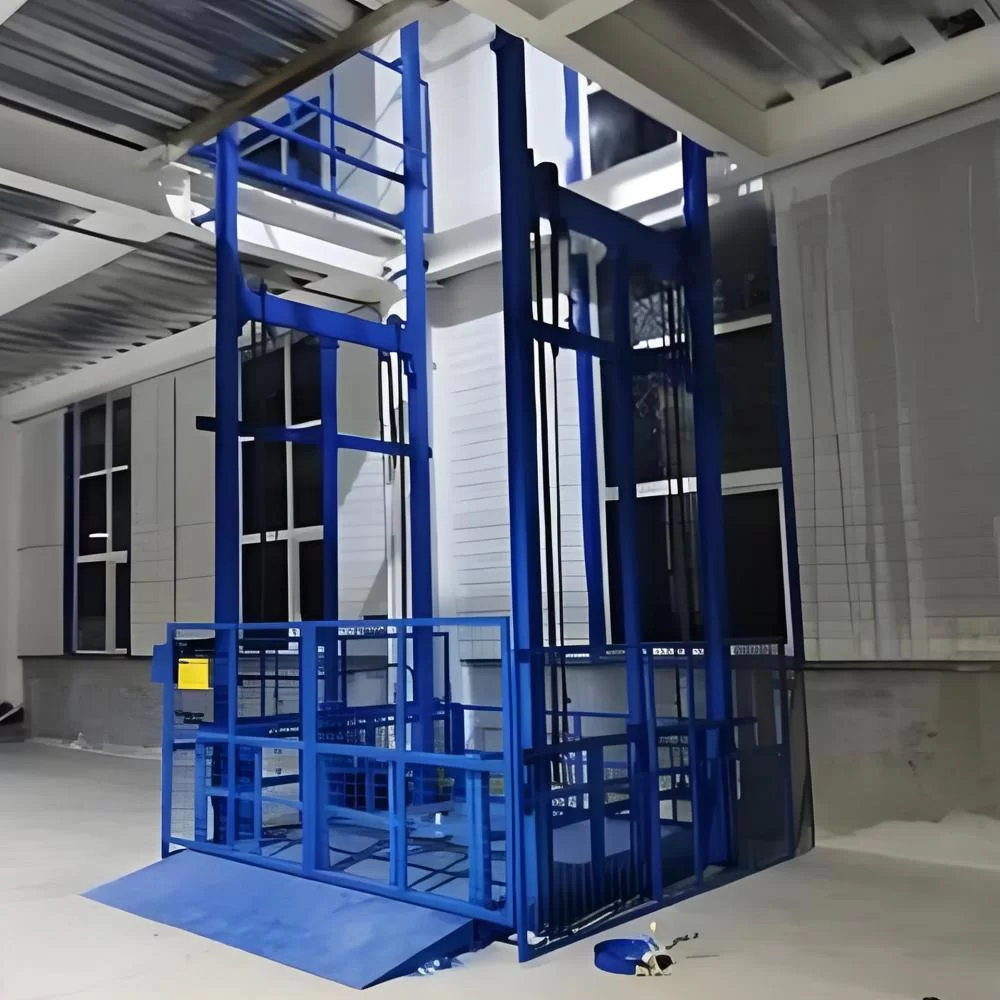
Cabin size is critical to user comfort and functionality. Common dimensions include:
Compact: 0.8 m × 1.2 m – Suitable for private homes or small buildings.
Medium: 1.0 m × 1.4 m – Ideal for small offices or commercial spaces.
Large: 1.4 m × 2.1 m – Designed for high-traffic office buildings and commercial centers.
Load Capacity
Lift load capacities generally range from 300 kg to over 5000 kg:
Residential / Light Commercial: 300 kg – 1000 kg
Industrial / Heavy-Duty: 1000 kg – 5000 kg+
Speed
Lift speed is another important parameter:
Residential: Typically 0.5 m/s – 1.0 m/s
Commercial: Often 1.75 m/s or higher to manage traffic flow efficiently.
Installation Considerations
Compliance with Local Regulations
Ensure the lift meets all relevant local building codes and safety standards. Choosing a compliant model not only guarantees safe operation but also avoids future legal or operational issues.
Quality Certification
Opt for lifts certified by recognized international or national quality standards (e.g., ISO 9001). Such certifications provide assurance of reliability and performance.
After-Sales Support
Reliable after-sales service is essential. Choose a manufacturer with a strong reputation and a well-established service network to ensure prompt maintenance and support when needed.
Final Thoughts
Selecting the right lift involves evaluating multiple factors—purpose, usage frequency, load requirements, and spatial constraints. We recommend conducting thorough research, visiting showrooms or installation sites, and consulting with industry professionals to find the solution that best meets your needs. We hope this guide helps simplify your decision-making process and leads you to a lift that offers safety, efficiency, and long-term value.