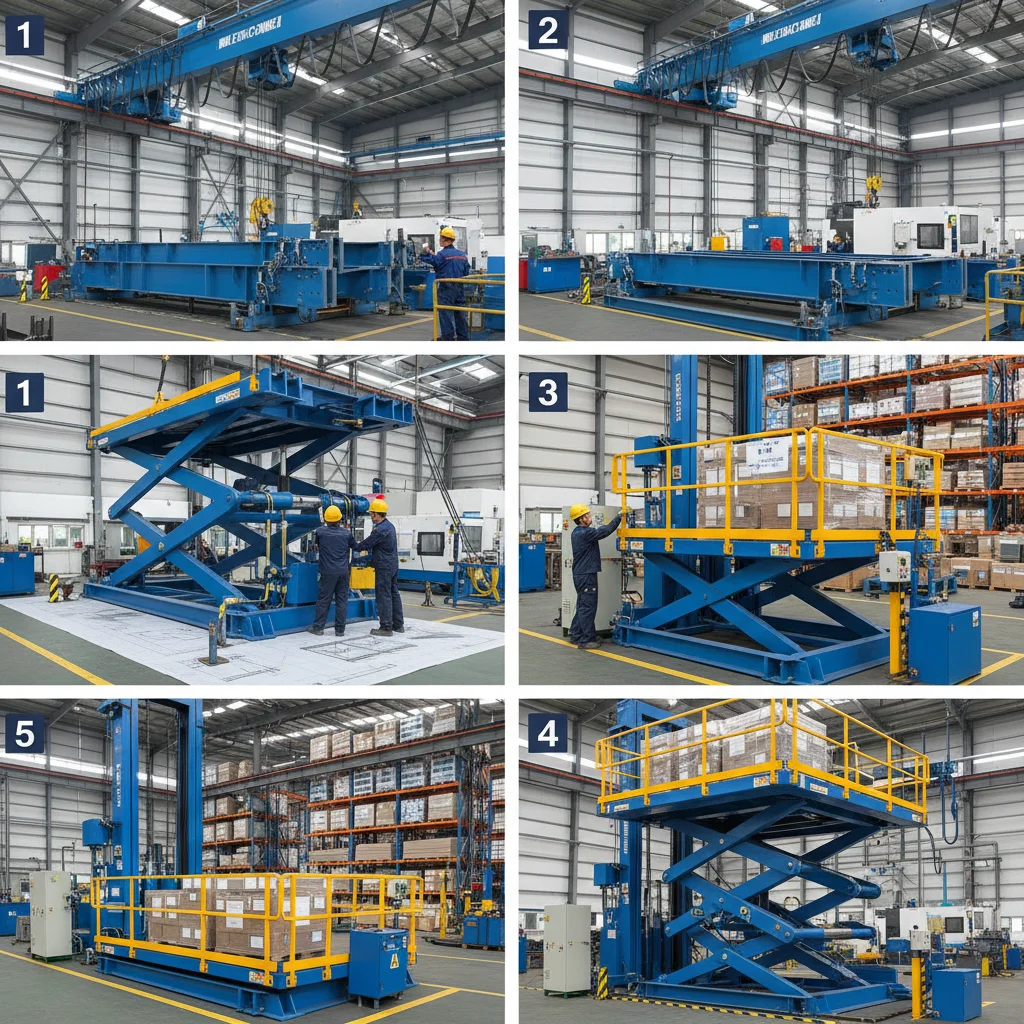
Hydraulic lifts are widely used across various industries, particularly in construction, logistics, manufacturing, and maintenance. Thanks to their powerful lifting capabilities and excellent safety features, these elevating devices have become increasingly popular among businesses. A common question that arises is: how high can a hydraulic lift actually go? This article provides a comprehensive overview of the lifting limits of hydraulic lifts, exploring the underlying principles, key influencing factors, different equipment types, and their practical applications.
01. How Hydraulic Lifts Work
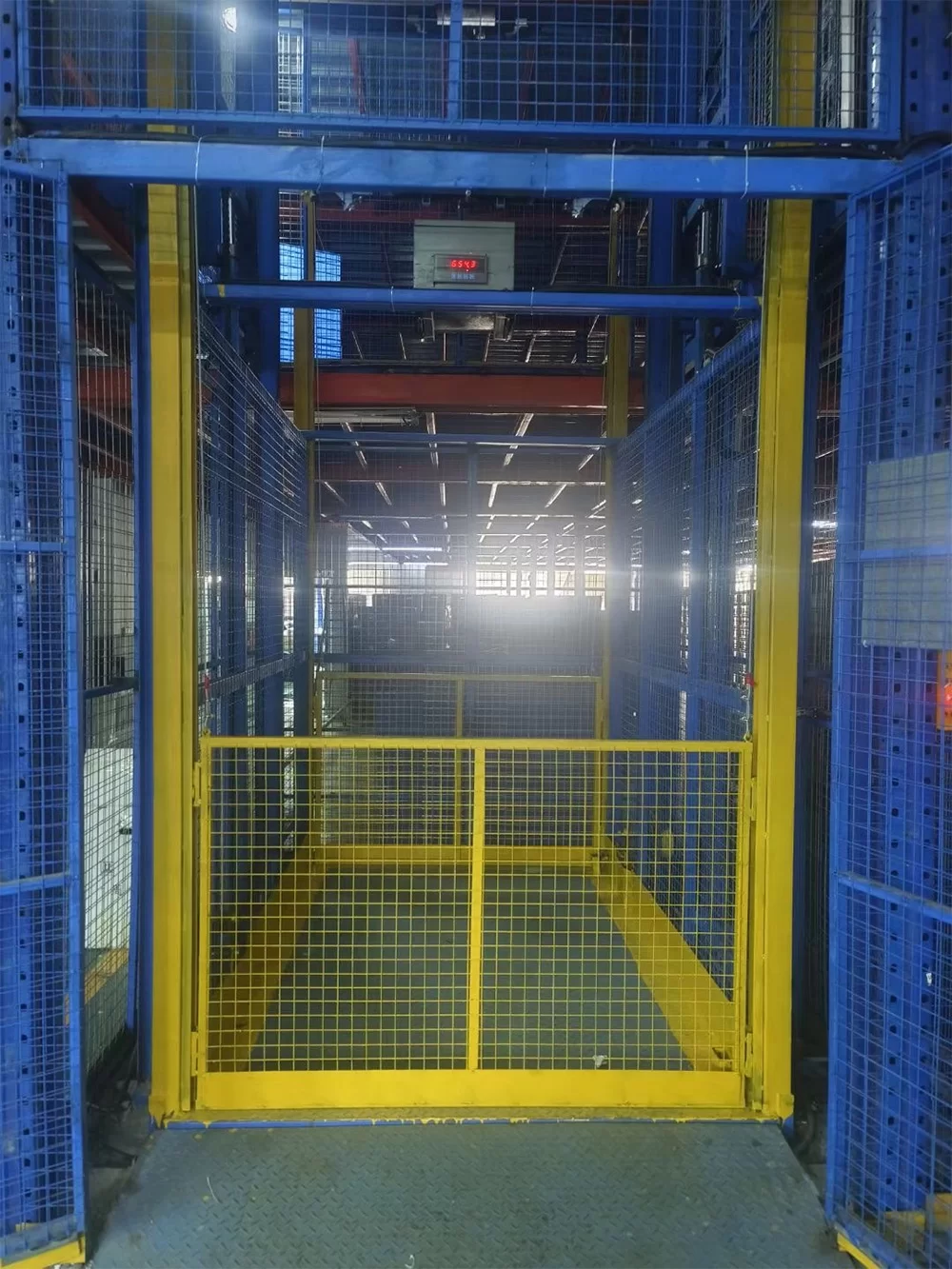
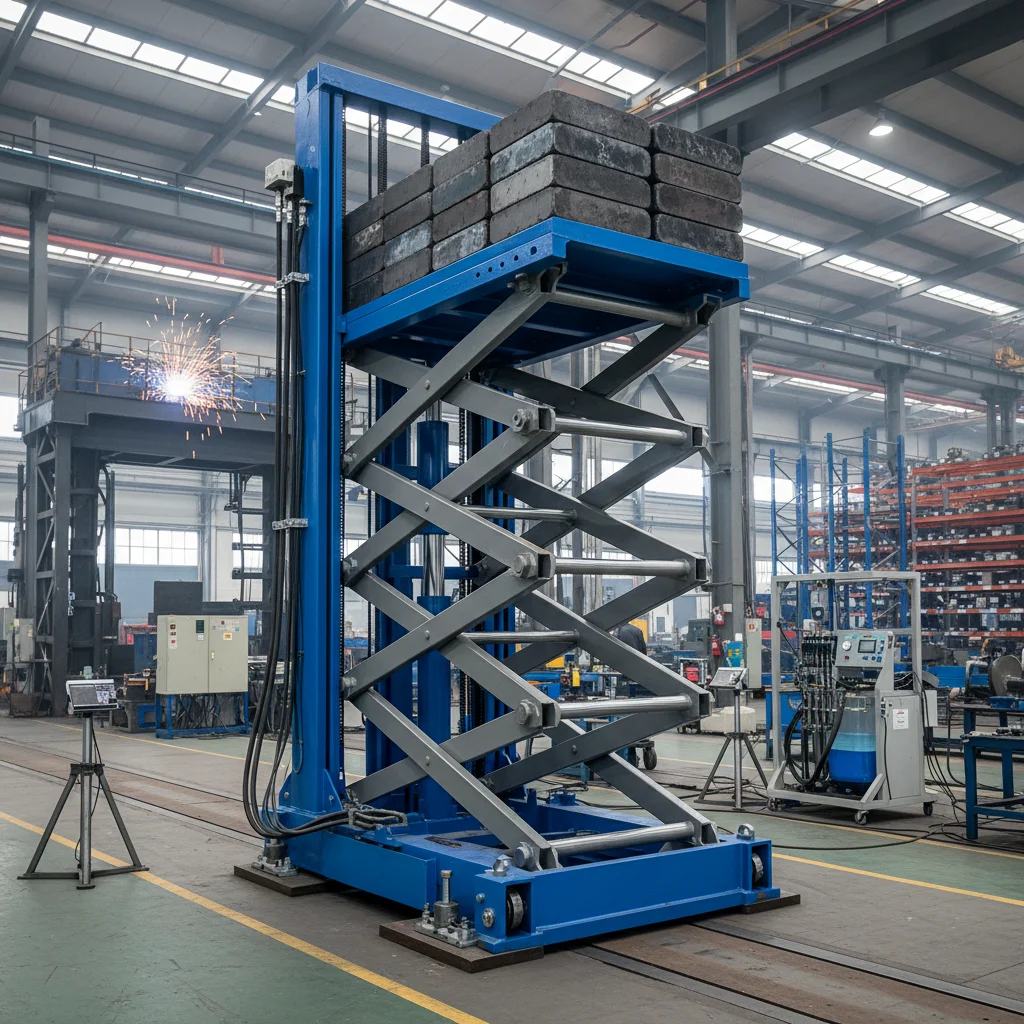
The working principle of a hydraulic lift is based on using hydraulic pressure to raise and lower heavy loads. A typical hydraulic system consists of hydraulic fluid, a pump, cylinders, valves, and other related components. When the hydraulic pump is activated, it pressurizes the hydraulic fluid and sends it into the lifting cylinder. This pressure drives the piston to move, enabling the platform to ascend or descend. This process offers extremely high energy conversion efficiency. Compared to traditional mechanical lifting methods, hydraulic systems generally allow for greater lifting heights and smoother operation.
02. Factors That Determine Lifting Height Limits
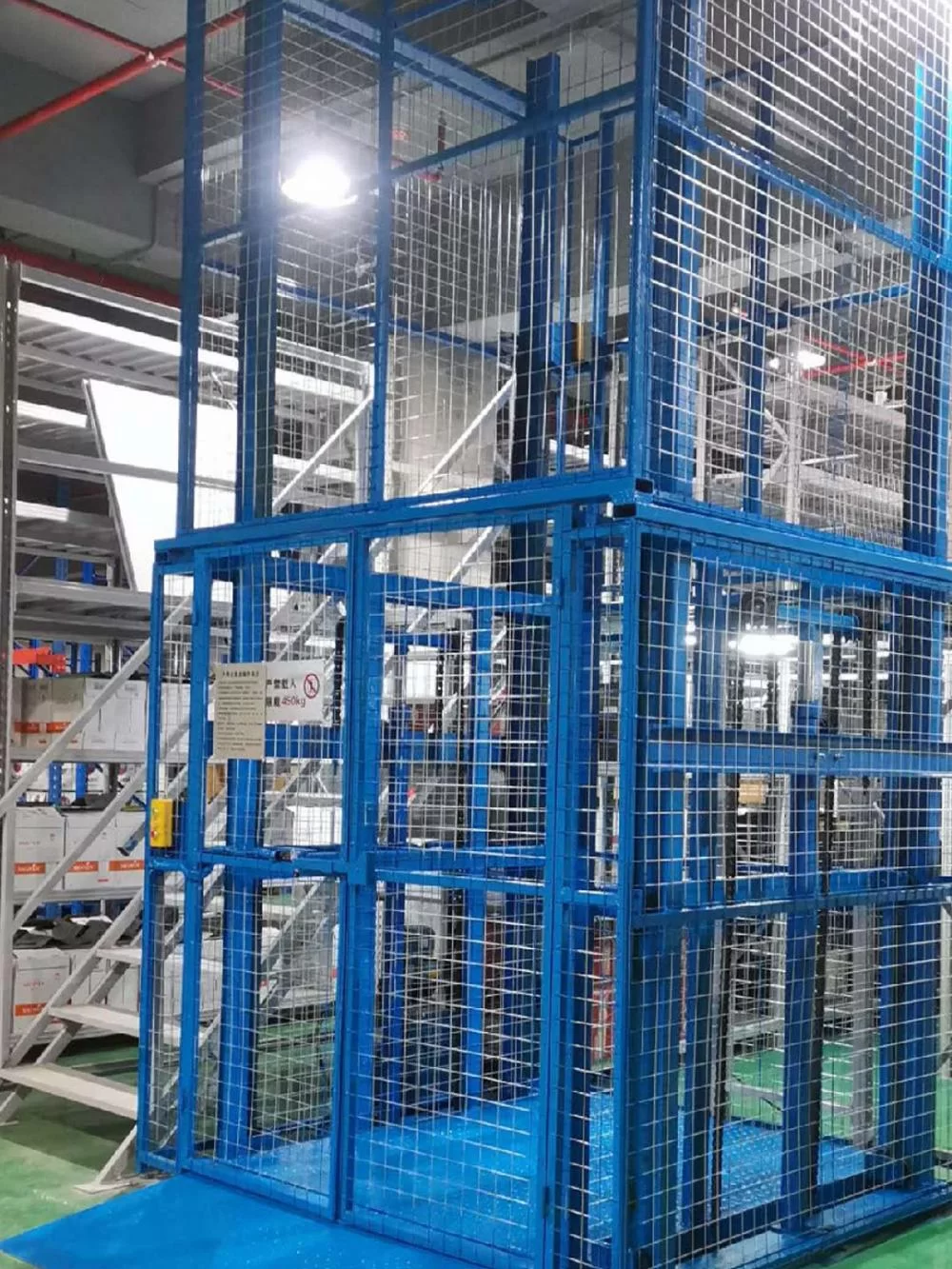
The maximum lifting height of a hydraulic lift is not a fixed number—it is determined by several technical and design factors. In general, standard hydraulic lifts operate within a range of 3 to 20 meters. However, custom-engineered models can achieve significantly greater heights. For example, certain aerial work platforms equipped with hydraulic systems can reach 30 meters or more, although such heights are often subject to site conditions and load limitations.
Key factors influencing lifting height include:
Design and Structure
Different types of lifts are designed according to their intended use. Indoor lifts differ from outdoor models in aspects such as wind resistance, structural support, and seismic considerations.
Load Capacity
Lifting height and load capacity are closely related. Heavier loads require more robust structural support, which may limit the maximum achievable height. As load increases, stability becomes a priority, often resulting in a trade-off with height.
Hydraulic System Strength
The specifications of the hydraulic cylinder—such as its diameter, material, and overall design—directly affect the lift's capabilities. High-strength materials and precision engineering can significantly enhance both lifting height and safety.
Safety Standards and Regulations
National and international safety standards also play a key role in defining the operational limits of hydraulic lifts. These regulations ensure that equipment operates safely under various conditions and loads.
03. Types of Hydraulic Lifts and Their Typical Lifting Heights
Hydraulic lifts come in various configurations, each suited to specific applications and offering different lifting capacities:
Fixed Hydraulic Lifts
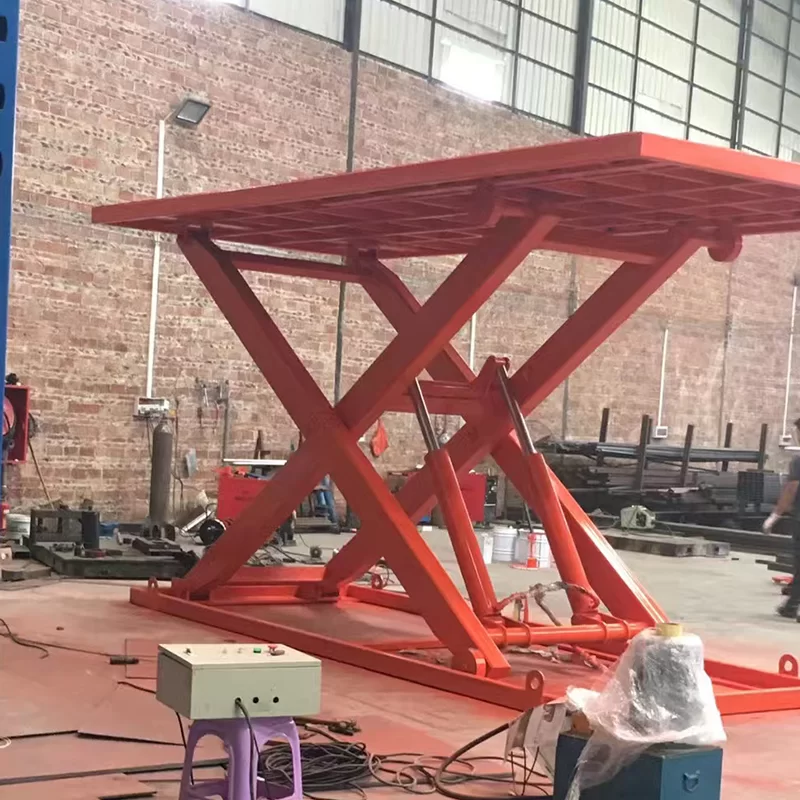
These are typically installed within buildings or fixed structures. Known for their high load-bearing capacity and reliable performance, fixed lifts are commonly used for transporting goods between floors. Their maximum lifting height generally ranges from 10 to 20 meters.
Mobile Hydraulic Lifts
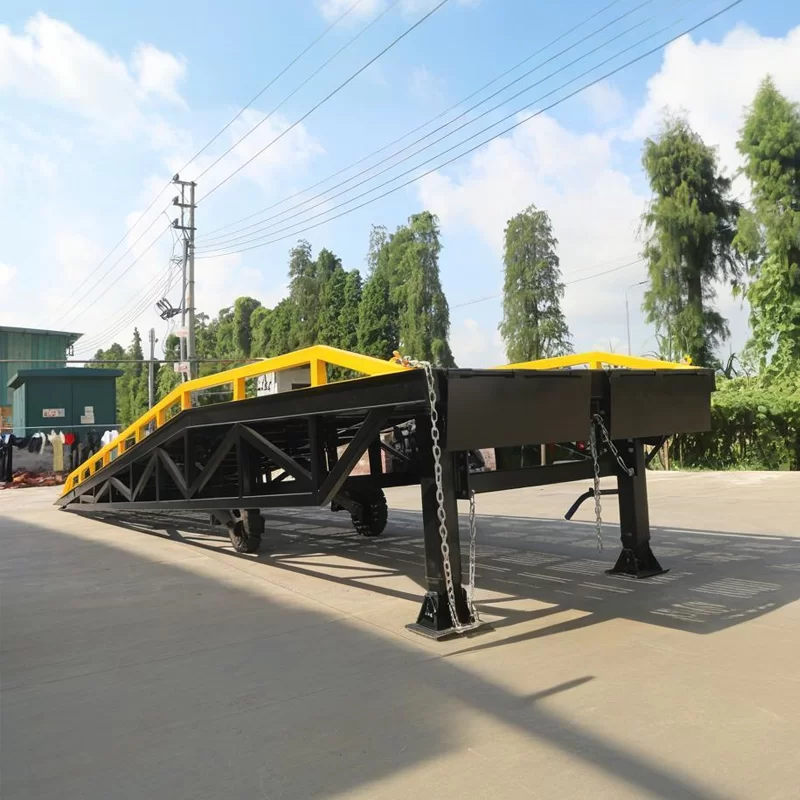
Designed for flexibility, mobile lifts are ideal for locations where equipment needs to be moved frequently, such as warehouses, production floors, or maintenance sites. Their lifting height usually does not exceed 12 meters, prioritizing portability and ease of use.
Aerial Work Platforms
These are specialized lifts designed for tasks performed at height. They offer extended reach and enhanced safety features, with many models capable of operating safely at heights of 30 meters or more.
04. Common Applications of Hydraulic Lifts

Construction Industry
Hydraulic lifts play a vital role in modern construction, enabling efficient transport of materials to elevated work areas and significantly boosting on-site productivity.
Logistics and Warehousing
In distribution centers and warehouses, hydraulic lifts streamline material handling, reduce physical strain on workers, and improve overall operational efficiency.
Manufacturing
Within manufacturing facilities, hydraulic lifts are used for equipment maintenance, part positioning, and assembly line support, allowing tools and components to be raised conveniently to the required working height.
Maintenance and Facility Services
Beyond industrial use, hydraulic lifts are commonly employed in the maintenance of electrical systems, HVAC units, lighting, and other infrastructure. They provide technicians with safe and convenient access to hard-to-reach areas.