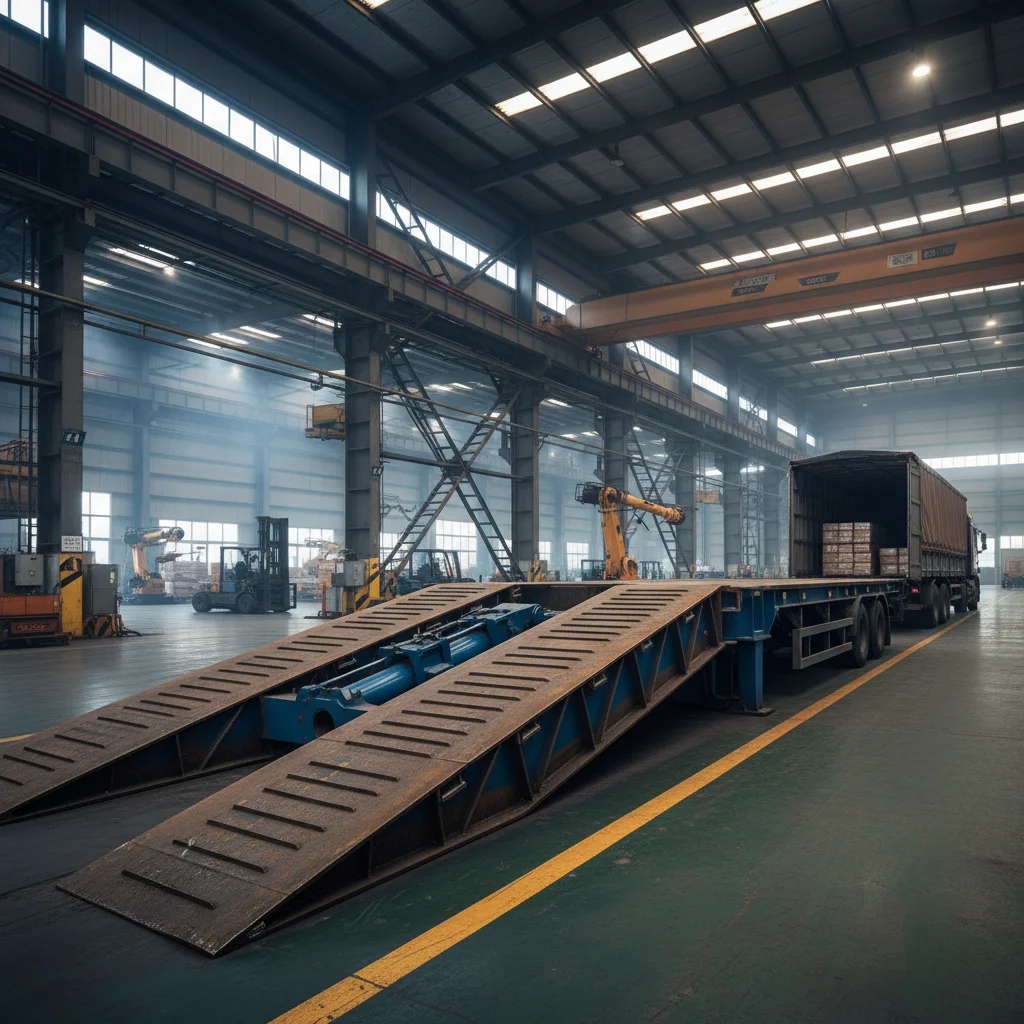
Understanding the Basic Structure and Working Principle of Hydraulic Lifting Platforms
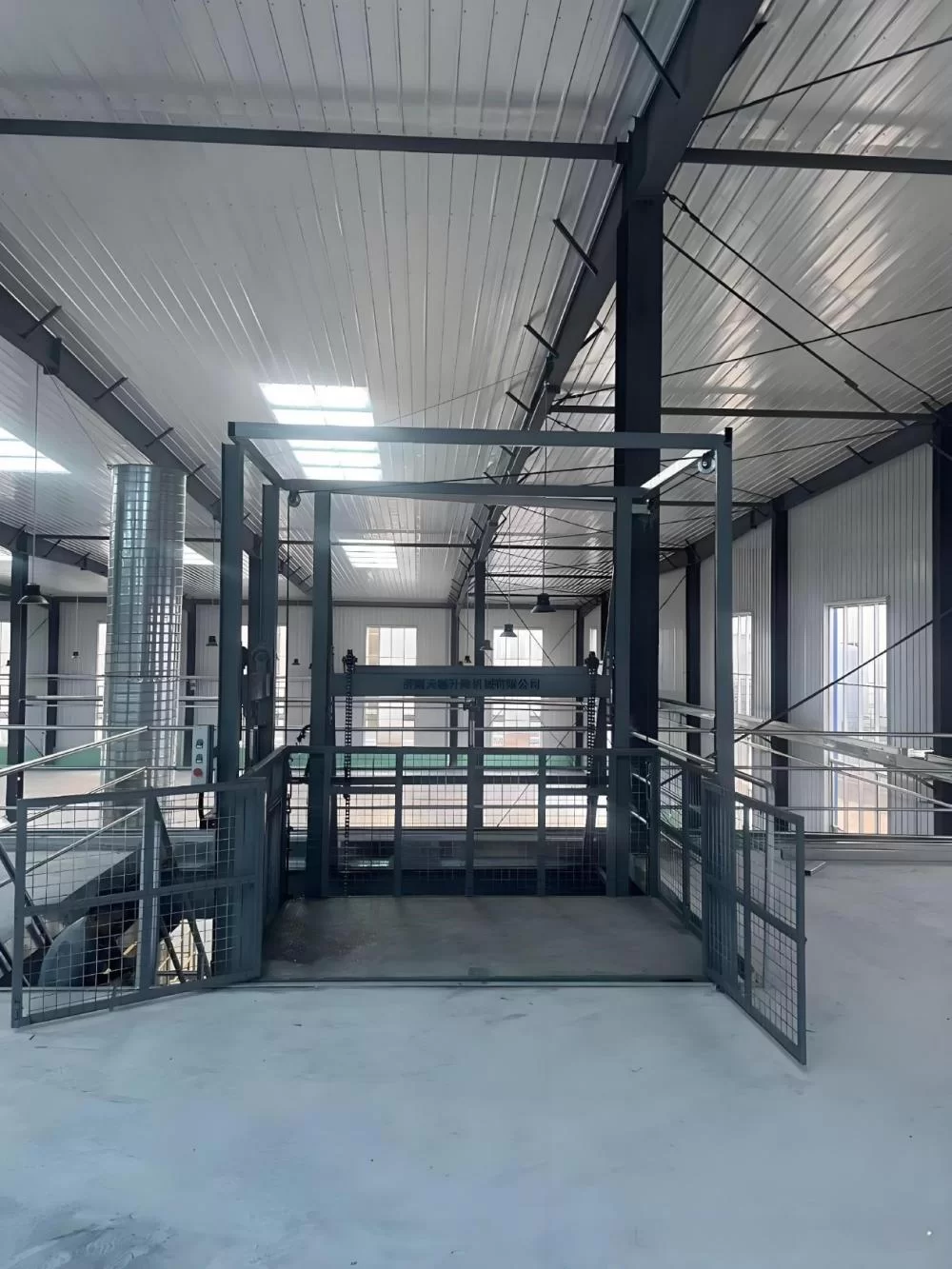
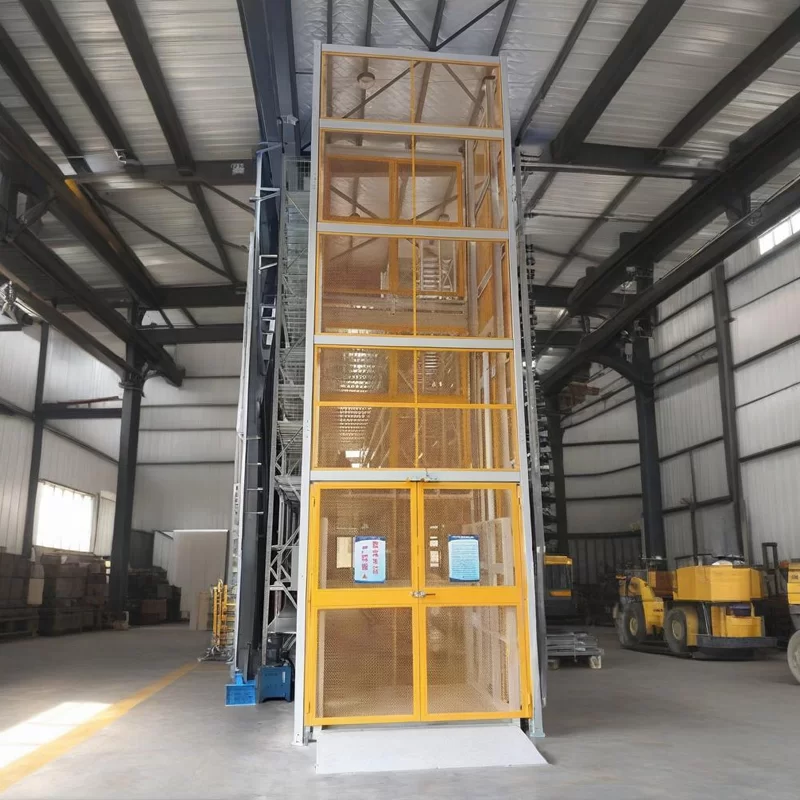
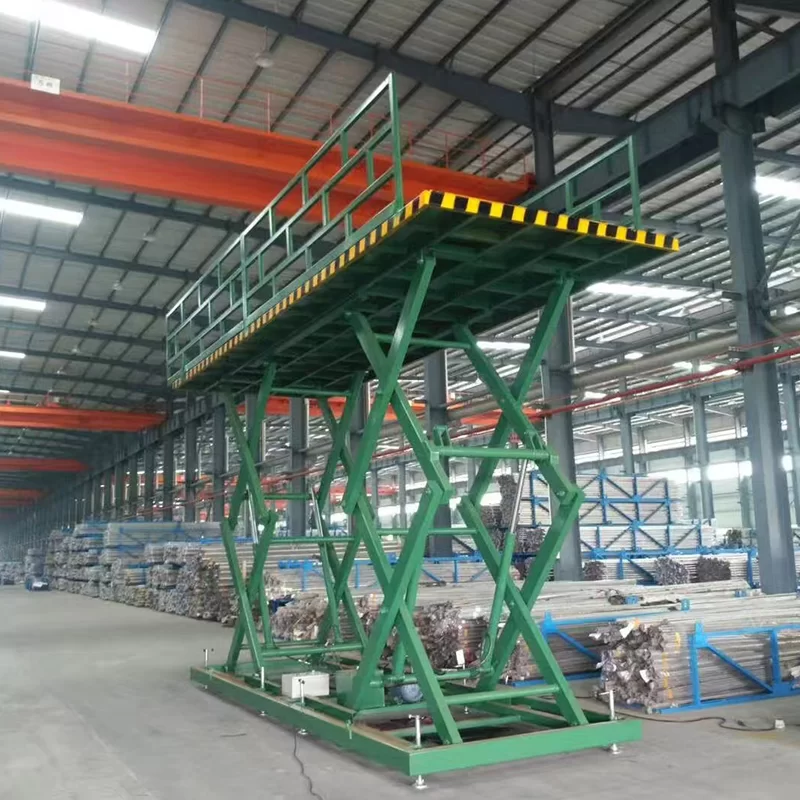
A hydraulic lifting platform primarily consists of three key systems: the hydraulic system, the mechanical system, and the control system. The hydraulic system generates lifting force through the pressure of hydraulic oil; the mechanical system provides structural support and ensures platform stability; and the control system manages the entire lifting operation. A solid understanding of these components and their interaction is essential for effective maintenance and long-term reliability.
1. Hydraulic System
As the core of the equipment, the hydraulic system includes the oil tank, hydraulic pump, cylinder, and control valves. The pump pressurizes the hydraulic oil, which is then converted into mechanical energy by the cylinder to raise or lower the platform. Routine checks of oil level and quality are critical; replacing contaminated oil in a timely manner can significantly extend the system’s service life.
2. Mechanical System
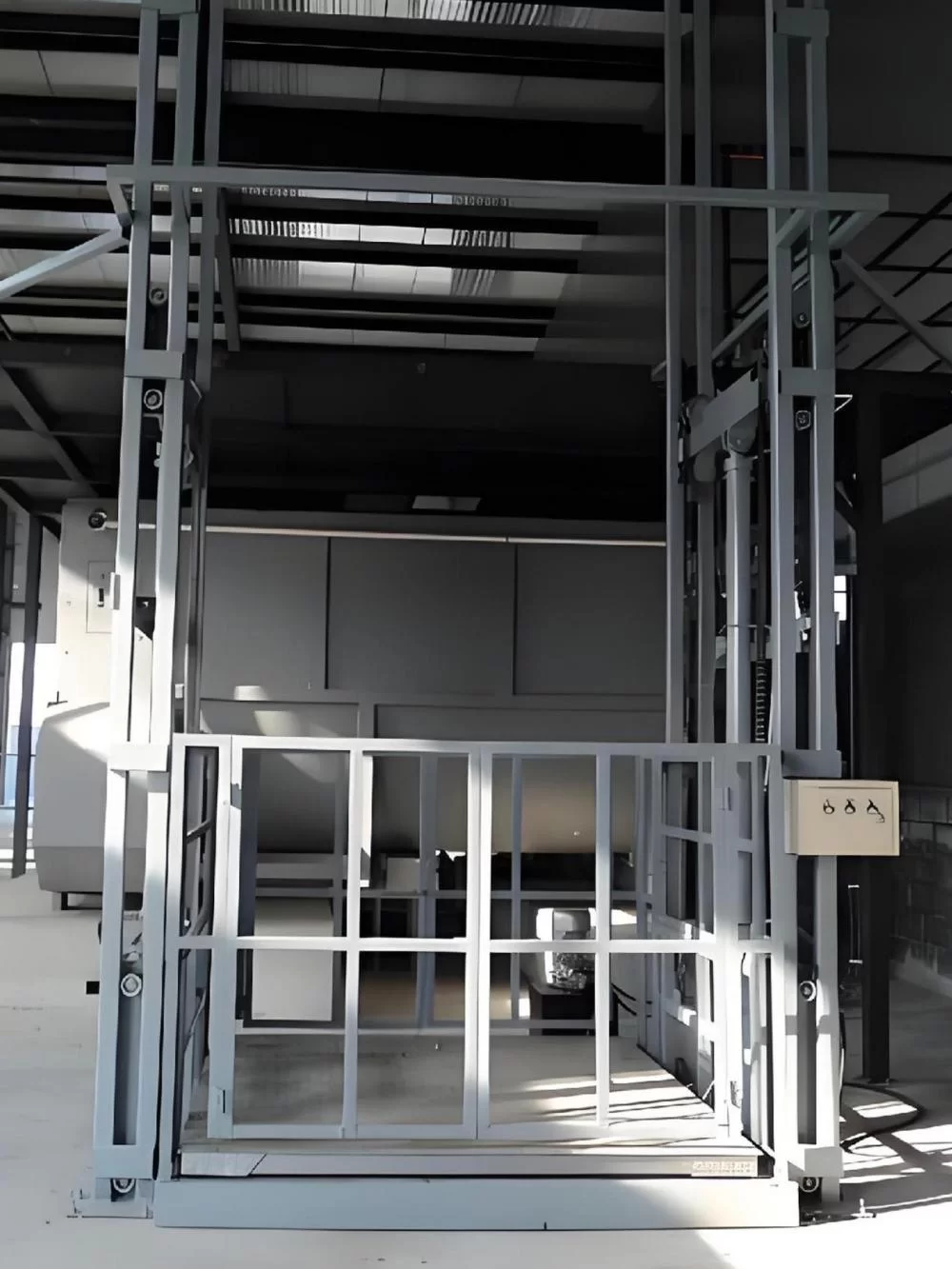
The mechanical structure comprises the lifting platform, support frame, and guide rails. The platform bears the load directly, and its integrity is vital to operational safety. The support frame and guide rails maintain stability and alignment during use. Regular inspections for wear, looseness, or damage are necessary to preserve mechanical reliability.
3. Control System
The control system includes switches, control boxes, and travel limit switches. It coordinates system functions and ensures immediate shutdown in case of abnormalities. Periodic checks of the control system help prevent unexpected failures and enhance overall safety.
Common Faults and Troubleshooting for Hydraulic Lift Platforms
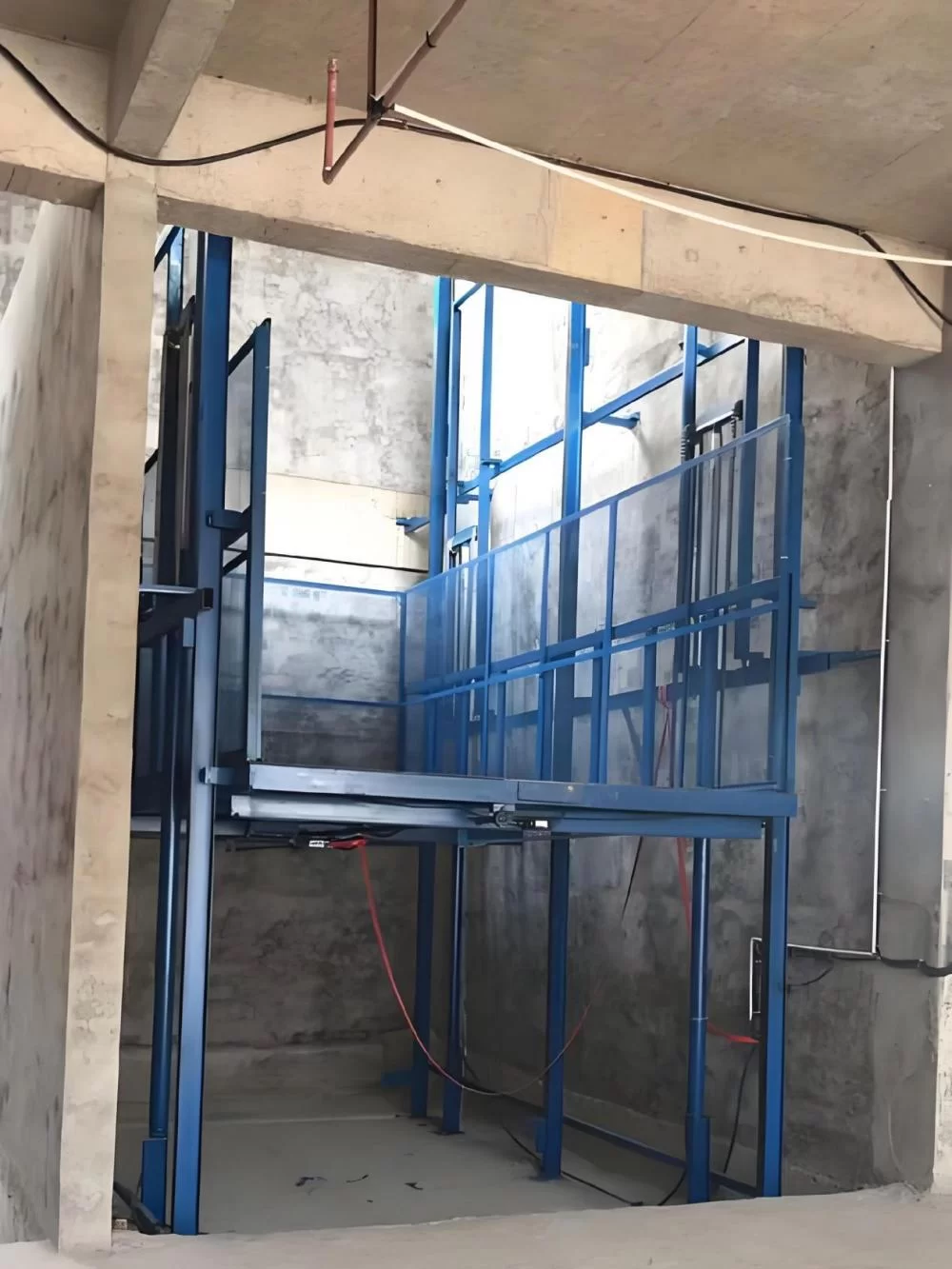
In practical applications, hydraulic lifts may encounter operational issues. Recognizing the symptoms and understanding how to address them is key to minimizing downtime and ensuring safety.
1. Platform Fails to Rise or Lower
If the platform does not respond, first check the hydraulic oil level, pump activation, and valve function. Low oil levels should be replenished; if the pump fails to start, inspect the power supply. Blocked or faulty valves may require cleaning or replacement.
2. Unstable Lifting or Lowering
Irregular movement is often caused by cylinder leakage or worn guide rails. Leaks typically stem from damaged seals, which should be replaced immediately. For rail wear, clean the affected area and either repair or replace the components as needed.
3. Excessive Noise During Operation
Unusual noises may indicate low hydraulic oil, pump issues, or component wear. Begin by checking oil levels and topping up if necessary. If the pump shows signs of wear or abnormal operation, repair or replacement may be required.
Routine Maintenance and Care for Hydraulic Lifting Platforms
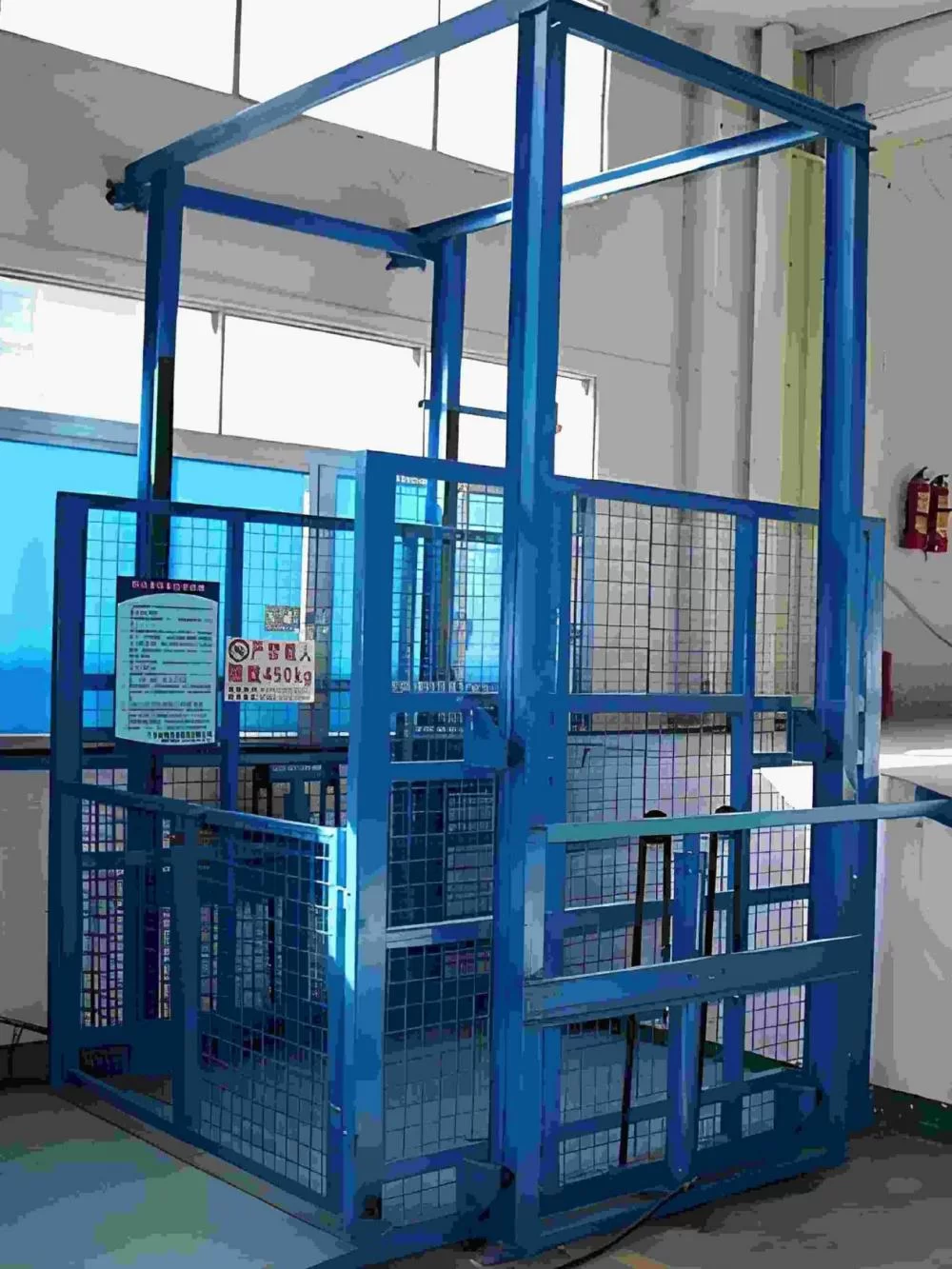
Regular maintenance is essential to ensure long-term performance and safety. Below are key practices to follow:
1. Regularly Inspect Hydraulic Oil
Hydraulic oil is vital for system function. Check oil level and quality at least every three months. If the oil appears contaminated or degraded, replace it immediately. Also, clean the tank periodically to maintain unobstructed oil flow and prevent system failure.
2. Examine Seals
Hydraulic lifts contain multiple seals that are prone to aging and wear over time. Damaged seals can lead to oil leakage and compromise equipment stability. It is recommended to inspect all seals every six months and replace any that show signs of deterioration.
3. Keep the Platform Clean
Dust and oil residue can accumulate on the platform during use. Regular cleaning not only preserves the equipment's appearance but also reduces the risk of operational issues caused by debris buildup.
4. Inspect Electrical Components
The electrical system controls lift operation. Periodically check wiring for signs of aging and ensure all electrical components are functioning properly. Promptly repair or replace any damaged parts to maintain system integrity.
Operating Precautions for Hydraulic Lifting Platforms
Proper usage is critical to maximizing equipment lifespan and ensuring operator safety. The following precautions should always be observed:
1. Follow Operating Procedures
Before using the platform, ensure all operators are familiar with the equipment manual and have received proper training. Adherence to standard operating procedures is mandatory.
2. Provide Regular Operator Training
Ongoing training helps operators stay informed about equipment features, safe operation, and emergency procedures. Well-trained personnel are key to accident prevention.
3. Never Exceed Load Capacity
Always operate within the rated load limit. Overloading can cause equipment failure, reduce lifespan, and create serious safety hazards.
4. Monitor Equipment During Use
Pay attention to the platform's behavior during operation. If any unusual sounds, movements, or warning signs occur, stop use immediately and inspect the unit before continuing.