News

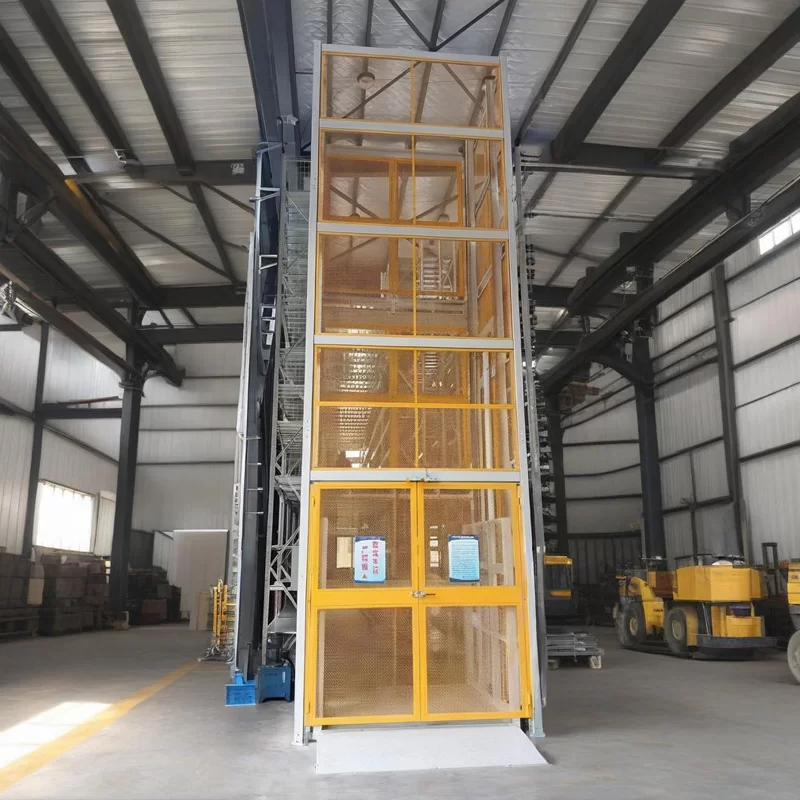
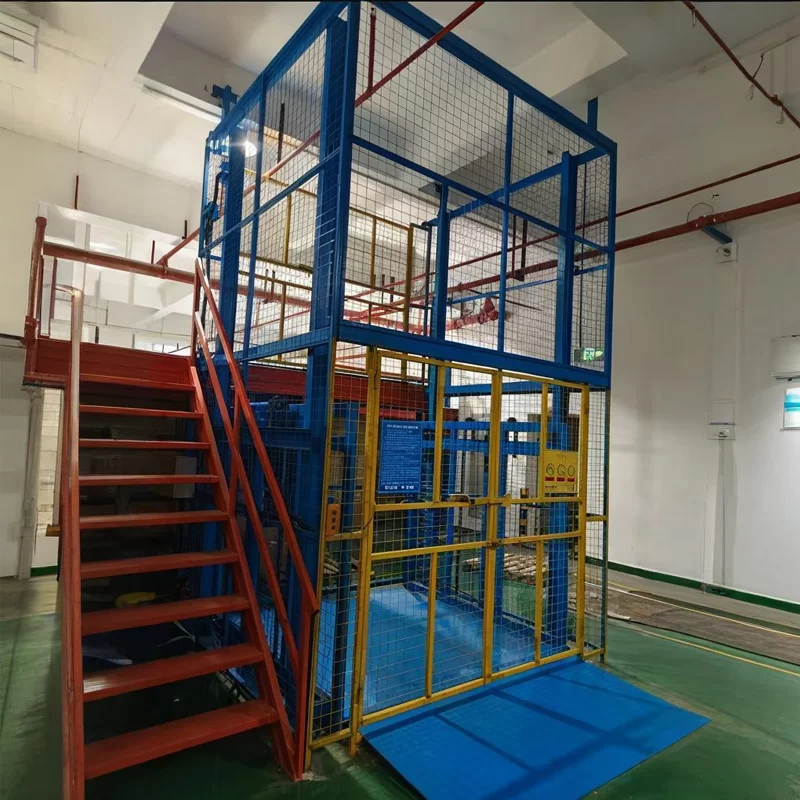
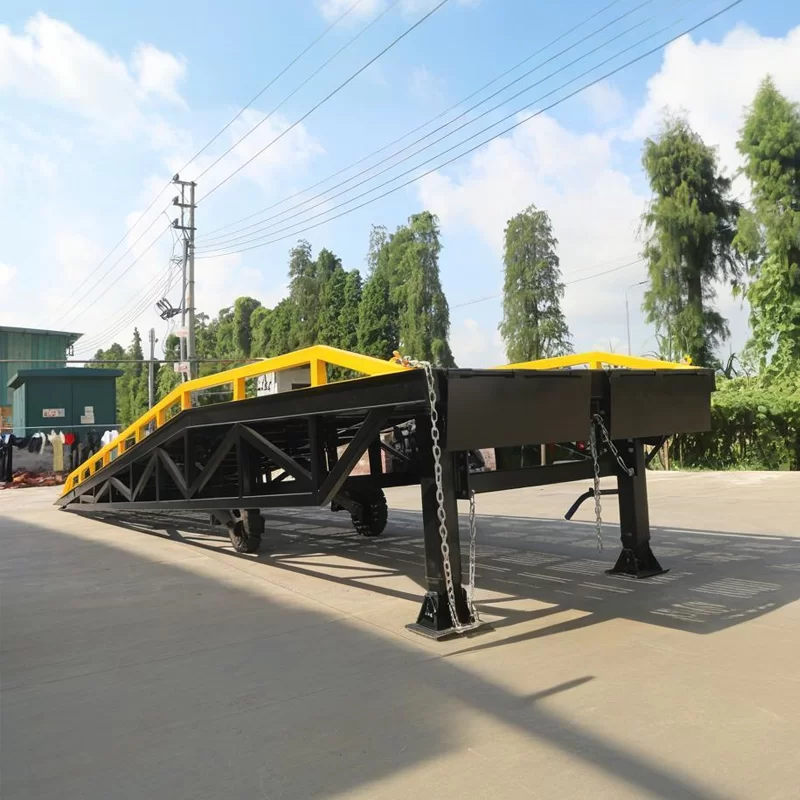
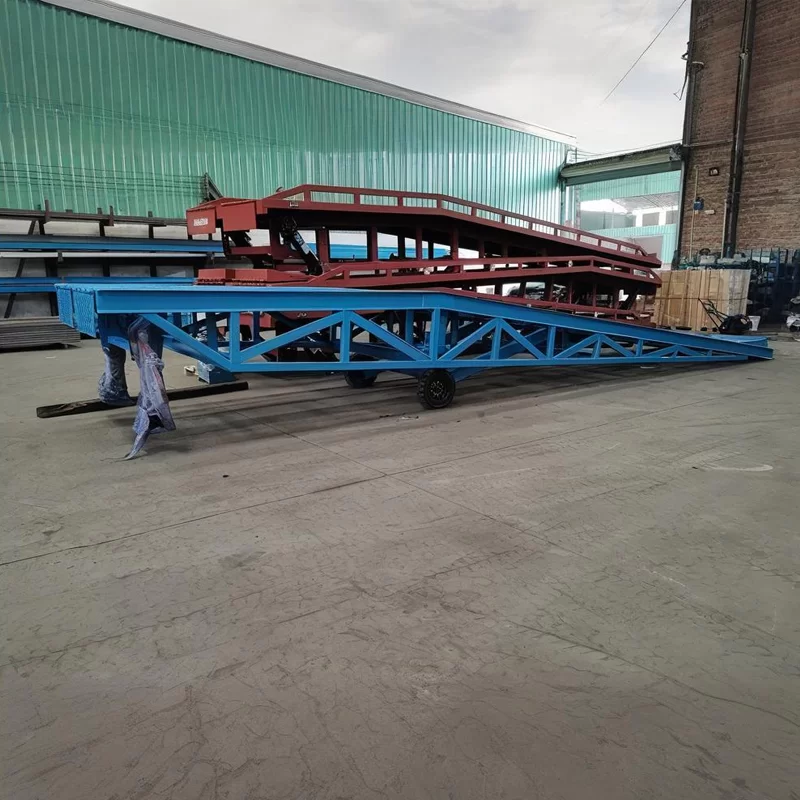
Industrial Cargo Lifting Device Solutions for North Korea

April 25, 2026

Industrial Cargo Lifting Device Solutions for North Korea

Optimizing material handling efficiency in the Democratic People's Republic of Korea through high-performance continuous conveyance systems and precision engineering.

Industrial Cargo Lifting Device Solutions for North Korea

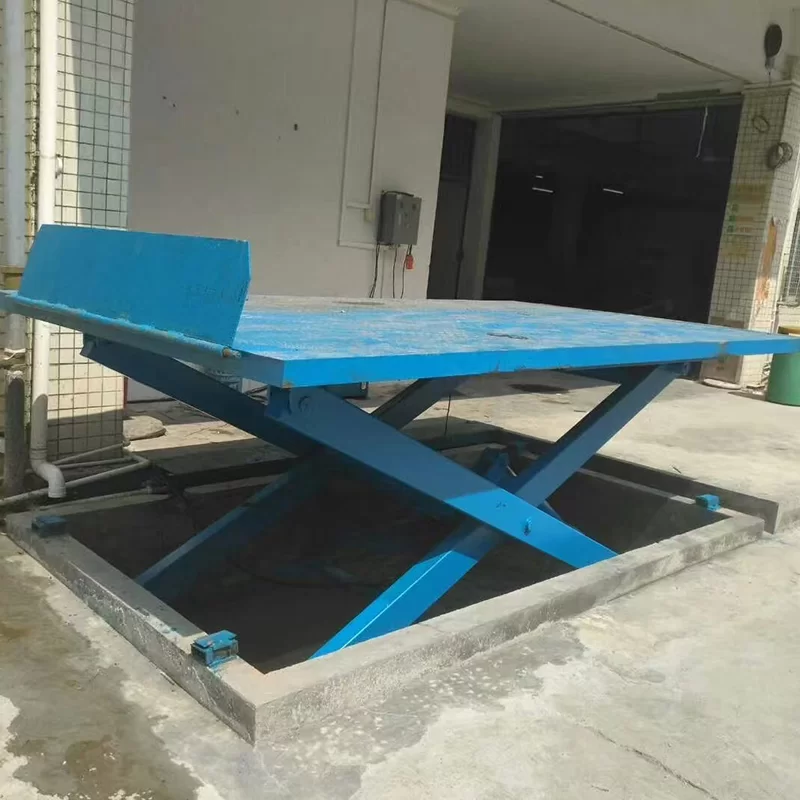
Providing heavy-duty lifting infrastructure tailored for North Korean industrial zones, ensuring seamless vertical transport and dock efficiency with our cargo lifting device technology.

{Product List Placeholder 1}

Material Handling Landscape in North Korea

Analyzing the operational challenges and infrastructure needs of the DPRK manufacturing sector.

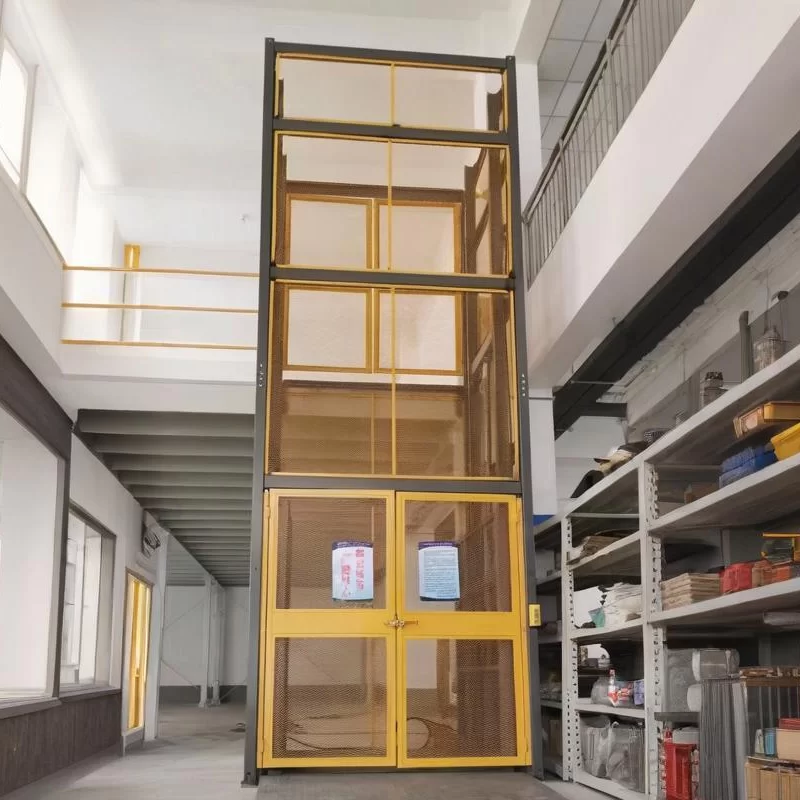
The industrial landscape of North Korea is characterized by heavy reliance on large-scale state enterprises and a strategic focus on minerals and chemical manufacturing. However, many facilities still utilize legacy mechanical systems, creating a significant demand for a modern factory lifting platform to reduce manual labor and increase safety in high-ceiling warehouses.

Geographically, the region's extreme seasonal temperature fluctuations, particularly harsh winters, require lifting equipment with specialized lubrication and reinforced steel structures to prevent material fatigue. This environment makes the implementation of a durable loading dock lift essential for maintaining logistics flow between factories and transport vehicles during adverse weather.

Currently, there is a growing trend among the local building contractor firms to integrate prefabricated lifting components into new industrial parks, shifting away from purely custom-built on-site solutions toward standardized, high-efficiency modular systems.
Evolution and Technical Trajectory

From manual hoist systems to automated vertical transportation in the North Korean industrial sector.

Market Development History

In the late 20th century, material movement in North Korean factories relied heavily on manual pulleys and basic chain hoists, which were labor-intensive and prone to accidents. These traditional methods limited the scale of vertical storage and slowed down the production cycle significantly.

Between 2000 and 2015, there was a transition toward hydraulic-powered systems. The introduction of basic hydraulic cylinders allowed for the movement of heavier loads, though these systems often lacked the precision and safety controls required for modern continuous conveyance.

From 2016 to the present, we have seen a strategic shift toward electrification and automation. The adoption of the electric scissor lift has revolutionized maintenance and installation work in industrial plants, providing a safer and more flexible alternative to traditional scaffolding.

Future Development Trends

Smart Load Sensing

Integration of PLC controllers to automatically detect load weights, preventing overload and enhancing the lifespan of the lifting mechanism.

Energy-Efficient Hydraulics

Transitioning to variable-frequency drives (VFD) to reduce electricity consumption during peak industrial operating hours.

Modular Standardization

Development of "plug-and-play" lifting modules that can be quickly installed by any local contractor to minimize facility downtime.

Future Trends & Strategic Outlook

Forecasting the next 5 years of material handling innovation in the region.

Eco-Friendly Power
Shift toward low-emission electric actuators to meet evolving industrial environmental standards.
IoT Monitoring
Implementing remote diagnostic sensors to predict hydraulic failure before it occurs.
High-Load Capacity
Engineering platforms capable of handling 10+ tons for heavy machinery parts.
Safety Automation
Advanced infrared sensors to automatically stop movement if obstructions are detected.

Industry Outlook

Based on global search trends for industrial automation in East Asia, the demand for integrated vertical transport is shifting toward "smart" systems. In North Korea, we expect a surge in demand for equipment that combines durability with ease of maintenance, as the technical workforce seeks more reliable machinery to reduce operational downtime.

The convergence of building construction and logistics means that future facilities will be designed with integrated lift shafts from the start, rather than retrofitting. This will open new opportunities for specialized lifting hardware that interfaces directly with automated warehouse management systems.

Localized Application Scenarios

Practical implementations of lifting technology in North Korean industrial environments.

1. Heavy Machinery Manufacturing Plants

Utilizing a reinforced factory lifting platform to move large engine blocks and chassis between assembly tiers, replacing dangerous manual crane maneuvers.

2. State-Owned Logistics Hubs

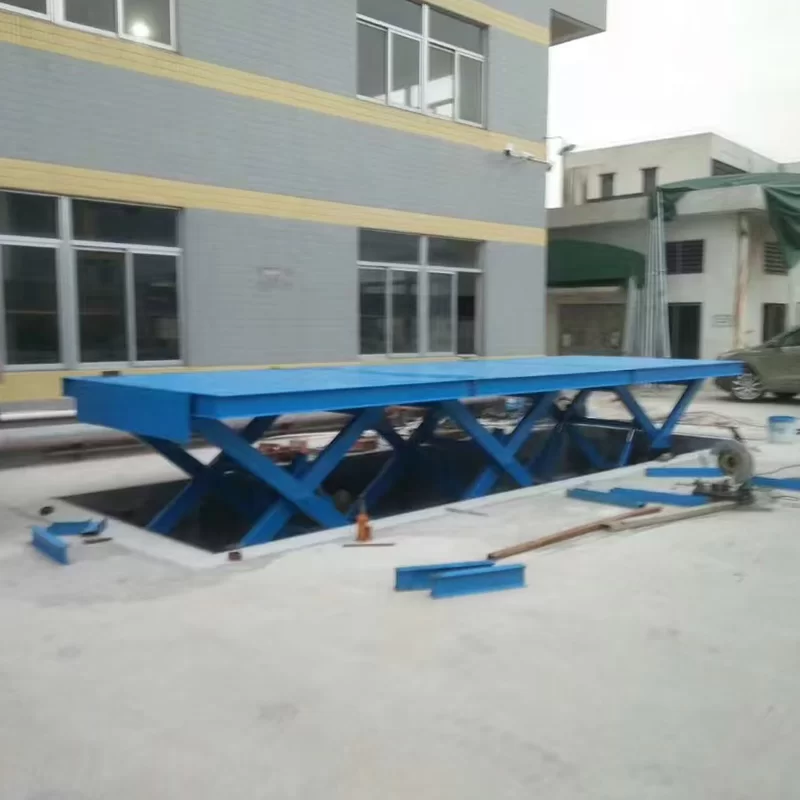
Installing high-capacity loading dock lift systems at rail-to-truck transfer points to synchronize different vehicle heights and accelerate cargo throughput.

3. Chemical Processing Facilities

Deploying corrosion-resistant cargo lifting device units to transport raw chemical materials to upper mixing tanks safely and efficiently.

4. Industrial Infrastructure Maintenance

Employing an electric scissor lift for rapid access to overhead piping and ventilation systems during scheduled factory maintenance cycles.

5. New Urban Industrial Zones

Collaborating with the lead building contractor to integrate built-in vertical lifts within new multi-story manufacturing complexes for optimized floor-to-floor flow.

Brand Story

Global Development History of Jiangmen Hongli Machinery Co., Ltd.

Foundation of Excellence

Established with a mission to solve the critical pain points of vertical material movement in the heavy machinery industry.

Technological Breakthrough

Developed advanced hydraulic sealing technology that allows lifts to operate in extreme temperature variations.

Global Expansion

Expanded our footprint into East Asian markets, adapting our designs to meet strict regional industrial standards.

Innovation Leadership

Pioneered the integration of electric precision controls in scissor lifts, reducing energy waste by 30%.

Sustainable Future

Committed to providing carbon-neutral lifting solutions for the next generation of global manufacturing.

Comprehensive Lifting Portfolio for North Korea

A full suite of continuous conveyance and lifting equipment engineered for durability and high capacity.

{Product List Placeholder 2}

Regional FAQ: Lifting Solutions

Expert answers to common technical queries in the North Korean manufacturing sector.

How does a loading dock lift handle extreme winter temperatures in North Korea?

Our systems use low-viscosity Arctic-grade hydraulic oil and reinforced seals to ensure fluid movement and prevent leakage even in sub-zero conditions.

What is the maximum load capacity for a factory lifting platform in heavy industry?

Our industrial platforms can be customized to handle loads from 1 ton up to 20 tons, depending on the structural reinforcement required.

Are electric scissor lifts suitable for indoor chemical plant maintenance?

Yes, we offer non-marking tires and specialized anti-corrosive coatings on the chassis to make them safe and durable for chemical environments.

Can a cargo lifting device be integrated into an existing old building?

Absolutely. We provide modular frames that can be retrofitted into existing shafts with minimal structural modification to the building.

What certifications should a building contractor check for lifting equipment?

Contractors should ensure the equipment meets CE or ISO safety standards, specifically focusing on load-bearing certification and emergency stop functionality.

What is the maintenance interval for continuous lifting equipment?

We recommend a comprehensive safety check every 6 months, with hydraulic oil level checks and lubrication of moving parts performed monthly.

Ready to Optimize Your Facility?

Contact our engineering team today for a customized lifting solution tailored to the industrial needs of North Korea.

Contact Us Now
Need Our Services And Quotes
lf you need our help,Our staff will be happy to help and answer your questions!
  • name*
  • email*
  • phone*
  • message*
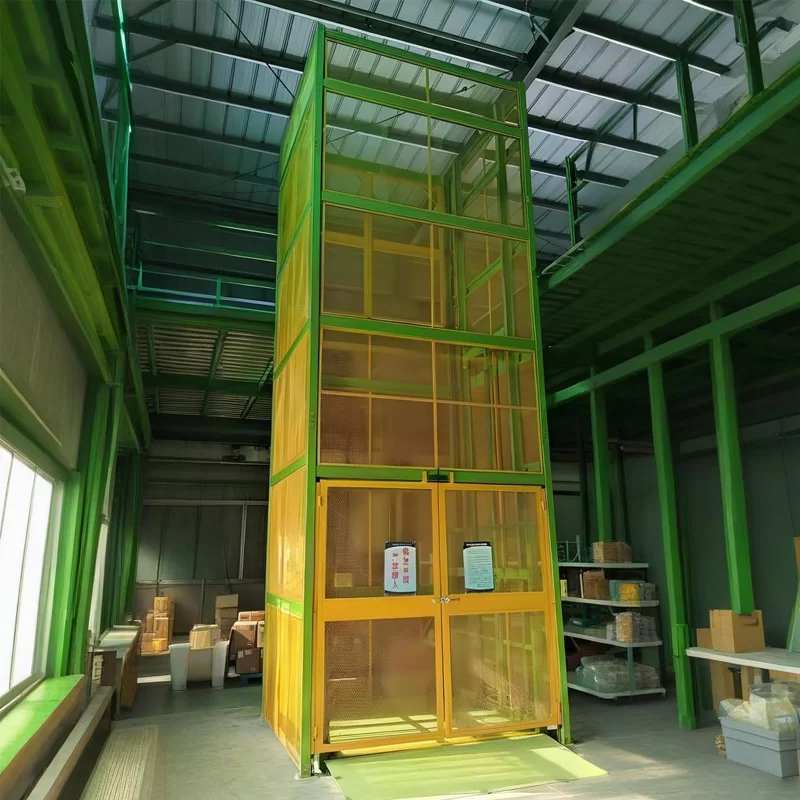
Guide Rail Hydraulic Cargo Lift

Guide Rail Hydraulic Cargo Lift

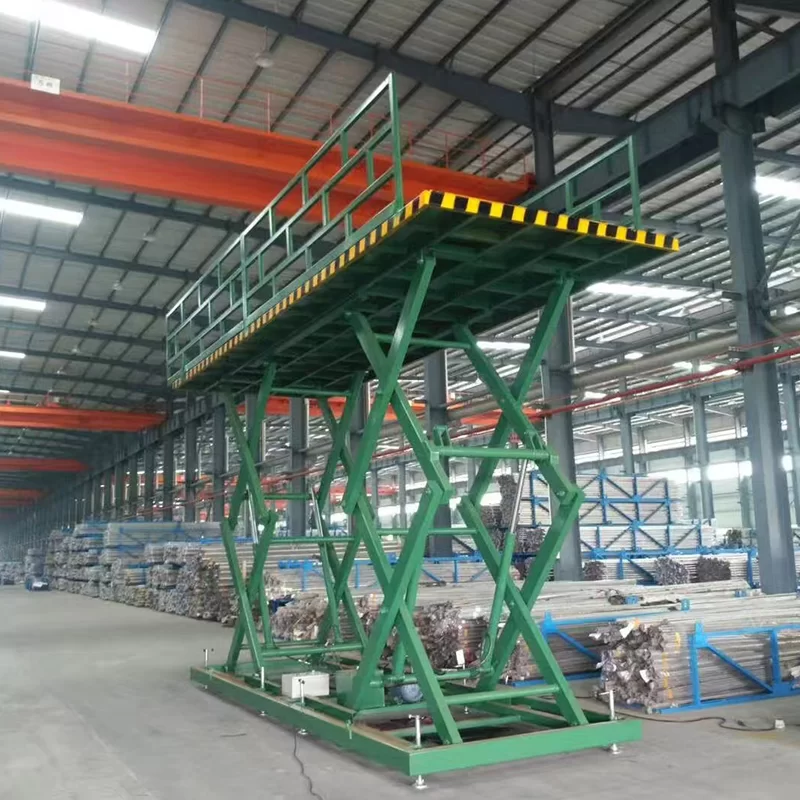
Heavy-Duty Scissor Lift Table

Heavy-Duty Scissor Lift Table

Efficient Material Handling with a Mobile Lifting Platform

Efficient Material Handling with a Mobile Lifting Platform

The modern industrial landscape demands unprecedented flexibility and efficiency in material handling, leading to the rise of the mobile lifting platform as a cornerstone of warehouse optimization. By merging the stability of a stationary lift with the mobility of a wheeled chassis, these systems eliminate the bottlenecks associated with fixed infrastructure, allowing operators to move heavy loads precisely where they are needed most. Across global supply chains, the integration of a high-quality mobile lifting platform has proven essential for reducing manual labor risks and accelerating throughput. Whether in a tight automotive assembly line or a sprawling logistics hub, the ability to adjust height
May 6, 2026
Efficiency and Safety Guide for Hydraulic dock leveler Systems

Efficiency and Safety Guide for Hydraulic dock leveler Systems

In the fast-paced world of logistics and supply chain management, the efficiency of the loading dock is a critical determinant of overall operational success. A Hydraulic dock leveler serves as the vital bridge between a warehouse floor and a transport vehicle, eliminating the height gap that often hinders the smooth movement of goods. By providing a stable, adjustable platform, these systems ensure that forklifts and pallet jacks can transition seamlessly, drastically reducing loading times and operational bottlenecks.
April 23, 2026
Guide to Selecting a High Quality Hydraulic Lifting Platform

Guide to Selecting a High Quality Hydraulic Lifting Platform

In the modern industrial landscape, efficiency and safety are the cornerstones of productivity. Whether you are managing a bustling warehouse, an automotive workshop, or a large-scale manufacturing plant, the right equipment can make a world of difference. A high-quality hydraulic lifting platform provides a seamless solution for transporting heavy loads vertically, reducing manual labor and minimizing the risk of workplace injuries. By leveraging the power of fluid mechanics, these platforms offer unmatched stability and precision. In this comprehensive guide, we will explore everything from technical specifications to industry applications, helping you make an informed investment for your business.
April 16, 2026

Industrial Cargo Lifting Device Solutions for North Korea

Optimizing material handling efficiency in the Democratic People's Republic of Korea through high-performance continuous conveyance systems and precision engineering.

Industrial Cargo Lifting Device Solutions for North Korea

Providing heavy-duty lifting infrastructure tailored for North Korean industrial zones, ensuring seamless vertical transport and dock efficiency with our cargo lifting device technology.

Material Handling Landscape in North Korea

Analyzing the operational challenges and infrastructure needs of the DPRK manufacturing sector.

The industrial landscape of North Korea is characterized by heavy reliance on large-scale state enterprises and a strategic focus on minerals and chemical manufacturing. However, many facilities still utilize legacy mechanical systems, creating a significant demand for a modern factory lifting platform to reduce manual labor and increase safety in high-ceiling warehouses.

Geographically, the region's extreme seasonal temperature fluctuations, particularly harsh winters, require lifting equipment with specialized lubrication and reinforced steel structures to prevent material fatigue. This environment makes the implementation of a durable loading dock lift essential for maintaining logistics flow between factories and transport vehicles during adverse weather.

Currently, there is a growing trend among the local building contractor firms to integrate prefabricated lifting components into new industrial parks, shifting away from purely custom-built on-site solutions toward standardized, high-efficiency modular systems.
Evolution and Technical Trajectory

From manual hoist systems to automated vertical transportation in the North Korean industrial sector.

Market Development History

In the late 20th century, material movement in North Korean factories relied heavily on manual pulleys and basic chain hoists, which were labor-intensive and prone to accidents. These traditional methods limited the scale of vertical storage and slowed down the production cycle significantly.

Between 2000 and 2015, there was a transition toward hydraulic-powered systems. The introduction of basic hydraulic cylinders allowed for the movement of heavier loads, though these systems often lacked the precision and safety controls required for modern continuous conveyance.

From 2016 to the present, we have seen a strategic shift toward electrification and automation. The adoption of the electric scissor lift has revolutionized maintenance and installation work in industrial plants, providing a safer and more flexible alternative to traditional scaffolding.

Future Development Trends

Smart Load Sensing

Integration of PLC controllers to automatically detect load weights, preventing overload and enhancing the lifespan of the lifting mechanism.

Energy-Efficient Hydraulics

Transitioning to variable-frequency drives (VFD) to reduce electricity consumption during peak industrial operating hours.

Modular Standardization

Development of "plug-and-play" lifting modules that can be quickly installed by any local contractor to minimize facility downtime.

Future Trends & Strategic Outlook

Forecasting the next 5 years of material handling innovation in the region.

Eco-Friendly Power
Shift toward low-emission electric actuators to meet evolving industrial environmental standards.
IoT Monitoring
Implementing remote diagnostic sensors to predict hydraulic failure before it occurs.
High-Load Capacity
Engineering platforms capable of handling 10+ tons for heavy machinery parts.
Safety Automation
Advanced infrared sensors to automatically stop movement if obstructions are detected.

Industry Outlook

Based on global search trends for industrial automation in East Asia, the demand for integrated vertical transport is shifting toward "smart" systems. In North Korea, we expect a surge in demand for equipment that combines durability with ease of maintenance, as the technical workforce seeks more reliable machinery to reduce operational downtime.

The convergence of building construction and logistics means that future facilities will be designed with integrated lift shafts from the start, rather than retrofitting. This will open new opportunities for specialized lifting hardware that interfaces directly with automated warehouse management systems.

Localized Application Scenarios

Practical implementations of lifting technology in North Korean industrial environments.

1. Heavy Machinery Manufacturing Plants

Utilizing a reinforced factory lifting platform to move large engine blocks and chassis between assembly tiers, replacing dangerous manual crane maneuvers.

2. State-Owned Logistics Hubs

Installing high-capacity loading dock lift systems at rail-to-truck transfer points to synchronize different vehicle heights and accelerate cargo throughput.

3. Chemical Processing Facilities

Deploying corrosion-resistant cargo lifting device units to transport raw chemical materials to upper mixing tanks safely and efficiently.

4. Industrial Infrastructure Maintenance

Employing an electric scissor lift for rapid access to overhead piping and ventilation systems during scheduled factory maintenance cycles.

5. New Urban Industrial Zones

Collaborating with the lead building contractor to integrate built-in vertical lifts within new multi-story manufacturing complexes for optimized floor-to-floor flow.

Brand Story

Global Development History of Jiangmen Hongli Machinery Co., Ltd.

Foundation of Excellence

Established with a mission to solve the critical pain points of vertical material movement in the heavy machinery industry.

Technological Breakthrough

Developed advanced hydraulic sealing technology that allows lifts to operate in extreme temperature variations.

Global Expansion

Expanded our footprint into East Asian markets, adapting our designs to meet strict regional industrial standards.

Innovation Leadership

Pioneered the integration of electric precision controls in scissor lifts, reducing energy waste by 30%.

Sustainable Future

Committed to providing carbon-neutral lifting solutions for the next generation of global manufacturing.

Comprehensive Lifting Portfolio for North Korea

A full suite of continuous conveyance and lifting equipment engineered for durability and high capacity.

Regional FAQ: Lifting Solutions

Expert answers to common technical queries in the North Korean manufacturing sector.

How does a loading dock lift handle extreme winter temperatures in North Korea?

Our systems use low-viscosity Arctic-grade hydraulic oil and reinforced seals to ensure fluid movement and prevent leakage even in sub-zero conditions.

What is the maximum load capacity for a factory lifting platform in heavy industry?

Our industrial platforms can be customized to handle loads from 1 ton up to 20 tons, depending on the structural reinforcement required.

Are electric scissor lifts suitable for indoor chemical plant maintenance?

Yes, we offer non-marking tires and specialized anti-corrosive coatings on the chassis to make them safe and durable for chemical environments.

Can a cargo lifting device be integrated into an existing old building?

Absolutely. We provide modular frames that can be retrofitted into existing shafts with minimal structural modification to the building.

What certifications should a building contractor check for lifting equipment?

Contractors should ensure the equipment meets CE or ISO safety standards, specifically focusing on load-bearing certification and emergency stop functionality.

What is the maintenance interval for continuous lifting equipment?

We recommend a comprehensive safety check every 6 months, with hydraulic oil level checks and lubrication of moving parts performed monthly.

Ready to Optimize Your Facility?

Contact our engineering team today for a customized lifting solution tailored to the industrial needs of North Korea.

Contact Us Now

If you are interested in our products, you can choose to leave your information here, and we will be in touch with you shortly.