News

Advanced Industrial Cargo Lifting Device Solutions for South Korea

April 25, 2026

Advanced Industrial Cargo Lifting Device Solutions for South Korea

Optimizing material flow and vertical logistics for high-tech manufacturing hubs in Asia's most innovative economy.

Advanced Industrial Cargo Lifting Device Solutions for South Korea

Providing precision-engineered lifting systems tailored to the rigorous demands of South Korean smart factories and logistics centers, enhancing operational safety and throughput.

{Product List Placeholder 1}

Logistics Infrastructure Status in South Korea

Analyzing the convergence of high-density urban warehousing and automated industrial requirements.

South Korea's manufacturing sector, centered around semiconductors and automotive giants, operates in a landscape of extreme spatial constraints. In metropolitan areas like Seoul and Incheon, the demand for a high-efficiency factory lifting platform has surged as companies transition to vertical warehousing to maximize limited land use.

The regional climate, characterized by humid summers and freezing winters, requires equipment with high corrosion resistance and stable hydraulic performance. Local companies are increasingly moving away from manual handling toward integrated loading dock lift systems to accelerate the turnaround time of heavy-duty transport vehicles.

Furthermore, the stringent safety regulations imposed by Korean labor laws have forced a shift toward certified, fail-safe lifting mechanisms. This has created a professional environment where every building contractor must integrate precision lifting technology that meets international ISO and local KOSHA standards.
Evolution of Material Handling in Korea

From mechanical simplicity to AI-driven vertical transport systems.

Market Development History

In the 1980s and 90s, the South Korean industrial landscape relied heavily on basic chain hoists and manual ramps, focusing on rapid capacity expansion during the "Miracle on the Han River" era.

By the mid-2000s, the introduction of PLC-controlled systems saw a transition toward the standardized electric scissor lift, allowing for more precise positioning in electronic assembly lines.

From 2015 to the present, the focus has shifted to "Smart Logistics 4.0," where lifting devices are integrated into IoT networks for predictive maintenance and fully synchronized loading cycles.

Future Development Trends

Autonomous Integration

Integration with AGVs (Automated Guided Vehicles) will allow lifting platforms to coordinate without human intervention, reducing loading dock bottlenecks.

Energy Efficiency & Green Power

A shift toward lithium-ion powered lifts and regenerative braking systems to align with South Korea's "Green New Deal" carbon neutrality goals.

Hyper-Customization

Modular designs that allow rapid reconfiguration as factory layouts change to accommodate new product lines in the EV battery sector.

Industry Trends and Future Outlook

Predicting the trajectory of continuous handling equipment in the East Asian market.

AI-Driven Scheduling
Using machine learning to predict peak loading times and optimize lift deployment.
IoT Predictive Maintenance
Real-time sensor monitoring to prevent downtime before mechanical failure occurs.
Zero-Emission Power
Transitioning to fully electric, noise-reduced hydraulic systems for urban areas.
Ergonomic Compliance
Designing systems specifically to reduce worker fatigue in high-speed environments.

Industry Outlook

Based on Google search trends in South Korea, there is a significant increase in queries related to "automated logistics" and "warehouse safety." This indicates a market shift toward integrated ecosystems where lifting devices are no longer standalone tools but nodes in a digital supply chain.

We expect that within the next 3-5 years, the adoption of collaborative robotics (cobots) integrated with lifting platforms will become the standard for South Korean mid-to-large scale manufacturers, drastically reducing manual load times.

Localized Application Scenarios in South Korea

Real-world deployment of continuous handling equipment in diverse Korean sectors.

01. Semiconductor Clean Room Logistics

Deployment of specialized, non-contaminating factory lifting platform units for transporting silicon wafers and machinery between sterile mezzanine levels in Pyeongtaek hubs.

02. Automotive Part Distribution Centers

Implementation of heavy-duty loading dock lift systems to synchronize the height of diverse truck fleets with warehouse floors, optimizing the flow of EV chassis.

03. Urban E-commerce Micro-fulfillment

Utilization of compact electric scissor lift systems in Seoul's high-density fulfillment centers to manage vertical storage of fast-moving consumer goods.

04. Heavy Industrial Construction Projects

Collaboration with the local building contractor to install permanent cargo lifts in shipbuilding facilities, facilitating the movement of massive steel components.

05. Cold Chain Pharmaceutical Warehousing

Installing specialized cargo lifting device units designed for sub-zero temperatures, ensuring the integrity of temperature-sensitive medical supplies.

Brand Story

Global Development History of Jiangmen Hongli Machinery Co., Ltd.

Foundational Excellence

Established with a mission to solve the inefficiency of manual vertical transport in heavy industry through precision engineering.

Technological Breakthrough

Pioneered the integration of advanced hydraulic stability controls, reducing vibration during heavy load transitions.

Global Expansion

Expanded our footprint into the Asian market, adapting our designs to meet the rigorous safety and quality standards of South Korea.

Smart Manufacturing Shift

Integrated IoT and smart sensors into our product lines, enabling predictive maintenance for global industrial clients.

Future Vision

Dedicated to becoming the world leader in eco-friendly, high-efficiency continuous handling equipment for the 4th Industrial Revolution.

Complete Product Portfolio for South Korea

A comprehensive range of lifting solutions designed for Korean industrial specifications.

{Product List Placeholder 2}

Frequently Asked Questions in South Korea

Expert answers to common technical and regulatory queries regarding lifting equipment.

How to choose the right loading dock lift for high-traffic Korean warehouses?

Consider the daily cycle count and the average weight of loads. For high-traffic hubs, we recommend heavy-duty hydraulic systems with reinforced platforms and rapid-cycle valves to minimize vehicle dwell time.

What are the safety certifications required for a factory lifting platform in Korea?

Equipment should comply with KOSHA (Korea Occupational Safety and Health Agency) standards. Our products are designed to meet these rigorous safety requirements, including emergency stop mechanisms and overload protection.

Can an electric scissor lift be customized for clean room environments?

Yes, we offer specialized powder coatings and stainless steel finishes that prevent particle shedding, making them ideal for the semiconductor and pharmaceutical industries in Korea.

How does a building contractor integrate cargo lifting devices into new facility plans?

We provide detailed CAD drawings and technical specifications during the planning phase, allowing contractors to allocate the exact pit dimensions and electrical requirements needed for seamless installation.

What is the maintenance cycle for a heavy-duty cargo lifting device in humid climates?

Given South Korea's humidity, we recommend a quarterly inspection of hydraulic seals and lubrication points to prevent oxidation and ensure smooth operation throughout the year.

Are there energy-efficient options for electric lifts to reduce operational costs?

We provide high-efficiency motors and LED-integrated control panels that significantly reduce power consumption during idle periods, helping factories lower their energy overhead.

Get Your Custom Lifting Solution Today

Our engineers are ready to help you optimize your industrial vertical transport in South Korea. Contact us for a technical consultation.

Contact Us Now
Need Our Services And Quotes
lf you need our help,Our staff will be happy to help and answer your questions!
  • name*
  • email*
  • phone*
  • message*
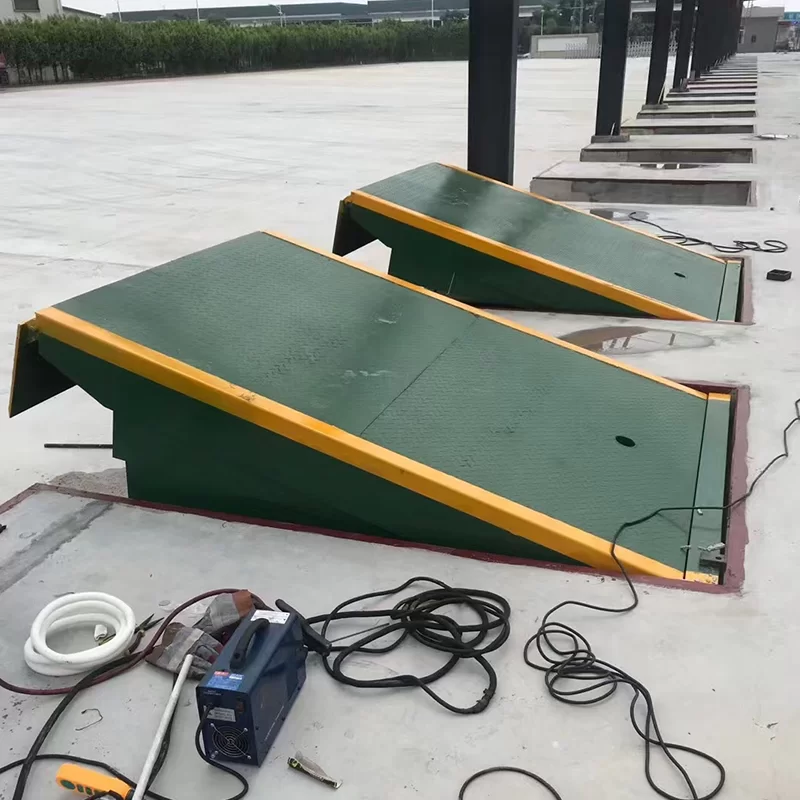
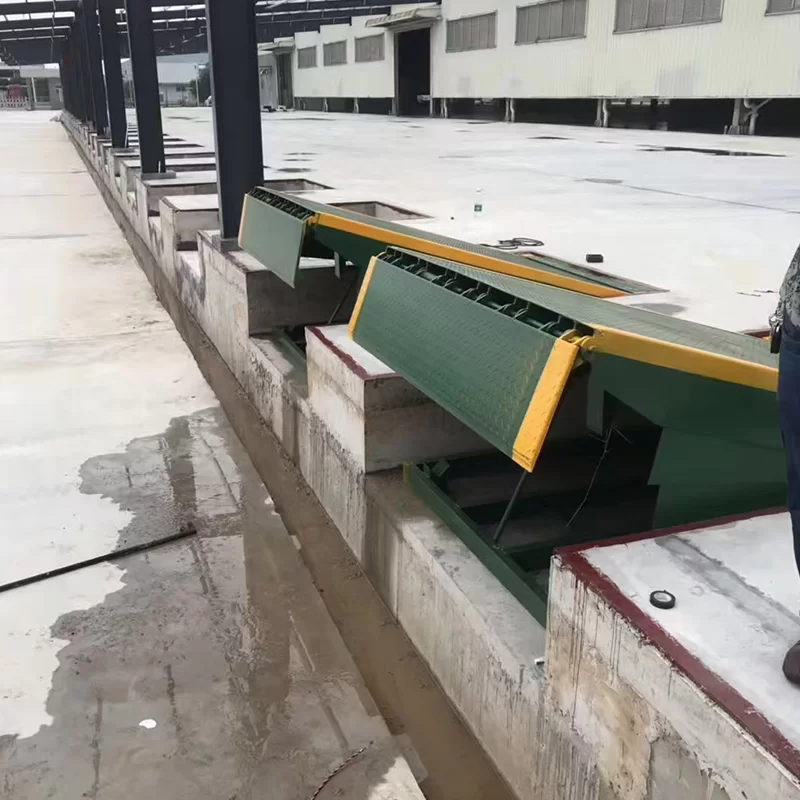
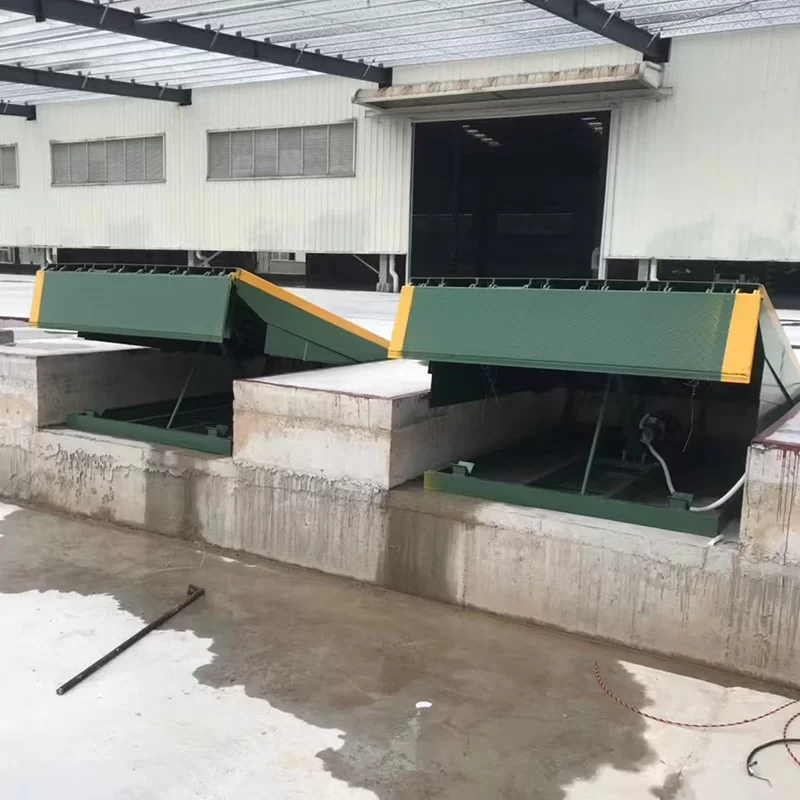
Hydraulic Dock Leveler

Hydraulic Dock Leveler

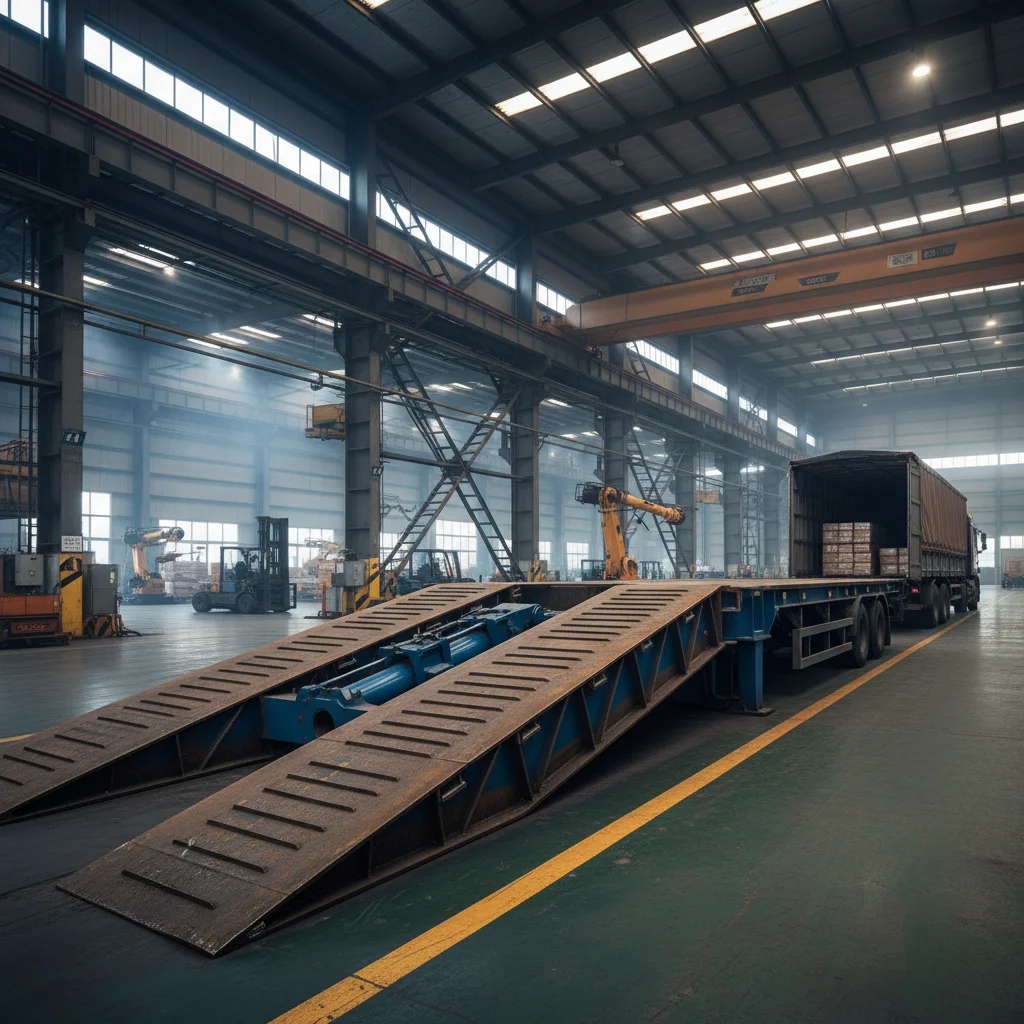
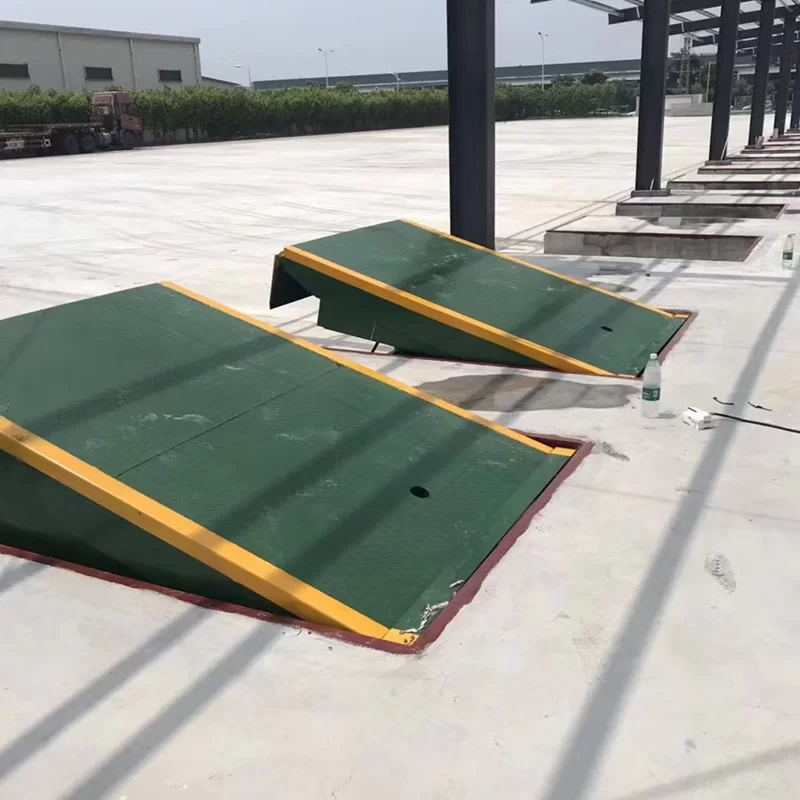
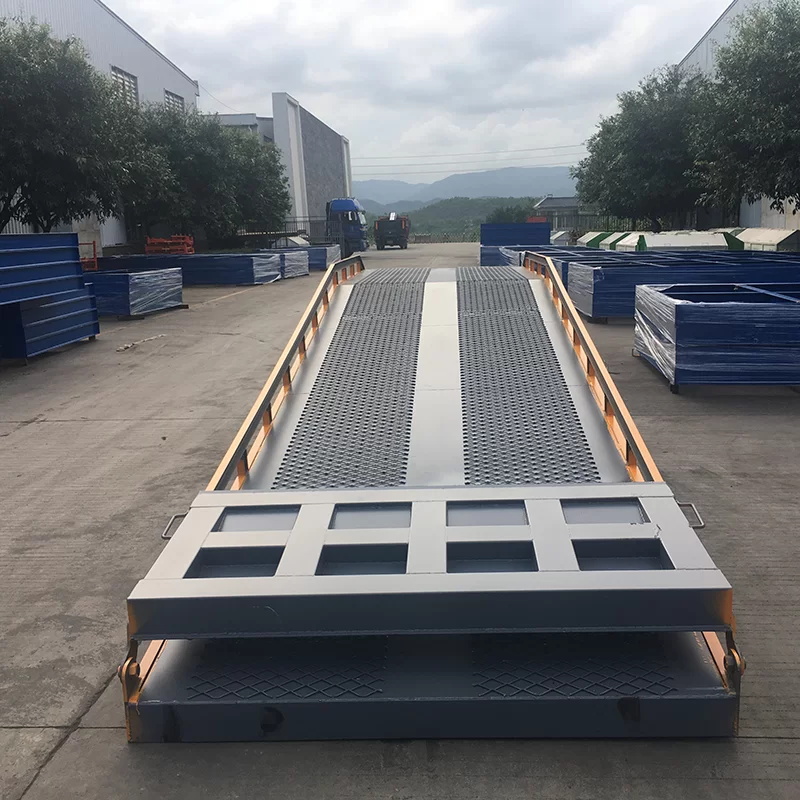
8–10 Ton Container Loading Ramp for Forklifts

8–10 Ton Container Loading Ramp for Forklifts

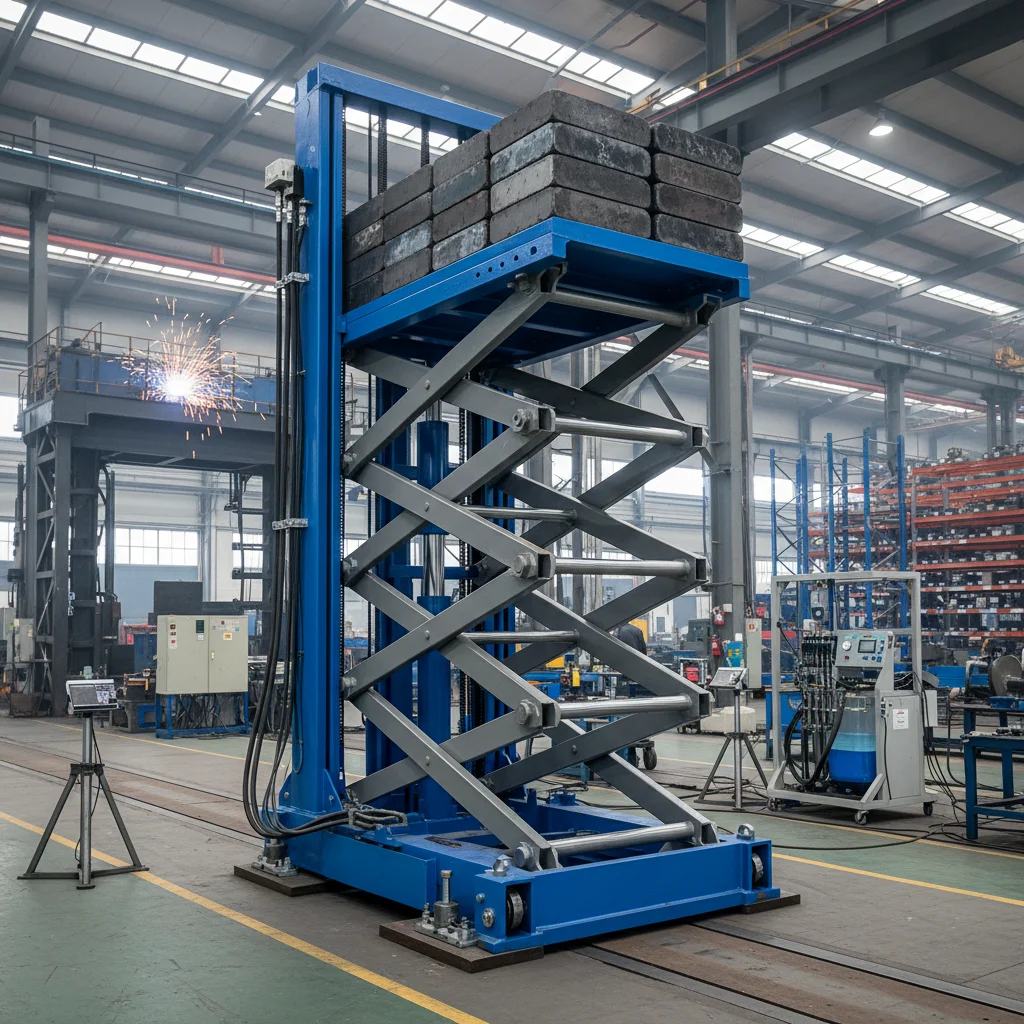
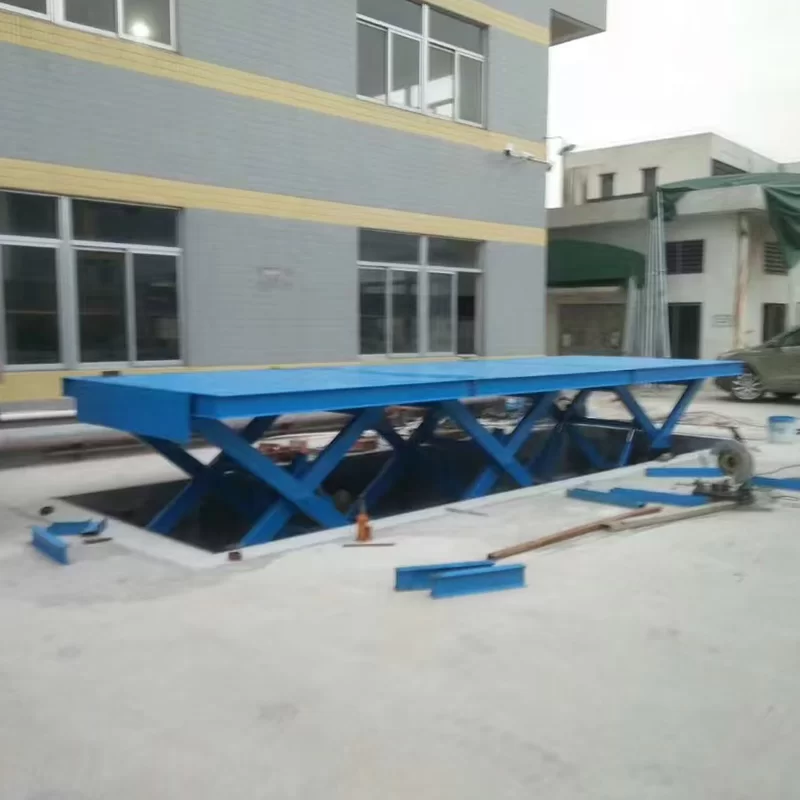
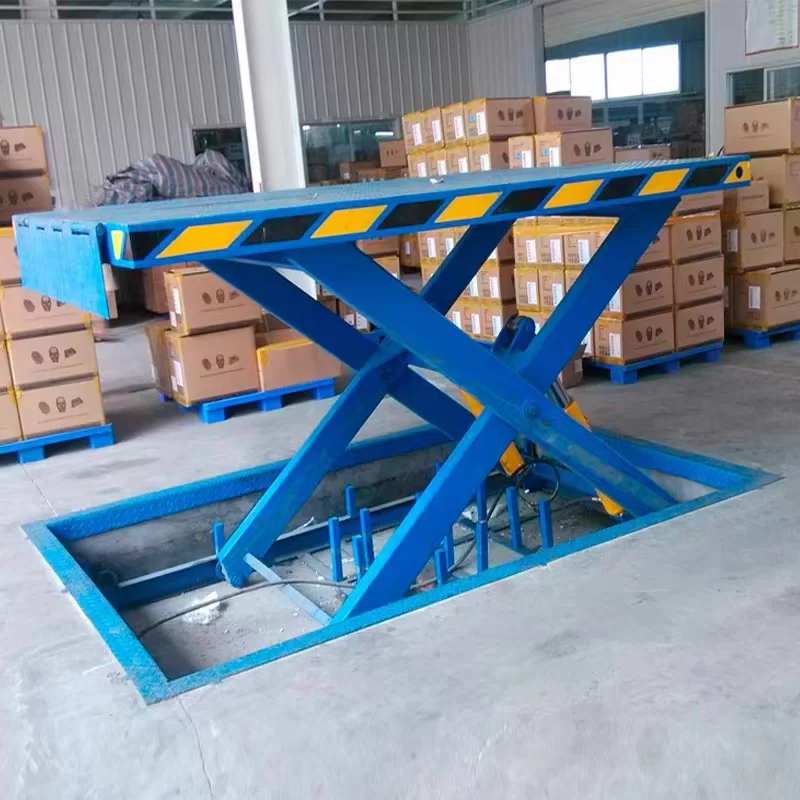
Industrial Grade Scissor Lift Platforms

Industrial Grade Scissor Lift Platforms

Industrial Grade Scissor Lift Platforms Precision engineered continuous lifting solutions for seamless material handling and vertical transport in modern manufacturing. 2000 Annual Output 164 Countries Served 7 Days Sample Lead Time 99.9 On-Time Delivery Engineered for Absolute Stability Our scissor lift platform solutions integrate advanced hydraulic systems with high-tensile steel to ensure maximum safety and operational efficiency. We prioritize structural integrity to handle the most demanding material handling tasks in continuous manufacturing environments. High-Load Capacity Reinforced chassis designs capable of supporting multi-ton loads without deflection, ensuring safe vertical transition for heavy equipment.
April 29, 2026
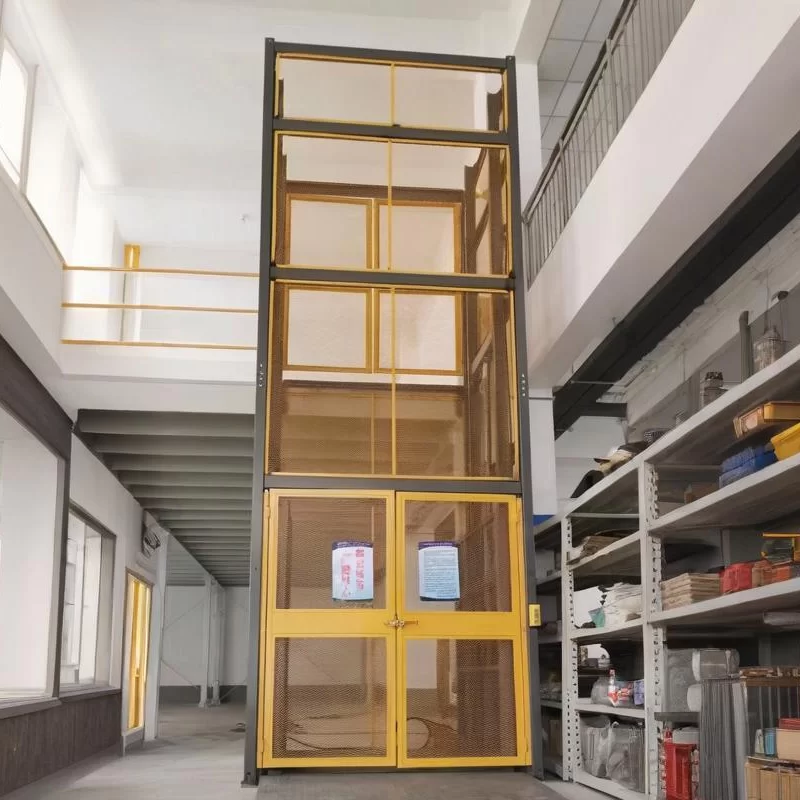
Industrial Heavy Duty Lift Machine for Efficient Material Handling

Industrial Heavy Duty Lift Machine for Efficient Material Handling

In the demanding world of modern logistics and industrial manufacturing, the efficiency of material handling can make or break a companys operational throughput. A heavy-duty lift machine serves as the backbone of this process, providing the necessary power and stability to move oversized cargo, heavy machinery, and bulk materials across varying elevations. By bridging the gap between different loading levels, these systems eliminate manual strain and drastically reduce the risk of workplace accidents. Globally, the shift toward automated warehousing and high-density storage has amplified the need for robust lifting solutions.
May 13, 2026
Efficiency and Safety Guide for Hydraulic dock leveler Systems

Efficiency and Safety Guide for Hydraulic dock leveler Systems

In the fast-paced world of logistics and supply chain management, the efficiency of the loading dock is a critical determinant of overall operational success. A Hydraulic dock leveler serves as the vital bridge between a warehouse floor and a transport vehicle, eliminating the height gap that often hinders the smooth movement of goods. By providing a stable, adjustable platform, these systems ensure that forklifts and pallet jacks can transition seamlessly, drastically reducing loading times and operational bottlenecks.
April 23, 2026

Advanced Industrial Cargo Lifting Device Solutions for South Korea

Optimizing material flow and vertical logistics for high-tech manufacturing hubs in Asia's most innovative economy.

Advanced Industrial Cargo Lifting Device Solutions for South Korea

Providing precision-engineered lifting systems tailored to the rigorous demands of South Korean smart factories and logistics centers, enhancing operational safety and throughput.

Logistics Infrastructure Status in South Korea

Analyzing the convergence of high-density urban warehousing and automated industrial requirements.

South Korea's manufacturing sector, centered around semiconductors and automotive giants, operates in a landscape of extreme spatial constraints. In metropolitan areas like Seoul and Incheon, the demand for a high-efficiency factory lifting platform has surged as companies transition to vertical warehousing to maximize limited land use.

The regional climate, characterized by humid summers and freezing winters, requires equipment with high corrosion resistance and stable hydraulic performance. Local companies are increasingly moving away from manual handling toward integrated loading dock lift systems to accelerate the turnaround time of heavy-duty transport vehicles.

Furthermore, the stringent safety regulations imposed by Korean labor laws have forced a shift toward certified, fail-safe lifting mechanisms. This has created a professional environment where every building contractor must integrate precision lifting technology that meets international ISO and local KOSHA standards.
Evolution of Material Handling in Korea

From mechanical simplicity to AI-driven vertical transport systems.

Market Development History

In the 1980s and 90s, the South Korean industrial landscape relied heavily on basic chain hoists and manual ramps, focusing on rapid capacity expansion during the "Miracle on the Han River" era.

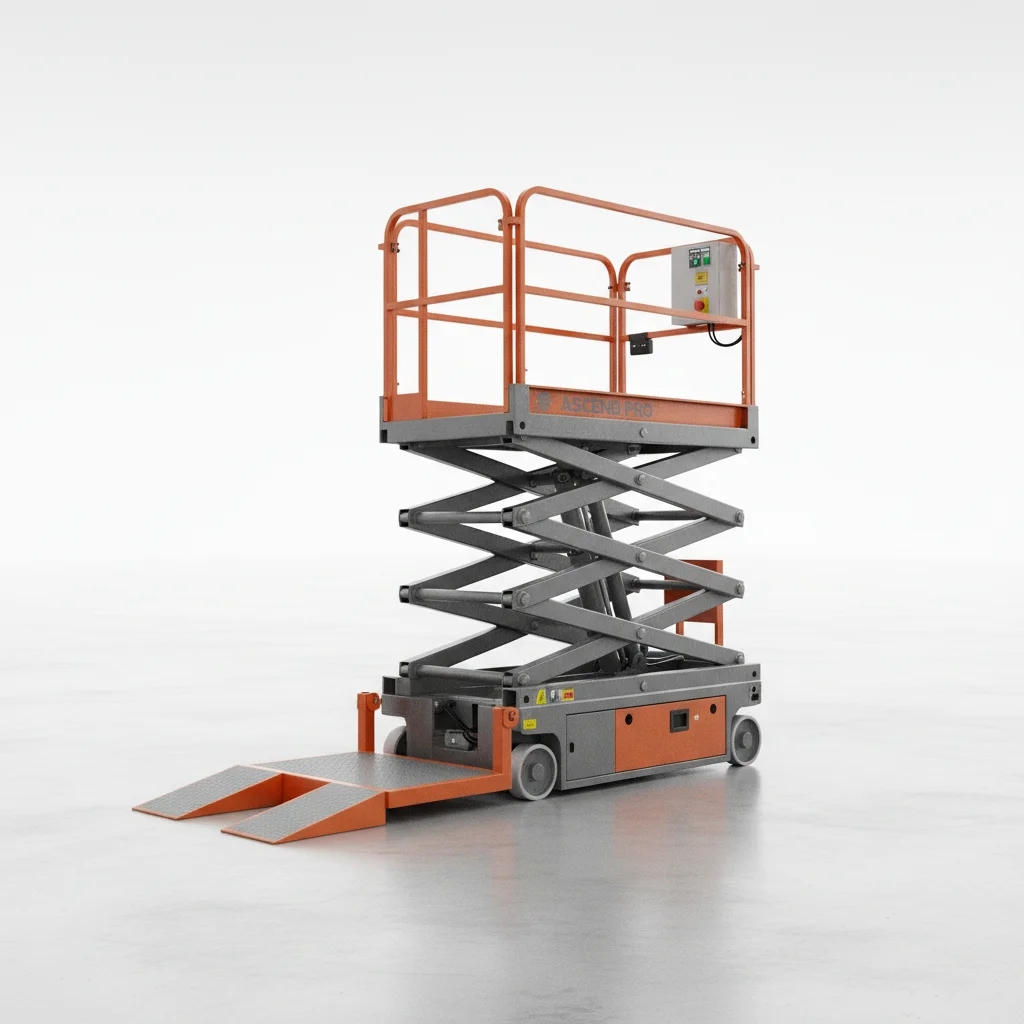
By the mid-2000s, the introduction of PLC-controlled systems saw a transition toward the standardized electric scissor lift, allowing for more precise positioning in electronic assembly lines.

From 2015 to the present, the focus has shifted to "Smart Logistics 4.0," where lifting devices are integrated into IoT networks for predictive maintenance and fully synchronized loading cycles.

Future Development Trends

Autonomous Integration

Integration with AGVs (Automated Guided Vehicles) will allow lifting platforms to coordinate without human intervention, reducing loading dock bottlenecks.

Energy Efficiency & Green Power

A shift toward lithium-ion powered lifts and regenerative braking systems to align with South Korea's "Green New Deal" carbon neutrality goals.

Hyper-Customization

Modular designs that allow rapid reconfiguration as factory layouts change to accommodate new product lines in the EV battery sector.

Industry Trends and Future Outlook

Predicting the trajectory of continuous handling equipment in the East Asian market.

AI-Driven Scheduling
Using machine learning to predict peak loading times and optimize lift deployment.
IoT Predictive Maintenance
Real-time sensor monitoring to prevent downtime before mechanical failure occurs.
Zero-Emission Power
Transitioning to fully electric, noise-reduced hydraulic systems for urban areas.
Ergonomic Compliance
Designing systems specifically to reduce worker fatigue in high-speed environments.

Industry Outlook

Based on Google search trends in South Korea, there is a significant increase in queries related to "automated logistics" and "warehouse safety." This indicates a market shift toward integrated ecosystems where lifting devices are no longer standalone tools but nodes in a digital supply chain.

We expect that within the next 3-5 years, the adoption of collaborative robotics (cobots) integrated with lifting platforms will become the standard for South Korean mid-to-large scale manufacturers, drastically reducing manual load times.

Localized Application Scenarios in South Korea

Real-world deployment of continuous handling equipment in diverse Korean sectors.

01. Semiconductor Clean Room Logistics

Deployment of specialized, non-contaminating factory lifting platform units for transporting silicon wafers and machinery between sterile mezzanine levels in Pyeongtaek hubs.

02. Automotive Part Distribution Centers

Implementation of heavy-duty loading dock lift systems to synchronize the height of diverse truck fleets with warehouse floors, optimizing the flow of EV chassis.

03. Urban E-commerce Micro-fulfillment

Utilization of compact electric scissor lift systems in Seoul's high-density fulfillment centers to manage vertical storage of fast-moving consumer goods.

04. Heavy Industrial Construction Projects

Collaboration with the local building contractor to install permanent cargo lifts in shipbuilding facilities, facilitating the movement of massive steel components.

05. Cold Chain Pharmaceutical Warehousing

Installing specialized cargo lifting device units designed for sub-zero temperatures, ensuring the integrity of temperature-sensitive medical supplies.

Brand Story

Global Development History of Jiangmen Hongli Machinery Co., Ltd.

Foundational Excellence

Established with a mission to solve the inefficiency of manual vertical transport in heavy industry through precision engineering.

Technological Breakthrough

Pioneered the integration of advanced hydraulic stability controls, reducing vibration during heavy load transitions.

Global Expansion

Expanded our footprint into the Asian market, adapting our designs to meet the rigorous safety and quality standards of South Korea.

Smart Manufacturing Shift

Integrated IoT and smart sensors into our product lines, enabling predictive maintenance for global industrial clients.

Future Vision

Dedicated to becoming the world leader in eco-friendly, high-efficiency continuous handling equipment for the 4th Industrial Revolution.

Complete Product Portfolio for South Korea

A comprehensive range of lifting solutions designed for Korean industrial specifications.

Frequently Asked Questions in South Korea

Expert answers to common technical and regulatory queries regarding lifting equipment.

How to choose the right loading dock lift for high-traffic Korean warehouses?

Consider the daily cycle count and the average weight of loads. For high-traffic hubs, we recommend heavy-duty hydraulic systems with reinforced platforms and rapid-cycle valves to minimize vehicle dwell time.

What are the safety certifications required for a factory lifting platform in Korea?

Equipment should comply with KOSHA (Korea Occupational Safety and Health Agency) standards. Our products are designed to meet these rigorous safety requirements, including emergency stop mechanisms and overload protection.

Can an electric scissor lift be customized for clean room environments?

Yes, we offer specialized powder coatings and stainless steel finishes that prevent particle shedding, making them ideal for the semiconductor and pharmaceutical industries in Korea.

How does a building contractor integrate cargo lifting devices into new facility plans?

We provide detailed CAD drawings and technical specifications during the planning phase, allowing contractors to allocate the exact pit dimensions and electrical requirements needed for seamless installation.

What is the maintenance cycle for a heavy-duty cargo lifting device in humid climates?

Given South Korea's humidity, we recommend a quarterly inspection of hydraulic seals and lubrication points to prevent oxidation and ensure smooth operation throughout the year.

Are there energy-efficient options for electric lifts to reduce operational costs?

We provide high-efficiency motors and LED-integrated control panels that significantly reduce power consumption during idle periods, helping factories lower their energy overhead.

Get Your Custom Lifting Solution Today

Our engineers are ready to help you optimize your industrial vertical transport in South Korea. Contact us for a technical consultation.

Contact Us Now

If you are interested in our products, you can choose to leave your information here, and we will be in touch with you shortly.