News

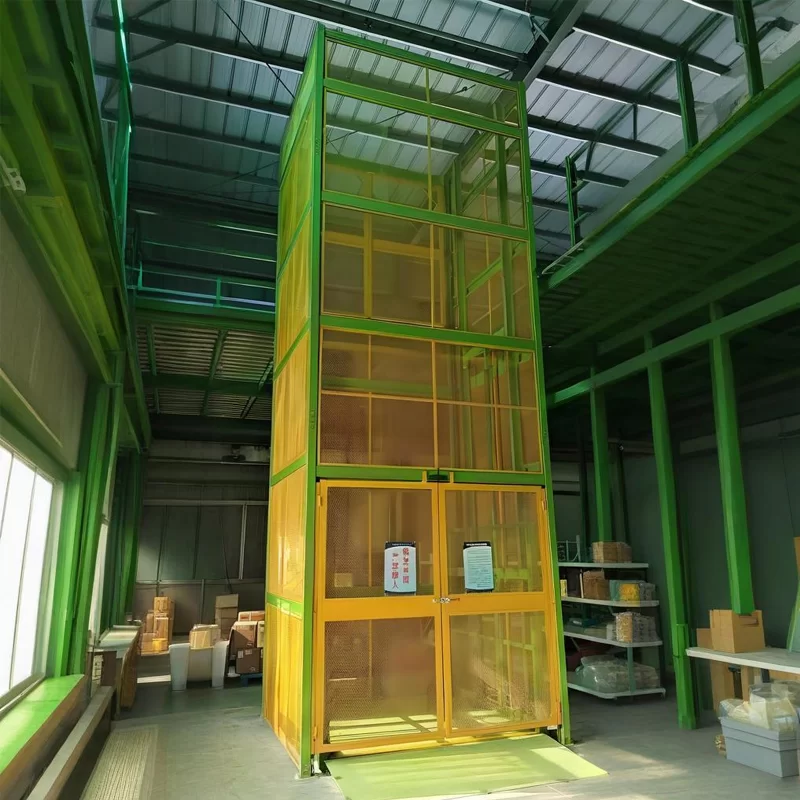
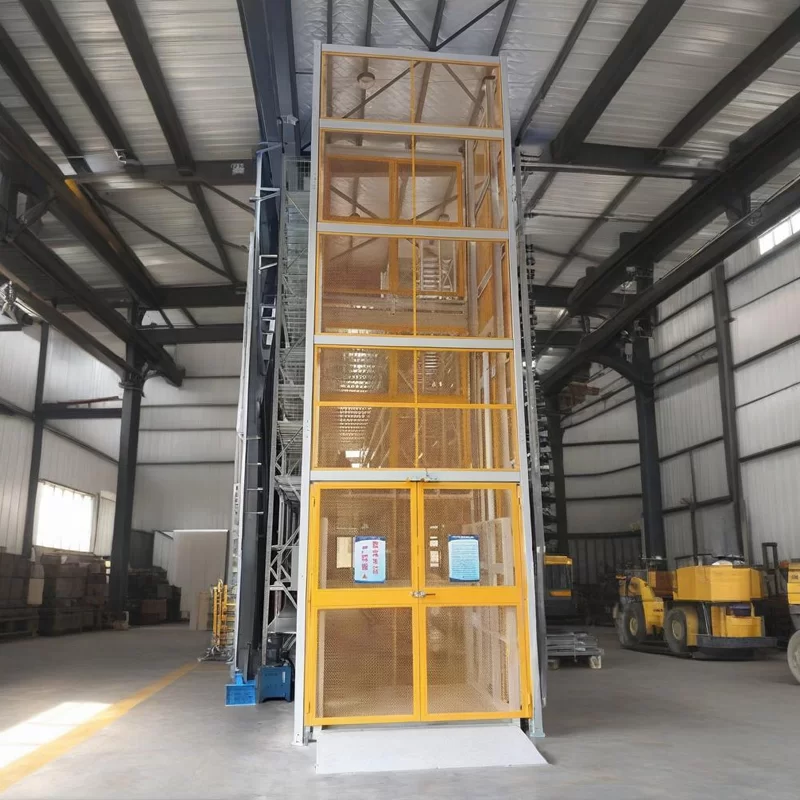
Advanced cargo lifting device Solutions for Germany’s Industrial Sector

April 25, 2026

Advanced cargo lifting device Solutions for Germany's Industrial Sector

Optimizing vertical logistics with precision engineering and German-standard safety certifications for seamless material handling.

Advanced cargo lifting device Solutions for Germany's Industrial Sector

Integrating high-capacity lifting technology to enhance the operational efficiency of Germany's continuous conveyor and material handling infrastructure.

{Product List Placeholder 1}

The State of Material Handling in Germany

Analyzing the intersection of Industry 4.0 and physical logistics in Central Europe.

Germany's manufacturing landscape is characterized by an uncompromising demand for precision and adherence to strict DIN and CE standards. The integration of a loading dock lift in modern logistics hubs is no longer optional but a necessity to manage the high throughput of the automotive and chemical sectors.

Economically, the shift toward "smart factories" has placed immense pressure on existing infrastructure. Many facilities are retrofitting legacy systems with a modern factory lifting platform to optimize floor space and reduce manual handling risks in accordance with German occupational health and safety laws.

Furthermore, the geographic concentration of industrial clusters in regions like North Rhine-Westphalia requires highly durable equipment capable of enduring continuous 24/7 operation, pushing the demand for low-maintenance, high-reliability electric lifting systems.
Evolution and Trajectory of Lifting Systems

From hydraulic basics to intelligent automated vertical transport.

Market Development History

In the late 20th century, German industrial lifting relied heavily on manual hydraulic jacks and basic pulley systems, focusing purely on load capacity without advanced safety redundancies.

Between 2000 and 2015, the industry saw a transition toward standardized electro-hydraulic systems. The role of the building contractor became pivotal during this era, as lifting systems were integrated directly into the architectural blueprints of new warehouses.

From 2016 to the present, the focus has shifted toward digitalization. The adoption of PLC (Programmable Logic Controllers) has transformed the simple electric scissor lift into a synchronized component of a larger automated warehouse ecosystem.

Future Development Trends

IoT-Driven Predictive Maintenance

Integration of sensors to monitor wear and tear in real-time, reducing unplanned downtime in German production lines.

Energy-Efficient Regenerative Drives

Moving toward systems that capture energy during the descent phase, aligning with Germany's strict energy efficiency targets.

Autonomous Integration

Lifting platforms that communicate directly with AGVs (Automated Guided Vehicles) for zero-human intervention transport.

Industry Trends and Future Outlook

Strategic foresight into the next 5 years of material handling evolution.

Carbon Neutral Lifting
Transitioning to 100% electric drives and recyclable steel to meet Germany's Green Deal objectives.
Modular Scalability
Developing plug-and-play lifting modules that allow factories to expand capacity without structural overhauls.
AI-Optimized Flow
Using machine learning to predict peak loading times and adjust lifting speeds to minimize energy spikes.
Hyper-Safety Protocols
Implementing multi-layered laser curtains and emergency stop redundancies beyond current EU standards.

Industry Outlook

Based on current Google search trends in Germany, there is a significant uptick in queries regarding "automated vertical conveyors" and "smart material handling." This indicates a market shift from standalone equipment toward integrated system solutions.

We predict that within 3-5 years, the distinction between a conveyor and a lift will blur, leading to the rise of hybrid continuous lifting systems that optimize the entire vertical transit path in the warehouse.

Localized Application Scenarios in Germany

Real-world deployments tailored to the German industrial environment.

01. Automotive Assembly Plants in Bavaria

Implementing high-precision factory lifting platform systems to move heavy engine components between assembly tiers without interrupting the continuous flow line.

02. Logistics Hubs in Hamburg Port

Installing heavy-duty loading dock lift units to bridge the gap between diverse truck heights and warehouse floors, accelerating the import/export process.

03. Chemical Warehouses in Ludwigshafen

Deploying explosion-proof cargo lifting device solutions specifically designed for hazardous materials handling in strict compliance with ATEX directives.

04. Modern Architecture Projects in Berlin

Collaborating with a building contractor to integrate recessed scissor lifts into luxury commercial spaces for discrete heavy equipment transport.

05. SME Manufacturing in Baden-Württemberg

Integrating compact electric scissor lift units for ergonomic workstations, reducing worker fatigue and increasing throughput in small-scale precision engineering shops.

Brand Story

Global Development Journey of Jiangmen Hongli Machinery Co., Ltd.

Foundation & Core Mission

Established with a vision to solve the "last meter" problem in vertical logistics, focusing on rugged reliability for heavy-duty manufacturing.

Technical Breakthroughs

Pioneered advanced hydraulic sealing technology that reduced oil leakage by 40%, setting new benchmarks for industrial cleanliness.

Global Expansion

Entered the European market by aligning production with CE and DIN standards, ensuring seamless adoption by German industrial engineers.

Innovation Milestone

Launched a series of intelligent, PLC-controlled lifting platforms that integrate directly with Industry 4.0 warehouse management systems.

Sustainable Future

Committing to a zero-emission manufacturing process and the development of fully biodegradable hydraulic fluids for eco-conscious clients.

Complete Lifting Portfolio for Germany

Certified, high-performance equipment engineered for the European industrial standard.

{Product List Placeholder 2}

Germany Logistics FAQ

Expert answers to the most common technical queries from the German market.

How does a loading dock lift comply with German safety regulations?

Our lifts are engineered to meet CE certification and DIN standards, featuring redundant safety valves and emergency stop mechanisms essential for German warehouse safety audits.

Can a cargo lifting device be customized for hazardous chemical zones?

Yes, we provide ATEX-certified modifications including spark-proof components and specialized coatings to ensure safe operation in volatile environments.

What is the installation lead time for a factory lifting platform in Bavaria?

Depending on the customization level, standard installation typically takes 4-8 weeks, including site survey and final commissioning by certified technicians.

Do you coordinate directly with the building contractor for recessed lifts?

Absolutely. We provide detailed CAD drawings and structural requirements to your contractor to ensure the pit dimensions and reinforcement are perfect for the lift.

What maintenance is required for an electric scissor lift in 24/7 operations?

We recommend quarterly inspections of the hydraulic seals and monthly lubrication of the scissor joints to maintain peak efficiency in high-intensity German factories.

Are your lifting systems compatible with Siemens PLC controllers?

Yes, our control systems are designed for open-protocol integration, making them fully compatible with the most common industrial automation controllers used in Germany.

Request a Technical Consultation

Our engineers are ready to help you optimize your material handling efficiency across Germany.

Contact Us Now
Need Our Services And Quotes
lf you need our help,Our staff will be happy to help and answer your questions!
  • name*
  • email*
  • phone*
  • message*
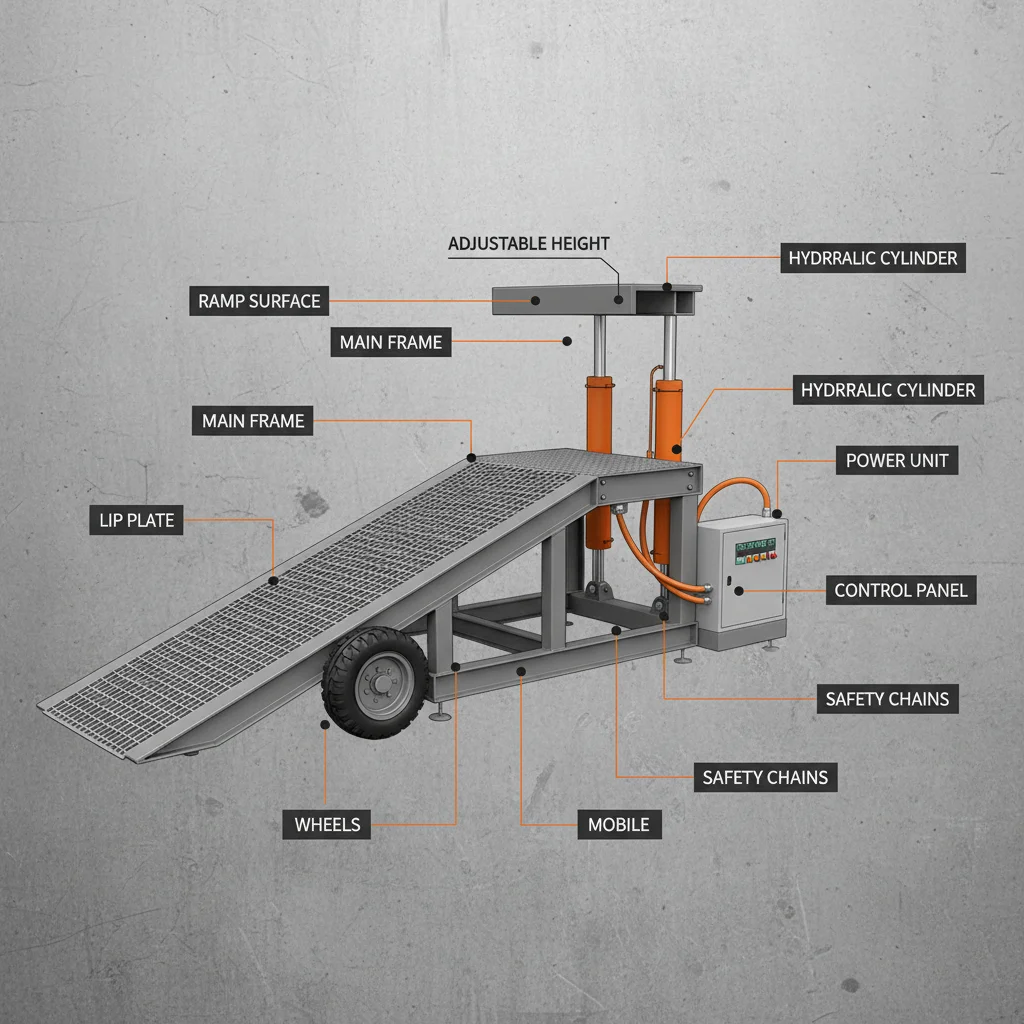
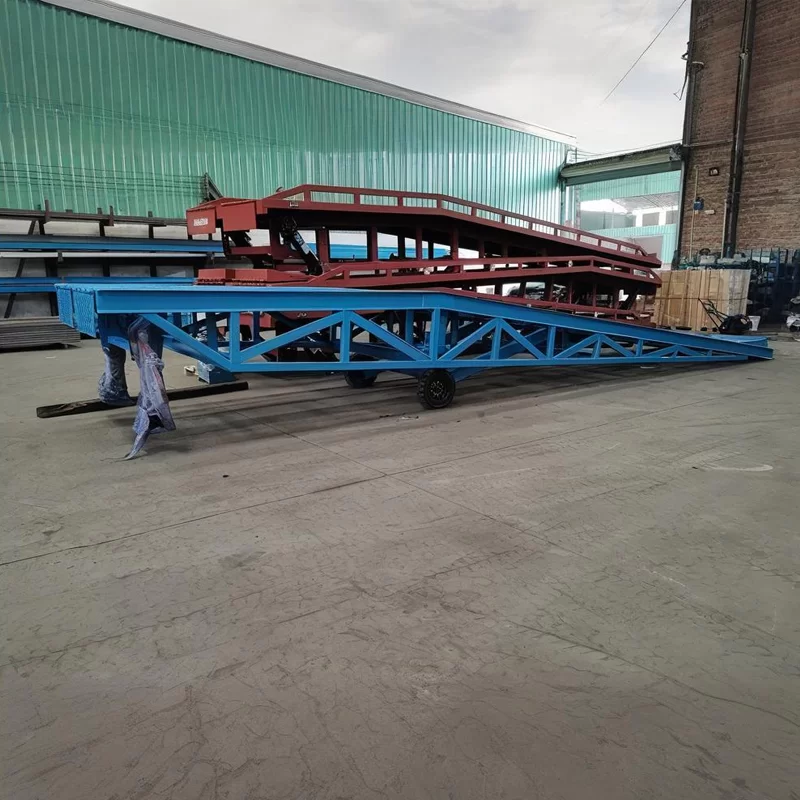
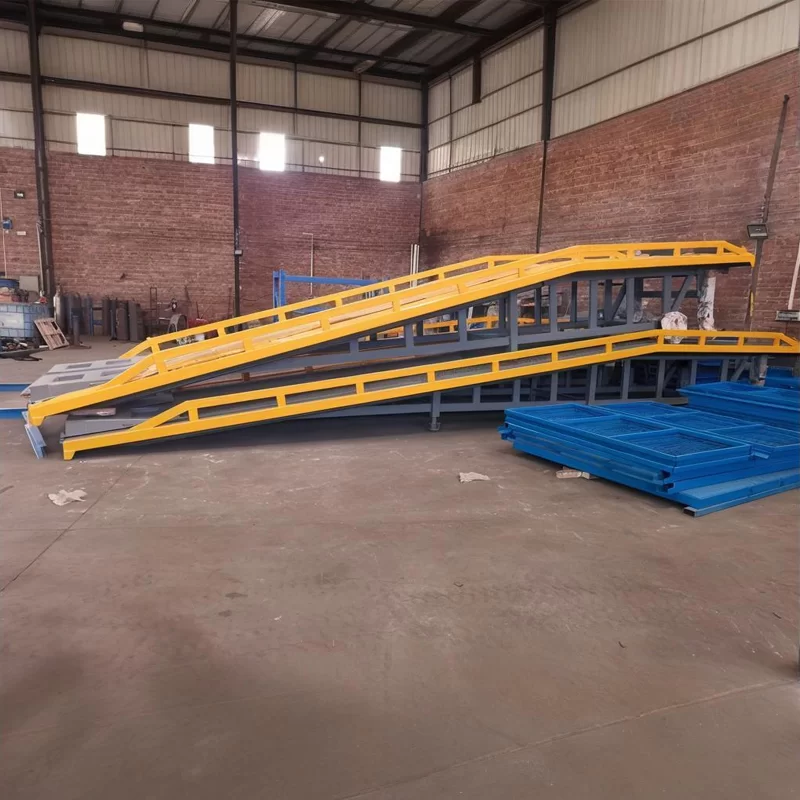
Hydraulic Mobile Dock Ramp for Container Loading

Hydraulic Mobile Dock Ramp for Container Loading

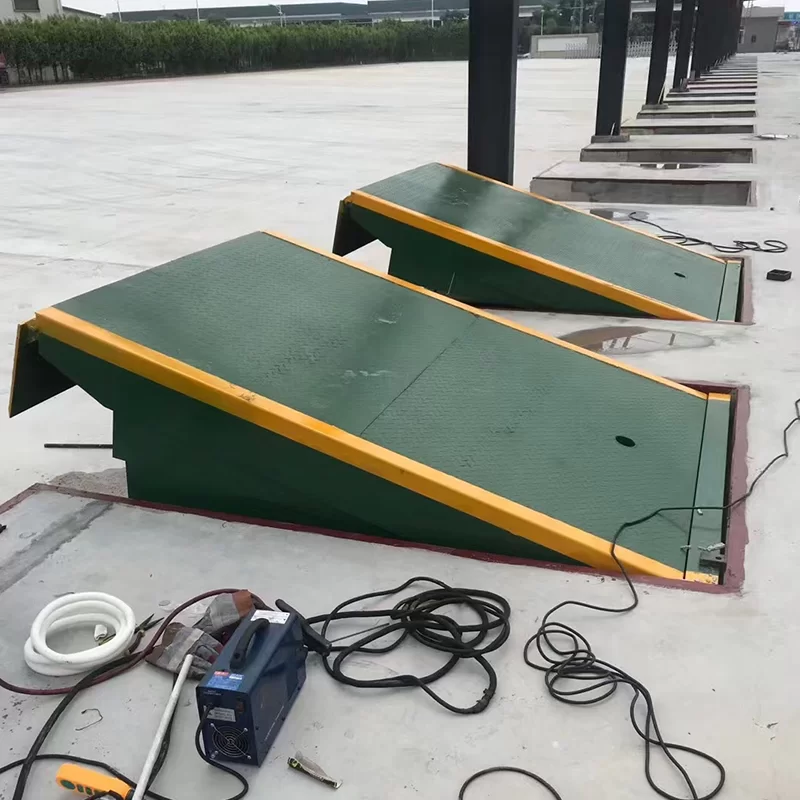
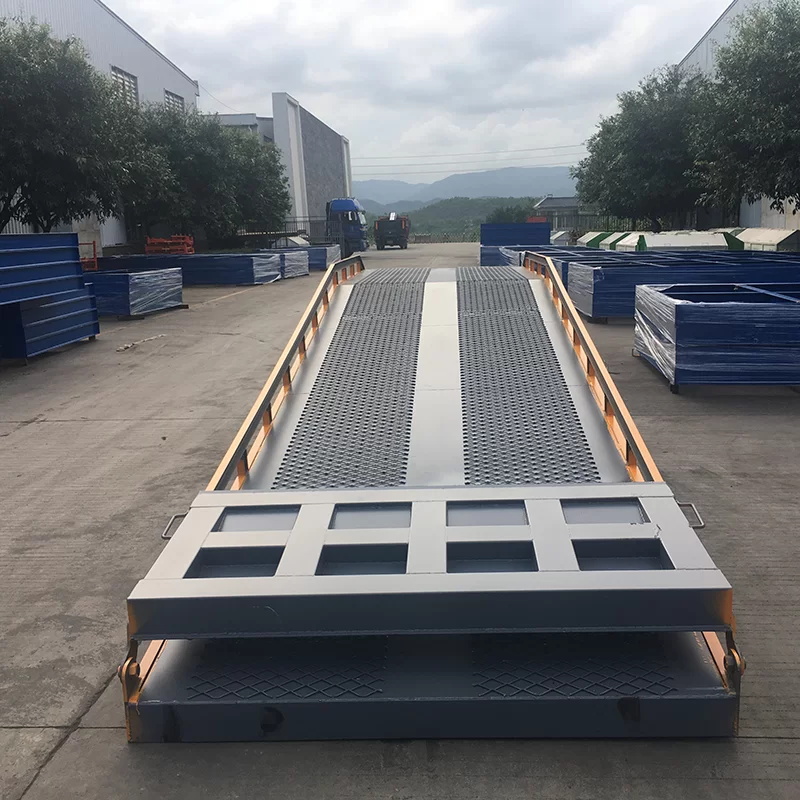
8–10 Ton Container Loading Ramp for Forklifts

8–10 Ton Container Loading Ramp for Forklifts

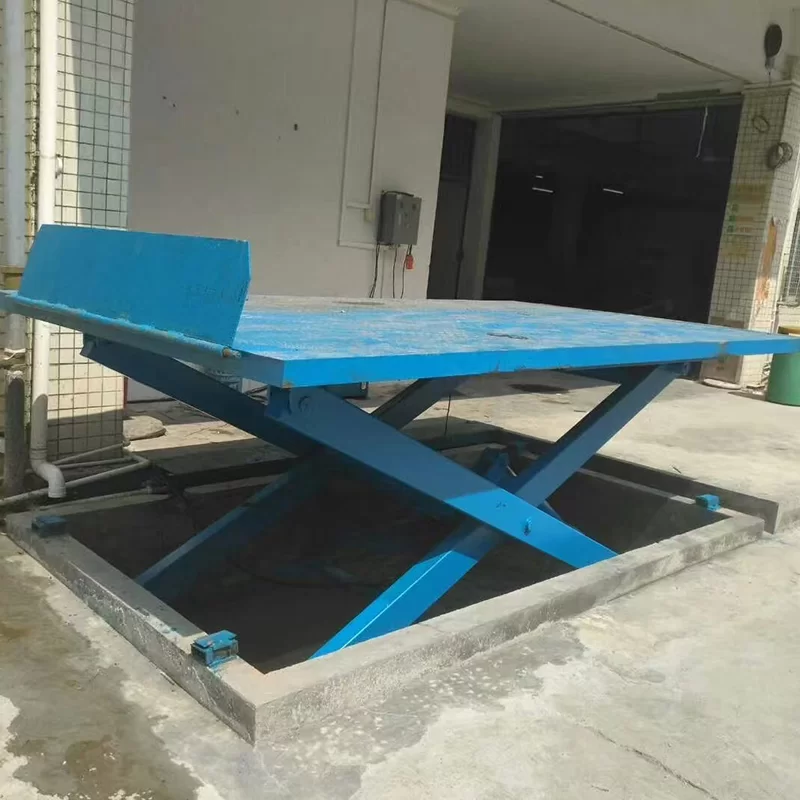
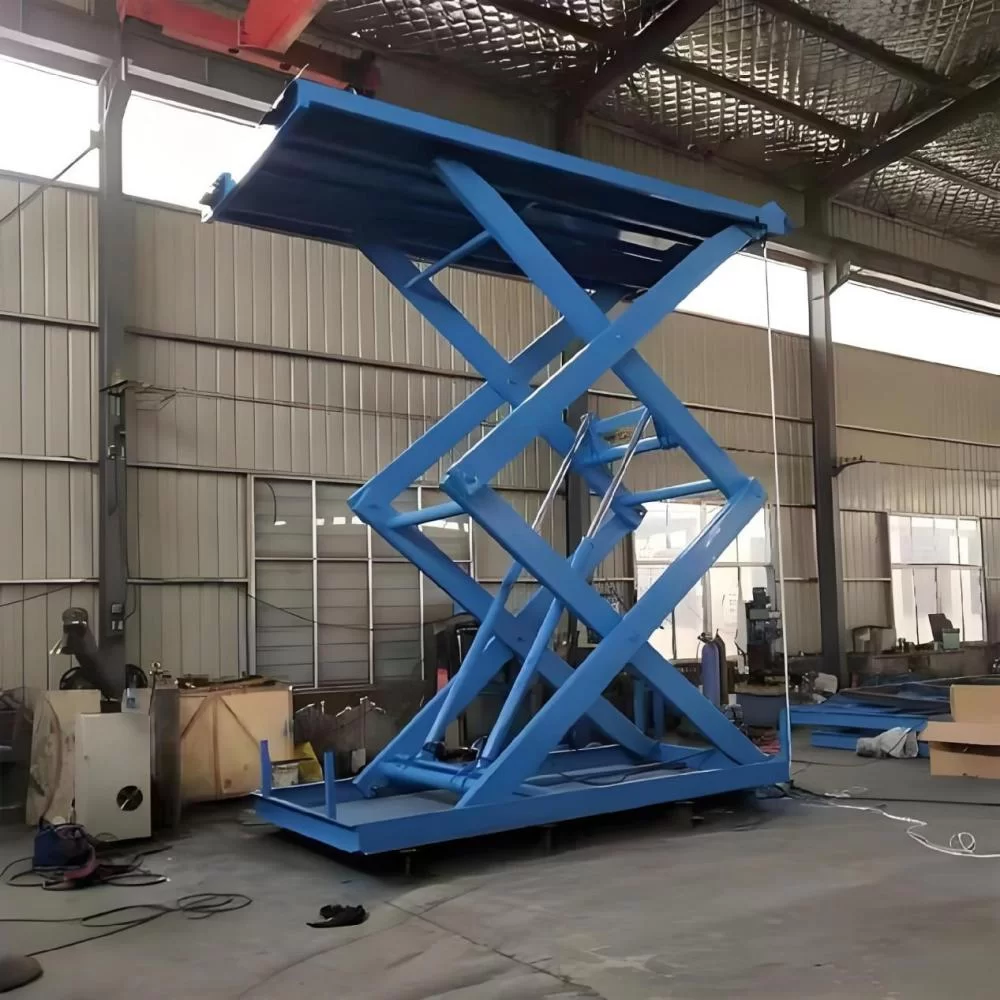
Unveiling the Working Principle and Application Advantages of the Scissor Lift

Unveiling the Working Principle and Application Advantages of the Scissor Lift

As a staple in modern industry, construction, and logistics, the scissor lift has earned its reputation for reliability and performance. 

March 23, 2026
Industrial Hydraulic lifting platform for Efficient Material Handling

Industrial Hydraulic lifting platform for Efficient Material Handling

The modern industrial landscape relies heavily on the efficient movement of heavy loads, where the Hydraulic lifting platform serves as a cornerstone of operational productivity. By leveraging Pascal's law to multiply force, these systems allow businesses to move massive weights with minimal manual effort, reducing workplace injuries and accelerating throughput in warehouses and factories worldwide. Globally, the demand for sophisticated material handling solutions is surging as e-commerce and automated logistics expand. The implementation of a high-quality Hydraulic lifting platform is no longer just a luxury for large-scale plants but a necessity for any facility aiming to optimize its vertical space
April 17, 2026
Efficient Loading with Hydraulic mobile dock ramp Solutions

Efficient Loading with Hydraulic mobile dock ramp Solutions

In the fast-paced world of logistics and warehousing, the efficiency of loading and unloading operations can make or break a supply chain's profitability. A Hydraulic mobile dock ramp serves as a critical bridge between the warehouse floor and the transport vehicle, eliminating the need for expensive permanent loading docks. By providing a flexible, heavy-duty transition point, these ramps allow businesses to scale their operations without investing in massive structural renovations.
April 24, 2026

Advanced cargo lifting device Solutions for Germany's Industrial Sector

Optimizing vertical logistics with precision engineering and German-standard safety certifications for seamless material handling.

Advanced cargo lifting device Solutions for Germany's Industrial Sector

Integrating high-capacity lifting technology to enhance the operational efficiency of Germany's continuous conveyor and material handling infrastructure.

The State of Material Handling in Germany

Analyzing the intersection of Industry 4.0 and physical logistics in Central Europe.

Germany's manufacturing landscape is characterized by an uncompromising demand for precision and adherence to strict DIN and CE standards. The integration of a loading dock lift in modern logistics hubs is no longer optional but a necessity to manage the high throughput of the automotive and chemical sectors.

Economically, the shift toward "smart factories" has placed immense pressure on existing infrastructure. Many facilities are retrofitting legacy systems with a modern factory lifting platform to optimize floor space and reduce manual handling risks in accordance with German occupational health and safety laws.

Furthermore, the geographic concentration of industrial clusters in regions like North Rhine-Westphalia requires highly durable equipment capable of enduring continuous 24/7 operation, pushing the demand for low-maintenance, high-reliability electric lifting systems.
Evolution and Trajectory of Lifting Systems

From hydraulic basics to intelligent automated vertical transport.

Market Development History

In the late 20th century, German industrial lifting relied heavily on manual hydraulic jacks and basic pulley systems, focusing purely on load capacity without advanced safety redundancies.

Between 2000 and 2015, the industry saw a transition toward standardized electro-hydraulic systems. The role of the building contractor became pivotal during this era, as lifting systems were integrated directly into the architectural blueprints of new warehouses.

From 2016 to the present, the focus has shifted toward digitalization. The adoption of PLC (Programmable Logic Controllers) has transformed the simple electric scissor lift into a synchronized component of a larger automated warehouse ecosystem.

Future Development Trends

IoT-Driven Predictive Maintenance

Integration of sensors to monitor wear and tear in real-time, reducing unplanned downtime in German production lines.

Energy-Efficient Regenerative Drives

Moving toward systems that capture energy during the descent phase, aligning with Germany's strict energy efficiency targets.

Autonomous Integration

Lifting platforms that communicate directly with AGVs (Automated Guided Vehicles) for zero-human intervention transport.

Industry Trends and Future Outlook

Strategic foresight into the next 5 years of material handling evolution.

Carbon Neutral Lifting
Transitioning to 100% electric drives and recyclable steel to meet Germany's Green Deal objectives.
Modular Scalability
Developing plug-and-play lifting modules that allow factories to expand capacity without structural overhauls.
AI-Optimized Flow
Using machine learning to predict peak loading times and adjust lifting speeds to minimize energy spikes.
Hyper-Safety Protocols
Implementing multi-layered laser curtains and emergency stop redundancies beyond current EU standards.

Industry Outlook

Based on current Google search trends in Germany, there is a significant uptick in queries regarding "automated vertical conveyors" and "smart material handling." This indicates a market shift from standalone equipment toward integrated system solutions.

We predict that within 3-5 years, the distinction between a conveyor and a lift will blur, leading to the rise of hybrid continuous lifting systems that optimize the entire vertical transit path in the warehouse.

Localized Application Scenarios in Germany

Real-world deployments tailored to the German industrial environment.

01. Automotive Assembly Plants in Bavaria

Implementing high-precision factory lifting platform systems to move heavy engine components between assembly tiers without interrupting the continuous flow line.

02. Logistics Hubs in Hamburg Port

Installing heavy-duty loading dock lift units to bridge the gap between diverse truck heights and warehouse floors, accelerating the import/export process.

03. Chemical Warehouses in Ludwigshafen

Deploying explosion-proof cargo lifting device solutions specifically designed for hazardous materials handling in strict compliance with ATEX directives.

04. Modern Architecture Projects in Berlin

Collaborating with a building contractor to integrate recessed scissor lifts into luxury commercial spaces for discrete heavy equipment transport.

05. SME Manufacturing in Baden-Württemberg

Integrating compact electric scissor lift units for ergonomic workstations, reducing worker fatigue and increasing throughput in small-scale precision engineering shops.

Brand Story

Global Development Journey of Jiangmen Hongli Machinery Co., Ltd.

Foundation & Core Mission

Established with a vision to solve the "last meter" problem in vertical logistics, focusing on rugged reliability for heavy-duty manufacturing.

Technical Breakthroughs

Pioneered advanced hydraulic sealing technology that reduced oil leakage by 40%, setting new benchmarks for industrial cleanliness.

Global Expansion

Entered the European market by aligning production with CE and DIN standards, ensuring seamless adoption by German industrial engineers.

Innovation Milestone

Launched a series of intelligent, PLC-controlled lifting platforms that integrate directly with Industry 4.0 warehouse management systems.

Sustainable Future

Committing to a zero-emission manufacturing process and the development of fully biodegradable hydraulic fluids for eco-conscious clients.

Complete Lifting Portfolio for Germany

Certified, high-performance equipment engineered for the European industrial standard.

Germany Logistics FAQ

Expert answers to the most common technical queries from the German market.

How does a loading dock lift comply with German safety regulations?

Our lifts are engineered to meet CE certification and DIN standards, featuring redundant safety valves and emergency stop mechanisms essential for German warehouse safety audits.

Can a cargo lifting device be customized for hazardous chemical zones?

Yes, we provide ATEX-certified modifications including spark-proof components and specialized coatings to ensure safe operation in volatile environments.

What is the installation lead time for a factory lifting platform in Bavaria?

Depending on the customization level, standard installation typically takes 4-8 weeks, including site survey and final commissioning by certified technicians.

Do you coordinate directly with the building contractor for recessed lifts?

Absolutely. We provide detailed CAD drawings and structural requirements to your contractor to ensure the pit dimensions and reinforcement are perfect for the lift.

What maintenance is required for an electric scissor lift in 24/7 operations?

We recommend quarterly inspections of the hydraulic seals and monthly lubrication of the scissor joints to maintain peak efficiency in high-intensity German factories.

Are your lifting systems compatible with Siemens PLC controllers?

Yes, our control systems are designed for open-protocol integration, making them fully compatible with the most common industrial automation controllers used in Germany.

Request a Technical Consultation

Our engineers are ready to help you optimize your material handling efficiency across Germany.

Contact Us Now

If you are interested in our products, you can choose to leave your information here, and we will be in touch with you shortly.