News

Advanced cargo lifting device Solutions for Tanzania’s Industrial Sector

April 25, 2026

Advanced cargo lifting device Solutions for Tanzania's Industrial Sector

Optimizing material flow and vertical logistics for Tanzanian factories and warehouses with high-durability lifting systems.

Advanced cargo lifting device Solutions for Tanzania's Industrial Sector

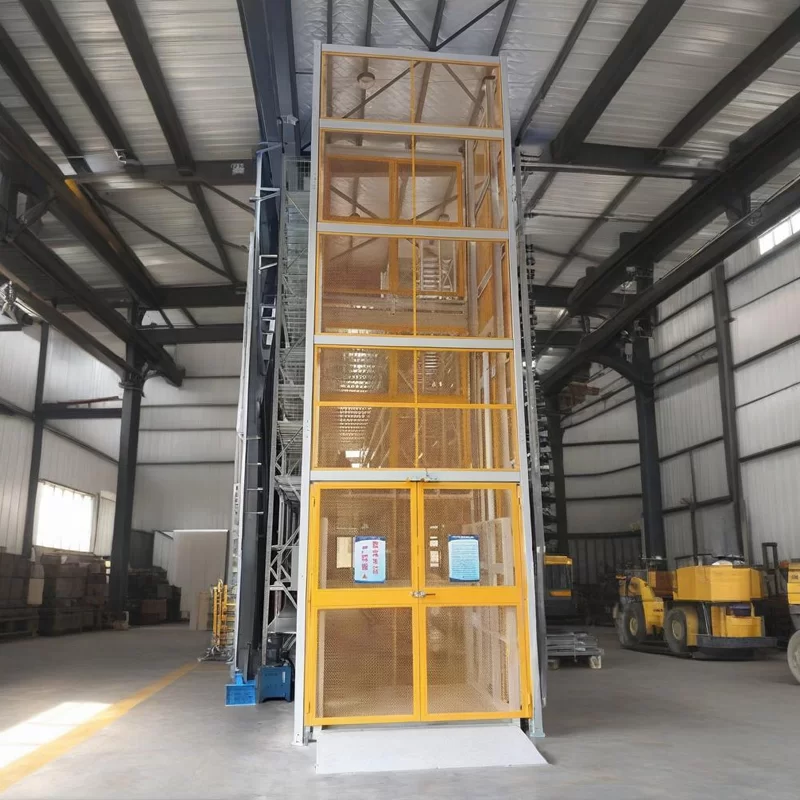
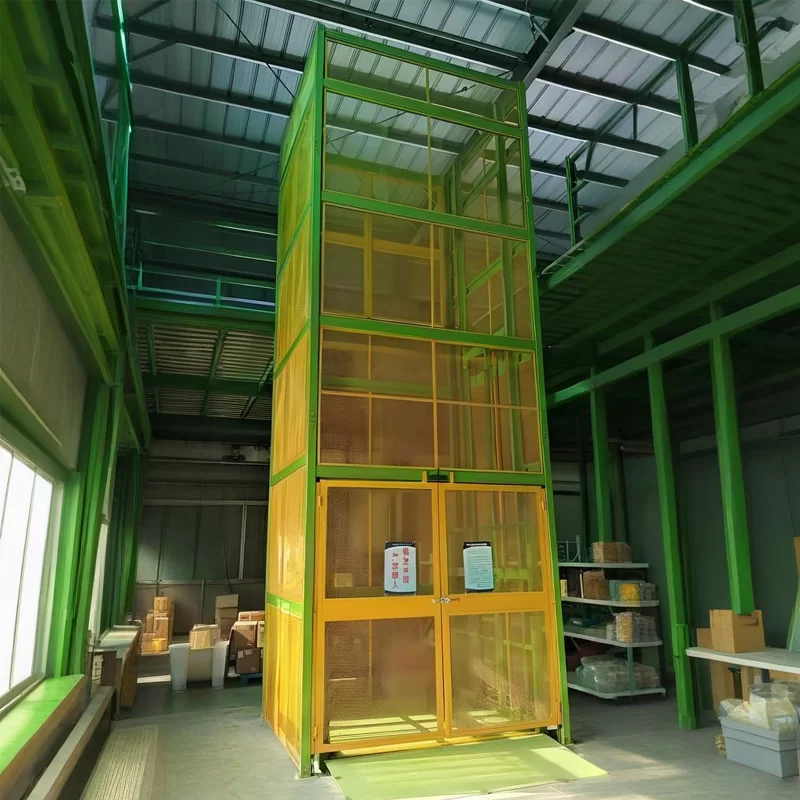
Providing high-performance vertical lifting and loading systems engineered to withstand the rigorous demands of Tanzania's manufacturing and logistics hubs.

{Product List Placeholder 1}

Industrial Lifting Landscape in Tanzania

Analyzing the operational challenges of material handling in East Africa's growing economy.

In Tanzania, the manufacturing sector is experiencing rapid growth, yet many facilities still rely on outdated manual labor or basic pulleys. The high humidity and coastal salinity in regions like Dar es Salaam demand that any factory lifting platform be constructed with superior anti-corrosion coatings to prevent premature structural failure.

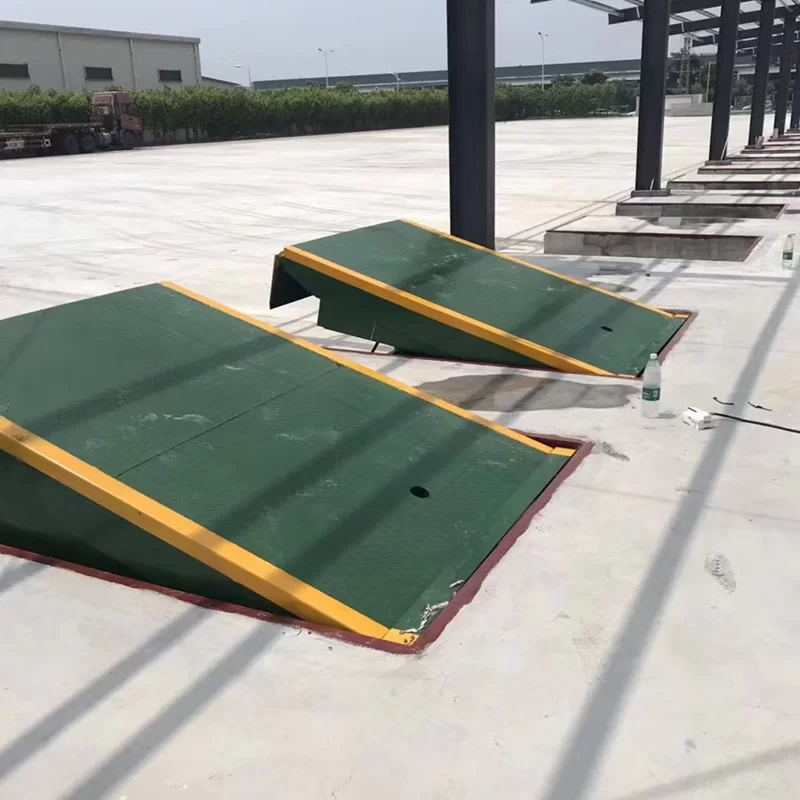
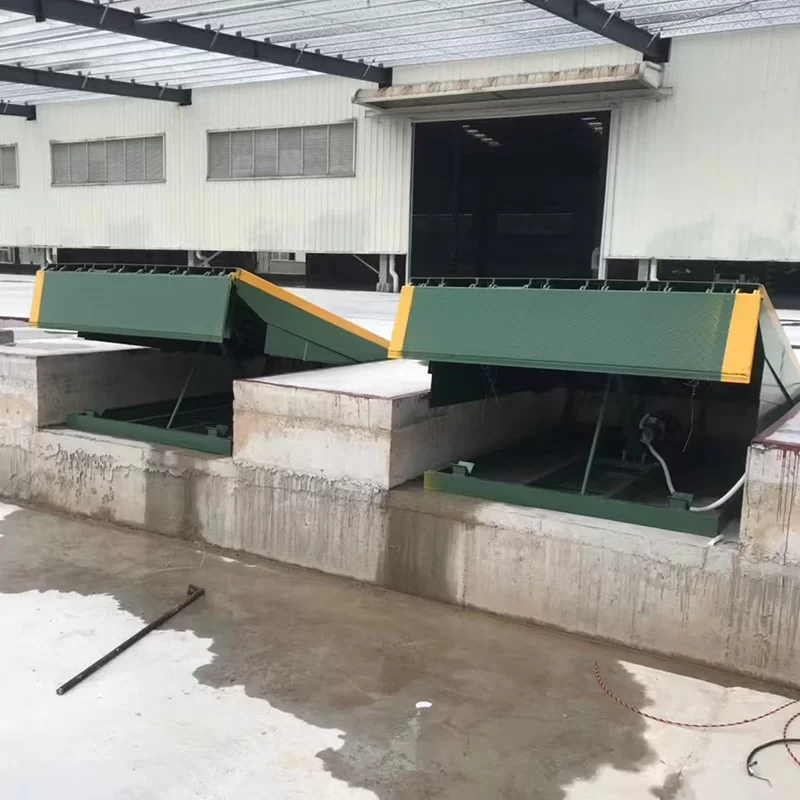
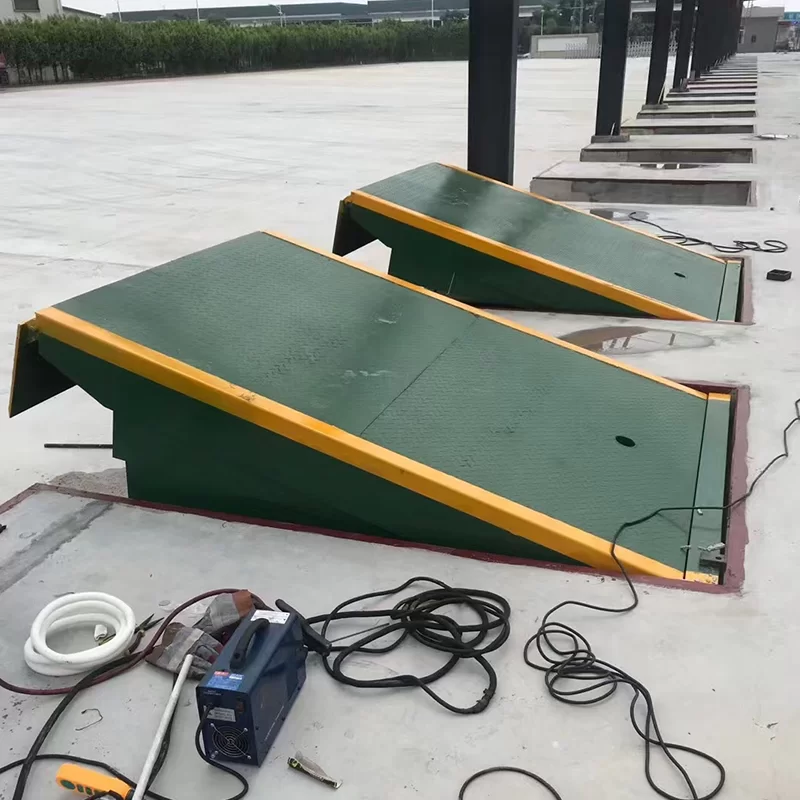
Logistics bottlenecks at loading bays are a common pain point. The lack of standardized dock heights often results in inefficient unloading processes. This creates a critical need for a professional loading dock lift to bridge the gap between transport vehicles and warehouse floors, accelerating the supply chain throughput.

Furthermore, the local construction boom led by the government's infrastructure projects has increased the demand for versatile equipment. Local building contractor firms are now transitioning from makeshift scaffolding to mechanized systems to meet international safety standards and project timelines.
Evolution of Continuous Handling Equipment

From manual hoisting to automated intelligent lifting systems.

Market Development History

From 2000 to 2010, the Tanzanian market was dominated by simple mechanical winches and manual forklifts, characterized by low throughput and high workplace accident rates in the material handling sector.

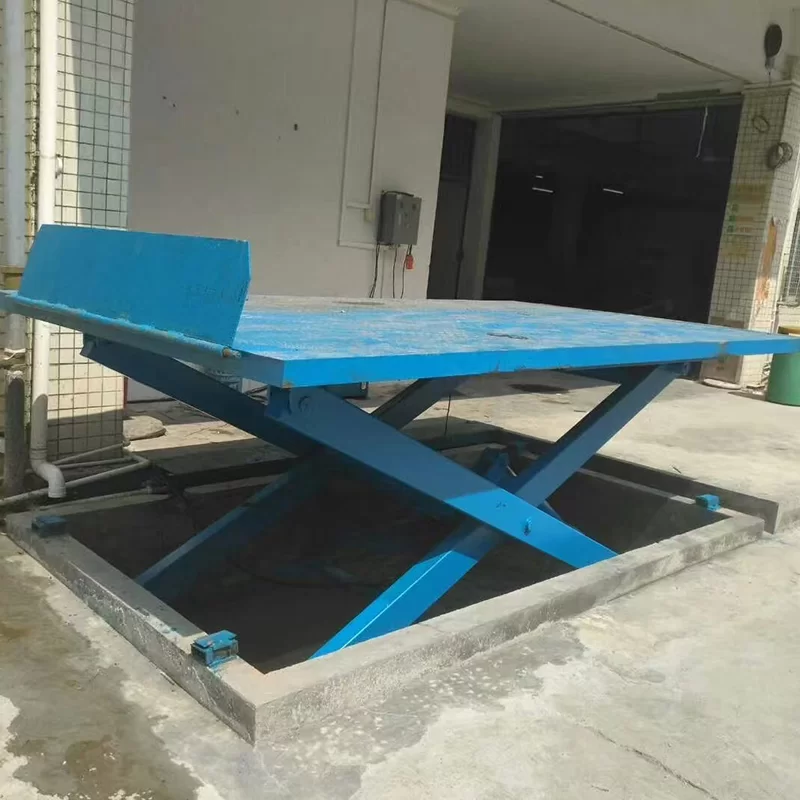
Between 2011 and 2020, there was a shift toward hydraulic systems. The introduction of the basic electric scissor lift allowed for safer vertical movement of goods, reducing reliance on manual stacking in textile and food processing plants.

Since 2021, the trend has moved toward integrated automation. Modern facilities now integrate smart sensors and PLC controls into their lifting platforms to synchronize with overall production lines, enhancing precision and energy efficiency.

Future Development Trends

IoT-Integrated Diagnostics

Integration of remote monitoring systems to predict maintenance needs, reducing downtime in remote Tanzanian industrial zones.

Eco-Friendly Power Systems

A shift toward lithium-battery powered lifts to counter unstable power grids and reduce carbon emissions in line with global green initiatives.

Modular High-Capacity Designs

Development of scalable lifting modules that can be expanded as a factory's production capacity grows without requiring full system replacements.

Future Outlook of Material Handling in Tanzania

Strategic directions for the next 3-5 years of continuous lifting technology.

Automation Surge
Increased adoption of automated guided vehicles (AGVs) pairing with lifting platforms to create a seamless warehouse flow.
Safety Compliance
Tighter enforcement of ISO safety standards for lifting devices to reduce industrial accidents in Tanzanian factories.
Energy Efficiency
Implementation of regenerative braking in heavy-duty lifts to save electricity costs in energy-scarce regions.
Smart Integration
Seamless API connectivity between lifting hardware and Warehouse Management Systems (WMS) for real-time tracking.

Industry Outlook

According to Google search trends in East Africa, queries for "industrial automation" and "safe lifting solutions" have seen a steady 15% year-on-year increase. This suggests a maturing market where Tanzanian business owners are prioritizing long-term efficiency over low-cost, short-term equipment.

The future will likely see a convergence of heavy-duty durability and digital intelligence, ensuring that material handling equipment can withstand tropical climates while providing the data insights needed for lean manufacturing.

Localized Application Scenarios in Tanzania

Tailored lifting solutions for diverse Tanzanian economic sectors.

01. Dar es Salaam Port Logistics Hubs

Deploying heavy-duty loading dock lift systems to handle the massive influx of containers, ensuring rapid transfer from trucks to transit warehouses regardless of vehicle height.

02. Arusha Agricultural Processing Plants

Using specialized cargo lifting device setups to move bulk coffee and tea bags from sorting floors to elevated drying or packaging areas.

03. Dodoma Government Infrastructure Projects

Providing the building contractor with mobile electric scissor lift units for ceiling installation and electrical wiring in new administrative complexes.

04. Mwanza Industrial Manufacturing Zones

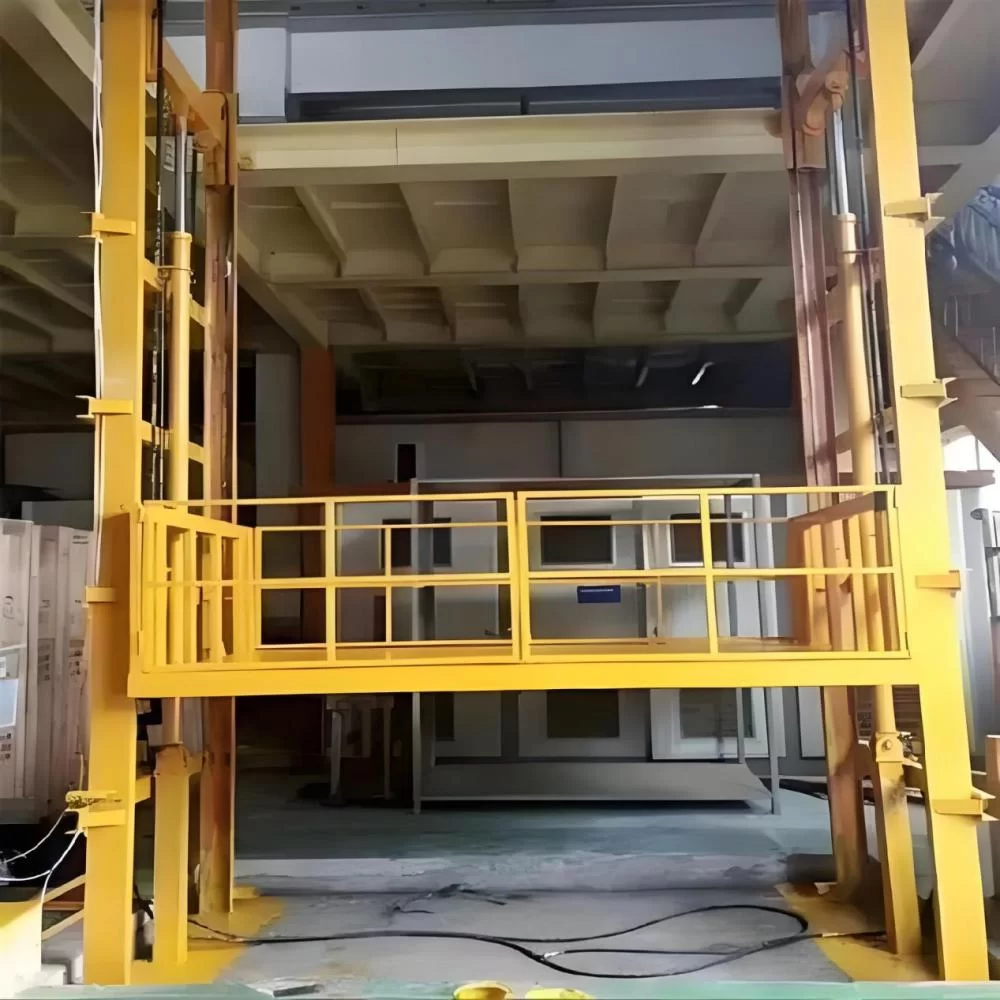
Installing permanent factory lifting platform systems for heavy machinery components, optimizing the assembly line for automotive and equipment parts.

05. Zanzibar Tourism & Resort Maintenance

Utilizing compact lifting devices for the maintenance of high-ceiling lobbies and outdoor structural repairs in luxury hospitality environments.

Brand Story

Global Development Journey of Jiangmen Hongli Machinery Co., Ltd.

Founding Excellence

Established with a vision to solve the "last meter" vertical transport problem in factories, focusing on structural integrity and hydraulic precision.

Technical Innovation

Developing proprietary scissor-mechanism patents that increased load stability by 30% compared to industry standards.

Global Expansion

Expanding into the African market, specifically tailoring equipment to withstand extreme temperatures and volatile power environments.

Quality Certification

Achieving international CE and ISO certifications, ensuring every unit delivered to Tanzania meets global safety benchmarks.

Future Commitment

Dedicated to empowering Tanzanian industries with smart, sustainable, and ultra-durable continuous lifting solutions.

Complete Lifting Portfolio for Tanzania Market

A comprehensive range of equipment designed for the unique logistical needs of East Africa.

{Product List Placeholder 2}

Tanzania Industrial Lifting FAQ

Expert answers to common questions regarding vertical transport in the local context.

How to choose the right loading dock lift for coastal warehouses in Dar es Salaam?

For coastal areas, prioritize lifts with hot-dip galvanized steel frames and marine-grade anti-corrosion paint to prevent salt-air oxidation.

What is the maximum load capacity for a standard factory lifting platform?

Our platforms are customizable, typically ranging from 500kg to 10,000kg, depending on the structural requirements of your production line.

Are electric scissor lift units suitable for uneven construction site floors?

Yes, provided the unit is equipped with outriggers for stabilization. Always ensure the ground is compacted before elevating the platform.

How does a cargo lifting device improve warehouse efficiency in Tanzania?

By automating vertical movement, you reduce the time spent on manual hauling, minimize product damage, and significantly lower the risk of worker injury.

What maintenance schedule is recommended for lifts in dusty industrial zones?

We recommend monthly lubrication of guide rails and quarterly inspections of hydraulic seals to prevent dust ingress from compromising the system.

Can building contractor firms customize lift heights for specific project needs?

Absolutely. We offer fully bespoke height and platform size configurations to match the architectural specifications of any building project.

Ready to Upgrade Your Lifting Capacity?

Contact our engineering team today for a customized lifting solution tailored for your operations in Tanzania.

Contact Us Now
Need Our Services And Quotes
lf you need our help,Our staff will be happy to help and answer your questions!
  • name*
  • email*
  • phone*
  • message*
Hydraulic Dock Leveler

Hydraulic Dock Leveler

Warehouse Dock Leveler

Warehouse Dock Leveler

Lift Size Selection Guide

Lift Size Selection Guide

As urbanization accelerates and modern living standards rise, elevators and lifts have become essential equipment in both commercial and residential buildings. 

March 23, 2026
Hydraulic Elevators: Principles & Advantages

Hydraulic Elevators: Principles & Advantages

A hydraulic lifting platform primarily consists of three key systems: the hydraulic system, the mechanical system, and the control system.

March 23, 2026
Efficient Material Handling with a Mobile Lifting Platform

Efficient Material Handling with a Mobile Lifting Platform

The modern industrial landscape demands unprecedented flexibility and efficiency in material handling, leading to the rise of the mobile lifting platform as a cornerstone of warehouse optimization. By merging the stability of a stationary lift with the mobility of a wheeled chassis, these systems eliminate the bottlenecks associated with fixed infrastructure, allowing operators to move heavy loads precisely where they are needed most. Across global supply chains, the integration of a high-quality mobile lifting platform has proven essential for reducing manual labor risks and accelerating throughput. Whether in a tight automotive assembly line or a sprawling logistics hub, the ability to adjust height
May 6, 2026

Advanced cargo lifting device Solutions for Tanzania's Industrial Sector

Optimizing material flow and vertical logistics for Tanzanian factories and warehouses with high-durability lifting systems.

Advanced cargo lifting device Solutions for Tanzania's Industrial Sector

Providing high-performance vertical lifting and loading systems engineered to withstand the rigorous demands of Tanzania's manufacturing and logistics hubs.

Industrial Lifting Landscape in Tanzania

Analyzing the operational challenges of material handling in East Africa's growing economy.

In Tanzania, the manufacturing sector is experiencing rapid growth, yet many facilities still rely on outdated manual labor or basic pulleys. The high humidity and coastal salinity in regions like Dar es Salaam demand that any factory lifting platform be constructed with superior anti-corrosion coatings to prevent premature structural failure.

Logistics bottlenecks at loading bays are a common pain point. The lack of standardized dock heights often results in inefficient unloading processes. This creates a critical need for a professional loading dock lift to bridge the gap between transport vehicles and warehouse floors, accelerating the supply chain throughput.

Furthermore, the local construction boom led by the government's infrastructure projects has increased the demand for versatile equipment. Local building contractor firms are now transitioning from makeshift scaffolding to mechanized systems to meet international safety standards and project timelines.
Evolution of Continuous Handling Equipment

From manual hoisting to automated intelligent lifting systems.

Market Development History

From 2000 to 2010, the Tanzanian market was dominated by simple mechanical winches and manual forklifts, characterized by low throughput and high workplace accident rates in the material handling sector.

Between 2011 and 2020, there was a shift toward hydraulic systems. The introduction of the basic electric scissor lift allowed for safer vertical movement of goods, reducing reliance on manual stacking in textile and food processing plants.

Since 2021, the trend has moved toward integrated automation. Modern facilities now integrate smart sensors and PLC controls into their lifting platforms to synchronize with overall production lines, enhancing precision and energy efficiency.

Future Development Trends

IoT-Integrated Diagnostics

Integration of remote monitoring systems to predict maintenance needs, reducing downtime in remote Tanzanian industrial zones.

Eco-Friendly Power Systems

A shift toward lithium-battery powered lifts to counter unstable power grids and reduce carbon emissions in line with global green initiatives.

Modular High-Capacity Designs

Development of scalable lifting modules that can be expanded as a factory's production capacity grows without requiring full system replacements.

Future Outlook of Material Handling in Tanzania

Strategic directions for the next 3-5 years of continuous lifting technology.

Automation Surge
Increased adoption of automated guided vehicles (AGVs) pairing with lifting platforms to create a seamless warehouse flow.
Safety Compliance
Tighter enforcement of ISO safety standards for lifting devices to reduce industrial accidents in Tanzanian factories.
Energy Efficiency
Implementation of regenerative braking in heavy-duty lifts to save electricity costs in energy-scarce regions.
Smart Integration
Seamless API connectivity between lifting hardware and Warehouse Management Systems (WMS) for real-time tracking.

Industry Outlook

According to Google search trends in East Africa, queries for "industrial automation" and "safe lifting solutions" have seen a steady 15% year-on-year increase. This suggests a maturing market where Tanzanian business owners are prioritizing long-term efficiency over low-cost, short-term equipment.

The future will likely see a convergence of heavy-duty durability and digital intelligence, ensuring that material handling equipment can withstand tropical climates while providing the data insights needed for lean manufacturing.

Localized Application Scenarios in Tanzania

Tailored lifting solutions for diverse Tanzanian economic sectors.

01. Dar es Salaam Port Logistics Hubs

Deploying heavy-duty loading dock lift systems to handle the massive influx of containers, ensuring rapid transfer from trucks to transit warehouses regardless of vehicle height.

02. Arusha Agricultural Processing Plants

Using specialized cargo lifting device setups to move bulk coffee and tea bags from sorting floors to elevated drying or packaging areas.

03. Dodoma Government Infrastructure Projects

Providing the building contractor with mobile electric scissor lift units for ceiling installation and electrical wiring in new administrative complexes.

04. Mwanza Industrial Manufacturing Zones

Installing permanent factory lifting platform systems for heavy machinery components, optimizing the assembly line for automotive and equipment parts.

05. Zanzibar Tourism & Resort Maintenance

Utilizing compact lifting devices for the maintenance of high-ceiling lobbies and outdoor structural repairs in luxury hospitality environments.

Brand Story

Global Development Journey of Jiangmen Hongli Machinery Co., Ltd.

Founding Excellence

Established with a vision to solve the "last meter" vertical transport problem in factories, focusing on structural integrity and hydraulic precision.

Technical Innovation

Developing proprietary scissor-mechanism patents that increased load stability by 30% compared to industry standards.

Global Expansion

Expanding into the African market, specifically tailoring equipment to withstand extreme temperatures and volatile power environments.

Quality Certification

Achieving international CE and ISO certifications, ensuring every unit delivered to Tanzania meets global safety benchmarks.

Future Commitment

Dedicated to empowering Tanzanian industries with smart, sustainable, and ultra-durable continuous lifting solutions.

Complete Lifting Portfolio for Tanzania Market

A comprehensive range of equipment designed for the unique logistical needs of East Africa.

Tanzania Industrial Lifting FAQ

Expert answers to common questions regarding vertical transport in the local context.

How to choose the right loading dock lift for coastal warehouses in Dar es Salaam?

For coastal areas, prioritize lifts with hot-dip galvanized steel frames and marine-grade anti-corrosion paint to prevent salt-air oxidation.

What is the maximum load capacity for a standard factory lifting platform?

Our platforms are customizable, typically ranging from 500kg to 10,000kg, depending on the structural requirements of your production line.

Are electric scissor lift units suitable for uneven construction site floors?

Yes, provided the unit is equipped with outriggers for stabilization. Always ensure the ground is compacted before elevating the platform.

How does a cargo lifting device improve warehouse efficiency in Tanzania?

By automating vertical movement, you reduce the time spent on manual hauling, minimize product damage, and significantly lower the risk of worker injury.

What maintenance schedule is recommended for lifts in dusty industrial zones?

We recommend monthly lubrication of guide rails and quarterly inspections of hydraulic seals to prevent dust ingress from compromising the system.

Can building contractor firms customize lift heights for specific project needs?

Absolutely. We offer fully bespoke height and platform size configurations to match the architectural specifications of any building project.

Ready to Upgrade Your Lifting Capacity?

Contact our engineering team today for a customized lifting solution tailored for your operations in Tanzania.

Contact Us Now

If you are interested in our products, you can choose to leave your information here, and we will be in touch with you shortly.