News

Industrial cargo lifting device Solutions for Nigeria’s Logistics Hubs

April 25, 2026

Industrial cargo lifting device Solutions for Nigeria's Logistics Hubs

Optimizing material flow and vertical transport efficiency for Nigerian factories and warehouses with high-durability lifting engineering.

Industrial cargo lifting device Solutions for Nigeria's Logistics Hubs

Providing heavy-duty, energy-efficient lifting systems designed to withstand the rigorous industrial demands of Nigeria's expanding manufacturing sector.

{Product List Placeholder 1}

Material Handling Landscape in Nigeria

Analyzing the operational challenges of industrial lifting in West Africa's largest economy.

In Nigeria, the rapid expansion of Special Economic Zones and industrial estates in Lagos and Ogun State has surged the demand for robust loading dock lift systems. However, the local market often struggles with equipment that cannot withstand the high humidity and saline air of coastal regions, leading to premature corrosion of lifting components.

Many local enterprises still rely on manual labor or outdated hydraulic systems, creating bottlenecks in the supply chain. The integration of a professional factory lifting platform is becoming a priority for manufacturers looking to scale their output and reduce workplace injuries caused by improper manual handling.

Furthermore, the volatile power grid in several Nigerian industrial clusters requires lifting equipment with advanced energy-saving modes or compatibility with backup generators, ensuring that the movement of goods remains uninterrupted during power fluctuations.
Evolution of Lifting Technology in Nigeria

From manual pulleys to automated electric precision.

Market Development History

Prior to 2010, the Nigerian material handling sector was dominated by basic chain hoists and manual ramps, where the role of a building contractor was limited to simple structural supports for heavy loads.

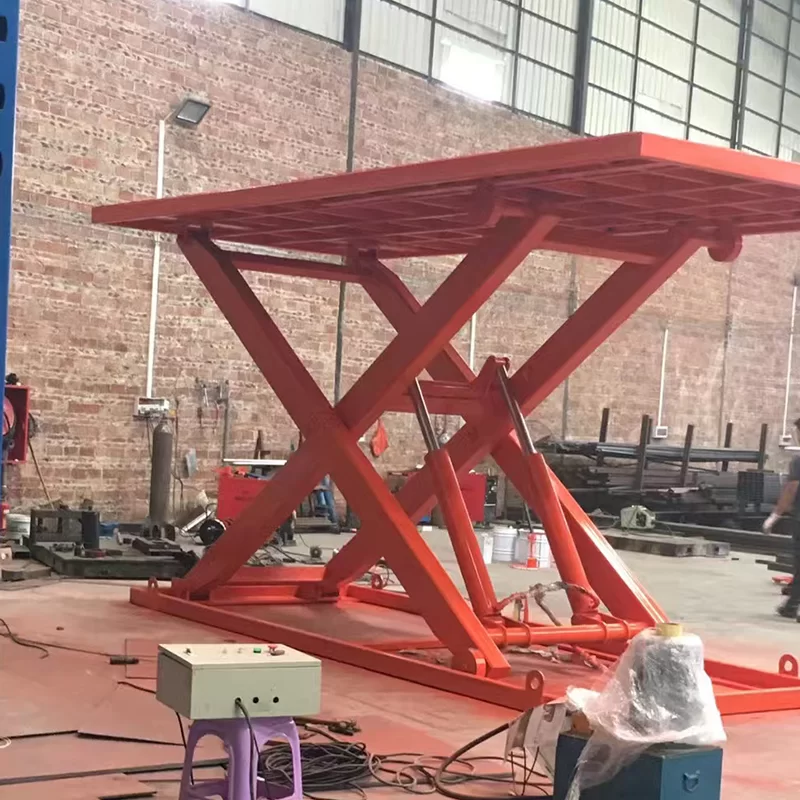
Between 2010 and 2020, there was a significant shift toward hydraulic automation. The introduction of standardized electric scissor lift technology allowed for safer vertical movement of personnel and cargo in emerging warehouse complexes.

Since 2021, the focus has shifted toward "Smart Lifting." Integration of PLC controls and safety sensors has become the benchmark, reducing downtime and aligning Nigerian factory standards with global E-E-A-T industrial guidelines.

Future Development Trends

IoT-Integrated Monitoring

Integration of real-time sensors to predict maintenance needs, reducing unplanned outages in critical Nigerian production lines.

Eco-Friendly Power Systems

Transitioning toward lithium-battery powered lifts to mitigate the reliance on unstable diesel generators in remote factory sites.

Modular Scalability

Developing modular lifting platforms that can be easily expanded as the warehouse capacity grows in response to Nigeria's trade growth.

Industrial Lifting Trends & Future Outlook

Strategic forecasting for continuous handling equipment in West Africa.

Automated Docking
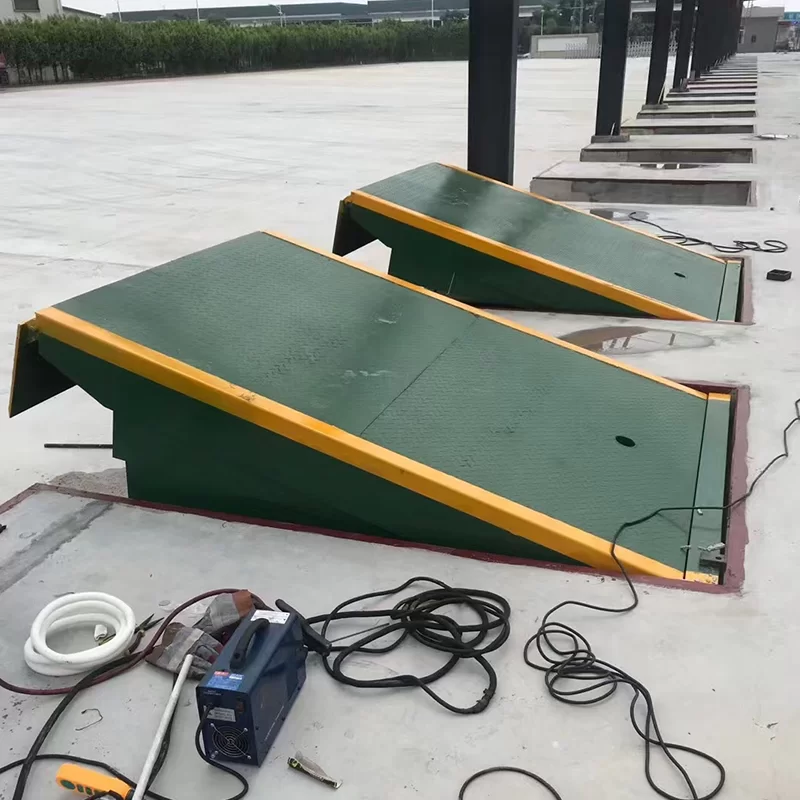
Shift toward fully automated dock levelers to increase truck turnaround speed at Apapa ports.
High-Load Precision
Increased demand for platforms capable of 10-ton+ capacities for the Nigerian cement and steel industries.
Safety Standard Shift
Adoption of international safety certifications to attract foreign investment in Nigerian manufacturing.
Custom Engineering
Bespoke lifting solutions tailored for non-standard building architectures in older industrial zones.

Industry Outlook

The next 3-5 years will see a convergence of mechanical reliability and digital intelligence. As Nigeria pushes for industrialization, the search volume for integrated logistics solutions is expected to rise, favoring brands that provide complete lifecycle support from installation to maintenance.

We predict a significant increase in the adoption of hybrid-power lifting systems that can switch between grid and battery power, ensuring that Nigerian exporters can maintain a seamless flow of goods to the global market without downtime.

Localized Application Scenarios in Nigeria

Real-world implementation of continuous lifting equipment in various Nigerian sectors.

01. Lagos Port Logistics Centers

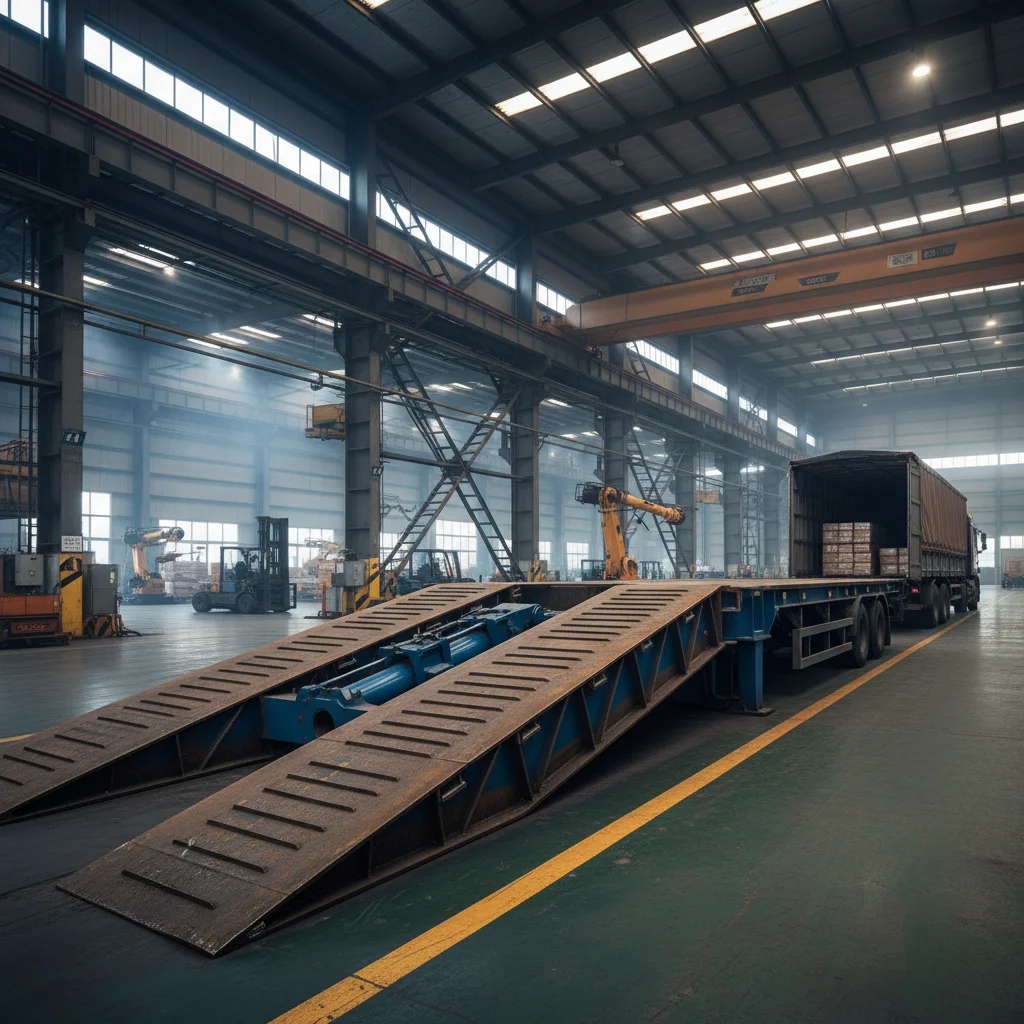
Deployment of heavy-duty loading dock lift systems to accelerate the transfer of containers from trucks to warehouses, mitigating congestion in the Apapa port area.

02. Kano Textile Manufacturing

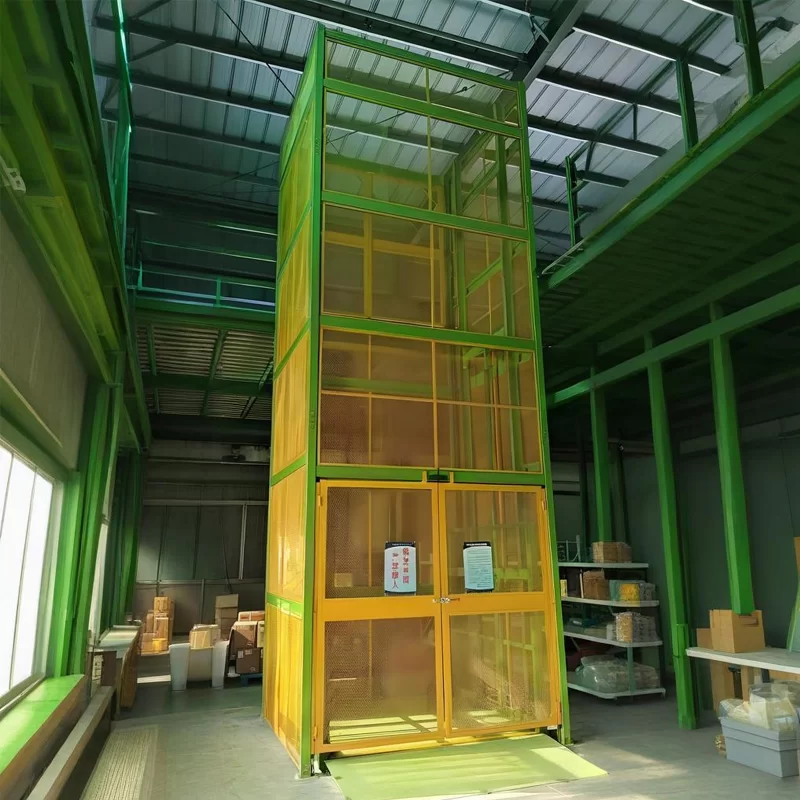
Utilization of customized factory lifting platform units to move large rolls of fabric between different processing levels, reducing manual lifting risks.

03. Onitsha Commercial Warehousing

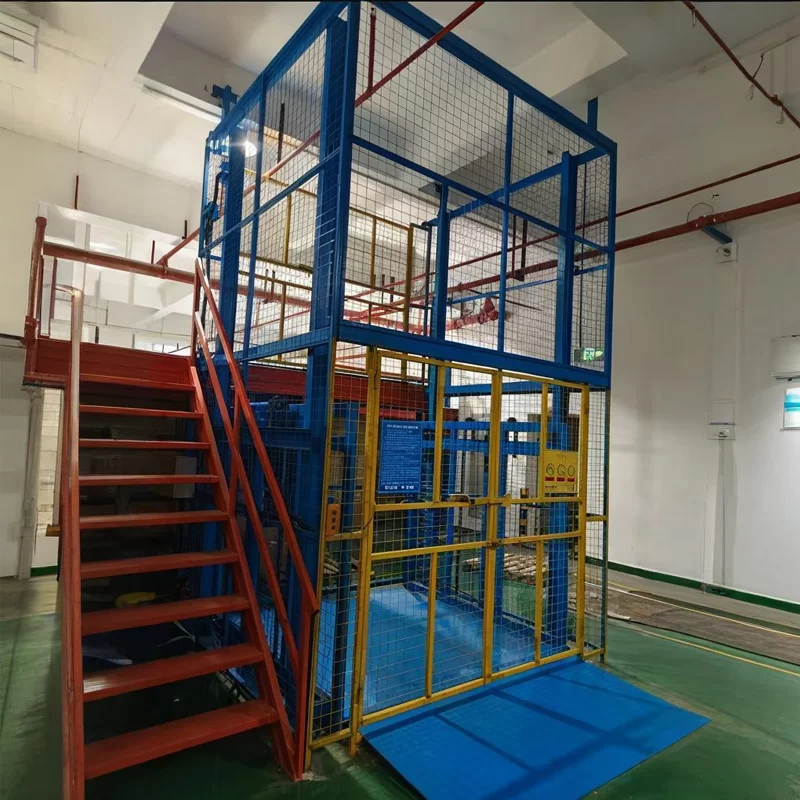
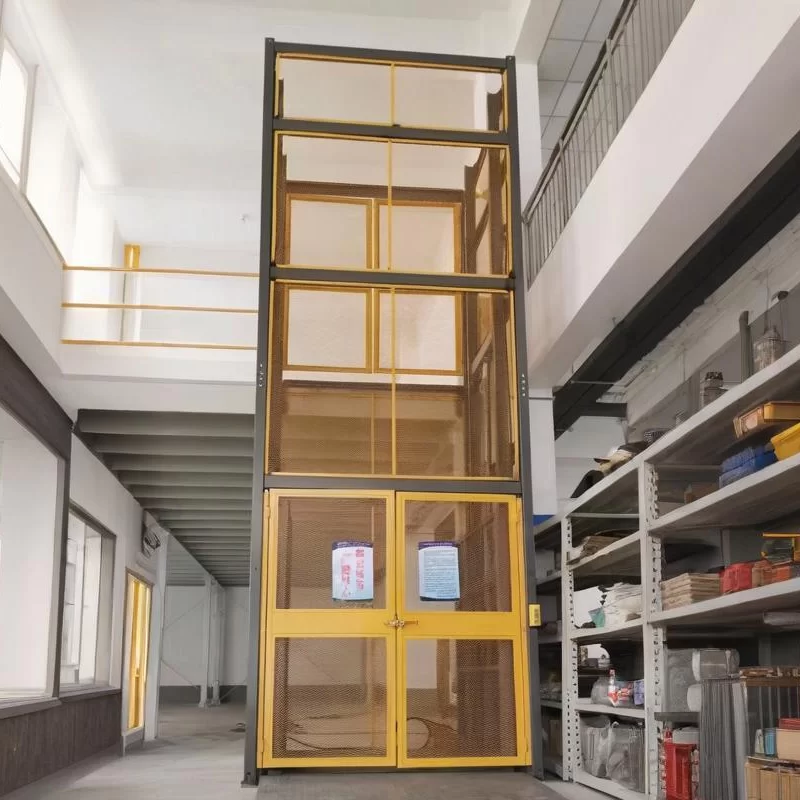
Installing compact cargo lifting device systems in multi-story trading hubs to optimize space and speed up inventory redistribution.

04. Abuja Infrastructure Projects

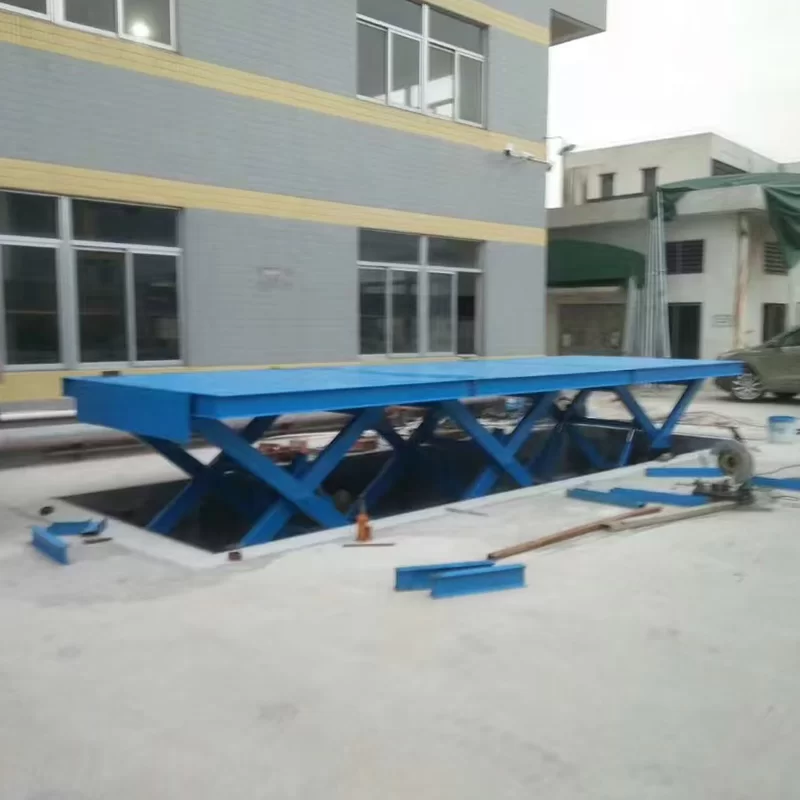
Collaboration with a local building contractor to integrate recessed scissor lifts into new administrative complexes for facility maintenance.

05. Ogun State Pharma Hubs

Implementation of clean-room compatible electric scissor lift platforms for the sterile movement of pharmaceutical raw materials.

Brand Story

Global Development Journey of Jiangmen Hongli Machinery Co., Ltd.

Foundational Engineering

Starting with a commitment to precision, we focused on solving the core instability of hydraulic lifting for regional workshops.

Technological Breakthrough

Developed the high-load stability series, enabling the safe lift of oversized industrial machinery across multiple floors.

Global Market Expansion

Extended our footprint into the African market, tailoring equipment to withstand extreme climates and varied power grids.

Smart Integration Era

Incorporated PLC and IoT controls, transforming simple lifting tools into intelligent logistics components.

Sustainability Mission

Now leading the charge in energy-efficient lifting, reducing the carbon footprint of global material handling.

Comprehensive Lifting Portfolio for Nigeria

A complete range of solutions from dock leveling to vertical cargo transport.

{Product List Placeholder 2}

Common Questions for Nigeria's Lifting Sector

Expert answers to technical and operational queries.

How to maintain a loading dock lift in high-humidity coastal areas like Lagos?

We recommend using galvanized steel structures and applying industrial-grade anti-corrosion coatings. Regular lubrication of hydraulic joints every 3 months is essential to prevent salt-air degradation.

What capacity cargo lifting device is best for Nigerian mid-sized warehouses?

For most mid-sized hubs, a 2-ton to 5-ton capacity system provides the ideal balance between operational flexibility and structural cost, though customized heavy-duty options are available.

Can a factory lifting platform be installed in existing older buildings?

Yes, our platforms are designed for versatility. We work closely with your building contractor to assess floor load capacity and install reinforced supports where necessary.

Are electric scissor lift systems compatible with Nigerian power fluctuations?

Our systems include voltage stabilizers and surge protection circuits. We also offer battery-backup versions to ensure safe descent and operation during outages.

What are the lead times for shipping continuous handling equipment to Nigeria?

Standard production takes 15-30 days, with shipping to Lagos or Port Harcourt typically taking 30-45 days depending on the freight method chosen.

Do you provide onsite installation and training in Nigeria?

We provide comprehensive remote installation guides and partner with certified local engineers to ensure the equipment is commissioned according to international safety standards.

Get Your Custom Lifting Solution Today

Our engineering team is ready to optimize your industrial workflow in Nigeria. Contact us for a technical consultation.

Contact Us Now
Need Our Services And Quotes
lf you need our help,Our staff will be happy to help and answer your questions!
  • name*
  • email*
  • phone*
  • message*
Guide Rail Hydraulic Cargo Lift

Guide Rail Hydraulic Cargo Lift

Hydraulic Scissor Lift

Hydraulic Scissor Lift

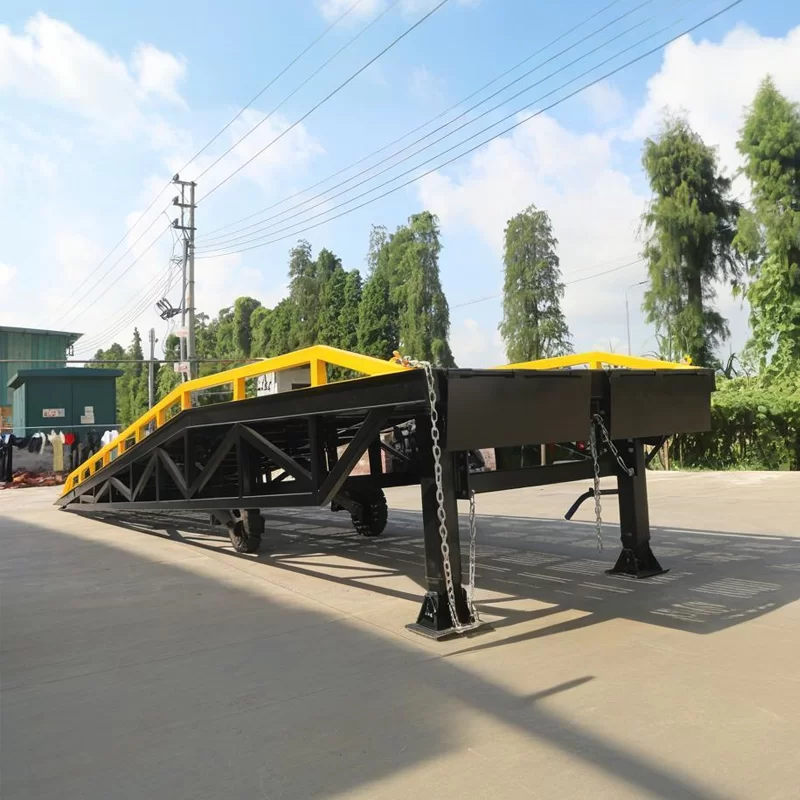
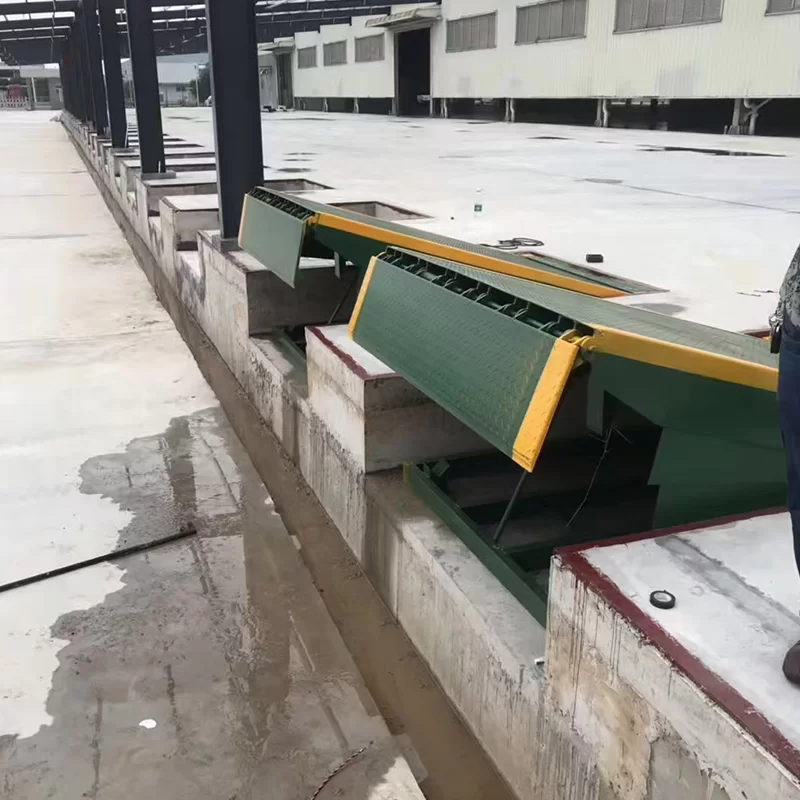
Efficiency and Safety Guide for Hydraulic dock leveler Systems

Efficiency and Safety Guide for Hydraulic dock leveler Systems

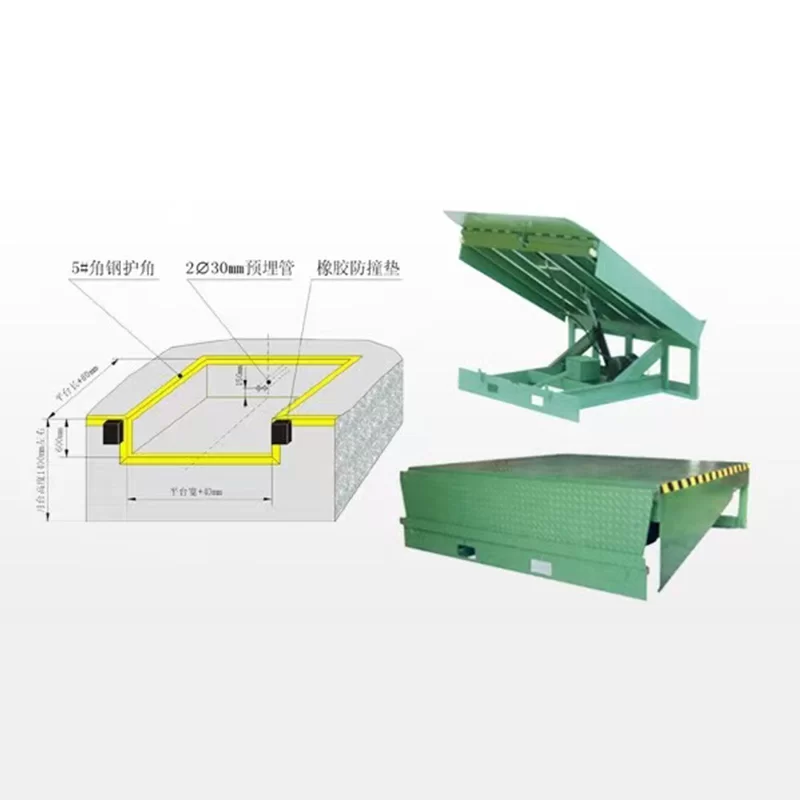
In the fast-paced world of logistics and supply chain management, the efficiency of the loading dock is a critical determinant of overall operational success. A Hydraulic dock leveler serves as the vital bridge between a warehouse floor and a transport vehicle, eliminating the height gap that often hinders the smooth movement of goods. By providing a stable, adjustable platform, these systems ensure that forklifts and pallet jacks can transition seamlessly, drastically reducing loading times and operational bottlenecks.
April 23, 2026
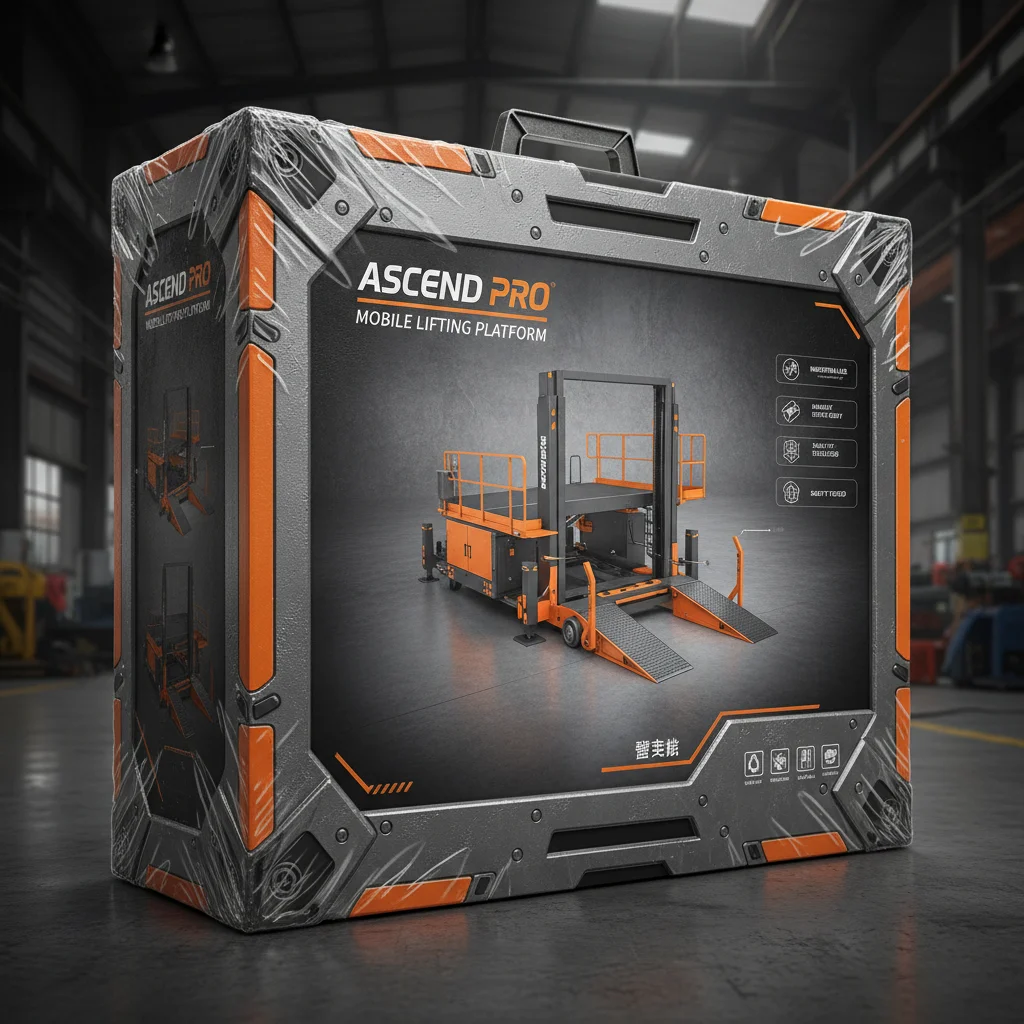
Engineering Vertical Excellence with Mobile Lifting Platforms

Engineering Vertical Excellence with Mobile Lifting Platforms

Engineering Vertical Excellence with Mobile Lifting Platforms Experience the pinnacle of material handling technology. Our high-performance lifting solutions combine luxury aesthetics with industrial-grade durability for seamless operational efficiency. 4200 Annual Output 168 Countries Served 6 Days Sample Lead Time 99.7 On-Time Delivery Redefining Elevation Standards As a global leader in the continuous handling equipment sector, our mobile lifting platform series represents the gold standard of industrial mobility, integrating aerospace-grade materials with precision engineering to ensure maximum safety and fluidity in high-demand environments. By leveraging advanced mobile lifting platform hydraulics and AI-driven stability controls, we provide unparalleled load capacity and surgical precision.
May 4, 2026
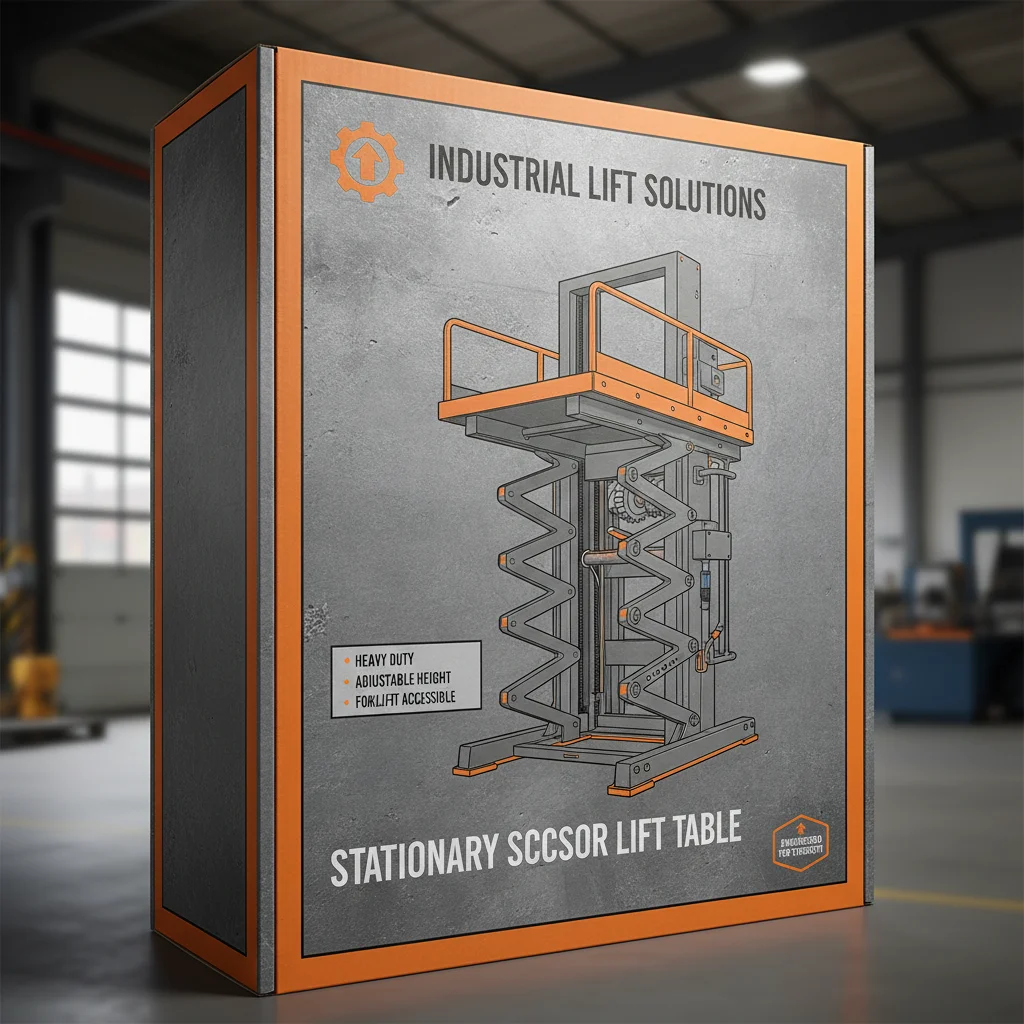
Industrial Stationary Lift Table for Ergonomic Efficiency

Industrial Stationary Lift Table for Ergonomic Efficiency

In the demanding environment of modern industrial logistics, the stationary lift table stands as a fundamental pillar of ergonomic efficiency and operational safety. By providing a stable, height-adjustable platform, these systems eliminate the physical strain associated with repetitive lifting and bending, directly contributing to a decrease in workplace injuries and an increase in overall throughput. Across global manufacturing hubs, the adoption of high-quality lifting solutions is no longer a luxury but a necessity to meet stringent ISO safety standards and lean manufacturing goals. A well-implemented stationary lift table allows operators to maintain an optimal working height, which significantly reduces fatigue
May 1, 2026

Industrial cargo lifting device Solutions for Nigeria's Logistics Hubs

Optimizing material flow and vertical transport efficiency for Nigerian factories and warehouses with high-durability lifting engineering.

Industrial cargo lifting device Solutions for Nigeria's Logistics Hubs

Providing heavy-duty, energy-efficient lifting systems designed to withstand the rigorous industrial demands of Nigeria's expanding manufacturing sector.

Material Handling Landscape in Nigeria

Analyzing the operational challenges of industrial lifting in West Africa's largest economy.

In Nigeria, the rapid expansion of Special Economic Zones and industrial estates in Lagos and Ogun State has surged the demand for robust loading dock lift systems. However, the local market often struggles with equipment that cannot withstand the high humidity and saline air of coastal regions, leading to premature corrosion of lifting components.

Many local enterprises still rely on manual labor or outdated hydraulic systems, creating bottlenecks in the supply chain. The integration of a professional factory lifting platform is becoming a priority for manufacturers looking to scale their output and reduce workplace injuries caused by improper manual handling.

Furthermore, the volatile power grid in several Nigerian industrial clusters requires lifting equipment with advanced energy-saving modes or compatibility with backup generators, ensuring that the movement of goods remains uninterrupted during power fluctuations.
Evolution of Lifting Technology in Nigeria

From manual pulleys to automated electric precision.

Market Development History

Prior to 2010, the Nigerian material handling sector was dominated by basic chain hoists and manual ramps, where the role of a building contractor was limited to simple structural supports for heavy loads.

Between 2010 and 2020, there was a significant shift toward hydraulic automation. The introduction of standardized electric scissor lift technology allowed for safer vertical movement of personnel and cargo in emerging warehouse complexes.

Since 2021, the focus has shifted toward "Smart Lifting." Integration of PLC controls and safety sensors has become the benchmark, reducing downtime and aligning Nigerian factory standards with global E-E-A-T industrial guidelines.

Future Development Trends

IoT-Integrated Monitoring

Integration of real-time sensors to predict maintenance needs, reducing unplanned outages in critical Nigerian production lines.

Eco-Friendly Power Systems

Transitioning toward lithium-battery powered lifts to mitigate the reliance on unstable diesel generators in remote factory sites.

Modular Scalability

Developing modular lifting platforms that can be easily expanded as the warehouse capacity grows in response to Nigeria's trade growth.

Industrial Lifting Trends & Future Outlook

Strategic forecasting for continuous handling equipment in West Africa.

Automated Docking
Shift toward fully automated dock levelers to increase truck turnaround speed at Apapa ports.
High-Load Precision
Increased demand for platforms capable of 10-ton+ capacities for the Nigerian cement and steel industries.
Safety Standard Shift
Adoption of international safety certifications to attract foreign investment in Nigerian manufacturing.
Custom Engineering
Bespoke lifting solutions tailored for non-standard building architectures in older industrial zones.

Industry Outlook

The next 3-5 years will see a convergence of mechanical reliability and digital intelligence. As Nigeria pushes for industrialization, the search volume for integrated logistics solutions is expected to rise, favoring brands that provide complete lifecycle support from installation to maintenance.

We predict a significant increase in the adoption of hybrid-power lifting systems that can switch between grid and battery power, ensuring that Nigerian exporters can maintain a seamless flow of goods to the global market without downtime.

Localized Application Scenarios in Nigeria

Real-world implementation of continuous lifting equipment in various Nigerian sectors.

01. Lagos Port Logistics Centers

Deployment of heavy-duty loading dock lift systems to accelerate the transfer of containers from trucks to warehouses, mitigating congestion in the Apapa port area.

02. Kano Textile Manufacturing

Utilization of customized factory lifting platform units to move large rolls of fabric between different processing levels, reducing manual lifting risks.

03. Onitsha Commercial Warehousing

Installing compact cargo lifting device systems in multi-story trading hubs to optimize space and speed up inventory redistribution.

04. Abuja Infrastructure Projects

Collaboration with a local building contractor to integrate recessed scissor lifts into new administrative complexes for facility maintenance.

05. Ogun State Pharma Hubs

Implementation of clean-room compatible electric scissor lift platforms for the sterile movement of pharmaceutical raw materials.

Brand Story

Global Development Journey of Jiangmen Hongli Machinery Co., Ltd.

Foundational Engineering

Starting with a commitment to precision, we focused on solving the core instability of hydraulic lifting for regional workshops.

Technological Breakthrough

Developed the high-load stability series, enabling the safe lift of oversized industrial machinery across multiple floors.

Global Market Expansion

Extended our footprint into the African market, tailoring equipment to withstand extreme climates and varied power grids.

Smart Integration Era

Incorporated PLC and IoT controls, transforming simple lifting tools into intelligent logistics components.

Sustainability Mission

Now leading the charge in energy-efficient lifting, reducing the carbon footprint of global material handling.

Comprehensive Lifting Portfolio for Nigeria

A complete range of solutions from dock leveling to vertical cargo transport.

Common Questions for Nigeria's Lifting Sector

Expert answers to technical and operational queries.

How to maintain a loading dock lift in high-humidity coastal areas like Lagos?

We recommend using galvanized steel structures and applying industrial-grade anti-corrosion coatings. Regular lubrication of hydraulic joints every 3 months is essential to prevent salt-air degradation.

What capacity cargo lifting device is best for Nigerian mid-sized warehouses?

For most mid-sized hubs, a 2-ton to 5-ton capacity system provides the ideal balance between operational flexibility and structural cost, though customized heavy-duty options are available.

Can a factory lifting platform be installed in existing older buildings?

Yes, our platforms are designed for versatility. We work closely with your building contractor to assess floor load capacity and install reinforced supports where necessary.

Are electric scissor lift systems compatible with Nigerian power fluctuations?

Our systems include voltage stabilizers and surge protection circuits. We also offer battery-backup versions to ensure safe descent and operation during outages.

What are the lead times for shipping continuous handling equipment to Nigeria?

Standard production takes 15-30 days, with shipping to Lagos or Port Harcourt typically taking 30-45 days depending on the freight method chosen.

Do you provide onsite installation and training in Nigeria?

We provide comprehensive remote installation guides and partner with certified local engineers to ensure the equipment is commissioned according to international safety standards.

Get Your Custom Lifting Solution Today

Our engineering team is ready to optimize your industrial workflow in Nigeria. Contact us for a technical consultation.

Contact Us Now

If you are interested in our products, you can choose to leave your information here, and we will be in touch with you shortly.