News

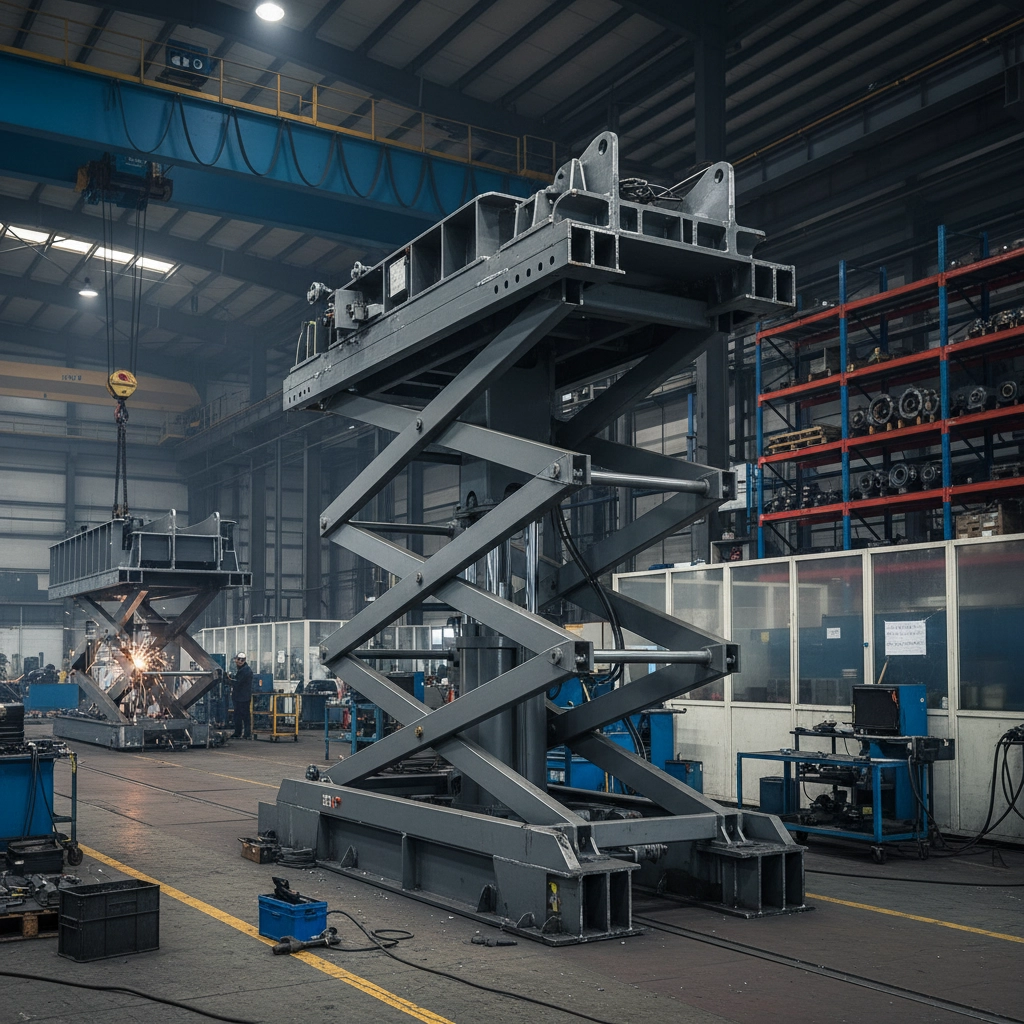
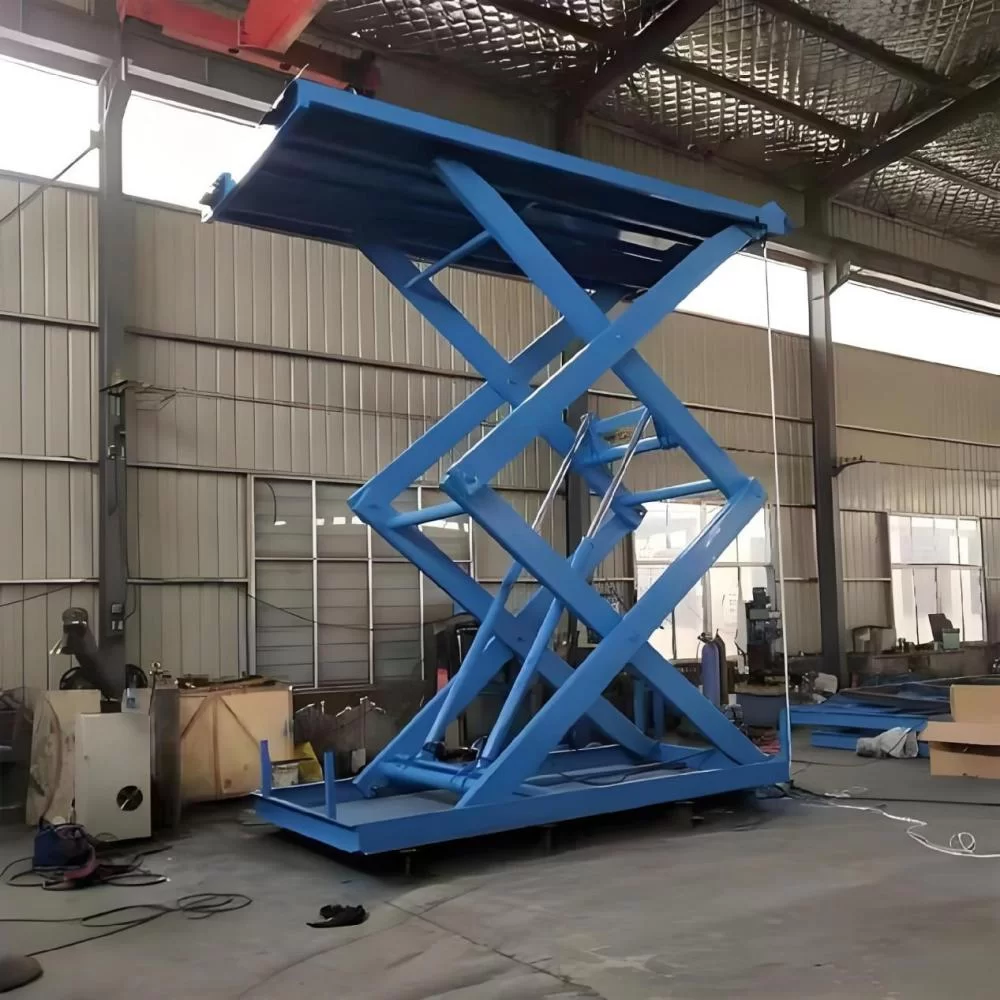
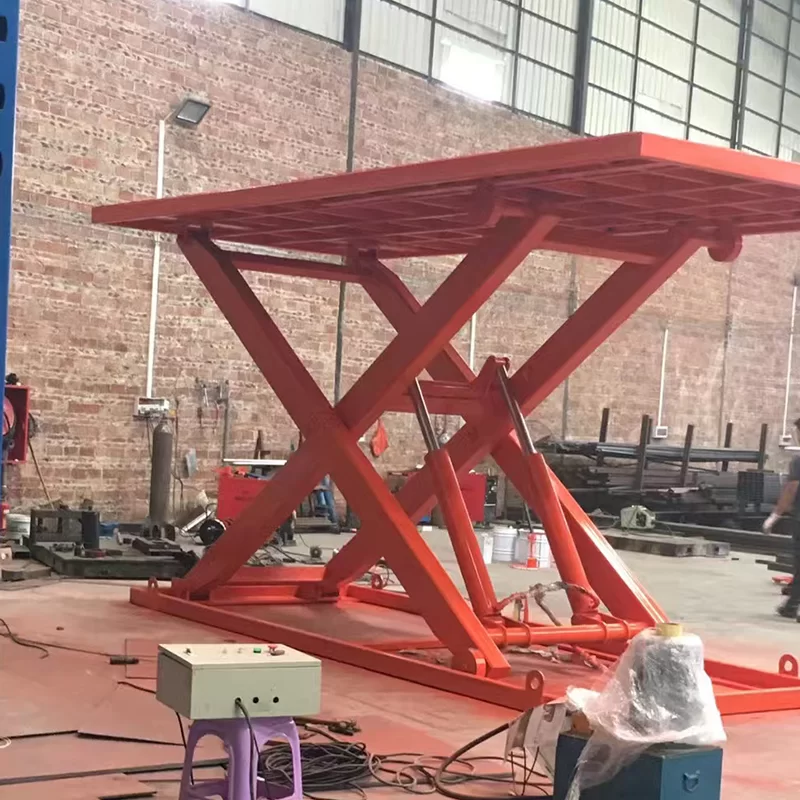
Industrial electric scissor lift Solutions for Canada

April 25, 2026

Industrial electric scissor lift Solutions for Canada

High-performance vertical lifting and material handling systems engineered for the rigorous demands of Canadian industrial environments.

Industrial electric scissor lift Solutions for Canada

Integrating precision engineering with robust durability to optimize warehouse throughput and site safety across North American facilities.

{Product List Placeholder 1}

Canadian Material Handling Landscape

Analyzing the operational challenges of continuous conveyance in Canada

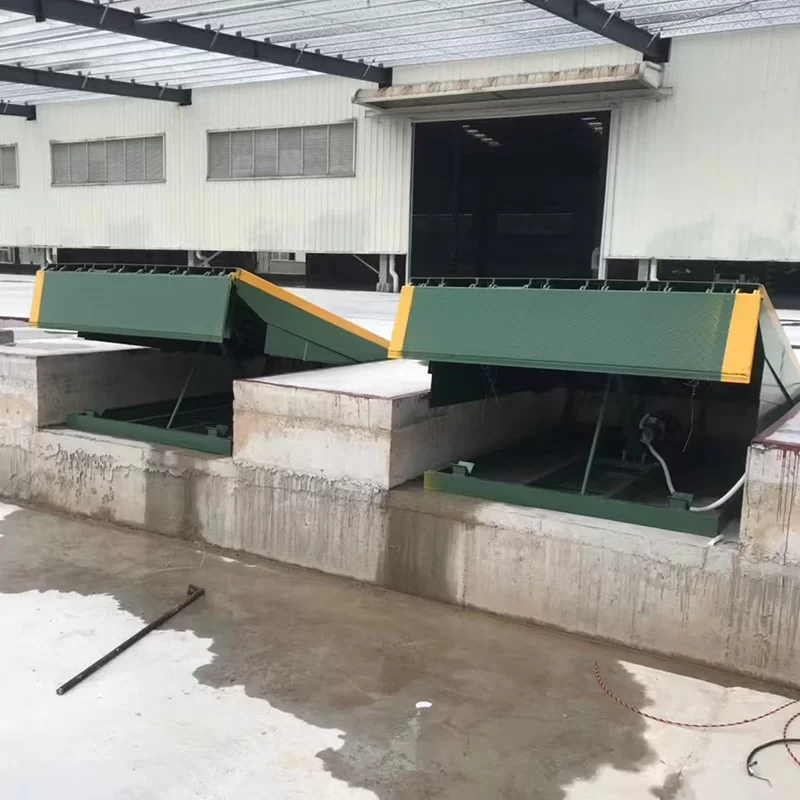
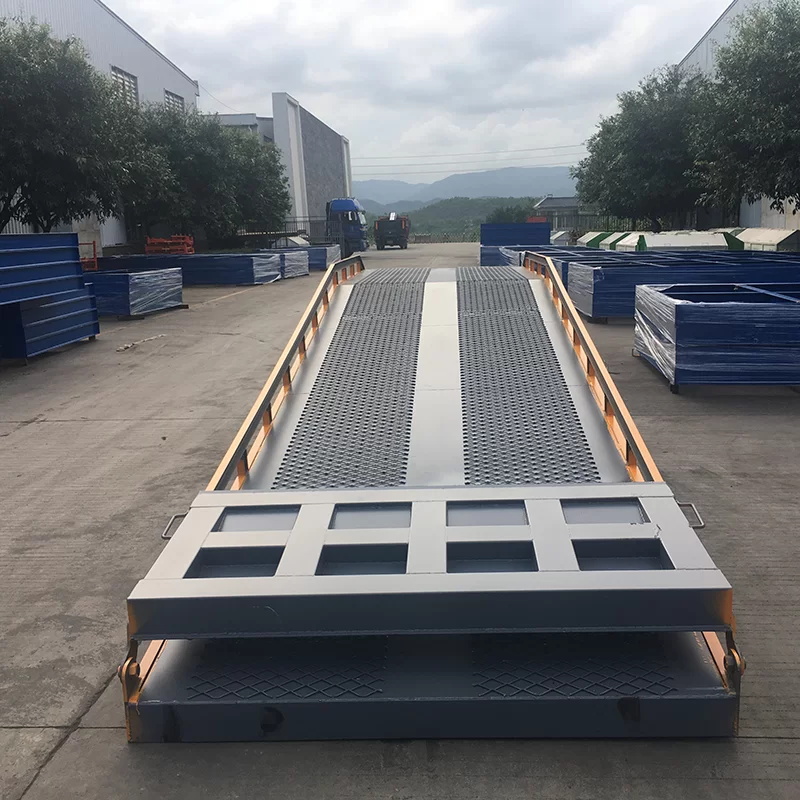
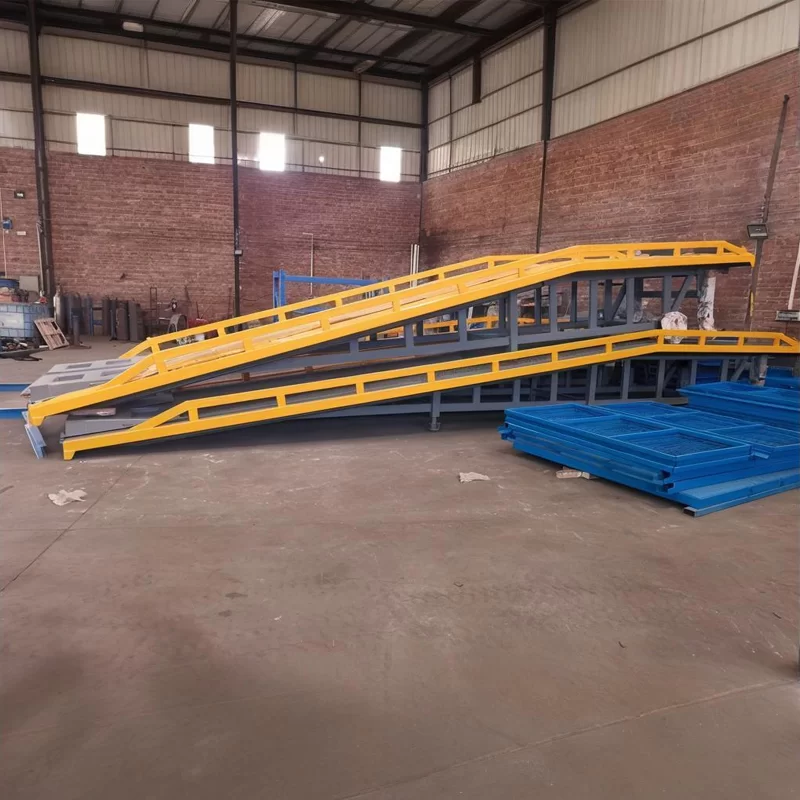
Canada's manufacturing sector faces unique logistical hurdles due to extreme temperature fluctuations and vast geographical distances. The reliance on a robust loading dock lift system is critical for maintaining efficiency during harsh winter months when thermal expansion and contraction can affect structural alignment.

In provinces like Ontario and Quebec, the shift towards automated warehousing has increased the demand for a versatile cargo lifting device. These tools are no longer just accessories but central components in reducing workplace injuries and meeting strict CSA safety standards.

Furthermore, the collaboration between the equipment manufacturer and the local building contractor has become essential to ensure that lifting platforms are seamlessly integrated into the architectural layout of new logistics hubs.
Evolution of Continuous Conveyance in Canada

From manual hydraulic jacks to intelligent automated platforms

Market Development History

In the 1980s and 90s, the Canadian market relied heavily on basic hydraulic systems. Lifting was primarily manual, and a factory lifting platform was typically a static, heavy-duty steel structure with limited programmable height adjustments.

The turn of the millennium (2000-2010) saw the introduction of PLC (Programmable Logic Controllers), allowing for synchronized movement and enhanced safety interlocks, significantly reducing operational downtime in high-volume distribution centers.

From 2015 to the present, the integration of IoT and lithium-battery technology has revolutionized the industry, shifting the focus toward sustainable, low-maintenance, and high-precision vertical transport systems.

Future Development Trends

AI-Driven Predictive Maintenance

Integration of sensors to predict wear and tear on scissor arms and hydraulic seals before failure occurs.

Zero-Emission Power Systems

Transitioning fully to hydrogen-fuel cells or advanced solid-state batteries for heavy-duty outdoor lifts.

Modular Rapid-Deployment Designs

Standardized components that allow a building contractor to install lifting systems in 40% less time.

Industry Trends & Future Outlook

Strategic directions for North American material handling

Smart Automation
Convergence of AGV (Automated Guided Vehicles) with synchronized lift platforms.
Green Energy
Shift towards regenerative braking systems in heavy cargo lifts.
Ergonomic Focus
Designing interfaces that reduce operator fatigue in 24/7 shift environments.
IoT Connectivity
Cloud-based fleet management for multiple lifting devices across site locations.

Industry Outlook

Google search trends indicate a significant spike in requests for "sustainable warehouse equipment" and "automated lifting solutions" in the North American market. This reflects a transition toward the "Industry 4.0" standard where the cargo lifting device becomes a data-point in a larger logistics network.

Over the next 3-5 years, we expect a consolidation of safety standards, where intelligent anti-collision systems and automatic load-weight detection become mandatory for all factory installations in Canada.

Local Application Scenarios in Canada

Real-world deployment of continuous lifting technology

01. Toronto Logistics Hubs

Implementing high-capacity loading dock lift systems to handle the surge of e-commerce parcels during the peak winter shopping season.

02. Alberta Mining Facilities

Deploying heavy-duty factory lifting platform units designed for extreme loads and corrosive environments in resource extraction sites.

03. Vancouver Port Warehousing

Utilizing moisture-resistant electric scissor lift systems for rapid vertical movement of containerized goods in humid coastal conditions.

04. Quebec Industrial Parks

Custom integration of lifting devices by the local building contractor to optimize narrow-aisle manufacturing plants.

05. Montreal Pharmaceutical Labs

Installing clean-room compatible cargo lifting device systems for the sterile transport of medical equipment between floors.

Brand Story

Global Development Journey of Jiangmen Hongli Machinery Co., Ltd.

Engineering Foundation

Started with a mission to solve the inefficiency of vertical transport in small-scale factories, focusing on hydraulic stability.

Technological Pivot

Transitioned from manual systems to electric precision, introducing the first generation of smart scissor lifts.

Global Expansion

Expanded footprint into North America, adapting designs to meet the rigorous safety and climate standards of Canada.

Innovation Leadership

Pioneering the integration of IoT in continuous conveyance, reducing operational costs for global clients.

Future Commitment

Dedicated to creating carbon-neutral lifting solutions that enhance global industrial productivity.

Comprehensive Lifting Portfolio for Canada

Tailored equipment for every stage of the material handling process

{Product List Placeholder 2}

Canadian Industry FAQ

Answers to common technical and regulatory questions

How to choose the right loading dock lift for Canadian winters?

Look for systems with low-temperature hydraulic fluid and galvanized steel finishes to prevent corrosion from road salt and freeze-thaw cycles.

What safety certifications are required for a factory lifting platform in Canada?

Equipment must typically comply with CSA (Canadian Standards Association) and local provincial occupational health and safety (OHS) regulations.

Can a building contractor customize the dimensions of an electric scissor lift?

Yes, we provide customizable platform sizes and lift heights to ensure the equipment fits perfectly into your specific architectural constraints.

What is the maintenance cycle for a heavy-duty cargo lifting device?

We recommend a comprehensive safety inspection every 6 months, with lubrication of moving parts every 3 months depending on usage frequency.

How does power efficiency differ in electric vs hydraulic lifts?

Electric systems generally offer higher precision and lower energy waste through the use of variable frequency drives (VFD).

Are there options for explosion-proof lifting platforms?

Yes, we offer specialized components for hazardous environments, ensuring all electrical systems are sealed and grounded.

Optimize Your Workflow Today

Contact our engineering team for custom material handling solutions tailored for Canada.

Contact Us Now
Need Our Services And Quotes
lf you need our help,Our staff will be happy to help and answer your questions!
  • name*
  • email*
  • phone*
  • message*
8–10 Ton Container Loading Ramp for Forklifts

8–10 Ton Container Loading Ramp for Forklifts

Hydraulic Mobile Dock Ramp for Container Loading

Hydraulic Mobile Dock Ramp for Container Loading

Efficiency and Safety Guide for Hydraulic dock leveler Systems

Efficiency and Safety Guide for Hydraulic dock leveler Systems

In the fast-paced world of logistics and supply chain management, the efficiency of the loading dock is a critical determinant of overall operational success. A Hydraulic dock leveler serves as the vital bridge between a warehouse floor and a transport vehicle, eliminating the height gap that often hinders the smooth movement of goods. By providing a stable, adjustable platform, these systems ensure that forklifts and pallet jacks can transition seamlessly, drastically reducing loading times and operational bottlenecks.
April 23, 2026
Efficient Industrial Material Handling Factory Lifting Platform

Efficient Industrial Material Handling Factory Lifting Platform

In the fast-paced environment of modern industrial logistics, the efficiency of vertical and horizontal material movement is a primary driver of operational success. A high-quality factory lifting platform serves as the backbone of this process, bridging the gap between different floor levels and streamlining the flow of heavy goods. By reducing manual handling and optimizing workspace utilization, these systems ensure that production lines remain uninterrupted and throughput is maximized. Globally, the demand for advanced lifting solutions has surged as warehouses transition toward high-density storage and automated retrieval systems.
May 22, 2026
Unveiling the Working Principle and Application Advantages of the Scissor Lift

Unveiling the Working Principle and Application Advantages of the Scissor Lift

As a staple in modern industry, construction, and logistics, the scissor lift has earned its reputation for reliability and performance. 

March 23, 2026

Industrial electric scissor lift Solutions for Canada

High-performance vertical lifting and material handling systems engineered for the rigorous demands of Canadian industrial environments.

Industrial electric scissor lift Solutions for Canada

Integrating precision engineering with robust durability to optimize warehouse throughput and site safety across North American facilities.

Canadian Material Handling Landscape

Analyzing the operational challenges of continuous conveyance in Canada

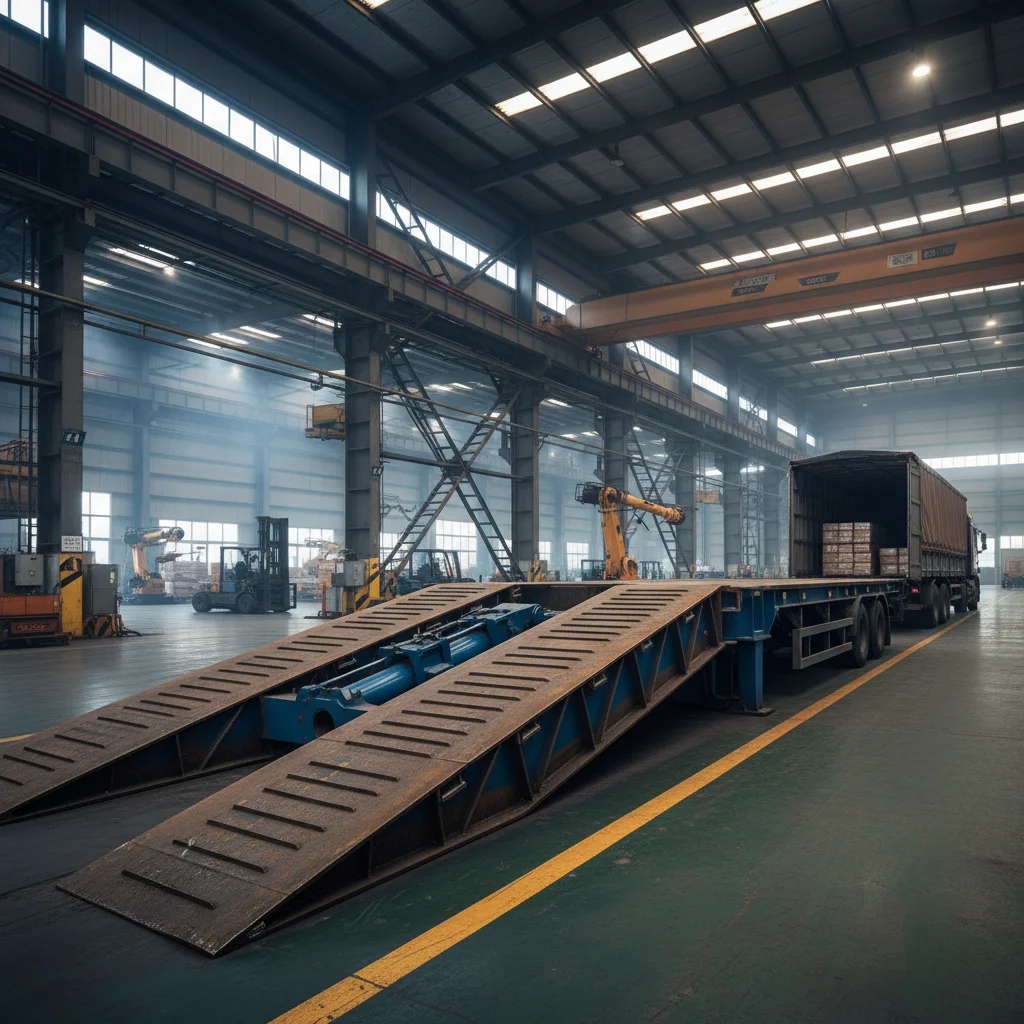
Canada's manufacturing sector faces unique logistical hurdles due to extreme temperature fluctuations and vast geographical distances. The reliance on a robust loading dock lift system is critical for maintaining efficiency during harsh winter months when thermal expansion and contraction can affect structural alignment.

In provinces like Ontario and Quebec, the shift towards automated warehousing has increased the demand for a versatile cargo lifting device. These tools are no longer just accessories but central components in reducing workplace injuries and meeting strict CSA safety standards.

Furthermore, the collaboration between the equipment manufacturer and the local building contractor has become essential to ensure that lifting platforms are seamlessly integrated into the architectural layout of new logistics hubs.
Evolution of Continuous Conveyance in Canada

From manual hydraulic jacks to intelligent automated platforms

Market Development History

In the 1980s and 90s, the Canadian market relied heavily on basic hydraulic systems. Lifting was primarily manual, and a factory lifting platform was typically a static, heavy-duty steel structure with limited programmable height adjustments.

The turn of the millennium (2000-2010) saw the introduction of PLC (Programmable Logic Controllers), allowing for synchronized movement and enhanced safety interlocks, significantly reducing operational downtime in high-volume distribution centers.

From 2015 to the present, the integration of IoT and lithium-battery technology has revolutionized the industry, shifting the focus toward sustainable, low-maintenance, and high-precision vertical transport systems.

Future Development Trends

AI-Driven Predictive Maintenance

Integration of sensors to predict wear and tear on scissor arms and hydraulic seals before failure occurs.

Zero-Emission Power Systems

Transitioning fully to hydrogen-fuel cells or advanced solid-state batteries for heavy-duty outdoor lifts.

Modular Rapid-Deployment Designs

Standardized components that allow a building contractor to install lifting systems in 40% less time.

Industry Trends & Future Outlook

Strategic directions for North American material handling

Smart Automation
Convergence of AGV (Automated Guided Vehicles) with synchronized lift platforms.
Green Energy
Shift towards regenerative braking systems in heavy cargo lifts.
Ergonomic Focus
Designing interfaces that reduce operator fatigue in 24/7 shift environments.
IoT Connectivity
Cloud-based fleet management for multiple lifting devices across site locations.

Industry Outlook

Google search trends indicate a significant spike in requests for "sustainable warehouse equipment" and "automated lifting solutions" in the North American market. This reflects a transition toward the "Industry 4.0" standard where the cargo lifting device becomes a data-point in a larger logistics network.

Over the next 3-5 years, we expect a consolidation of safety standards, where intelligent anti-collision systems and automatic load-weight detection become mandatory for all factory installations in Canada.

Local Application Scenarios in Canada

Real-world deployment of continuous lifting technology

01. Toronto Logistics Hubs

Implementing high-capacity loading dock lift systems to handle the surge of e-commerce parcels during the peak winter shopping season.

02. Alberta Mining Facilities

Deploying heavy-duty factory lifting platform units designed for extreme loads and corrosive environments in resource extraction sites.

03. Vancouver Port Warehousing

Utilizing moisture-resistant electric scissor lift systems for rapid vertical movement of containerized goods in humid coastal conditions.

04. Quebec Industrial Parks

Custom integration of lifting devices by the local building contractor to optimize narrow-aisle manufacturing plants.

05. Montreal Pharmaceutical Labs

Installing clean-room compatible cargo lifting device systems for the sterile transport of medical equipment between floors.

Brand Story

Global Development Journey of Jiangmen Hongli Machinery Co., Ltd.

Engineering Foundation

Started with a mission to solve the inefficiency of vertical transport in small-scale factories, focusing on hydraulic stability.

Technological Pivot

Transitioned from manual systems to electric precision, introducing the first generation of smart scissor lifts.

Global Expansion

Expanded footprint into North America, adapting designs to meet the rigorous safety and climate standards of Canada.

Innovation Leadership

Pioneering the integration of IoT in continuous conveyance, reducing operational costs for global clients.

Future Commitment

Dedicated to creating carbon-neutral lifting solutions that enhance global industrial productivity.

Canadian Industry FAQ

Answers to common technical and regulatory questions

How to choose the right loading dock lift for Canadian winters?

Look for systems with low-temperature hydraulic fluid and galvanized steel finishes to prevent corrosion from road salt and freeze-thaw cycles.

What safety certifications are required for a factory lifting platform in Canada?

Equipment must typically comply with CSA (Canadian Standards Association) and local provincial occupational health and safety (OHS) regulations.

Can a building contractor customize the dimensions of an electric scissor lift?

Yes, we provide customizable platform sizes and lift heights to ensure the equipment fits perfectly into your specific architectural constraints.

What is the maintenance cycle for a heavy-duty cargo lifting device?

We recommend a comprehensive safety inspection every 6 months, with lubrication of moving parts every 3 months depending on usage frequency.

How does power efficiency differ in electric vs hydraulic lifts?

Electric systems generally offer higher precision and lower energy waste through the use of variable frequency drives (VFD).

Are there options for explosion-proof lifting platforms?

Yes, we offer specialized components for hazardous environments, ensuring all electrical systems are sealed and grounded.

Optimize Your Workflow Today

Contact our engineering team for custom material handling solutions tailored for Canada.

Contact Us Now

If you are interested in our products, you can choose to leave your information here, and we will be in touch with you shortly.