News

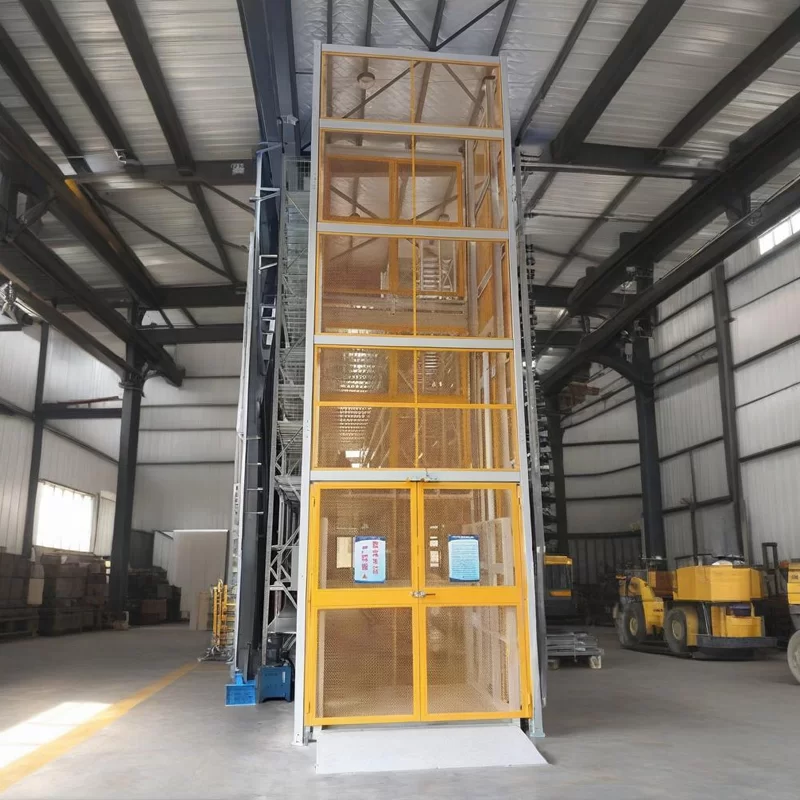
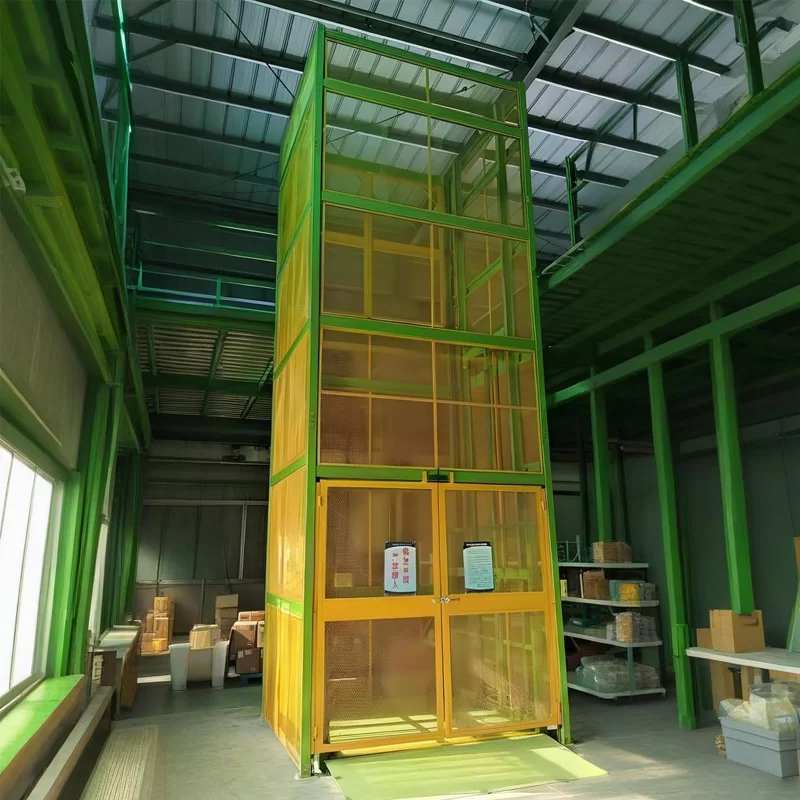
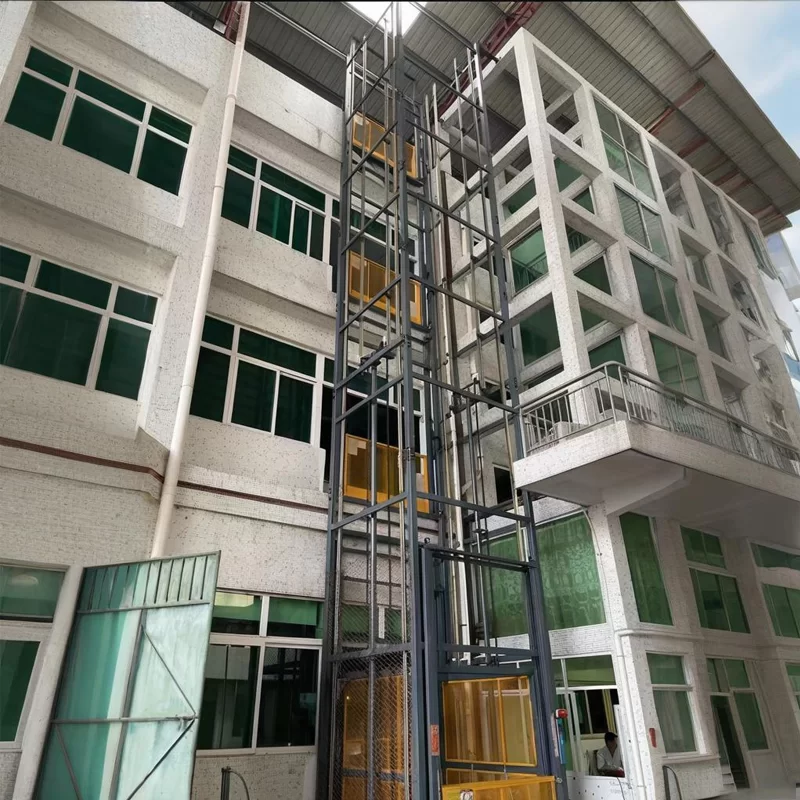
Industrial factory lifting platform Solutions for Ukraine’s Infrastructure

April 25, 2026

Industrial factory lifting platform Solutions for Ukraine's Infrastructure

High-performance vertical lifting systems engineered for the rigorous demands of Ukrainian manufacturing and logistics hubs.

Industrial factory lifting platform Solutions for Ukraine's Infrastructure

Providing precision-engineered lifting systems that optimize material flow and ensure operational safety across Ukraine's diverse industrial sectors.

{Product List Placeholder 1}

Current State of Material Handling in Ukraine

Analyzing the intersection of logistical necessity and regional environmental challenges.

In the current Ukrainian industrial landscape, the demand for robust cargo lifting device systems has surged. Due to the rapid reconstruction of logistics hubs, there is a critical need for equipment that can withstand extreme temperature fluctuations, ranging from freezing winters to hot summers, necessitating high-grade steel and specialized hydraulic fluids.

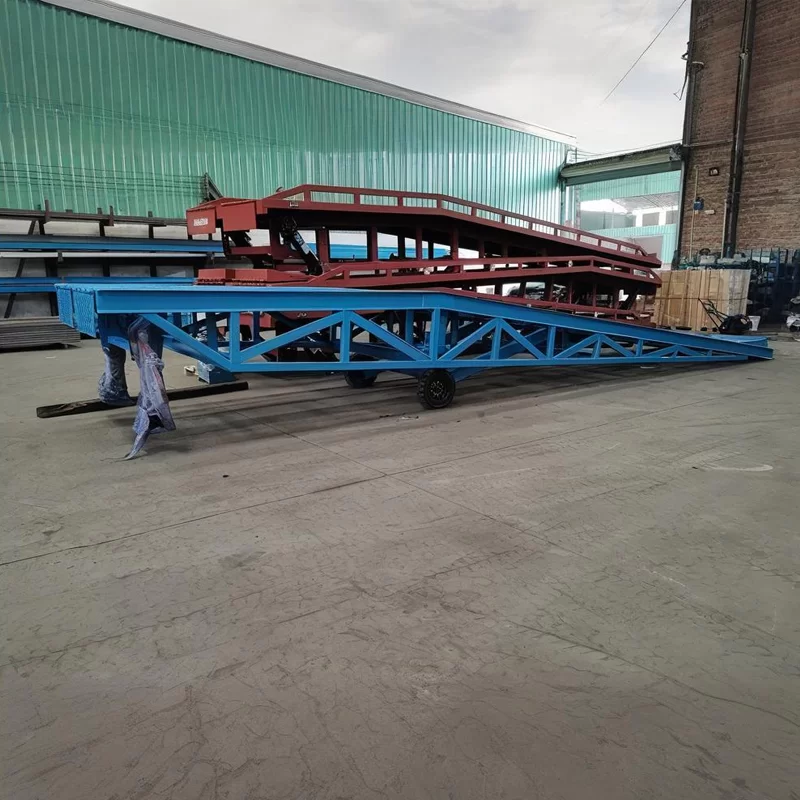
Many facilities are transitioning from outdated Soviet-era manual systems to automated solutions. This shift is driven by the need for higher throughput in warehouses and the integration of a loading dock lift to streamline the transition between warehouse floors and international transport vehicles.

Furthermore, the role of the modern building contractor in Ukraine has evolved. They are no longer just constructing shells but are integrating complex material handling systems during the initial architectural phase to ensure maximum spatial efficiency and safety compliance.
Evolution and Technical Trajectory of Lifting Systems

From mechanical hoist systems to intelligent electric elevation.

Market Development History

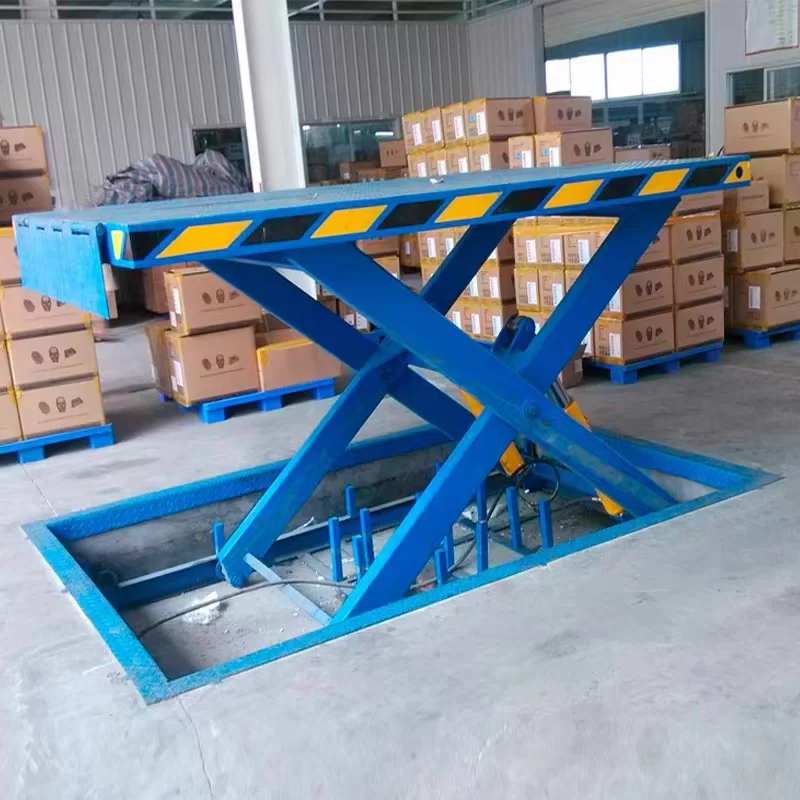
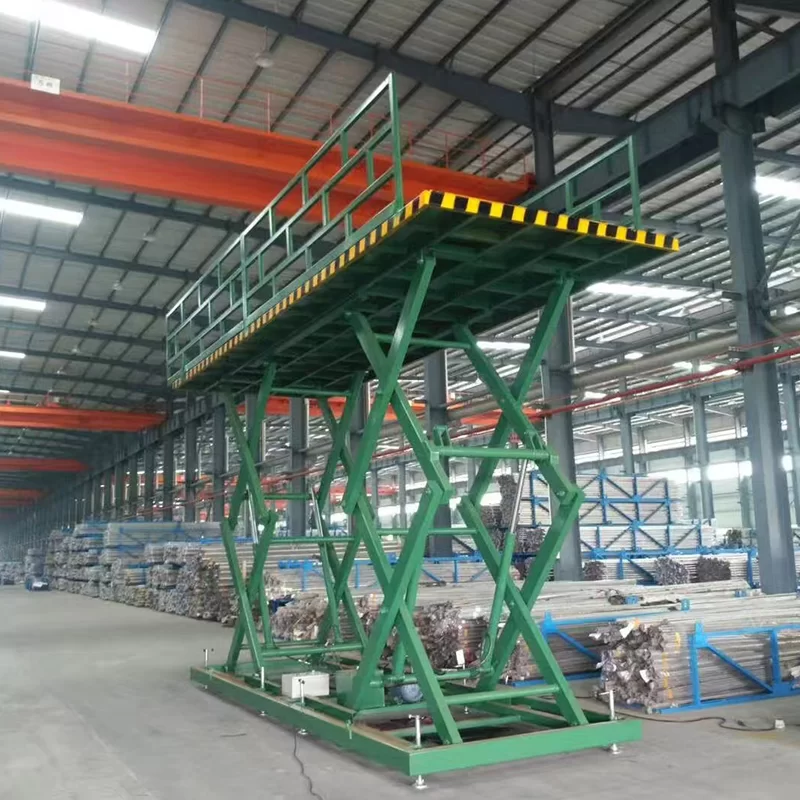
Historically, Ukrainian industry relied on heavy-duty chain hoists and fixed mechanical lifts. Between 1990 and 2010, the focus shifted toward hydraulic stability, introducing the first generation of industrial scissor lifts to replace cumbersome ramp systems.

From 2010 to 2020, the market saw an influx of European standards, leading to the adoption of the electric scissor lift. This period marked the transition toward energy efficiency and the reduction of noise pollution in factory environments.

Since 2021, the integration of IoT and PLC (Programmable Logic Controllers) has allowed these platforms to synchronize with wider Warehouse Management Systems (WMS), turning a simple lift into a data-connected node in the supply chain.

Future Development Trends

Autonomous Integration

Expect a move toward AI-driven positioning where lifting platforms automatically adjust height based on the arriving vehicle's telemetry.

Eco-Friendly Power Sources

A significant shift toward lithium-iron-phosphate batteries in electric lifts to ensure longevity in cold Ukrainian climates.

Modular Rapid Deployment

The rise of prefabricated lifting modules that can be installed in days rather than weeks to support rapid industrial reconstruction.

Future Outlook of Continuous Handling Equipment

Strategic forecasting for the next 3-5 years of industrial elevation.

Smart Automation
Integration of sensor-based height adjustment and automatic load detection.
Extreme Climate Adaptation
Advanced thermal insulation and anti-freeze hydraulic systems for winter operations.
Energy Efficiency
Regenerative braking and low-energy standby modes to reduce operational costs.
Modular Versatility
Customizable platform sizes that can be expanded as the factory grows.

Industry Outlook

Based on Google search trend logic, the demand for high-capacity vertical mobility in Eastern Europe is pivoting toward "green logistics." We anticipate a 25% increase in the adoption of electric-driven platforms over hydraulic ones as power grids modernize.

The future will be defined by "interconnectivity." Lifting devices will not operate in isolation but will be part of a synchronized fleet, reducing idle time and increasing the overall safety of the workforce in high-density manufacturing zones.

Localized Applications in Ukraine

Real-world implementation of lifting technology across regional sectors.

01. Agricultural Processing Centers

Utilizing heavy-duty platforms to move bulk grain sacks and machinery between processing levels during harvest peaks.

02. Aerospace and Defense Manufacturing

Precision-controlled platforms used for the assembly of large-scale components where millimeter accuracy is mandatory.

03. Logistics Hubs in Kyiv and Lviv

Implementation of rapid loading systems to accelerate the transit of humanitarian and commercial goods across borders.

04. Heavy Machinery Workshops

Custom-built lifting tables that allow technicians to work on engines and chassis at an ergonomic height.

05. Pharmaceutical Warehousing

Clean-room compatible lifts that ensure sterile transport of medical supplies across multiple facility floors.

Brand Story

Global Development History of Jiangmen Hongli Machinery Co., Ltd.

Foundational Excellence

Established with a vision to solve the "last meter" problem in industrial lifting, focusing on durability and safety.

Technical Innovation

Developed proprietary hydraulic stabilization technology that reduced platform sway by 40% under maximum load.

Global Expansion

Extended operations into the European market, tailoring designs to meet strict CE and EN safety standards.

Sustainable Future

Pioneering the shift toward electric-driven systems to support the global transition to carbon-neutral manufacturing.

Client-Centric Mastery

Achieving a global footprint by providing bespoke engineering solutions for the most challenging industrial environments.

Comprehensive Lifting Portfolio for Ukraine

A full suite of equipment designed for the Ukrainian industrial ecosystem.

{Product List Placeholder 2}

Ukraine Industrial Lifting FAQ

Expert answers to common technical and logistical questions.

How do I choose the right loading dock lift for cold climates?

For Ukraine's winters, we recommend lifts with low-viscosity hydraulic oil and galvanized steel frames to prevent freezing and corrosion.

What is the weight capacity of a standard factory lifting platform?

Our standard platforms range from 500kg to 10,000kg, though custom heavy-duty versions can be engineered for specific industrial needs.

Can an electric scissor lift operate in outdoor environments?

Yes, provided it has the appropriate IP-rated weather protection for the electrical components and a rust-resistant finish.

What maintenance is required for a cargo lifting device?

Quarterly inspections of hydraulic seals, lubrication of pivot points, and verification of safety limit switches are essential for longevity.

How long does installation take for a building contractor?

Depending on the pit preparation, installation typically takes 3 to 7 business days, including calibration and safety testing.

Are your lifting systems compliant with European safety norms?

Absolutely. All our equipment is designed to meet and exceed CE certification and relevant EU machinery directives for operational safety.

Optimize Your Vertical Logistics

Contact our engineering team today for a custom lifting solution tailored to the industrial requirements of Ukraine.

Contact Us Now
Need Our Services And Quotes
lf you need our help,Our staff will be happy to help and answer your questions!
  • name*
  • email*
  • phone*
  • message*
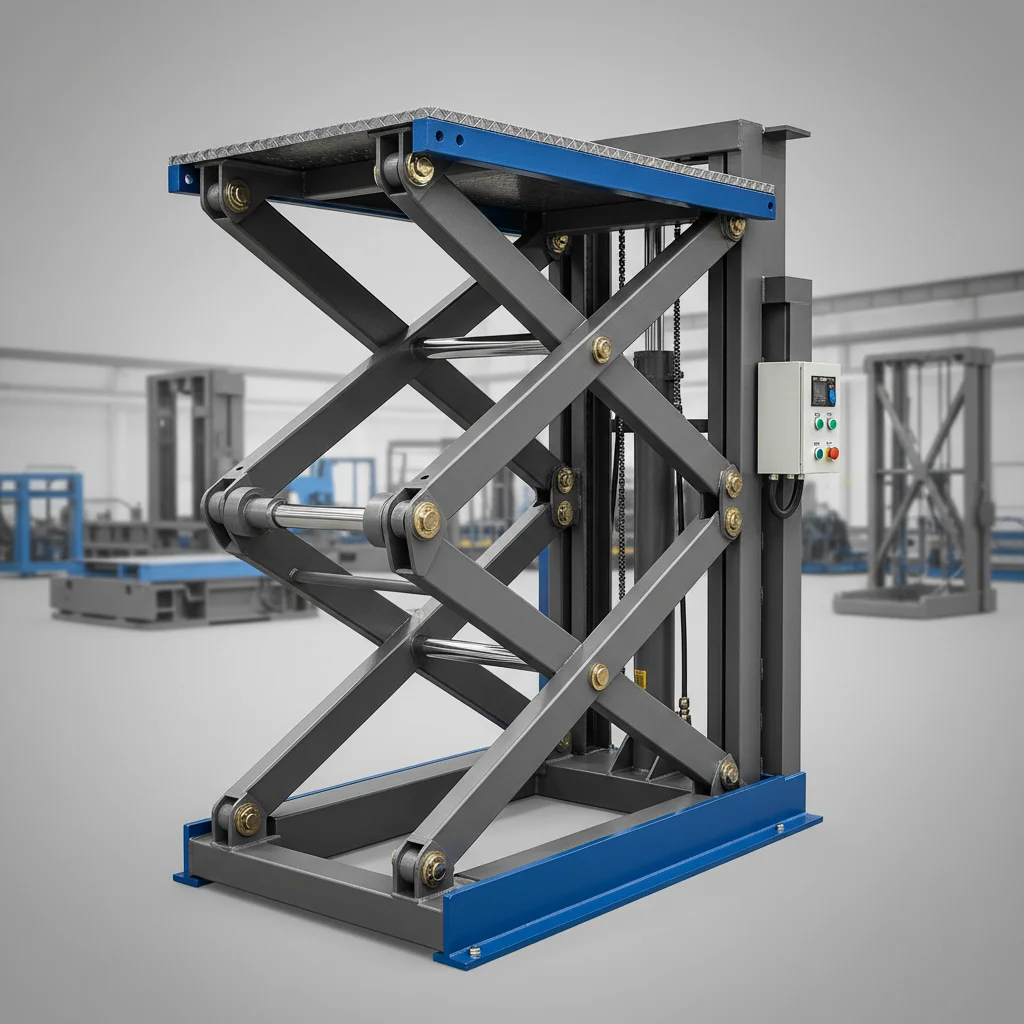
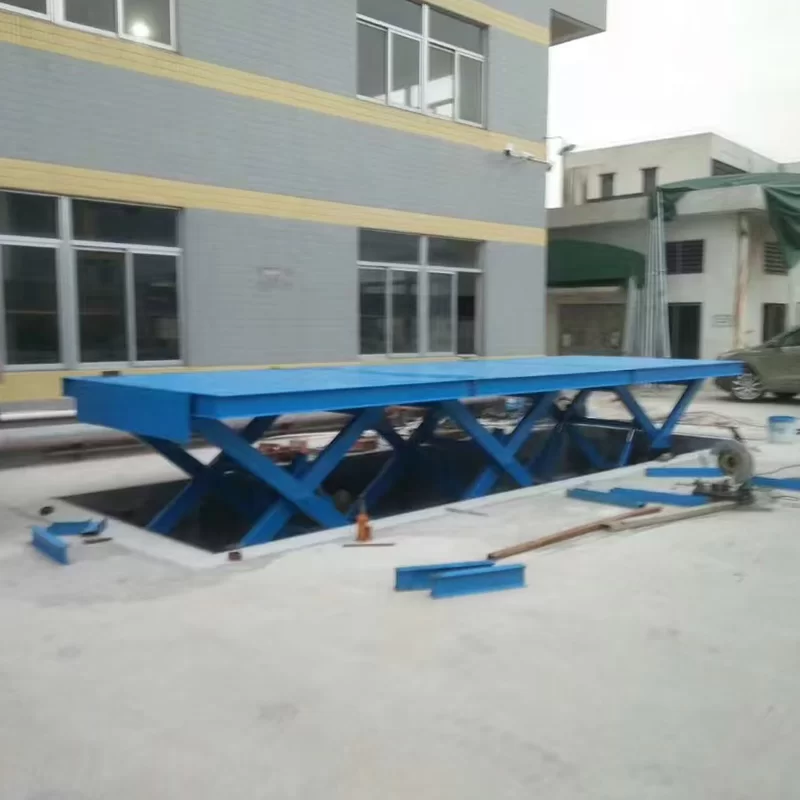
Fixed Scissor Lift Table

Fixed Scissor Lift Table

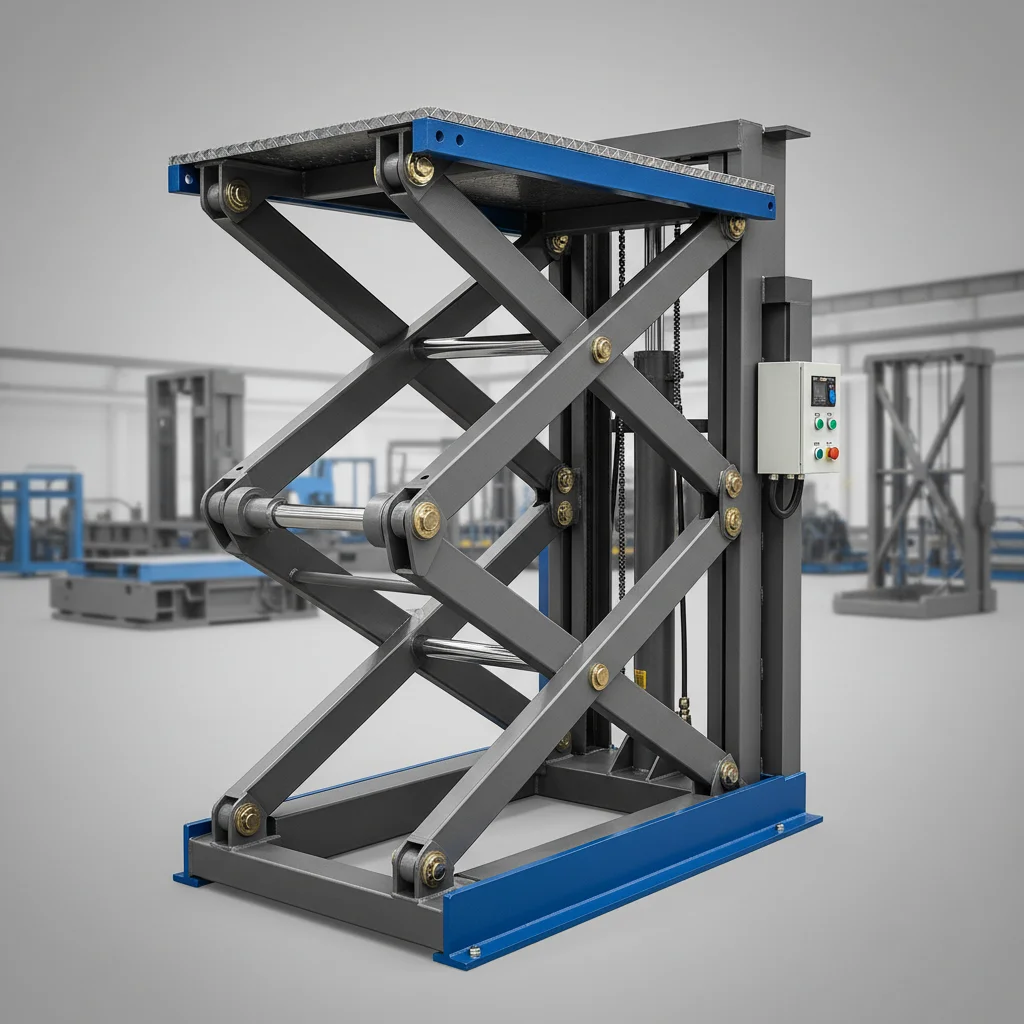
Triple Scissor Lift Table

Triple Scissor Lift Table

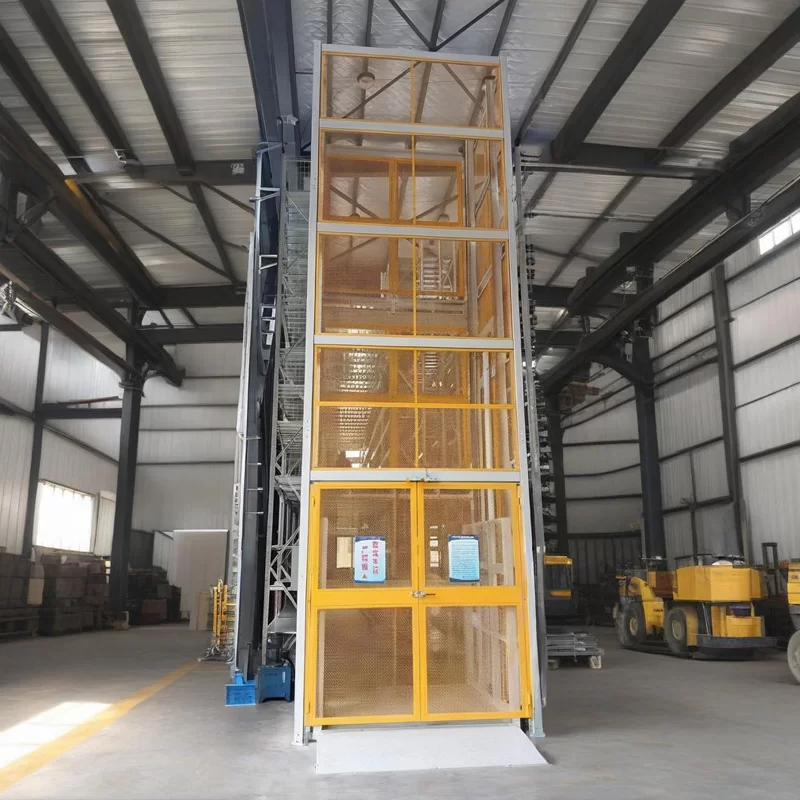
Efficient Industrial Material Handling Factory Lifting Platform

Efficient Industrial Material Handling Factory Lifting Platform

In the fast-paced environment of modern industrial logistics, the efficiency of vertical and horizontal material movement is a primary driver of operational success. A high-quality factory lifting platform serves as the backbone of this process, bridging the gap between different floor levels and streamlining the flow of heavy goods. By reducing manual handling and optimizing workspace utilization, these systems ensure that production lines remain uninterrupted and throughput is maximized. Globally, the demand for advanced lifting solutions has surged as warehouses transition toward high-density storage and automated retrieval systems.
May 22, 2026
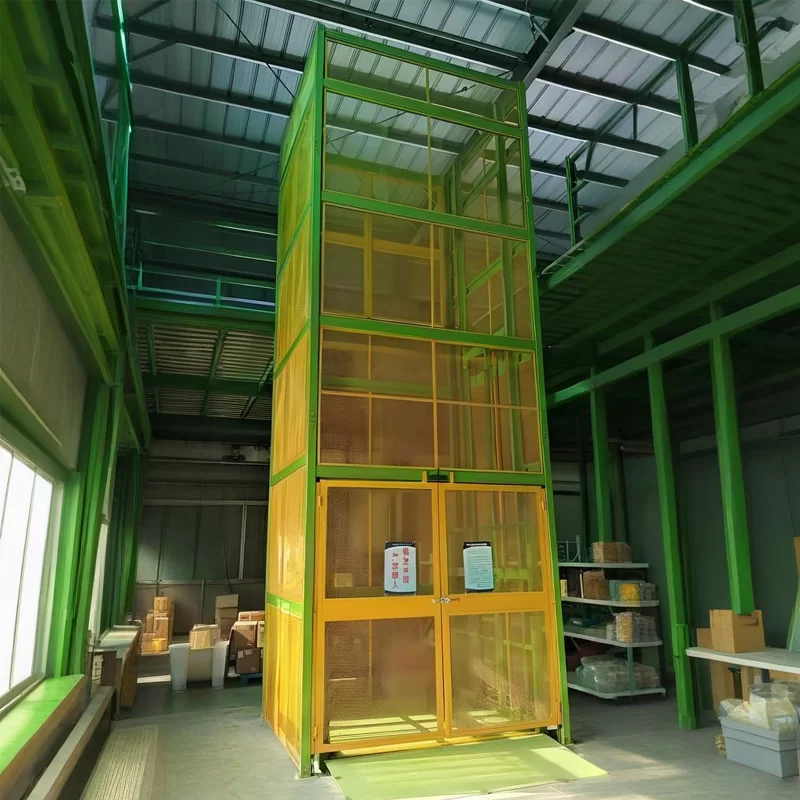
Precision Loading Dock Lift Solutions

Precision Loading Dock Lift Solutions

Precision Loading Dock Lift Solutions Revolutionizing continuous material handling with industrial-grade hydraulic lifting technology for maximum warehouse efficiency. 2000 Annual Output 168 Countries Served 7 Days Sample Lead Time 99.9 On-Time Delivery Engineering Excellence in Material Flow Our loading dock lift systems are engineered to bridge the gap between warehouse floors and transport vehicles, ensuring a seamless, safe, and high-speed continuous movement of goods. Heavy-Duty Durability Utilizing high-tensile reinforced steel and aerospace-grade coatings to withstand 247 industrial cycles in the harshest environments. Precision Hydraulics Advanced valve control systems providing millimeter-perfect leveling for seamless forklift transition and reduced shock load.
May 15, 2026
Efficient Loading Dock Lift Systems for Modern Logistics

Efficient Loading Dock Lift Systems for Modern Logistics

In the fast-paced world of global logistics, the efficiency of the loading bay often determines the overall throughput of a warehouse. A loading dock lift serves as the critical bridge between different transport heights, ensuring that goods move seamlessly from trailers to the warehouse floor without bottlenecking. By eliminating height discrepancies, these systems reduce manual handling and drastically accelerate the loading and unloading process. Across the globe, the demand for optimized material handling is surging as e-commerce continues to scale. The integration of a high-quality loading dock lift is no longer a luxury but a necessity for facilities
May 18, 2026

Industrial factory lifting platform Solutions for Ukraine's Infrastructure

High-performance vertical lifting systems engineered for the rigorous demands of Ukrainian manufacturing and logistics hubs.

Industrial factory lifting platform Solutions for Ukraine's Infrastructure

Providing precision-engineered lifting systems that optimize material flow and ensure operational safety across Ukraine's diverse industrial sectors.

Current State of Material Handling in Ukraine

Analyzing the intersection of logistical necessity and regional environmental challenges.

In the current Ukrainian industrial landscape, the demand for robust cargo lifting device systems has surged. Due to the rapid reconstruction of logistics hubs, there is a critical need for equipment that can withstand extreme temperature fluctuations, ranging from freezing winters to hot summers, necessitating high-grade steel and specialized hydraulic fluids.

Many facilities are transitioning from outdated Soviet-era manual systems to automated solutions. This shift is driven by the need for higher throughput in warehouses and the integration of a loading dock lift to streamline the transition between warehouse floors and international transport vehicles.

Furthermore, the role of the modern building contractor in Ukraine has evolved. They are no longer just constructing shells but are integrating complex material handling systems during the initial architectural phase to ensure maximum spatial efficiency and safety compliance.
Evolution and Technical Trajectory of Lifting Systems

From mechanical hoist systems to intelligent electric elevation.

Market Development History

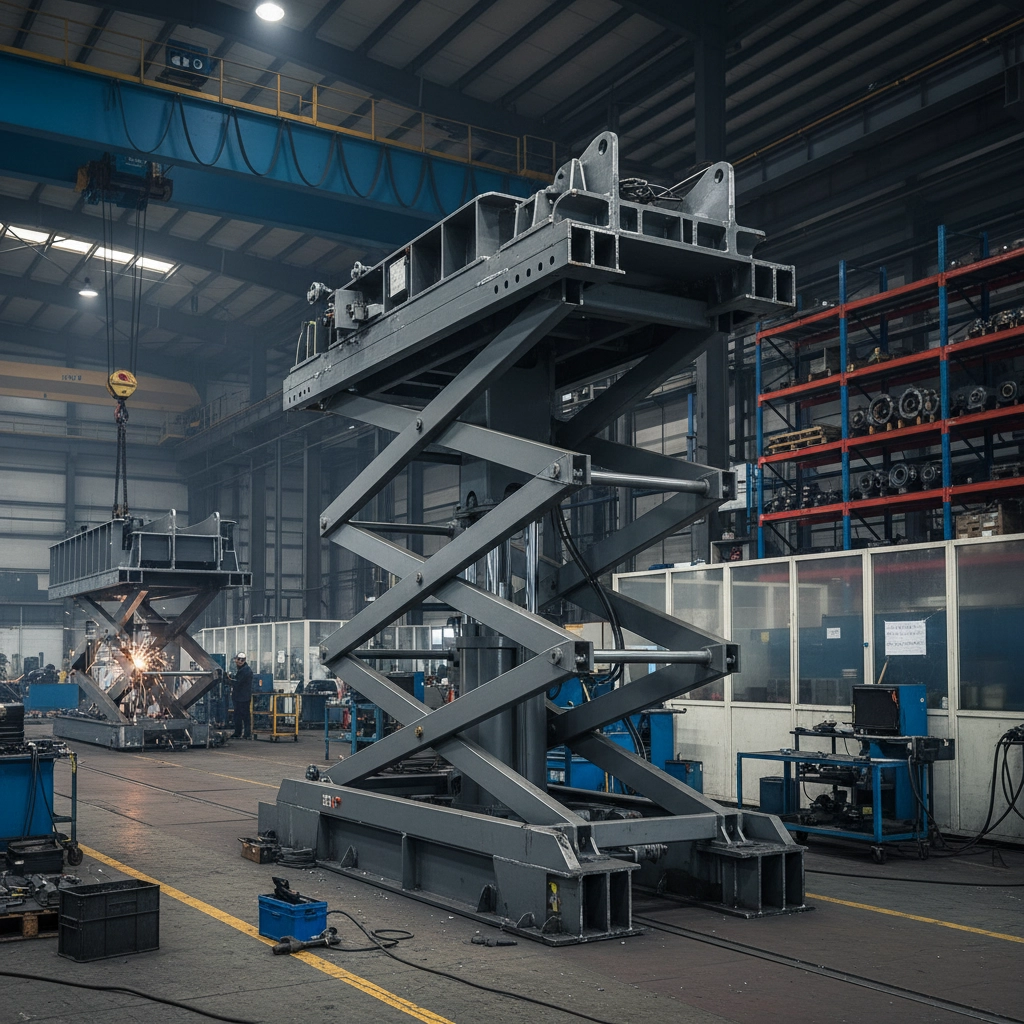
Historically, Ukrainian industry relied on heavy-duty chain hoists and fixed mechanical lifts. Between 1990 and 2010, the focus shifted toward hydraulic stability, introducing the first generation of industrial scissor lifts to replace cumbersome ramp systems.

From 2010 to 2020, the market saw an influx of European standards, leading to the adoption of the electric scissor lift. This period marked the transition toward energy efficiency and the reduction of noise pollution in factory environments.

Since 2021, the integration of IoT and PLC (Programmable Logic Controllers) has allowed these platforms to synchronize with wider Warehouse Management Systems (WMS), turning a simple lift into a data-connected node in the supply chain.

Future Development Trends

Autonomous Integration

Expect a move toward AI-driven positioning where lifting platforms automatically adjust height based on the arriving vehicle's telemetry.

Eco-Friendly Power Sources

A significant shift toward lithium-iron-phosphate batteries in electric lifts to ensure longevity in cold Ukrainian climates.

Modular Rapid Deployment

The rise of prefabricated lifting modules that can be installed in days rather than weeks to support rapid industrial reconstruction.

Future Outlook of Continuous Handling Equipment

Strategic forecasting for the next 3-5 years of industrial elevation.

Smart Automation
Integration of sensor-based height adjustment and automatic load detection.
Extreme Climate Adaptation
Advanced thermal insulation and anti-freeze hydraulic systems for winter operations.
Energy Efficiency
Regenerative braking and low-energy standby modes to reduce operational costs.
Modular Versatility
Customizable platform sizes that can be expanded as the factory grows.

Industry Outlook

Based on Google search trend logic, the demand for high-capacity vertical mobility in Eastern Europe is pivoting toward "green logistics." We anticipate a 25% increase in the adoption of electric-driven platforms over hydraulic ones as power grids modernize.

The future will be defined by "interconnectivity." Lifting devices will not operate in isolation but will be part of a synchronized fleet, reducing idle time and increasing the overall safety of the workforce in high-density manufacturing zones.

Localized Applications in Ukraine

Real-world implementation of lifting technology across regional sectors.

01. Agricultural Processing Centers

Utilizing heavy-duty platforms to move bulk grain sacks and machinery between processing levels during harvest peaks.

02. Aerospace and Defense Manufacturing

Precision-controlled platforms used for the assembly of large-scale components where millimeter accuracy is mandatory.

03. Logistics Hubs in Kyiv and Lviv

Implementation of rapid loading systems to accelerate the transit of humanitarian and commercial goods across borders.

04. Heavy Machinery Workshops

Custom-built lifting tables that allow technicians to work on engines and chassis at an ergonomic height.

05. Pharmaceutical Warehousing

Clean-room compatible lifts that ensure sterile transport of medical supplies across multiple facility floors.

Brand Story

Global Development History of Jiangmen Hongli Machinery Co., Ltd.

Foundational Excellence

Established with a vision to solve the "last meter" problem in industrial lifting, focusing on durability and safety.

Technical Innovation

Developed proprietary hydraulic stabilization technology that reduced platform sway by 40% under maximum load.

Global Expansion

Extended operations into the European market, tailoring designs to meet strict CE and EN safety standards.

Sustainable Future

Pioneering the shift toward electric-driven systems to support the global transition to carbon-neutral manufacturing.

Client-Centric Mastery

Achieving a global footprint by providing bespoke engineering solutions for the most challenging industrial environments.

Comprehensive Lifting Portfolio for Ukraine

A full suite of equipment designed for the Ukrainian industrial ecosystem.

Ukraine Industrial Lifting FAQ

Expert answers to common technical and logistical questions.

How do I choose the right loading dock lift for cold climates?

For Ukraine's winters, we recommend lifts with low-viscosity hydraulic oil and galvanized steel frames to prevent freezing and corrosion.

What is the weight capacity of a standard factory lifting platform?

Our standard platforms range from 500kg to 10,000kg, though custom heavy-duty versions can be engineered for specific industrial needs.

Can an electric scissor lift operate in outdoor environments?

Yes, provided it has the appropriate IP-rated weather protection for the electrical components and a rust-resistant finish.

What maintenance is required for a cargo lifting device?

Quarterly inspections of hydraulic seals, lubrication of pivot points, and verification of safety limit switches are essential for longevity.

How long does installation take for a building contractor?

Depending on the pit preparation, installation typically takes 3 to 7 business days, including calibration and safety testing.

Are your lifting systems compliant with European safety norms?

Absolutely. All our equipment is designed to meet and exceed CE certification and relevant EU machinery directives for operational safety.

Optimize Your Vertical Logistics

Contact our engineering team today for a custom lifting solution tailored to the industrial requirements of Ukraine.

Contact Us Now

If you are interested in our products, you can choose to leave your information here, and we will be in touch with you shortly.