News

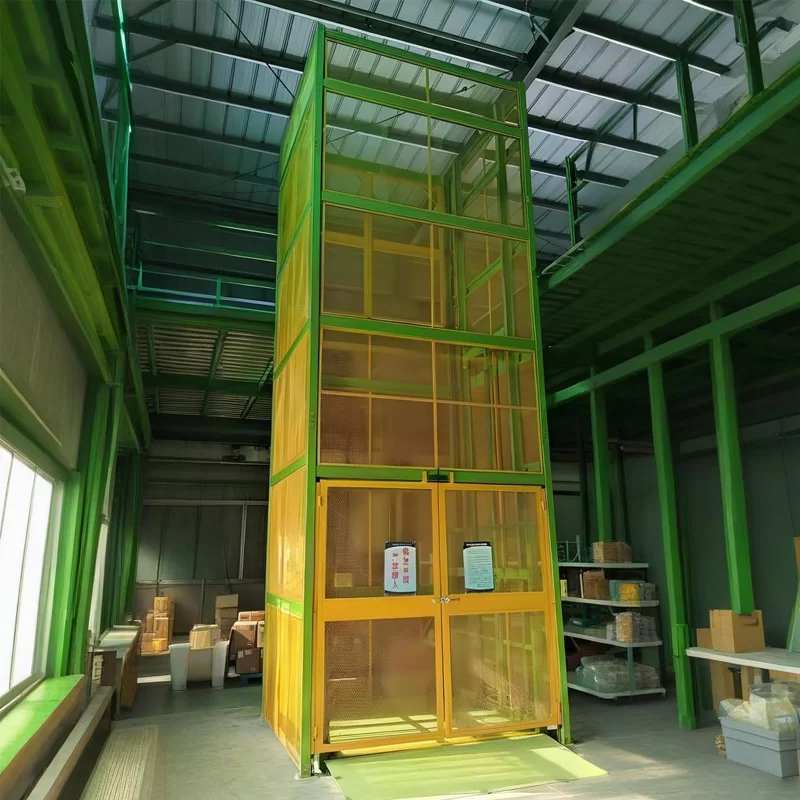
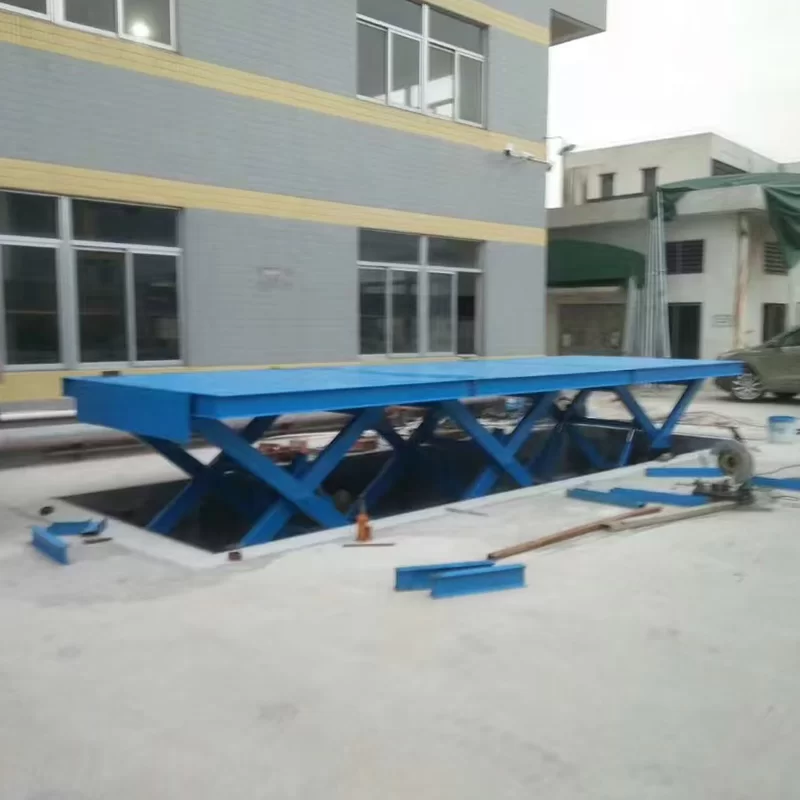
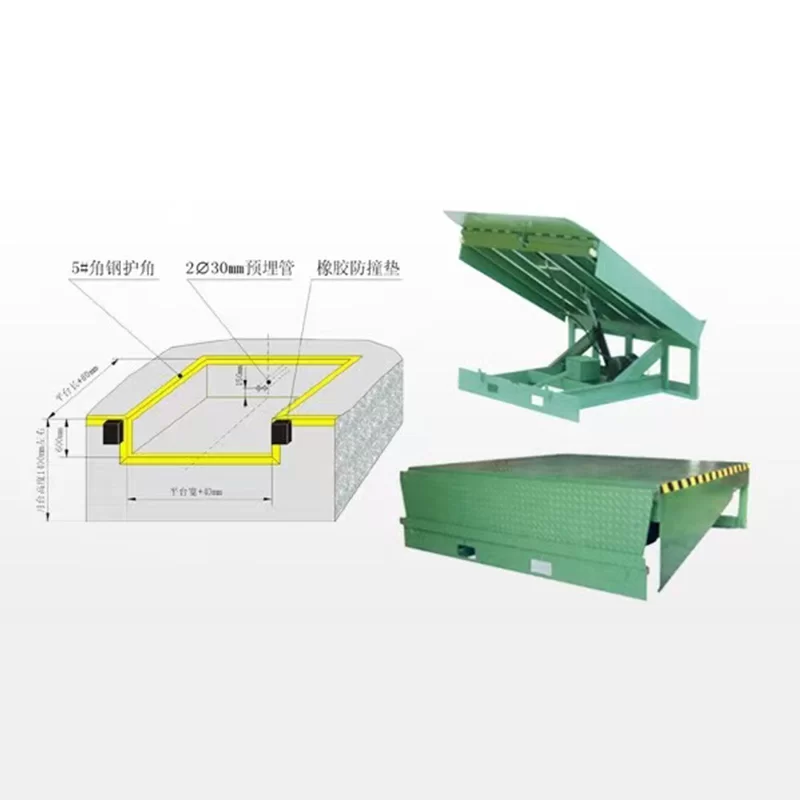
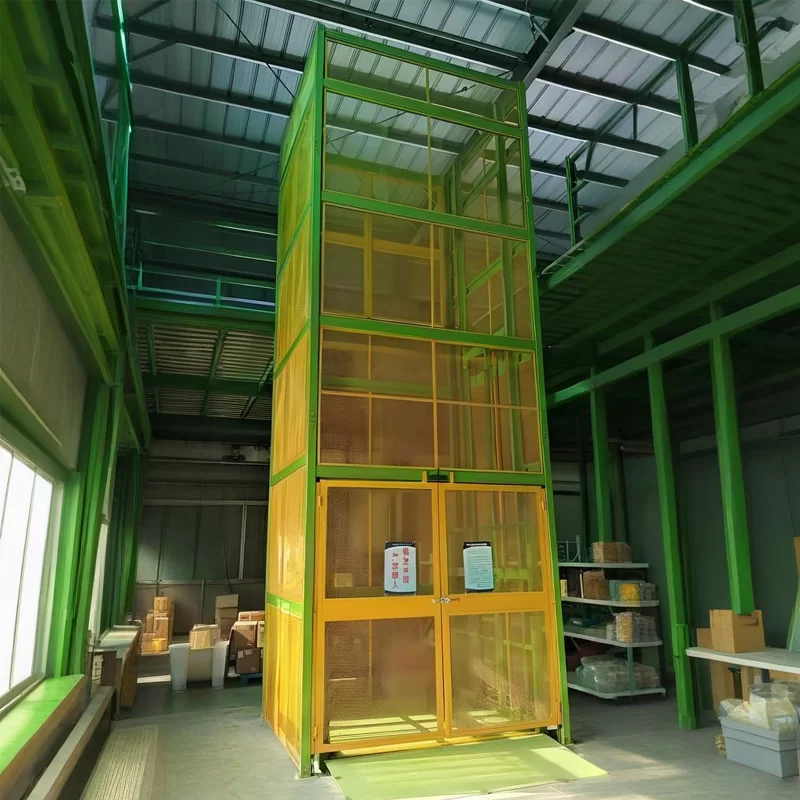
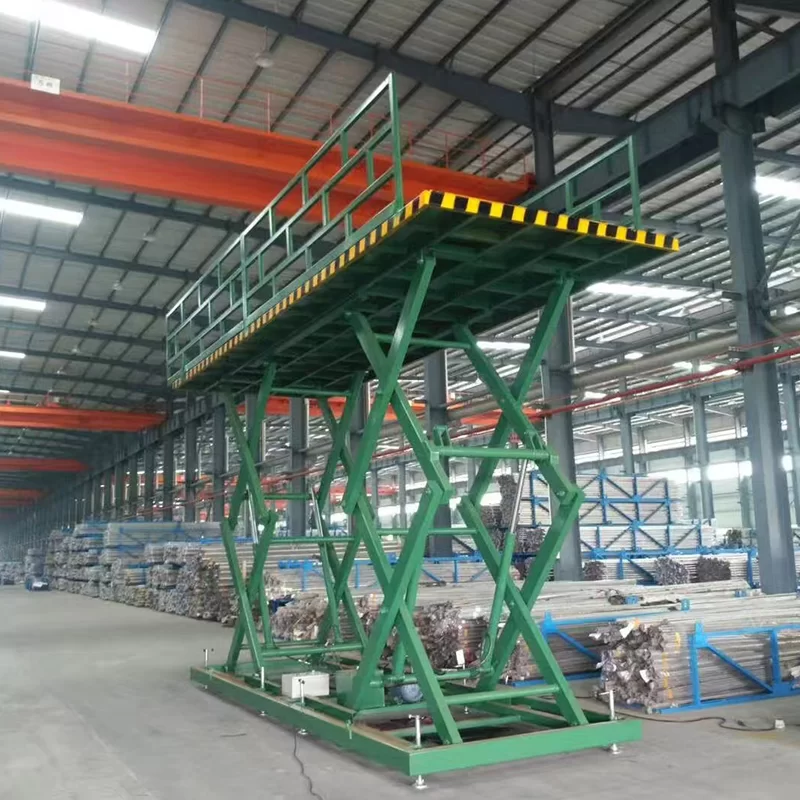
Advanced cargo lifting device Solutions for Uganda’s Industrial Growth

April 25, 2026

Advanced cargo lifting device Solutions for Uganda's Industrial Growth

Optimizing material handling efficiency across Uganda's expanding manufacturing and construction sectors with precision engineering.

Advanced cargo lifting device Solutions for Uganda's Industrial Growth

Providing high-capacity, durable lifting systems tailored to the rugged operational demands of Ugandan factories and logistics hubs.

{Product List Placeholder 1}

Industrial Material Handling Landscape in Uganda

Analyzing the current state of vertical transportation in East Africa's emerging hub.

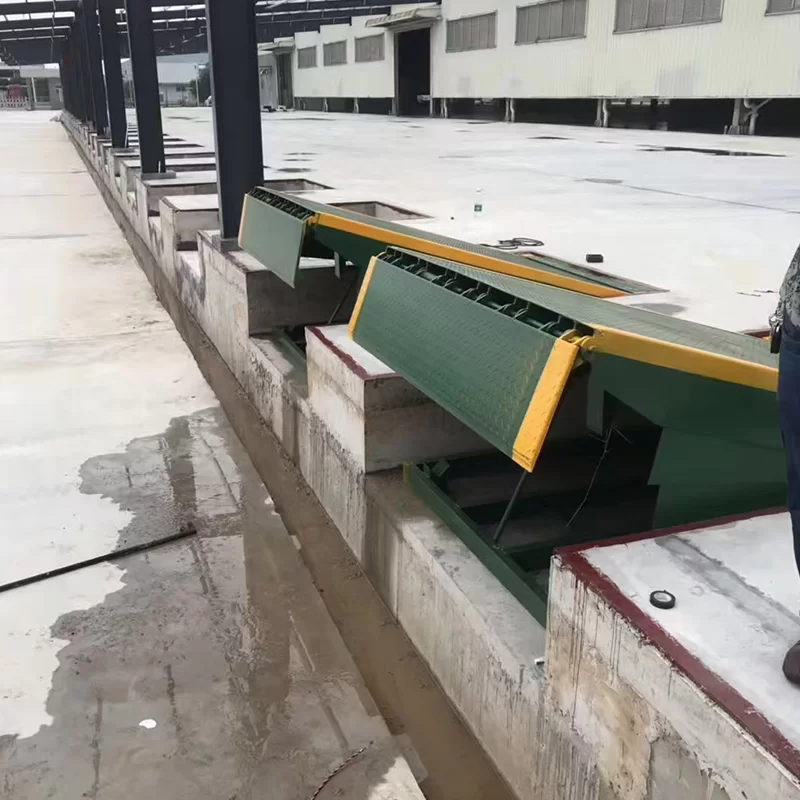
Uganda's manufacturing sector is currently experiencing a transition from manual labor to semi-automation. In cities like Kampala and Entebbe, the surge in warehouse construction has created an urgent demand for a reliable loading dock lift to streamline the transition of goods from trucks to storage areas, reducing transit times and labor fatigue.

Environmental factors, including high humidity and dust, pose significant challenges to machinery longevity. Local industries often struggle with equipment that cannot withstand the tropical climate, making the need for robust, weather-resistant factory lifting platform systems more critical than ever for maintaining continuous production cycles.

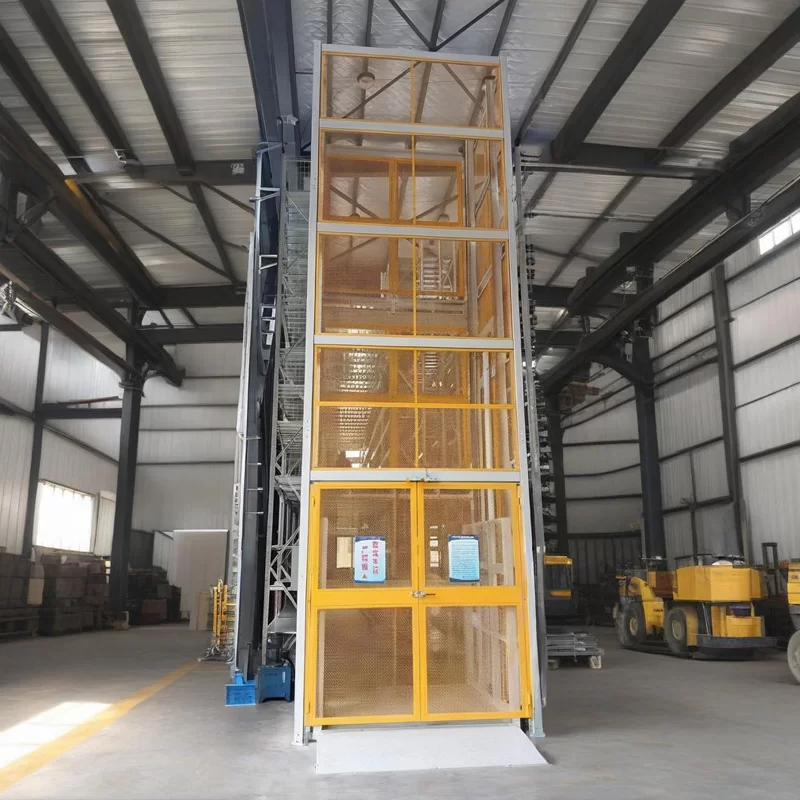
Furthermore, the rapid urbanization led by the local building contractor community has shifted the focus toward versatile equipment. There is a growing movement toward integrating powered lifting solutions that can handle heavy raw materials in multi-story industrial complexes, moving away from obsolete pulley systems.
Evolution of Lifting Technology in Uganda

From manual hoists to intelligent electric vertical transport.

Market Development History

Between 2000 and 2010, the Ugandan market relied primarily on basic mechanical winches and manually operated ramps. During this era, material movement was slow, and workplace accidents were frequent due to the lack of safety certifications in lifting gear.

From 2011 to 2020, the introduction of hydraulic systems marked a significant turning point. Factories began adopting standardized hydraulic lifts, allowing for heavier loads and more stable movement, which supported the growth of the local beverage and food processing industries.

Since 2021, the market has entered the "Electric Era." The demand for an electric scissor lift has spiked as companies seek energy-efficient, low-maintenance solutions that comply with international safety standards (ISO), reflecting a professionalization of the industrial workforce.

Future Development Trends

IoT-Integrated Monitoring

Predictive maintenance using sensors will become standard, allowing Ugandan plant managers to detect wear and tear in lifting systems before failure occurs, reducing unplanned downtime.

Energy-Efficient Hybrid Power

Given the volatility of power grids in some regions, we expect a shift toward hybrid power sources for lifting platforms, combining grid electricity with solar-backed battery storage.

Modular Rapid Deployment

The trend is moving toward modular "plug-and-play" lifting systems that can be quickly installed by a building contractor without requiring extensive structural redesign of existing warehouses.

Future Trends and Strategic Outlook

Navigating the next generation of material handling technology in East Africa.

Automation Integration
Transitioning from manual operation to PLC-controlled automated lifting cycles for maximum precision.
Safety Standard Upgrades
Implementation of advanced failsafe mechanisms and emergency stop systems to align with global EHS standards.
Sustainable Materials
Using high-strength, corrosion-resistant alloys to increase equipment lifespan in humid Ugandan environments.
Smart Logistics Sync
Synchronizing loading docks with Warehouse Management Systems (WMS) for real-time cargo tracking.

Industry Outlook

Based on Google search trends for "industrial automation Africa," there is a clear upward trajectory in requests for specialized lifting equipment. This indicates that Ugandan enterprises are moving beyond basic procurement and are now seeking strategic partnerships for long-term infrastructure optimization.

Over the next 3-5 years, we anticipate that the integration of electric-driven systems will reduce operational costs by 30%, enabling small-to-medium enterprises in Uganda to compete on a global scale through improved logistics efficiency.

Localized Application Scenarios in Uganda

Practical deployments of lifting technology across diverse Ugandan industries.

01. Coffee Export Warehousing in Kampala

Implementing a loading dock lift to expedite the loading of coffee beans into international shipping containers, ensuring minimal exposure to moisture during the transfer process.

02. Pharmaceutical Distribution Centers

Utilizing a precision factory lifting platform to move temperature-sensitive medicines between sterile floors while maintaining strict safety protocols.

03. Urban Construction Projects

Collaborating with a local building contractor to install temporary heavy-duty lifts for transporting cement and steel reinforcements in high-rise developments.

04. Agricultural Machinery Assembly

Deploying an electric scissor lift for technicians to safely access and assemble large tractor components at an ergonomic height.

05. Mining Equipment Logistics

Using a heavy-capacity cargo lifting device to move oversized machinery parts in mining hubs, ensuring durability under extreme load conditions.

Brand Story

Global Development Journey of Jiangmen Hongli Machinery Co., Ltd.

Engineering Foundations

Founded on the principle of "Precision First," we began by solving the most basic mechanical failures in material lifting for local workshops.

Technological Breakthrough

Developed a proprietary hydraulic sealing system that significantly increased the lifespan of lifts operating in high-dust environments.

Global Expansion

Expanded our footprint into the African market, specifically tailoring equipment to handle the power fluctuations and climatic needs of Uganda.

Safety Certification

Achieved full international safety certifications, ensuring our products meet the strictest global standards for operator protection.

Vision for Tomorrow

Committed to eradicating industrial lifting accidents through the implementation of smart, fail-safe electric lifting technology globally.

Comprehensive Lifting Portfolio for Uganda

A complete range of equipment designed for Ugandan industrial specifications.

{Product List Placeholder 2}

Uganda Industrial Lifting FAQ

Expert answers to common technical and procurement questions in the region.

How to choose the right loading dock lift for a Ugandan warehouse?

Consider the average truck height used in Uganda and the daily tonnage. We recommend a heavy-duty hydraulic model with a galvanized finish to prevent rust in humid conditions.

Can a cargo lifting device be installed in an existing old building?

Yes, our modular designs allow for installation in existing structures. A professional building contractor should evaluate the floor load-bearing capacity first.

What are the maintenance requirements for a factory lifting platform in dusty areas?

We suggest monthly lubrication of guide rails and checking hydraulic fluid levels. Our platforms come with dust-proof seals specifically for industrial environments.

Is an electric scissor lift safer than manual alternatives?

Absolutely. Electric models provide stable lifting, emergency stop buttons, and overload protection, eliminating the risks associated with manual pulley or winch systems.

How do I ensure my building contractor installs the lift correctly?

Always follow the provided technical installation manual and request a final safety load test before putting the equipment into official operation.

What is the average lead time for shipping lifting equipment to Uganda?

Typically, production takes 15-20 days, and shipping to Ugandan ports takes approximately 30-45 days depending on the shipping line chosen.

Ready to Upgrade Your Facility?

Our technical team is ready to provide customized lifting solutions for your business in Uganda.

Contact Us Now
Need Our Services And Quotes
lf you need our help,Our staff will be happy to help and answer your questions!
  • name*
  • email*
  • phone*
  • message*
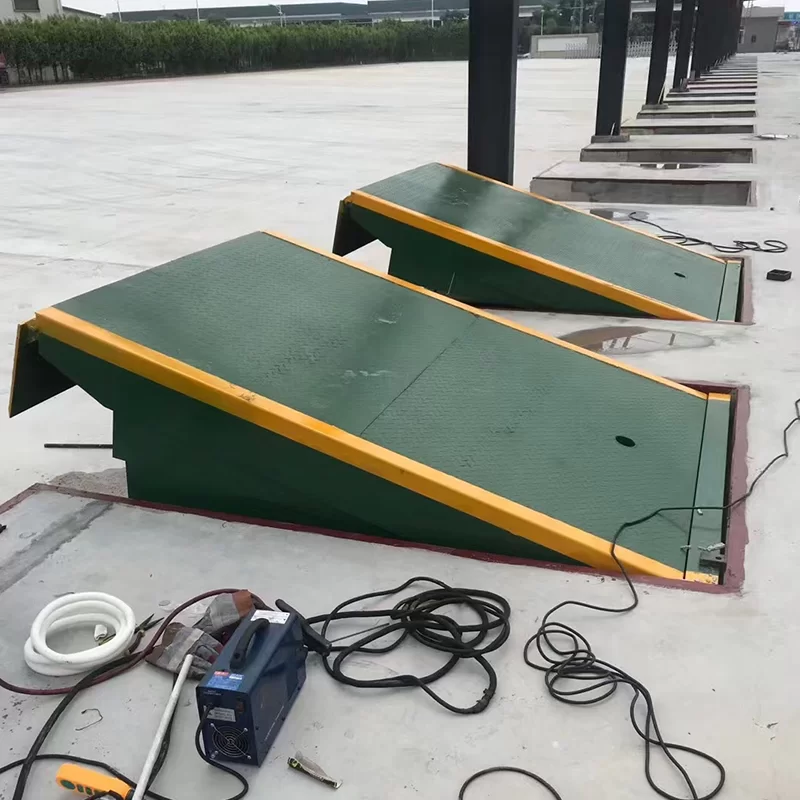
Hydraulic Mobile Dock Ramp

Hydraulic Mobile Dock Ramp

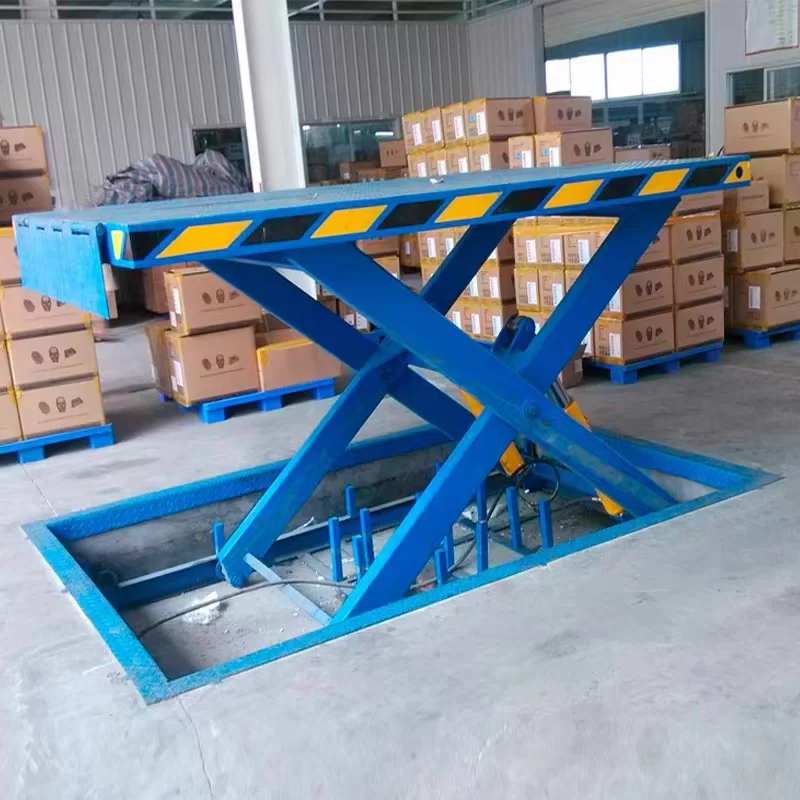
Heavy-Duty Hydraulic Lift Table

Heavy-Duty Hydraulic Lift Table

The Maximum Lifting Height of Hydraulic Lift Equipment

The Maximum Lifting Height of Hydraulic Lift Equipment

Hydraulic lifts are widely used across various industries, particularly in construction, logistics, manufacturing, and maintenance. 

March 23, 2026
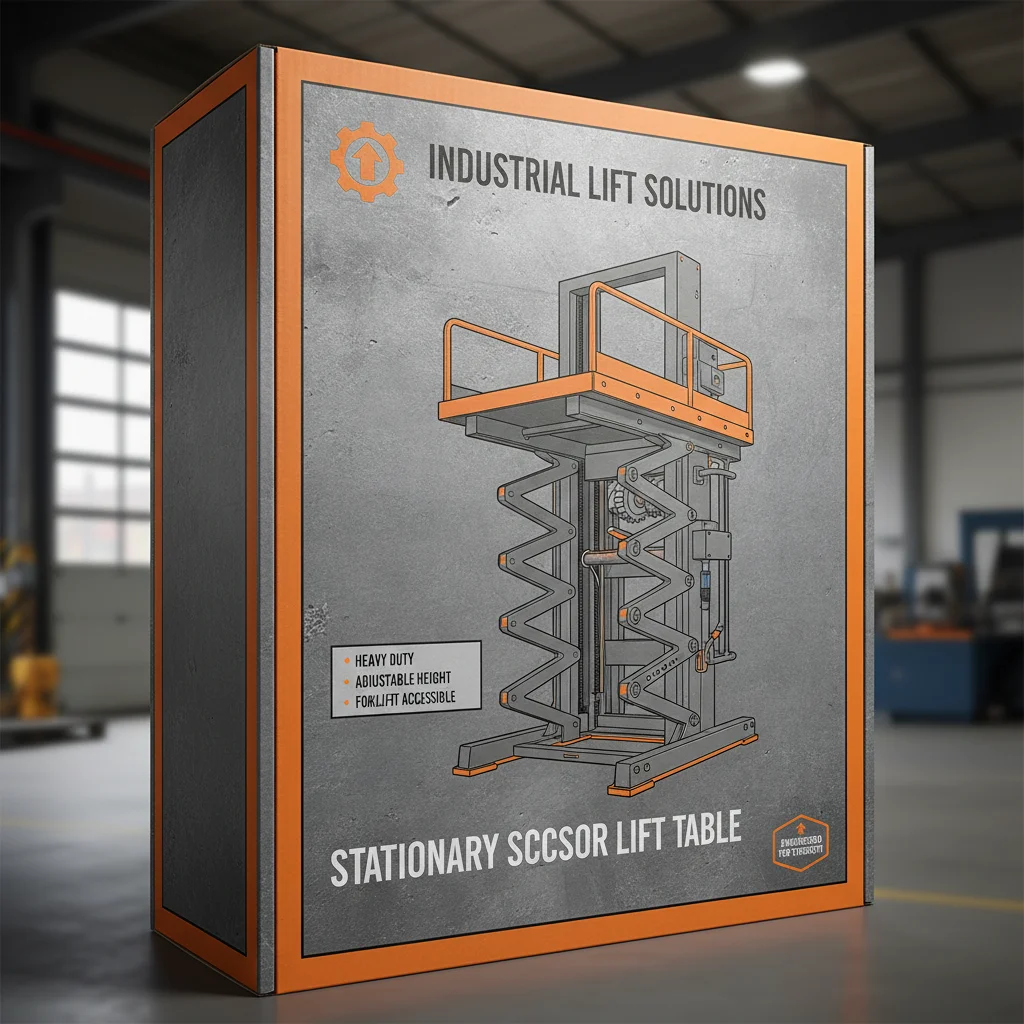
Industrial Stationary Lift Table for Ergonomic Efficiency

Industrial Stationary Lift Table for Ergonomic Efficiency

In the demanding environment of modern industrial logistics, the stationary lift table stands as a fundamental pillar of ergonomic efficiency and operational safety. By providing a stable, height-adjustable platform, these systems eliminate the physical strain associated with repetitive lifting and bending, directly contributing to a decrease in workplace injuries and an increase in overall throughput. Across global manufacturing hubs, the adoption of high-quality lifting solutions is no longer a luxury but a necessity to meet stringent ISO safety standards and lean manufacturing goals. A well-implemented stationary lift table allows operators to maintain an optimal working height, which significantly reduces fatigue
May 1, 2026
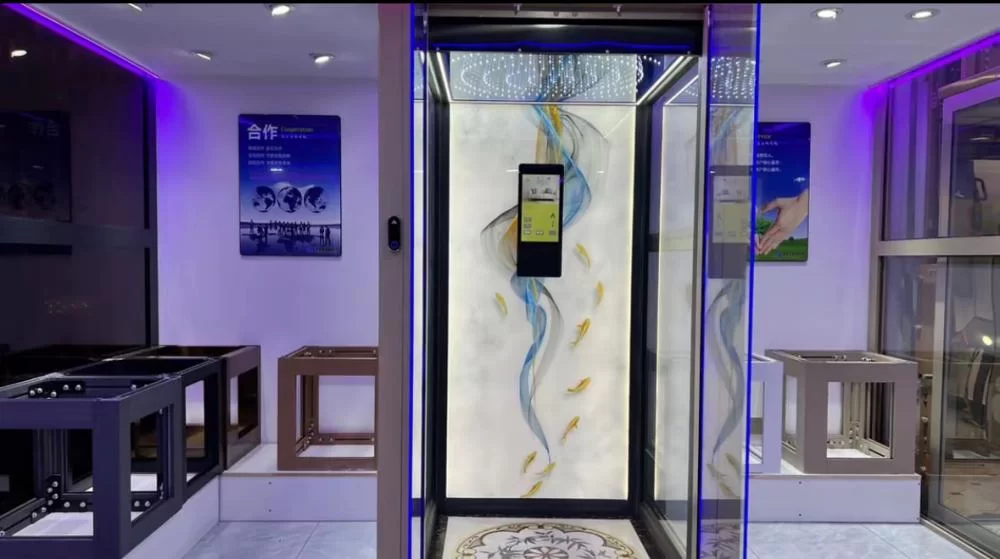
Home Elevator Shaft Size Guide for 4–5 People

Home Elevator Shaft Size Guide for 4–5 People

In modern homes, residential elevators are becoming increasingly popular, particularly in multi-story houses and villas.

March 23, 2026

Advanced cargo lifting device Solutions for Uganda's Industrial Growth

Optimizing material handling efficiency across Uganda's expanding manufacturing and construction sectors with precision engineering.

Advanced cargo lifting device Solutions for Uganda's Industrial Growth

Providing high-capacity, durable lifting systems tailored to the rugged operational demands of Ugandan factories and logistics hubs.

Industrial Material Handling Landscape in Uganda

Analyzing the current state of vertical transportation in East Africa's emerging hub.

Uganda's manufacturing sector is currently experiencing a transition from manual labor to semi-automation. In cities like Kampala and Entebbe, the surge in warehouse construction has created an urgent demand for a reliable loading dock lift to streamline the transition of goods from trucks to storage areas, reducing transit times and labor fatigue.

Environmental factors, including high humidity and dust, pose significant challenges to machinery longevity. Local industries often struggle with equipment that cannot withstand the tropical climate, making the need for robust, weather-resistant factory lifting platform systems more critical than ever for maintaining continuous production cycles.

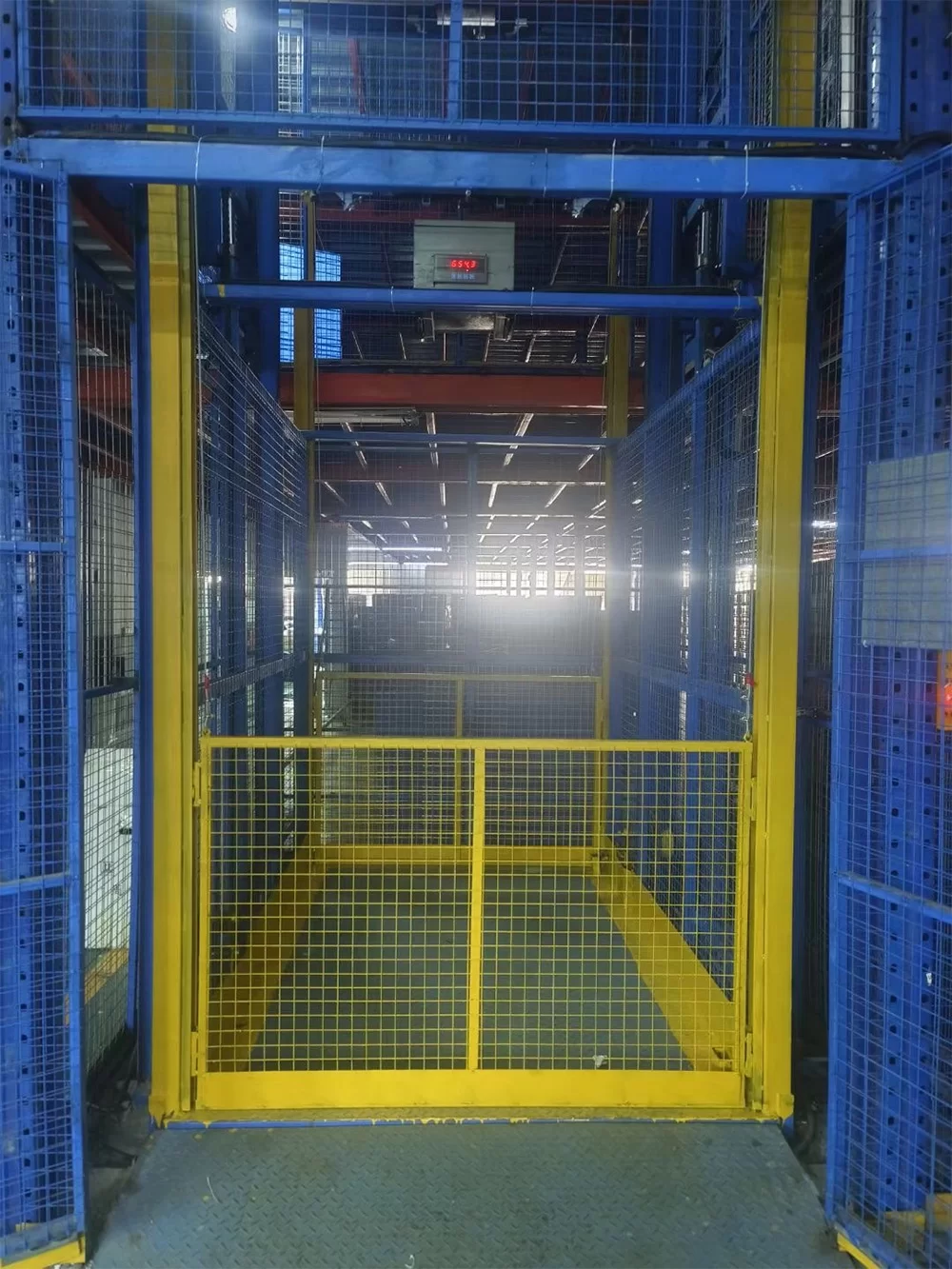
Furthermore, the rapid urbanization led by the local building contractor community has shifted the focus toward versatile equipment. There is a growing movement toward integrating powered lifting solutions that can handle heavy raw materials in multi-story industrial complexes, moving away from obsolete pulley systems.
Evolution of Lifting Technology in Uganda

From manual hoists to intelligent electric vertical transport.

Market Development History

Between 2000 and 2010, the Ugandan market relied primarily on basic mechanical winches and manually operated ramps. During this era, material movement was slow, and workplace accidents were frequent due to the lack of safety certifications in lifting gear.

From 2011 to 2020, the introduction of hydraulic systems marked a significant turning point. Factories began adopting standardized hydraulic lifts, allowing for heavier loads and more stable movement, which supported the growth of the local beverage and food processing industries.

Since 2021, the market has entered the "Electric Era." The demand for an electric scissor lift has spiked as companies seek energy-efficient, low-maintenance solutions that comply with international safety standards (ISO), reflecting a professionalization of the industrial workforce.

Future Development Trends

IoT-Integrated Monitoring

Predictive maintenance using sensors will become standard, allowing Ugandan plant managers to detect wear and tear in lifting systems before failure occurs, reducing unplanned downtime.

Energy-Efficient Hybrid Power

Given the volatility of power grids in some regions, we expect a shift toward hybrid power sources for lifting platforms, combining grid electricity with solar-backed battery storage.

Modular Rapid Deployment

The trend is moving toward modular "plug-and-play" lifting systems that can be quickly installed by a building contractor without requiring extensive structural redesign of existing warehouses.

Future Trends and Strategic Outlook

Navigating the next generation of material handling technology in East Africa.

Automation Integration
Transitioning from manual operation to PLC-controlled automated lifting cycles for maximum precision.
Safety Standard Upgrades
Implementation of advanced failsafe mechanisms and emergency stop systems to align with global EHS standards.
Sustainable Materials
Using high-strength, corrosion-resistant alloys to increase equipment lifespan in humid Ugandan environments.
Smart Logistics Sync
Synchronizing loading docks with Warehouse Management Systems (WMS) for real-time cargo tracking.

Industry Outlook

Based on Google search trends for "industrial automation Africa," there is a clear upward trajectory in requests for specialized lifting equipment. This indicates that Ugandan enterprises are moving beyond basic procurement and are now seeking strategic partnerships for long-term infrastructure optimization.

Over the next 3-5 years, we anticipate that the integration of electric-driven systems will reduce operational costs by 30%, enabling small-to-medium enterprises in Uganda to compete on a global scale through improved logistics efficiency.

Localized Application Scenarios in Uganda

Practical deployments of lifting technology across diverse Ugandan industries.

01. Coffee Export Warehousing in Kampala

Implementing a loading dock lift to expedite the loading of coffee beans into international shipping containers, ensuring minimal exposure to moisture during the transfer process.

02. Pharmaceutical Distribution Centers

Utilizing a precision factory lifting platform to move temperature-sensitive medicines between sterile floors while maintaining strict safety protocols.

03. Urban Construction Projects

Collaborating with a local building contractor to install temporary heavy-duty lifts for transporting cement and steel reinforcements in high-rise developments.

04. Agricultural Machinery Assembly

Deploying an electric scissor lift for technicians to safely access and assemble large tractor components at an ergonomic height.

05. Mining Equipment Logistics

Using a heavy-capacity cargo lifting device to move oversized machinery parts in mining hubs, ensuring durability under extreme load conditions.

Brand Story

Global Development Journey of Jiangmen Hongli Machinery Co., Ltd.

Engineering Foundations

Founded on the principle of "Precision First," we began by solving the most basic mechanical failures in material lifting for local workshops.

Technological Breakthrough

Developed a proprietary hydraulic sealing system that significantly increased the lifespan of lifts operating in high-dust environments.

Global Expansion

Expanded our footprint into the African market, specifically tailoring equipment to handle the power fluctuations and climatic needs of Uganda.

Safety Certification

Achieved full international safety certifications, ensuring our products meet the strictest global standards for operator protection.

Vision for Tomorrow

Committed to eradicating industrial lifting accidents through the implementation of smart, fail-safe electric lifting technology globally.

Comprehensive Lifting Portfolio for Uganda

A complete range of equipment designed for Ugandan industrial specifications.

Uganda Industrial Lifting FAQ

Expert answers to common technical and procurement questions in the region.

How to choose the right loading dock lift for a Ugandan warehouse?

Consider the average truck height used in Uganda and the daily tonnage. We recommend a heavy-duty hydraulic model with a galvanized finish to prevent rust in humid conditions.

Can a cargo lifting device be installed in an existing old building?

Yes, our modular designs allow for installation in existing structures. A professional building contractor should evaluate the floor load-bearing capacity first.

What are the maintenance requirements for a factory lifting platform in dusty areas?

We suggest monthly lubrication of guide rails and checking hydraulic fluid levels. Our platforms come with dust-proof seals specifically for industrial environments.

Is an electric scissor lift safer than manual alternatives?

Absolutely. Electric models provide stable lifting, emergency stop buttons, and overload protection, eliminating the risks associated with manual pulley or winch systems.

How do I ensure my building contractor installs the lift correctly?

Always follow the provided technical installation manual and request a final safety load test before putting the equipment into official operation.

What is the average lead time for shipping lifting equipment to Uganda?

Typically, production takes 15-20 days, and shipping to Ugandan ports takes approximately 30-45 days depending on the shipping line chosen.

Ready to Upgrade Your Facility?

Our technical team is ready to provide customized lifting solutions for your business in Uganda.

Contact Us Now

If you are interested in our products, you can choose to leave your information here, and we will be in touch with you shortly.