News

Advanced cargo lifting device Solutions for Japan’s Industrial Sector

April 25, 2026

Advanced cargo lifting device Solutions for Japan's Industrial Sector

Precision-engineered vertical transport systems designed to meet the rigorous safety and space standards of Japanese manufacturing facilities.

Advanced cargo lifting device Solutions for Japan's Industrial Sector

Integrating high-performance lifting technology with the Japanese commitment to Kaizen, ensuring seamless material flow and maximum operational efficiency.

{Product List Placeholder 1}

The Current State of Material Handling in Japan

Navigating high-density urban logistics and strict seismic safety regulations.

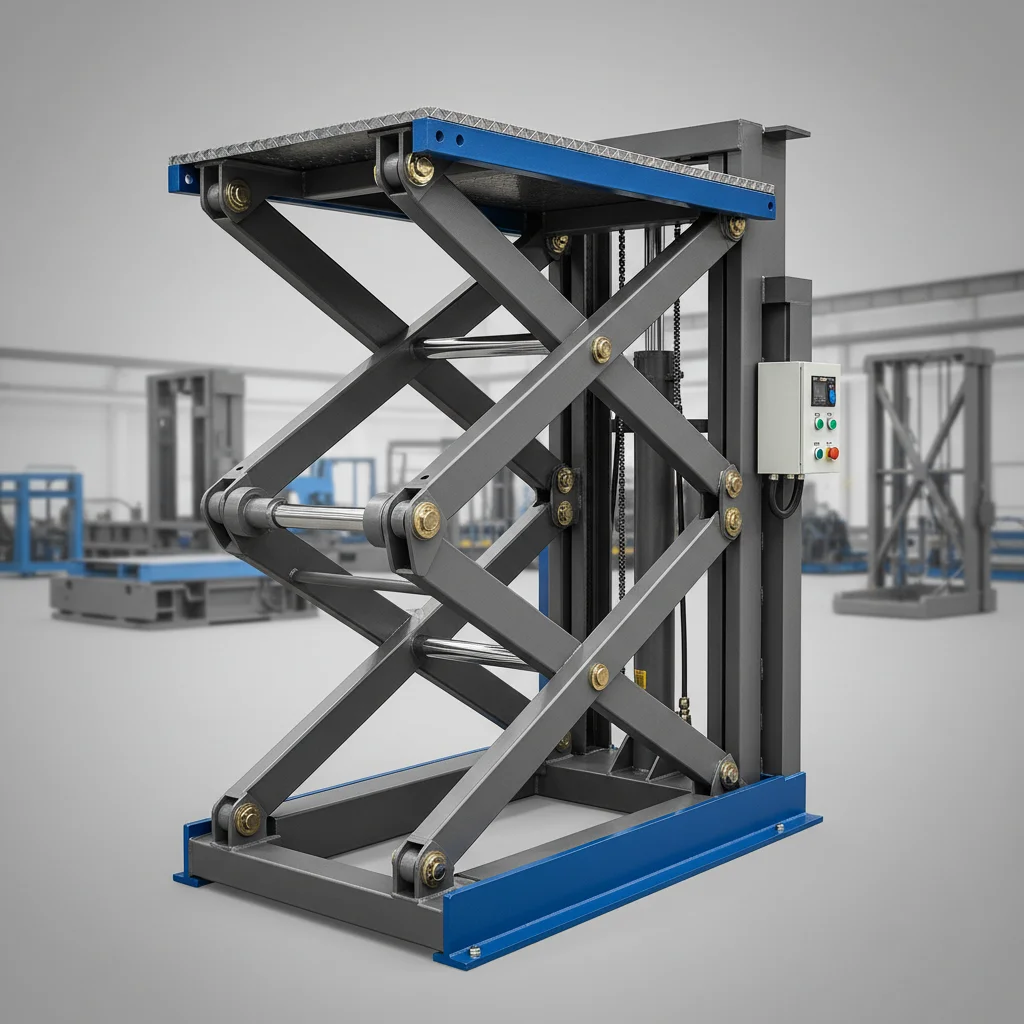
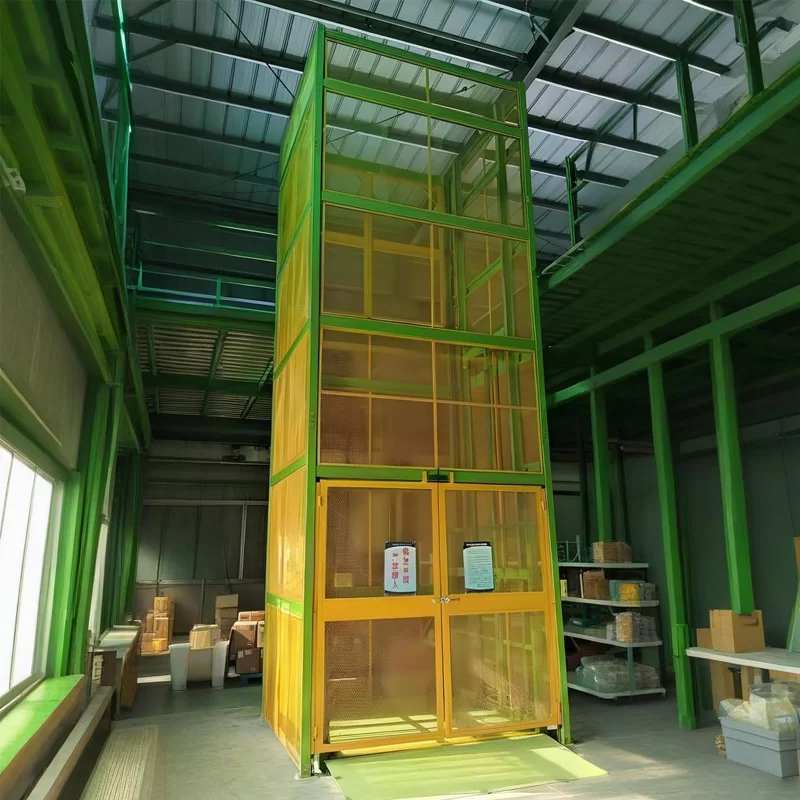
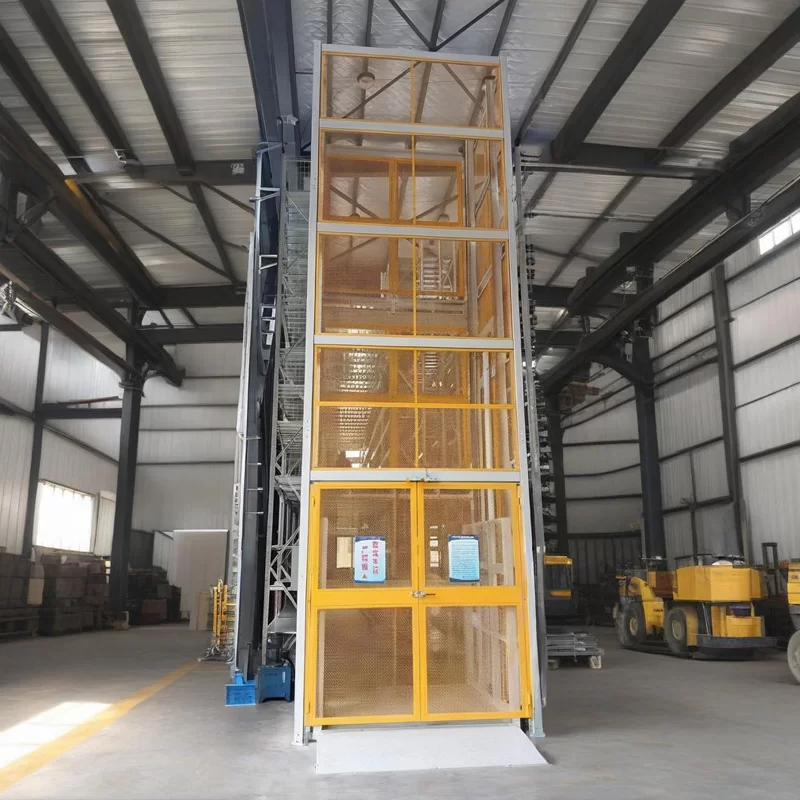
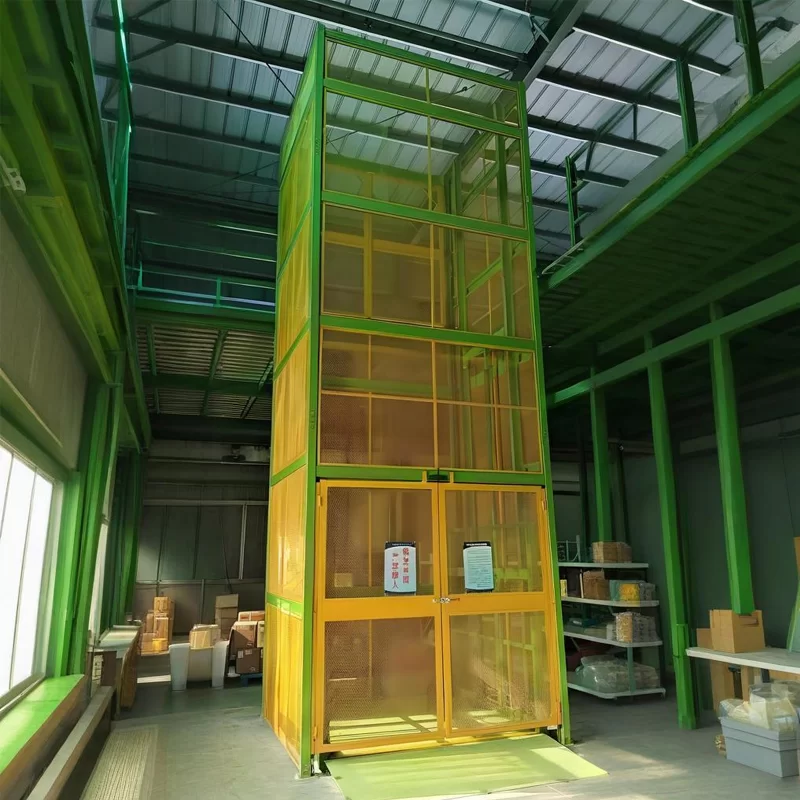
In Japan, the manufacturing landscape is characterized by extremely limited floor space and a critical need for vertical optimization. The demand for a reliable factory lifting platform has surged as companies shift toward multi-story lean production modules to maximize their footprint in industrial hubs like Aichi and Osaka.

Furthermore, Japan's stringent seismic codes require all lifting equipment to possess superior stability and fail-safe mechanisms. This environment has pushed the market toward highly precise, dampened systems that can maintain structural integrity during geological shifts, making high-grade engineering a non-negotiable requirement.

Labor shortages in the logistics sector are driving a rapid transition toward automation. Consequently, the integration of an electric scissor lift into warehouse workflows is no longer a luxury but a necessity to reduce physical strain on workers and accelerate the loading-unloading cycle.
Evolution of Lifting Technology in Asia-Japan

From manual hydraulic systems to intelligent, synchronized automation.

Market Development History

During the 1980s and 1990s, Japanese factories primarily relied on heavy-duty manual hydraulic lifts. These systems provided the necessary power but lacked the precision and speed required for the burgeoning electronics and automotive assembly lines.

By the early 2000s, there was a pivotal shift toward electronic control systems. The introduction of PLC (Programmable Logic Controllers) allowed the loading dock lift to synchronize perfectly with conveyor belts, reducing bottlenecking at the receiving bays.

From 2015 to the present, the focus has pivoted toward "Green Logistics." This era is defined by the adoption of energy-efficient motors and lithium-battery power, ensuring that lifting devices comply with Japan's strict carbon emission targets and energy conservation laws.

Future Development Trends

AI-Driven Predictive Maintenance

The next 3 years will see a shift toward IoT sensors that predict mechanical fatigue before failure, reducing downtime in 24/7 Japanese production lines.

Hyper-Compact Modular Design

As urban warehouses shrink, the trend is moving toward modular, "plug-and-play" lifting platforms that can be installed by a building contractor in record time with zero site modification.

Full Autonomous Integration

Integration with AGVs (Automated Guided Vehicles) will become standard, allowing platforms to communicate and move goods without any human intervention.

Future Trends and Industry Outlook

Strategic forecasting for the continuous handling equipment sector in Japan.

Energy Efficiency Synergy
Implementation of regenerative braking systems in lifts to feed electricity back into the factory grid.
Smart Space Optimization
Using AI to dynamically adjust lifting heights based on real-time inventory volume data.
Zero-Emission Power
Transitioning from hydraulic fluids to pure electric actuators to eliminate leak risks in food-grade plants.
Collaborative Safety
Integrating LiDAR and 360-degree sensors to ensure safe human-machine coexistence.

Industry Outlook

Based on Google search trends for "automated material handling Japan," there is a clear move toward integrating lifting systems with overarching Warehouse Management Systems (WMS). The industry is evolving from selling standalone hardware to providing integrated "lifting-as-a-service" solutions.

We anticipate that within five years, the synergy between high-speed lifting and autonomous robotics will redefine the efficiency benchmarks of the Japanese automotive and pharmaceutical supply chains.

Localized Application Scenarios in Japan

Real-world implementations tailored to Japanese industrial environments.

01. Automotive Parts Assembly in Toyota City

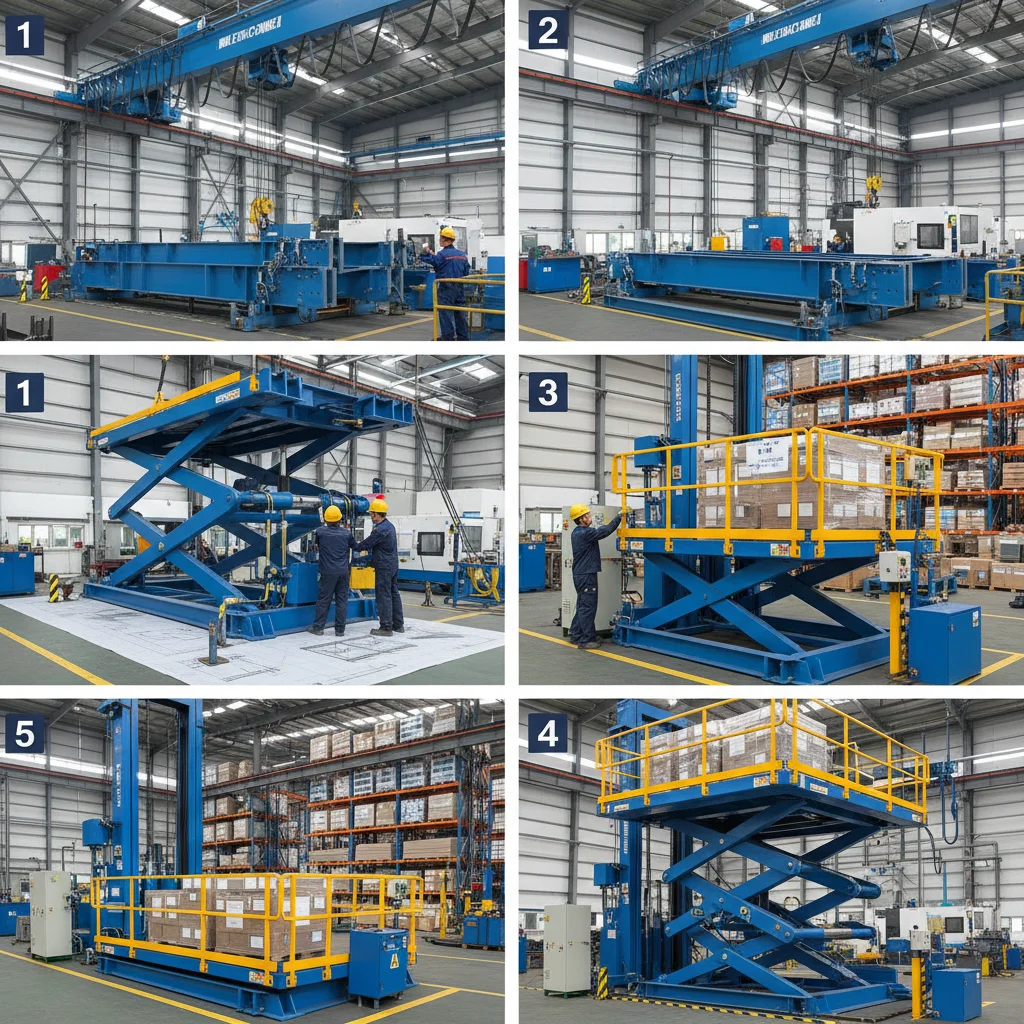
Deploying a high-capacity factory lifting platform to transport heavy engine blocks between assembly floors while maintaining micron-level positioning accuracy.

02. Tokyo Urban Logistics Centers

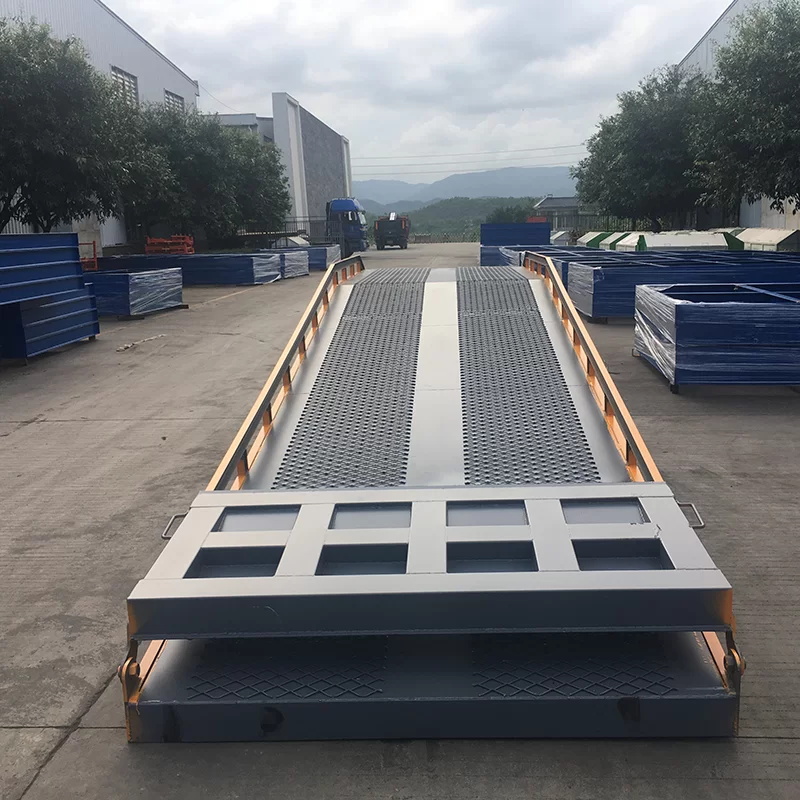
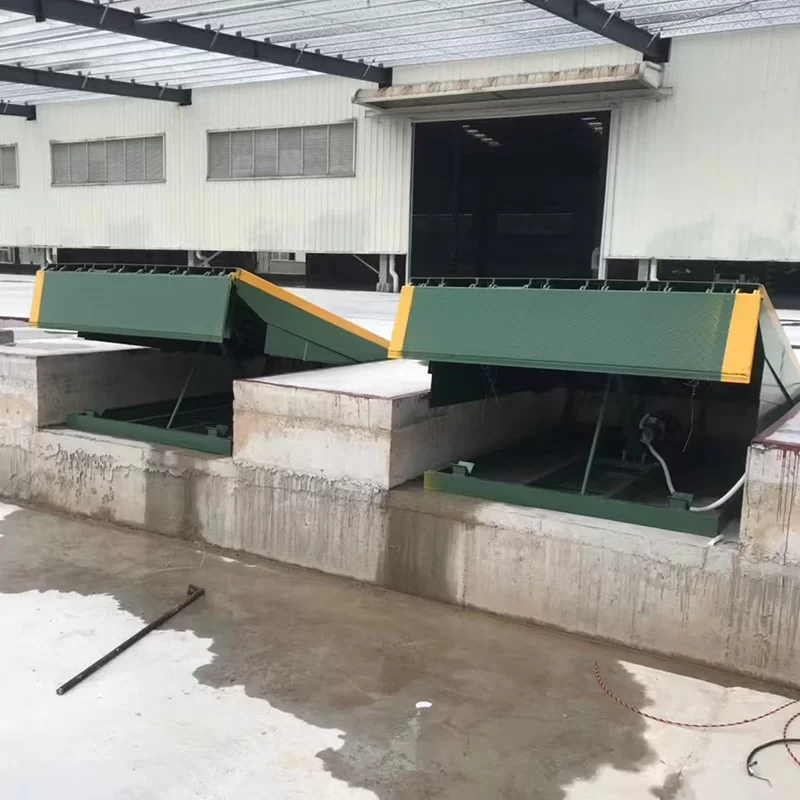
Installation of compact loading dock lift systems in narrow-alley warehouses, allowing seamless transition between delivery trucks and underground storage levels.

03. Osaka Pharmaceutical Laboratories

Utilizing clean-room certified cargo lifting device units that eliminate hydraulic oil leaks to ensure sterility during the transport of medical reagents.

04. Kyoto Traditional Craft Manufacturing

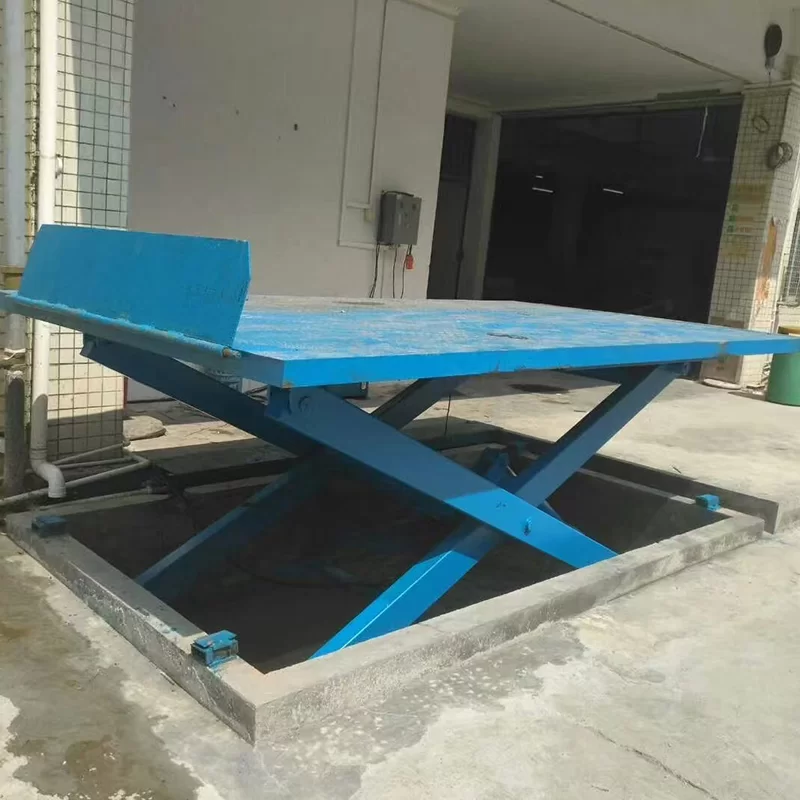
Implementing small-scale, silent electric scissor lift platforms to assist aging artisans in moving heavy materials without compromising the quiet environment of the studio.

05. Yokohama Port Container Hubs

Collaborating with a leading building contractor to build heavy-duty lifting docks that can withstand corrosive salt-air environments and extreme tonnage.

Brand Story

Global Development Journey of Jiangmen Hongli Machinery Co., Ltd.

Foundational Engineering

Started with a mission to solve the inefficiency of manual lifting, focusing on robust hydraulic designs for local industrial growth.

Technological Leap

Integrated electronic control systems, transforming basic lifts into intelligent material handling solutions for the global market.

Global Expansion

Entered the Asian market, specifically adapting products to meet Japan's rigorous quality and safety standards (JIS).

Innovation Hub

Established a dedicated R&D center focused on "Zero-Failure" lifting mechanisms for the pharmaceutical and electronics sectors.

Sustainability Commitment

Now leading the transition to eco-friendly, electric-driven lifting systems to support the global carbon-neutral goal.

Complete Lifting Portfolio for Japan

A comprehensive range of continuous handling equipment designed for the Japanese market.

{Product List Placeholder 2}

Frequently Asked Questions in Japan

Expert answers to common technical and regulatory queries.

How does a loading dock lift comply with Japanese seismic safety standards?

Our systems utilize reinforced steel framing and specialized anti-sway dampers that absorb kinetic energy during seismic events, ensuring the platform remains stable and secure.

Can a cargo lifting device be integrated into an existing multi-story factory?

Yes, we provide customized modular designs that fit into existing shafts. We work closely with your building contractor to ensure structural integrity and minimal disruption to production.

What are the maintenance requirements for an electric scissor lift in high-use environments?

We recommend quarterly inspections of the actuator seals and battery health. Our smart systems provide automated alerts when maintenance is due to prevent unplanned downtime.

Is the factory lifting platform suitable for clean-room environments?

Absolutely. We offer stainless steel finishes and electric-only drives that eliminate hydraulic fluid leaks, meeting the strict contamination standards of Japanese pharma plants.

How long is the typical installation time for industrial lifting systems in Japan?

Depending on the complexity, standard installations take 3-7 business days. Our pre-assembled modular units significantly reduce on-site construction time.

What power certifications do your lifting devices hold for the Japanese grid?

All our equipment is engineered to be compatible with Japan's 50Hz/60Hz dual-frequency power grids and complies with international electrical safety certifications.

Optimize Your Vertical Logistics Today

Contact our engineering team for a customized lifting solution tailored to the specific industrial requirements of Japan.

Contact Us Now
Need Our Services And Quotes
lf you need our help,Our staff will be happy to help and answer your questions!
  • name*
  • email*
  • phone*
  • message*
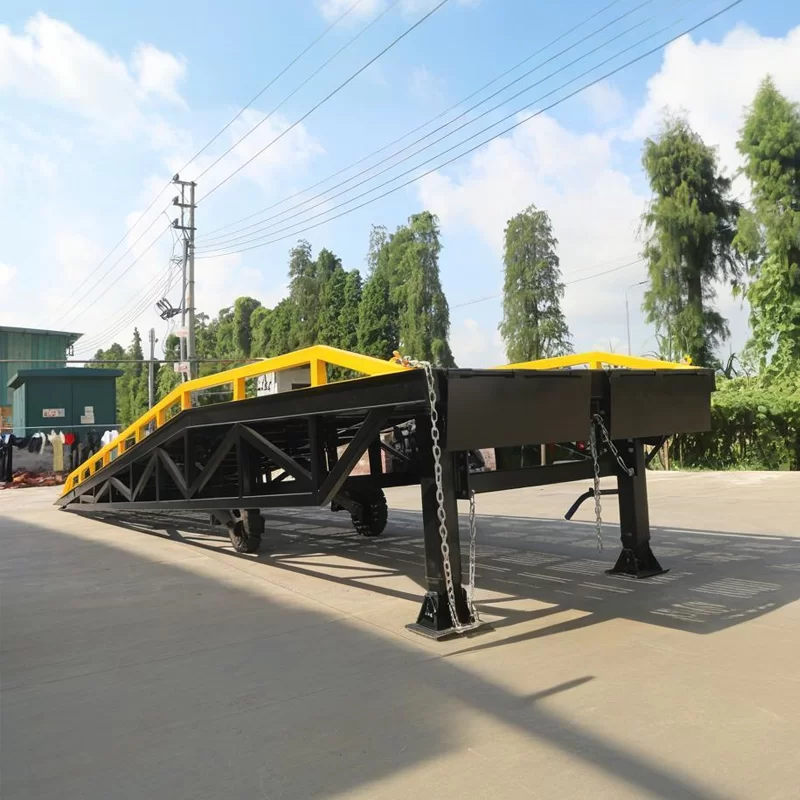
Hydraulic Dock Leveler

Hydraulic Dock Leveler

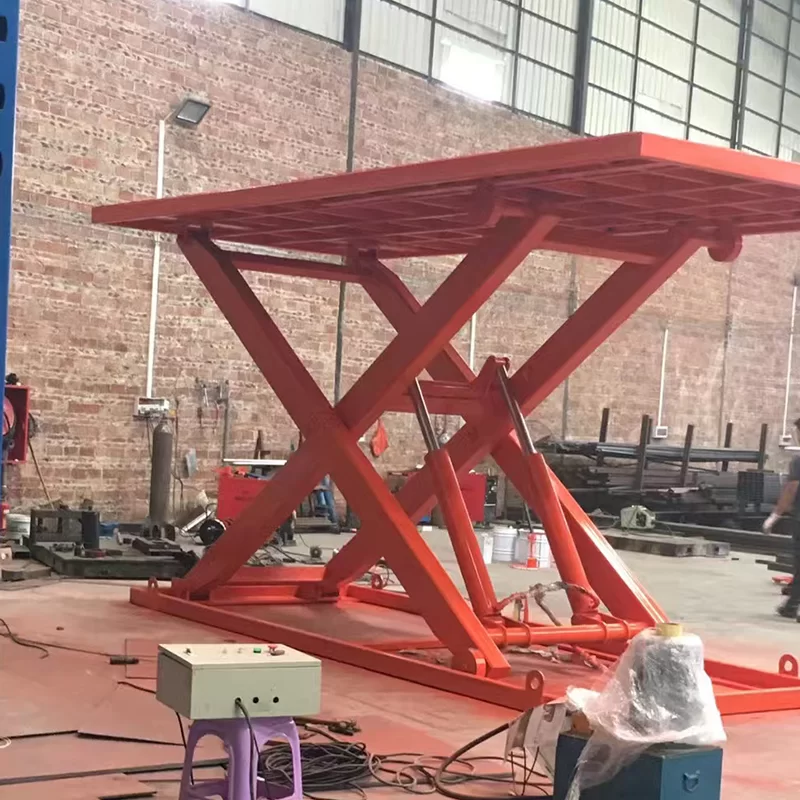
Industrial Electric Hydraulic Platform China Factory Leading Equipment Suppliers

Industrial Electric Hydraulic Platform China Factory Leading Equipment Suppliers

Efficient Material Handling with a Mobile Lifting Platform

Efficient Material Handling with a Mobile Lifting Platform

The modern industrial landscape demands unprecedented flexibility and efficiency in material handling, leading to the rise of the mobile lifting platform as a cornerstone of warehouse optimization. By merging the stability of a stationary lift with the mobility of a wheeled chassis, these systems eliminate the bottlenecks associated with fixed infrastructure, allowing operators to move heavy loads precisely where they are needed most. Across global supply chains, the integration of a high-quality mobile lifting platform has proven essential for reducing manual labor risks and accelerating throughput. Whether in a tight automotive assembly line or a sprawling logistics hub, the ability to adjust height
May 6, 2026
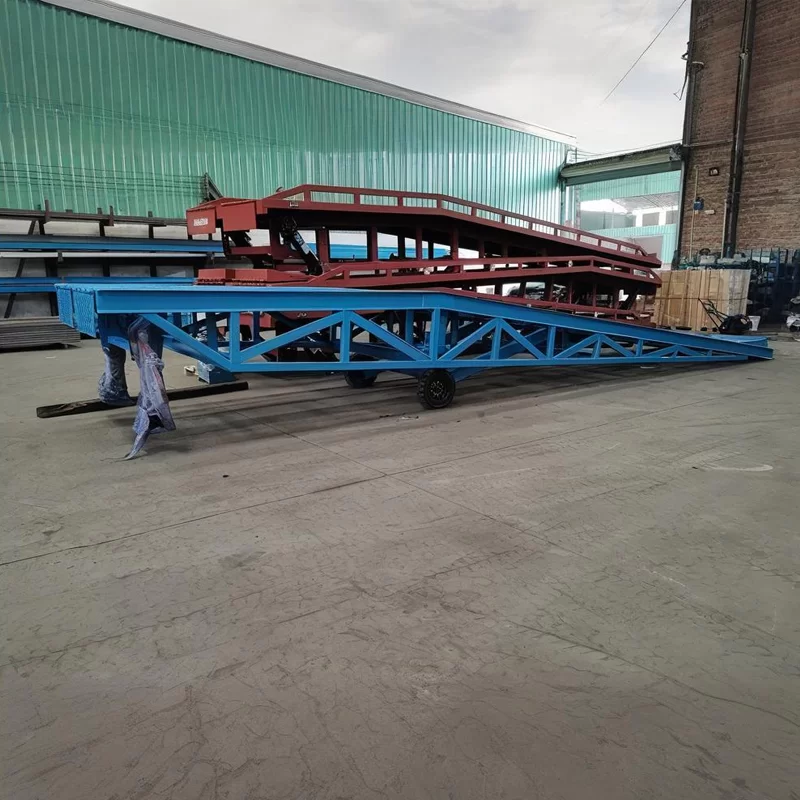
Efficient Loading Dock Lift Systems for Modern Logistics

Efficient Loading Dock Lift Systems for Modern Logistics

In the fast-paced world of global logistics, the efficiency of the loading bay often determines the overall throughput of a warehouse. A loading dock lift serves as the critical bridge between different transport heights, ensuring that goods move seamlessly from trailers to the warehouse floor without bottlenecking. By eliminating height discrepancies, these systems reduce manual handling and drastically accelerate the loading and unloading process. Across the globe, the demand for optimized material handling is surging as e-commerce continues to scale. The integration of a high-quality loading dock lift is no longer a luxury but a necessity for facilities
May 18, 2026
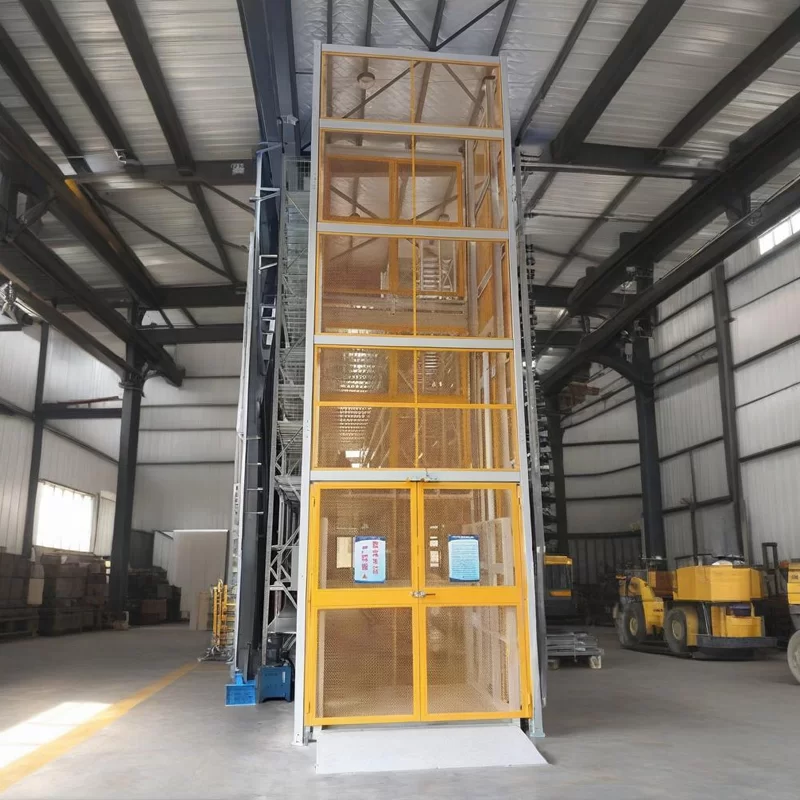
Efficient Material Handling with Warehouse Lift Platform

Efficient Material Handling with Warehouse Lift Platform

In the fast-paced world of modern logistics, the efficiency of vertical and horizontal material movement defines the success of a supply chain. A warehouse lift platform serves as the critical link in this chain, allowing facilities to maximize their cubic space while ensuring that heavy loads are moved with precision and safety. By bridging the gap between different floor levels or loading bays, these systems eliminate the bottlenecks associated with manual lifting and traditional forklifts. Globally, the demand for advanced material handling solutions has surged as e-commerce drives the need for higher throughput and denser storage.
May 11, 2026

Advanced cargo lifting device Solutions for Japan's Industrial Sector

Precision-engineered vertical transport systems designed to meet the rigorous safety and space standards of Japanese manufacturing facilities.

Advanced cargo lifting device Solutions for Japan's Industrial Sector

Integrating high-performance lifting technology with the Japanese commitment to Kaizen, ensuring seamless material flow and maximum operational efficiency.

The Current State of Material Handling in Japan

Navigating high-density urban logistics and strict seismic safety regulations.

In Japan, the manufacturing landscape is characterized by extremely limited floor space and a critical need for vertical optimization. The demand for a reliable factory lifting platform has surged as companies shift toward multi-story lean production modules to maximize their footprint in industrial hubs like Aichi and Osaka.

Furthermore, Japan's stringent seismic codes require all lifting equipment to possess superior stability and fail-safe mechanisms. This environment has pushed the market toward highly precise, dampened systems that can maintain structural integrity during geological shifts, making high-grade engineering a non-negotiable requirement.

Labor shortages in the logistics sector are driving a rapid transition toward automation. Consequently, the integration of an electric scissor lift into warehouse workflows is no longer a luxury but a necessity to reduce physical strain on workers and accelerate the loading-unloading cycle.
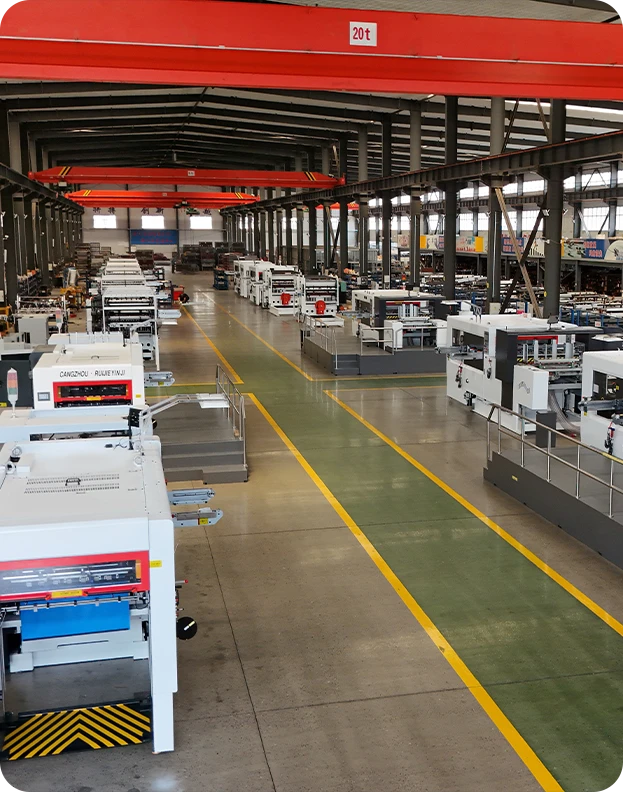
Evolution of Lifting Technology in Asia-Japan

From manual hydraulic systems to intelligent, synchronized automation.

Market Development History

During the 1980s and 1990s, Japanese factories primarily relied on heavy-duty manual hydraulic lifts. These systems provided the necessary power but lacked the precision and speed required for the burgeoning electronics and automotive assembly lines.

By the early 2000s, there was a pivotal shift toward electronic control systems. The introduction of PLC (Programmable Logic Controllers) allowed the loading dock lift to synchronize perfectly with conveyor belts, reducing bottlenecking at the receiving bays.

From 2015 to the present, the focus has pivoted toward "Green Logistics." This era is defined by the adoption of energy-efficient motors and lithium-battery power, ensuring that lifting devices comply with Japan's strict carbon emission targets and energy conservation laws.

Future Development Trends

AI-Driven Predictive Maintenance

The next 3 years will see a shift toward IoT sensors that predict mechanical fatigue before failure, reducing downtime in 24/7 Japanese production lines.

Hyper-Compact Modular Design

As urban warehouses shrink, the trend is moving toward modular, "plug-and-play" lifting platforms that can be installed by a building contractor in record time with zero site modification.

Full Autonomous Integration

Integration with AGVs (Automated Guided Vehicles) will become standard, allowing platforms to communicate and move goods without any human intervention.

Future Trends and Industry Outlook

Strategic forecasting for the continuous handling equipment sector in Japan.

Energy Efficiency Synergy
Implementation of regenerative braking systems in lifts to feed electricity back into the factory grid.
Smart Space Optimization
Using AI to dynamically adjust lifting heights based on real-time inventory volume data.
Zero-Emission Power
Transitioning from hydraulic fluids to pure electric actuators to eliminate leak risks in food-grade plants.
Collaborative Safety
Integrating LiDAR and 360-degree sensors to ensure safe human-machine coexistence.

Industry Outlook

Based on Google search trends for "automated material handling Japan," there is a clear move toward integrating lifting systems with overarching Warehouse Management Systems (WMS). The industry is evolving from selling standalone hardware to providing integrated "lifting-as-a-service" solutions.

We anticipate that within five years, the synergy between high-speed lifting and autonomous robotics will redefine the efficiency benchmarks of the Japanese automotive and pharmaceutical supply chains.

Localized Application Scenarios in Japan

Real-world implementations tailored to Japanese industrial environments.

01. Automotive Parts Assembly in Toyota City

Deploying a high-capacity factory lifting platform to transport heavy engine blocks between assembly floors while maintaining micron-level positioning accuracy.

02. Tokyo Urban Logistics Centers

Installation of compact loading dock lift systems in narrow-alley warehouses, allowing seamless transition between delivery trucks and underground storage levels.

03. Osaka Pharmaceutical Laboratories

Utilizing clean-room certified cargo lifting device units that eliminate hydraulic oil leaks to ensure sterility during the transport of medical reagents.

04. Kyoto Traditional Craft Manufacturing

Implementing small-scale, silent electric scissor lift platforms to assist aging artisans in moving heavy materials without compromising the quiet environment of the studio.

05. Yokohama Port Container Hubs

Collaborating with a leading building contractor to build heavy-duty lifting docks that can withstand corrosive salt-air environments and extreme tonnage.

Brand Story

Global Development Journey of Jiangmen Hongli Machinery Co., Ltd.

Foundational Engineering

Started with a mission to solve the inefficiency of manual lifting, focusing on robust hydraulic designs for local industrial growth.

Technological Leap

Integrated electronic control systems, transforming basic lifts into intelligent material handling solutions for the global market.

Global Expansion

Entered the Asian market, specifically adapting products to meet Japan's rigorous quality and safety standards (JIS).

Innovation Hub

Established a dedicated R&D center focused on "Zero-Failure" lifting mechanisms for the pharmaceutical and electronics sectors.

Sustainability Commitment

Now leading the transition to eco-friendly, electric-driven lifting systems to support the global carbon-neutral goal.

Complete Lifting Portfolio for Japan

A comprehensive range of continuous handling equipment designed for the Japanese market.

Frequently Asked Questions in Japan

Expert answers to common technical and regulatory queries.

How does a loading dock lift comply with Japanese seismic safety standards?

Our systems utilize reinforced steel framing and specialized anti-sway dampers that absorb kinetic energy during seismic events, ensuring the platform remains stable and secure.

Can a cargo lifting device be integrated into an existing multi-story factory?

Yes, we provide customized modular designs that fit into existing shafts. We work closely with your building contractor to ensure structural integrity and minimal disruption to production.

What are the maintenance requirements for an electric scissor lift in high-use environments?

We recommend quarterly inspections of the actuator seals and battery health. Our smart systems provide automated alerts when maintenance is due to prevent unplanned downtime.

Is the factory lifting platform suitable for clean-room environments?

Absolutely. We offer stainless steel finishes and electric-only drives that eliminate hydraulic fluid leaks, meeting the strict contamination standards of Japanese pharma plants.

How long is the typical installation time for industrial lifting systems in Japan?

Depending on the complexity, standard installations take 3-7 business days. Our pre-assembled modular units significantly reduce on-site construction time.

What power certifications do your lifting devices hold for the Japanese grid?

All our equipment is engineered to be compatible with Japan's 50Hz/60Hz dual-frequency power grids and complies with international electrical safety certifications.

Optimize Your Vertical Logistics Today

Contact our engineering team for a customized lifting solution tailored to the specific industrial requirements of Japan.

Contact Us Now

If you are interested in our products, you can choose to leave your information here, and we will be in touch with you shortly.