News

Industrial Material Handling with Advanced cargo lifting device Solutions

April 25, 2026

Industrial Material Handling with Advanced cargo lifting device Solutions

Optimizing vertical logistics and warehouse efficiency across the United States with OSHA-compliant lifting technology.

Industrial Material Handling with Advanced cargo lifting device Solutions

Engineered for the rigorous demands of the US manufacturing sector, our lifting systems ensure seamless transit from receiving docks to production lines.

{Product List Placeholder 1}

The State of Material Handling in North America - United States

Adapting to high-throughput demands and strict safety regulations in the American industrial landscape.

The US manufacturing landscape is currently experiencing a resurgence in "reshoring," leading to a massive demand for modernized factory lifting platform systems. With the rise of mega-warehouses in logistics hubs like Ohio and Texas, the pressure on loading efficiency has never been higher.

Climate variability across the US, from the humid South to the freezing Midwest, requires equipment that can withstand extreme thermal expansion and contraction. This has pushed the industry toward heavy-duty steel constructions and specialized coatings for every loading dock lift installed in outdoor environments.

Furthermore, the severe labor shortage in the US has forced companies to transition from manual handling to automated systems. The integration of precision hydraulics and electric controls has become a necessity rather than a luxury to maintain competitiveness in the global supply chain.
Evolution of Continuous Conveyance and Lifting

From mechanical pulleys to intelligent electric actuation.

Market Development History

In the early 20th century, US factories relied on primitive chain hoists and manual ramps. By the 1960s, the standardization of shipping containers necessitated the first generation of hydraulic dock levelers, creating a baseline for the modern loading dock lift.

The 1990s marked a transition toward safety-centric designs. The introduction of strict OSHA guidelines led to the development of enclosed scissor mechanisms and fail-safe braking systems, reducing workplace accidents significantly across North American plants.

From 2010 to the present, the industry has shifted toward "Electric Intelligence." The adoption of the electric scissor lift replaced noisy, polluting diesel alternatives, aligning with the US push for green energy and indoor air quality.

Future Development Trends

IoT Integrated Monitoring

Predictive maintenance using sensors will allow US facility managers to anticipate hydraulic failure before it occurs, reducing unplanned downtime.

Autonomous Vertical Transit

Integration with AGVs (Automated Guided Vehicles) will allow lifting platforms to communicate and coordinate without human intervention.

Ultra-Low Carbon Materials

A shift toward recycled high-strength alloys to meet the growing ESG (Environmental, Social, and Governance) requirements of Fortune 500 companies.

Future Outlook of Material Lifting Technology

Strategic trajectories for the next 3-5 years in the US market.

Smart Synchronization
Real-time synchronization between lifts and warehouse management systems (WMS) to optimize flow.
Energy Regeneration
Implementing regenerative braking in lifts to feed power back into the factory grid.
Modular Design
Fast-deployable modular lifting units to allow rapid scaling of US production lines.
AI Safety Vision
Computer vision systems that stop the lift automatically when obstacles are detected.

Industry Outlook

Based on Google search trends in the US, there is a sharp increase in queries for "sustainable warehouse automation." This indicates that the next generation of lifting equipment must balance high load capacity with a minimal carbon footprint.

We expect the convergence of robotic arms and lifting platforms to create fully autonomous vertical logistics, reducing the reliance on manual forklift operators in high-density US distribution centers.

Local Application Scenarios in the United States

Real-world implementations tailored to American industrial standards.

01. E-commerce Fulfillment Centers (East Coast Hubs)

Utilizing high-speed electric scissor lift systems to move sorted parcels between mezzanine levels and shipping bays in New Jersey and Pennsylvania.

02. Automotive Assembly Plants (Midwest Region)

Implementing heavy-duty factory lifting platform units to move engine blocks and chassis components across different production stages in Michigan.

03. Cold Storage Warehouses (Northern States)

Specialized frost-resistant loading dock lift installations that operate flawlessly in sub-zero temperatures for food distribution in Minnesota.

04. Commercial Construction Sites

Providing essential vertical transport for a building contractor to move heavy materials to upper floors during the structural phase of urban developments.

05. Pharmaceutical Manufacturing (Biotech Corridor)

Clean-room compatible lifting devices that ensure sterile transport of sensitive medical equipment and raw materials in Massachusetts hubs.

Brand Story

Global Development Journey of Jiangmen Hongli Machinery Co., Ltd.

Foundational Engineering

Started with a mission to solve the inefficiency of manual vertical transport in small-scale factories, focusing on hydraulic stability.

Technical Diversification

Expanded into continuous conveyance systems, integrating electric controls to meet the growing demand for faster cycle times.

Global Quality Certification

Achieved international safety standards, allowing our lifting solutions to enter the strict regulatory markets of North America.

US Market Integration

Established a dedicated support network for US clients, ensuring that every installation meets local building codes and OSHA safety norms.

Vision for the Future

Committed to leading the transition toward "Smart Lifting," combining AI-driven safety with eco-friendly power systems.

Complete Lifting Portfolio for the US Market

A comprehensive range of equipment designed for durability and compliance.

{Product List Placeholder 2}

Common Inquiries for US Industrial Lifting

Expert answers to the most frequent technical and regulatory questions.

How do I ensure my loading dock lift is OSHA compliant?

Ensure your equipment features emergency stop buttons, safety toe guards, and a certified load-bearing capacity that is clearly labeled and regularly inspected by a licensed professional.

What is the best cargo lifting device for cold storage environments?

For cold storage, we recommend units with low-temperature hydraulic oil and galvanized steel frames to prevent corrosion and fluid viscosity issues in freezing temperatures.

Can a factory lifting platform be integrated with existing conveyor lines?

Yes, our platforms are designed with programmable logic controllers (PLCs) that allow seamless synchronization with conveyor start/stop signals for a continuous flow.

What maintenance cycle is recommended for an electric scissor lift in a 24/7 plant?

For high-intensity 24/7 operations, we recommend a comprehensive safety check every 3 months, focusing on hydraulic seals, battery health, and structural bolt tension.

What documentation does a building contractor need for lift installation?

Contractors typically require the structural load calculations, the manufacturer's safety certification, and an installation guide that aligns with local building codes.

How do I choose the right load capacity for my lifting device?

Calculate your maximum peak load and add a 20% safety margin. Consider both the weight of the cargo and the pallet/container used to ensure long-term durability.

Ready to Optimize Your Vertical Logistics?

Our expert engineers are available to provide customized lifting solutions across the United States.

Contact Us Now
Need Our Services And Quotes
lf you need our help,Our staff will be happy to help and answer your questions!
  • name*
  • email*
  • phone*
  • message*
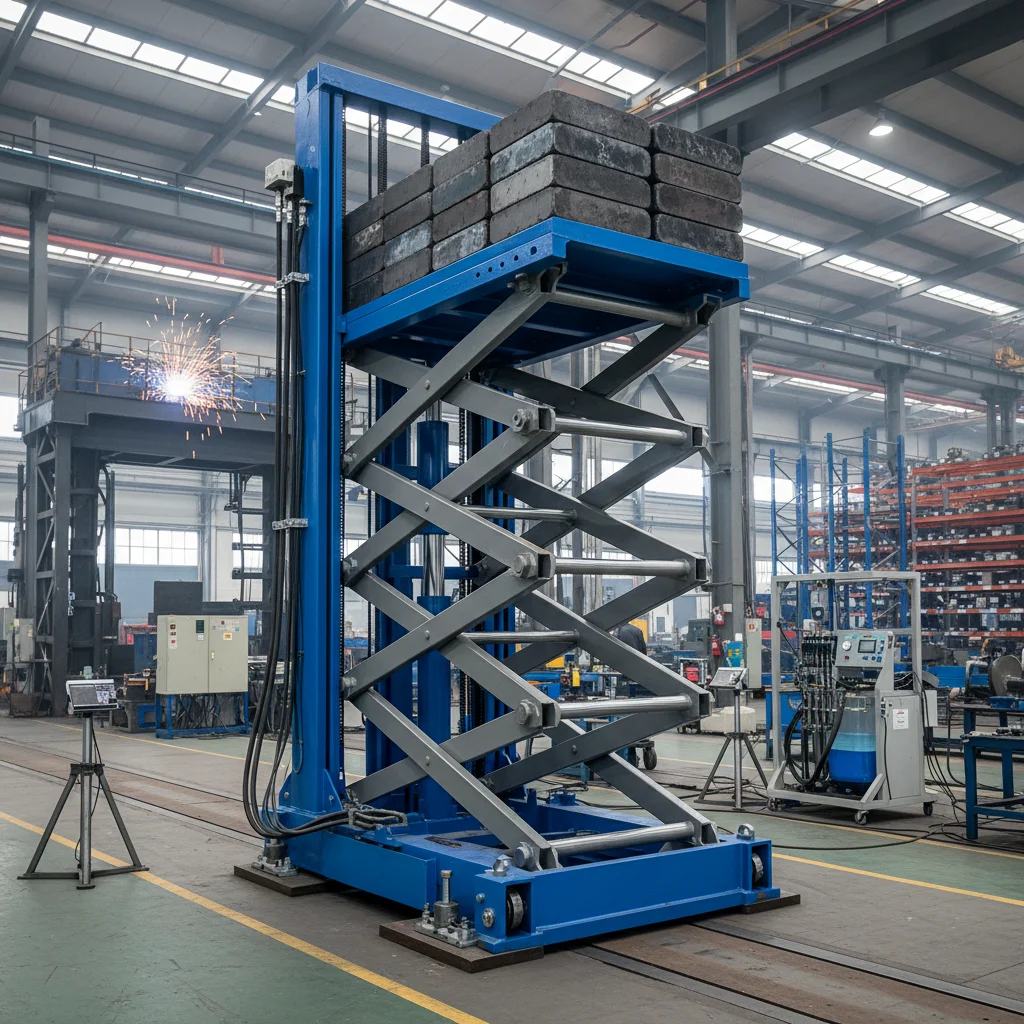
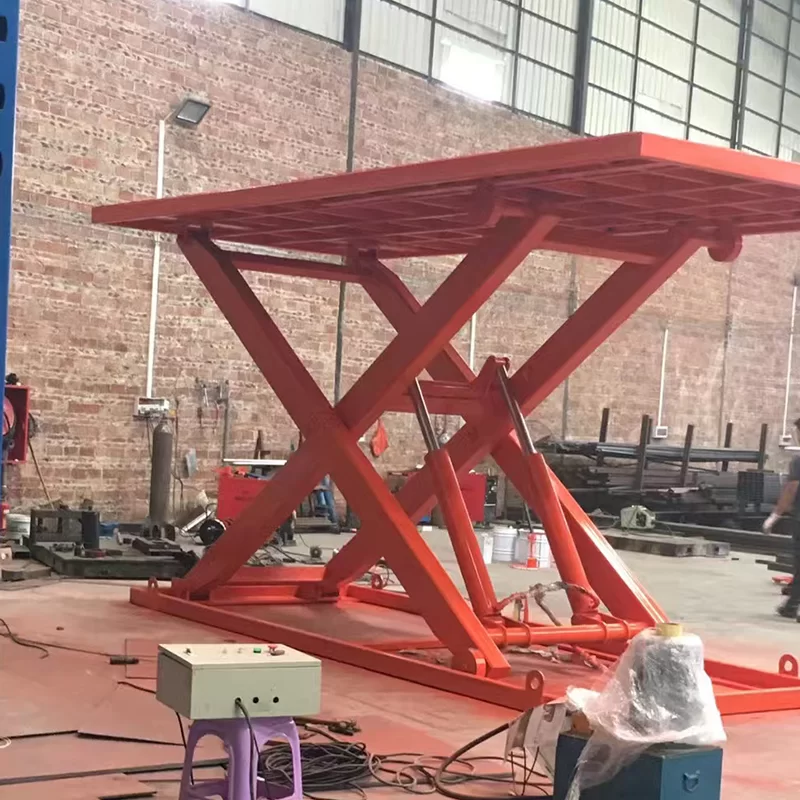
Hydraulic Scissor Lift

Hydraulic Scissor Lift

Heavy-Duty Hydraulic Lift Table

Heavy-Duty Hydraulic Lift Table

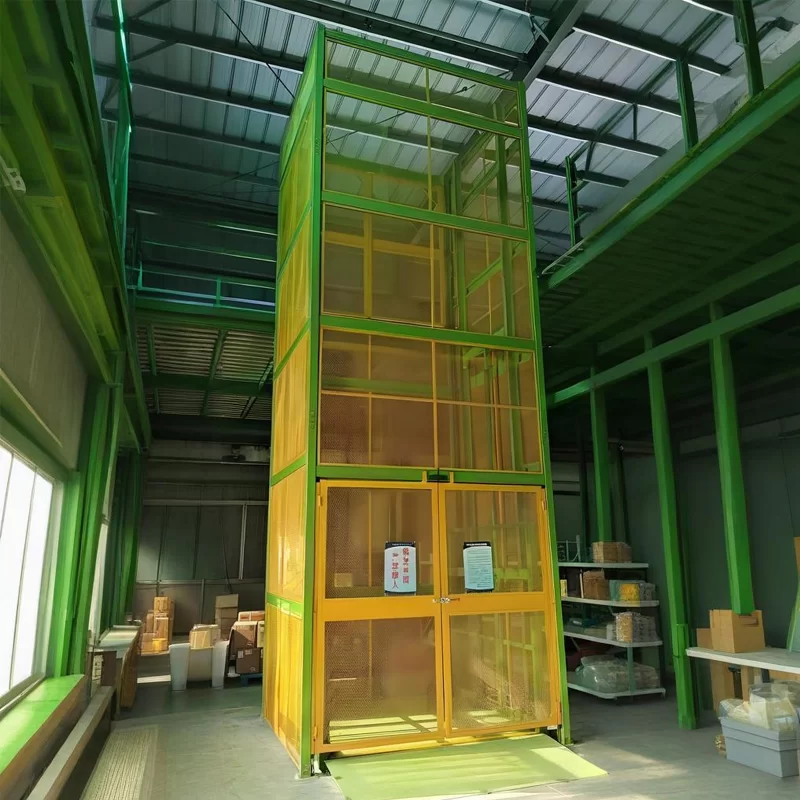
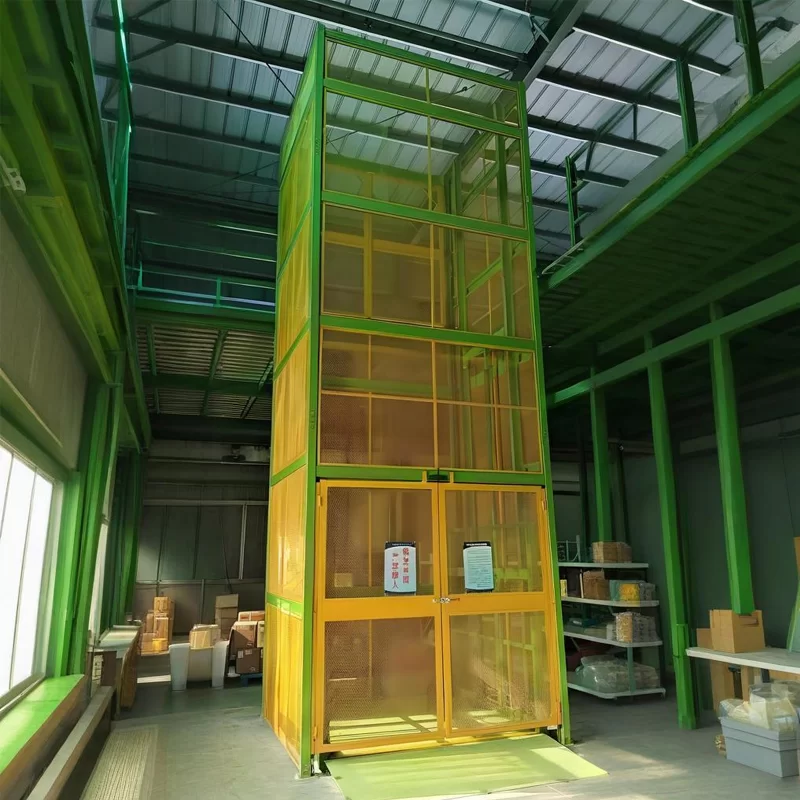
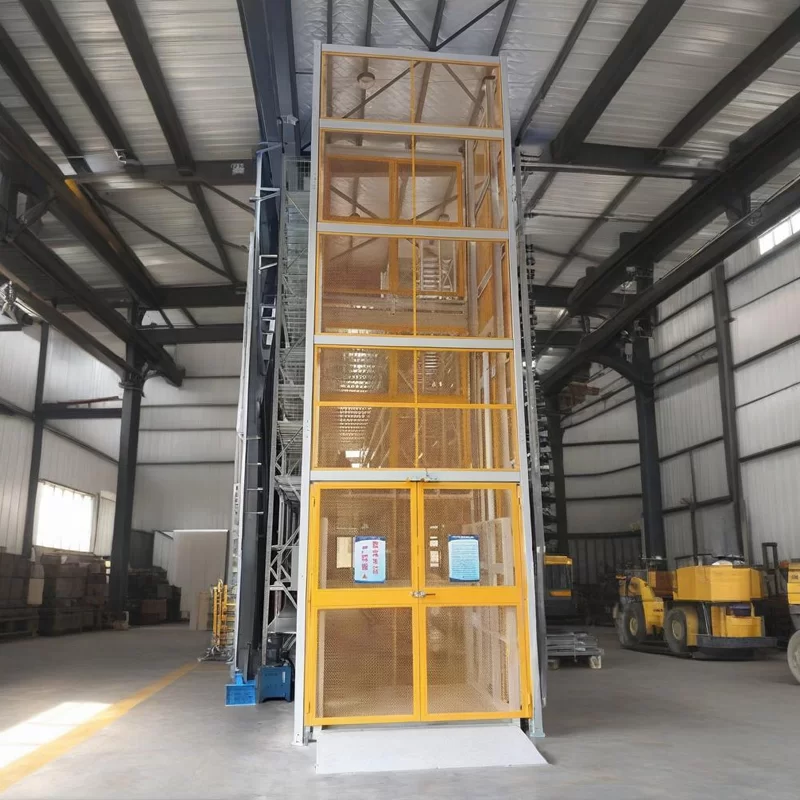
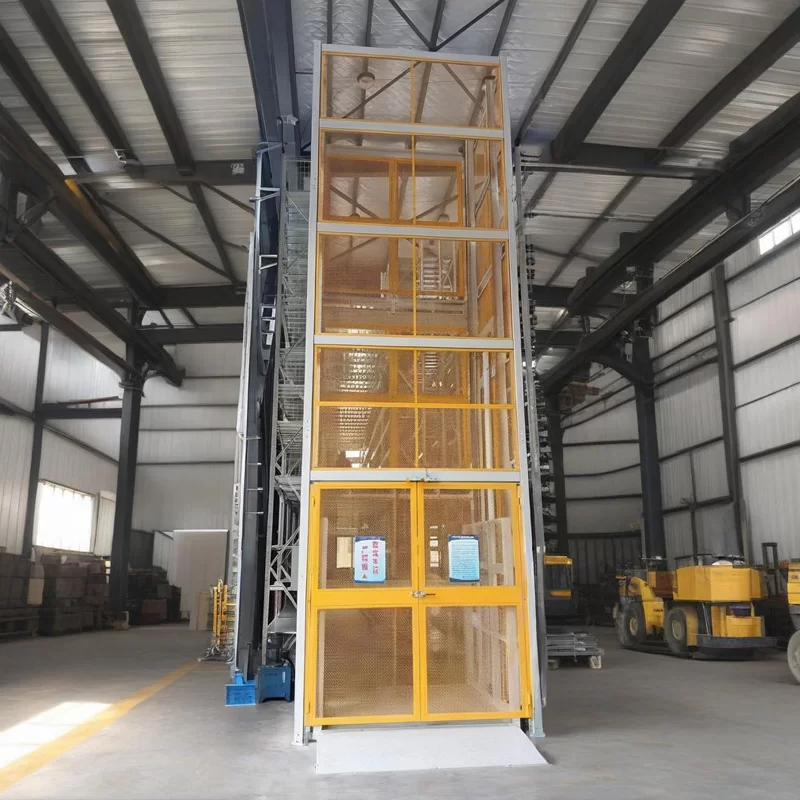
Efficient Industrial Vertical Cargo Lift for Modern Logistics

Efficient Industrial Vertical Cargo Lift for Modern Logistics

In the fast-paced world of modern logistics and manufacturing, the efficient movement of goods between different floor levels is a critical bottleneck. A vertical cargo lift provides a streamlined solution to this challenge, bridging the gap between storage and production zones without the excessive cost or space requirements of a full passenger elevator. By automating the vertical transport of heavy materials, businesses can significantly reduce manual handling risks and accelerate their internal supply chain. Globally, the demand for vertical lifting solutions has surged as urban industrial spaces become more compact and multi-story warehouses become the norm.
April 27, 2026
Industrial Heavy Duty Lift Machine for Efficient Material Handling

Industrial Heavy Duty Lift Machine for Efficient Material Handling

In the demanding world of modern logistics and industrial manufacturing, the efficiency of material handling can make or break a companys operational throughput. A heavy-duty lift machine serves as the backbone of this process, providing the necessary power and stability to move oversized cargo, heavy machinery, and bulk materials across varying elevations. By bridging the gap between different loading levels, these systems eliminate manual strain and drastically reduce the risk of workplace accidents. Globally, the shift toward automated warehousing and high-density storage has amplified the need for robust lifting solutions.
May 13, 2026
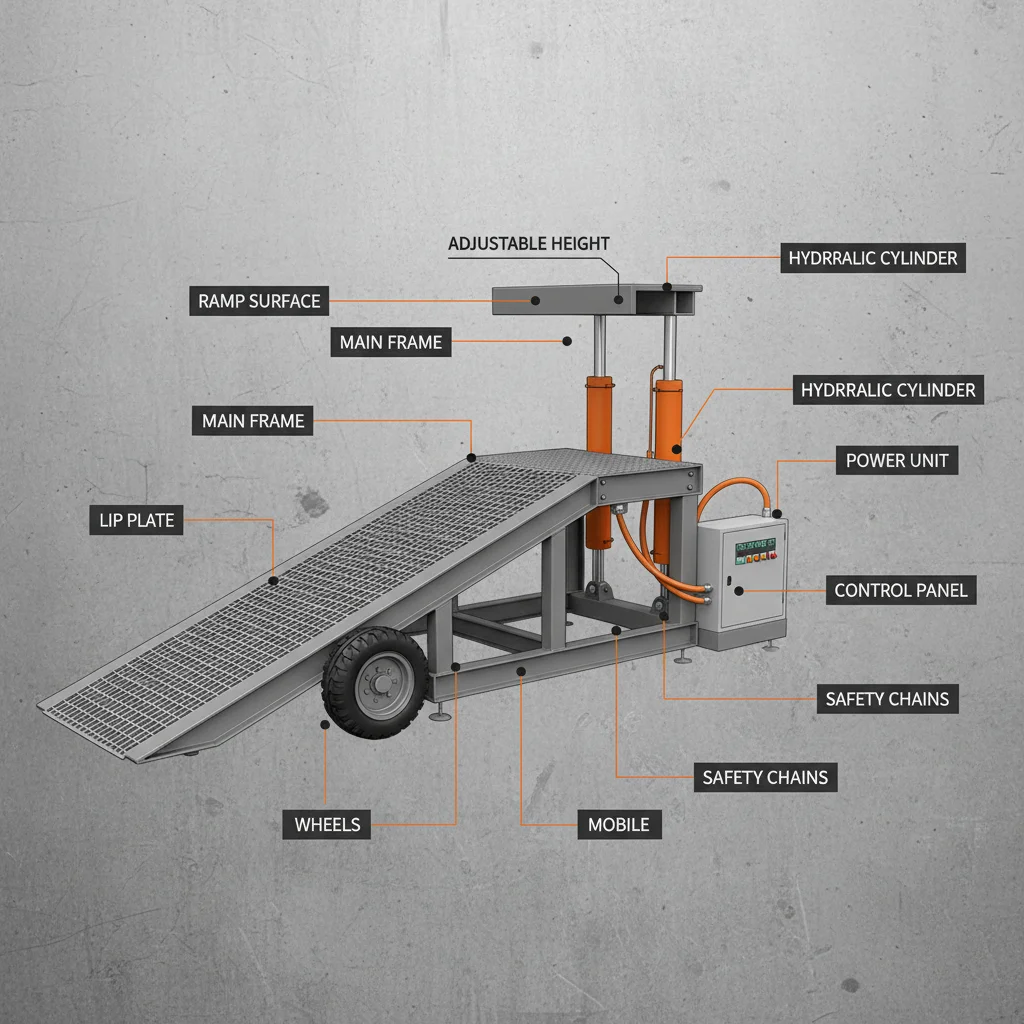
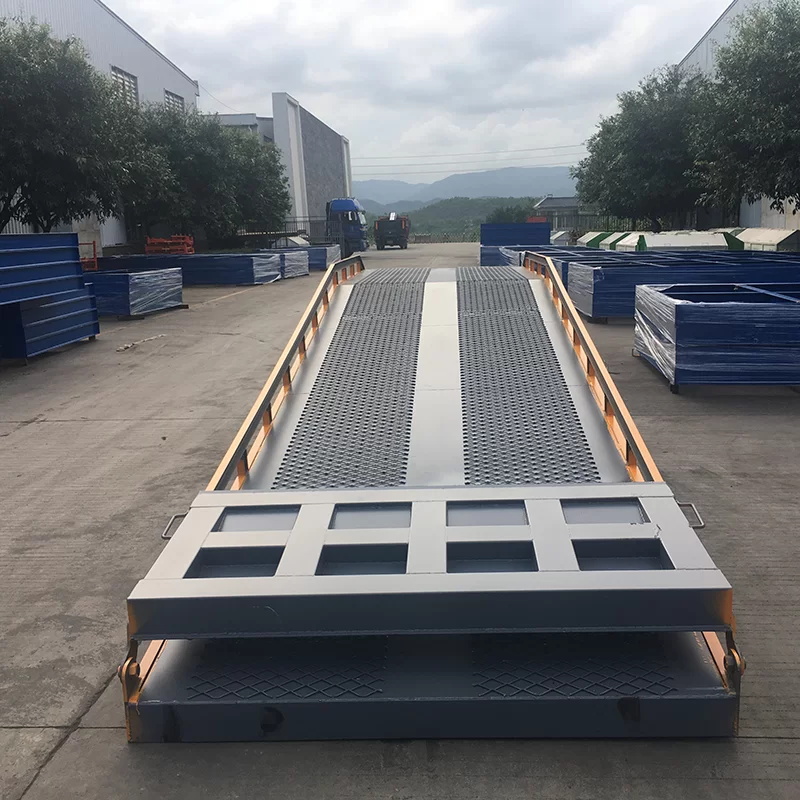
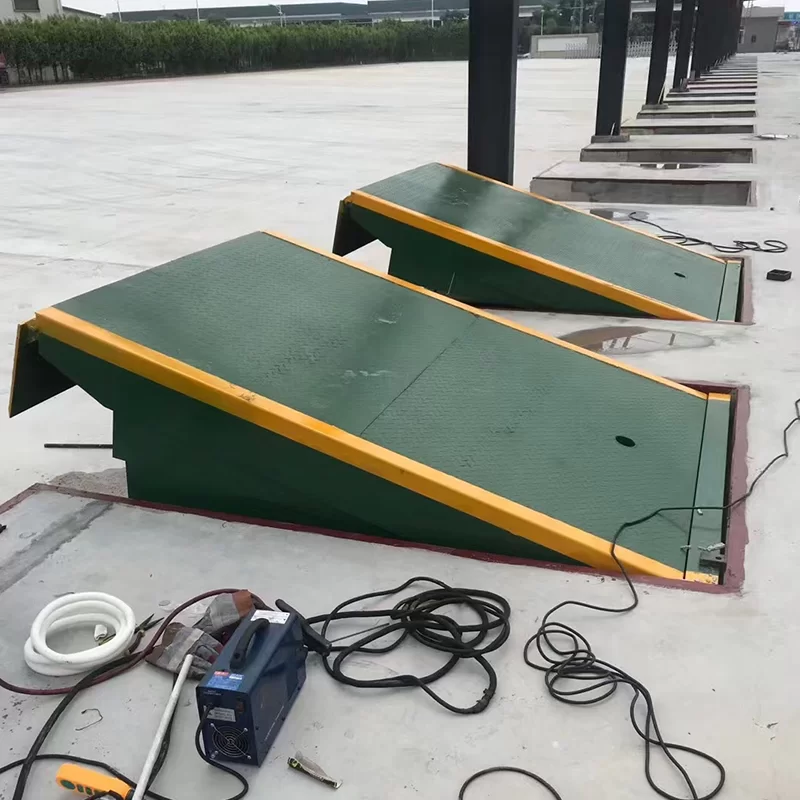
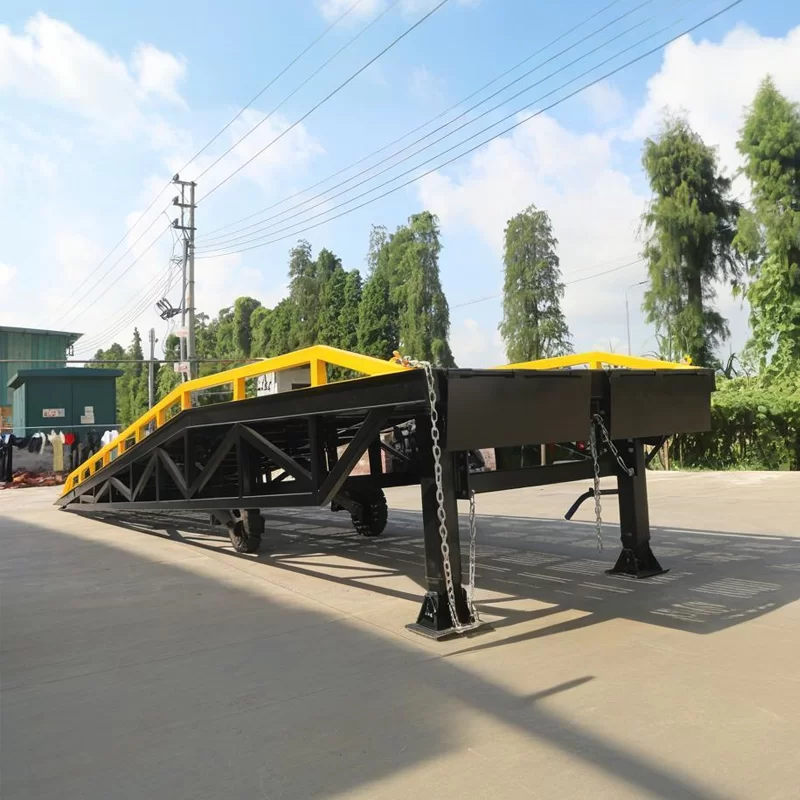
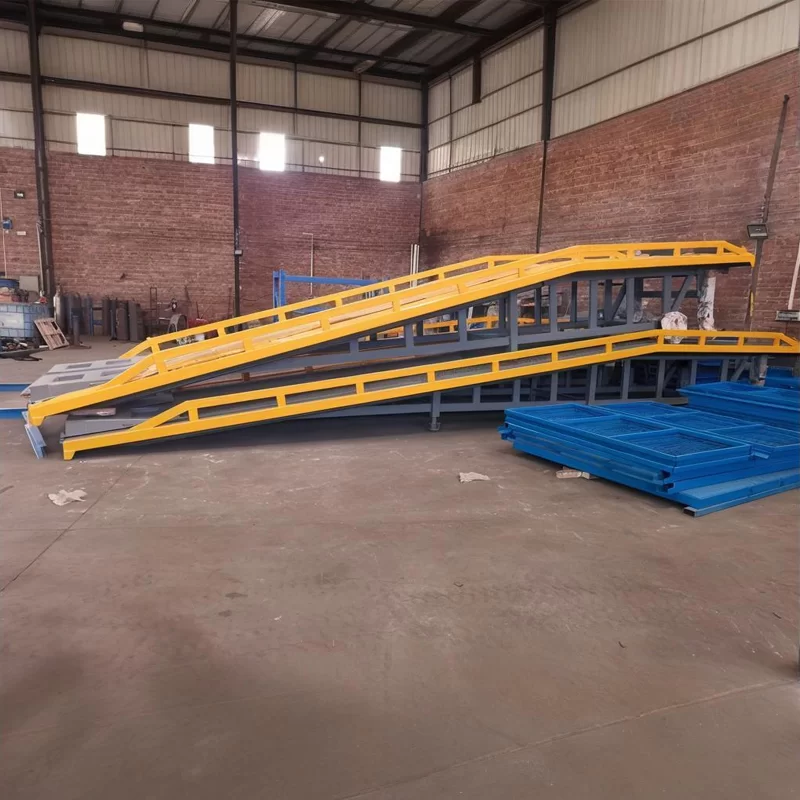
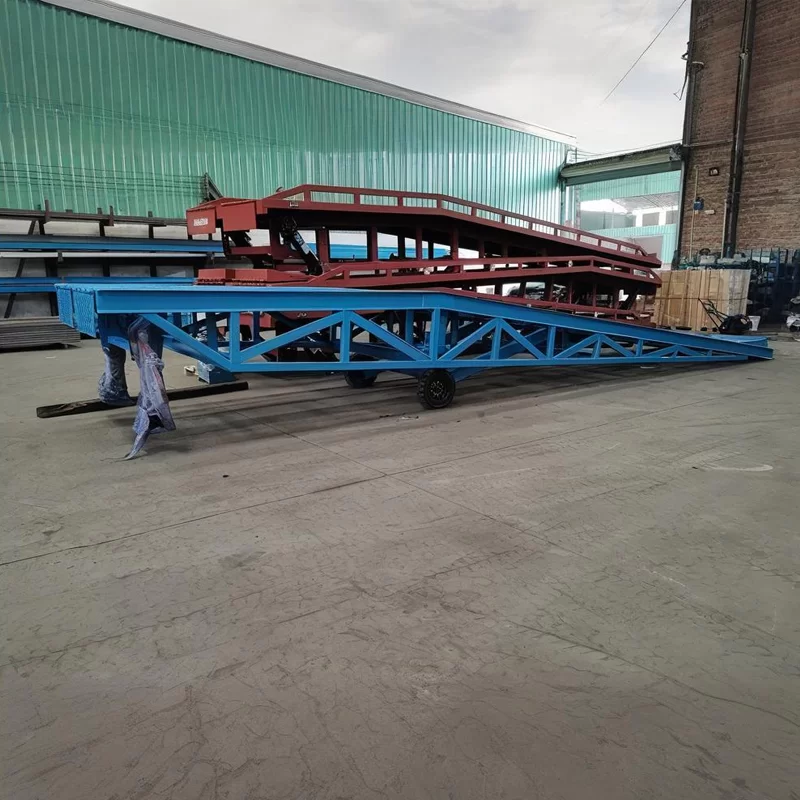
Efficient Loading with Hydraulic mobile dock ramp Solutions

Efficient Loading with Hydraulic mobile dock ramp Solutions

In the fast-paced world of logistics and warehousing, the efficiency of loading and unloading operations can make or break a supply chain's profitability. A Hydraulic mobile dock ramp serves as a critical bridge between the warehouse floor and the transport vehicle, eliminating the need for expensive permanent loading docks. By providing a flexible, heavy-duty transition point, these ramps allow businesses to scale their operations without investing in massive structural renovations.
April 24, 2026

Industrial Material Handling with Advanced cargo lifting device Solutions

Optimizing vertical logistics and warehouse efficiency across the United States with OSHA-compliant lifting technology.

Industrial Material Handling with Advanced cargo lifting device Solutions

Engineered for the rigorous demands of the US manufacturing sector, our lifting systems ensure seamless transit from receiving docks to production lines.

The State of Material Handling in North America - United States

Adapting to high-throughput demands and strict safety regulations in the American industrial landscape.

The US manufacturing landscape is currently experiencing a resurgence in "reshoring," leading to a massive demand for modernized factory lifting platform systems. With the rise of mega-warehouses in logistics hubs like Ohio and Texas, the pressure on loading efficiency has never been higher.

Climate variability across the US, from the humid South to the freezing Midwest, requires equipment that can withstand extreme thermal expansion and contraction. This has pushed the industry toward heavy-duty steel constructions and specialized coatings for every loading dock lift installed in outdoor environments.

Furthermore, the severe labor shortage in the US has forced companies to transition from manual handling to automated systems. The integration of precision hydraulics and electric controls has become a necessity rather than a luxury to maintain competitiveness in the global supply chain.
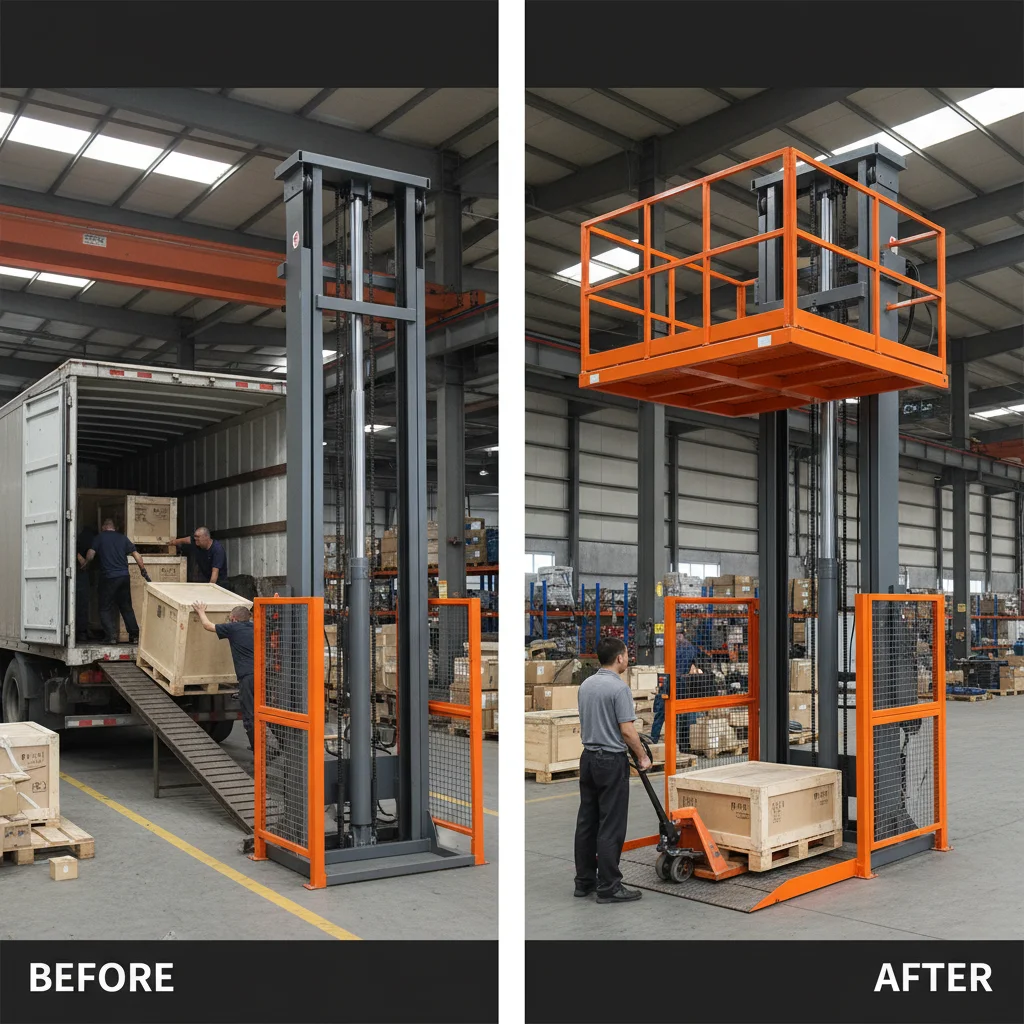
Evolution of Continuous Conveyance and Lifting

From mechanical pulleys to intelligent electric actuation.

Market Development History

In the early 20th century, US factories relied on primitive chain hoists and manual ramps. By the 1960s, the standardization of shipping containers necessitated the first generation of hydraulic dock levelers, creating a baseline for the modern loading dock lift.

The 1990s marked a transition toward safety-centric designs. The introduction of strict OSHA guidelines led to the development of enclosed scissor mechanisms and fail-safe braking systems, reducing workplace accidents significantly across North American plants.

From 2010 to the present, the industry has shifted toward "Electric Intelligence." The adoption of the electric scissor lift replaced noisy, polluting diesel alternatives, aligning with the US push for green energy and indoor air quality.

Future Development Trends

IoT Integrated Monitoring

Predictive maintenance using sensors will allow US facility managers to anticipate hydraulic failure before it occurs, reducing unplanned downtime.

Autonomous Vertical Transit

Integration with AGVs (Automated Guided Vehicles) will allow lifting platforms to communicate and coordinate without human intervention.

Ultra-Low Carbon Materials

A shift toward recycled high-strength alloys to meet the growing ESG (Environmental, Social, and Governance) requirements of Fortune 500 companies.

Future Outlook of Material Lifting Technology

Strategic trajectories for the next 3-5 years in the US market.

Smart Synchronization
Real-time synchronization between lifts and warehouse management systems (WMS) to optimize flow.
Energy Regeneration
Implementing regenerative braking in lifts to feed power back into the factory grid.
Modular Design
Fast-deployable modular lifting units to allow rapid scaling of US production lines.
AI Safety Vision
Computer vision systems that stop the lift automatically when obstacles are detected.

Industry Outlook

Based on Google search trends in the US, there is a sharp increase in queries for "sustainable warehouse automation." This indicates that the next generation of lifting equipment must balance high load capacity with a minimal carbon footprint.

We expect the convergence of robotic arms and lifting platforms to create fully autonomous vertical logistics, reducing the reliance on manual forklift operators in high-density US distribution centers.

Local Application Scenarios in the United States

Real-world implementations tailored to American industrial standards.

01. E-commerce Fulfillment Centers (East Coast Hubs)

Utilizing high-speed electric scissor lift systems to move sorted parcels between mezzanine levels and shipping bays in New Jersey and Pennsylvania.

02. Automotive Assembly Plants (Midwest Region)

Implementing heavy-duty factory lifting platform units to move engine blocks and chassis components across different production stages in Michigan.

03. Cold Storage Warehouses (Northern States)

Specialized frost-resistant loading dock lift installations that operate flawlessly in sub-zero temperatures for food distribution in Minnesota.

04. Commercial Construction Sites

Providing essential vertical transport for a building contractor to move heavy materials to upper floors during the structural phase of urban developments.

05. Pharmaceutical Manufacturing (Biotech Corridor)

Clean-room compatible lifting devices that ensure sterile transport of sensitive medical equipment and raw materials in Massachusetts hubs.

Brand Story

Global Development Journey of Jiangmen Hongli Machinery Co., Ltd.

Foundational Engineering

Started with a mission to solve the inefficiency of manual vertical transport in small-scale factories, focusing on hydraulic stability.

Technical Diversification

Expanded into continuous conveyance systems, integrating electric controls to meet the growing demand for faster cycle times.

Global Quality Certification

Achieved international safety standards, allowing our lifting solutions to enter the strict regulatory markets of North America.

US Market Integration

Established a dedicated support network for US clients, ensuring that every installation meets local building codes and OSHA safety norms.

Vision for the Future

Committed to leading the transition toward "Smart Lifting," combining AI-driven safety with eco-friendly power systems.

Common Inquiries for US Industrial Lifting

Expert answers to the most frequent technical and regulatory questions.

How do I ensure my loading dock lift is OSHA compliant?

Ensure your equipment features emergency stop buttons, safety toe guards, and a certified load-bearing capacity that is clearly labeled and regularly inspected by a licensed professional.

What is the best cargo lifting device for cold storage environments?

For cold storage, we recommend units with low-temperature hydraulic oil and galvanized steel frames to prevent corrosion and fluid viscosity issues in freezing temperatures.

Can a factory lifting platform be integrated with existing conveyor lines?

Yes, our platforms are designed with programmable logic controllers (PLCs) that allow seamless synchronization with conveyor start/stop signals for a continuous flow.

What maintenance cycle is recommended for an electric scissor lift in a 24/7 plant?

For high-intensity 24/7 operations, we recommend a comprehensive safety check every 3 months, focusing on hydraulic seals, battery health, and structural bolt tension.

What documentation does a building contractor need for lift installation?

Contractors typically require the structural load calculations, the manufacturer's safety certification, and an installation guide that aligns with local building codes.

How do I choose the right load capacity for my lifting device?

Calculate your maximum peak load and add a 20% safety margin. Consider both the weight of the cargo and the pallet/container used to ensure long-term durability.

Ready to Optimize Your Vertical Logistics?

Our expert engineers are available to provide customized lifting solutions across the United States.

Contact Us Now

If you are interested in our products, you can choose to leave your information here, and we will be in touch with you shortly.