News

Advanced Cargo Lifting Device Solutions for New Zealand Industrial Logistics

April 25, 2026

Advanced Cargo Lifting Device Solutions for New Zealand Industrial Logistics

Optimizing material flow across Oceania with high-performance vertical lifting systems engineered for durability and safety.

Advanced Cargo Lifting Device Solutions for New Zealand Industrial Logistics

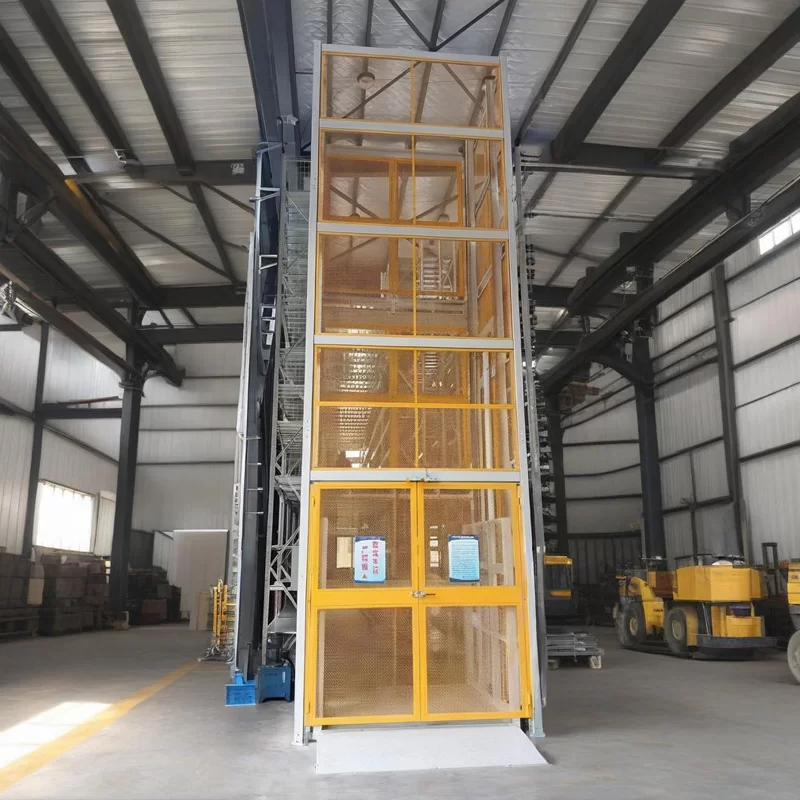
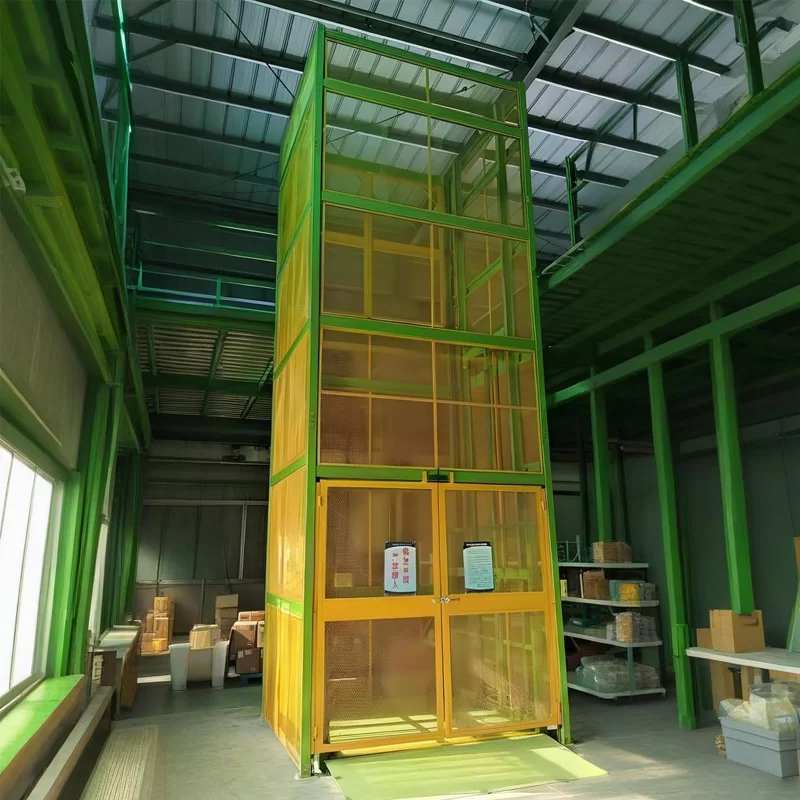
We provide specialized cargo lifting device systems designed to meet the rigorous safety standards of the New Zealand manufacturing and construction sectors.

{Product List Placeholder 1}

Material Handling Landscape in New Zealand

Analyzing the operational challenges of continuous conveying equipment in the Oceania region.

In New Zealand, the industrial sector is characterized by a high demand for efficiency despite a geographically dispersed workforce. The reliance on a robust loading dock lift is critical for the dairy and forestry industries, where bulk material movement must be seamless to avoid bottlenecks in the supply chain.

Climate conditions in Oceania, particularly the coastal humidity of Auckland and Wellington, necessitate lifting equipment with superior anti-corrosion coatings. This environmental factor pushes local firms to seek specialized hardware that can withstand saline air while maintaining precision mechanical movement.

Furthermore, the strict health and safety regulations mandated by WorkSafe New Zealand have led to a surge in demand for certified electric scissor lift platforms, replacing older, manual systems to minimize workplace injuries and improve operational uptime.
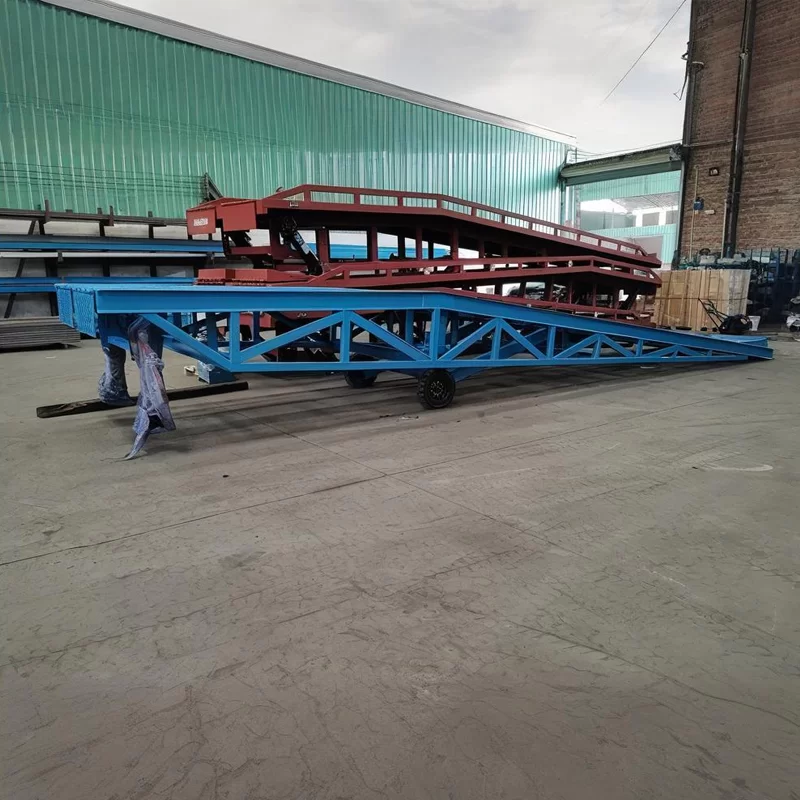
Evolution of Lifting Technology in Oceania

From mechanical pulleys to smart automated lifting platforms.

Market Development History

During the 1990s, the New Zealand market relied heavily on basic hydraulic jacks and manual conveyors. The transition began in the early 2000s when integrated factory lifting platform systems were introduced to support the growth of large-scale warehousing in the Waikato region.

Between 2010 and 2020, the industry shifted toward electronic control systems. This era saw the integration of PLC (Programmable Logic Controllers), allowing for precise height adjustments and synchronized movement in multi-level manufacturing facilities.

Today, the market is dominated by energy-efficient, low-noise electric systems. The partnership between the building contractor and equipment manufacturers has become more collaborative, ensuring that lifting shafts are integrated into the architectural blueprint from day one.

Future Development Trends

IoT Integrated Monitoring

Predictive maintenance using IoT sensors will allow New Zealand operators to detect hydraulic leaks or motor wear before a failure occurs, reducing downtime in critical production lines.

Carbon-Neutral Power Sources

Aligning with New Zealand's "Zero Carbon" goals, we expect a transition toward lithium-iron-phosphate batteries and regenerative braking systems in all heavy-duty lifting devices.

AI-Driven Load Balancing

Future systems will incorporate AI to automatically distribute weight across the platform, optimizing energy consumption and extending the lifespan of the mechanical components.

Industry Trends and Future Outlook

Strategic directions for continuous conveyor and lifting equipment.

Autonomous Logistics
Integration of AGVs with lifting platforms to create fully autonomous vertical material flow.
Modular Scalability
Standardized modular components allowing rapid expansion of lifting capacities.
Safety Compliance 2.0
Implementation of laser-curtain sensors to prevent accidents during cargo transit.
Energy Recovery
Capturing energy during the descent phase to power ancillary factory systems.

Industry Outlook

The trajectory of the material handling industry in New Zealand is moving toward a "Smart-Lift" ecosystem. Based on search trend data, there is a significant increase in queries regarding "integrated warehouse automation" and "safe vertical transport," indicating that businesses are prioritizing systemic efficiency over standalone equipment.

We anticipate that the convergence of green energy and automation will redefine the role of the building contractor, who will now need to integrate complex power grids and data cabling directly into the lifting infrastructure to support future-proof operations.

Local Application Scenarios in New Zealand

Real-world deployments across various NZ industrial sectors.

01. Dairy Processing Plant Logistics

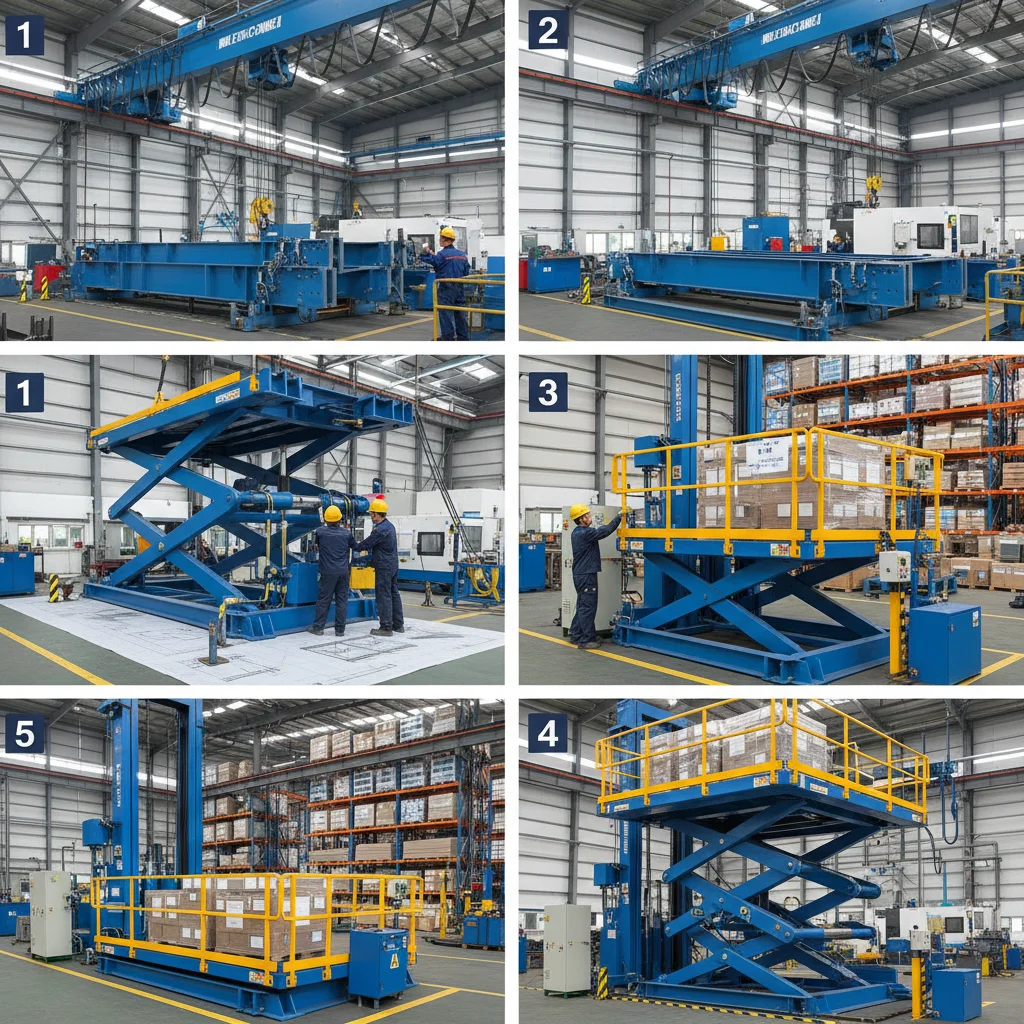
Installation of high-capacity factory lifting platform units to move heavy stainless steel vats between processing floors in the Waikato region, ensuring hygiene and stability.

02. Auckland Port Distribution Centers

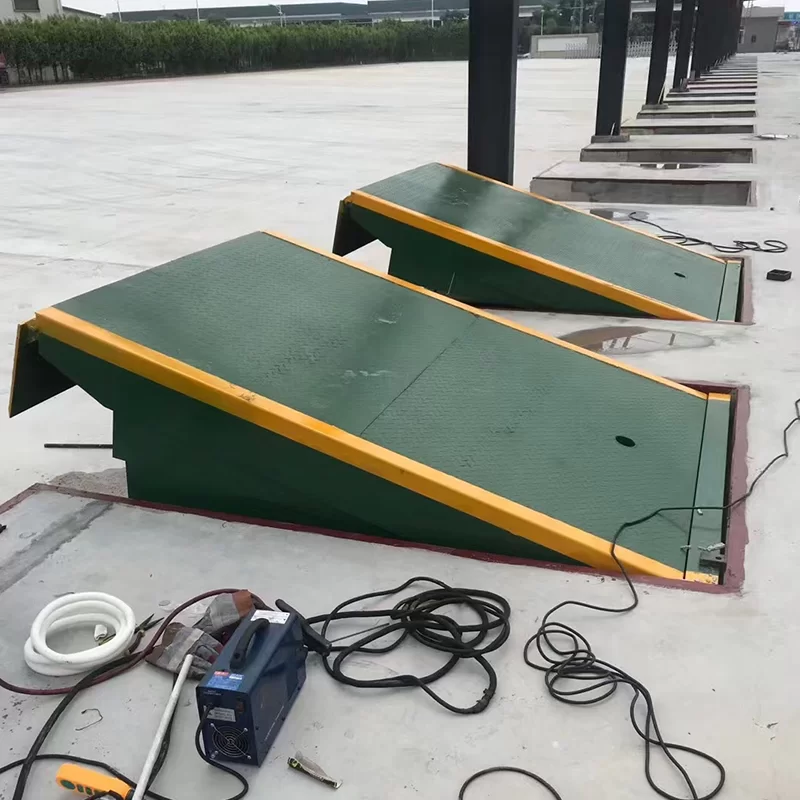
Implementation of heavy-duty loading dock lift systems to bridge the gap between varying truck heights and warehouse floors, accelerating container throughput.

03. Christchurch Construction Sites

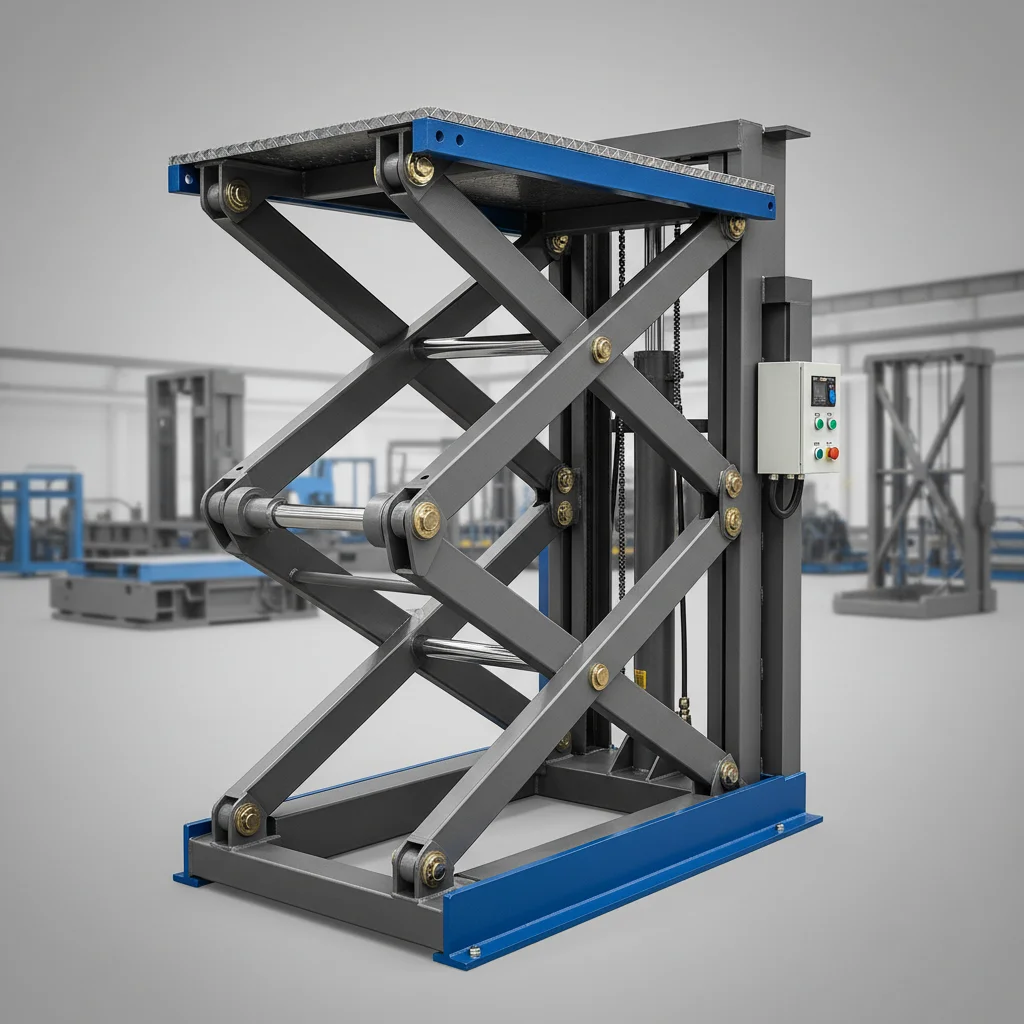
Deployment of mobile electric scissor lift units for building contractors to perform high-ceiling electrical and HVAC installations with maximum stability.

04. South Island Forestry Mills

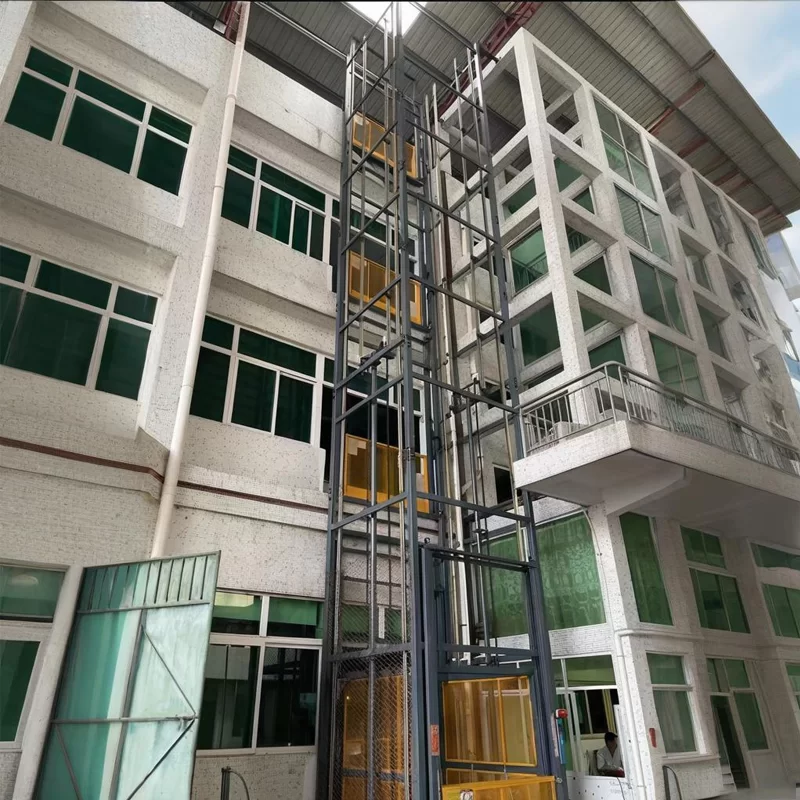
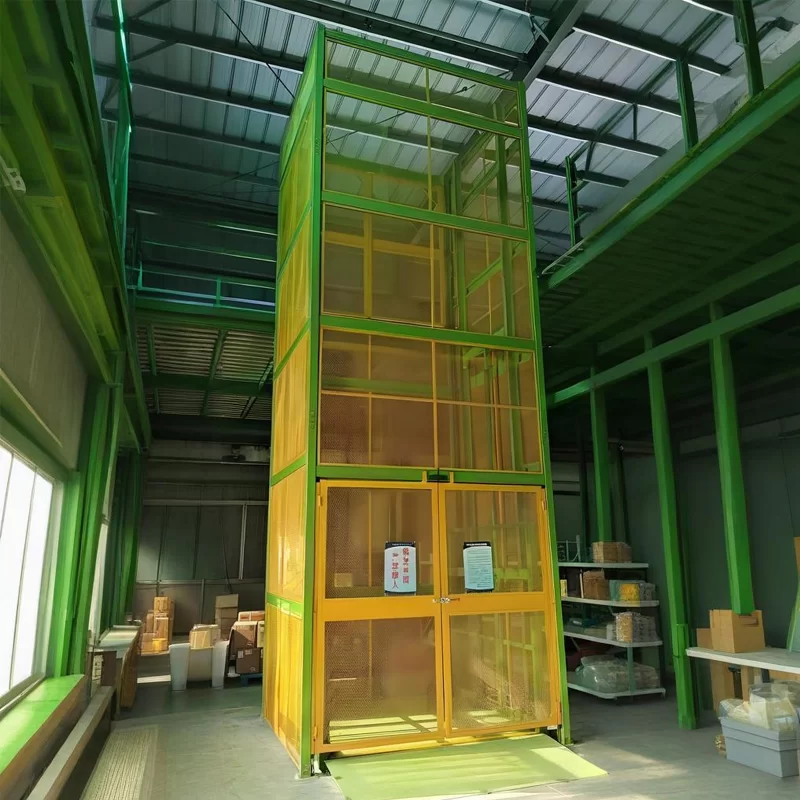
Custom cargo lifting device systems designed to transport raw timber logs from sorting areas to secondary processing levels in rugged environments.

05. Urban Boutique Warehouses

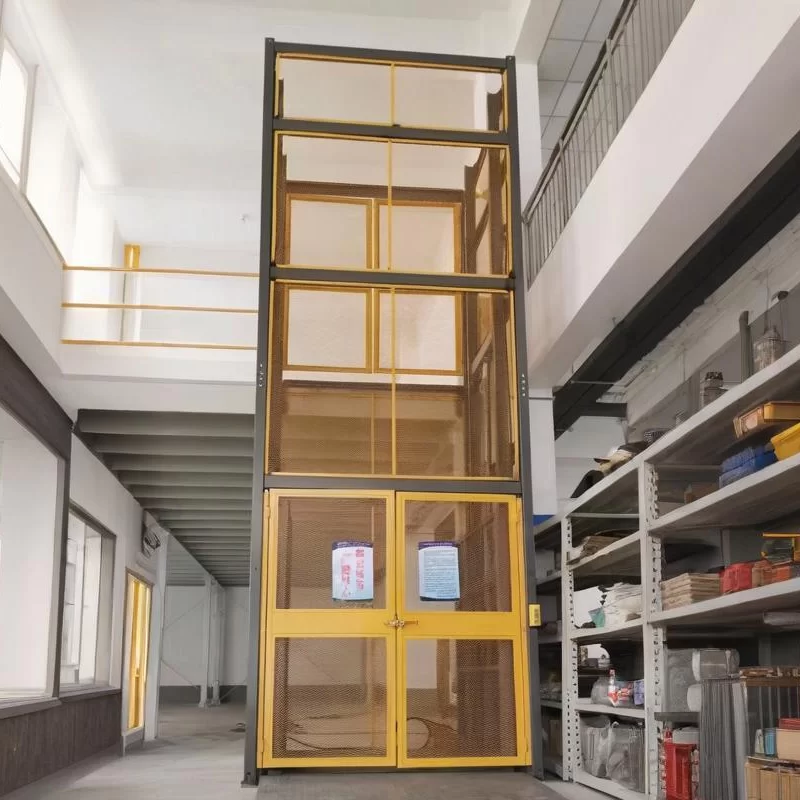
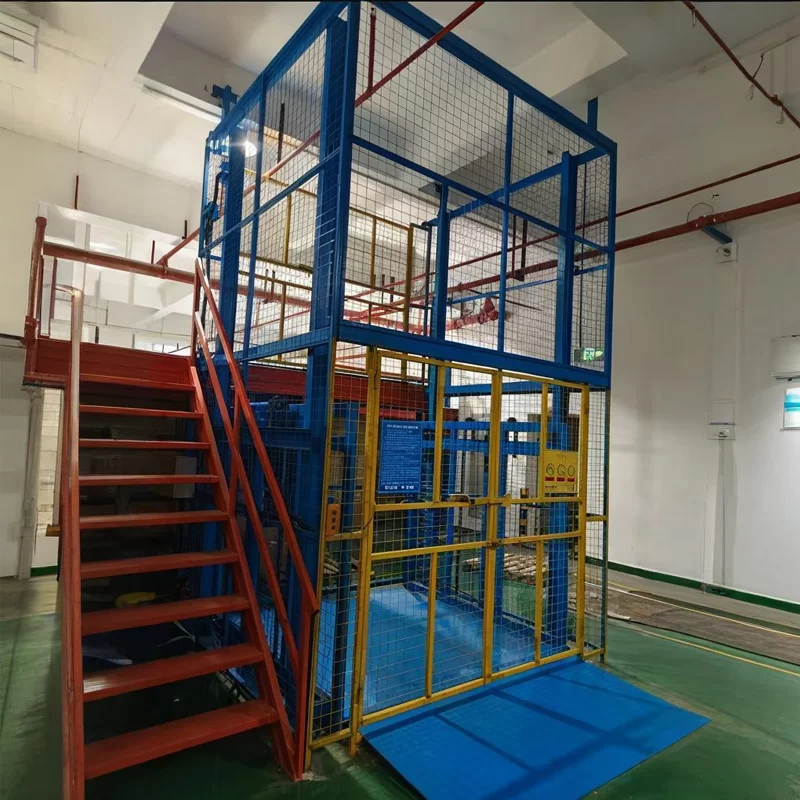
Compact vertical lifts integrated into multi-story urban warehouses in Wellington, maximizing floor space while maintaining efficient inventory movement.

Brand Story

Global Development Journey of Jiangmen Hongli Machinery Co., Ltd.

Foundational Engineering

Started with a mission to solve the basic instability of industrial lifts, focusing on high-precision hydraulic systems for local factories.

Technological Breakthrough

Introduced advanced PLC controls and synchronized lifting technology, reducing operational errors by 40% for our clients.

Global Standardization

Achieved international safety certifications, allowing our equipment to enter the strict markets of Oceania and Europe.

Customer-Centric Innovation

Established a global feedback loop, tailoring lifting solutions to the specific climatic and regulatory needs of each region.

Sustainable Future

Investing in green materials and energy-efficient motors to lead the transition toward carbon-neutral material handling.

Complete Product Portfolio for the New Zealand Market

A comprehensive range of lifting solutions tailored for Oceania's unique industrial requirements.

{Product List Placeholder 2}

Common Questions for NZ Material Handling

Expert answers to technical and regulatory queries in New Zealand.

How to choose a loading dock lift that complies with WorkSafe NZ?

Ensure the equipment has a certified load test report and includes emergency stop buttons and safety skirts as required by local health and safety standards.

What is the best cargo lifting device for coastal environments in Oceania?

We recommend systems with hot-dip galvanized steel or high-grade epoxy powder coating to prevent corrosion caused by salt-laden air.

Can a factory lifting platform be integrated into existing building structures?

Yes, by collaborating with a professional building contractor, we can design custom pits and support beams to fit the platform into your current floor plan.

What are the maintenance requirements for an electric scissor lift in NZ?

Regular quarterly inspections of the hydraulic seals, battery health, and safety sensors are recommended to ensure longevity and compliance.

Which lifting system is most efficient for small-scale urban warehouses?

Compact vertical cargo lifts are ideal as they utilize vertical space and require minimal footprint compared to ramps or large conveyors.

Do you provide customized load capacities for heavy industrial machinery?

Absolutely. We engineer custom platforms that can handle loads from 500kg up to 20 tons, depending on the specific industrial application.

Ready to Optimize Your Workflow?

Contact our technical team today for a customized lifting solution engineered specifically for your business in New Zealand.

Contact Us Now
Need Our Services And Quotes
lf you need our help,Our staff will be happy to help and answer your questions!
  • name*
  • email*
  • phone*
  • message*
Container Loading Platform

Container Loading Platform

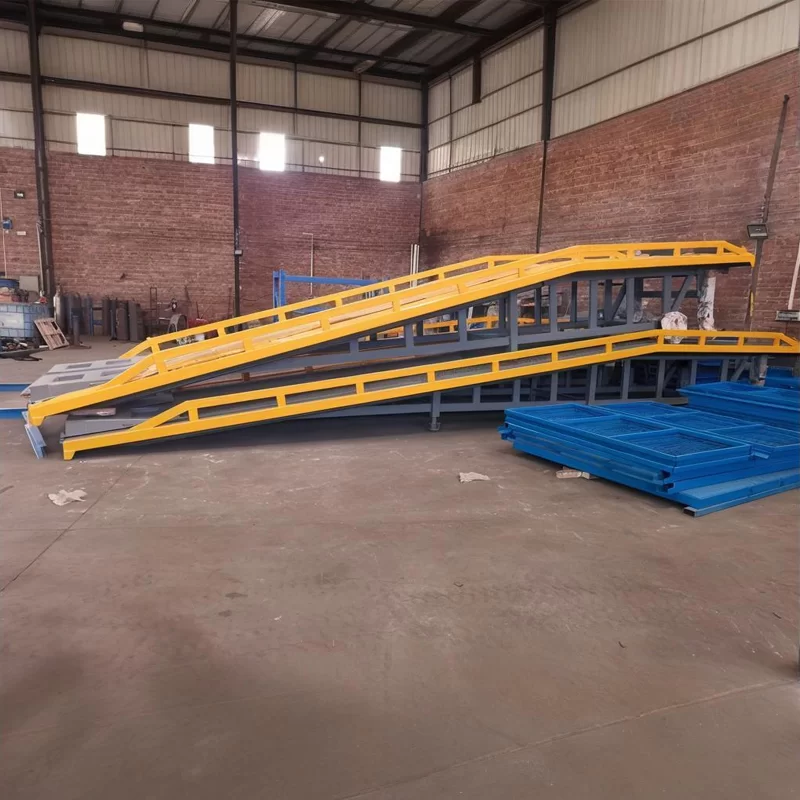
Manual Hydraulic Mobile Dock Ramp

Manual Hydraulic Mobile Dock Ramp

Efficient Loading with Hydraulic mobile dock ramp Solutions

Efficient Loading with Hydraulic mobile dock ramp Solutions

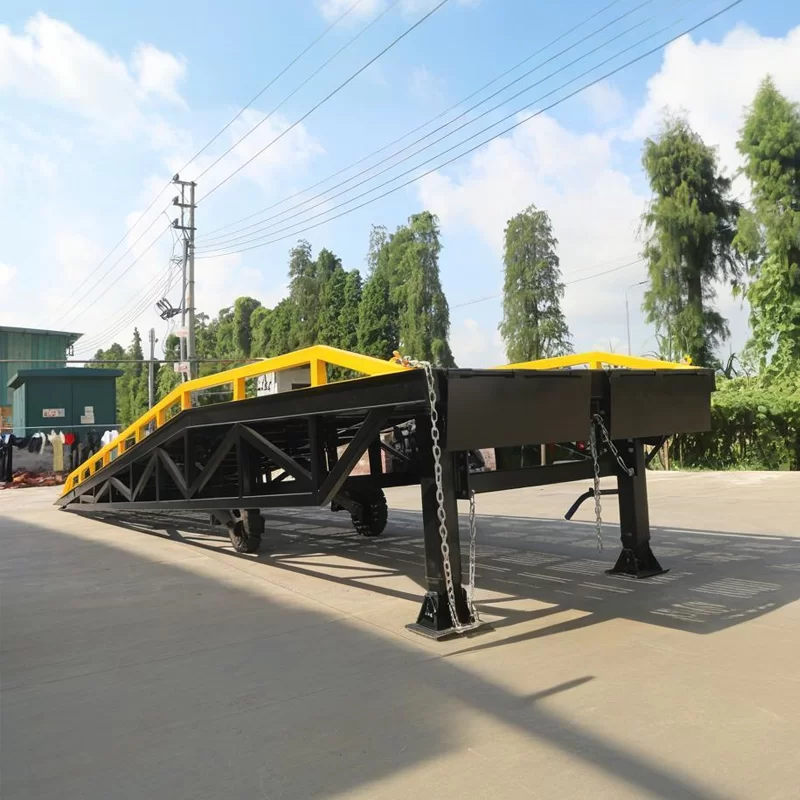
In the fast-paced world of logistics and warehousing, the efficiency of loading and unloading operations can make or break a supply chain's profitability. A Hydraulic mobile dock ramp serves as a critical bridge between the warehouse floor and the transport vehicle, eliminating the need for expensive permanent loading docks. By providing a flexible, heavy-duty transition point, these ramps allow businesses to scale their operations without investing in massive structural renovations.
April 24, 2026
Efficient Material Handling with Warehouse Lift Platform

Efficient Material Handling with Warehouse Lift Platform

In the fast-paced world of modern logistics, the efficiency of vertical and horizontal material movement defines the success of a supply chain. A warehouse lift platform serves as the critical link in this chain, allowing facilities to maximize their cubic space while ensuring that heavy loads are moved with precision and safety. By bridging the gap between different floor levels or loading bays, these systems eliminate the bottlenecks associated with manual lifting and traditional forklifts. Globally, the demand for advanced material handling solutions has surged as e-commerce drives the need for higher throughput and denser storage.
May 11, 2026
Efficient Loading Dock Lift Systems for Modern Logistics

Efficient Loading Dock Lift Systems for Modern Logistics

In the fast-paced world of global logistics, the efficiency of the loading bay often determines the overall throughput of a warehouse. A loading dock lift serves as the critical bridge between different transport heights, ensuring that goods move seamlessly from trailers to the warehouse floor without bottlenecking. By eliminating height discrepancies, these systems reduce manual handling and drastically accelerate the loading and unloading process. Across the globe, the demand for optimized material handling is surging as e-commerce continues to scale. The integration of a high-quality loading dock lift is no longer a luxury but a necessity for facilities
May 18, 2026

Advanced Cargo Lifting Device Solutions for New Zealand Industrial Logistics

Optimizing material flow across Oceania with high-performance vertical lifting systems engineered for durability and safety.

Advanced Cargo Lifting Device Solutions for New Zealand Industrial Logistics

We provide specialized cargo lifting device systems designed to meet the rigorous safety standards of the New Zealand manufacturing and construction sectors.

Material Handling Landscape in New Zealand

Analyzing the operational challenges of continuous conveying equipment in the Oceania region.

In New Zealand, the industrial sector is characterized by a high demand for efficiency despite a geographically dispersed workforce. The reliance on a robust loading dock lift is critical for the dairy and forestry industries, where bulk material movement must be seamless to avoid bottlenecks in the supply chain.

Climate conditions in Oceania, particularly the coastal humidity of Auckland and Wellington, necessitate lifting equipment with superior anti-corrosion coatings. This environmental factor pushes local firms to seek specialized hardware that can withstand saline air while maintaining precision mechanical movement.

Furthermore, the strict health and safety regulations mandated by WorkSafe New Zealand have led to a surge in demand for certified electric scissor lift platforms, replacing older, manual systems to minimize workplace injuries and improve operational uptime.
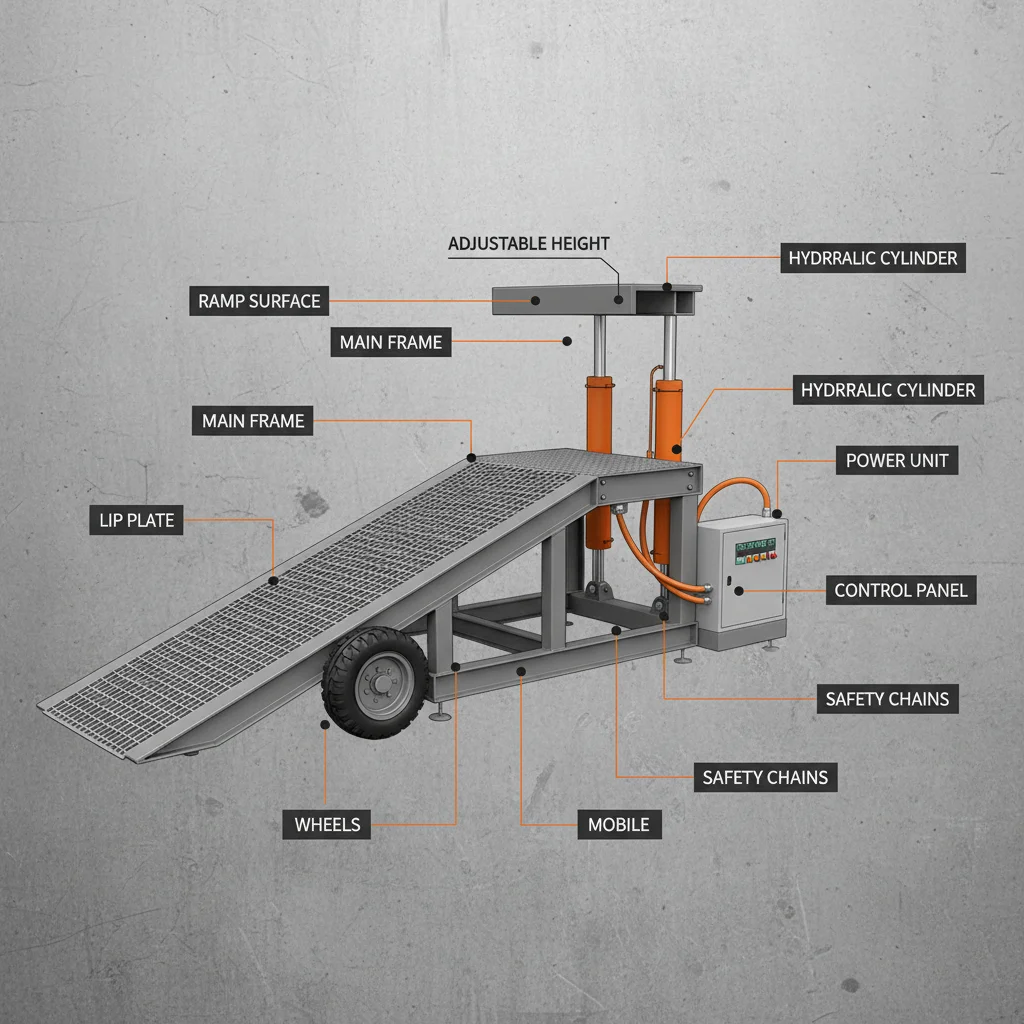
Evolution of Lifting Technology in Oceania

From mechanical pulleys to smart automated lifting platforms.

Market Development History

During the 1990s, the New Zealand market relied heavily on basic hydraulic jacks and manual conveyors. The transition began in the early 2000s when integrated factory lifting platform systems were introduced to support the growth of large-scale warehousing in the Waikato region.

Between 2010 and 2020, the industry shifted toward electronic control systems. This era saw the integration of PLC (Programmable Logic Controllers), allowing for precise height adjustments and synchronized movement in multi-level manufacturing facilities.

Today, the market is dominated by energy-efficient, low-noise electric systems. The partnership between the building contractor and equipment manufacturers has become more collaborative, ensuring that lifting shafts are integrated into the architectural blueprint from day one.

Future Development Trends

IoT Integrated Monitoring

Predictive maintenance using IoT sensors will allow New Zealand operators to detect hydraulic leaks or motor wear before a failure occurs, reducing downtime in critical production lines.

Carbon-Neutral Power Sources

Aligning with New Zealand's "Zero Carbon" goals, we expect a transition toward lithium-iron-phosphate batteries and regenerative braking systems in all heavy-duty lifting devices.

AI-Driven Load Balancing

Future systems will incorporate AI to automatically distribute weight across the platform, optimizing energy consumption and extending the lifespan of the mechanical components.

Industry Trends and Future Outlook

Strategic directions for continuous conveyor and lifting equipment.

Autonomous Logistics
Integration of AGVs with lifting platforms to create fully autonomous vertical material flow.
Modular Scalability
Standardized modular components allowing rapid expansion of lifting capacities.
Safety Compliance 2.0
Implementation of laser-curtain sensors to prevent accidents during cargo transit.
Energy Recovery
Capturing energy during the descent phase to power ancillary factory systems.

Industry Outlook

The trajectory of the material handling industry in New Zealand is moving toward a "Smart-Lift" ecosystem. Based on search trend data, there is a significant increase in queries regarding "integrated warehouse automation" and "safe vertical transport," indicating that businesses are prioritizing systemic efficiency over standalone equipment.

We anticipate that the convergence of green energy and automation will redefine the role of the building contractor, who will now need to integrate complex power grids and data cabling directly into the lifting infrastructure to support future-proof operations.

Local Application Scenarios in New Zealand

Real-world deployments across various NZ industrial sectors.

01. Dairy Processing Plant Logistics

Installation of high-capacity factory lifting platform units to move heavy stainless steel vats between processing floors in the Waikato region, ensuring hygiene and stability.

02. Auckland Port Distribution Centers

Implementation of heavy-duty loading dock lift systems to bridge the gap between varying truck heights and warehouse floors, accelerating container throughput.

03. Christchurch Construction Sites

Deployment of mobile electric scissor lift units for building contractors to perform high-ceiling electrical and HVAC installations with maximum stability.

04. South Island Forestry Mills

Custom cargo lifting device systems designed to transport raw timber logs from sorting areas to secondary processing levels in rugged environments.

05. Urban Boutique Warehouses

Compact vertical lifts integrated into multi-story urban warehouses in Wellington, maximizing floor space while maintaining efficient inventory movement.

Brand Story

Global Development Journey of Jiangmen Hongli Machinery Co., Ltd.

Foundational Engineering

Started with a mission to solve the basic instability of industrial lifts, focusing on high-precision hydraulic systems for local factories.

Technological Breakthrough

Introduced advanced PLC controls and synchronized lifting technology, reducing operational errors by 40% for our clients.

Global Standardization

Achieved international safety certifications, allowing our equipment to enter the strict markets of Oceania and Europe.

Customer-Centric Innovation

Established a global feedback loop, tailoring lifting solutions to the specific climatic and regulatory needs of each region.

Sustainable Future

Investing in green materials and energy-efficient motors to lead the transition toward carbon-neutral material handling.

Complete Product Portfolio for the New Zealand Market

A comprehensive range of lifting solutions tailored for Oceania's unique industrial requirements.

Common Questions for NZ Material Handling

Expert answers to technical and regulatory queries in New Zealand.

How to choose a loading dock lift that complies with WorkSafe NZ?

Ensure the equipment has a certified load test report and includes emergency stop buttons and safety skirts as required by local health and safety standards.

What is the best cargo lifting device for coastal environments in Oceania?

We recommend systems with hot-dip galvanized steel or high-grade epoxy powder coating to prevent corrosion caused by salt-laden air.

Can a factory lifting platform be integrated into existing building structures?

Yes, by collaborating with a professional building contractor, we can design custom pits and support beams to fit the platform into your current floor plan.

What are the maintenance requirements for an electric scissor lift in NZ?

Regular quarterly inspections of the hydraulic seals, battery health, and safety sensors are recommended to ensure longevity and compliance.

Which lifting system is most efficient for small-scale urban warehouses?

Compact vertical cargo lifts are ideal as they utilize vertical space and require minimal footprint compared to ramps or large conveyors.

Do you provide customized load capacities for heavy industrial machinery?

Absolutely. We engineer custom platforms that can handle loads from 500kg up to 20 tons, depending on the specific industrial application.

Ready to Optimize Your Workflow?

Contact our technical team today for a customized lifting solution engineered specifically for your business in New Zealand.

Contact Us Now

If you are interested in our products, you can choose to leave your information here, and we will be in touch with you shortly.