News

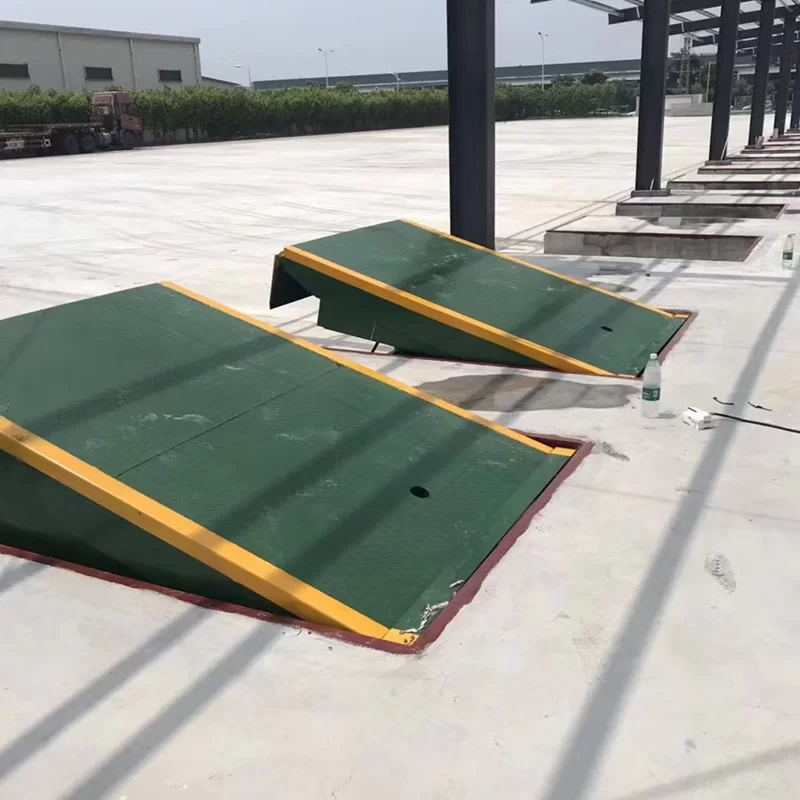
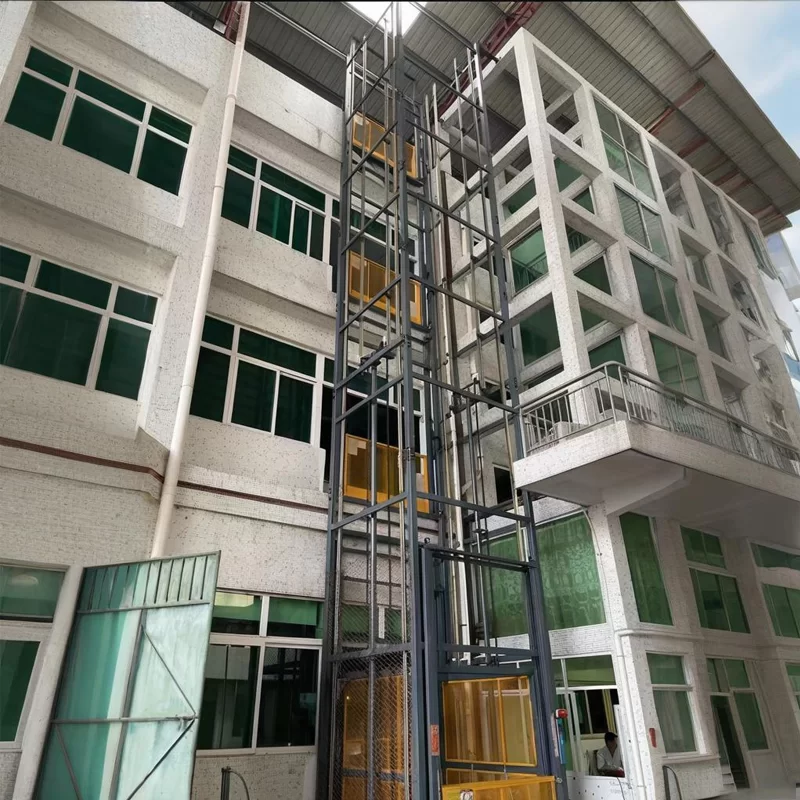
Advanced cargo lifting device Solutions for Rwanda’s Industrial Growth

April 25, 2026

Advanced cargo lifting device Solutions for Rwanda's Industrial Growth

Optimizing vertical logistics and material handling for Rwanda's evolving manufacturing and construction sectors with high-efficiency lifting technology.

Advanced cargo lifting device Solutions for Rwanda's Industrial Growth

Our specialized material handling systems are engineered to bridge the gap between traditional manual labor and modern automated logistics in the Rwandan market.

{Product List Placeholder 1}

The State of Material Handling in Rwanda

Analyzing the current logistical landscape of Rwanda's manufacturing sector.

Currently, Rwanda is experiencing a rapid industrial shift, particularly in Kigali and surrounding economic zones. However, many warehouses still rely on outdated manual hoisting, which slows down the deployment of a factory lifting platform and increases operational risks.

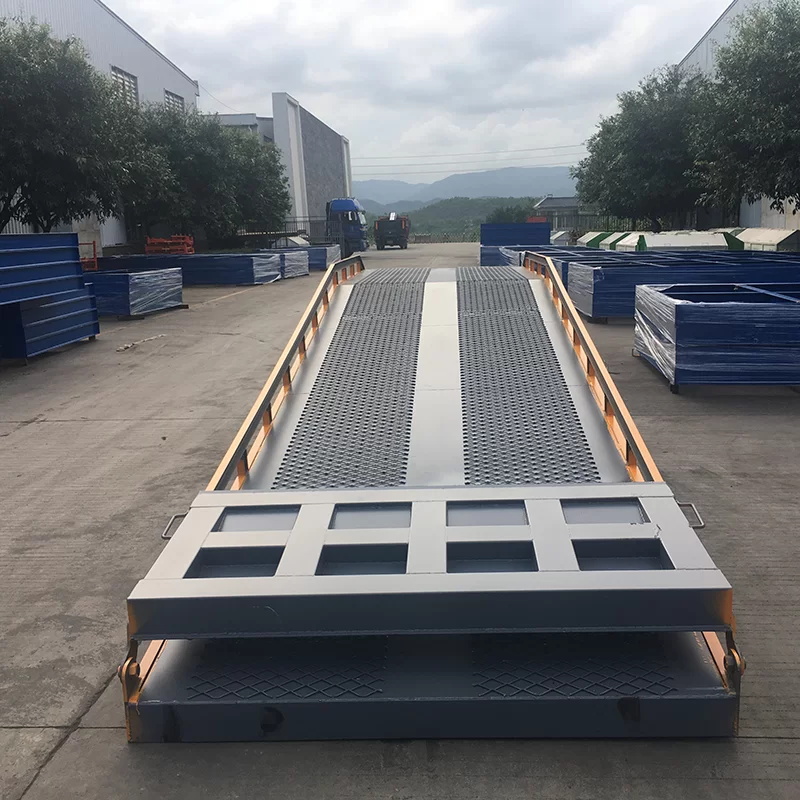
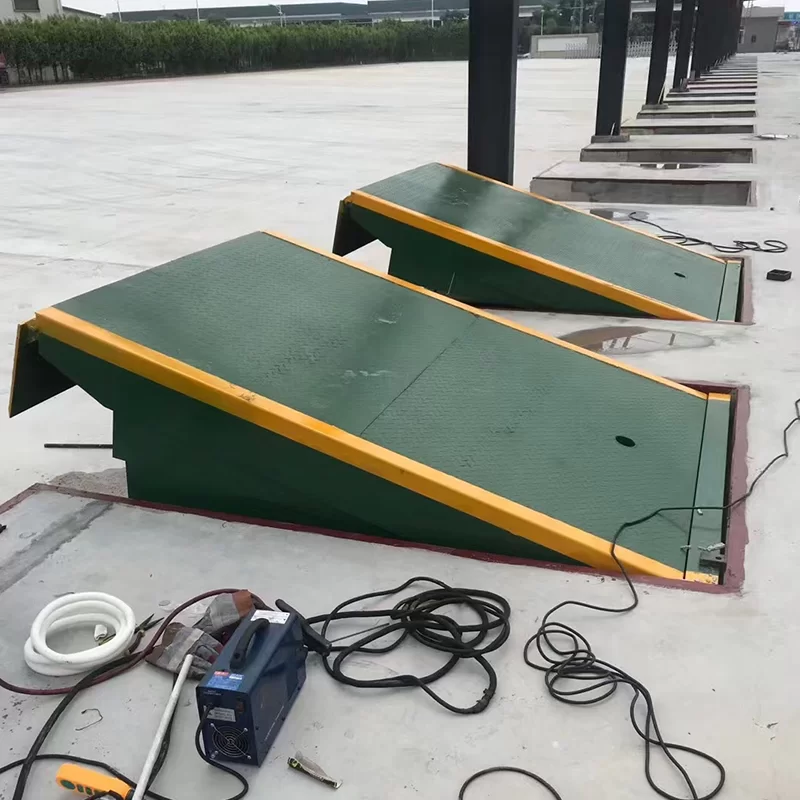
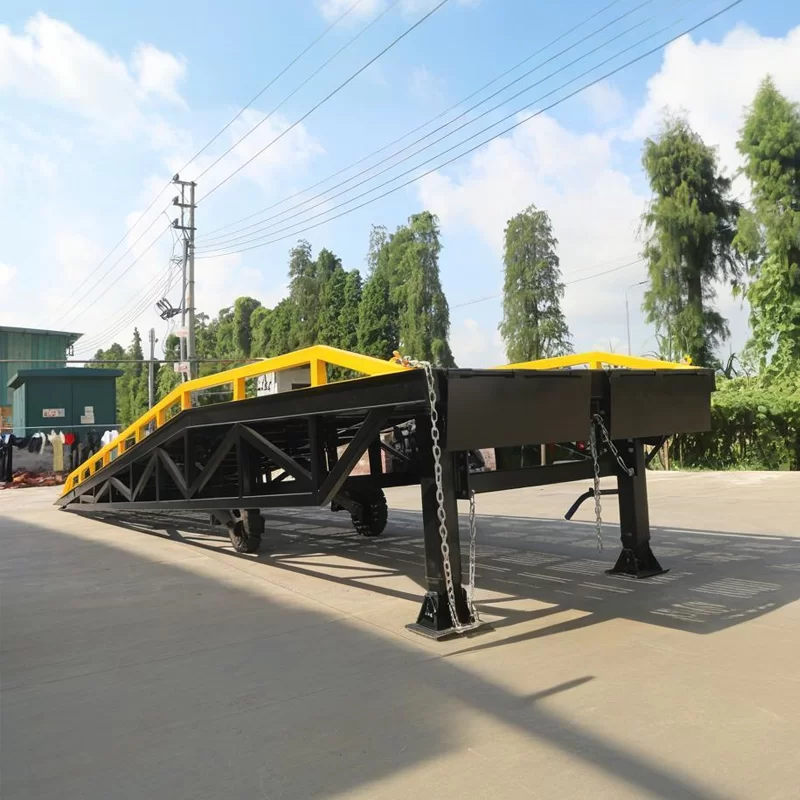
The geographic terrain and the rise of multi-story industrial units in urban areas have created a critical demand for a reliable loading dock lift to streamline the transition from trucks to storage, reducing bottlenecks in the supply chain.

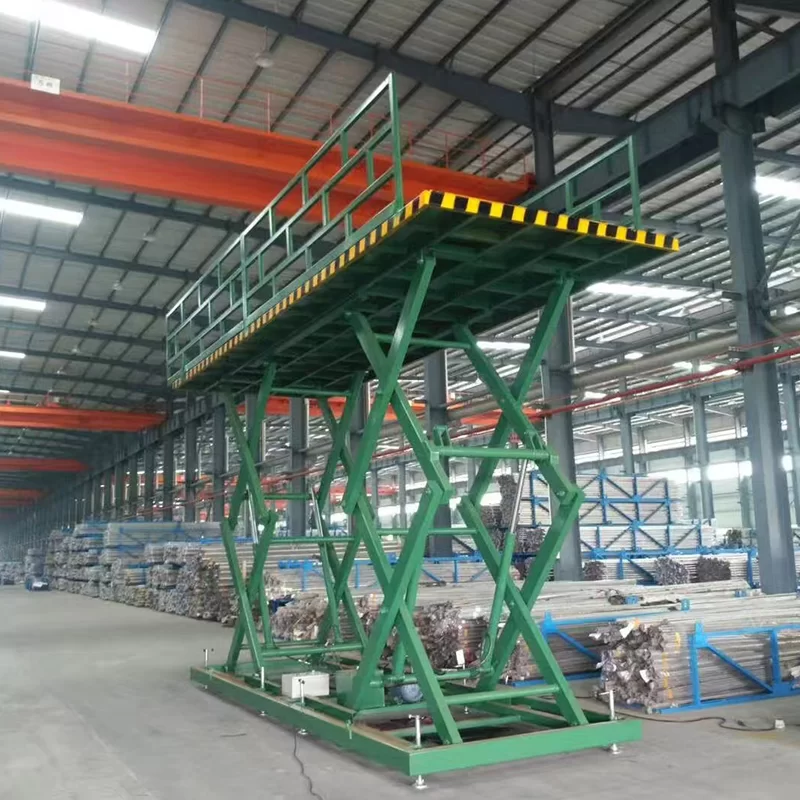
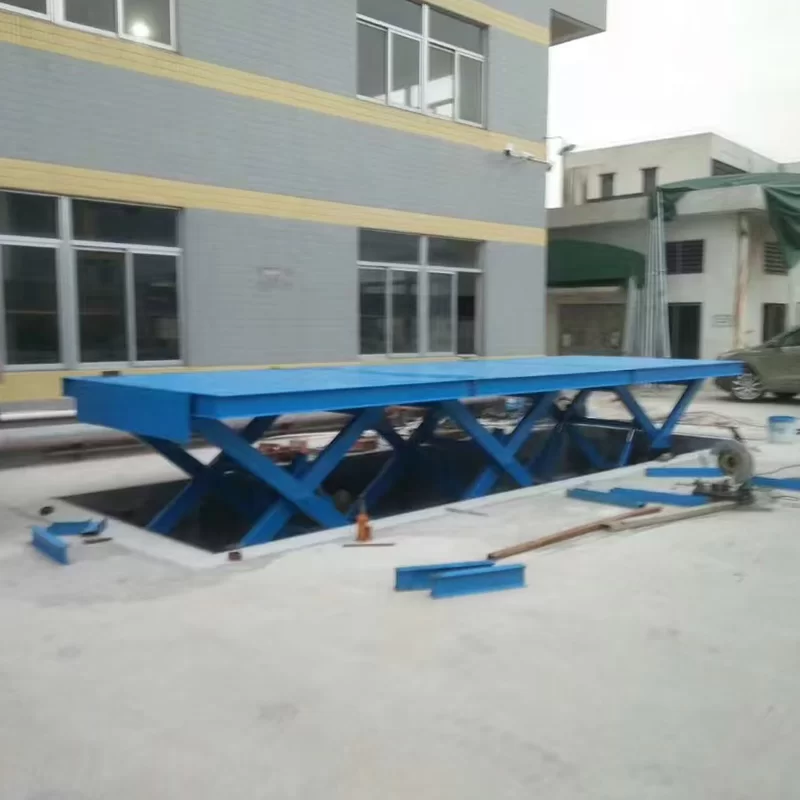
Furthermore, as the Rwandan government promotes "Made in Rwanda," local factories are upgrading their equipment. The integration of a professional electric scissor lift has become essential for maintaining safety standards in high-ceiling manufacturing plants.
Evolution of Lifting Technology in Rwanda

From manual pulleys to intelligent automated vertical transport.

Market Development History

Between 2010 and 2015, the Rwandan market was dominated by basic fixed-platform lifts and manual winches, primarily used in small-scale agricultural processing units.

From 2016 to 2020, we saw a transition toward hydraulic systems. The entry of international building contractor firms introduced standardized safety protocols, increasing the adoption of industrial-grade lifts.

Since 2021, the trend has shifted toward electrification and modularity, where customized platforms are designed to fit the specific footprint of Rwandan urban factories.

Future Development Trends

Smart Integration

Integration of IoT sensors for predictive maintenance to reduce downtime in Rwanda's critical production lines.

Energy Efficiency

A shift toward low-voltage, energy-saving motors to align with Rwanda's green energy initiatives.

Enhanced Safety Compliance

Adoption of European CE and ISO standards for all lifting equipment to support export-quality manufacturing.

Industry Outlook and Future Projections

Strategic forecasting for the material handling sector in Africa - Rwanda.

Urbanization Logistics
Increased demand for compact vertical lifts as industrial space in Kigali becomes more premium.
Hydraulic Evolution
Transition from basic piston systems to high-precision proportional valves for smoother cargo handling.
Safety Integration
Implementing advanced anti-drop and overload protection as a mandatory requirement for Rwanda's building codes.
Custom Engineering
Move towards bespoke lifting solutions tailored for the specific cargo weights of Rwandan mineral and tea exports.

Industry Outlook

Based on Google search trends in the East African region, there is a growing interest in automated warehouse equipment. We predict a 15% annual increase in the demand for electric lifting solutions in Rwanda over the next 3-5 years.

The alignment between infrastructure development and industrialization will make the adoption of advanced lifting technology a competitive necessity rather than a luxury for local manufacturers.

Localized Applications in Rwanda

Real-world implementation scenarios for our lifting equipment in the Rwandan market.

01. Kigali Industrial Zone Warehousing

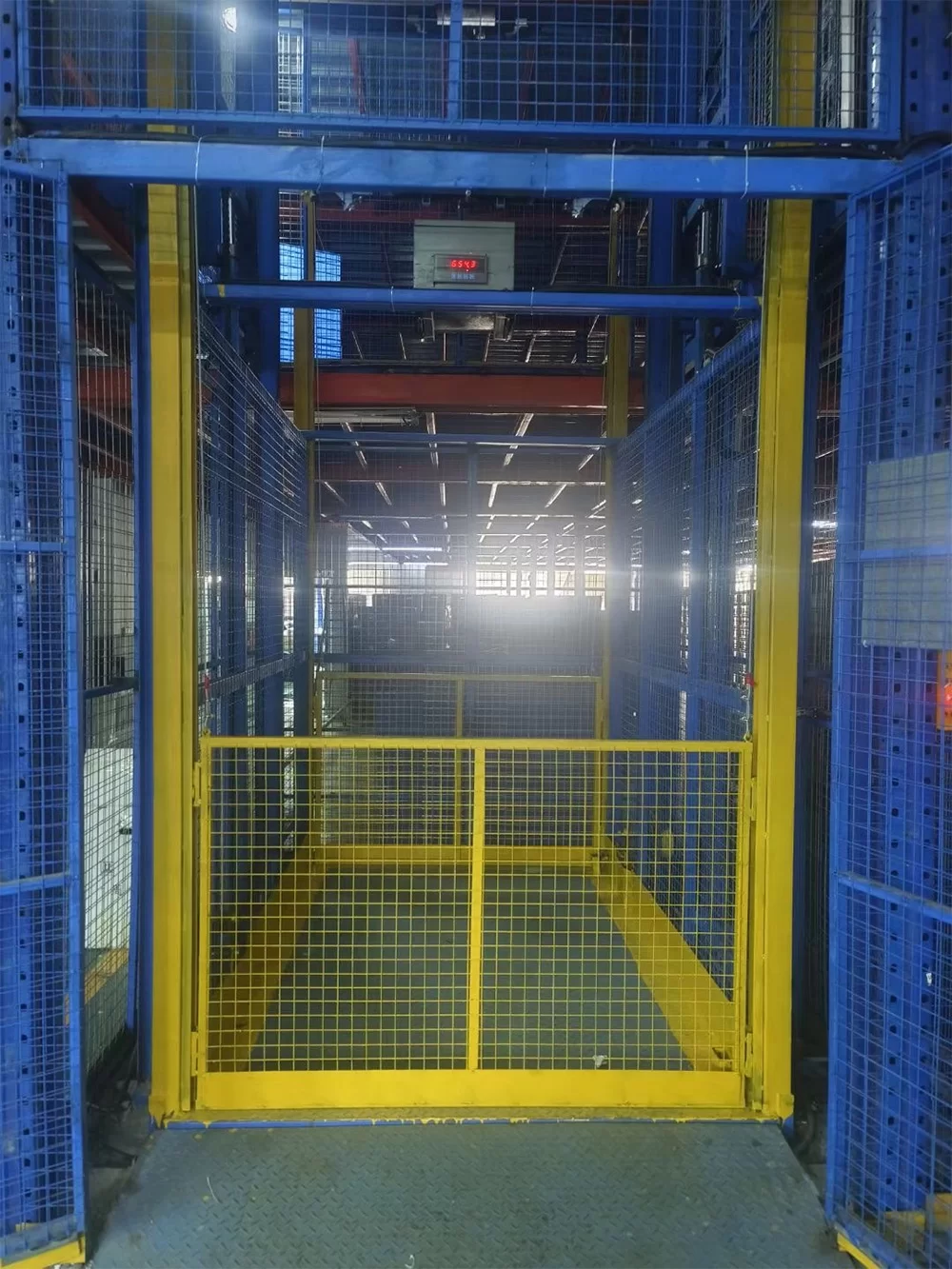
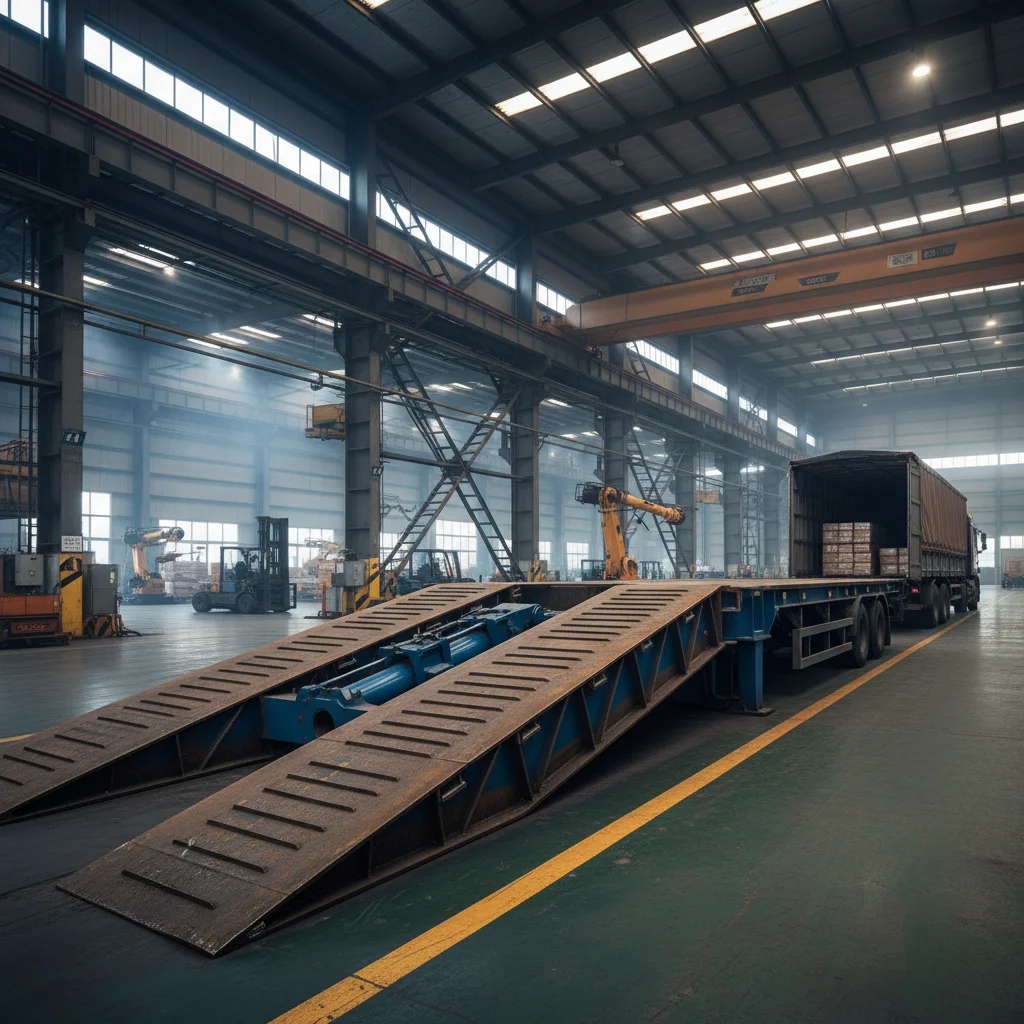
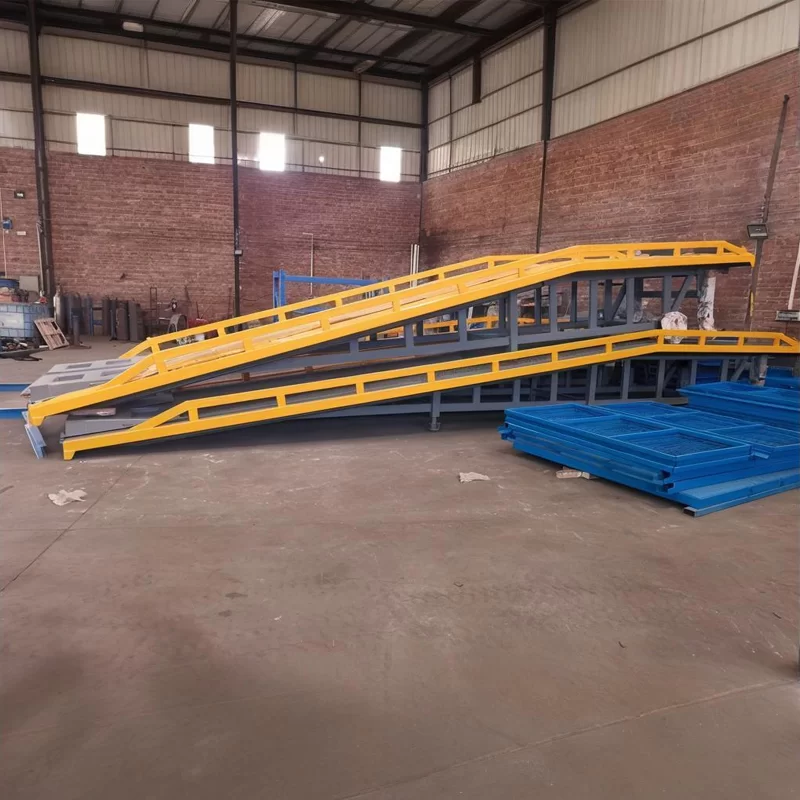
Implementing a loading dock lift to optimize the unloading of imported raw materials, ensuring seamless transfer to the production line.

02. Agri-Processing Plants

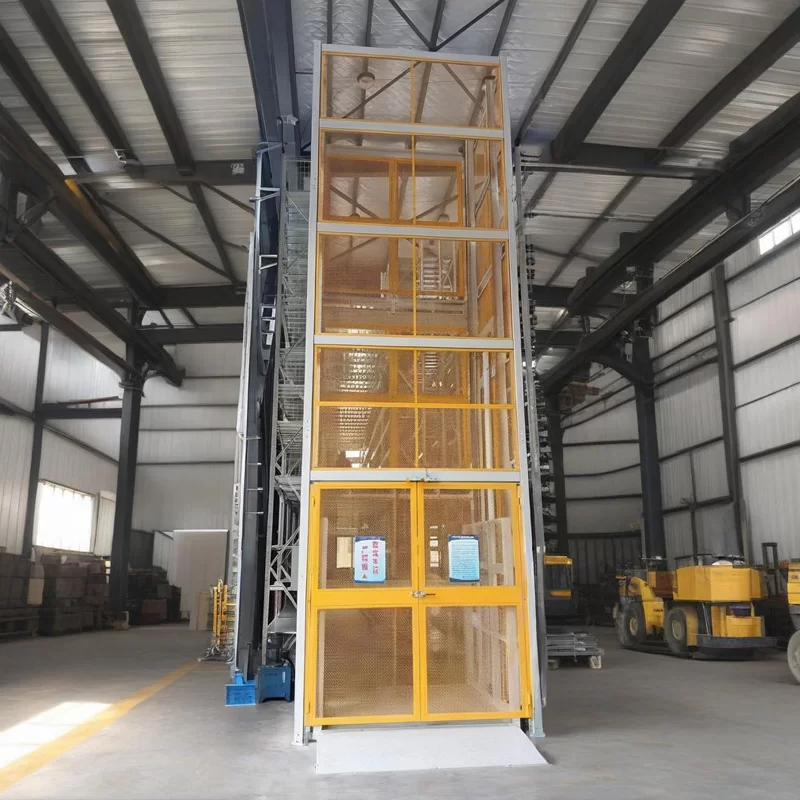
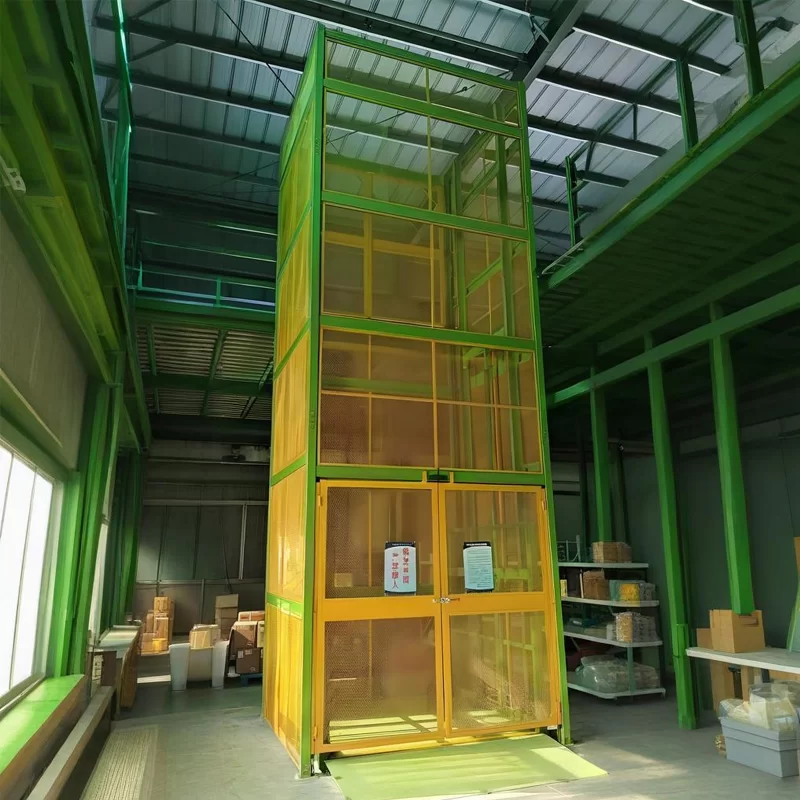
Utilizing a cargo lifting device to move heavy bags of coffee and tea between processing and packaging floors.

03. Construction Site Logistics

Partnering with a local building contractor to install temporary lifting platforms for transporting building materials to upper floors.

04. Textile Manufacturing Units

Integrating a factory lifting platform to organize fabric rolls vertically, maximizing the limited floor space of urban workshops.

05. Maintenance and Facility Management

Deploying an electric scissor lift for safe overhead electrical and HVAC maintenance in large industrial halls.

Brand Story

Global Development Journey of Jiangmen Hongli Machinery Co., Ltd.

Founding Vision

Established with a commitment to solve the "last meter" problem in vertical logistics, focusing on durability and safety.

Technological Breakthrough

Developed proprietary hydraulic sealing technology to extend the lifespan of lifts in harsh environmental conditions.

Market Expansion

Expanded our footprint into the African market, adapting equipment for varying power grids and operational needs.

Quality Certification

Achieved international certifications, ensuring our lifting platforms meet global safety and performance standards.

Future Commitment

Dedicated to empowering Rwanda's industrialization through sustainable, high-performance lifting solutions.

Complete Product Portfolio for Rwanda

Comprehensive lifting solutions tailored for the East African industrial landscape.

{Product List Placeholder 2}

Common Questions in Rwanda Market

Expert answers to frequent queries regarding industrial lifting equipment.

How do I choose the right cargo lifting device for my warehouse in Kigali?

You should consider the maximum load weight, the required lifting height, and the frequency of use. We recommend a site survey to ensure the floor can support the platform's structural load.

Can an electric scissor lift be customized for high-humidity environments?

Yes, we provide specialized anti-corrosion coatings and sealed electronic components to protect the equipment from humidity and dust common in certain Rwandan regions.

What is the installation lead time for a loading dock lift in Rwanda?

Typical lead times include manufacturing and shipping. Once on-site, installation usually takes 3-7 days depending on the civil engineering requirements of the dock.

Is a factory lifting platform compliant with Rwandan safety laws?

Our equipment is designed to meet international CE standards, which typically exceed local requirements, ensuring maximum safety for your operators.

How does a building contractor integrate lifts into new factory designs?

The contractor should include the lift pit dimensions and power requirements in the architectural blueprints during the planning phase to avoid costly modifications later.

What maintenance is required for hydraulic lifting systems in Africa?

Regular hydraulic oil checks, seal inspections, and lubrication of moving parts every 6 months are recommended to ensure longevity and safety.

Request a Technical Consultation

Our engineers are ready to design the perfect lifting solution for your business in Rwanda.

Contact Us Now
Need Our Services And Quotes
lf you need our help,Our staff will be happy to help and answer your questions!
  • name*
  • email*
  • phone*
  • message*
Container Loading Platform

Container Loading Platform

Heavy-Duty Scissor Lift Table

Heavy-Duty Scissor Lift Table

Efficient Material Handling with Warehouse Lift Platform

Efficient Material Handling with Warehouse Lift Platform

In the fast-paced world of modern logistics, the efficiency of vertical and horizontal material movement defines the success of a supply chain. A warehouse lift platform serves as the critical link in this chain, allowing facilities to maximize their cubic space while ensuring that heavy loads are moved with precision and safety. By bridging the gap between different floor levels or loading bays, these systems eliminate the bottlenecks associated with manual lifting and traditional forklifts. Globally, the demand for advanced material handling solutions has surged as e-commerce drives the need for higher throughput and denser storage.
May 11, 2026
The Maximum Lifting Height of Hydraulic Lift Equipment

The Maximum Lifting Height of Hydraulic Lift Equipment

Hydraulic lifts are widely used across various industries, particularly in construction, logistics, manufacturing, and maintenance. 

March 23, 2026
Efficiency and Safety Guide for Hydraulic dock leveler Systems

Efficiency and Safety Guide for Hydraulic dock leveler Systems

In the fast-paced world of logistics and supply chain management, the efficiency of the loading dock is a critical determinant of overall operational success. A Hydraulic dock leveler serves as the vital bridge between a warehouse floor and a transport vehicle, eliminating the height gap that often hinders the smooth movement of goods. By providing a stable, adjustable platform, these systems ensure that forklifts and pallet jacks can transition seamlessly, drastically reducing loading times and operational bottlenecks.
April 23, 2026

Advanced cargo lifting device Solutions for Rwanda's Industrial Growth

Optimizing vertical logistics and material handling for Rwanda's evolving manufacturing and construction sectors with high-efficiency lifting technology.

Advanced cargo lifting device Solutions for Rwanda's Industrial Growth

Our specialized material handling systems are engineered to bridge the gap between traditional manual labor and modern automated logistics in the Rwandan market.

The State of Material Handling in Rwanda

Analyzing the current logistical landscape of Rwanda's manufacturing sector.

Currently, Rwanda is experiencing a rapid industrial shift, particularly in Kigali and surrounding economic zones. However, many warehouses still rely on outdated manual hoisting, which slows down the deployment of a factory lifting platform and increases operational risks.

The geographic terrain and the rise of multi-story industrial units in urban areas have created a critical demand for a reliable loading dock lift to streamline the transition from trucks to storage, reducing bottlenecks in the supply chain.

Furthermore, as the Rwandan government promotes "Made in Rwanda," local factories are upgrading their equipment. The integration of a professional electric scissor lift has become essential for maintaining safety standards in high-ceiling manufacturing plants.
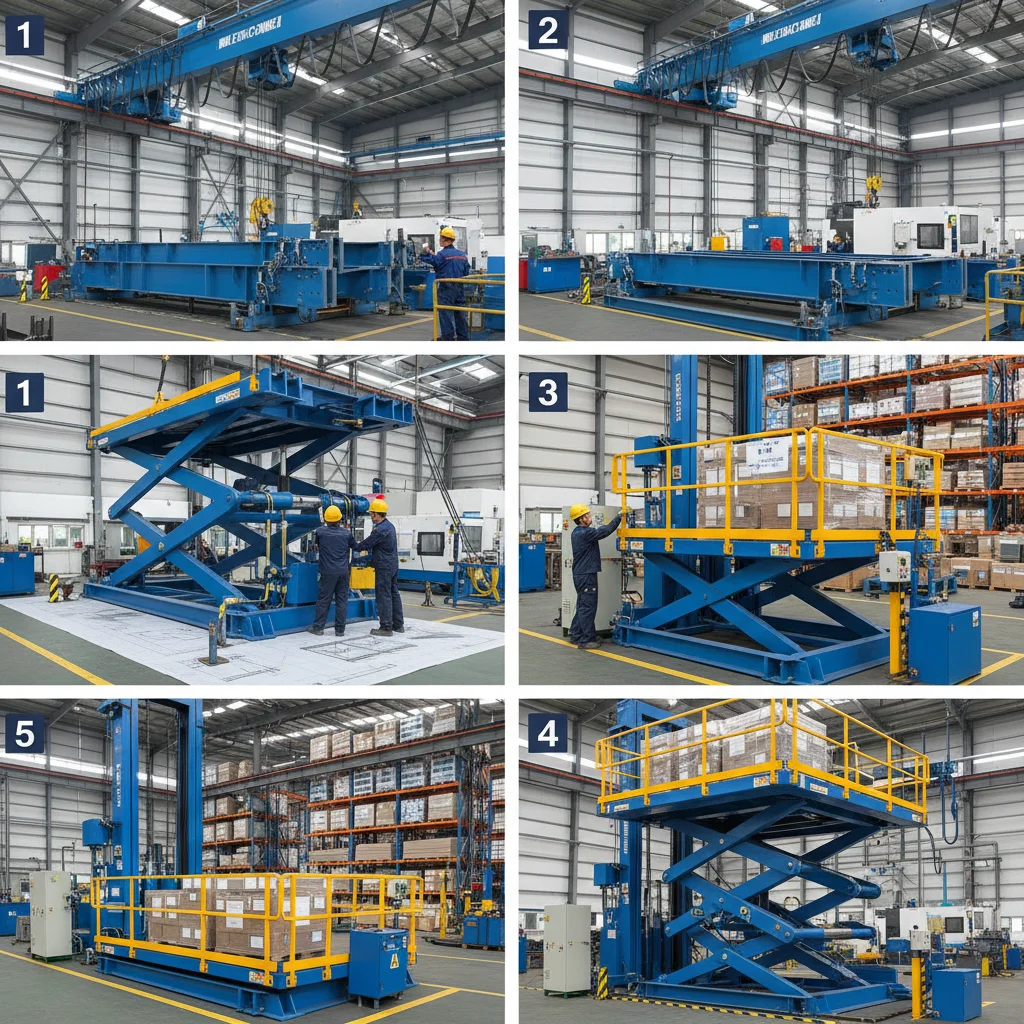
Evolution of Lifting Technology in Rwanda

From manual pulleys to intelligent automated vertical transport.

Market Development History

Between 2010 and 2015, the Rwandan market was dominated by basic fixed-platform lifts and manual winches, primarily used in small-scale agricultural processing units.

From 2016 to 2020, we saw a transition toward hydraulic systems. The entry of international building contractor firms introduced standardized safety protocols, increasing the adoption of industrial-grade lifts.

Since 2021, the trend has shifted toward electrification and modularity, where customized platforms are designed to fit the specific footprint of Rwandan urban factories.

Future Development Trends

Smart Integration

Integration of IoT sensors for predictive maintenance to reduce downtime in Rwanda's critical production lines.

Energy Efficiency

A shift toward low-voltage, energy-saving motors to align with Rwanda's green energy initiatives.

Enhanced Safety Compliance

Adoption of European CE and ISO standards for all lifting equipment to support export-quality manufacturing.

Industry Outlook and Future Projections

Strategic forecasting for the material handling sector in Africa - Rwanda.

Urbanization Logistics
Increased demand for compact vertical lifts as industrial space in Kigali becomes more premium.
Hydraulic Evolution
Transition from basic piston systems to high-precision proportional valves for smoother cargo handling.
Safety Integration
Implementing advanced anti-drop and overload protection as a mandatory requirement for Rwanda's building codes.
Custom Engineering
Move towards bespoke lifting solutions tailored for the specific cargo weights of Rwandan mineral and tea exports.

Industry Outlook

Based on Google search trends in the East African region, there is a growing interest in automated warehouse equipment. We predict a 15% annual increase in the demand for electric lifting solutions in Rwanda over the next 3-5 years.

The alignment between infrastructure development and industrialization will make the adoption of advanced lifting technology a competitive necessity rather than a luxury for local manufacturers.

Localized Applications in Rwanda

Real-world implementation scenarios for our lifting equipment in the Rwandan market.

01. Kigali Industrial Zone Warehousing

Implementing a loading dock lift to optimize the unloading of imported raw materials, ensuring seamless transfer to the production line.

02. Agri-Processing Plants

Utilizing a cargo lifting device to move heavy bags of coffee and tea between processing and packaging floors.

03. Construction Site Logistics

Partnering with a local building contractor to install temporary lifting platforms for transporting building materials to upper floors.

04. Textile Manufacturing Units

Integrating a factory lifting platform to organize fabric rolls vertically, maximizing the limited floor space of urban workshops.

05. Maintenance and Facility Management

Deploying an electric scissor lift for safe overhead electrical and HVAC maintenance in large industrial halls.

Brand Story

Global Development Journey of Jiangmen Hongli Machinery Co., Ltd.

Founding Vision

Established with a commitment to solve the "last meter" problem in vertical logistics, focusing on durability and safety.

Technological Breakthrough

Developed proprietary hydraulic sealing technology to extend the lifespan of lifts in harsh environmental conditions.

Market Expansion

Expanded our footprint into the African market, adapting equipment for varying power grids and operational needs.

Quality Certification

Achieved international certifications, ensuring our lifting platforms meet global safety and performance standards.

Future Commitment

Dedicated to empowering Rwanda's industrialization through sustainable, high-performance lifting solutions.

Complete Product Portfolio for Rwanda

Comprehensive lifting solutions tailored for the East African industrial landscape.

Common Questions in Rwanda Market

Expert answers to frequent queries regarding industrial lifting equipment.

How do I choose the right cargo lifting device for my warehouse in Kigali?

You should consider the maximum load weight, the required lifting height, and the frequency of use. We recommend a site survey to ensure the floor can support the platform's structural load.

Can an electric scissor lift be customized for high-humidity environments?

Yes, we provide specialized anti-corrosion coatings and sealed electronic components to protect the equipment from humidity and dust common in certain Rwandan regions.

What is the installation lead time for a loading dock lift in Rwanda?

Typical lead times include manufacturing and shipping. Once on-site, installation usually takes 3-7 days depending on the civil engineering requirements of the dock.

Is a factory lifting platform compliant with Rwandan safety laws?

Our equipment is designed to meet international CE standards, which typically exceed local requirements, ensuring maximum safety for your operators.

How does a building contractor integrate lifts into new factory designs?

The contractor should include the lift pit dimensions and power requirements in the architectural blueprints during the planning phase to avoid costly modifications later.

What maintenance is required for hydraulic lifting systems in Africa?

Regular hydraulic oil checks, seal inspections, and lubrication of moving parts every 6 months are recommended to ensure longevity and safety.

Request a Technical Consultation

Our engineers are ready to design the perfect lifting solution for your business in Rwanda.

Contact Us Now

If you are interested in our products, you can choose to leave your information here, and we will be in touch with you shortly.